Best Coolers for Keeping Your Catch Fresh on Fishing Trips
There’s nothing quite as deflating as a successful fishing trip turning sour because your beautiful catch didn't stay fresh on the journey home. Between the scorching Tennessee summers and even surprisingly warm days in other seasons, keeping fish in prime condition until you can get them cleaned and cooked can feel like a real challenge. This guide is all about helping you beat the heat and ensure your hard-earned fish taste as good as the memory of catching them, focusing on the best coolers and practices for keeping your catch fresh.
Why a Good Cooler is Non-Negotiable for Tennessee Anglers
You’ve put in the time, learned the patterns, and finally reeled in some fantastic fish on one of Tennessee's incredible lakes or rivers. Maybe it was a fat largemouth from Chickamauga Lake, or a mess of crappie from Kentucky Lake. The last thing you want is for that triumph to be diminished by poor handling once the fish are out of the water. A quality cooler isn't just a nice-to-have; it's an essential piece of gear for any angler serious about the quality of their catch.
The Battle Against Tennessee's Heat and Humidity
Anyone who’s spent a summer afternoon on the water in Tennessee knows how quickly temperatures can soar. That beautiful, shimmering fish you just landed starts to deteriorate almost immediately if not properly cooled. The combination of high ambient temperatures and often-humid air creates a perfect breeding ground for bacteria that quickly spoil your fish. Even on cooler days, direct sunlight beaming down on your boat or the bank can significantly warm any unprotected container. This isn't just about losing a meal; it can also affect the texture and flavor, making that delicious fillet mushy or giving it an off-taste. We've all heard stories, or experienced ourselves, that gut-punch feeling of opening the cooler only to find lukewarm water and fish that are no longer firm. It’s a common frustration, but it’s one we can absolutely overcome with the right approach.
Preserving Quality for the Dinner Table
Beyond just preventing spoilage, a good cooler and proper ice management are crucial for preserving the delicate texture and fresh flavor of your fish. When a fish warms up, its flesh begins to soften, and the natural enzymes start to break down its proteins. This process accelerates rapidly with heat. Imagine hooking into a prime Smallmouth Bass: Tennessee's Official State Fish or a plump Channel Catfish: Tennessee's Other Official State Fish—you want that fish to taste as vibrant and firm as possible when it hits your plate. Keeping it on ice immediately after the catch chills the meat, slowing down this enzymatic breakdown and bacterial growth significantly. This results in a much better eating experience, with firm, flaky flesh and that sweet, clean taste that fresh fish are known for. It’s the difference between a memorable meal and a mediocre one, and it all starts in the cooler.
Compliance with Regulations
While the primary concern is freshness, having an appropriate cooler can also indirectly help with compliance regarding fishing regulations. Many of Tennessee's fishing spots, like those listed in Best Fishing Lakes in Tennessee, have specific limits on the number and size of fish you can keep. Having a dedicated, well-organized cooler helps you keep track of your catch, ensuring you don’t accidentally exceed your daily limit for species like Tennessee's Largemouth Bass Limit Is 5 Per Day, Only 1 Over 18 Inches or Tennessee's Crappie Limit Is 20 Per Day, Only 5 Over 12 Inches. Plus, when a game warden checks your catch, presenting neatly stored, fresh fish is always a good practice. While a cooler isn't a direct regulation, it supports responsible angling and can make inspections smoother, particularly when following guidelines outlined in Tennessee Fishing Regulations Explained.
Key Features to Look for in a Fishing Cooler
Choosing the right cooler can feel a bit overwhelming, with so many options out there. But for fishing, especially in Tennessee's varying conditions, certain features truly stand out as game-changers. Thinking through these aspects before you buy will save you headaches and ensure your catch stays ice-cold.
Insulation Performance and Ice Retention
This is, without a doubt, the most critical factor. A cooler is only as good as its ability to keep ice, well, ice. Look for coolers with thick, injected polyurethane foam insulation in both the walls and the lid. Rotomolded coolers are popular for this reason; their seamless, thick construction provides superior thermal performance. Check for a freezer-grade gasket around the lid, similar to what you’d find on your home freezer. This tight seal prevents warm air from seeping in and cold air from escaping, which is vital for maintaining consistent low temperatures. Some coolers even boast insulation in their drain plugs, a small detail that can make a big difference over a long, hot day. Good ice retention means less worry and more time focusing on fishing, whether you're out for a few hours or an entire weekend targeting species during the Tennessee Trout Fishing Season Explained or Tennessee Bass Fishing Seasons and Patterns.
Durability for the Rigors of Fishing
Fishing environments are tough. Coolers get bumped, dropped, dragged, and exposed to sun, water, and fish slime. You need a cooler that can take a beating and keep on performing. Look for construction materials like rotomolded polyethylene, which offers exceptional strength and impact resistance. Heavy-duty, non-corroding latches (rubber T-latches are a common, reliable design) and sturdy, integrated hinges are a must. Flimsy latches or weak hinges are often the first things to fail, rendering a cooler almost useless. Think about how you’ll use it – will it be bouncing around in the back of a truck, sliding on a boat deck, or carried through rough terrain? Your cooler needs to be as resilient as your passion for fishing. Brands often found at places like Bass Pro Shops are known for their rugged construction.
Practical Design Elements
Beyond just keeping things cold and being tough, a great fishing cooler has thoughtful design touches that make life easier on the water.
- Drainage System: A large, threaded drain plug that's easy to open and close, and preferably tethered so you don't lose it, is invaluable for quickly draining melted water. This helps keep your fish out of standing water, which can contribute to spoilage.
- Non-Slip Feet: Rubberized, non-slip feet on the bottom prevent the cooler from sliding around on a wet boat deck or in the back of your vehicle, a crucial safety feature.
- Measuring Rule: Many fishing coolers come with a molded-in or stick-on measuring rule on the lid. This is incredibly handy for quickly checking if your catch meets Tennessee Fishing Season and Catch Limits without fumbling for a separate ruler.
- Tie-Down Points: Integrated tie-down slots or holes allow you to secure your cooler to your boat, kayak, or truck bed, preventing it from shifting during transport or rough water conditions. This is an often-overlooked feature but incredibly important for safety and protecting your gear.
- Handles: Comfortable, sturdy handles are essential. Roped handles with comfortable grips are popular, but molded-in handles can also work well if they offer a good grip.
Size and Capacity Considerations
How big does your cooler need to be? That depends entirely on your fishing habits. Are you a solo angler doing short trips to a local pond for panfish, or do you head out on multi-day expeditions to Tennessee's Top Bass Fishing Lakes with friends, hoping for a boatload of Tennessee's 52 Sport Fish Explained?
- Day Trips: A 25-45 quart cooler might suffice for a solo angler or a small group on a day trip.
- Weekend Trips: For longer outings or when fishing with multiple people, consider a 60-75 quart cooler. This provides enough space for ice, drinks, and a substantial catch.
- Big Game/Tournament Fishing: If you're chasing trophy fish or participating in tournaments, larger coolers (100+ quarts) might be necessary to accommodate bigger catches and more ice.
Remember, you need space for both your fish AND plenty of ice. A good rule of thumb is a 2:1 ratio of ice to fish, or even 3:1 for really long trips or hot days. It's often better to have a slightly larger cooler than you think you need rather than trying to cram everything into one that's too small.
Types of Coolers Best Suited for Fishing in Tennessee
Just like there are different types of fishing, there are different types of coolers designed for various needs. Knowing the pros and cons of each will help you decide which one is the perfect companion for your Tennessee angling adventures.
High-Performance Rotomolded Coolers
These are the workhorses of the fishing world, and for good reason. Rotomolded coolers get their name from the rotational molding process used to create them, resulting in a single, seamless, and incredibly strong piece of plastic. This construction allows for exceptionally thick insulation, often several inches, giving them superior ice retention capabilities that can last for days, even in the Tennessee heat. Brands like YETI, RTIC, Orca, and Grizzly are popular examples of this type, widely available at outdoor retailers and online marketplaces like Amazon.
- Pros: Unmatched ice retention, extreme durability, often come with features like drain plugs, non-slip feet, and integrated measuring rulers. They can double as sturdy seating or casting platforms on a boat.
- Cons: They are heavy, even when empty, and can be quite bulky. Their premium performance often comes with a higher price tag. Moving a large, full rotomolded cooler can be a two-person job.
- Best Use: Extended fishing trips, hot weather conditions, keeping a large volume of fish (or food/drinks) cold for several days, or situations where durability is paramount. Essential for serious anglers who spend significant time on the water.
Soft-Sided Coolers and Insulated Fish Bags
For anglers who prioritize portability and ease of storage, soft-sided coolers and insulated fish bags are fantastic alternatives, especially for shorter trips or specific applications.
-
Soft-Sided Coolers: These typically feature thick, flexible insulation and waterproof liners, often with zippered closures. They are much lighter and easier to carry than their rotomolded counterparts.
- Pros: Lightweight, portable, easier to store when not in use, often more affordable. Great for carrying drinks, snacks, or a smaller catch for a half-day trip.
- Cons: Generally have less ice retention than rotomolded coolers, and zippers can be prone to wear and tear. Less durable against punctures or rough handling.
- Best Use: Short bank fishing trips, kayak fishing where space is limited, or as a secondary cooler for drinks and snacks while your main cooler holds fish. Look for designs that are easy to clean inside.
-
Insulated Fish Bags: These are specifically designed for fish. They are usually long, thin, and often made from heavy-duty, insulated material, with a waterproof liner. Many are designed to roll up for compact storage.
- Pros: Excellent for larger, longer fish that might not fit in a traditional cooler. Very lightweight and can be easily stowed on a boat or kayak. Good insulation for their weight. Some can be hosed out for easy cleaning.
- Cons: Not as rigid or durable as rotomolded coolers, and might not offer the same multi-day ice retention. Can be awkward to carry when full of heavy fish and ice.
- Best Use: Kayak anglers, offshore trips targeting large species like striped bass, or as an overflow for a particularly successful day.
Livewells as Temporary Holding Solutions
It’s important to distinguish a livewell from a cooler for keeping fish fresh for consumption. A livewell is an onboard tank, typically found on bass boats or larger fishing vessels, designed to keep fish alive by circulating fresh, aerated water. This is crucial for tournament fishing where fish must be presented alive, or for anglers who practice catch-and-release and want to ensure the fish are healthy upon release.
- Pros: Keeps fish alive and healthy, which is great for C&R or tournaments.
- Cons: Not designed to keep fish cold for eating purposes. Fish will eventually die in a livewell if not released, and then begin to spoil rapidly in the warm water. They are not a substitute for a proper ice cooler if you plan to keep your catch for dinner.
- Best Use: Catch-and-release practices, competitive fishing events, or temporarily holding fish before immediately transferring them to a proper ice-filled cooler or returning them to the water.
| Cooler Type | Primary Benefit | Ice Retention (General) | Durability (General) | Portability (General) | Price (General) |
|---|---|---|---|---|---|
| Rotomolded Coolers | Longest Ice Retention | Excellent | Excellent | Low (heavy) | Higher |
| Soft-Sided Coolers | Lightweight, Portable | Good | Moderate | Excellent | Moderate |
| Insulated Fish Bags | Fits Large Fish, Stows | Good | Moderate | Excellent | Moderate |
| Livewells | Keeps Fish Alive | N/A (circulates water) | Varies (built-in) | N/A (built-in) | Part of boat |
Best Practices for Maximizing Your Cooler's Effectiveness
Having a great cooler is just one part of the equation. How you use it—and what you do with your fish before they go into it—makes a world of difference in keeping your catch pristine.
Pre-Chilling and Ice Management
You wouldn't put hot leftovers in your fridge without letting them cool down first, right? The same principle applies to your cooler.
- Pre-Chill Your Cooler: The day before your trip, load your cooler with sacrificial ice or frozen water bottles. Let it sit overnight in a cool place. This brings down the internal temperature of the cooler itself, so your main supply of ice doesn't have to work as hard just to cool the cooler walls.
- Use Quality Ice: Block ice melts slower than cubed ice because it has less surface area. A combination of block ice on the bottom and cubed ice (which conforms better to fish) on top works wonderfully. Frozen gel packs or frozen water bottles can also supplement or replace some ice, and they have the added benefit of not leaving your fish sitting in melted water. Many anglers swear by a mixture of actual ice and some frozen jugs of water, especially for longer trips.
- Ice-to-Fish Ratio: Aim for at least a 2:1 ratio of ice to fish by weight. For really hot days or long trips, even 3:1 is better. Don't be stingy with the ice!
- Limit Opening: Every time you open the cooler, warm air rushes in. Try to consolidate access as much as possible, or consider having a separate smaller cooler for drinks and snacks that you open more frequently.
Proper Fish Handling from Catch to Cooler
What happens the moment a fish comes out of the water is critical for its quality.
- Immediate Bleeding (If Keeping): For many species, especially game fish, bleeding the fish immediately after catching greatly improves meat quality. Cut the gills or sever the artery just behind the pectoral fin. This removes blood, which can impart a "fishy" flavor and accelerate spoilage.
- Stun and Submerge: Once bled, quickly stun the fish (a swift blow to the head) to dispatch it humanely and prevent it from thrashing and bruising its flesh. Then, immediately place it on ice.
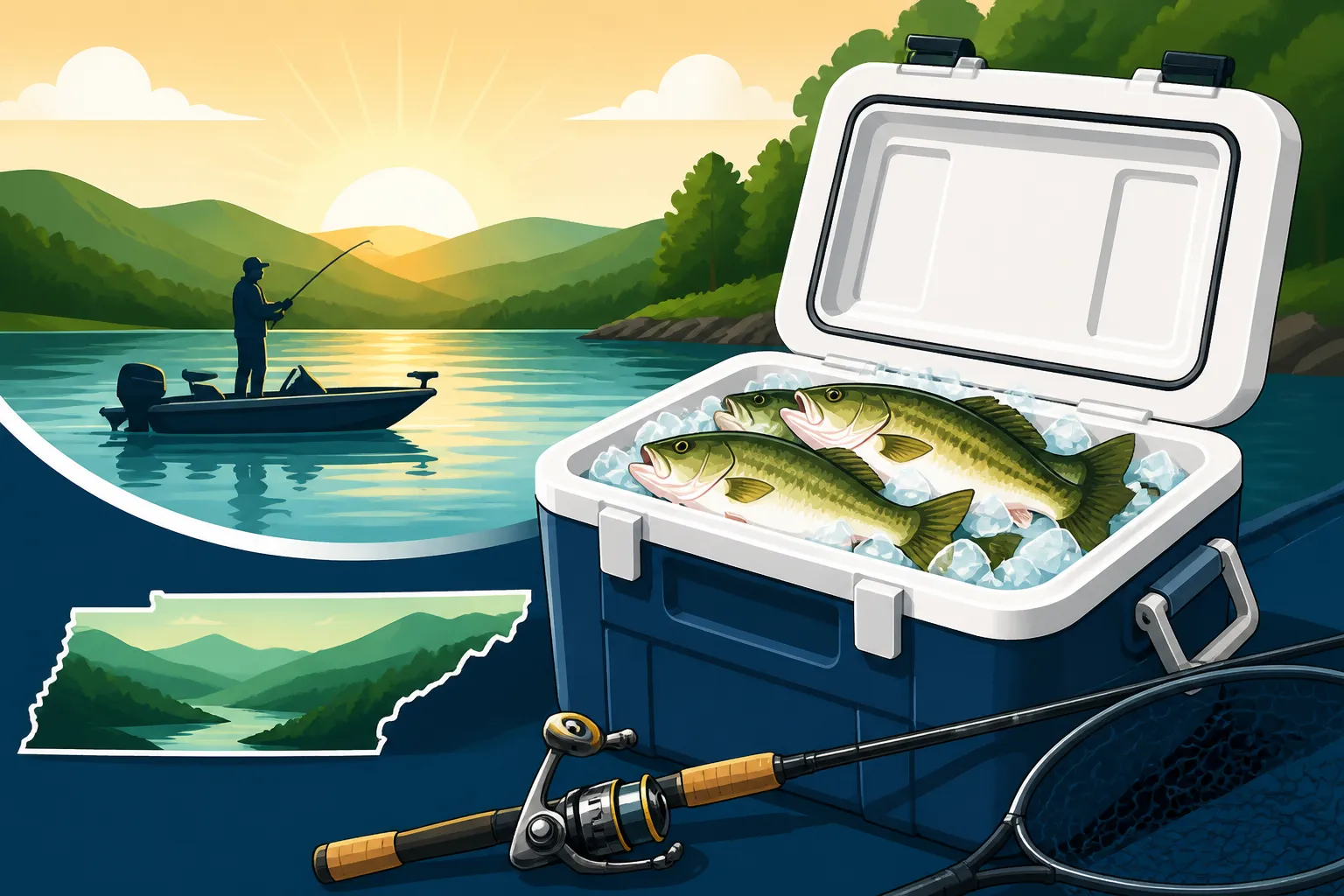
- Lay Flat, Layered with Ice: Don't just dump fish on top of the ice. Create layers. Start with a layer of ice, then a layer of fish, then more ice, and so on. Ensure each fish is fully surrounded by ice, not just resting on it. This ensures uniform cooling.
- Avoid Standing Water: While ice is crucial, you don't want your fish soaking in melted, lukewarm water. As ice melts, drain the water periodically. This is where a good drain plug comes in handy. Some anglers use a raised platform or a wire rack at the bottom of the cooler to keep fish out of the meltwater, especially on multi-day trips.
Storage and Transport Tips
Even the best cooler needs a little help to perform at its peak during and after your trip.
- Keep it Shaded: On the boat or at the bank, always keep your cooler out of direct sunlight. Use a bimini top, umbrella, or even a wet towel draped over the cooler to reflect heat. The cooler’s insulation can only do so much if the outside is baking under the sun.
- Secure for Transport: Use the tie-down points to secure your cooler in your boat or vehicle. Not only does this prevent it from sliding around and potentially damaging itself or other gear, but it also ensures it won't pop open and lose its precious contents. This is part of a broader Essential Safety Gear Checklist Before a Tennessee Fishing Trip.
- Clean Immediately: As soon as you're done with your trip and your fish are processed, clean your cooler thoroughly. Use soap and water, and a mild bleach solution if necessary, to remove any fish odors, blood, and bacteria. Allow it to air dry completely with the lid slightly ajar to prevent mildew and lingering smells. A clean cooler is a happy cooler, and it’s ready for your next adventure chasing the likes of Tennessee Crappie Fishing Guide by Season or Tennessee Striped Bass Fishing Techniques.
By investing in a good quality cooler and following these best practices, you'll ensure that every fish you bring home from Tennessee waters is as fresh and delicious as possible. Happy angling!
Disclaimer
This article is for general informational purposes only and does not constitute professional advice. Laws, prices and regulations vary by location and change over time. Consult a qualified professional for guidance on your specific situation.