Tennessee’s 291 Native Fish Species and 52 Sport Fish Explained
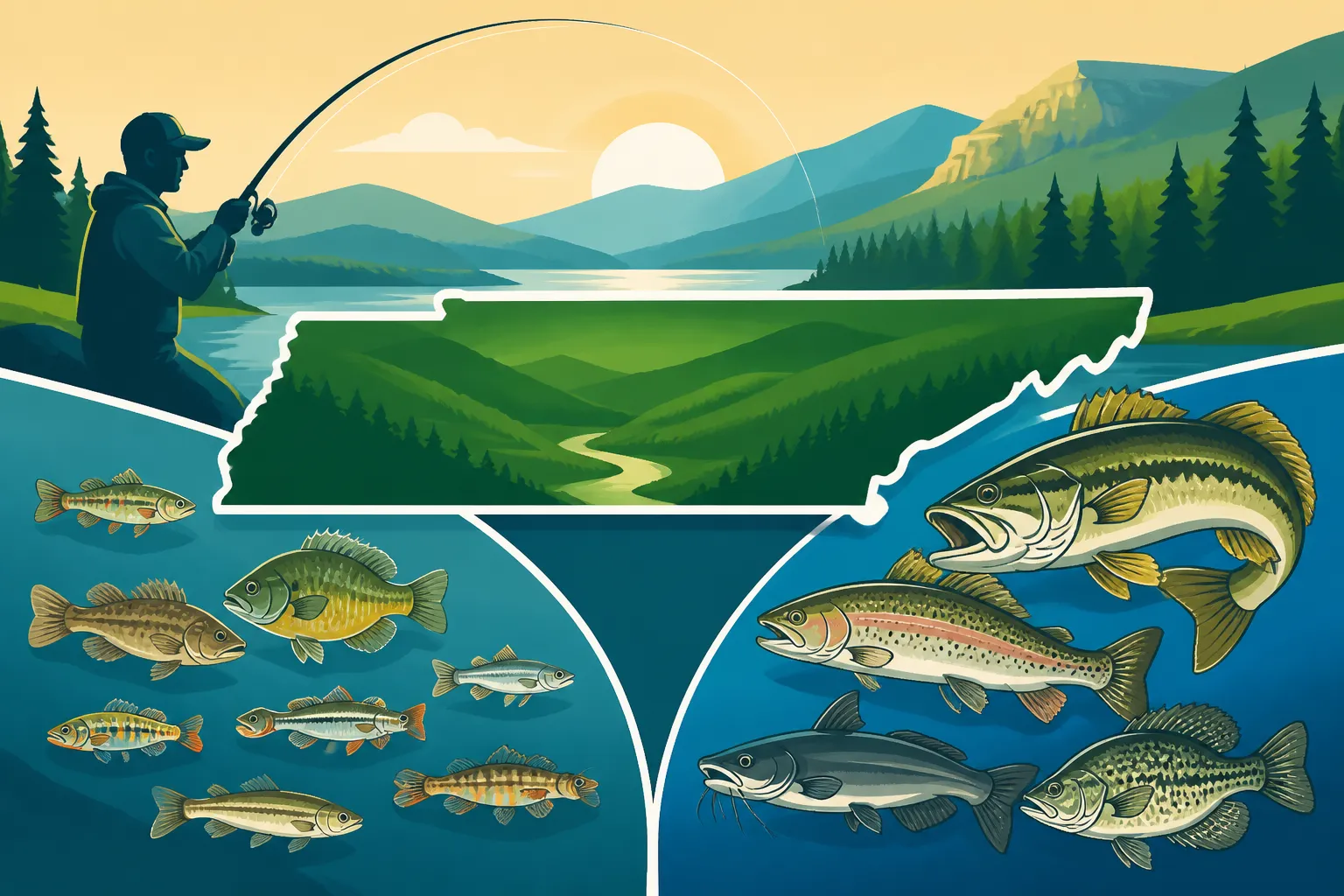
Many anglers, myself included, often fall into the trap of only knowing a handful of popular fish species, completely missing out on the rich, vibrant underwater world that exists right beneath the surface of Tennessee's incredible waterways. If you've ever wondered what else lurks beyond the familiar bass and crappie, or how diverse our aquatic ecosystem truly is, you've come to the right place. This comprehensive guide is designed to pull back the curtain on Tennessee's remarkable fish diversity, exploring the vast number of native species and highlighting the thrilling sport fish that make our state a true angler's paradise.
The Aquatic Wonderland of Tennessee: An Introduction to its Fish Diversity
Tennessee is undeniably a gem when it comes to freshwater fishing, but its true magic lies not just in the quantity of fish, but in the sheer variety. It's easy to get caught up in the pursuit of trophy bass or a stringer full of crappie, and believe me, I've been there! But once you start to peel back the layers, you realize our state is a living, breathing aquarium, teeming with an astounding array of finned creatures.
Why Tennessee is a Fish Diversity Hotspot
You might wonder why Tennessee, a landlocked state, boasts such incredible fish diversity. Well, it's all thanks to a unique cocktail of geographical blessings. We're situated at a crossroads where the rugged Appalachian Mountains meet the rolling hills of the Cumberland Plateau, eventually flattening out into the Gulf Coastal Plain. This creates an incredibly varied landscape, from cold, clear mountain streams tumbling down rocky slopes to vast, slow-moving rivers and expansive reservoirs. Each of these distinct habitats offers a different set of conditions – water temperature, flow, substrate, and vegetation – carving out specific niches where different species can thrive.
Think about it: the same state that has icy, oxygen-rich creeks perfect for trout in the Smokies also has immense, warm reservoirs like Chickamauga Lake, which is practically a bass factory. Then there are the massive river systems like the Tennessee and Cumberland rivers, providing miles of diverse environments for everything from powerful catfish to elusive striped bass. This natural variety, coupled with relatively untouched areas that have allowed species to evolve and adapt over millennia, has cemented Tennessee's reputation as a true aquatic haven. It's a testament to the power of nature and the careful stewardship by organizations like the Tennessee Wildlife Resources Agency (TWRA) that we maintain such a healthy and vibrant ecosystem.
The Numbers Game: 291 Native Species and 52 Sport Fish
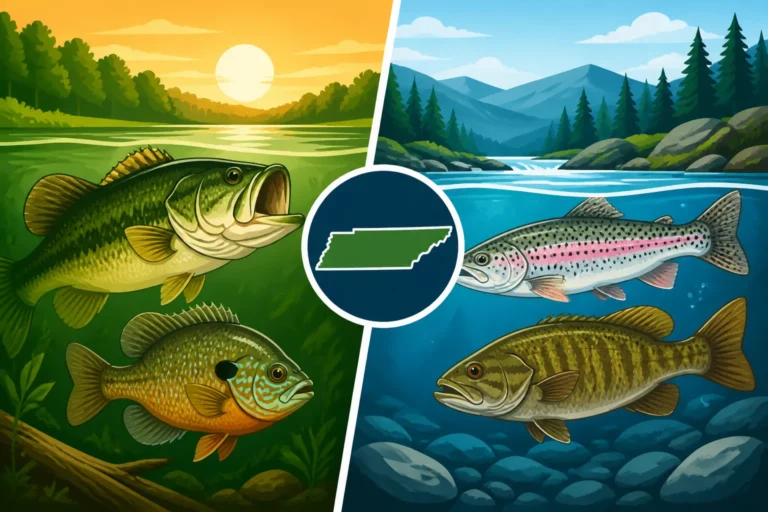
Now, let's talk numbers, because they truly tell a story. Tennessee is home to an astonishing 291 native fish species. Let that sink in for a moment! "Native" means these fish were naturally present in our waters before human-introduced species became a factor. It's a staggering figure that places Tennessee among the top states for freshwater fish diversity in the entire nation. This isn't just about fish you might catch; it includes countless smaller, often overlooked species like darters, shiners, and minnows that form the crucial base of our aquatic food webs.
Out of this vast native population, 52 species are officially recognized as "sport fish." What makes a fish a "sport fish," you ask? Generally, it refers to species that are highly sought after by anglers due to their size, fighting ability, edibility, or simply the challenge they present. These are the fish that get our hearts pumping when they hit the line, the ones we tell stories about for years to come. The TWRA manages these populations carefully, setting regulations, stocking programs, and habitat initiatives to ensure these valuable resources remain healthy and abundant for future generations of anglers. It's a delicate balance, preserving the entire native ecosystem while also fostering the recreational opportunities that make fishing such a cherished pastime here in Tennessee.
Deep Dive into Tennessee's Warmwater Gamefish
When most folks think about fishing in Tennessee, their minds probably go straight to our incredible warmwater fisheries. And for good reason! Our state's abundant lakes and slow-moving rivers provide ideal conditions for a host of popular species that offer thrilling fights and delicious table fare.
The Beloved Bass Family
No discussion of Tennessee fishing would be complete without reverently mentioning the bass. They are, without a doubt, the superstars of our waters, drawing anglers from all corners of the country.
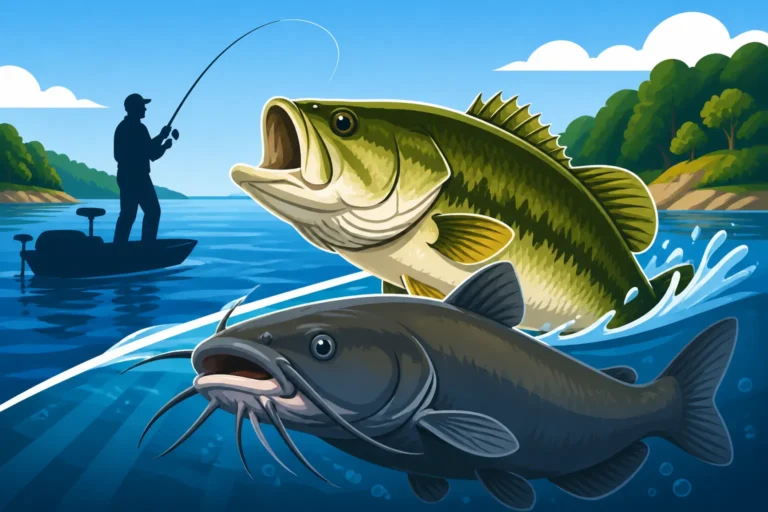
First up, we have the Largemouth Bass, often simply called "bucketmouths" or "green trout." These guys are the undisputed kings of warm, still waters like the vast expanses of our major reservoirs and the lily-pad-choked coves of smaller lakes. They love structure – think submerged timber, rock piles, weed beds, and docks. They're aggressive predators, famous for their explosive topwater strikes and powerful runs. Many anglers dream of landing a true trophy largemouth, and Tennessee offers some of the best opportunities in the nation for just that. In fact, Chickamauga Lake, Tennessee's Top Spot for Record Largemouth Bass has built a national reputation for producing some absolute giants. Understanding their preferred habitats and feeding patterns is key to success, whether you're tossing a spinnerbait into a shallow cove or slowly working a jig along a deep creek channel. You can learn more about their growth and potential size by checking out Largemouth Bass Size Chart: How Big Do They Get?.
Then there's the fierce and feisty Smallmouth Bass, Tennessee's official state fish. Unlike their largemouth cousins, smallmouth prefer clearer, cooler water with rocky bottoms and swift currents, making them a common target in many of our rivers and reservoirs with deep, rocky shorelines. They might not get as big as the largest largemouth, but what they lack in sheer bulk, they more than make up for in sheer fighting spirit. A smallmouth on the line is a truly exhilarating experience, full of acrobatic jumps and powerful dives. They're often found around rocky points, ledges, and submerged boulders. If you're looking for a thrilling battle, targeting smallmouth with crankbaits, jigs, or live crawfish can be incredibly rewarding. It's no wonder Smallmouth Bass: Tennessee's Official State Fish holds such a special place in our hearts.
Finally, we have the often-underestimated Spotted Bass, sometimes called "spot" or "Kentucky bass." These fish are commonly found in our reservoirs and larger rivers and are frequently confused with largemouth due to their similar coloration. However, there are distinct differences, especially in their mouth size and the presence of a tooth patch on their tongue. Spotted Bass vs Largemouth Bass in Tennessee Lakes helps clear up some of that confusion. Spotted bass typically don't grow as large as largemouth, but they are incredibly aggressive and provide a fantastic fight on light tackle. They often school up, making it possible to catch several once you find them. We also have Redeye Bass, a smaller, often overlooked gem that inhabits clear, rocky streams, particularly in East Tennessee. While not as widespread, they offer a unique challenge in their native habitats, as you can discover in Redeye Bass Identification and Habitat.
Crappie: Panfish with a Punch
When it comes to delicious table fare and consistent action, Crappie are in a league of their own. These popular panfish are a favorite among Tennessee anglers, and for good reason. We primarily target Black Crappie here, though White Crappie can also be found. Black crappie are known for their beautiful speckled patterns and tend to prefer clearer, more vegetated waters. They are notorious schoolers, meaning if you find one, you've likely found a whole school.
Crappie are masters of camouflage, often hiding in brush piles, submerged timber, around bridge pilings, or in dense weed beds. During the spring spawn, they move into shallow water, offering some of the most exciting fishing of the year. During other seasons, they'll retreat to deeper brush or open water structure. Anglers typically target them with small jigs, minnows, or a combination of both under a bobber. They don't fight with the explosive power of a bass, but their delicate bite and the sheer volume of fish you can catch make them incredibly fun. The TWRA does a great job managing crappie populations, including stocking efforts in various lakes. You can find out more about these programs and Black Crappie Stocking by TWRA in Tennessee to help plan your next trip.
If you're looking for a relatively easy and incredibly rewarding fishing experience, crappie fishing is hard to beat. Just be sure to bring a cooler; a successful day of crappie fishing means a fantastic fish fry is in your future!
Catfish: Bottom Dwellers and Big Fighters
For anglers who love a powerful, sustained fight and the promise of a hearty meal, Tennessee's catfish species are an absolute must-target. These bottom-dwelling giants offer some serious muscle and are widely distributed throughout our state's river systems and reservoirs.
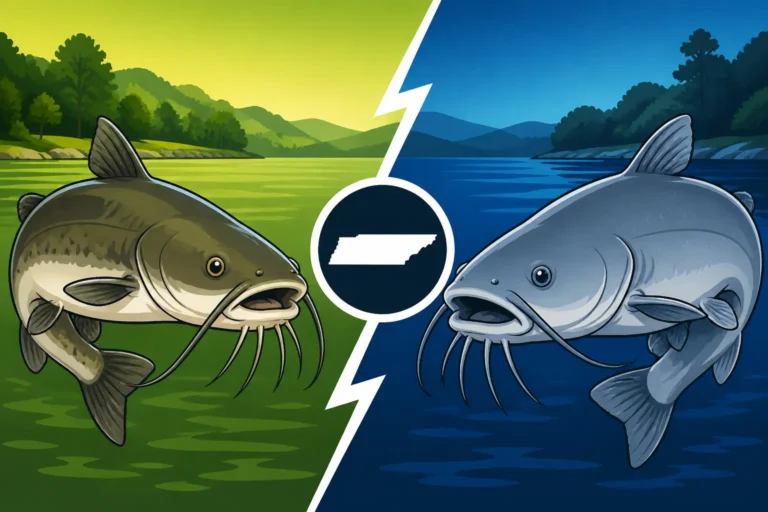
The most common and widely recognized is the Channel Catfish, which shares the honor of being one of Tennessee's official state fish. Channel cats are incredibly adaptable, found in a vast range of habitats from small creeks to large rivers and lakes. They have a distinctive fork in their tail and can vary widely in color. They're opportunistic feeders, readily biting on everything from cut bait and chicken livers to commercially prepared stink baits. They're a staple for many anglers, whether fishing from the bank with a simple bottom rig or from a boat. Catching a nice channel cat provides a strong, steady pull, and they are excellent table fare, often cleaned and fried or baked. Explore more about Channel Catfish: Tennessee's Other Official State Fish and why they're so beloved.
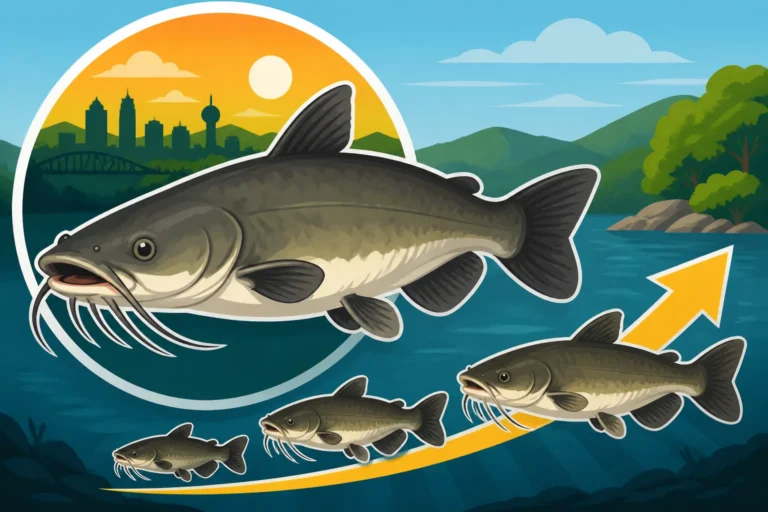
For those seeking truly colossal fish, Tennessee's Blue Catfish are the ultimate challenge. These majestic fish can grow to enormous sizes, pushing well over 100 pounds in our larger river systems like the Tennessee and Mississippi. They prefer deep holes, main river channels, and areas with strong current, often congregating in groups. Targeting blue cats usually involves stout tackle, large chunks of cut bait (shad or skipjack are popular), and a lot of patience. A battle with a big blue cat is a test of endurance for both angler and gear!
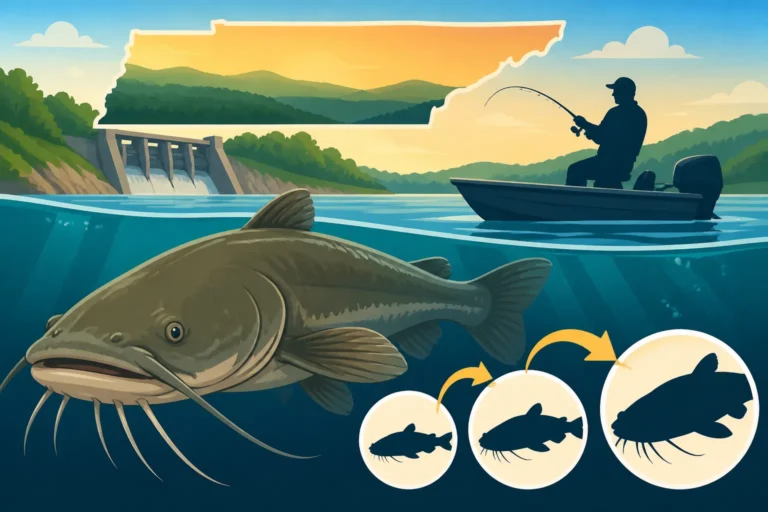
Finally, we have the Flathead Catfish, a unique and formidable predator. Unlike channel and blue cats who often scavenge, flatheads prefer live bait. They are ambush predators, often found lurking in submerged timber, log jams, and deep, dark holes in rivers and reservoirs. Identifying them is easy by their distinctive broad, flat head and mottled coloration. Catching a flathead often requires live bream or shad and a willingness to fish in snaggy areas. They are incredibly powerful fighters, and a large flathead is a true prize. If you're curious about where to find these elusive giants, check out Flathead Catfish Habitat in Tennessee Rivers. For a deeper look at distinguishing between these fascinating species, take a look at our guide on Catfish Species Comparison: Channel, Blue, and Flathead.
Exploring Tennessee's Cold-Water Trout Species
While warmwater fishing often gets the spotlight, Tennessee also offers exceptional cold-water fishing opportunities, particularly for trout. Our eastern mountains and the tailwaters below major dams create ideal habitats for these beautiful, spirited fish.
Rainbow Trout: The Stocking Star
Rainbow Trout are perhaps the most popular trout species in Tennessee, largely due to extensive stocking programs carried out by the TWRA. These vibrant fish, known for the iridescent band along their sides, thrive in the cold, oxygen-rich waters found in many of our mountain streams, tailwater sections of rivers below dams, and even some urban stocking ponds. Many anglers get their start with trout fishing by targeting rainbows in these easily accessible waters.
The TWRA works tirelessly to ensure a consistent supply of catchable rainbow trout, making them a fantastic target for anglers of all skill levels. Their stocking efforts often follow a seasonal schedule, particularly in the fall and spring, ensuring plenty of opportunities throughout the year. You can often find details on Rainbow Trout Stocking Schedule Across Tennessee through TWRA resources. Whether you prefer spinning gear with corn, power bait, or small spinners, or you're a fly angler drifting nymphs and dry flies, rainbows offer a spirited fight. Identifying them is usually straightforward due to their distinctive coloration and spots, but it's always good to refresh your knowledge on How to Identify Rainbow Trout in Tennessee Streams.
Brown Trout: Wily and Resilient
For those seeking a more challenging and rewarding trout fishing experience, the Brown Trout often fits the bill. These European natives have established healthy populations in many of Tennessee's colder rivers and streams, often coexisting with rainbows. Brown trout are renowned for their incredible resilience, their tendency to grow much larger than rainbows, and their famously wary nature. Catching a large brown trout is considered a significant achievement among seasoned trout anglers.
Browns prefer to hold in deeper pools, under cut banks, and near submerged logs, places where they can ambush their prey and stay hidden. They are primarily insectivores but will readily feed on smaller fish, crayfish, and even mice as they grow larger. This predatory nature allows them to reach impressive sizes. Their coloration can vary wildly, from golden brown to olive green, often adorned with dark spots surrounded by lighter halos, sometimes with red spots mixed in. While similar to rainbows, there are distinct differences that you can learn about in Brown Trout vs Rainbow Trout: Key Differences. Anglers often target them with larger streamers, minnow imitations, or live worms, especially during low light conditions when these nocturnal hunters are most active.
Brook Trout: Tennessee's Only Native Trout
Stepping into the realm of true wilderness, we encounter the magnificent Brook Trout, Tennessee's only native trout species. These stunning fish are a testament to the pristine beauty of our state's most untouched waters. They are a species of char, not a true trout, but share many characteristics. Brook trout are typically smaller than rainbows or browns, but their vibrant coloration – a mosaic of green, black, and red spots on an olive-green body, with distinct worm-like markings on their back – makes them arguably the most beautiful fish in our waters.
Brook trout are incredibly sensitive to water quality and temperature, which is why they are found almost exclusively in the highest elevation, coldest, and most oxygenated headwater streams of the Appalachian Mountains. These are often small, remote creeks that require a hike to access, adding to the allure and challenge of pursuing them. Fishing for brook trout is typically done with ultra-light spinning gear or small fly rods, using tiny lures, bait, or dry flies. Catching a native brook trout is more about the experience of connecting with untouched wilderness and admiring their wild beauty than about size or quantity. Protecting their delicate habitats is paramount, and efforts are underway to conserve these precious fish. For those interested in finding these special fish, look into Brook Trout in Tennessee's Cold-Water Streams.
Other Notable Sport Fish and Panfish
Beyond the big three families of bass, crappie, and catfish, Tennessee's waters are still teeming with other exciting sport fish and a delightful variety of panfish that offer fun for the whole family.
Striped Bass: The Reservoir Giants
If you're looking for a tackle-busting fight that will test your arms and your drag, then Striped Bass (often called "stripers") are the answer. These powerful, open-water predators are not native to Tennessee but have been successfully introduced and thrive in many of our large reservoirs. They are saltwater fish by nature, but landlocked populations have adapted incredibly well, growing to impressive sizes, often exceeding 50 pounds.
Stripers are nomadic, constantly cruising the open waters of lakes like Norris, Percy Priest, and Watts Bar, chasing schools of shad and other baitfish. Their pursuit can be relentless, and when they hit your line, be prepared for a long, powerful run. Anglers typically target them using heavy tackle, live bait (like large shad), or by trolling large artificial lures. They are often found in deeper waters during the day, moving shallower at dawn and dusk. Night fishing for stripers can also be incredibly productive. For more in-depth information on how to pursue these magnificent fish, take a look at Striped Bass Fishing in Tennessee Reservoirs. Landing a big striper is a memorable event, and it's an experience every serious Tennessee angler should have at least once.
Sunfish & Panfish Extravaganza
Sometimes, the best fishing isn't about landing a monster, but about consistent action and shared smiles, especially when fishing with kids. This is where the diverse world of sunfish and other panfish truly shines.
The most common and beloved among these is the Bluegill, a small but feisty member of the sunfish family. Bluegill are found in virtually every pond, lake, and slow-moving river section across Tennessee. They're identifiable by their small mouth and the distinctive "bluegill" on their operculum (gill cover). They readily bite on small worms, crickets, or tiny jigs, making them incredibly accessible for beginners and young anglers. There's nothing quite like watching a bobber dance and then plunge under as a bluegill grabs the bait. For those just starting out or looking to introduce a child to the joys of fishing, Bluegill Fishing for Beginners in Tennessee offers excellent advice.
Beyond bluegill, Tennessee waters also hold other fantastic panfish like Redear Sunfish (often called "shellcrackers" for their diet of snails), Green Sunfish, and various other species. These fish are generally found in similar habitats to bluegill, around weeds, docks, and submerged structures. They're all delicious fried whole or filleted, offering a sweet, flaky white meat. Together with crappie, these species make up the backbone of what many call "panfishing," providing abundant opportunities for light tackle fun and a fantastic meal. For a broader overview of these delightful species, consider exploring Panfish Guide: Crappie and Bluegill Basics. You can even find specialized small hooks and bobber kits on Amazon to make getting started super easy for the little ones!
The Unseen Majority: Tennessee's Other Native Species
While the allure of sport fish understandably captures most of our attention, it's crucial to remember that the vast majority of Tennessee's 291 native fish species are not what we typically target with a rod and reel. These are the unsung heroes of our aquatic ecosystems, quietly going about their business, playing vital roles that are often overlooked.
Beyond the Hook: Biodiversity in Tennessee's Waters
Imagine a complex tapestry, intricately woven with countless threads, each one essential to the overall strength and beauty of the design. That's essentially what our aquatic ecosystems are like. The non-game native fish species – the darters, shiners, minnows, suckers, and various small rough fish – are those crucial, often invisible threads. They might not offer the thrill of a drag-screaming run, but their ecological roles are indispensable.
Many of these species serve as primary forage fish, forming the base of the food chain for our beloved sport fish. Without abundant minnows and shiners, those trophy bass and giant catfish simply wouldn't exist. Others are detritivores, cleaning up organic matter from the bottom, while some are indicators of stream health, only thriving in pristine, unpolluted waters. For example, Tennessee is famous for its incredible diversity of darters – small, bottom-dwelling fish with vibrant colors, many of which are found nowhere else in the world. They may only be a few inches long, but their presence speaks volumes about the health of a particular creek or river. Understanding and appreciating these species, even if we never catch them, deepens our connection to the intricate web of life that makes Tennessee's waters so special. It reminds us that fishing is part of a much larger, interconnected system.
Conservation Efforts for All Fish
Given the incredible diversity, both of sport fish and non-game native species, conservation efforts in Tennessee are multifaceted and incredibly important. It's not just about ensuring there are enough bass for tournaments; it's about protecting entire aquatic habitats to support all 291 native species. The health of the entire ecosystem directly impacts the health of our sport fisheries.
This means a strong focus on clean water initiatives, protecting riparian zones (the land directly bordering rivers and streams) from pollution and erosion, and managing land use to minimize runoff. Habitat preservation is also key, whether it's protecting delicate headwater streams for brook trout or ensuring the structural integrity of our large reservoirs for a variety of species. Organizations like the TWRA, along with numerous conservation groups, work tirelessly on these fronts. Anglers also play a crucial role. By practicing responsible catch-and-release, respecting size and creel limits, and properly disposing of trash, we all contribute to the long-term health of Tennessee's aquatic resources. It's a shared responsibility to ensure that this incredible biodiversity continues to thrive for generations to come.
Identifying Your Catch and Ethical Angling
Knowing what you've caught is more than just curiosity; it's a fundamental part of responsible and ethical angling. With such a diverse array of fish in Tennessee, accurate identification is essential for adhering to regulations and ensuring the health of our fisheries.
Essential Fish Identification Tips
At first glance, many fish can look similar, especially within the same family. Is that a largemouth or a spotted bass? A rainbow or a brown trout? Here are some key features to look for when identifying your catch:
- Body Shape and Size: Is it long and slender, or deep-bodied and compressed? How big is it typically for that species?
- Mouth and Jaw Structure: Does the upper jaw extend past the eye (common for largemouth bass)? Is the mouth small and upturned (like a bluegill)? Does it have a tooth patch on its tongue (a key for spotted bass)?
- Fin Characteristics: Look at the dorsal fin (on the back), pectoral fins (sides), and caudal fin (tail). Are they separate or connected? Are there spines or soft rays? The shape of the tail fin (forked, rounded, square) is also a good clue.
- Coloration and Markings: While colors can vary based on habitat, look for consistent patterns like lateral lines (horizontal stripes), spots (their size, color, and distribution), or vertical bars. For example, a rainbow trout usually has a pink stripe and small black spots, while a brown trout has larger dark spots often with light halos, and sometimes red spots.
- Habitat: Where did you catch the fish? A clear mountain stream versus a murky reservoir will narrow down the possibilities significantly.
Carrying a good fish identification guide – either a physical book or a waterproof field guide you can find on Amazon – is always a smart idea. There are also many excellent apps for your smartphone that can help with identification, often using photos. Taking a clear photo of your catch before release can also aid in identification later if you're unsure. The more you fish and pay attention to these details, the more proficient you'll become at recognizing the subtle differences between species.
Responsible Angling for a Healthy Ecosystem
Beyond identification, responsible angling practices are the cornerstone of preserving Tennessee's rich fishing heritage. Every angler plays a role in keeping our waters healthy and our fish populations thriving.
One of the most important aspects is practicing catch-and-release responsibly. If you're not planning to keep a fish (and remember your Tennessee Fishing Regulations Explained for limits), handle it as little as possible. Wet your hands before touching the fish to protect its protective slime coat. Support the fish horizontally, especially larger ones, to avoid damaging internal organs. Remove the hook quickly and gently, using pliers or a dehooking tool. If the fish is deeply hooked, it's often better to cut the line as close to the hook as possible rather than risk further injury. Allow the fish to recover and swim away on its own power.
Always adhere to all size and creel limits. These regulations are put in place by the TWRA based on scientific data to ensure sustainable populations. Ignorance of the law is never an excuse, so make it a habit to check current regulations before heading out. Beyond that, it's about common sense and courtesy: never litter, respect private property boundaries, and be mindful of other anglers and boaters. We are all stewards of these incredible resources. By embracing ethical angling practices, we ensure that Tennessee's 291 native fish species and 52 sport fish continue to provide joy, challenge, and sustenance for generations to come.
Here's a quick reference table for some of Tennessee's most popular sport fish:
| Species | Preferred Habitat | Typical Size Range (Sport Fish) | Common Baits/Lures | Notes |
|---|---|---|---|---|
| Largemouth Bass | Warm, vegetated lakes & reservoirs | 1-5 lbs (trophy >8 lbs) | Soft plastics, crankbaits, spinnerbaits | Explosive topwater strikes, loves cover |
| Smallmouth Bass | Clear, rocky rivers & deep reservoir points | 1-3 lbs (trophy >4 lbs) | Jigs, crankbaits, live crawfish, topwater | Incredible fighters, often acrobatic |
| Spotted Bass | Reservoirs, large rivers (often deeper than largemouth) | 0.5-2 lbs | Jigs, small crankbaits, soft plastics | Aggressive, often school, easily confused with largemouth |
| Black Crappie | Brush piles, submerged timber, docks in lakes/reservoirs | 0.5-1.5 lbs | Minnows, small jigs (spider rigging) | Excellent table fare, often school |
| Channel Catfish | Rivers, lakes, ponds (wide range of habitats) | 1-10 lbs (larger in big rivers) | Cut bait, stink baits, worms, chicken liver | Widespread, strong pull, good eating |
| Blue Catfish | Large rivers, deep channels of reservoirs | 5-50+ lbs | Large cut bait (shad, skipjack) | Can grow to immense sizes, powerful fighters |
| Flathead Catfish | Log jams, deep holes, structure in rivers/reservoirs | 5-40+ lbs | Live bait (bream, shad) | Solitary, ambush predator, unique appearance |
| Rainbow Trout | Stocked streams, tailwaters, mountain creeks | 0.5-2 lbs | Power bait, corn, worms, spinners, flies | Widespread, easily accessible |
| Brown Trout | Colder rivers, streams with cover, tailwaters | 1-5 lbs (trophy >10 lbs) | Live bait, streamers, minnow imitations | Wary, can grow very large, nocturnal |
| Brook Trout | Pristine, high-elevation mountain headwater streams | 0.25-0.75 lbs | Small dry flies, tiny spinners, worms | Native, beautiful, delicate, habitat-sensitive |
| Striped Bass | Open water of large reservoirs | 5-30+ lbs | Live shad, large trolling lures | Powerful, nomadic, tackle-busters |
| Bluegill | Ponds, lakes, slow rivers (around weeds/docks) | 0.25-0.75 lbs | Worms, crickets, small jigs | Abundant, great for kids, good table fare |
Disclaimer
This article is for general informational purposes only and does not constitute professional advice. Laws, prices and regulations vary by location and change over time. Consult a qualified professional for guidance on your specific situation.