Best Fish Species to Target in Tennessee Reservoirs
Fishing in Tennessee's vast reservoirs can feel like stepping into a candy store blindfolded – so many options, so many potential delights, but how do you pick the right one? It's easy to get overwhelmed by the sheer size and diversity of our waters, leading to frustration if you're not sure which fish to even aim for. This comprehensive guide will cut through the confusion, helping you identify the most rewarding and exciting fish species to target in Tennessee's incredible reservoir system, ensuring your next outing is a success.
The Mighty Largemouth Bass: King of Tennessee's Reservoirs
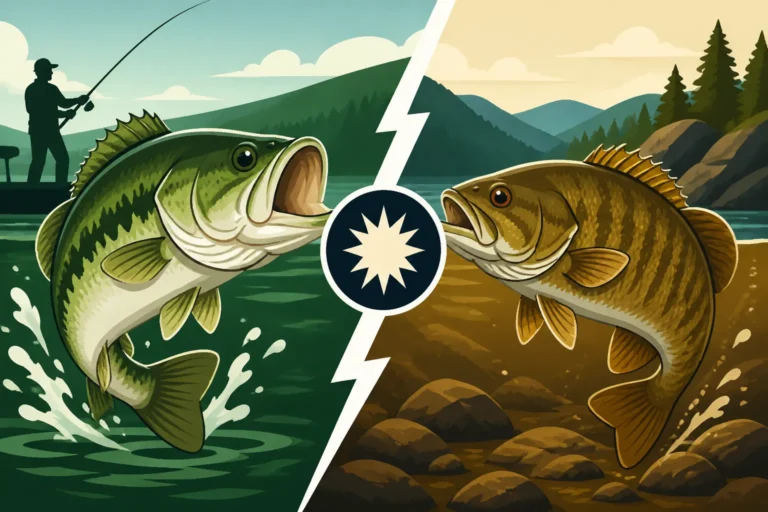
When most folks think of fishing in Tennessee, especially in our massive reservoirs, the largemouth bass is often the first fish that comes to mind. And for good reason! These aggressive, hard-fighting beauties are abundant, grow to impressive sizes, and offer an exhilarating challenge for anglers of all skill levels. They truly are the reigning monarchs of our warm-water impoundments.
Where to Find Them: Shallow Cover vs. Deep Structure
Largemouth bass are masters of their environment, adapting to a wide range of habitats within a reservoir. In the warmer months, especially during spring and early summer, you'll often find them lurking in shallower waters, gravitating towards any kind of cover they can ambush prey from. Think about those flooded timber stands, dense lily pad fields, thick stands of aquatic grass, or even around docks and seawalls. They're looking for shade, protection, and a buffet line of smaller fish and insects. It's a classic scenario: cast your lure right up against a fallen tree, let it sit for a moment, and then twitch it. That explosion on the surface? That's the largemouth game! As the seasons change and water temperatures rise or fall, these bass often transition to deeper offshore structures. You'll find them holding on submerged humps, ledges, creek channel bends, and brush piles that drop into deeper water. Learning to read your sonar and identify these structures is key to unlocking consistent success, especially when the shallow bite slows down. It's like a secret language, and once you start understanding it, a whole new world of fishing opens up.
Best Seasons and Techniques for Largemouth
Tennessee offers fantastic largemouth bass fishing nearly year-round, but each season brings its own set of challenges and rewards. Spring, particularly during the pre-spawn and spawn, is arguably the most exciting time. Bass are moving shallow, actively feeding, and protecting their nests. This is prime time for throwing spinnerbaits, crankbaits, jigs, and soft plastics around visible cover. The Bass Spawn Timing in Tennessee Lakes article delves deeper into this magical period. Summer can be a bit tougher, especially midday, as bass retreat to deeper, cooler waters or heavy shade. Early mornings and late evenings are best, and techniques like deep cranking, Texas rigs, Carolina rigs, and even topwater at dawn can be incredibly effective. As fall approaches, bass become highly active again, gorging themselves to prepare for winter. They'll chase shad in open water, making crankbaits, jerkbaits, and swimbaits excellent choices. Even in winter, dedicated anglers can find success by targeting deep main lake points, channel swings, and warmer pockets with slow-fished jigs and shaky heads. It's a testament to their adaptability and why they're such a popular target.
Gear Essentials for Largemouth Bass
You don't need a boatload of expensive gear to catch largemouth, but having the right tools for the job certainly helps. A medium-heavy action rod, around 6'6" to 7'6" in length, paired with a baitcasting reel is a versatile setup for most techniques. For lighter presentations or finesse fishing, a medium action spinning rod and reel is invaluable. Line choice often depends on the cover you're fishing – braided line excels in heavy cover, while fluorocarbon offers sensitivity and less visibility in clearer waters. Don't forget a solid selection of lures! Jigs in various colors, crankbaits that dive to different depths, plastic worms, creature baits, and spinnerbaits are staples. You can find a fantastic array of these essentials, along with helpful tackle boxes and storage solutions, easily on Amazon, ensuring you're ready for any situation. Having a good pair of pliers and a fish gripper is also a smart move for safe handling of these spiny-finned fighters. For a deep dive into specific gear, check out Best Rods and Reels for Tennessee Fishing.
Feisty Smallmouth Bass: The Fight You're Looking For
While largemouth might be the undisputed kings of some reservoirs, the smallmouth bass is Tennessee's official state fish (along with the channel catfish!), and for good reason. These muscular, bronze-colored beauties are renowned for their incredible fighting spirit, often making explosive runs and acrobatic jumps that can leave your heart pounding. If you love a challenge and a serious tug-of-war, the smallmouth is your fish.
Ideal Habitats for Smallmouth in Reservoirs
Unlike their largemouth cousins who love dense vegetation, smallmouth bass are rock hounds. In Tennessee's clear-water reservoirs, you'll find them gravitating towards rocky points, bluffs, deep gravel beds, submerged rock piles, and main lake points that drop off into deeper water. They thrive in cooler, clearer waters, which is why reservoirs like Dale Hollow Lake, Norris Lake, and Center Hill Lake are legendary for their smallmouth populations. They'll often school up in these areas, making it possible to catch several once you locate a productive spot. Imagine casting a tube jig along a sheer rock wall and feeling that distinctive thump as a smallmouth inhales it – that's the joy of smallmouth fishing. They also relate heavily to current, so if you're on a reservoir with some flow, look for eddies and current breaks near rocky structures.
Seasonal Strategies and Lures
Smallmouth bass fishing follows similar seasonal patterns to largemouth, but with a distinct rocky preference. In spring, they'll move shallower to spawn, but still seek out rocky or gravelly areas. Jerkbaits, suspending stickbaits, and small crankbaits are deadly during this time. As summer heats up, they retreat to deeper, cooler rock piles and ledges, often relating to baitfish schools. Drop-shot rigs, football jigs, and shaky heads become incredibly effective, allowing you to present a lure precisely to suspended fish. Fall is a fantastic time for smallmouth, as they aggressively feed on shad and other baitfish before winter. Topwater baits like poppers and walking baits can create explosive strikes during low light conditions, while spybaits and swimbaits are excellent for imitating baitfish in clear water. Even in winter, slow-rolling swimbaits or vertically jigging spoons over deep structure can entice a strike. Knowing these patterns for Tennessee Smallmouth Bass Fishing Season can make a huge difference.
Smallmouth Specific Gear
For smallmouth, sensitivity is paramount. A fast-action spinning rod in the medium-light to medium power range, around 6'8" to 7'2", paired with a high-quality spinning reel, is a go-to setup. This allows for delicate presentations of smaller baits and the ability to feel the subtlest bites. Fluorocarbon line, known for its low visibility and sensitivity, is often preferred for smallmouth fishing, especially in clear water. Lure choices lean towards smaller profiles: tube jigs, finesse worms, Ned rigs, grubs, jerkbaits, and small crankbaits that mimic crawfish or baitfish. Many anglers even carry ultra-light gear for those extra-finicky bites, providing an amazing fight even from smaller fish. It's a different kind of finesse than largemouth fishing, and it’s incredibly rewarding when you dial it in.
Crappie: Panfish Perfection for the Table
If you're looking for a delicious meal and consistent action, crappie are an absolute must-target species in Tennessee's reservoirs. These schooling panfish are not only incredibly fun to catch on light tackle, but they also make some of the best table fare you can imagine. They're often called "slab" crappie for a reason when you pull in a big one!
Locating Crappie in Reservoirs: Structure is Key
Crappie are true lovers of structure, and finding them often means finding submerged timber, brush piles, fallen trees, dock pilings, and stake beds. In many Tennessee reservoirs, local anglers and wildlife agencies often sink brush piles specifically to create crappie habitat. These fish will congregate in large schools around such cover, offering incredible opportunities for multiple catches. They also relate to creek channels and submerged humps, especially during the colder months when they move to deeper water. During the spawn, they'll push shallow, often into coves and protected areas, where they'll relate to anything from lily pads to cypress knees. Learning to use your electronics, particularly side-imaging and down-imaging, can be a game-changer for locating these submerged brush piles, much like treasure hunting in the digital age. Check out Tennessee Crappie Fishing Guide by Season for more seasonal tips.
Best Times and Methods for Crappie Fishing
Crappie fishing truly shines in spring during their spawn, typically when water temperatures hit the mid-50s to low 60s. During this time, they move shallow, making them accessible to bank anglers and boaters alike. Small jigs (1/32 to 1/16 ounce), minnows under a bobber, and tiny crankbaits are all highly effective. Many anglers employ a technique called "spider rigging" – using multiple long rods extended from the boat to cover a wide area with different baits and depths. As summer progresses, crappie often move to deeper brush piles and thermoclines. Vertical jigging or slow-trolling minnows and jigs becomes the most productive method. Fall sees them scattering a bit but still relating to structure, often following baitfish into creek arms. Winter can be fantastic for big crappie, as they school tightly in deep main lake channels and creek beds, often suspended over structure. Vertical jigging or tight-lining minnows are the go-to techniques. Dawn and dusk are often prime times, but crappie can be caught throughout the day if you find their holding patterns.
Light Tackle for Crappie
Crappie fishing is best enjoyed with light tackle to maximize the fun and detect their often subtle bites. An ultralight or light action spinning rod, typically 5 to 7 feet long, paired with a small spinning reel spooled with 4-6 pound monofilament or fluorocarbon line, is ideal. Lure selection is fairly simple: small soft plastic jigs (often called "crappie jigs") in various colors (chartreuse, white, black/chartreuse are classics), tiny crankbaits, and live minnows are your bread and butter. A good selection of small bobbers and split shot weights will round out your terminal tackle. Many anglers purchase these specific crappie jig kits and minnow buckets from retailers like Amazon to keep their gear organized and ready for action. Keeping a small cooler handy for your catch is also a good idea, as these fish are excellent table fare!
Catfish: The Ultimate Bottom Dwellers
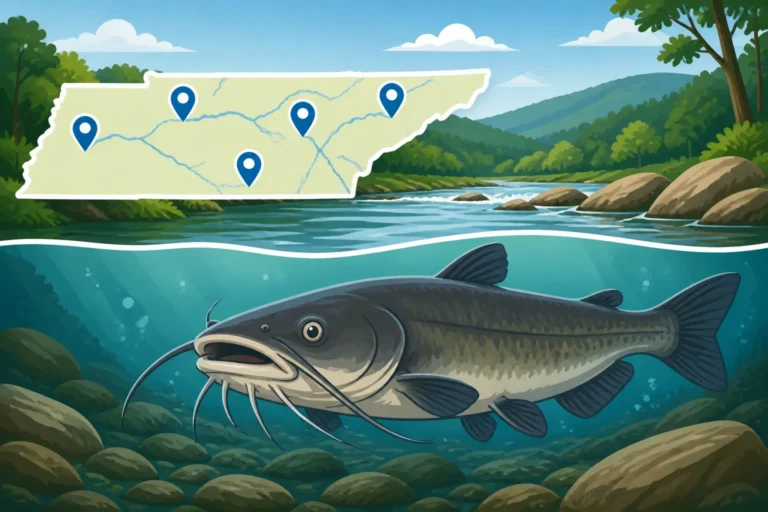
For anglers who love a powerful fight and the chance to reel in a true behemoth, Tennessee's reservoirs offer some spectacular catfishing opportunities. Our waters are home to three primary species: channel catfish, blue catfish, and flathead catfish, each with their own appeal and preferred habitats. Catfish Species Found in Tennessee Waters covers these in detail.
Channel Catfish: Abundant and Accessible
Channel catfish are the most widespread and generally the most accessible of the three main species in Tennessee reservoirs. They're known for their distinctively forked tail and spotted bodies when young. You can find channel cats almost anywhere in a reservoir, from shallow coves to deeper channels, but they particularly like areas with some current, structure, and muddy bottoms where they can scour for food. Creek mouths, river channels, and flats adjacent to deeper water are prime spots. They're omnivorous scavengers, meaning they'll eat almost anything, which makes them a fantastic target for beginners or for a relaxed family fishing trip. You don't need highly specialized gear, and the fight is always robust and satisfying.
Blue Catfish: Giants of the Deep
Blue catfish are the true heavyweights of Tennessee's reservoirs, with individuals regularly exceeding 50 pounds and occasionally much, much larger. These are the fish that can truly test your tackle and your stamina! They prefer large, open bodies of water and deep river channels within the reservoirs. Look for them in areas with strong current, deep holes, and around schools of baitfish, especially shad. Blue cats are primarily piscivorous (fish-eating), so fresh cut bait is king. Many serious blue cat anglers use heavy-duty conventional tackle, sturdy rod holders, and circle hooks to target these giants. The thrill of hooking into a truly massive blue cat is an experience every angler should have at least once.
Flathead Catfish: The Ambush Predator
Flathead catfish are the stealthy, solitary ambush predators of the catfishing world. Easily identifiable by their flat, broad head and mottled, often dark coloration, they prefer live bait and will often hold in specific ambush points. Look for them in deep log jams, submerged timber, rock crevices, and around bridge pilings – anywhere they can hide and wait for an unsuspecting meal to swim by. They're less prone to schooling than channel or blue cats, making them a more challenging but incredibly rewarding target. Live bream, sunfish, or large minnows are typically the preferred bait for flatheads. Their fight is a powerful, determined tug-of-war, often trying to bury themselves back in the cover they came from.
Catfishing Gear and Baits
For channel cats, a medium-heavy spinning or baitcasting rod, about 7-9 feet long, paired with a reel spooled with 15-30 pound monofilament, is perfect. Baits like chicken livers, stink baits, worms, and shrimp are highly effective. For blue and flathead cats, you'll want to step up to heavy-action rods (8-10 feet), robust conventional reels, and 50-80 pound braided line or heavy monofilament. Essential terminal tackle includes heavy sinkers (often 3-8 ounces or more depending on current), sturdy swivels, and strong circle hooks (sizes 7/0-12/0). Fresh cut bait (shad, skipjack herring, carp) is the undisputed champion for blues, while live bream or similar size baitfish are best for flatheads. You can find a huge variety of specialized catfishing gear, including heavy-duty rods and reels, at online retailers like Amazon. Don't forget a strong net or a good set of gloves for handling these powerful fish!
Striped Bass: Reservoir Powerhouses
If you crave an open-water battle with a truly strong fish, look no further than the striped bass in Tennessee's reservoirs. These anadromous (migratory) fish have been successfully stocked in many of our large impoundments and have adapted to a landlocked existence, growing to immense sizes. They are pure muscle and will test every piece of your tackle. Tennessee Striped Bass Fishing Techniques explores this in depth.
Where and When to Target Stripers
Striped bass are pelagic, meaning they roam the open waters of the reservoir, often following large schools of baitfish like gizzard shad and alewives. Look for them in the main lake basins, around major creek channels, near dam structures, and in the lower sections of reservoir arms. They are highly sensitive to water temperature and oxygen levels, often seeking out cooler, deeper water in the summer. Early mornings, late evenings, and even night fishing can be incredibly productive for stripers, especially during warmer months. During the spring and fall, they're often more active throughout the day, chasing bait closer to the surface. Reservoirs like Norris Lake, Percy Priest Lake, and Watts Bar Lake are renowned for their excellent striped bass fisheries.
Trolling and Live Bait Tactics
Due to their roaming nature and preferred open-water habitat, trolling is a highly effective method for targeting striped bass. Anglers will often troll large crankbaits, swimbaits, or umbrella rigs behind their boats at varying depths and speeds to cover a lot of water and locate active fish. Downriggers are often employed to get baits down to precise depths where stripers are feeding. Another incredibly popular and effective method is fishing with live bait. Large shad, gizzard shad, or even trout (where legal and available) are fished on free lines, under balloons, or weighted down to specific depths. When a striper hits a live bait, there's usually no mistaking it – your rod will double over, and line will scream off your reel! Some anglers also find success casting large topwater plugs or bucktail jigs during low-light periods when stripers push bait to the surface.
Heavy Duty Striper Gear
Fishing for striped bass requires heavy-duty gear that can withstand their incredible power. A medium-heavy to heavy action conventional or spinning rod, typically 7 to 8 feet in length, is recommended. Pair this with a robust reel capable of holding a substantial amount of line – often 20-50 pound monofilament or 50-80 pound braided line. The drag system on your reel needs to be smooth and powerful enough to handle blistering runs. Terminal tackle should be equally strong, including heavy-duty swivels, snap swivels, and large, sharp hooks (often 6/0-8/0 circle or J-hooks). When it comes to lures, big lipped crankbaits, large swimbaits, and heavy bucktail jigs are staples. If you're planning on trolling, investing in quality downriggers and a variety of umbrella rigs is a must. Remember, a fish of 30, 40, or even 50 pounds isn't uncommon, so your gear needs to be up to the task.
Other Notable Reservoir Species: Panfish and Hybrids
While bass, crappie, catfish, and stripers get a lot of attention, Tennessee's reservoirs are teeming with other exciting and delicious fish species that shouldn't be overlooked. These can provide consistent action, especially for beginners or when the bite for other species is slow.
Bluegill and Other Sunfish: Family Fun
Bluegill, often simply called "bream" or "sunfish," are absolute panfish delights and the perfect species for introducing children or novice anglers to the joys of fishing. They are incredibly abundant in virtually every Tennessee reservoir, easy to catch, and put up a surprisingly spirited fight on ultralight tackle. You'll find them in shallow, vegetated areas, around docks, fallen trees, and rocky banks, especially during the warmer months. Worms, crickets, and small artificial baits like tiny jigs or beetle spins are irresistible to them. They're also fantastic table fare, making for a delicious fish fry! Bluegill and Panfish Guide for Tennessee Anglers offers more insights into these delightful fish. Don't forget that a simple bobber and hook with a worm can provide hours of entertainment and a cooler full of delicious fish.
Hybrid Striped Bass: A Power Punch
Hybrid striped bass, often just called "hybrids," are a cross between striped bass and white bass. They are stocked in many Tennessee reservoirs and offer a fantastic combination of the white bass's schooling behavior and the striped bass's powerful fight. Hybrids grow larger than white bass but generally not as large as pure stripers, typically ranging from 2-10 pounds, though some can exceed that. You'll find them in open water, often schooling aggressively and chasing baitfish to the surface, creating exciting "boiling" or "breaking" events where they crash schools of shad. They're a blast to catch on medium action tackle, and their diet consists mainly of baitfish, making lures like spoons, swimbaits, and topwater plugs very effective. Trolling can also be a great way to locate schooling hybrids. They're a strong fighting fish and offer excellent table fare, making them a popular target when available.
Understanding Reservoir Dynamics and Your Target Species
Successfully targeting specific fish species in Tennessee's vast reservoirs isn't just about knowing what bait to use; it's about understanding the unique environment these fish inhabit. Reservoirs are dynamic systems, constantly changing, and learning to "read" the water is a skill that will dramatically improve your success.
The Impact of Water Temperature and Depth
Water temperature is arguably the single most important factor influencing where fish are and what they're doing. Every fish species has an optimal temperature range for feeding, spawning, and general activity. For example, largemouth bass are typically most active when water temperatures are in the 60s and 70s, while trout prefer much colder water. In a large reservoir, water temperature can vary significantly from one end of the lake to the other, or from the surface to the bottom. This creates thermal layers, known as thermoclines, which can concentrate fish and baitfish. During summer, fish will often seek out the cooler, oxygen-rich water below the thermocline. In winter, they might look for warmer pockets or deeper, stable temperatures. Understanding How Water Temperature Affects Fish Activity is crucial for seasonal success. Depth also plays a critical role. Different species prefer different depths, and even within a species, their preferred depth will change based on light conditions, pressure, and the availability of food and cover.
Reading Structure and Cover in Reservoirs
Reservoirs, by their very nature, are often flooded river valleys. This means they contain a wealth of underwater structure and cover that holds fish. "Structure" refers to changes in the lake bottom's contour – things like old creek channels, submerged roadbeds, humps, points, and ledges. "Cover" refers to physical objects that fish can hide in or around, such as flooded timber, brush piles, rock piles, docks, and aquatic vegetation. Learning to identify these features using your boat's electronics (sonar, side-imaging, GPS mapping) is a game-changer. Fish, especially predators, are almost always associated with some form of structure or cover. A steep drop-off along an old creek channel might be a highway for bass and crappie, while a large brush pile could be a crappie condominium. Understanding how fish relate to these features, and how those relationships change throughout the seasons, is key to consistent catches. Checking out articles like Best Fishing Lakes in Tennessee will often provide clues about the types of structures common in those particular bodies of water.
Responsible Angling and Conservation in Tennessee Reservoirs
As passionate anglers, we all share a responsibility to protect and preserve Tennessee's incredible fishing resources for future generations. Practicing responsible angling techniques and adhering to regulations ensures that our reservoirs remain vibrant ecosystems filled with abundant fish.
Practicing Catch and Release
While many of Tennessee's reservoir species make excellent table fare, practicing catch and release, especially for larger breeding fish, is vital for maintaining healthy populations. If you plan to release a fish, handle it with care. Minimize its time out of the water, use wet hands when handling to protect its slime coat, and avoid squeezing its internal organs. If a fish is deeply hooked, consider cutting the line rather than trying to remove the hook, as this often causes less damage. Learning proper release techniques ensures that the fish has the best chance of survival and can continue to contribute to the fishery. Every angler plays a part in this. Of course, keeping legal limits of smaller, abundant fish for a meal is perfectly fine and encouraged, especially for species like crappie and bluegill that reproduce quickly.
Knowing Your Limits
Tennessee has specific regulations for catch limits and size restrictions for various fish species, and these rules can sometimes vary by individual reservoir. It's not always a "one size fits all" situation, so it's essential to check the current regulations before you head out. These limits are put in place by wildlife agencies like the Tennessee Wildlife Resources Agency (TWRA) to manage fish populations sustainably. Ignorance of the law is never an excuse, and violating regulations can result in fines and other penalties. Always carry a copy of the current regulations, or have access to them digitally. This includes understanding Tennessee Fishing Season and Catch Limits and verifying any lake-specific rules that might override statewide defaults. Measuring your fish accurately and counting your catch carefully ensures you stay within the legal bounds and do your part to conserve our precious resources.
Disclaimer
This article is for general informational purposes only and does not constitute professional advice. Laws, prices and regulations vary by location and change over time. Consult a qualified professional for guidance on your specific situation.