Where Channel Catfish Are Found in Tennessee Streams
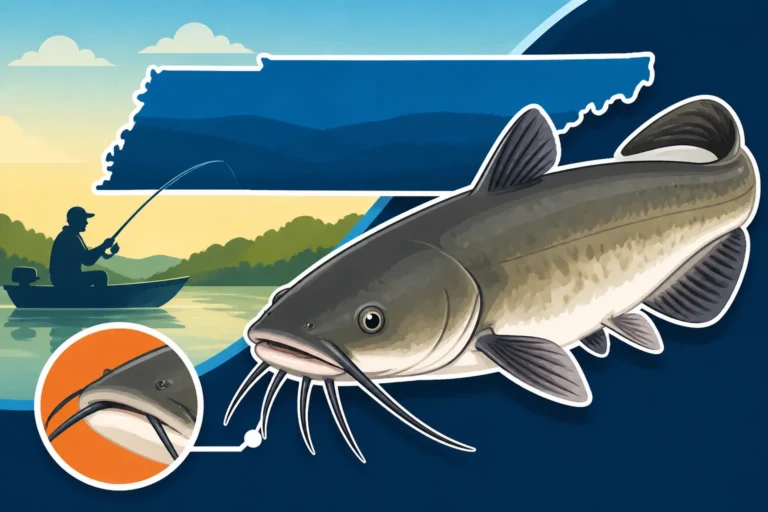
One of the biggest joys of fishing in Tennessee is the sheer diversity of species you can target, but sometimes, figuring out exactly where to find your desired catch can feel like a real puzzle. If you're passionate about landing a feisty channel catfish and are wondering which Tennessee streams offer the best chances, you're in the right place. This guide is all about demystifying the habits and preferred hangouts of channel cats, helping you pinpoint those prime stream locations for your next angling adventure.
Understanding Channel Catfish Habitat in Tennessee
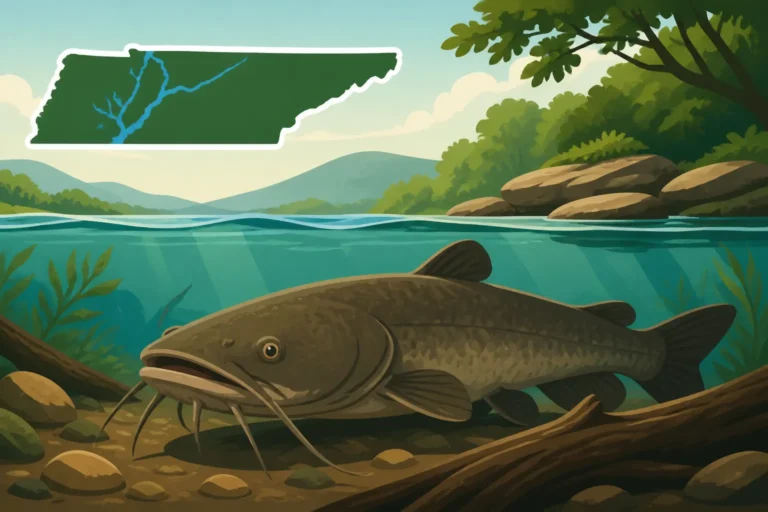
Channel catfish are incredibly resilient and adaptable fish, which is part of why they're such a beloved species across Tennessee. However, "adaptable" doesn't mean they're just anywhere; they have definite preferences when it comes to their environment. Knowing what kind of watery neighborhood they like to call home is the first step to consistently finding them.
Preferred Water Conditions for Channel Catfish
When you're thinking about where channel catfish might be lurking in Tennessee's streams, think about stability and food availability. These fish aren't usually found in raging whitewater rapids, but rather in areas where the current is a bit more forgiving. They thrive in moderate to slow-moving waters, often favoring deeper holes, eddies, and channels where they can conserve energy while still being close to a passing meal. While they can tolerate a wide range of water clarity, they often prefer waters with some turbidity or murkiness, which offers them a bit of cover and helps them ambush prey without being easily spotted. This preference is particularly true during daylight hours.
You'll find that channel catfish are quite comfortable in warmer water, making them an excellent target through the spring, summer, and early fall. Unlike trout which demand cold, oxygen-rich flows, channel cats can handle the hotter temperatures that many of Tennessee's larger rivers and streams experience. This makes them a fantastic species for consistent action during those long, hot summer days when other fish might be sluggish. They're opportunistic feeders, meaning they're not picky, and their highly developed sense of smell allows them to locate food even in less-than-clear conditions.
The Importance of Structure and Cover
Just like us, fish appreciate a bit of shelter, and for channel catfish, structure and cover are non-negotiable. In Tennessee's diverse streams, this can take many forms. Think about submerged logs, fallen trees, brush piles, rock formations, and even undercut banks. These features provide vital protection from predators, offer ambush points for unsuspecting prey, and create current breaks where fish can rest without being swept downstream. A good rule of thumb is to look for areas where the water looks a bit "messy" – places with visible snags or areas where debris collects. These are often indicators of deeper pockets or current breaks that channel cats adore.
Another critical piece of structure, especially in larger streams and rivers, is channel definition itself. Look for areas where the main channel deepens or narrows, creating distinct contours on the bottom. These deeper channels serve as travel corridors and feeding grounds for catfish, particularly during times of higher flow or when they're seeking cooler water during intense summer heat. Bridge pilings, old submerged roadbeds, and wing dams (structures built out into the current to alter flow) are also prime examples of man-made structure that concentrate channel catfish. Don't be shy about exploring these spots; they can hold some real trophies. When I'm out on the water, I often find myself pulling up maps on my phone or a fish finder to look for these kinds of underwater changes. You can even find waterproof cases for your phone on Amazon to keep it safe while you're navigating the river.
Key Tennessee Streams and Rivers for Channel Catfish
Tennessee is blessed with an incredible network of waterways, from the mighty Tennessee River itself to countless smaller, meandering streams. Many of these hold thriving populations of channel catfish, just waiting to test your angling skills. Understanding which ones are most productive can save you a lot of time and lead to more successful outings.
Major River Systems to Explore
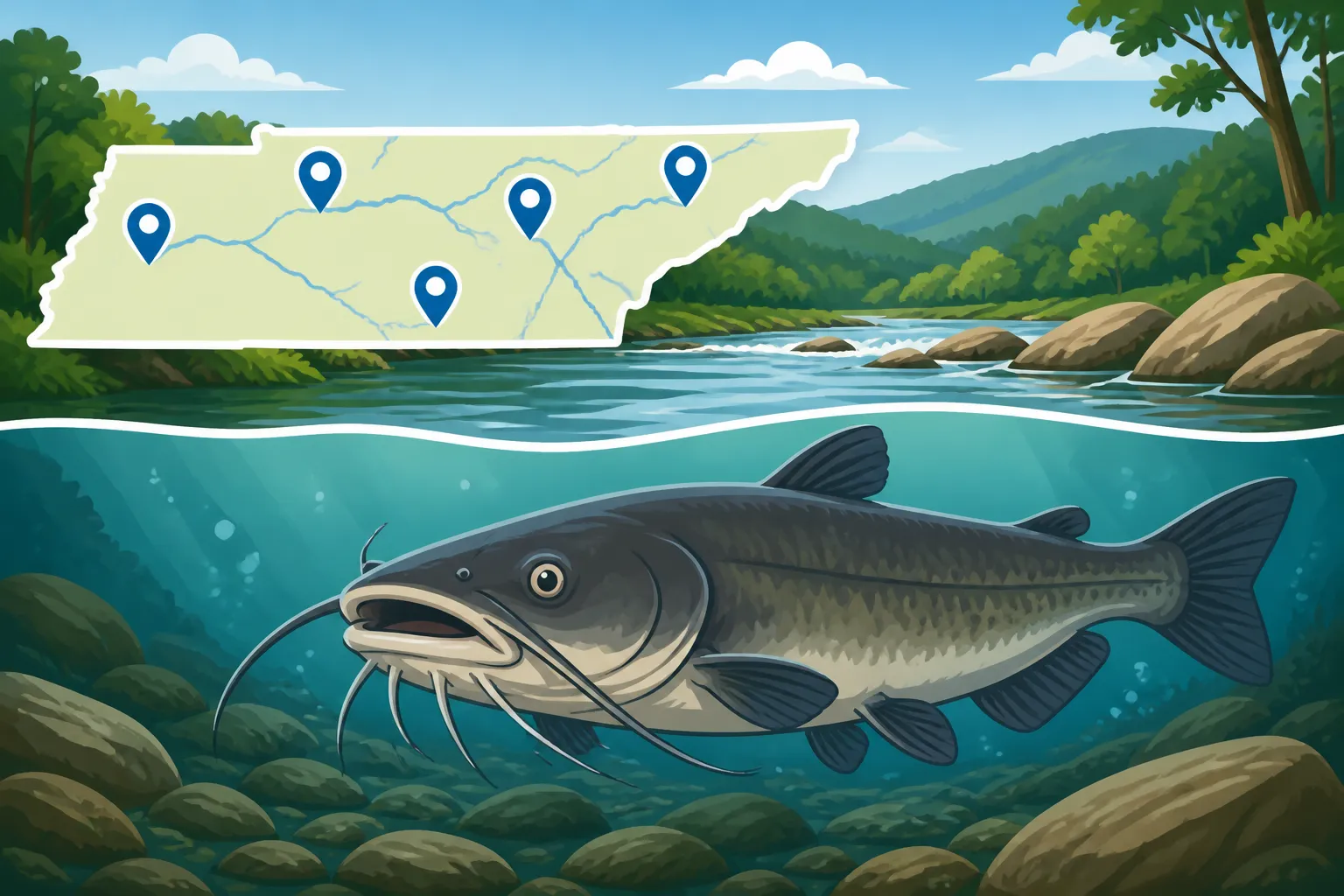
When it comes to sheer volume of water and catfish potential, Tennessee's major river systems are hard to beat. The Tennessee River Fishing Access Points are numerous, and the river itself, along with its main tributaries, forms the backbone of the state's catfish habitat. Anglers often find fantastic channel catfish fishing throughout the length of the Tennessee River, especially in the slower-moving sections downstream from dams or where significant tributaries enter. These spots often create large eddies and deeper scour holes that collect food and provide ideal catfish habitat. Look for areas with current breaks, especially behind islands or large rock structures.
The Cumberland River is another stellar choice for channel catfish. From its upper reaches down to its broader sections near Nashville, the Cumberland River Fishing Spots in Tennessee offer diverse opportunities. Much like the Tennessee River, you'll want to focus on deeper channels, the mouths of creeks, and areas with submerged timber or rock piles. Both of these large rivers are home to robust populations, and many anglers report consistent catches year-round, although the warmer months certainly see increased activity. For those looking to really delve into the species, remember that the channel catfish is recognized as one of Tennessee's Official State Fish: Channel Catfish and Smallmouth Bass.
Smaller Tributaries and Creeks
While the big rivers get a lot of attention, don't overlook Tennessee's countless smaller tributaries and creeks. These often feed into the larger river systems and can be absolute gems for channel catfish, especially during certain times of the year. During spawning season, many catfish will push up into these smaller, shallower waters to lay their eggs, making them easier to target. After heavy rains, when these creeks become swollen and muddy, channel catfish will move in to feed on worms, insects, and other food items washed in from the banks. These smaller waterways can offer a more intimate fishing experience, away from the boat traffic of the larger rivers.
When fishing smaller streams, focus on the deeper bends, undercut banks, and any visible log jams or brush piles. Even a small creek can hold surprisingly large channel catfish if it has consistent flow and decent water quality. Access can be easier on smaller streams too, making them perfect for a quick evening trip or for those who prefer bank fishing. You might even discover some lesser-known, truly peaceful spots that feel like your own private fishing hole. Many small towns in Tennessee have lovely local parks with creek access that can be surprisingly productive.
Beyond Streams: Where Else to Find Channel Catfish
While the core of our discussion is about streams, it's important to understand that channel catfish are so widespread in Tennessee that they populate almost any fishable body of water. Knowing their broader habitat preferences means you're never far from a potential catch, even if a flowing stream isn't immediately available.
Reservoirs and Lakes
Tennessee is dotted with numerous large reservoirs, which are essentially dammed sections of those major river systems we discussed. Lakes like Kentucky Lake, Chickamauga Lake, and Watts Bar Lake are renowned for their channel catfish populations, often producing huge numbers of fish. In these larger, often deeper bodies of water, channel catfish will still seek out similar features: old river channels, submerged timber, rock piles, and points that drop off into deeper water. They also love to congregate around the mouths of creeks and coves where baitfish are abundant and currents are reduced. For more specific insights into these big waters, you might want to read guides like Kentucky Lake Catfish Fishing Spots or Watts Bar Lake Catfish Fishing Spots.
Fishing for channel catfish in reservoirs often involves a different approach than in streams. Anglers commonly use boats to cover more water, employing techniques like drift fishing or anchoring over known structure. The sheer size of these lakes means that the catfish can spread out, but once you find a concentration, the action can be non-stop. Early mornings and late evenings are prime times, as is night fishing when channel cats often move into shallower areas to feed more aggressively. Don't forget, these reservoirs often have robust populations of other Catfish Species Found in Tennessee Waters, so you might hook into a blue cat or flathead as well!
Farm Ponds and Smaller Bodies of Water
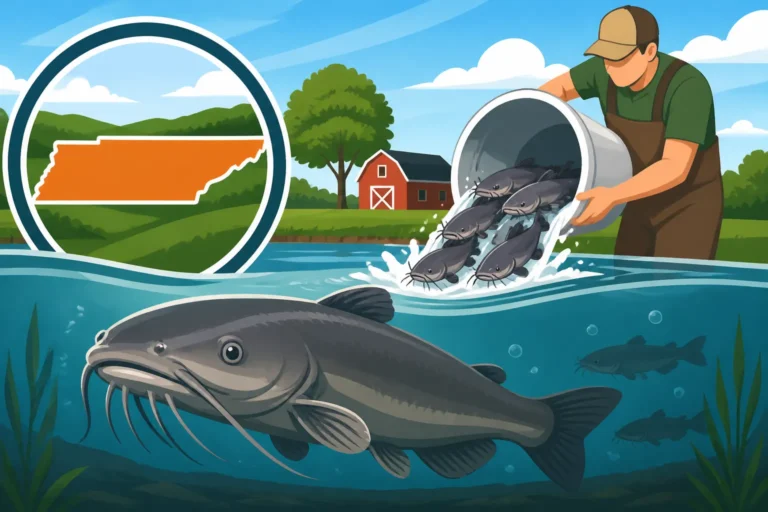
Perhaps the most accessible and often overlooked spots for channel catfish are farm ponds and smaller, privately owned lakes. Many landowners stock channel catfish because they grow well, are good to eat, and provide excellent sport. While these aren't "streams" in the traditional sense, they offer fantastic opportunities, especially for beginners or those looking for a relaxed fishing experience. In these smaller, often shallower environments, channel catfish might be found cruising the entire pond, but they'll still gravitate towards any available cover – submerged vegetation, old Christmas trees sunk by property owners, or even just the deeper center of the pond.
If you have access to a private pond, these can be phenomenal places to introduce kids to fishing or to simply enjoy a peaceful afternoon. The catfish in these ponds often become quite accustomed to easy meals, making them fairly simple to catch with basic baits. It’s always a good idea to check with the landowner about any specific rules or limits they might have. For general guidance on what to expect from these fish, Channel Catfish Identification and Habitat in Tennessee offers some great background, regardless of the water body type.
Tips for Targeting Channel Catfish in Streams
Finding where channel catfish are located is half the battle; the other half is knowing how to effectively get them to bite! While they're generally not considered finicky, a few strategic tips can significantly increase your success rate, especially when fishing in flowing stream environments.
Best Baits and Techniques
Channel catfish are renowned for being opportunistic scavengers, and their diet often reflects whatever is readily available in their environment. This means a wide array of baits can be effective. For stream fishing, classic stink baits, chicken livers, cut bait (especially from shad or other local baitfish), and even chunks of hot dogs or shrimp are all highly productive. The key is often the scent trail these baits leave in the current, drawing catfish from downstream. For those looking for specific bait advice, Best Bait for Channel Catfish Fishing is an excellent resource. You can pick up a lot of these baits at your local bait shop, or even grab some essentials like robust circle hooks and braided line on Amazon before your trip.
When it comes to techniques in streams, bottom fishing is almost always your best bet. A simple Carolina rig or a three-way swivel rig with an appropriate amount of weight to hold your bait on the bottom, despite the current, works wonders. Cast your bait upstream and allow it to drift naturally into deeper holes, around submerged structure, or into current breaks. Be patient, as catfish often take their time to find the bait. Sometimes, a slight twitch of the rod can help release more scent and get their attention. Bank anglers will find that targeting these same features from shore can be incredibly effective, and learning How to Catch Catfish From the Bank can give you a real edge.
Reading the Water for Catfish Hotspots
One of the most valuable skills any angler can develop, especially for stream fishing, is "reading the water." This means observing the currents, depths, and visible structures to predict where fish might be holding. For channel catfish in Tennessee streams, always look for variations in the flow. Areas where the current slows down dramatically, such as behind large rocks, fallen trees, or inside tight bends, are prime resting and feeding grounds. Deep holes, often found on the outside bends of a stream or downstream from obstacles, are also key holding areas, providing cooler water and security.
Pay attention to convergence points, where a smaller tributary meets a larger stream, or where two currents merge. These areas often concentrate food and create distinct current lines that channel catfish will patrol. Even subtle changes in water color or texture can indicate differences in depth or current, signaling a potential hotspot. For instance, a slightly darker patch of water might suggest a deeper hole. Learning to interpret these visual cues, combined with understanding Tennessee Catfish Fishing Techniques and Seasons, will make you a much more successful catfish angler on Tennessee's incredible streams.
| Catfish Habitat Feature | Why Channel Cats Love It | Best Fishing Technique | Example Location Type |
|---|---|---|---|
| Deep Holes | Cooler water, security, food collection | Bottom fishing with weight | Outside river bends, downstream from obstacles |
| Submerged Logs/Brush | Cover from predators, ambush points | Bottom fishing, tightlining | Log jams, fallen trees |
| Current Breaks/Eddies | Rest from strong current, food accumulation | Drifting bait, anchored bottom rig | Behind large rocks, islands, bridge pilings |
| Undercut Banks | Shade, cover, insect/prey haven | Pitching bait close to bank | Steep bank sections |
| Creek Mouths | Influx of food, varying current | Fan casting across current | Where small creek meets main river |
Disclaimer
This article is for general informational purposes only and does not constitute professional advice. Laws, prices and regulations vary by location and change over time. Consult a qualified professional for guidance on your specific situation.