Is Rainbow Trout Good to Eat?
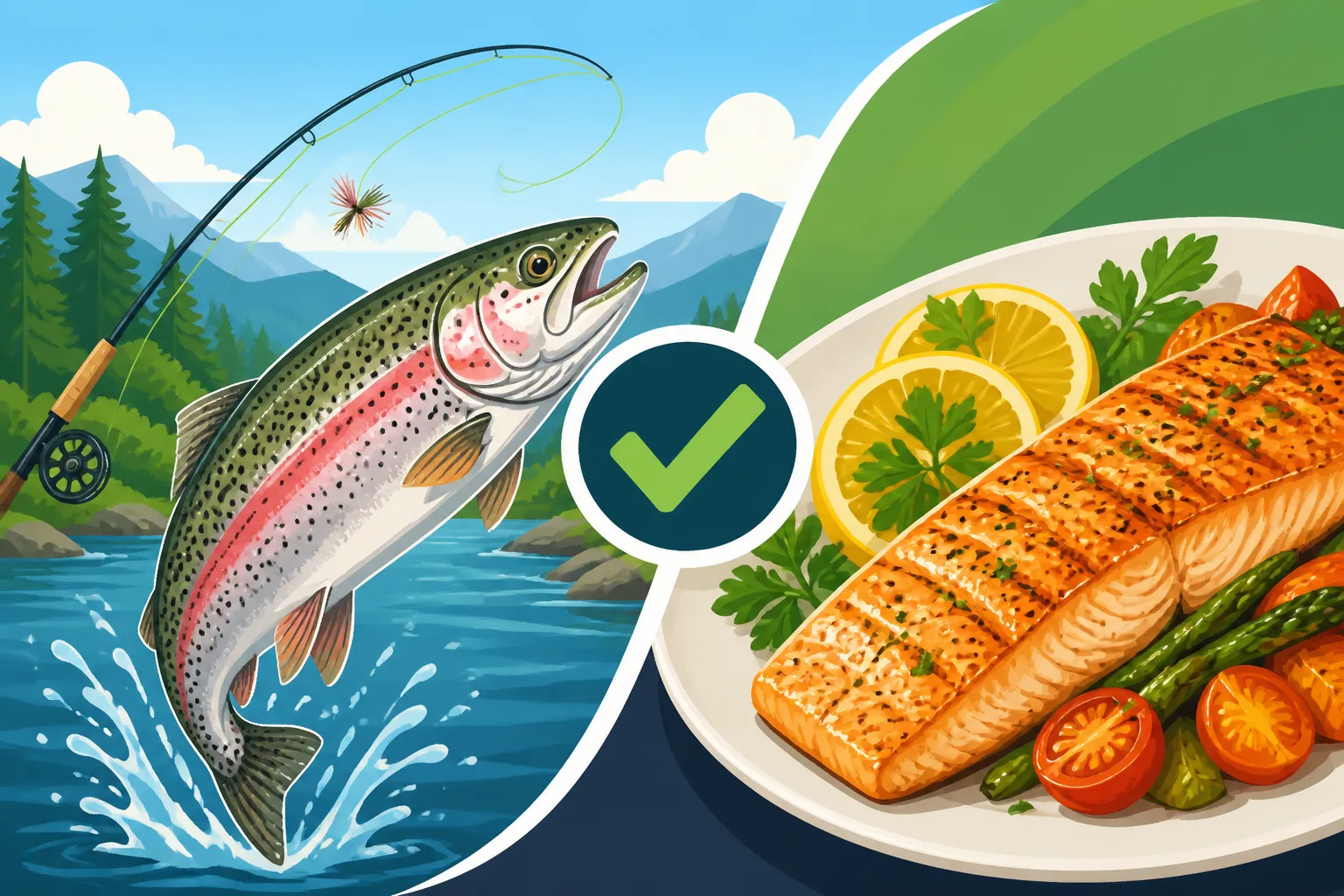
If you've ever reeled in a beautiful rainbow trout from one of Tennessee's pristine streams or lakes, a common thought quickly follows: "Now what do I do with it?" And often, that leads straight to the question, "Is this fish good to eat?" The answer, my friend, is a resounding yes! Tennessee's rainbow trout are not only a joy to catch but also offer a delightful culinary experience, often rivaling much pricier seafood options. This guide is all about helping you understand why these fish are so beloved on the dinner table and how to make the most of your catch.
The Distinct Flavor and Texture of Tennessee Rainbow Trout
Let's be honest, not all fish are created equal when it comes to taste and texture. But rainbow trout, especially those from the clean, cold waters of Tennessee, stand out for several fantastic reasons.
What Makes Rainbow Trout Taste So Good?
The flavor of rainbow trout is generally mild, delicate, and often described as slightly nutty. It's not "fishy" in the way some other species can be, which makes it a fantastic choice for those who might be a bit wary of seafood. This mildness is a huge part of its appeal, allowing it to take on the flavors of whatever seasonings or marinades you choose to use without being overpowered.
One of the biggest factors influencing the taste is the fish's diet and environment. Trout thrive in clear, cold, oxygen-rich water, like the mountain streams in the Great Smoky Mountains or the deeper sections of reservoirs where the Tennessee Wildlife Resources Agency (TWRA) Where TWRA Stocks Rainbow Trout in Tennessee. The healthier and cleaner their environment, the better they tend to taste. A trout that's been feeding on natural insects and small aquatic life in a swift-moving stream will often have a more refined flavor compared to one from a less optimal habitat, though even stocked trout can be absolutely delicious.
Texture: Firm, Flaky, and Tender
Beyond flavor, the texture is where rainbow trout truly shines. When cooked properly, the flesh is wonderfully firm yet flaky, separating easily with a fork into moist, tender pieces. It's lean, but still retains enough natural oils to keep it from drying out too quickly during cooking. There's a delicate quality to it that makes it feel quite luxurious, whether you're pan-frying a fillet or roasting a whole fish.
You'll notice the flesh can range in color from almost white to a delicate pinkish-orange. This coloration often depends on their diet; trout that consume crustaceans or certain types of algae can develop that attractive rosy hue, similar to salmon. Regardless of the exact color, the quality of the texture remains consistent across healthy rainbow trout.
Nutritional Powerhouse: Why Rainbow Trout is Good for You
Eating your catch isn't just about the delicious taste; it's also about the incredible health benefits that come with it. Rainbow trout is a fantastic addition to a balanced diet, packed with nutrients that support overall well-being.
Rich in Omega-3 Fatty Acids
One of the most significant health benefits of rainbow trout is its high content of Omega-3 fatty acids, specifically EPA and DHA. These "good fats" are absolutely crucial for heart health, brain function, and reducing inflammation throughout the body. While salmon often gets all the glory for Omega-3s, rainbow trout is right up there, offering a substantial amount in each serving. Regular consumption of Omega-3s can contribute to lowering blood pressure, reducing triglycerides, and supporting cognitive health – pretty impressive for a fish you caught yourself!
For those of us trying to eat healthier or looking for lean protein sources, rainbow trout is a real winner. It offers a naturally wholesome meal that leaves you feeling satisfied without being heavy.
A Lean Source of Protein, Vitamins, and Minerals
Beyond the Omega-3s, rainbow trout is an excellent source of lean protein, which is essential for muscle repair, growth, and overall bodily function. A single serving can provide a significant portion of your daily protein needs.
But the goodness doesn't stop there. Rainbow trout is also rich in various vitamins and minerals, including:
- Vitamin B12: Vital for nerve function and red blood cell formation.
- Vitamin D: Important for bone health and immune system support, especially since many people are deficient in this vitamin.
- Selenium: A powerful antioxidant that helps protect cells from damage.
- Phosphorus: Crucial for strong bones and teeth.
- Potassium: Important for maintaining healthy blood pressure and fluid balance.
So, when you're enjoying a freshly cooked rainbow trout, you're not just treating your taste buds; you're nourishing your body with a broad spectrum of essential nutrients. It's truly a wholesome meal from the water to your plate.
Best Ways to Prepare and Cook Tennessee Rainbow Trout
Once you've decided to bring that beautiful trout home for dinner, the next step is preparation. The great news is that rainbow trout is incredibly versatile and relatively easy to cook, even for beginner chefs.
Cleaning and Filleting Your Catch
Before you even think about cooking, you'll need to clean your trout. If you've never done it before, don't worry, it's simpler than you might think. You can choose to cook it whole (head on or off, gutted), or fillet it into boneless portions.
To clean a whole trout:
- Rinse: Give the fish a good rinse under cold running water.
- Gut: Using a sharp, small knife, make a shallow cut from the vent (anus) up to the gills. Be careful not to cut too deep and puncture the internal organs.
- Remove Innards: Scoop out all the organs. You'll also want to scrape out the kidney line, which is a dark red line running along the backbone inside the cavity. A spoon or your thumbnail works well for this.
- Rinse Again: Thoroughly rinse the cavity with cold water until it's clean.
- Dry: Pat the fish dry with paper towels. This is a crucial step for getting a nice crispy skin if you're pan-frying or grilling.
If you prefer fillets, there are plenty of online tutorials that can walk you through the process step-by-step. A good, sharp fillet knife (you can find excellent options on Amazon) makes all the difference!
Top Cooking Methods for Rainbow Trout
The mild flavor and delicate texture of rainbow trout mean it performs wonderfully across a variety of cooking methods. Here are some of my favorite ways to prepare it:
Pan-Frying or Sautéing
This is perhaps the quickest and most popular method for fillets. A hot pan, a little oil or butter, and a few minutes on each side result in beautifully crispy skin and tender, flaky flesh.
- How-to: Heat olive oil or butter in a skillet over medium-high heat. Season your fillets with salt, pepper, and your favorite herbs (dill and parsley are classic choices). Place skin-side down in the hot pan. Cook for 3-5 minutes until the skin is golden and crispy, then flip and cook for another 2-4 minutes until the fish is opaque and flakes easily.
- Tip: A cast iron skillet works wonders for achieving that perfect crispy skin.
Baking or Roasting
Baking is a fantastic hands-off method, great for whole fish or multiple fillets. It results in moist, evenly cooked trout.
- How-to: Preheat your oven to around 375-400°F (190-200°C). Place your whole trout (stuffed with lemon slices and herbs if you like!) or fillets on a baking sheet lined with parchment paper. Drizzle with olive oil, season, and bake for 12-18 minutes, depending on thickness, until cooked through.
- Tip: For minimal cleanup, create a foil packet with the fish, some vegetables (like asparagus or cherry tomatoes), and a splash of white wine or broth.
Grilling
Grilling imparts a wonderful smoky flavor and can give you those attractive char marks. This method is especially great for whole fish or thicker fillets.
- How-to: Preheat your grill to medium-high heat. Lightly oil the grill grates or use a fish basket to prevent sticking. Season the trout liberally. Grill whole fish for 5-7 minutes per side, or fillets for 3-5 minutes per side, until they reach an internal temperature of 145°F (63°C).
- Tip: If grilling fillets directly on the grates, place them skin-side down first and avoid moving them until the skin has crisped and released from the grates.
Smoking
For a truly unique flavor, consider smoking your rainbow trout. This slow cooking method infuses the fish with incredible depth.
- How-to: Brine your trout fillets for a few hours. Pat dry, then smoke at a low temperature (around 175-225°F or 80-107°C) for 1-3 hours, depending on thickness and desired smokiness.
- Tip: Use fruit woods like apple or cherry for a mild, sweet smoke that complements the trout beautifully. You can find specialized wood chips and even small smokers on Amazon to get started.
Seasoning and Accompaniments
Because of its mild flavor, rainbow trout is a blank canvas for seasonings. Simple salt and pepper are always good, but don't be afraid to experiment:
- Herbs: Fresh dill, parsley, chives, thyme, and rosemary are all excellent.
- Citrus: Lemon is a trout's best friend! Slices inside a whole fish, a squeeze over fillets, or zest in a sauce elevate the flavor.
- Spices: Paprika, garlic powder, onion powder, and a touch of cayenne can add depth.
- Sauces: A simple lemon-butter sauce, a dill cream sauce, or even a fresh salsa can turn your trout into a gourmet meal.
Serve your trout with roasted vegetables, wild rice, or a crisp green salad for a complete and healthy meal. Don't forget a good cold beverage to wash it down!
| Cooking Method | Preparation Time | Cook Time | Texture | Flavor Imparted | Best For |
|---|---|---|---|---|---|
| Pan-Frying | 5-10 min | 5-10 min | Crispy skin, flaky inside | Rich, savory | Fillets |
| Baking | 5-10 min | 12-18 min | Moist, tender | Mild, easily seasoned | Whole fish, fillets |
| Grilling | 10-15 min | 6-10 min | Slightly smoky, firm | Smoky, robust | Whole fish, thicker fillets |
| Smoking | 2-4 hours (brine) | 1-3 hours | Very tender, infused | Deeply smoky, complex | Fillets |
Sourcing Your Tennessee Rainbow Trout: Wild vs. Stocked
When it comes to enjoying rainbow trout, knowing where your fish comes from can be just as important as how you cook it. In Tennessee, you'll primarily encounter two types: wild trout and stocked trout. Both are excellent to eat, but they often have subtle differences due to their environment and diet.
Wild Tennessee Rainbow Trout
Catching a wild rainbow trout in Tennessee is a special experience. These fish are found in the colder, oxygen-rich mountain streams, particularly in East Tennessee and the high-elevation waters of the Great Smoky Mountains National Park. Places like the Clinch River and the Little River are renowned for their wild trout populations. Anglers often spend hours, or even days, perfecting their technique for these elusive fish. If you're looking to target these beauties, you'll want to check out our guide on Best Fly Fishing Spots for Rainbow Trout or Tennessee Trout Fishing Season Explained.
- Flavor Profile: Wild trout typically have a very clean, pure, and often slightly sweet flavor. Their diet consists of natural insects, larvae, and smaller baitfish, which contributes to a more nuanced and subtle taste. The flesh tends to be firmer due to their constant fight against swift currents.
- Availability: Wild trout populations are generally more sensitive and are often managed with stricter catch limits and regulations to ensure sustainability. Always check Tennessee Fishing Rules Every Angler Should Know before you go. You'll probably catch fewer wild trout than stocked ones, making each catch feel like a true prize.
- Effort: Catching wild trout usually requires more skill, patience, and often specific techniques like fly fishing. If you're interested in learning, consider exploring How to Fly Fish for Trout for Beginners.
Stocked Tennessee Rainbow Trout
The TWRA does an incredible job of stocking rainbow trout in numerous rivers, streams, and lakes across Tennessee, ensuring ample opportunities for anglers of all skill levels. These stocked trout provide a fantastic fishery, especially in waters that might not naturally support a robust trout population year-round. Many of the fish you catch in popular fishing ponds or easily accessible streams will be stocked. You can find out more about these efforts in articles like Tennessee Rainbow Trout Fishing Ponds and Rainbow Trout Stocking Season: Fall Through Spring.
- Flavor Profile: Stocked trout are still very delicious! Their flavor is typically mild, though it can sometimes be slightly less complex than wild trout, depending on their hatchery diet. The flesh is usually tender and flaky. The "fishy" flavor is still minimal, making them an excellent choice for everyone.
- Availability: Stocked waters often have higher concentrations of fish, making them easier to catch, especially for beginners or families. This makes them a reliable target if you're aiming to bring home a meal.
- Effort: While still requiring good technique, catching stocked trout can often be a bit more forgiving. They might be more receptive to various baits and lures, such as those discussed in Best Bait for Rainbow Trout Fishing or Best Lures for Stocked Rainbow Trout.
Making Your Choice
Ultimately, whether you catch a wild or a stocked rainbow trout, you're in for a treat. Both offer a lean, delicious, and nutritious meal. The key is to enjoy the experience of catching them, respect the regulations, and then savor the fruits of your labor at the dinner table. There's truly nothing quite like eating a meal you've sourced yourself from the beautiful waters of Tennessee.
Disclaimer
This article is for general informational purposes only and does not constitute professional advice. Laws, prices and regulations vary by location and change over time. Consult a qualified professional for guidance on your specific situation.