Rainbow Trout Stocking Season: Fall Through Spring
There’s nothing quite like the crisp air of a Tennessee autumn, the hush of winter mornings, or the vibrant burst of spring, especially when you know there are active fish waiting to bite. For many anglers, once the warm water species like bass and crappie start to slow down as temperatures drop, it can feel like the fishing season is winding down too. But for those who love the thrill of a bending rod and a feisty fight, Tennessee’s rainbow trout stocking program ensures that the excitement continues from fall straight through spring, offering fantastic opportunities when many other states have packed it in for the year. This comprehensive guide will walk you through everything you need to know about targeting rainbow trout during these cooler months, ensuring your fishing adventures in the Volunteer State are productive and enjoyable.
Understanding Tennessee's Rainbow Trout Stocking Program
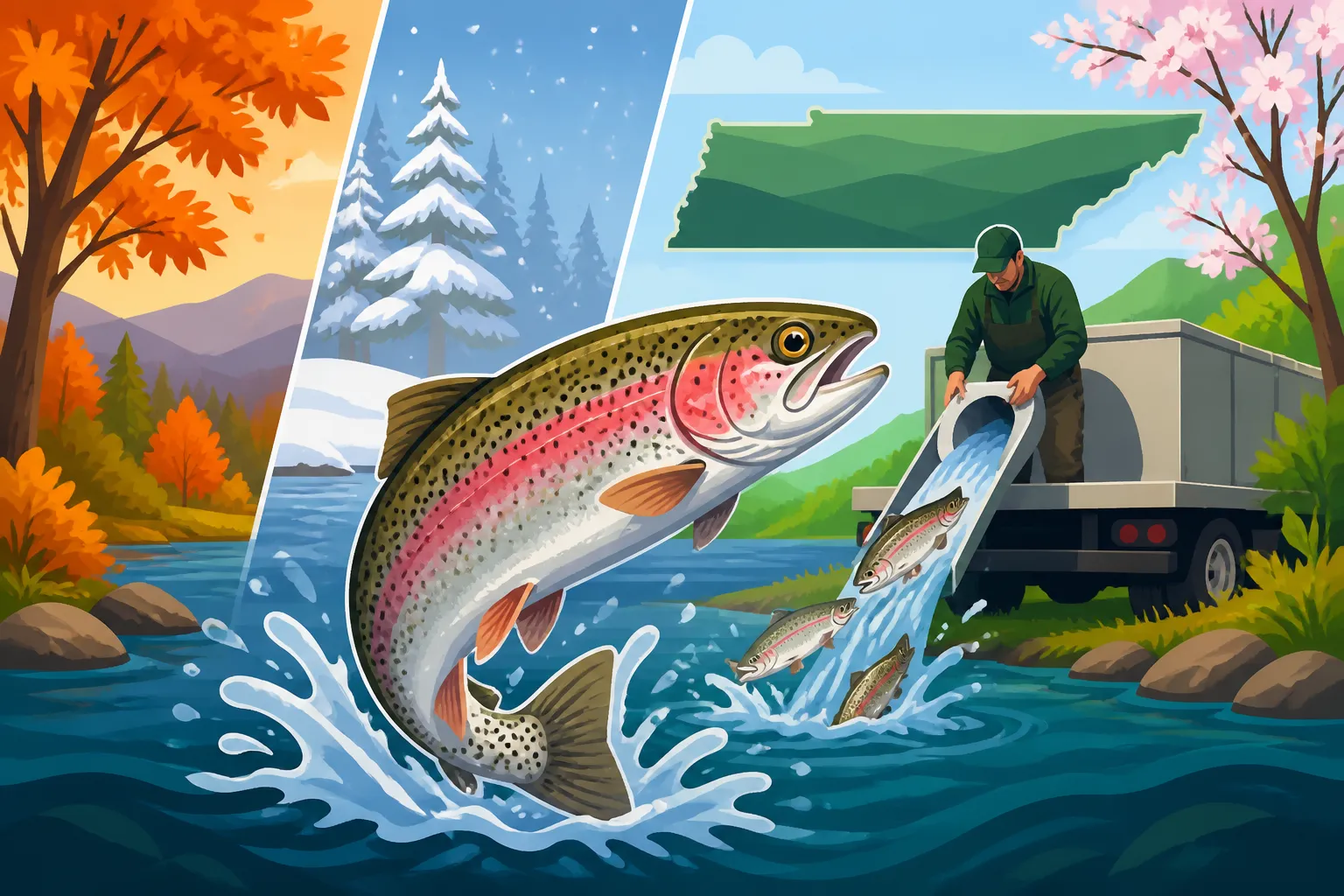
The Tennessee Wildlife Resources Agency (TWRA) works tirelessly to provide year-round fishing opportunities, and their rainbow trout stocking program is a shining example of that dedication. This isn't just about dumping fish into a stream; it's a carefully managed effort to support recreational angling, especially in waters that might not naturally sustain robust trout populations through the warmer summer months. These fish are raised in state hatcheries and released into specific rivers, streams, and ponds, creating easily accessible fishing spots for everyone from seasoned fly anglers to families looking for a fun day out.
The Purpose Behind the Stocking
You might wonder why the state goes to all this effort, especially when Tennessee already boasts an incredible diversity of native fish. The primary goal of stocking rainbow trout from fall through spring is to create "put-and-take" fisheries. This means these fish are stocked for immediate angling pleasure, giving you a chance to catch dinner or simply enjoy the fight. Many of the waters stocked are tailwaters below large dams, which maintain consistently cold temperatures suitable for trout even when ambient air temperatures fluctuate. Other stocked locations include urban ponds and smaller streams that warm up too much in summer but are perfect for trout during cooler seasons. This practice allows for a continuous fishing experience when other species become less active, keeping the angling community engaged and providing fresh fish for the dinner table. It also helps manage fishing pressure on wild trout populations in pristine mountain streams, allowing those fish to thrive undisturbed.
What Kind of Rainbow Trout to Expect
When you’re out on the water after a stocking, you’ll typically be catching what we call "catchable size" rainbow trout. These aren't tiny fingerlings; they're usually fish ranging from 9 to 14 inches, though you might occasionally hook into something a bit larger. These trout are robust and ready to bite, offering a spirited fight on appropriate light tackle. They're also known for their beautiful, iridescent colors and delicious, mild flavor, making them a highly sought-after species. While they may not have the same instinctual wariness as wild-bred trout, they still require good technique and presentation to entice a strike, especially after they've been in the water for a little while and have become accustomed to their new environment. Understanding their behavior post-stocking is key to consistent success.
Navigating the Fall Stocking Schedule: A Fresh Start for Anglers
Fall in Tennessee is magical, with changing leaves and crisp mornings, and it signals the eagerly anticipated start of the rainbow trout stocking season. After the long, hot summer, the cooler water temperatures become ideal for trout, and the TWRA begins its regular releases. This period often presents some of the most comfortable and visually stunning fishing opportunities of the year.
Early Fall: Getting in on the Action
As soon as the heat breaks and water temperatures consistently drop below 70 degrees Fahrenheit, usually by late September or early October, the stocking trucks start rolling. Early fall can be particularly exciting because the fish are fresh from the hatchery and often quite eager to bite. They haven't been pressured much, and their instincts are still adjusting to a larger, wilder environment. This is a fantastic time for both bait and lure fishing, as the trout are actively feeding and exploring their new surroundings. Many anglers find success with simple setups: a small hook, a bit of PowerBait or corn, and a light sinker.
You'll often find these early fall stockings happening in popular spots like the Clinch River tailwater below Norris Dam, or various community ponds near urban centers. These spots are usually well-advertised by the TWRA, so keeping an eye on their stocking schedule (often available online) is crucial. Don't be shy about checking out waters you might not have considered before, as many smaller creeks and even certain state park lakes get their share of fall trout. For gear, a lightweight spinning rod, like a 6-foot ultralight, spooled with 4-6 lb test monofilament or fluorocarbon, is usually perfect. You can find excellent options for these setups on Amazon, along with a wide variety of trout baits and small spoons.
Late Fall Challenges and Rewards
As late fall progresses into November and early December, the weather can become more unpredictable. Cold fronts might move in, and water temperatures continue to drop. This doesn't mean the fishing stops; it just means you might need to adjust your approach. Trout can become a bit more lethargic in colder water, often holding in deeper pools or slower currents. Presentation becomes even more critical.
This is where finesse techniques shine. For fly anglers, small nymphs and midge patterns can be incredibly effective, drifted naturally through likely holding water. Spin fishermen might switch to smaller, slower-moving lures like inline spinners with muted colors, or even a simple piece of corn or salmon egg drifted under a bobber. The crowds often thin out in late fall, offering a more peaceful angling experience for those willing to brave the chill. Dressing in layers is key, and a good pair of waterproof boots can make all the difference. Remember to consult the Tennessee Trout Fishing Season Explained for any specific regulations or changes as the seasons progress.
Winter and Spring Stocking: Extending the Season
Just when you think winter might put a complete halt to active fishing, Tennessee’s trout stocking program keeps the opportunities flowing. And as the first signs of spring emerge, the program kicks into high gear, offering some of the best fishing of the year.
Winter: The Art of Cold-Water Trout Fishing
Winter trout fishing in Tennessee is a hidden gem. While other anglers are tucked inside, those who venture out can find some truly remarkable days on the water. The TWRA continues to stock through the winter months, especially in tailwaters and larger, deeper ponds that resist freezing. The key to success in winter is understanding trout behavior in cold water: they're still feeding, but often less aggressively and more subtly.
Look for trout in slow-moving pools, deep bends, or areas with current breaks where they can conserve energy. Baits like PowerBait, small pieces of corn, or even a tiny marshmallow can be incredibly effective when fished on the bottom with minimal weight. For artificial lures, try micro-jigs, very small spoons, or slow-retrieved inline spinners. Fly anglers will often do well with tiny midge patterns, small Pheasant Tail nymphs, or Zebra Midges, presented on fine tippet. The water clarity is often at its best in winter, making stealth important. Keep a low profile, make accurate casts, and pay attention to subtle bites. How to Catch Trout in Cold Water offers more detailed strategies for these chilly outings.
Spring: The Grand Finale of Stocking Season
As winter loosens its grip and spring arrives, the trout stocking schedule ramps up significantly. This is arguably the most popular time for put-and-take trout fishing in Tennessee. The increasing daylight and gradually warming water temperatures invigorate the trout, making them more active and willing to chase a variety of baits and lures. The trees bud out, wildflowers bloom, and the fishing can be absolutely phenomenal.
Early spring sees a continuation of winter tactics, but as the water warms, trout become more aggressive. This is a great time to experiment with small spinnerbaits, spoons, and even brightly colored soft plastics. Fly fishermen can start to see early hatches of insects, making dry fly fishing a possibility on warmer days, alongside the consistent success with nymphs. This is also a prime time for families and beginners, as the trout are often eager, and the weather is generally pleasant. Many state parks and community lakes receive heavy stockings in spring, making them accessible spots. Consider a trip to one of the Tennessee Rainbow Trout Fishing Ponds for an easy and often rewarding experience. Don't forget to stock up on new fishing line and your favorite lures; Amazon has a vast selection to choose from.
Maximizing Your Stocked Trout Experience
Successfully fishing stocked rainbow trout from fall through spring isn't just about showing up after a stocking. It involves a bit of preparation, understanding the fish, and adapting your techniques. With a little know-how, you can consistently put fish in the net.
Essential Gear and Tackle
You don't need a boatload of expensive gear to catch stocked trout, but having the right tools definitely helps.
- Rods and Reels: An ultralight or light action spinning rod (5-7 feet) paired with a small spinning reel (size 1000-2000) is ideal. This setup allows for light lines, sensitive bites, and enjoyable fights.
- Line: 4-6 pound test monofilament or fluorocarbon is generally preferred. The lighter line is less visible to the fish and allows for more natural bait presentation.
- Baits:
- Manufactured Baits: PowerBait (especially in bright colors like chartreuse, orange, and rainbow), PowerEggs, and Berkley Gulp! Trout Dough are staples. These are designed to float, so fish them off the bottom with a small split shot.
- Natural Baits: Canned corn, salmon eggs, small worms (like red wigglers), and mealworms are all highly effective.
- Lures:
- Inline Spinners: Brands like Mepps, Panther Martin, and Rooster Tail in sizes #0 to #2 are deadly. Silver, gold, and brass blades with bright or dark dressings work well.
- Spoons: Small Kastmaster, Little Cleo, or Acme Kastmaster spoons in silver, gold, or flashy colors are great for casting and retrieving.
- Soft Plastics: Tiny grubs, trout worms, or small swimbaits on a light jig head can be very effective, especially when jigged slowly.
- Flies: For fly anglers, a good selection of nymphs (Pheasant Tail, Hare's Ear, Zebra Midge), midge patterns, and smaller Woolly Buggers will cover most situations. Best Fly Patterns for Stocked Trout can give you more specific ideas.
Remember to bring a small tackle box or vest to organize your gear. A landing net is also a good idea to safely land fish, and a stringer or cooler with ice for keeping your catch fresh. You can find many of these essentials, from tackle boxes to waders, on Amazon with convenient delivery right to your door.
Reading the Water and Presentation
Trout, even stocked ones, are creatures of habit. They seek out areas where they feel safe and where food is readily available. In rivers and streams, look for:
- Deep Pools: Trout often congregate in deeper sections, especially in cold water or during bright sunlight.
- Current Seams: The transition zone between fast and slow water is a prime feeding lane.
- Undercut Banks and Overhanging Vegetation: These provide cover from predators and current, making them ideal holding spots.
- Structure: Rocks, logs, and submerged brush offer refuge and ambush points.
In ponds and lakes, stocked trout will cruise the shorelines, particularly near deeper drop-offs or any submerged structure. They'll also follow temperature gradients, so sometimes a slightly deeper cast can make all the difference.
Your presentation is paramount. Whether you're using bait or lures, aim for a natural drift or retrieve that mimics how food would move in the water. For bait fishing, use just enough weight to get your offering to the desired depth. For lures, vary your retrieve speed until you find what triggers a strike. Sometimes a fast, erratic retrieve works; other times, a slow, steady wobble is key. Don't be afraid to experiment! This is also true for fly fishing, where a natural, drag-free drift is often the most important factor. Our guide on How to Spin Fish for Trout offers further insights.
General Tips for Success
- Check Stocking Schedules: The TWRA typically posts their stocking schedules online. Knowing when and where fish are being stocked will significantly increase your chances of success.
- Go Early: Freshly stocked trout are often most active shortly after release. Getting to the water early can give you an edge.
- Observe and Adapt: Pay attention to what other successful anglers are using, and don't be afraid to change your bait, lure, or technique if what you're doing isn't working.
- Handle Fish with Care: If you're practicing catch and release, minimize handling time, keep the fish in the water as much as possible, and use wet hands to avoid removing their protective slime coat.
- Respect Other Anglers: Stocked fisheries can get crowded, especially after a fresh release. Be mindful of space and casting lanes.
- Stay Legal: Always carry your Tennessee Fishing License Costs and Types and be aware of the specific limits for the body of water you're fishing. Even stocked waters have daily creel limits. Tennessee Trout Limits and Season Rules can provide detailed information.
By understanding the seasonal nuances of Tennessee’s rainbow trout stocking program and employing effective techniques, you can ensure that your fishing adventures remain vibrant and exciting all through the cooler months. So grab your gear, check the forecast, and head out to enjoy the fantastic put-and-take opportunities that await you!
| Season | Typical Stocking Period | Trout Behavior | Recommended Techniques & Baits |
|---|---|---|---|
| Fall | Late Sep – Early Dec | Active, exploring new environment, eager to bite | PowerBait, corn, small worms, inline spinners, spoons |
| Winter | Dec – Feb | Less aggressive, hold in deeper, slower water | Tiny nymphs, midges, micro-jigs, PowerBait (bottom) |
| Spring | Mar – May | Very active, increasing aggression, wider range of food | PowerBait, worms, spoons, spinners, grubs, nymphs |
Disclaimer
This article is for general informational purposes only and does not constitute professional advice. Laws, prices and regulations vary by location and change over time. Consult a qualified professional for guidance on your specific situation.