Best Fly Patterns for Stocked Trout
It's incredibly frustrating, isn't it? You arrive at a beautiful, freshly stocked trout stream here in Tennessee, you see fish finning in the clear water, maybe even rising a little, and you think, "Today's the day!" But then, cast after cast, nothing. Those hatchery-raised beauties seem to ignore everything you throw at them. This guide is all about cutting through that frustration, diving deep into the world of fly patterns specifically designed to fool even the wariest of stocked trout, helping you understand their unique behaviors and what makes them bite.
Understanding Stocked Trout Behavior: More Than Just "Easy" Fish
Many anglers, especially those new to the sport, might assume that stocked trout are "easy" targets. After all, they’ve been raised in captivity, often fed a consistent diet, and then dumped into a new environment. While they can be less wary than wild trout, their behavior immediately after stocking, and in the weeks that follow, is anything but simple. Ignoring these nuances is often the reason for an empty net.
The Hatchery Diet: What They're Used to Eating
Imagine spending your whole life in a controlled environment, eating the same processed food every single day. Then, suddenly, you're tossed into a vast, complex buffet with live, wriggling, flying creatures you've never encountered before. That's essentially what happens to stocked trout. They've been raised on a diet of commercial trout pellets, which are often small, dark, and sinking. This is why, immediately after stocking, "pellet fly" imitations can be incredibly effective. These aren't natural insects, but rather represent the familiar food source these fish associate with sustenance.
But it’s not just about pellets. Even in a hatchery, these fish might occasionally encounter a stray insect or two. Their survival instincts, though dulled, aren't entirely gone. As they acclimate, they begin to notice other food sources in their new environment. This means that while pellet imitations are a great starting point, you need a diverse fly box to cover their evolving diet. The initial days post-stocking are critical, as their hunger often overrides their natural caution.
Post-Stocking Shock: Their Initial Disorientation
Think about how you'd feel if you were suddenly transported to a new, wild place. You'd likely be a bit stressed, disoriented, and maybe even hiding. Stocked trout experience something similar. The journey from the hatchery truck to the stream is jarring, and the new surroundings can be overwhelming. This "shock" phase often means they're not actively hunting for natural insects right away. They might hug the bottom, seek cover, or simply stay in tight schools.
During this period, flies that are easy targets, either by mimicking their old food or by being very visible and presented right in front of them, tend to be most successful. This is where bright, flashy flies or those that drop quickly to the bottom can really shine. As the days pass, and they get more comfortable, their natural instincts begin to kick in, and they start to look for real insects. Understanding this transition is key to selecting the right fly pattern at the right time.
Aggressive vs. Finicky: How Their Behavior Evolves
Stocked trout usually start out in two phases: initially aggressive, then potentially finicky. In the first few days or even hours post-stocking, they are often incredibly aggressive feeders. They're hungry, stressed, and looking for anything that resembles food. This is when larger, flashier patterns or those that push a lot of water can draw strikes. Think bright San Juan Worms, bulky Woolly Buggers, or even an opportunistic dry fly if they're rising to something visible.
However, if a stream is heavily pressured, or the trout have been in the water for a few weeks, they can become surprisingly selective and finicky. They've seen countless "fake" flies, learned to avoid unnatural drifts, and started keying in on specific insect hatches. This is when you'll need to scale down your leader, tie on smaller, more realistic nymphs, or precisely match a hatch with tiny dry flies. This evolution from "dumb and hungry" to "selective and wary" is what makes fishing for stocked trout both challenging and rewarding.
Essential Fly Patterns for Stocked Trout
When it comes to fooling stocked trout, having a versatile selection of flies is paramount. You might start with a specific plan, but being able to adapt to how the fish are reacting (or not reacting) is where success lies. These patterns are my go-to choices for various situations you’ll encounter on Tennessee’s stocked waters.
Nymphs: The Bread and Butter
Nymphs are hands down the most consistently effective fly patterns for stocked trout, mainly because trout do about 80% of their feeding below the surface. They’re less exposed to predators and a wider variety of food sources exists in the water column and on the bottom.
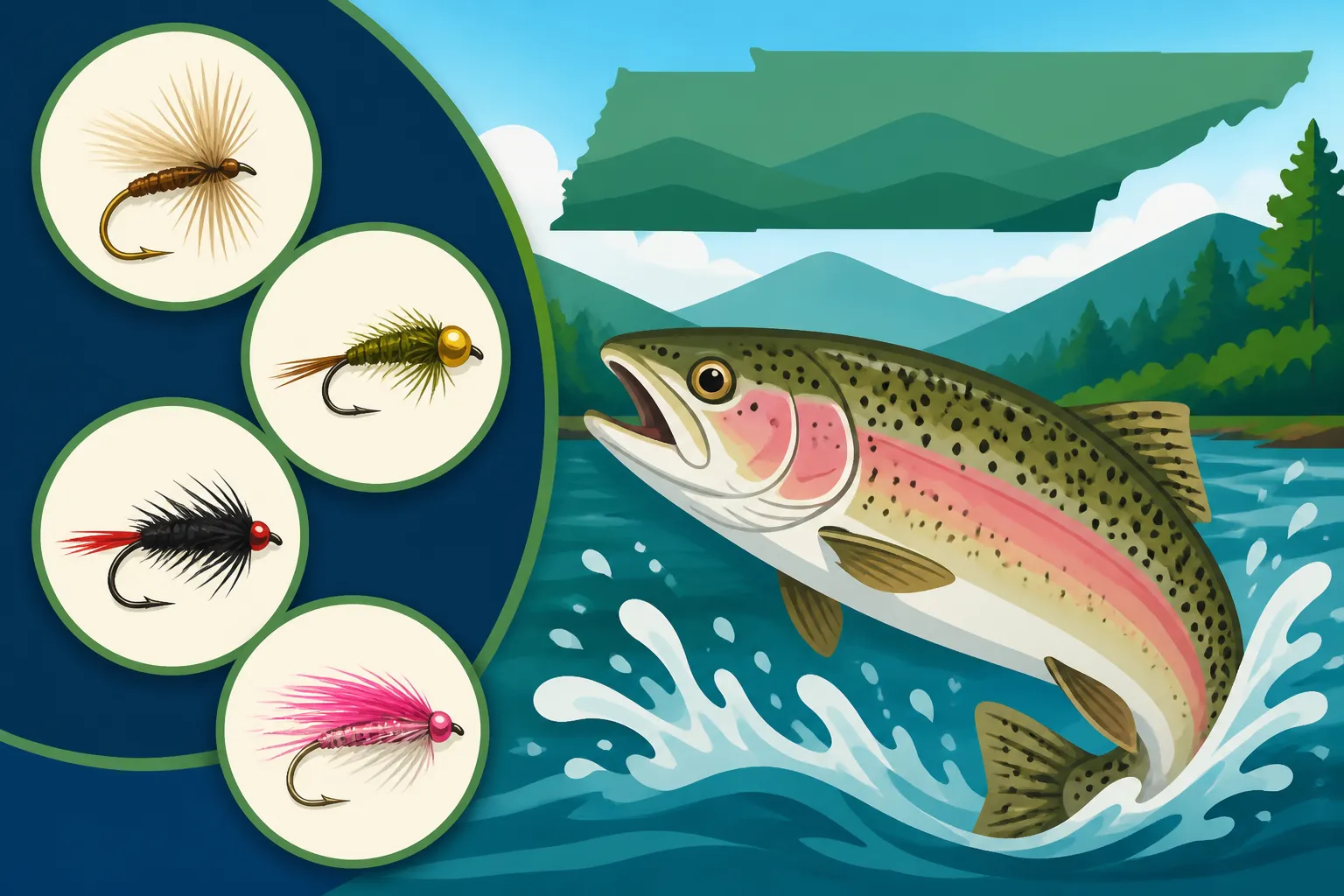
Pheasant Tail Nymph
The Pheasant Tail Nymph is an absolute classic, and for good reason. It’s a fantastic imitation of a wide variety of mayfly nymphs, which are a staple food source for trout. Its segmented body and subtle flash often draw strikes even when fish are being picky. I usually carry them in sizes 12-20, though a size 14 or 16 is a great starting point. The beauty of the Pheasant Tail is its versatility; it’s not an exact match for one specific insect but generally imitates many, making it a reliable choice. When fished under a strike indicator or as part of a tandem rig, it sinks well and presents naturally in the current. You can find quality Pheasant Tail Nymphs readily available on Amazon, or you can even learn to tie them yourself!
Hare's Ear Nymph
Another timeless pattern, the Hare's Ear Nymph, is a fantastic all-around imitator of various aquatic insects like caddis larvae, scuds, and even some mayfly nymphs. Its buggy, shaggy appearance, often incorporating a little flash, seems to scream "food" to hungry trout. I typically fish these in sizes 10-18. The Hare's Ear is particularly effective when trout are actively grubbing on the bottom or when there's no obvious hatch occurring. Its slightly heavier construction helps it get down quickly into the feeding zone, especially in faster runs or deeper pools often found in streams with a good Tennessee Trout Fishing Season Explained.
Squirmy Wormy
Alright, I know what some of you are thinking: "A Squirmy Wormy? Really?" Yes, really! While it might not be the most "traditional" or aesthetically pleasing fly, the Squirmy Wormy is an absolute stocked trout killer, especially immediately after stocking or after a rain event. It’s designed to imitate an aquatic worm, and its wiggly, lifelike action, combined with bright colors like red, pink, or chartreuse, is irresistible to fish accustomed to aggressive feeding. Sizes 10-14 are common. This fly works particularly well in discolored water or when fish are lethargic in cold conditions. Don't be a purist; if you want to catch fish, have a few of these in your box.
Wet Flies and Streamers: Mimicking Larger Prey
Sometimes, a small nymph just isn't enough to get a stocked trout's attention. That's when you turn to patterns that represent a more substantial meal.
Woolly Bugger
The Woolly Bugger is arguably the most versatile streamer pattern ever created, and it’s a non-negotiable for stocked trout. This fly can imitate everything from baitfish, sculpins, and crayfish to large aquatic insects. Its pulsating marabou tail and hackled body give it incredible action in the water, making it a magnet for aggressive fish. Black, olive, and brown are staple colors, but don't overlook white or even bright chartreuse. I carry them in sizes 4-12, varying the weight (with or without a beadhead) to target different depths. Strip it erratically, swing it through runs, or even dead-drift it like a nymph; the Woolly Bugger simply works. When fishing new waters, especially those listed in A Complete Guide to Fishing Spots in Tennessee, a Woolly Bugger is always my first cast.
Wet Fly Soft Hackles
Often overlooked, soft hackle wet flies are incredible for imitating emerging insects or drowned terrestrial bugs. Patterns like the Partridige & Orange or Starling & Purple, in sizes 12-18, are subtle yet incredibly effective. They don't have the flash or bulk of a streamer but offer a lifelike, buggy profile that drifts enticingly just below the surface film or swings beautifully in the current. These flies are particularly good when trout are looking "up" but not quite breaking the surface for dry flies. They can be fished individually or in a team, allowing for a slower, more deliberate presentation that often triggers a strike from a wary fish.
Dry Flies: When They Look Up
While stocked trout do most of their feeding subsurface, there are definitely times when they will rise to the surface. Being prepared for these moments can lead to some exhilarating takes.
Elk Hair Caddis
Caddisflies are abundant in many Tennessee trout streams, and the Elk Hair Caddis is a fantastic imitation. Its buoyant elk hair wing keeps it floating high on the water, making it visible to both you and the fish. Sizes 12-18 are most common. This pattern is particularly effective during actual caddisfly hatches or when trout are opportunistically taking larger insects off the surface. It's a great "attractor" pattern even when no specific hatch is going on, simply because it looks buggy and substantial. Fishing an Elk Hair Caddis can be a blast, especially on those warmer days when trout are more active.
Parachute Adams
If you could only have one dry fly for stocked trout, the Parachute Adams would be a strong contender. It's a general imitation of a wide range of mayflies and other small insects, and its white parachute post makes it incredibly easy to see on the water, which is a huge bonus for beginners learning How to Fly Fish for Trout for Beginners. Sizes 14-20 cover most situations. This fly is especially good when trout are rising steadily to small, inconspicuous insects, but you can't quite "match the hatch." It's a universally accepted pattern that almost always gets a look.
Jig-Style Flies: Getting Down Fast
In deeper pools or faster currents, sometimes you just need to get your fly down to the fish quickly, and that’s where jig-style flies excel.
Jig Nymphs (e.g., Jig Pheasant Tail, Jig Hare's Ear)
Jig nymphs are essentially traditional nymph patterns tied on a jig hook with a tungsten bead. The advantage of a jig hook is that it rides hook-point up, which significantly reduces snags on the bottom – a huge benefit in rocky streams. The tungsten bead also gets the fly down faster than lead-weighted patterns. Sizes 12-18 are typical. These flies are incredibly effective for Euro Nymphing techniques or when you’re fishing a tight line without an indicator, allowing for excellent bottom contact and strike detection. They imitate the same insects as their traditional counterparts but offer a more efficient way to present them in challenging water conditions.
Seasonal Considerations for Fly Patterns
The "best" fly pattern isn't static; it changes with the seasons, just like the trout's behavior and available food sources. Adapting your fly selection to the time of year can significantly boost your success rate on Tennessee's waters.
Early Season (Winter/Early Spring): Cold Water, Hatchery Pellets
During the colder months and immediately following initial stockings, stocked trout are often sluggish and less inclined to chase fast-moving prey. The water is cold, and natural insect activity is minimal. This is prime time for larger, slow-moving subsurface patterns that mimic their familiar hatchery diet or provide a substantial meal with minimal effort from the fish.
The Cold-Water Menu
Think about a trout's metabolism in cold water; it slows down. They're conserving energy. This means they're less likely to dart after a tiny, fleeting nymph. Instead, they’ll gravitate towards larger, slow-moving offerings. My top picks for this period are Woolly Buggers in black, olive, or even white, fished slowly and deep. San Juan Worms and Squirmy Wormies (especially in red or pink) are also killers, as they provide a high-calorie, easily digestible meal. Remember, these fish might still be relying on the memory of their pellet diet, so a small, dark pellet fly imitation can work wonders, especially in the first few days after a stocking event. The Tennessee Trout Stocking Schedule and Season often begins with these colder months, so these are the patterns to have ready.
Mid-Season (Late Spring/Summer): More Natural Feeding
As the water warms and natural insect activity increases, stocked trout become more active and begin to feed on a wider variety of natural food sources. This is when you'll start to see more hatches and more surface activity.
Matching the Emerging Buffet
This is the period when patterns that imitate natural insects become increasingly important. Pheasant Tail Nymphs and Hare's Ear Nymphs in sizes 14-18 are still foundational, imitating the abundant mayfly and caddisfly nymphs. As aquatic insects begin to emerge, soft hackle wet flies become deadly, swung through the current to mimic insects rising to the surface. And, of course, keep an eye out for rising fish! When you see them, patterns like the Elk Hair Caddis or Parachute Adams in sizes 14-18 are your best bet. Terrestrial patterns, like a black or tan foam beetle or ant, can also be surprisingly effective during summer, especially on windy days when these bugs get blown into the water. For more precise trout limits and seasons, check out the Tennessee Trout Limits and Season Rules for your specific stream.
Fall: Aggressive Feeding Before Winter
Fall can be one of the most productive times to fish for stocked trout in Tennessee. As temperatures cool, fish become more active, feeding aggressively to build up fat reserves for the lean winter months. Natural insect hatches might decline, but there's still plenty of food around.
The Fall Feast
This is a great time to experiment with both larger subsurface patterns and some opportunistic dry flies. Woolly Buggers (especially olive or black) are fantastic, stripped aggressively to mimic baitfish. Larger Pheasant Tail and Hare's Ear Nymphs (sizes 12-16) remain reliable, especially if fished deep near structure. During warm afternoons, you might still encounter sparse hatches of midges or tiny Blue Winged Olives, so having smaller Parachute Adams (size 18-20) or midge patterns can be crucial. Furthermore, fall is often when Tennessee streams get their last major stocking events before winter, so don't forget those Squirmy Wormies or pellet imitations immediately after fresh fish are introduced.
Tips for Success with Stocked Trout
Catching stocked trout isn't just about the fly pattern; it's also about how you present it, where you present it, and understanding the environment. Even the "best" fly won't work if it's not fished correctly.
Matching the Hatch (or Lack Thereof): Adjusting Expectations
When you're fishing for wild trout, "matching the hatch" – precisely imitating the specific insects that are currently emerging – is often the golden rule. With stocked trout, especially those recently introduced, this rule needs a slight adjustment. They aren't always keyed into natural insects right away.
From Pellets to Naturals
Initially, you might be "matching the pellet" more than the "hatch." This means starting with flies that resemble their old food source (like pellet flies or attractor patterns like the Squirmy Wormy). As they acclimate, they will start looking for natural insects. This is when your generalist nymph patterns like the Pheasant Tail and Hare's Ear become incredibly effective. They don't need to be a perfect imitation of one specific bug; rather, they represent a wide variety of food sources. Observing the water for actual insect activity (emergers, adult flies) is still crucial, but don’t be afraid to experiment with general attractor patterns, especially in streams that are heavily stocked. Remember, trout often gather in pools and runs in newly stocked areas, so focusing your efforts there can yield better results. You can often find a good selection of these attractor patterns and general nymphs on Amazon, ready for your next trip.
Presentation is Key: Drifts and Retrieves
Even with the perfect fly, a poor presentation will guarantee an empty net. Stocked trout, while sometimes less wary, still react to unnatural drifts or retrieves.
The Perfect Drift for Nymphs
For subsurface nymphing, a drag-free drift is almost always paramount. This means your fly moves at the exact same speed as the current, without any unnatural tugging from your fly line. Use a strike indicator to help detect subtle bites, and mend your line frequently to keep it free of drag. For jig-style nymphs, a tight-line nymphing approach can be incredibly effective, allowing you to feel every bump and tick. When fishing streamers like the Woolly Bugger, varying your retrieve speed and adding pauses can imitate a struggling baitfish, which often triggers aggressive strikes. Don't be afraid to try different speeds – a slow, methodical strip might work best in cold water, while a fast, erratic retrieve can be deadly when fish are active. Knowing when to apply specific techniques can truly make a difference in your catch rate.
Reading Stocked Water: Where They Congregate
Unlike wild trout that might spread out and hold in specific, less obvious lies, stocked trout often congregate in predictable areas. Learning to "read" these stocked waters will put your fly in front of more fish.
Finding the Stocking Hotspots
When trout are first stocked, they often stick together in the deeper, slower pools, near cover (like fallen logs or undercut banks), or in slower runs just downstream from where they were released. These areas offer a sense of security and easy access to food that might drift by. Look for darker patches in the water, which often indicate deeper holes where fish might be holding. Any current breaks, like large rocks or eddies, can also be prime holding spots. As they acclimate, they might spread out more, but those initial high-density areas are always worth a thorough work-over. Don't overlook tailouts of pools or the calmer water adjacent to faster currents. Having knowledge of Best Trout Streams in the Great Smoky Mountains, Tennessee or local stocking points from the Where TWRA Stocks Rainbow Trout in Tennessee information can give you a major advantage.
Table: Popular Fly Patterns for Stocked Trout
Here's a quick overview of some of the most effective fly patterns for stocked trout, their typical uses, and recommended sizes:
| Fly Pattern | Type | Primary Imitation | Best Conditions | Common Sizes | Notes |
|---|---|---|---|---|---|
| Pheasant Tail Nymph | Nymph | Mayfly Nymphs | All-around, consistent performer | #12-20 | Subtle, realistic; great for general nymphing. |
| Hare's Ear Nymph | Nymph | Caddis, Scuds, Mayflies | General searching pattern, buggy profile | #10-18 | Good in varied conditions, slightly flashier than PT. |
| Squirmy Wormy | Nymph | Aquatic Worm | Post-stocking, cold water, discolored water | #10-14 | High visibility, irresistible action; don't judge a book by its cover! |
| Woolly Bugger | Streamer | Baitfish, Crayfish, Sculpins | Aggressive fish, deep water, varied retrieve | #4-12 | Highly versatile, a must-have in multiple colors. |
| Partridige & Orange | Wet Fly | Emerging insects, drowned naturals | Subtle rises, soft current, swing presentation | #12-18 | Effective when fish are looking "up" but not breaking surface. |
| Elk Hair Caddis | Dry Fly | Caddisfly Adults | Caddis hatches, general attractor, windy days | #12-18 | High floating, great visibility for angler; good for fast water. |
| Parachute Adams | Dry Fly | General Mayfly, small terrestrials | General dry fly, steady rises, easy to see | #14-20 | Universal pattern, excellent visibility, a go-to for many situations. |
| Jig Pheasant Tail | Nymph | Mayfly Nymphs | Deep water, fast current, Euro Nymphing | #12-18 | Sinks fast, hook-point up to reduce snags; highly efficient. |
Mastering the Approach: Beyond the Fly
While the fly patterns themselves are crucial, your overall approach will often determine your success rate. Stocked trout, especially those that have been in the stream for a while and have seen many anglers, can be surprisingly wary.
Stealth and Observation
Even with hungry, stocked fish, being stealthy is important. Clomping along the bank, casting a long shadow over the water, or making excessive noise can put fish down. Approach pools and runs cautiously, stay low, and make your first casts count. Take a moment to observe the water before you cast: Are fish rising? Are there any obvious insect hatches? Where are the deepest pockets or areas of cover? This initial observation phase can save you a lot of fruitless casting. It’s a good habit whether you're fishing a small creek or a larger reservoir.
Varying Your Presentation and Depth
Don't get stuck in a rut. If your first chosen fly pattern isn't working, don't just keep casting it for an hour. Change it up! If nymphs aren't getting bites, try a streamer. If subsurface isn't producing, look for rises and try a dry fly. Equally important is varying the depth you're fishing. Trout often hug the bottom in stocked streams, so making sure your nymphs are getting deep enough is vital. Experiment with split shot, different weighted flies, or adjust your strike indicator. Sometimes, simply adding an extra split shot can make all the difference. Remember, the goal is to present the fly where the fish are, and often, that's right near the streambed.
Staying Mobile and Persistent
Stocked trout can move around, especially after a fresh stocking or if pressured. If a spot isn't producing, don't be afraid to move on and explore new water. Sometimes, just walking a hundred yards upstream or downstream can put you into a fresh group of fish. Persistence is also key. There will be days when the fish are finicky, and you'll have to work for every bite. Keep changing flies, adjusting your depth, and modifying your retrieve. The angler who stays persistent and adaptable is almost always the one who ends up with a bent rod. Having a well-organized fly box and knowing your Best Fly Rods and Waders for Tennessee Trout Streams will serve you well. You may even find that trying a different line weight for your fly can improve your presentation, so be sure to check out what the experts suggest for Best Fly Fishing Line Weight for Trout for optimal results.
Tennessee's stocked trout waters offer incredible opportunities for anglers of all skill levels. By understanding the unique behaviors of these fish, equipping yourself with a diverse selection of the best fly patterns, and focusing on proper presentation, you'll be well on your way to a successful day on the water. Don't be afraid to experiment, stay observant, and enjoy the beautiful scenery that Tennessee has to offer!
Disclaimer
This article is for general informational purposes only and does not constitute professional advice. Laws, prices and regulations vary by location and change over time. Consult a qualified professional for guidance on your specific situation.