Boat Fishing Tips for Beginners
Stepping onto a boat for your first fishing trip can feel like a whole new world, full of excitement but also a fair bit of intimidation. You're not just casting a line anymore; you're navigating water, dealing with currents, and making sure your vessel is ready for action. This guide is designed to cut through that overwhelm, giving beginner anglers the essential boat fishing tips to confidently launch into Tennessee's fantastic waters and start catching fish.
Gearing Up for Your First Boat Fishing Trip
Before you even think about pushing off from the ramp, a successful and enjoyable boat fishing trip starts with preparation. It's not just about what you're hoping to catch, but also what you need to safely and comfortably spend a day on the water. Thinking through your gear and boat setup ahead of time can make all the difference, preventing those frustrating moments when you realize you've left something crucial behind.
Essential Fishing Tackle for Boat Anglers
When you're fishing from a boat, you often have a bit more space than if you were bank fishing, which means you can bring a wider array of tackle. However, for beginners, it’s best to start with versatile options that cover a few common scenarios. Think about the types of fish you're most likely to encounter in Tennessee's lakes and rivers, like bass, crappie, or catfish.
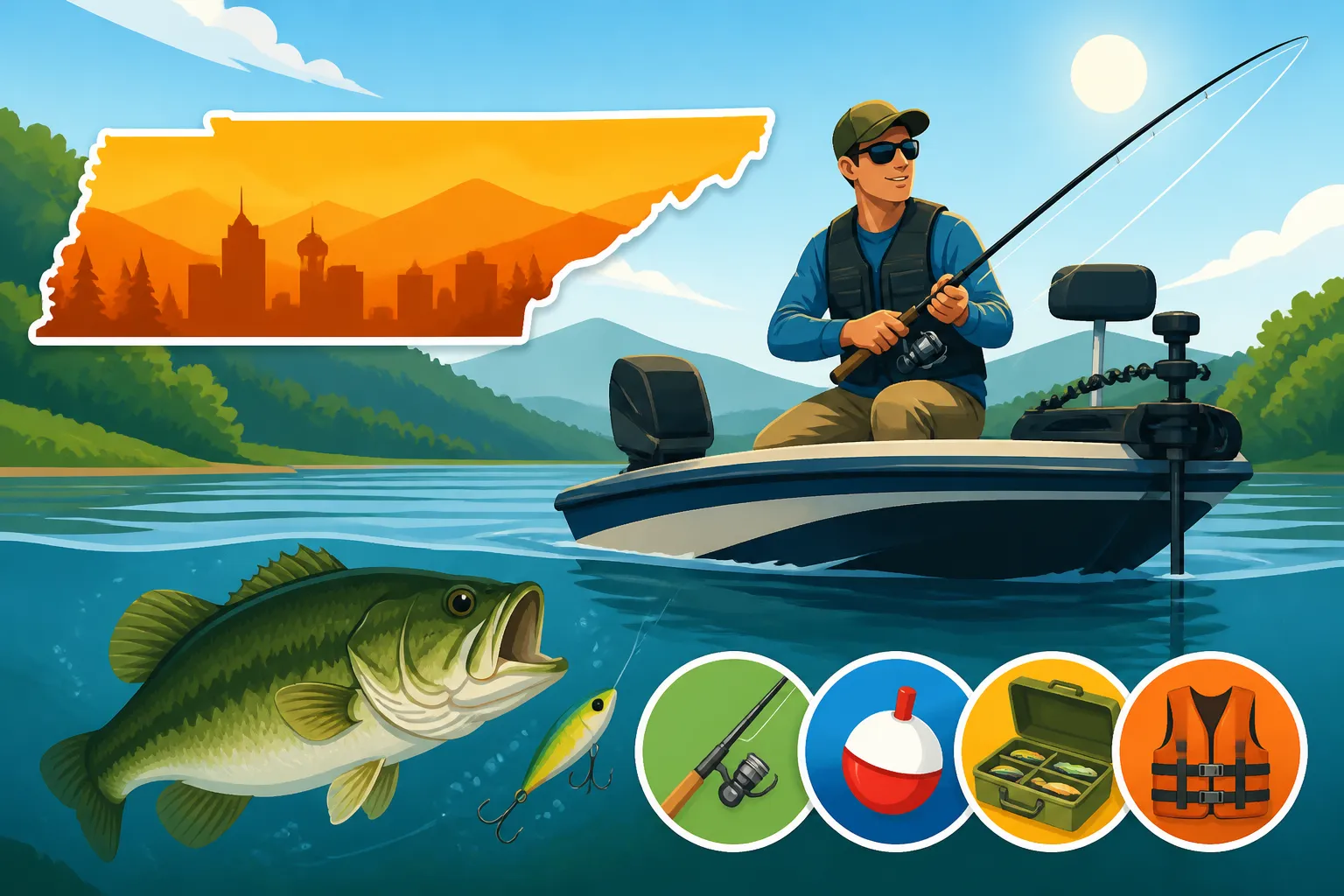
A good starting point is a medium-action spinning rod and reel combo, which is incredibly versatile for various fishing techniques and species. You'll want a reliable fishing rod and reel combo, maybe an Amazon Basics spinning combo to start. It allows you to cast lighter lures for crappie or throw a slightly heavier bait for bass. Load it with 8-12 lb monofilament or fluorocarbon line; these are forgiving and easy for beginners to manage. As for lures and baits, a small selection of plastic worms, crankbaits, spinnerbaits, and jigs will cover a lot of ground for bass. For crappie, tiny jigs and minnows are usually the ticket. Catfish respond well to stink baits, cut bait, or even chicken livers. Don't forget essential terminal tackle: an assortment of hooks (worm hooks, circle hooks, jig heads), sinkers (bullet weights, split shots), swivels, and a few bobbers. Having a dedicated tackle box, even a small one, to keep everything organized will save you a lot of headache on the water. For more general advice on what to bring, check out Best Fishing Gear for Beginners.
Must-Have Safety and Comfort Items
Beyond your fishing gear, your safety and comfort are paramount when out on the water. Weather can change quickly in Tennessee, and accidents, though rare, can happen. The most critical item is a U.S. Coast Guard-approved Personal Flotation Device (PFD), or life jacket, for every person on board. Make sure they fit properly, especially for children. For essential safety gear, don't skimp on Coast Guard-approved Personal Flotation Devices (PFDs), easily found on sites like Amazon. Knowing Tennessee Life Jacket and PFD Rules for Boaters is crucial; for instance, kids under 12 typically need to wear one at all times while the boat is underway.
Beyond PFDs, a well-stocked first-aid kit is non-negotiable for minor cuts, hook pokes, or scrapes. You can assemble yourself or grab a pre-made one from Amazon. Sun protection is vital – think sunscreen, a wide-brimmed hat, and sunglasses to protect your eyes and help you see into the water. Hydration is also key, so bring plenty of water, and some snacks will keep your energy up throughout the day. And for those unexpected rain showers, having a lightweight, packable rain suit (check Amazon for options!) can really save a trip, transforming what could be a miserable experience into a minor inconvenience. A cell phone for emergencies, fully charged, is also a must-have, stored in a waterproof bag. It's wise to review an Essential Safety Gear Checklist Before a Tennessee Fishing Trip before every outing.
Setting Up Your Boat for a Day on the Water
Even if you're borrowing a boat or it's your first time out, understanding basic boat setup can prevent common beginner pitfalls. Before leaving the ramp, always check that the drain plug is securely in place – this sounds obvious, but forgetting it is a classic rookie mistake that can lead to a very bad day. Ensure you have enough fuel for your planned trip, plus a little extra for emergencies or unexpected detours. Check the battery levels for your trolling motor and electronics.
Your anchor system is also crucial; typically, you'll want at least one anchor, but often two are better for holding your boat steady in current or wind. Make sure your anchor rope is long enough for the depths you plan to fish. You’ll also need dock lines or ropes for securing your boat to a dock or tying off to a tree if you’re fishing a bank from the boat. If you’re using a rented boat, familiarize yourself with where safety equipment is stored – paddles, fire extinguisher, horn/whistle. Knowing where everything is before you leave the dock will make your trip smoother and safer.
Mastering Basic Boat Handling and Safety
Fishing from a boat is a fantastic way to access waters and fishing spots you just can't reach from the bank. However, it adds a layer of responsibility in terms of navigation and safety. Don't feel pressured to be an expert captain right away; taking it slow and practicing the basics will build your confidence.
Getting Comfortable with Navigation and Docking
The biggest challenge for many new boaters is simply getting comfortable maneuvering the vessel. Unlike a car, boats don't have brakes, and they pivot from the stern, making steering feel counterintuitive at first. The golden rule is to go slow. Use minimal throttle, especially in crowded areas, near the ramp, or when docking. Wind and current can be your biggest allies or worst enemies; learn to anticipate how they'll affect your boat.
When docking, approach slowly, ideally against the wind or current if possible. Have your dock lines ready. Don't be afraid to ask for help from fellow anglers or dockhands – most people are happy to lend a hand. Practice in an uncrowded area first, just getting a feel for how the boat responds to small throttle and steering adjustments. Remember that a boat continues to glide after you cut the power, so anticipate your stops. Patience and practice are your best friends here.
Crucial Safety Practices on Tennessee Waters
Safety on the water extends beyond just having life jackets. A responsible boater always keeps an eye on the weather. Pop-up thunderstorms are common in Tennessee, and getting caught in rough water can be dangerous. Check the forecast before you leave and pay attention to cloud formations or sudden wind shifts while you're out. Having a marine radio can be a lifesaver for getting weather updates or calling for assistance, although your cell phone can also work in many areas.
Always operate your boat at a safe speed, especially in unfamiliar waters or areas with heavy boat traffic. Be aware of no-wake zones and respect other boaters, swimmers, and wildlife. Never overload your boat beyond its stated capacity, as this can affect stability. Furthermore, if you were born after January 1, 1989, you are generally required to have a Tennessee Boating Safety Education Certificate to operate a motorized vessel over 8.5 horsepower. Even if you're exempt, taking a boating safety course is an excellent idea for any beginner; it covers navigation rules, emergency procedures, and responsible boating practices. Learning Tennessee Boating Safety Education Certificate Guide is a step toward making your time on the water safer and more enjoyable.
Effective Anchoring and Positioning Techniques
Once you've safely navigated to your chosen fishing spot, correctly positioning and anchoring your boat is key to successful fishing. If you're fishing a specific piece of structure, like a submerged brush pile or a rock bar, dropping anchor upstream or upwind of your target allows you to drift back over it or cast to it without constantly fighting the current or wind.
For many situations, a single anchor dropped off the bow is sufficient. However, if you're in a strong current or windy conditions, using two anchors – one off the bow and one off the stern – can "pin" your boat in place, preventing it from swinging. This is particularly useful when targeting precise spots for crappie or bottom fishing for catfish. Alternatively, if you're exploring a wider area, drift fishing can be very effective. This involves letting your boat drift naturally with the wind or current, allowing you to cover more water and present your bait to a wider range of fish. Practice dropping and retrieving your anchor in different depths; a good anchor system ensures your boat stays where you want it, making casting and presenting baits much easier.
Finding and Catching Fish from Your Boat
This is where the magic happens! Boat fishing opens up incredible opportunities to explore vast fishing grounds that are inaccessible from shore. But with that freedom comes the challenge of figuring out where the fish are hiding. Don't worry, even without years of experience, a few basic principles can guide you.
Interpreting the Water and Basic Electronics
Fish are creatures of habit, and they tend to congregate around certain types of underwater features. From a boat, you have a distinct advantage in being able to access and explore these areas. Look for visible signs on the surface: changes in water color, current seams, submerged timber (like old stumps or fallen trees), rock piles, or even diving birds can indicate baitfish, and where there's bait, there are usually bigger fish.
For beginners, a simple, entry-level fish finder can be a game-changer. You can find surprisingly capable models on Amazon that will help you learn the ropes without breaking the bank. These devices use sonar to show you the depth of the water, the bottom contour (is it flat, rocky, or full of humps?), and often, the presence of fish or baitfish schools. Don't get overwhelmed by all the fancy features; start by simply looking for sudden drops in depth (ledges), humps, or distinct "arches" that indicate fish. Even understanding the basic screen display can help you locate promising structure where fish are likely to hold. For a deeper dive, consider articles like Fish Finders and Electronics for Tennessee Reservoirs.
Casting and Trolling Strategies for Beginners
When fishing from a boat, your casting options expand significantly compared to bank fishing. You can cast parallel to shorelines, target specific cover like docks or fallen trees, or reach out to deeper structures. Practice different casting angles and distances. Often, a gentle, accurate cast is more effective than a powerful, splashy one, especially in clear water.
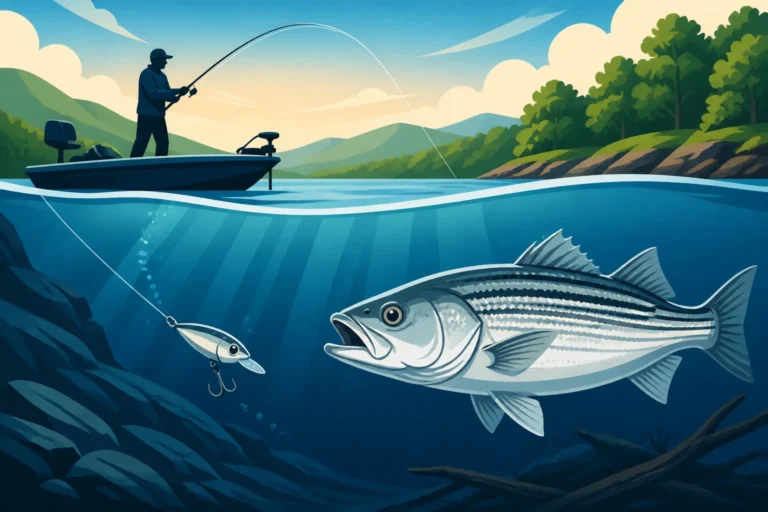
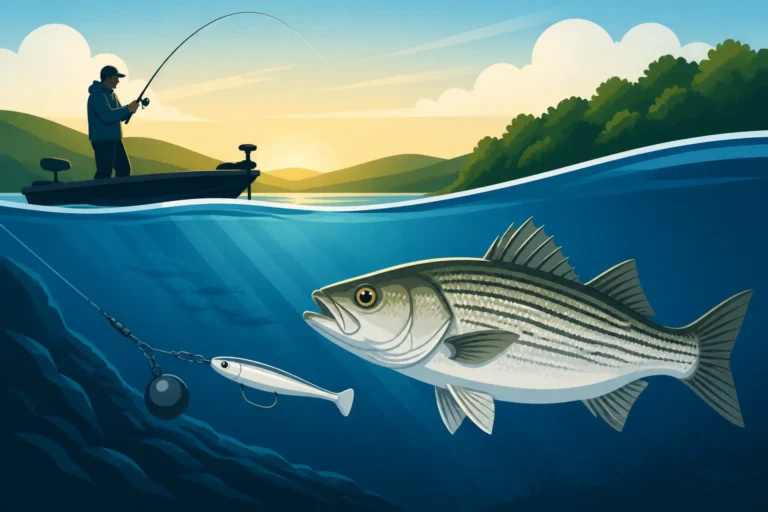
Trolling is another effective boat fishing technique, particularly for covering large areas and finding active fish. This involves moving your boat slowly while dragging lures or baits behind it. For beginners, start with a simple setup: one or two lines out the back, using lures like crankbaits or spinnerbaits that run at different depths. Adjust your boat speed until your lures are working correctly. Trolling is excellent for species like striped bass or crappie, especially in large reservoirs like Kentucky Lake or Watts Bar Lake. Pay attention to your rod tips for bites and experiment with different speeds and lure types until you find what the fish are hitting.
Targeting Common Tennessee Species from a Boat
Tennessee's waters are teeming with a variety of sport fish, and boat fishing gives you access to the best habitats for many of them.
- Bass (Largemouth, Smallmouth, Spotted): From a boat, you can easily target bass holding near submerged timber, rock piles, ledges, or deep weed lines. Cast crankbaits, plastic worms, or jigs to these structures. Early mornings and evenings often provide the best bite. Tennessee Bass Fishing Seasons and Patterns offers a great overview.
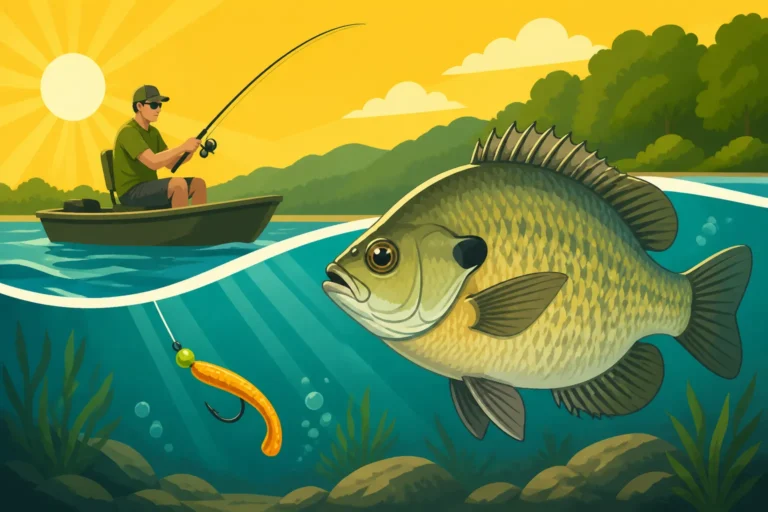
- Crappie: These panfish love brush piles, submerged trees, and bridge pilings. Use small jigs or live minnows, often suspended under a bobber. A boat allows you to pinpoint these structures using your fish finder. Tennessee Crappie Fishing Guide by Season can help you time your trips.
- Catfish (Channel, Blue, Flathead): Catfish are typically found on the bottom, in deeper holes, channels, or around fallen timber. Use cut bait, stink bait, or live bait fished on a Carolina rig. Fishing from a boat lets you anchor directly over prime catfish habitat. Learn more about Tennessee Catfish Fishing Techniques and Seasons.
Experiment with different baits and presentations. What works one day might not work the next, so be flexible and observe what the fish seem to be reacting to.
Navigating Tennessee's Boating Regulations
Being a responsible angler and boater means understanding and adhering to the local regulations. Tennessee has specific rules for both boat operation and fishing, and knowing them will keep you safe and out of trouble. Ignoring these rules isn't an option, as ignorance won't exempt you from potential fines or penalties.
Understanding Boat Registration and Licensing
Most motorized boats operated on Tennessee waters are required to be registered with the Tennessee Wildlife Resources Agency (TWRA). This includes boats with electric trolling motors, not just those with large outboard engines. When you register your boat, you'll receive a registration card and decals that must be displayed on your vessel. The registration typically needs to be renewed annually or every few years, depending on the option you choose.
It's crucial to understand what counts as a "motorized vessel" and which types of boats might be exempt. Generally, canoes and kayaks that are propelled only by paddle or oar do not need to be registered, but if you add an electric motor, they usually do. Always carry your registration card on board your vessel. Reviewing Tennessee Boat Registration Requirements Explained will give you all the specifics you need to ensure your boat is legal on the water.
Fishing License Requirements While Boating
Just because you're in a boat doesn't mean the fishing license requirement disappears! Every angler aged 13 and older needs a valid Tennessee fishing license to fish in public waters. This applies whether you're casting from the bank, wading in a stream, or fishing from a boat. The type of license you need depends on whether you're a Tennessee resident or a non-resident, and if you plan to keep trout.
It's common for visiting anglers to assume a multi-day pass is best, but sometimes an annual license, even for non-residents, can be more cost-effective if you plan multiple trips. Ensure your license is current and always carry proof of it with you, either a physical copy or a digital version on your phone. A game warden might ask to see it at any time. For a full breakdown, consult the Tennessee Fishing License Guide.
The Importance of a TWRA Boating Safety Course
As mentioned earlier, Tennessee has specific requirements for boater education. If you were born after January 1, 1989, you are required to have a TWRA Boating Safety Education Certificate to operate any motorized vessel over 8.5 horsepower. This isn't just a hoop to jump through; these courses teach valuable information about navigation, emergency procedures, aids to navigation, and safe operation.
Even if you don't fall into the mandatory age bracket, taking one of these courses is highly recommended for any beginner boater. It provides a solid foundation of knowledge that can prevent accidents and ensure you have a more confident and enjoyable experience on Tennessee's beautiful lakes and rivers. The more you know, the safer you'll be, and the more you can focus on the fishing itself. The Tennessee Boating Safety Education Certificate Guide outlines how to obtain this important certification.
| Item Category | Essential Items for Beginners (Boat Fishing) | Why You Need It |
|---|---|---|
| Fishing Gear | Medium Action Rod & Reel | Versatile for various species and techniques. |
| Basic Tackle Box | Organize hooks, weights, lures, and baits. | |
| Assorted Lures/Baits | Cover bass, crappie, catfish (e.g., plastic worms, jigs, minnows, cut bait). | |
| Safety Gear | USCG-Approved PFD (Life Jacket) | One for every person on board, proper fit is crucial. |
| First-Aid Kit | For minor injuries, cuts, or hook pokes. | |
| Oars/Paddle | Backup propulsion in case of engine trouble. | |
| Whistle/Horn | Sound signaling device for emergencies or warnings. | |
| Boat Prep | Drain Plug | Absolutely vital – ensures your boat doesn't fill with water! |
| Enough Fuel | Always more than you think you'll need. | |
| Anchor with Rope | To hold position over fishing spots. Two are better for stability. | |
| Dock Lines | For tying up at the ramp or docks. | |
| Comfort/Misc. | Sunscreen, Hat, Sunglasses | Protection from the sun's harsh rays. |
| Water & Snacks | Stay hydrated and energized throughout the day. | |
| Waterproof Bag for Phone | Protect your communication device for emergencies. | |
| Rain Gear (Jacket/Pants) | Be prepared for sudden weather changes. |
Disclaimer
This article is for general informational purposes only and does not constitute professional advice. Laws, prices and regulations vary by location and change over time. Consult a qualified professional for guidance on your specific situation.