Deep Water Techniques for Striped Bass
Oh, the elusive striped bass in Tennessee's deep waters! It’s a challenge many of us anglers face, especially when those warm summer months push the fish down into cooler, more oxygenated depths. You know that frustration: you’re out on the water, scanning your electronics, but the stripers just seem to be playing hide-and-seek, and your usual shallow-water tactics aren't cutting it. This guide is all about tackling that exact problem, diving deep into the proven strategies and specialized gear you'll need to confidently target and catch striped bass when they've retreated to the colder, darker parts of our beautiful reservoirs.
Understanding Striped Bass Behavior in Deep Water
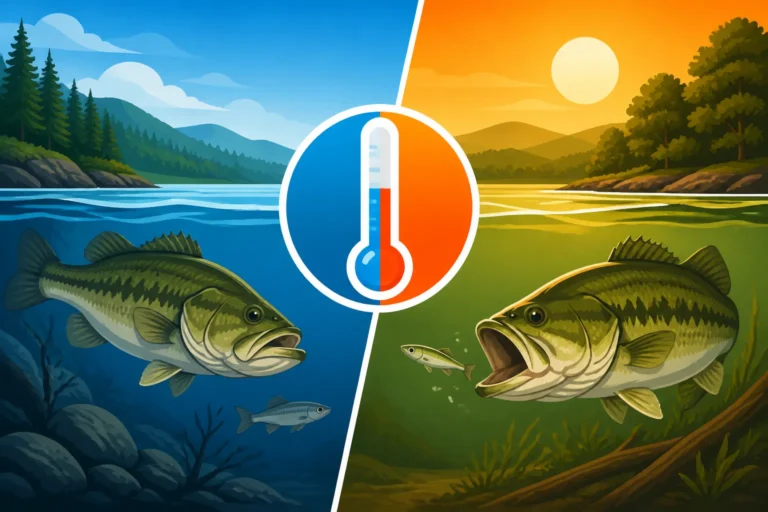
Catching striped bass consistently in Tennessee often means understanding their seasonal movements, especially how they react to water temperature and oxygen levels. When summer rolls around and surface temperatures soar, these powerful fish don't just disappear; they simply go deep, seeking comfort in the thermocline where the water is cooler and oxygen is still plentiful. Knowing where to look for them, and why they're there, is half the battle.
Locating Stripers in Thermoclines and Structure
The thermocline is your best friend when targeting deep-water stripers. Think of it as a comfortable "sandwich layer" in the water column where warm surface water meets colder deep water. Striped bass are cold-blooded, and they absolutely need stable temperatures and adequate oxygen. In many Tennessee reservoirs like Norris Lake or Percy Priest Lake, the thermocline sets up between 20 to 40 feet deep during the warmer months, sometimes even deeper. This is where you'll find them congregating, often suspended over old creek channels, humps, points, and other submerged structures. They might not be directly on the bottom, but rather suspended in the water column just above that prime depth, waiting for baitfish to swim by. It’s crucial to use your electronics, which we’ll discuss later, to pinpoint this thermal layer and identify any schools of baitfish or stripers holding within it.
Beyond the thermocline, stripers will often relate to significant underwater structure. Imagine deep timber, rock piles, ledges, or even old roadbeds that are now submerged. These features offer ambush points and security for larger fish. If you can locate a strong thermocline over or near such structure, you've hit a potential jackpot. Keep an eye out for changes in bottom composition on your sonar; a sudden drop-off or a patch of submerged trees can be a magnet for both bait and the predatory stripers that follow them. The challenge is often that these deep structures can be vast, making precise location critical. Understanding Deep Water Techniques for Striped Bass means knowing not just what they prefer, but where those preferences exist in the vastness of a reservoir.
Forage and Feeding Habits in Deep Water
Striped bass are primarily piscivores, meaning they eat other fish, and their deep-water movements are largely dictated by the location of their food source. In Tennessee, threadfin and gizzard shad are the primary forage. These baitfish also seek out the cooler, oxygenated water in the thermocline. So, when you're looking for stripers, you're often looking for baitfish first. If you mark large schools of baitfish on your sonar in the thermocline, there's a very high probability that stripers are nearby, either actively feeding or waiting for an opportunity.
In deep water, striped bass tend to be opportunistic feeders. While they can be active hunters, they're also efficient at conserving energy, often ambushing prey rather than chasing it over long distances. This means understanding the vertical movement of baitfish is key. If the shad are schooling tightly, stripers might be right underneath them, driving them to the surface or simply picking off stragglers. Early morning and late evening, or even night fishing, can be prime times for these deeper fish to become more active, moving higher in the water column or closer to structure for a feeding blitz. However, the true deep-water bite can happen all day, especially in the dog days of summer, as long as the stripers feel secure and have access to food. The larger the reservoir, the more critical it becomes to understand these patterns, especially in places renowned for their stripers like Kentucky Lake.
Essential Gear for Deep Water Striped Bass Fishing
When you're trying to pull a powerful striped bass out of 50 feet of water, your regular bass gear probably isn't going to cut it. Deep water fishing for stripers demands specialized rods, reels, lines, and lures designed to handle heavy weights, strong currents, and the incredible fight these fish put up. Skimping on your setup here will lead to lost fish and a lot of frustration.
Rods, Reels, and Line for Deep Water
For deep-water striped bass, you need a rod with a strong backbone but enough tip sensitivity to detect subtle bites. A medium-heavy to heavy power casting or conventional rod, typically 7 to 8 feet in length, is ideal. Look for rods designed for trolling or muskie fishing; they often have the right balance of strength and flexibility. The length helps with leverage and managing heavier lines and lures. Brands like Ugly Stik or St. Croix make excellent, durable rods that can take the abuse of battling a big striper.
Paired with this, a robust baitcasting or conventional reel with a strong drag system is non-negotiable. You'll be dropping heavy weights and fighting powerful fish, so a reel with a high line capacity (at least 200-300 yards of 20-30 lb test line) is essential. Models like the Penn Squall or the Abu Garcia Ambassadeur series are popular choices, known for their reliability. Make sure your reel can handle a fast retrieve rate too, which helps when you need to quickly check your bait or get a fish to the surface. When it comes to line, braid is king for deep water. Its lack of stretch provides excellent sensitivity, allowing you to feel even the lightest tap, and its smaller diameter for a given breaking strength means less drag in the water, helping your lures get deeper faster. A 30-50 lb test braided main line, often with a 20-30 lb fluorocarbon leader for abrasion resistance and invisibility, is a standard setup. You can find quality braid and fluorocarbon on Amazon from brands like PowerPro and Seaguar. For more details on what to equip yourself with, check out our guide on Best Tackle for Tennessee Striped Bass.
Lures and Baits for Deep Stripers
Selecting the right lures and baits for deep-water stripers is critical. These fish are usually looking for a substantial meal, so big, flashy, and vibrant presentations often work best. When it comes to artificials, deep-diving crankbaits are a staple. Look for models that can reach depths of 15-30 feet or more on their own, like the Rapala Down Deep Husky Jerk or the Berkley Dredger. Colors that mimic shad (silver, white, blue/silver) are always a good starting point. You'll also want some heavy jigs, often 1-3 ounces, which can be tipped with soft plastics like large grub tails or paddle tails. Vertical jigging can be incredibly effective when you’ve marked fish directly below the boat.
| Lure Type | Ideal Depth Range (without added weight) | Recommended Color Patterns | Target Species | Notes |
|---|---|---|---|---|
| Deep-Diving Crankbaits | 15-30+ feet | Shad, Silver, Blue/White | Striped Bass, Walleye | Mimics baitfish, effective for trolling. |
| Heavy Jigs (Bucktail/Slab) | All depths (with weight) | White, Chartreuse, Pink | Striped Bass, Hybrid Stripers, Catfish | Excellent for vertical jigging on structure. |
| Swimbaits (Weighted) | 10-25 feet (variable) | Shad, Perch, Bluegill | Striped Bass, Largemouth Bass | Realistic profile, can be trolled or cast. |
| Umbrella Rigs | 20-50+ feet (with added weight) | Shad, White, Chartreuse | Striped Bass | Simulates a school of baitfish, very effective. |
But let’s be real, sometimes nothing beats live bait. Live gizzard or threadfin shad are hands-down the most effective bait for deep-water stripers. You'll need a good cast net and a livewell with aeration to keep them healthy. Hook them through the nose or back, and fish them on a Carolina rig or with a bare hook under a balloon, suspended at the depth where you're marking fish. Other live bait options include large shiners, bluegill, or even small trout in certain stocked waters. For dead bait, cut shad or herring can also be effective, especially when bottom fishing for lethargic stripers. When buying your stock, sites like Amazon offer a huge selection of crankbaits and jigs.
Top Deep Water Techniques for Stripers
Now that we've talked about where they live and what gear you need, let's get into the nitty-gritty of how to actually get your bait in front of those deep-dwelling giants. These aren't your typical casting-from-the-bank methods; they require a bit more setup and understanding of boat control.
Trolling Deep Diving Lures
Trolling is arguably the most popular and effective method for covering water and locating deep-water striped bass. The basic idea is to drag multiple lures behind your boat at a controlled speed, allowing them to dive to specific depths. For deep-diving crankbaits, you'll want to use lures that are designed to reach depths of 20-30+ feet on their own. Varying your trolling speed, typically between 2 to 4 mph, can make a huge difference, as stripers often react to different retrieve rates. Experiment with zig-zag patterns and turns; these changes in speed and direction can often trigger a strike as your lure speeds up or slows down.
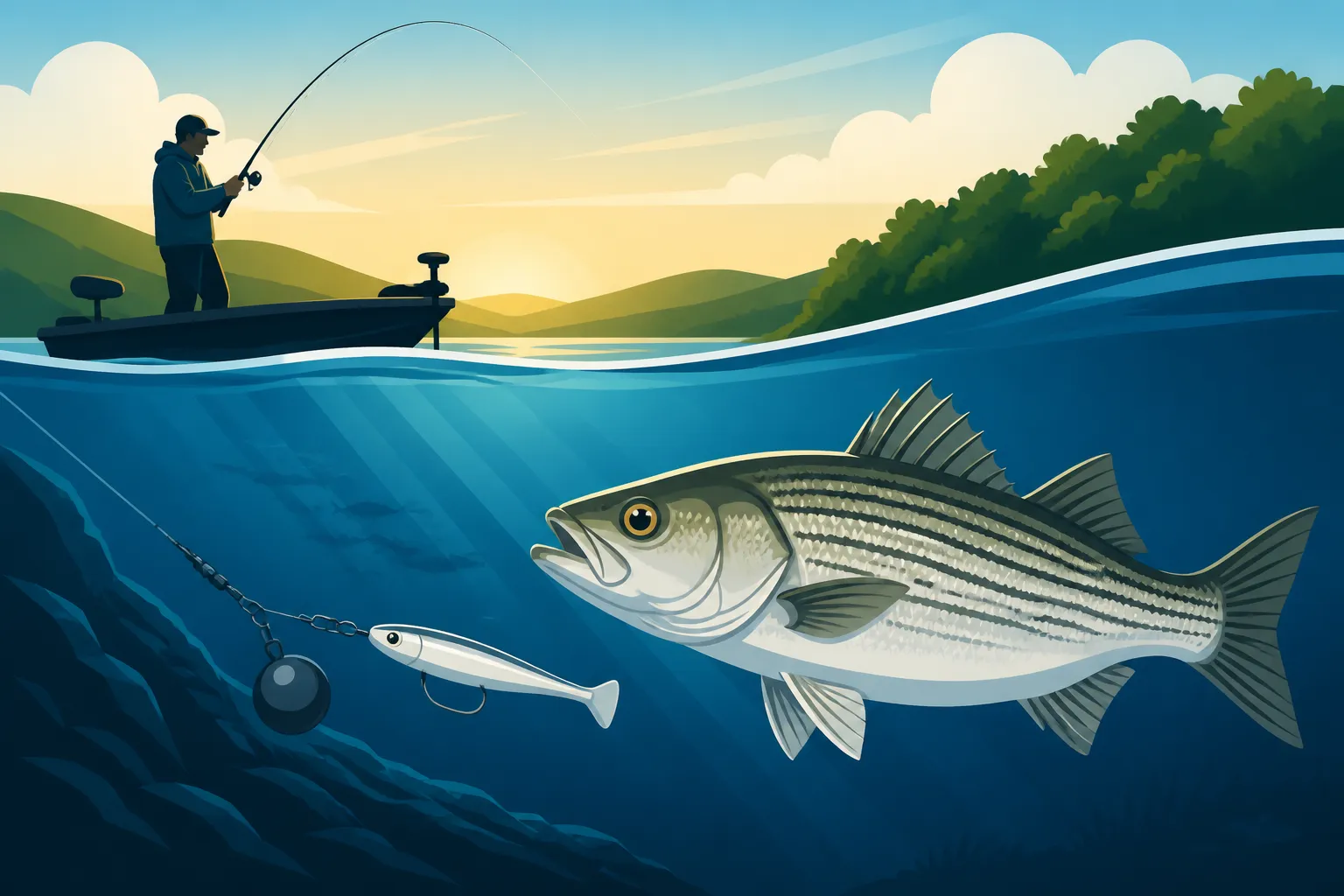
To get your lures even deeper, or to present non-diving lures at precise depths, you’ll need to employ additional weighting systems. Lead core line is one option, where the color changes every 10 yards, helping you estimate depth based on how many "colors" you let out. Another common approach is using snap weights or inline weights placed ahead of your lure. These come in various sizes and can add significant depth. Keep an eye on your rod tips; a consistent vibration indicates your lure is running correctly, while a sudden stop or lack of vibration could mean you've picked up debris or, hopefully, a fish!
Downrigging and Planer Boards
For ultimate depth control and precision, downriggers are indispensable. A downrigger is a specialized piece of equipment that uses a heavy cannonball weight to pull your fishing line down to a precise, pre-set depth. Your fishing line is temporarily attached to the downrigger wire with a release clip. When a fish strikes, the clip releases, and you fight the fish directly on your main line without the heavy downrigger weight. This allows you to present lures or live bait at exact depths, right in the striper's strike zone, which is crucial when they are holding tight to the thermocline. Many serious striper anglers consider downriggers an essential tool, especially on larger lakes like Watts Bar Lake. For those exploring downriggers, a quick search on Amazon will show you many models from brands like Cannon and Scotty. Our guide on Downrigger Basics for Striped Bass offers a comprehensive overview.
Planer boards, while often associated with surface trolling, can also be used in conjunction with downriggers or heavy weights to spread your lines out horizontally from the boat. This allows you to cover a wider swath of water and present more baits simultaneously without tangling. You can run shallow-diving lures off the planer boards, while simultaneously running deep-diving lures or baits off downriggers directly beneath the boat. This multi-level, wide-coverage approach significantly increases your chances of intercepting actively feeding stripers. Mastering Rod Holder and Planer Board Setup for Reservoir Striper Trolling will elevate your game.
Jigging and Live Baiting
When you've located a school of stripers on your fish finder, often suspended over structure or in deep channels, vertical jigging can be incredibly effective. This technique involves dropping a heavy jig (often a bucktail, spoon, or a weighted soft plastic) directly down to the depth where you're marking fish. Once it reaches the desired depth, you work the jig by lifting and dropping your rod tip, creating an enticing, erratic motion that mimics a wounded baitfish. Experiment with different jigging actions—short, sharp snaps; long, sweeping lifts; or even just a subtle quiver. Stripers will often strike on the fall, so pay close attention to your line for any unusual movement or slack.
For the most stubborn or lethargic deep-water stripers, live baiting is often the ticket. As mentioned before, live gizzard or threadfin shad are king. You can fish them on a weighted Carolina rig, allowing the bait to swim freely within a certain radius, or suspend them using a balloon or bobber at a specific depth, much like you would with a downrigger. The key is to get your live bait to the exact depth of the fish you're marking on your sonar. Sometimes, a slow, natural presentation is all it takes to trigger a strike when fish aren't interested in artificials. Remember, patience is key with live baiting, but the rewards can be monumental.
Reading the Water and Electronics for Deep Stripers
Fishing blind for deep-water striped bass is a recipe for frustration. Modern electronics are a game-changer, but they're only as good as your ability to interpret what they're telling you. Couple that with understanding natural water conditions, and you'll significantly increase your success rate.
Interpreting Sonar and Fish Finders
Your fish finder is the single most important tool for deep-water striper fishing. It allows you to visualize the underwater world beneath your boat. Learning to read your sonar screen effectively means being able to distinguish baitfish schools from larger game fish, identify the thermocline, and locate submerged structure.
Look for arcs or blobs on your screen. Small, tightly packed blobs usually indicate schools of baitfish. Larger, distinct arches, especially those suspended just below or within these bait balls, are likely striped bass. Pay attention to the depth at which these arches appear, as this will tell you exactly where to set your lures or deploy your live bait. Modern fish finders from brands like Humminbird, Lowrance, and Garmin offer incredible detail, with features like side-imaging and down-imaging that give you a photorealistic view of the bottom and structure. These can help you pinpoint those crucial submerged humps and creek channels where stripers love to lurk. Investing in one of the Best Fish Finders for Tennessee Reservoir Fishing is a decision you won't regret. Many advanced models are available through retailers and also on Amazon.
Understanding Current and Oxygen Levels
Current plays a significant role in where stripers position themselves, even in deep water. In many Tennessee reservoirs, current is generated by hydroelectric dam operations. Stripers are powerful swimmers, but they're also efficient. They'll often position themselves just out of the main current flow, using eddies or current breaks created by underwater points or humps as ambush points, allowing them to conserve energy while waiting for prey to be swept by. Pay attention to dam generation schedules if you're fishing near one; increased current can signal a feeding spree.
Oxygen levels, particularly in the deeper parts of a lake during summer, are also critical. While stripers seek cooler water in the thermocline, they won't go into areas with insufficient oxygen. Your fish finder might show a healthy thermocline, but if there's no oxygen present below a certain depth (often indicated by an "oxygen line" on some advanced units, or simply a lack of fish marks below a certain point), the fish won't be there. This is especially true in the very deepest parts of a lake. Knowing the approximate oxygen limits for your particular lake or asking local bait shops about deep-water conditions can save you a lot of wasted time. Always aim to fish in that sweet spot where cool water meets sufficient oxygen.
Seasonal Considerations for Deep Water Striped Bass
Striped bass behavior shifts with the seasons, and while deep water techniques are often associated with summer, these fish can be found in the depths year-round depending on the particular body of water and local conditions. Adapting your approach to the season is crucial for consistent success.
Summer and Fall Deep Water Patterns
Summer is prime time for deep-water striper fishing in Tennessee. As mentioned, the scorching surface temperatures push these fish into the cooler, oxygen-rich refuge of the thermocline. This is when downrigging, deep trolling with umbrella rigs, and live baiting at specific depths become incredibly effective. They'll often school tightly in these deep pockets, making them easier to target once located. Look for them suspending over major river channel bends, deep points, and submerged timber. The key during summer is precision – getting your bait directly into that narrow temperature and oxygen band where the stripers are comfortable. Night fishing for stripers can also be particularly effective in the summer when they might move a bit shallower to feed. This is when the advice from a Tennessee Striped Bass Fishing Techniques guide really shines.
As fall approaches and water temperatures begin to cool, the thermocline starts to break down. This means stripers will have more options for where to hold. They might still be deep in early fall, but as the water cools uniformly, they'll often start to move shallower, following baitfish into coves and onto flats. However, in larger, deeper reservoirs, some fish will still utilize deeper structures and channels throughout the fall, especially during midday or after a cold front. Trolling with deep-diving crankbaits can still be effective, but you might find yourself fishing slightly shallower than in mid-summer. Pay close attention to baitfish movements, as these will heavily influence where the stripers are.
Winter and Spring Deep Water Strategies
Winter fishing for deep-water stripers in Tennessee can be fantastic, though it often requires a different approach. While surface temperatures are cold, the deepest parts of the lake actually remain at a relatively stable, albeit cold, temperature. Stripers in winter tend to be more lethargic and less willing to chase fast-moving lures. They often hold tight to deep structure, such as old river channels, humps, and ledges. Vertical jigging with heavy spoons or large soft plastics becomes very effective, as does slow-trolling or soaking live bait right on the bottom or just above it. The key is to present your bait slowly and directly to the fish you mark on your sonar. Fishing on sunny days after a cold snap can sometimes activate them, causing them to move up the water column slightly to feed. Remember that Winter Bass Fishing Techniques can often be adapted for stripers during this season.
In spring, as water temperatures slowly begin to rise, stripers will gradually become more active. While the spawning run for some bass species happens in shallower waters, striped bass don't typically have a true "spawn" in landlocked reservoirs, but they do have a "spawn run" up rivers where they attempt to spawn. Before and after this, they will still utilize deep water. Early spring can see them still holding deep, similar to winter, but as baitfish become more active and move shallower, so too will the stripers. This transition period can make them challenging to locate, as they might be anywhere from 20 to 60 feet deep, moving back and forth. Trolling with medium to deep-diving lures that cover a range of depths is a good strategy to find them as they begin their migration towards shallower feeding grounds. Ultimately, understanding How to Find Striped Bass in Summer and how that contrasts with other seasons is key to year-round success.
Disclaimer
Fishing regulations and conditions in Tennessee can change. Always consult the latest Tennessee Wildlife Resources Agency (TWRA) regulations before heading out on the water. This guide is for informational purposes only and does not constitute legal advice. Stay safe and happy fishing!