How Water Temperature Affects Bass Feeding
Have you ever spent a glorious day out on one of Tennessee's stunning lakes, only to find the bass just aren't biting, even when everything looks perfect? It’s incredibly frustrating when you’re doing all the right things, throwing your favorite lures, and coming up empty-handed. What many anglers don't realize is that one of the most significant, yet often overlooked, factors influencing bass activity is water temperature. This comprehensive guide will dive deep into how water temperature affects bass feeding patterns, helping you understand their behavior and adjust your tactics to consistently find those elusive lunkers, no matter the season or the mercury reading.
The Science Behind the Chill: Why Temperature Matters So Much to Bass
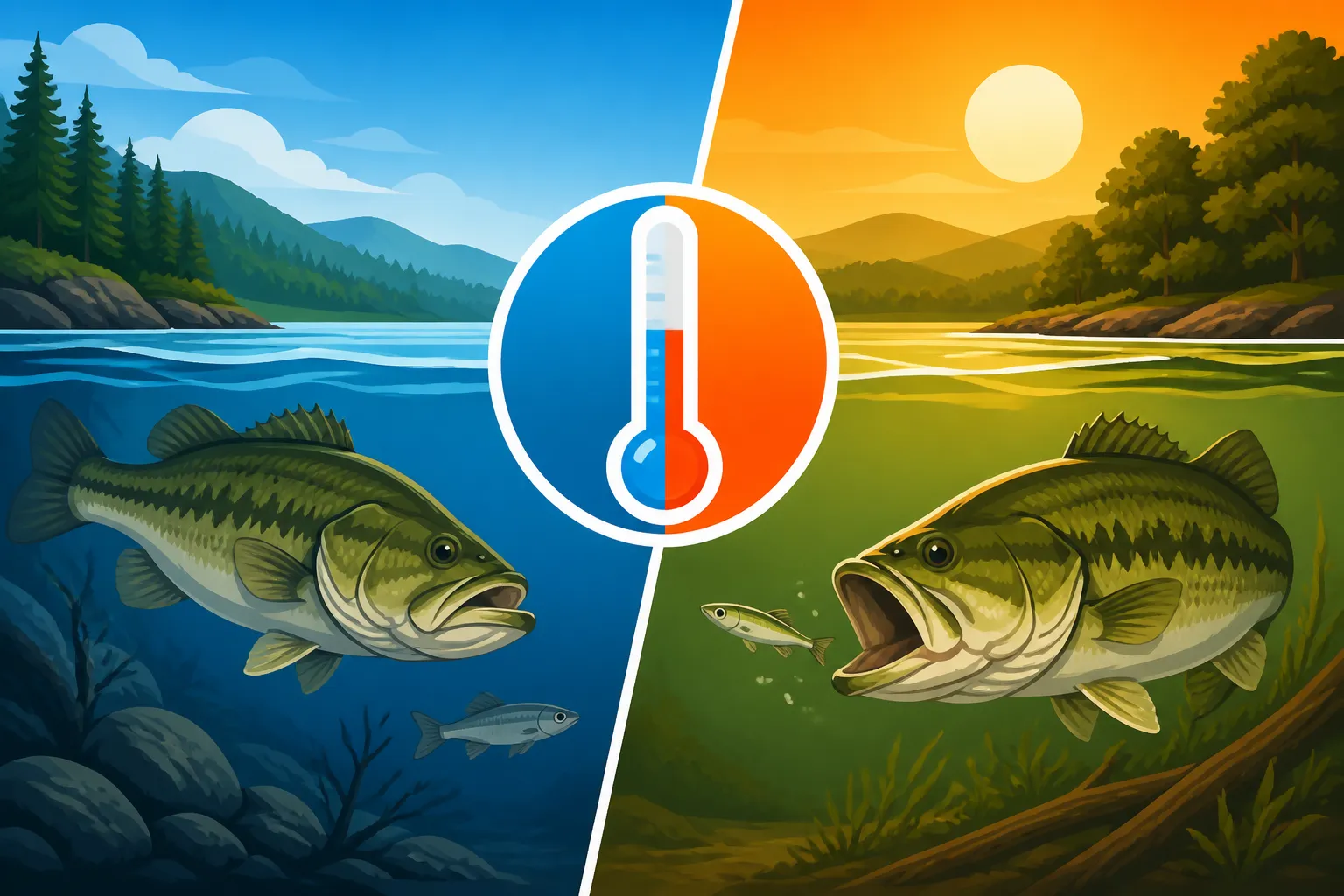
Let's face it, bass aren't like us. We can put on a jacket or crank up the AC. They're stuck with whatever the water gives them, and because they're cold-blooded creatures, their internal body temperature directly mirrors their environment. This fundamental biological truth dictates almost everything about their lives, from metabolism to preferred habitat and, most importantly, their willingness to eat.
Metabolism and Energy Needs: The Cold-Blooded Truth
Think of a bass's metabolism like a car engine. In cold water, that engine idles really, really slow. Their digestion slows down, their energy expenditure drops, and they simply don't need to eat as often or as much. They become sluggish, preserving energy for basic survival rather than chasing down a meal. This is a critical piece of information for understanding Winter Bass Fishing Techniques.
Conversely, as the water warms up, their metabolic engine revs higher. They burn through energy much faster, requiring more frequent and often larger meals to sustain themselves. This increased activity means they're more aggressive, more likely to chase, and generally more susceptible to your offerings. However, there's a sweet spot, and too much heat can also lead to stress, impacting their feeding negatively. It's a delicate balance, and understanding it is key to successful Tennessee Bass Fishing Seasons and Patterns.
Comfort Zones and Survival Instincts: Where Bass Feel Best
Just like we have our ideal comfort temperatures, so do bass. They'll actively seek out water that falls within their preferred temperature range. This "comfort zone" isn't a fixed number; it varies slightly by species (largemouth versus smallmouth, for instance) and even by individual fish, but there are general ranges that trigger different behaviors. If the water is too cold, they'll find deeper, more stable areas. If it's too hot, they'll seek cooler depths, shade, or areas with better oxygenation. This instinct to find optimal conditions directly influences where they hold, how active they are, and ultimately, when and where they're willing to bite. Ignoring this natural drive is like trying to find someone who hates the cold waiting for you outside in a blizzard – it just doesn't make sense!
Decoding Bass Behavior Across the Thermometer: A Seasonal Breakdown
Let's break down how bass behave at different temperature ranges. This isn't just theory; it's practical knowledge that will guide your lure selection, retrieve speed, and even your choice of fishing spot. Knowing how water temperature affects bass feeding is paramount.
Frigid Waters (Below 45°F): The Winter Slump
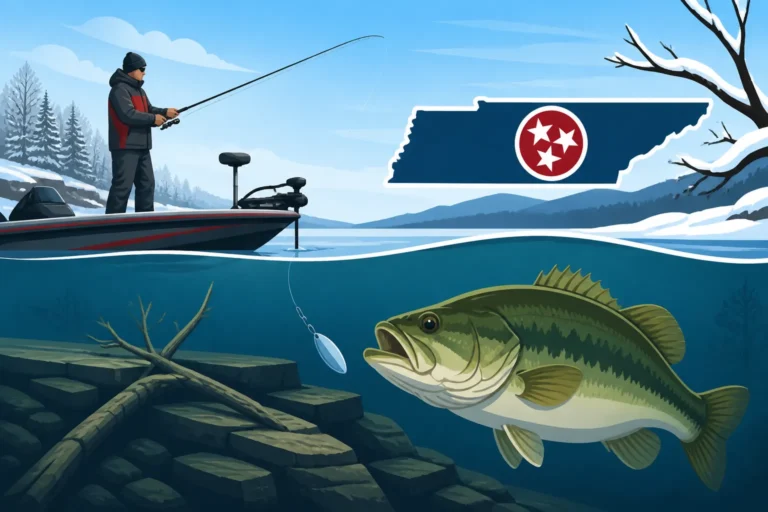
When Tennessee lakes drop into the frigid zone, typically in the coldest parts of winter, bass are in full-on survival mode. Their metabolism is at its lowest crawl. They're not actively hunting; they're conserving energy.
- Behavior: Bass become lethargic and slow. They tend to group up in tight schools, often suspending over deep structure like old creek channels, river bends, or deep points, where water temperatures are more stable. They might only feed once every few days.
- Feeding Habits: When they do feed, it’s usually on slow-moving, easy targets. They won't chase much. Think of it as reaching for a snack right next to you rather than getting up to walk to the pantry.
- Tactical Adjustments: Slow is the name of the game. Really slow. Think finesse techniques. Drop shots, jigging spoons, blade baits, and suspending jerkbaits fished with incredibly long pauses are your best friends. You're trying to elicit a reaction strike or present something so easy to eat that they can't resist. You might be targeting fish that are practically nose-to-tail with each other. This is where understanding How to Fish Deep Structure for Bass in Winter becomes invaluable. A good fish finder can be your best friend here, helping you locate these deep schools. You can find excellent options on Amazon.
Cooling & Warming Waters (45°F – 55°F): Pre-Spawn Excitement
This is a transitional period, either in late fall as waters cool or, more excitingly, in early spring as they begin to warm. This range is often called the "pre-spawn" phase in spring, and it can be absolute magic.
- Behavior: As waters begin to warm, bass start to "wake up." Their metabolism slowly increases, and they begin to move from their deep winter haunts toward shallower spawning areas. They're starting to feel the urge to feed more aggressively as they build up energy reserves for the upcoming spawn. In the fall, as waters cool, they often engage in a "fall feed," gorging themselves before winter sets in.
- Feeding Habits: They become much more active, chasing baitfish and crawfish. They're still somewhat temperature-sensitive, so sunny days and warmer banks might draw them shallower. This is the time to really study Pre-Spawn and Post-Spawn Bass Fishing Patterns.
- Tactical Adjustments: You can start incorporating more active presentations. Crankbaits (especially those with a tighter wobble), jerkbaits, lipless crankbaits, and jigs become highly effective. Focus on transitional areas like points, humps, and channel swings that offer quick access to both deep and shallow water. On warmer days, don't be afraid to throw spinnerbaits or ChatterBaits in shallower coves. This is also when you start thinking about the best lures for pre-spawn bass fishing.
Warm & Spawning Waters (55°F – 70°F): The Active Bite
This is the golden window for many bass anglers in Tennessee, typically from mid-spring through early summer. This is when the bass are most active, and often, most predictable.
- Behavior: This temperature range includes the actual bass spawn. Bass will move into shallow protected coves, pockets, and flats to build nests and reproduce. During the spawn, their focus shifts from feeding to protecting their beds, though they will strike aggressively at anything perceived as a threat. Post-spawn, they become incredibly hungry and aggressive as they recover from the rigors of spawning. This is where How the Tennessee Bass Spawn Affects Where They Bite becomes a crucial read.
- Feeding Habits: Feeding is generally aggressive and consistent. They'll eat a wide variety of forage and are highly reactive to moving baits. Post-spawn, they're often found around the edges of spawning flats, recouping their energy.
- Tactical Adjustments: Virtually any bass bait can work during this period. Topwater lures, spinnerbaits, ChatterBaits, jigs, Texas rigs, Carolina rigs, and a multitude of crankbaits are all excellent choices. For spawning bass, sight fishing with soft plastics or jigs can be effective, irritating them into striking. During the post-spawn, target cover near spawning areas—like boat docks, laydowns, and grass lines—with soft plastics or fast-moving reaction baits. This is prime time for learning How to Fish for Bass in Spring.
Hot Summer Waters (Above 70°F): Seeking Relief and Oxygen
As Tennessee's summer heat really sets in, water temperatures can climb well above 70°F, sometimes even into the 80s in shallow areas. This heat can be stressful for bass.
- Behavior: Bass will seek cooler, more oxygenated water. This often means moving deeper, finding spring-fed areas, or congregating around areas with current, like dam outflows or river channels. They'll also use dense shade from docks, trees, or thick overhead cover to escape the sun's direct rays. You'll want to know Where Do Bass Go in Extreme Summer Heat for sure.
- Feeding Habits: Their metabolism is still high, but they become more selective and often feed during cooler parts of the day, like early morning, late evening, or at night. Mid-day bites can be tougher unless you find their deep-water havens.
- Tactical Adjustments: Deeper presentations become key. Large Carolina rigs, deep-diving crankbaits, football jigs, and heavy Texas rigs fished on ledges, humps, and brush piles are highly effective. For shaded areas, flipping and pitching jigs or soft plastics into dense cover can coax strikes. Early morning and late evening topwater bites can be incredible around grass lines or shallow cover before the sun gets too high. Learning How to Fish for Bass in Summer Heat is essential. Finding these deep fish sometimes requires specialized electronics, which you can easily research on Amazon.
Here's a quick reference table to help visualize these changes:
| Water Temperature Range | Bass Behavior | Feeding Habits | Recommended Tactics & Lures | Key Focus Area |
|---|---|---|---|---|
| Below 45°F | Lethargic, slow, grouped in deep, stable areas | Infrequent, very slow, easy targets | Finesse jigs, drop shots, suspending jerkbaits, jigging spoons (slow) | Deep structure (creek channels, humps), stability |
| 45°F – 55°F | Waking up, moving toward shallow, building energy | More active, chasing, pre-spawn gorging | Lipless crankbaits, squarebill crankbaits, jerkbaits, jigs, spinnerbaits | Transitional areas, points, channel swings, sunny banks |
| 55°F – 70°F | Highly active, spawning, post-spawn recovery | Aggressive, consistent, wide variety of forage | Topwater, spinnerbaits, ChatterBaits, jigs, Texas rigs, crankbaits | Spawning flats, grass lines, docks, wood, post-spawn edges |
| Above 70°F | Seeking cool, oxygenated water, shade | Selective, often low-light feeding, deep foraging | Deep diving crankbaits, Carolina rigs, football jigs, heavy Texas rigs, early/late topwater | Deep ledges, humps, brush piles, thick shade, current |
Adjusting Your Approach: Lures, Depth, and Tactics for Every Temp
Knowing the theory is one thing, but putting it into practice is where the magic happens. Your fishing tackle box should be a reflection of these temperature-driven changes. Don't be afraid to experiment, but always start with the general principles dictated by the water temperature.
Slow and Deep: Strategies for Cold Water Bass
When that water is chilly, you need to think like a bass—slow, deliberate, and conserving energy. They aren't going to expend much effort for a meal.
- Depth is Key: Focus your efforts on the deepest, most stable parts of the lake. These are typically creek channel bends, the deepest parts of humps and points, or the very bottom of bluffs. Bass will stack up there, often suspending in dense schools. Your fish finder is crucial for locating these fish. If you're using a boat, a good trolling motor can help you hold position over these spots while you work your bait vertically.
- Minimal Movement, Maximum Temptation: Your retrieves need to be excruciatingly slow. For a jigging spoon, let it flutter down, then lift it just enough to make it dance, and let it fall again. For a suspending jerkbait, cast it out, twitch it a few times, then pause it for 10, 15, even 20 seconds. Many strikes happen on that pause when the bait is just hanging there, an easy meal. Soft plastics on a drop shot should be barely wiggled. It's about convincing a reluctant fish that this is an effortless opportunity.
- Bait Profile: Lean towards smaller, more compact baits that imitate shad or crawfish. Darker colors for jigs in stained water, or natural baitfish patterns for jerkbaits in clear water, are good starting points. Consider checking out some specific options on Amazon for this type of fishing.
Active and Shallow: Capitalizing on the Pre-Spawn and Spawn
This is when the bass are on the move and often aggressive. You can cover more water and use more exciting techniques.
- Covering Water: In the pre-spawn, bass are migrating. Use search baits like crankbaits, spinnerbaits, and lipless crankbaits to cover large areas. Focus on routes bass would take from deep wintering holes to shallow spawning flats. Points, secondary points, and even long tapering banks are prime targets.
- Targeting Spawning Areas: Once the water hits the sweet spot for the spawn, bass will be in shallow, protected coves and pockets. Look for hard bottoms like gravel, sand, or shell beds. They'll also favor the backs of coves or areas shielded from wind and heavy current. Flipping jigs, Texas-rigged soft plastics, or even weighted wacky rigs are excellent for presenting a bait right into a bed. Remember, they're protecting their young, so a reaction strike is common.
- Post-Spawn Aggression: After the spawn, bass are hungry and recovering. They often position themselves on the first available cover or structure outside the spawning area. Think shallow grass lines, boat docks, laydowns, or brush piles near deeper water access. This is when Best Lures for Post-Spawn Bass Fishing really come into play. Topwater baits can be explosive in low light, and fast-moving reaction baits work well throughout the day.
Going Deep or Seeking Shade: Summer Bass Tactics
When the heat is on, you need to find the cooler water. This means going deep, or finding areas with heavy shade.
- Ledge Fishing: On Tennessee's large reservoirs like Kentucky Lake or Chickamauga Lake, deep ledges are summer hotspots. Bass will school up on these underwater contours, often relating to brush piles or other irregularities. Deep-diving crankbaits, football jigs, and large Carolina rigs fished slowly along these ledges are incredibly effective. You're trying to replicate a school of baitfish or a crawfish burrowing along the bottom. Using a sensitive rod and reel combination is important here to detect subtle bites in deep water. You can find some great options for deep-water rods and reels on Amazon.
- Shade and Oxygen: Don't neglect visible shallow cover, especially in the mornings or evenings, or on cloudy days. Boat docks, overhanging trees, and dense mats of vegetation create crucial shade. Flipping and pitching jigs or heavy Texas-rigged creature baits into the darkest pockets of these areas can produce big fish. Also, areas with current, such as tailraces below dams or river channels, often have better oxygen levels and slightly cooler water, attracting bass even in hot weather. Consider reading up on Best Bait for Chickamauga Lake Tennessee Trophy Bass in Spring even for summer insights as some principles overlap.
- Night Fishing: One of the best ways to beat the summer heat is to fish at night. Bass will move shallower under the cover of darkness, becoming more aggressive as the water temperature drops slightly. Large dark-colored spinnerbaits, jigs, and even topwater lures can be deadly after dark.
Understanding how water temperature affects bass feeding isn't just a fancy bit of knowledge; it's a fundamental principle that will elevate your fishing game, helping you adapt to the ever-changing conditions of Tennessee's waters and consistently put more bass in your boat or on the bank.
Disclaimer
This article is for general informational purposes only and does not constitute professional advice. Laws, prices and regulations vary by location and change over time. Consult a qualified professional for guidance on your specific situation.