How to Fish for Bass in Spring
The arrival of spring in Tennessee brings a collective sigh of relief for many anglers, but it also ushers in a period of intense fluctuation for bass fishing. One day, you might be catching them on almost every cast, while the next, they seem to have vanished entirely. This constant change in weather, water temperature, and, most importantly, bass behavior can be incredibly frustrating, leaving even seasoned pros scratching their heads. This comprehensive guide is designed to demystify spring bass fishing in the Volunteer State, providing you with the knowledge and strategies to consistently find and catch these elusive fish, from the chilly pre-spawn days to the hungry post-spawn recovery.
Understanding Spring Bass Behavior in Tennessee
Spring is arguably the most dynamic season for bass fishing, primarily because it's when bass undertake their annual spawning ritual. This period isn't a single event but a progression through several distinct stages, each requiring a different approach. Knowing where the bass are in this cycle is half the battle won.
The Pre-Spawn Buzz: Where Bass Stage Up
As winter's grip finally loosens and water temperatures slowly begin to climb into the low to mid-50s Fahrenheit, bass in Tennessee start to shake off their cold-weather lethargy. This is the pre-spawn period, a time of intense feeding as they prepare for the energy-demanding act of spawning. Think of it like athletes carb-loading before a big race. They're trying to pack on as much weight as possible. During this stage, bass move from their deeper winter haunts to "staging" areas – transitional zones that offer both access to deeper water for safety and proximity to shallow spawning flats.
These staging areas are typically points, humps, creek channel swings, and secondary points that lead into protected coves or bays. They'll often hold around significant cover like submerged timber, rock piles, or even boat docks. The biggest, healthiest female bass are usually the first to move up, followed by the males. They are actively seeking out larger meals during this time, so don't be afraid to throw bigger baits. They're not just looking for a snack; they're looking for a feast to fuel their upcoming reproductive efforts. Understanding these Pre-Spawn and Post-Spawn Bass Fishing Patterns is crucial for consistent success.
Navigating the Spawn: Nests and Guarding Males
When water temperatures consistently hit the mid-50s to low 60s Fahrenheit, the bass spawn kicks into full gear. This is when bass move into very shallow water, typically 1 to 5 feet deep, to construct their nests, often called "beds." These beds are usually circular depressions cleared of debris by the male bass, usually near some form of cover like submerged logs, rocks, or lily pad stems. The female will lay her eggs, and the male will then fertilize them. Once the eggs are laid, the female typically leaves the bed, but the male remains to guard the nest from predators.
This period can be both incredibly rewarding and frustrating. Bass are highly territorial and defensive of their beds, making them vulnerable to certain presentations. However, they're not necessarily "feeding" in the traditional sense; they're reacting to perceived threats. Catching a bedded bass often requires patience and repeated casts to trigger a protective strike. It's a delicate balance of observation and presentation. You need to identify the bed, understand how the bass is positioned on it, and then present a bait in a way that truly annoys them into biting. Remember that Bass Spawn Timing in Tennessee Lakes can vary significantly depending on the lake and specific weather conditions.
Post-Spawn Recovery: Feeding Frenzy After the Exhaustion
After the rigors of spawning, both male and female bass are exhausted and often a bit beat up. Their focus shifts from reproduction back to recovery and, you guessed it, feeding! As water temperatures rise into the mid-60s and 70s, bass move off the shallow beds into slightly deeper, but still accessible, areas. This is the post-spawn period. Initially, they might be sluggish, but as they regain strength, they enter a voracious feeding mode to replenish lost energy.
During post-spawn, bass often relate to submerged grass beds, scattered laydowns, and shaded areas around docks or brush piles in slightly deeper water than the beds themselves, but still shallower than their pre-spawn staging areas. They're often looking for easy meals, making soft plastics, crankbaits, and topwater lures highly effective. This phase can offer some of the most exciting and consistent fishing of the year, as bass are less wary than during the spawn and more focused on simple sustenance. They're often grouped up, so if you find one, there are likely more.
Essential Spring Bass Fishing Gear and Tackle
Having the right tools for the job can make a huge difference in your spring bass fishing success. From rods and reels tailored to specific techniques to a well-stocked tackle box, your gear choices are crucial as bass behavior evolves through the spring stages.
Rods, Reels, and Line for Spring Success
When it comes to spring bass fishing in Tennessee, versatility is key, but so is having specialized setups for different presentations.
- For Pre-Spawn Power Fishing: This is when you're often throwing larger, heavier baits like lipless crankbaits, jerkbaits, or even swimbaits. A medium-heavy to heavy power casting rod, around 7 to 7'6" in length, paired with a high-speed baitcasting reel (7.1:1 gear ratio or higher) is ideal. Spool up with 15-20 lb fluorocarbon or 30-50 lb braided line, depending on the cover. Fluorocarbon offers excellent sensitivity and low visibility, while braid excels in heavy cover and for skipping docks. You can find robust options for braided line on Amazon.
- For Spawning Bed Fishing: Finesse is often the name of the game here. A medium-heavy to heavy power spinning rod, 6'6" to 7' in length, with a fast action tip, is excellent for pitching and flipping lighter baits with precision. Pair it with a 2500-3000 series spinning reel. Use 10-15 lb braided line with a 8-12 lb fluorocarbon leader for maximum sensitivity and stealth. This setup allows for accurate casts to specific targets and the finesse needed to coax a strike from a bedded bass.
- For Post-Spawn All-Around Fishing: As bass become more active, a versatile medium-heavy casting rod (7' to 7'3") with a moderate-fast to fast action will cover a wide range of baits. A mid-speed baitcasting reel (6.4:1 to 7.1:1) is a good all-rounder. Use 12-17 lb fluorocarbon or 30 lb braid with a leader. This setup works well for everything from shaky heads to spinnerbaits.
Top Lure Choices for Different Spring Stages
Matching your lure selection to the current bass behavior is paramount.
| Spring Stage | Primary Lure Types | Key Characteristics & Tips |
|---|---|---|
| Pre-Spawn | Jerkbaits, Lipless Crankbaits, Chatterbaits, Spinnerbaits, Jigs, large Swimbaits | Bass are aggressive and looking for big meals. Jerkbaits are fantastic for cold water, mimicking dying baitfish with a stop-and-go retrieve. Lipless crankbaits cover water quickly and can be ripped through grass. Chatterbaits offer unique vibration and flash. Jigs are great for slower, bottom-oriented presentations around cover. Large swimbaits can entice trophy fish. |
| Spawn | Soft Plastics (Tubes, Creature Baits, Lizards), Jig Worms, Wacky Rigs, Drop Shots | Bass are defensive, not actively feeding. These lures are designed to sit in the bed and annoy the bass into striking. Natural colors (green pumpkin, black, brown) are often best. A slow, deliberate presentation is key, often requiring repeated pitches to the same spot. Look for Best Lures for Pre-Spawn Bass Fishing if you want to dial in your tackle box. |
| Post-Spawn | Spinnerbaits, Shallow Crankbaits, Topwater (Poppers, Walking Baits), Senkos, Swim Jigs, Finesse Worms | Bass are recovering and actively feeding. Spinnerbaits and shallow crankbaits are great for covering water. Topwater action can be incredible, especially in low light. Weightless Senkos or similar soft plastics offer a natural fall that's irresistible. Swim jigs are excellent for targeting scattered cover. Consider checking Amazon for discounted lure packs to stock up. |
Must-Have Accessories for Tennessee Spring Bass
Beyond rods and reels, a few key accessories will make your spring fishing trips more productive and enjoyable.
- Polarized Sunglasses: Absolutely essential for spotting bedding bass, identifying submerged cover, and reducing glare. A good pair of polarized sunglasses will help you read the water much better.
- Water Temperature Gauge: Bass activity is highly dependent on water temperature. A simple thermometer, often built into modern fish finders, is critical for understanding what stage the bass are in and where they might be holding. Knowing How Water Temperature Affects Bass Feeding is a game-changer.
- Quality Line Cutters/Pliers: For cutting various lines and safely removing hooks.
- Culling Tags/Scale: If you're planning on keeping fish or fishing a tournament, these are indispensable for managing your catch and adhering to limits.
- Fishing Map/GPS: Modern mapping software on your fish finder or a dedicated GPS unit can help you locate those crucial staging areas, creek channels, and humps. Navionics and LakeMaster charts are excellent for Tennessee's large reservoirs.
- Tackle Management System: Spring means a lot of different lures. Keeping them organized with dedicated tackle boxes or bags (you can find many great systems on Amazon) will save you time and frustration on the water.
Mastering Spring Bass Fishing Techniques
Spring bass fishing isn't just about having the right gear; it's about employing the right techniques at the right time. The transition from cold pre-spawn to warm post-spawn demands adaptability in your approach.
Covering Water in the Pre-Spawn
During the pre-spawn, bass are on the move and actively searching for food. Your goal is often to intercept them as they travel between deeper water and shallower spawning areas.
- Fan Casting and Ripping Lipless Crankbaits: This is an excellent way to cover large expanses of flats, points, and grass beds. Cast your lipless crankbait out, let it sink to the desired depth, and then retrieve it with a steady, moderate retrieve, occasionally pausing or ripping it through grass to trigger反応strikes. The erratic action often mimics fleeing baitfish, making it irresistible. This technique is particularly effective on lakes like Chickamauga Lake, known for its extensive grass beds.
- Jerkbaiting Key Transition Areas: Jerkbaits are phenomenal for cooler pre-spawn waters. Focus on main lake points, channel swing banks, and the mouths of coves. Cast the jerkbait, reel it down to depth, and then work it with a series of jerks and pauses. The longer the pause, especially in colder water, the better. This suspends the bait in the strike zone, often causing lethargic bass to commit.
- Slow-Rolling Spinnerbaits and Chatterbaits: For bass holding tight to cover like submerged timber or brush piles, a slow-rolled spinnerbait or chatterbait can be deadly. Keep your retrieve just fast enough to keep the blades spinning or the bladed jig vibrating, allowing the bait to bump into cover. This contact often triggers a reaction strike. Experiment with blade colors and sizes based on water clarity and light conditions.
Targeting Bedding Bass During the Spawn
Fishing for bedded bass is a mental game as much as a physical one. It requires stealth, patience, and a precise presentation.
- Sight Fishing with Soft Plastics: The most common and effective method for bedded bass. Use natural-colored soft plastics like tubes, creature baits, or lizards. Cast beyond the bed, slowly drag the bait into the bed, and let it sit there. Watch the bass's reaction. If it flares its gills, nudges the bait, or moves away, that's a sign it's agitated. Keep presenting the bait until it picks it up or swims off in frustration. This is often where a How to Rig a Texas Rig for Bass or a Carolina rig comes into play, ensuring the bait stays on the bottom.
- Pitching and Flipping: For beds nestled deep in cover, pitching and flipping jigs or creature baits allows for accurate, quiet presentations. This technique minimizes disturbance to the bedding fish and allows you to drop the bait right into their personal space, making them defensive.
- Staying Stealthy: When bed fishing, try to keep your distance and use your trolling motor sparingly. Wear polarized sunglasses and position your boat so the sun is behind you, illuminating the bed. Any sudden movements or loud noises can spook these wary fish off their nests. Remember, you're observing and provoking, not just casting and retrieving.
Post-Spawn Strategies for Hungry Bass
Once bass have completed spawning, they’re ready to eat! This is a fantastic time for more aggressive techniques.
- Topwater Explosion: As water temperatures stabilize and baitfish become more active, topwater lures can produce explosive strikes. Poppers, walking baits, and buzzbaits fished around shallow cover, submerged grass, or over open flats during low light conditions (dawn, dusk, or cloudy days) can be incredibly effective. The visual strike is exhilarating!
- Weightless Worms and Senkos: A weightless Senko or similar stick bait is a post-spawn staple. Cast it near visible cover, let it sink on a slack line, and watch your line for any twitch or movement. The slow, natural shimmy as it falls is often irresistible to post-spawn bass. You can also fish these Texas-rigged or wacky-rigged.
- Working Docks and Riprap: Post-spawn bass love to relate to docks for shade and cover, and riprap banks for access to baitfish. Skip jigs or soft plastics under docks, or cast shallow crankbaits and spinnerbaits parallel to riprap. These areas often hold schools of bass recovering and feeding. How to Catch Bass Around Docks is a skill worth developing for post-spawn success.
Locating Prime Spring Bass Hotspots in Tennessee
Tennessee is blessed with an abundance of fantastic bass fishing opportunities, from massive TVA reservoirs to smaller rivers. Knowing where to focus your efforts in the spring can significantly boost your catch rates.
Shallow Water Havens and Warming Trends
The magic of spring bass fishing often lies in understanding the fish’s relentless pursuit of warmer, shallower water for spawning.
- Protected Coves and Flats: Look for large, shallow coves and expansive flats that are somewhat protected from the main lake wind and current. These areas warm up faster due to direct sunlight exposure and tend to hold the first waves of spawning bass. Bays with dark bottoms (mud or rock) absorb more heat and will be primary targets.
- Northern Banks and Pockets: The sun's angle in spring means that north-facing banks receive more direct sunlight throughout the day. These "sunny" banks will consistently have warmer water temperatures than shaded banks, making them prime real estate for pre-spawn staging and actual spawning activity. Look for small pockets or indentations along these banks that offer even more protection and warmth.
- Creek Mouths and Feeder Creeks: Any influx of warmer water can be a magnet for bass. Feeder creeks, especially those that drain agricultural land, often warm up quicker than the main lake. Bass will congregate at the mouths of these creeks and often move up into them to spawn. These areas can be fantastic for finding concentrations of fish.
Key Structures and Cover to Look For
Beyond general areas, specific structures and types of cover consistently hold spring bass.
- Submerged Timber and Brush Piles: These are classic bass magnets year-round, but especially in spring. They provide excellent ambush points for pre-spawn bass, protection for bedding bass, and shade for post-spawn recovery. A good fish finder can help you locate hidden brush piles that often go unnoticed by other anglers.
- Rock Piles and Riprap: Rocks absorb and retain heat, making them prime warming spots in cooler spring waters. Pre-spawn bass will often stage around rock piles, and some bass prefer to bed on rocky bottoms. Riprap banks along causeways and bridges are also excellent for holding baitfish and, consequently, hungry bass.
- Lily Pads, Docks, and Overhanging Cover: As vegetation starts to grow, lily pads provide shade and cover for spawning and post-spawn bass. Docks offer similar benefits, with many bass bedding directly underneath or near them. Any overhanging branches or fallen trees into the water create shaded sanctuaries that post-spawn bass seek out for recovery.
Best Tennessee Lakes Known for Spring Bass Action
Tennessee is a premier fishing destination, and several lakes truly shine for spring bass.
- Chickamauga Lake (Chattanooga): Often lauded as one of the best bass lakes in the country, Chickamauga is legendary for its trophy largemouth. Spring here is exceptional, especially for big pre-spawn fish feeding on the abundant shad and bream. Target the extensive grass beds and creek channels. If you're after a personal best, look up Chickamauga Lake Tennessee Trophy Bass Season Timing.
- Kentucky Lake (Paris/Camden): Straddling the Tennessee-Kentucky border, Kentucky Lake is another giant reservoir with fantastic spring bass fishing. Its vast shallow flats, numerous coves, and submerged timber offer endless opportunities for all stages of the spawn. The fishing here can be truly phenomenal, with a strong population of both largemouth and smallmouth.
- Lake Chickamauga and Kentucky Lake for Bass Fishing: While different lakes, they share a common reputation for incredible bass fishing.
- Norris Lake (LaFollette): Known for its clear, deep waters, Norris Lake is a fantastic smallmouth bass fishery. In spring, focus on rocky points, bluff ends, and the backs of coves as smallmouth move up to spawn. It also has a healthy population of largemouth, particularly in the stained upper reaches of its river arms.
- Percy Priest Lake (Nashville): Conveniently located near Nashville, Percy Priest offers excellent largemouth and striped bass fishing. In spring, focus on the abundant chunk rock banks, standing timber, and creek channel swings. The lake offers consistent action for anglers looking for good numbers of fish.
- Watts Bar Lake (Spring City): A sprawling reservoir known for its diverse habitat including vast flats, hydrilla, and rocky banks. Watts Bar provides fantastic spring bass fishing for both largemouth and smallmouth. The lower end of the lake often warms up earlier, attracting pre-spawn fish.
Always remember to check the specific Tennessee Fishing Regulations Explained for any lake-specific size or creel limits that might override statewide rules.
Adjusting to Spring Weather and Water Conditions
Spring weather in Tennessee is notoriously fickle, swinging from warm and sunny to cold and rainy in a matter of hours. These changes directly impact bass behavior, and successful anglers learn to adapt.
The Impact of Cold Fronts and Rain
A sudden cold front after a period of stable warm weather can shut down a hot bite faster than anything. Bass, especially those shallow, will often retreat to deeper, more stable water.
- Post-Front Slowdown: After a cold front, bass become lethargic and less willing to chase fast-moving baits. Their metabolism slows, and they seek cover. This is the time to downsize your baits, slow down your retrieve, and use finesse techniques like shaky heads, drop shots, or even a slow-crawled jig. Focus on nearby deeper cover or main lake points where they might have pulled off. Learning How to Fish After a Cold Front is a crucial spring skill.
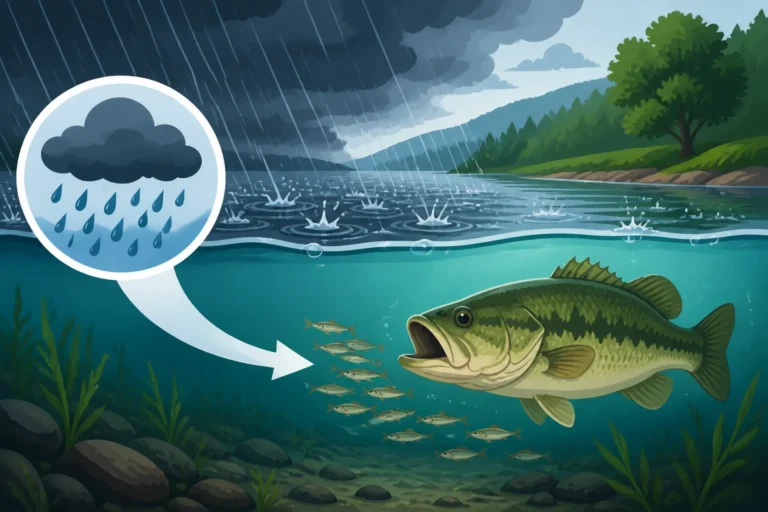
- Rainy Days and Runoff: Light rain can sometimes improve fishing, especially on warmer days, as it darkens the sky and washes in nutrients. However, heavy rains can create significant runoff, clouding the water and dropping water temperatures. Bass will often move to the edges of the muddy water line or into areas with clearer water. Focus on transition zones where muddy water meets clearer water, as baitfish will congregate there, and bass will follow. Understanding How Rain Affects Fish Feeding Patterns can help you predict where the fish will be.
Reading Water Temperature for Optimal Bites
Water temperature is the single most important factor in locating spring bass. It dictates their metabolic rate, their comfort level, and their stage in the spawning cycle.
- Low 50s (Pre-Spawn): Bass are typically still staging in deeper water but making forays into shallower areas. Slow-moving baits like jigs, spinnerbaits, and jerkbaits are effective.
- Mid-50s (Early Spawn/Heavy Pre-Spawn): This is often the trigger for bass to move onto beds. Look for bass pushing into shallow, protected coves. Aggressive feeding continues, but some may start scouting beds.
- High 50s to Mid-60s (Peak Spawn): The majority of bass will be actively spawning. Focus on sight fishing techniques in shallow water.
- Mid-60s to Low 70s (Post-Spawn): Bass are recovering and feeding heavily. Topwater lures, fast-moving crankbaits, and soft plastics become highly effective as bass chase baitfish. Always have a reliable water temperature gauge handy.
Sunny vs. Cloudy Days: How Light Affects Bass
Light conditions play a significant role in how bass position themselves and how willing they are to bite.
- Sunny Days: On bright, sunny days, bass will often seek shade and cover. Look for them under boat docks, submerged brush, lily pads, or tight to laydowns. They'll also often hold tighter to the bottom or deeper structure. This is a great time for finesse techniques or working baits slowly in shaded areas.
- Cloudy Days: Overcast conditions often encourage bass to roam more freely and move shallower, even during mid-day. The diffused light makes them feel less exposed, and they are often more aggressive. This is an excellent time for covering water with spinnerbaits, chatterbaits, or even topwater lures throughout the day. The bite can be consistent and widespread.
Advanced Tips for Consistent Spring Bass Fishing
Beyond the fundamentals, some nuanced approaches can truly elevate your spring bass fishing game, especially on Tennessee's pressured waters.
Understanding Forage and Baitfish Patterns
Bass are opportunistic predators, and their diet heavily influences their location and preferred lures. In spring, several key forage species come into play.
- Shad: Many of Tennessee's reservoirs are teeming with threadfin and gizzard shad. Bass will follow these baitfish, which often move into warming coves and flats during spring. Matching the hatch with shad-imitating crankbaits, jerkbaits, and swimbaits is critical, especially during pre-spawn and post-spawn feeding frenzies. Pay attention to signs of schooling baitfish – diving birds, ripples on the surface – as bass are likely nearby.
- Bream (Sunfish/Bluegill): As spring progresses, bream also move shallow to spawn. Bass see these smaller fish as easy targets, particularly when they are guarding beds. This is why lures that imitate bream, like green pumpkin or bluegill-patterned jigs and creature baits, are incredibly effective around bass beds. A bass defending its nest will often attack a bream imitator aggressively.
- Crawfish: These crustaceans are a staple in a bass's diet, especially in rocky areas. In spring, crawfish become more active as water warms, molting their shells and becoming vulnerable. Jigs, creature baits, and even crankbaits in crawfish colors (greens, browns, oranges) are deadly when fished along rocky banks, points, and humps. The Best Bait for Chickamauga Lake Tennessee Trophy Bass in Spring often includes crawfish imitations.
By observing what the bass are likely eating, you can select lures that not only look like their food but also behave like it, increasing your chances of a strike.
The Importance of Stealth and Presentation
While bass can be aggressive in spring, especially during the pre-spawn and post-spawn, they can also be incredibly wary, particularly when on beds or in clear water.
- Quiet Approaches: Whether you're in a boat or bank fishing, approaching your desired spot quietly is crucial. Use your trolling motor sparingly and at low speeds. Avoid banging tackle boxes or stomping your feet in the boat. If you're wading or bank fishing, move slowly and avoid casting a shadow over the area you intend to fish.
- Accurate Casts: Precision is key, especially when targeting specific cover or a visible bed. Practicing your casting accuracy, particularly pitching and flipping, will pay dividends. A bait placed a foot away from a bed might be ignored, while one dropped directly on it can trigger an immediate strike. For How to Fish From the Bank for Beginners, accurate casting is a foundational skill.
- Subtle Presentations: Sometimes, less is more. For bedded bass, a static presentation where the bait just sits in the bed can be more effective than a constantly moving lure. For post-front bass, a painstakingly slow retrieve of a jig or shaky head is often what it takes to coax a bite. Observe how the bass reacts to your bait and adjust your retrieve accordingly.
Adapting to Local Lake-Specific Rules and Trends
While statewide regulations provide a baseline, many of Tennessee's lakes have specific rules, and local trends can greatly influence spring fishing success.
- Lake-Specific Regulations: Always check the Tennessee Wildlife Resources Agency (TWRA) regulations for the specific lake you're fishing. Many larger reservoirs, like Dale Hollow Lake, for instance, have unique size and creel limits for certain species that supersede the general statewide regulations. Ignorance of these rules is not an excuse, and violating them can lead to penalties for fishing without a license in Tennessee.
- Local Fishing Reports: Before you head out, check local tackle shops, online forums, or even social media groups for recent fishing reports. These can provide invaluable, up-to-the-minute information on water conditions, water temperatures, current fish patterns, and what baits are working. What worked last week might not work today due to a sudden weather change.
- Learning the Lake's Nuances: Each lake has its own personality. On one lake, bass might prefer spawning on chunk rock; on another, it might be gravel or submerged wood. Over time, you'll learn the unique characteristics and subtle nuances of your favorite Tennessee lakes, allowing you to anticipate bass movements and refine your strategies throughout the spring season. For example, A Tennessee lake with its own posted rules takes priority over standard limits.
By combining an understanding of bass behavior, the right gear, adaptive techniques, and local knowledge, you'll be well on your way to a successful and enjoyable spring bass fishing season in Tennessee.
Disclaimer
Fishing involves inherent risks. Always prioritize safety, wear appropriate personal flotation devices, and be aware of your surroundings. Adhere to all local, state, and federal fishing regulations, including obtaining the necessary licenses and permits. The information provided in this guide is for informational purposes only and does not constitute professional advice. Fishing conditions can change rapidly, and success is never guaranteed.