How to Fish for Bass in Summer Heat
Summer bass fishing in Tennessee can feel like a riddle wrapped in an enigma, especially when the mercury soars. Many anglers get frustrated watching their favorite spots go silent as the sun beats down, convinced the bass have simply vanished. But don't despair! This guide is all about cracking the code of summer bass behavior, offering proven techniques, gear advice, and location insights to help you reel in those big fish, even when the heat is on.
Understanding Bass Behavior in Summer's Grip
When Tennessee's summer temperatures really start to climb, bass don't just disappear; they simply change their routine. They're cold-blooded creatures, and extreme heat affects their metabolism and comfort levels, driving them to seek out more hospitable environments. Understanding these shifts is the first step to successful summer fishing.
The Deep Dive: Why Bass Go Deep
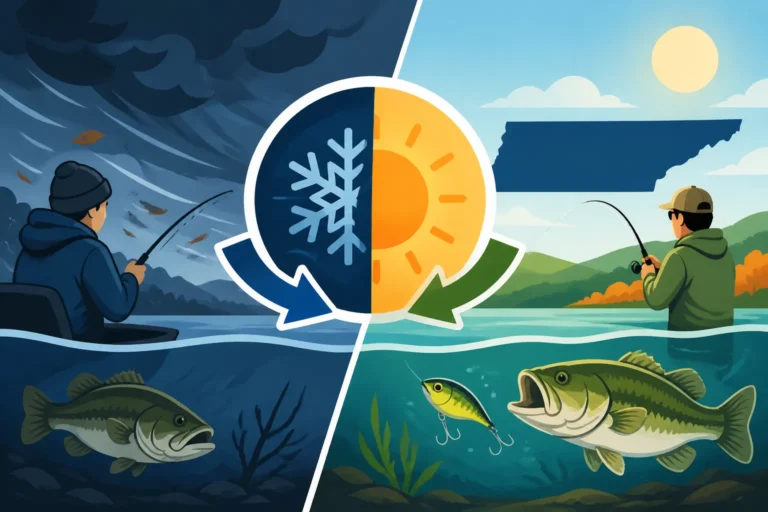
As surface water temperatures rise into the high 80s or even 90s, bass instinctively move to deeper, cooler water. This isn't just about comfort; it's about survival. Deeper water acts as a thermal refuge, offering a stable environment where their metabolism doesn't have to work overtime to regulate body temperature. On large reservoirs like Watts Bar Lake or Norris Lake, you’ll find them congregating along ledges, humps, and channel swings.
Furthermore, these deeper zones often hold higher concentrations of dissolved oxygen. The upper layers of water, especially in stagnant areas, can become oxygen-depleted in the intense summer heat. Bass, being oxygen-breathers, will naturally gravitate towards areas where they can breathe easier, even if that means leaving their shallow-water hunting grounds. Knowing about these thermal and oxygen barriers, often marked by a thermocline, is crucial for pinpointing where bass will hold. You can learn more about How Water Temperature Affects Fish Activity to fully grasp this concept.
Early Morning and Late Evening Feeding Frenzies
While the midday sun sends bass to the depths, the cooler, lower-light conditions of dawn and dusk bring them back to life. These periods are often when bass feel most comfortable venturing into shallower water to feed. The sun's intensity is reduced, and baitfish, like shad and bluegill, are also more active near the surface or along the banks during these times.
Think of it as their prime feeding windows. Bass are ambush predators, and the diminished light gives them a distinct advantage, allowing them to hunt without being as easily spotted by their prey. This is when you can experience explosive topwater strikes that make all the sweat and heat worthwhile. It’s a stark contrast to the patient, methodical approach required during the bright hours. This behavior is a key part of Tennessee Bass Fishing Seasons and Patterns.
Essential Gear and Tackle for Summer Bass
Fishing for bass in the scorching summer heat requires a thoughtful approach to your gear. You're often dealing with deeper presentations, heavier cover, and potentially larger, more stubborn fish, especially if you're pulling them from dense hydrilla or submerged timber.
Rods, Reels, and Line for the Heat
When you're pulling bass from deep structure or heavy cover, stout gear is your friend. A medium-heavy to heavy power rod, typically 7 to 7.5 feet long, provides the backbone needed to effectively work larger lures like deep-diving crankbaits or to set the hook firmly on a Texas-rigged worm. Coupled with a baitcasting reel with a fast gear ratio (around 7.1:1 or higher), you can quickly retrieve slack line and get a strong hookset, crucial when bass bite subtly in the heat.
For line, consider braided line in the 30-50 pound test range for its incredible strength, zero stretch, and sensitivity. It's fantastic for punching through vegetation or dragging jigs through thick cover. However, in clearer waters, a fluorocarbon leader (15-20 lb test) can be a game-changer for its invisibility and abrasion resistance. Many anglers find great deals on high-quality braided lines and fluorocarbon leaders on Amazon, making it easy to stock up before your next trip. This setup is a great choice for targeting Best Rods for Largemouth Bass.
Lure Selection: Imitating Summer Forage
Your summer lure arsenal should mimic the natural forage that bass feed on, which often means shad, crawfish, and other baitfish. Deep-diving crankbaits that can reach depths of 10-20 feet or more are invaluable for working those submerged ledges and humps. Look for models with wide wobbles and realistic baitfish patterns. For jigs, a heavy football or casting jig in dark colors like black and blue or green pumpkin, paired with a crawfish-imitating trailer, is deadly when dragged slowly along the bottom.
Soft plastics are another summer staple. Carolina rigs with lizard or worm baits, Texas-rigged worms in natural colors, or even shaky head worms are perfect for probing deep cover or enticing finicky bass. When the sun starts to dip and conditions allow, don't forget your topwater lures—frogs, buzzbaits, and walking baits are essential for those brief low-light windows. You can easily find a wide array of these effective bass lures on Amazon, perfect for building out your tackle box for the summer.
Top Summer Bass Fishing Techniques
Mastering a few key techniques can dramatically increase your success rate when fishing for bass in the Tennessee summer. It's about adapting your approach to where the fish are holding and how they're feeding.
Targeting Deep Structure and Ledges
This is often where the big bass live during the hottest parts of the day. Modern electronics are non-negotiable here. A good fish finder, especially one with side-imaging or down-imaging capabilities, allows you to literally "see" submerged humps, ledges, brush piles, and even individual fish. When exploring reservoirs like Chickamauga Lake, which is renowned for its trophy bass, finding these offshore structures is paramount. Check out our guide on Best Fish Finders for Tennessee Reservoir Fishing to help you pick the right one.
Once located, techniques like the Carolina rig really shine. This setup, consisting of a heavy weight (often a ½ to 1 oz bullet or egg sinker), a bead, a swivel, and a leader (typically 1-3 feet long) tied to a soft plastic bait, allows you to drag your lure slowly along the bottom, presenting the bait naturally behind the weight. Deep-diving crankbaits are also incredibly effective. Cast them out, crank them down to their maximum depth, and then work them along the contour of the structure, letting them deflect off cover to trigger reaction strikes. Another subtle but deadly tactic is a drop shot, especially when bass are suspended or grouped tight to vertical cover.
Early Morning Topwater Action and Frogging
There's nothing quite like a bass blowing up on a topwater lure at dawn. As the sun rises and temperatures are still relatively cool, bass often move into shallower water to feed aggressively. This is your prime time for topwater baits. Walking baits, like a Heddon Super Spook, create a "walk-the-dog" action that mimics an injured baitfish, drawing incredible strikes. Popping frogs are fantastic for working over dense vegetation, such as lily pads or matted grass, often found on lakes like Reelfoot Lake.
Buzzbaits are another excellent choice, creating a commotion on the surface that can call in bass from a distance. Work these lures around shallow cover—boat docks, submerged stumps, grass lines, and shoreline eddies. The key is to get to your spot before the sun fully clears the horizon and capitalize on that brief, exciting window of opportunity. This is why Topwater Lures for Early Morning Bass are such an important part of your tackle box.
Night Fishing for Summertime Giants
When the heat is truly oppressive during the day, many experienced anglers turn to night fishing. Bass, especially larger ones, become much more active after dark, shedding their daytime lethargy and moving into shallower feeding areas. The water cools, and the cover of darkness makes them bolder, actively hunting baitfish that are also more prevalent in the shallows.
Dark-colored lures, particularly black and blue jigs, large spinnerbaits with thumping blades, and even some topwater lures, are incredibly effective. The idea is to create a strong silhouette and vibration that bass can home in on in the low light. Cast towards docks, bridge pilings, and any other structure that might hold fish. Patience is vital, as strikes can be subtle. Remember to prioritize safety with proper lighting and knowing your surroundings, especially if you're on unfamiliar waters like the Night Fishing Spots on Kentucky Lake, Tennessee.
Finding the Best Summer Bass Haunts in Tennessee
Tennessee is blessed with an abundance of fantastic bass fishing waters, but knowing where to focus your efforts in the summer heat can make all the difference.
Deep Reservoirs and River Systems
Tennessee's vast reservoir system offers some of the best summer bass fishing opportunities, precisely because they provide the deep, cool water that bass seek. Lakes like Dale Hollow Lake, Norris Lake, and Center Hill Lake are known for their clear, deep waters and excellent smallmouth and largemouth bass fisheries. Focus on the main lake points, bluff walls, and the deep sides of creek channels. These areas act as highways for bass moving between shallow feeding grounds and deep thermal refuges.
River systems, like the Tennessee River itself, also hold significant numbers of summer bass. The current can be a major factor, creating oxygenated areas and concentrating baitfish. Look for current breaks around islands, submerged rock piles, and tributary mouths where bass can ambush prey without fighting the full force of the current. Our guide to Tennessee's Top Bass Fishing Lakes can help you pinpoint other fantastic locations.
Shade, Cover, and Oxygen-Rich Areas
Even in the summer heat, some bass will stick to shallower areas if they can find sufficient shade, cover, or a source of cooler, oxygenated water. Docks are prime examples. The shade they provide offers a respite from the sun, and the pilings often create excellent ambush points. Look for docks that sit over deeper water or are near a channel. Fallen trees, brush piles, and standing timber also provide essential overhead cover and structure.
Furthermore, areas with natural springs or inflowing creeks can introduce cooler, more oxygenated water, creating a small oasis for bass. Bridges, particularly their pilings and the shadows they cast, are another magnet for bass in the summer. These structures often extend into deeper water and provide current breaks. It’s about finding those little pockets of comfort that offer bass a reason to stay shallow, or at least shallower than the deepest depths. Learning How to Catch Bass Around Docks can significantly boost your summer success.
Adapting Your Approach for Midday Lulls
Let's be real: no matter how good you are, there will be times in the middle of a hot Tennessee summer day when the bass just shut down. It's frustrating, but it's part of the game. The key is to adapt, slow down, and maybe even take a break.
Slowing Down and Finesse Tactics
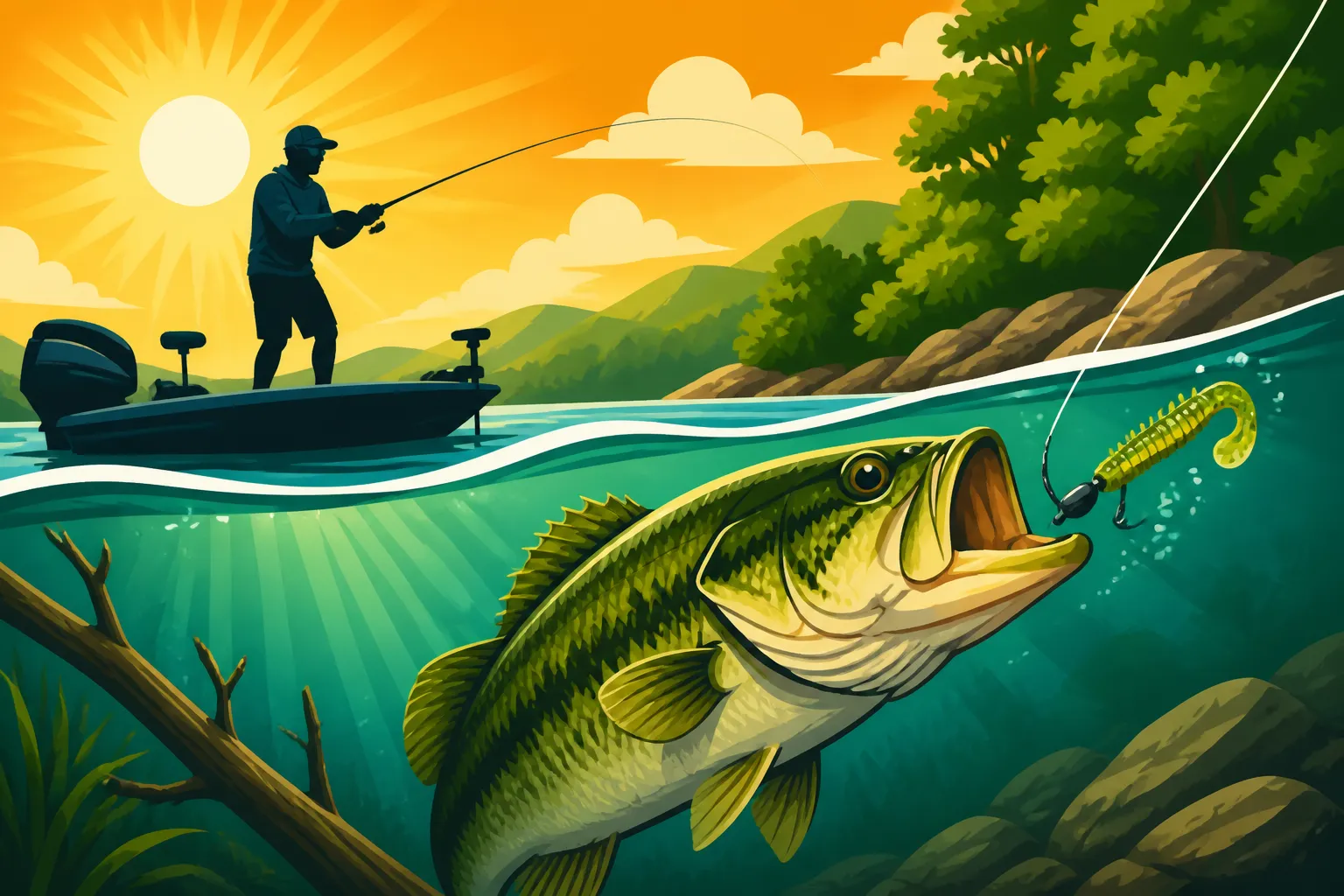
When the sun is high and bass are lethargic, aggressive power fishing tactics often won't cut it. This is when finesse fishing truly shines. Techniques like the drop shot, the wacky rig, or a shaky head jig become your best friends. These presentations use smaller, more subtle baits that don't require a bass to expend much energy to investigate or strike. A small worm or creature bait on a light line, precisely placed into cover or near a suspended fish, can often draw a bite when nothing else will.
The retrieve should be agonizingly slow – sometimes just letting the bait sit on the bottom and imparting minimal twitches is all it takes. Think about giving the bass every reason to bite without having to work for it. This requires patience, keen observation, and often lighter tackle to detect those incredibly subtle bites. Remember, even a barely detectable tick can be a big bass inhaling your bait.
Staying Safe and Comfortable in the Heat
Fishing in the summer heat isn't just about catching fish; it's about protecting yourself. Tennessee summers can be brutal, with high temperatures and humidity that can quickly lead to dehydration or heat exhaustion. Always bring plenty of water, and drink it consistently, even if you don't feel thirsty. Electrolyte drinks can also be very beneficial.
Sun protection is non-negotiable. Wear a wide-brimmed hat, sunglasses, and lightweight, long-sleeved UPF-rated clothing to protect your skin. Sunscreen is still a must for any exposed skin. Taking breaks in the shade, or even heading in during the absolute hottest part of the day, is a smart move. Remember, a successful fishing trip is also a safe and enjoyable one, so don't push your limits in the heat. You can find excellent sun-protective clothing and hydration gear on Amazon to help you stay safe and comfortable out on the water.
Here's a quick overview of how different techniques can be applied throughout a typical summer bass fishing day:
| Time of Day | Bass Behavior | Recommended Techniques | Primary Lures | Best Locations |
|---|---|---|---|---|
| Early Morning | Active, chasing bait in shallower water | Topwater, Shallow Cranking, Spinnerbaits | Walking baits, Poppers, Buzzbaits, Shallow Crankbaits | Shallow flats, points, lily pads, grass lines |
| Mid-Morning | Moving deeper, still somewhat active | Deeper Cranking, Jigs, Carolina Rigs, Swimbaits | Deep-diving Crankbaits, Football Jigs, Large Worms | Ledges, humps, creek channels, deeper grass edges |
| Midday/Afternoon | Deep, lethargic, seeking shade and oxygen | Finesse (slow), Drop Shot, Shaky Head, Punching | Small Worms, Tubes, Jigs, Punch Skirts | Deepest cover, main lake points, heavy matted grass, docks |
| Late Afternoon/Dusk | Moving shallower again, more aggressive feeding | Topwater, Buzzbaits, Spinnerbaits, Jigs | Walking baits, Poppers, Buzzbaits, Jigs | Shallow flats, points, docks, laydowns |
| Night | Very active in shallower water | Jigs, Spinnerbaits, Worms, Topwater | Dark-colored Jigs, Large Spinnerbaits, Texas-Rigged Worms | Docks, bridge pilings, shallow humps, rock piles |
Disclaimer
Fishing conditions and regulations in Tennessee can change. Always consult the latest Tennessee Wildlife Resources Agency (TWRA) regulations before heading out on the water. This article is for informational purposes only and should not replace official guidelines.