Night Fishing Spots on Kentucky Lake, Tennessee
There's nothing quite like the golden hour on Kentucky Lake, the sun dipping below the tree line, painting the sky in fiery hues. But for many anglers, myself included, that moment often signals the end of a good day on the water. What if I told you it could also be the beginning of an even better one? If you've ever felt the frustration of crowded boat ramps, intense midday heat, or fish that seem to vanish with the rising sun, then it's time to consider the magic of night fishing on Kentucky Lake. This guide will dive deep into how to transform those twilight hours into some of your most productive and peaceful fishing experiences yet.
Why Kentucky Lake Shines for Night Fishing
Kentucky Lake is legendary, a sprawling freshwater sea that boasts incredible fishing opportunities around the clock. But when the sun goes down, a different world awakens beneath the surface, and a unique set of advantages emerges for those willing to embrace the darkness. The lake's vastness, combined with its diverse structure and rich fish populations, makes it an ideal canvas for nocturnal angling adventures.
Abundant Nocturnal Species
Many of the most sought-after game fish in Kentucky Lake, particularly catfish and crappie, don't just tolerate the night; they thrive in it. As the light fades, these species often become more active, venturing out from their daytime hiding spots to feed. This natural shift in behavior is a huge win for night anglers.
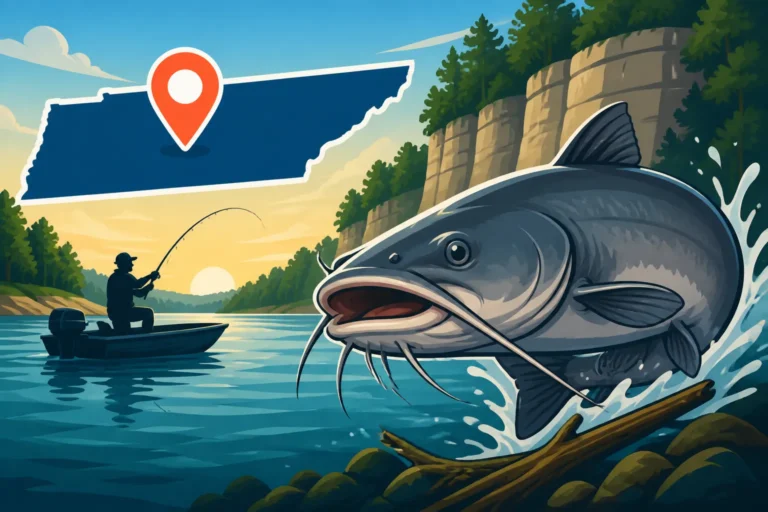
For instance, the various species of catfish—channel, blue, and flathead—are notorious for their nocturnal feeding habits. During the day, they might be sluggish, holding tight to deep cover or structure to avoid predators and bright light. But come dusk, their sensory organs, perfectly adapted for low light and detecting subtle vibrations, kick into high gear. You'll often find them moving into shallower flats, creek channels, or along ledges to forage for food. Kentucky Lake's rich forage base, from shad to various insects, provides an endless buffet for these whiskered warriors. Focusing your efforts in areas like the Big Sandy embayment or near New Johnsonville often yields fantastic results as these spots feature excellent channel and tributary systems that hold good numbers of catfish.
Crappie, another favorite target, also exhibit strong nocturnal tendencies, especially around structure. While you might catch them during the day, they truly light up at night, particularly under artificial lights. These panfish are drawn to light sources, which attract baitfish and plankton, creating a feeding frenzy. Anglers targeting crappie at night often find larger schools and more aggressive bites than they would in the daylight hours. Understanding the patterns of these species is key to unlocking the full potential of night fishing on Kentucky Lake.
Reduced Crowds and Unique Atmosphere
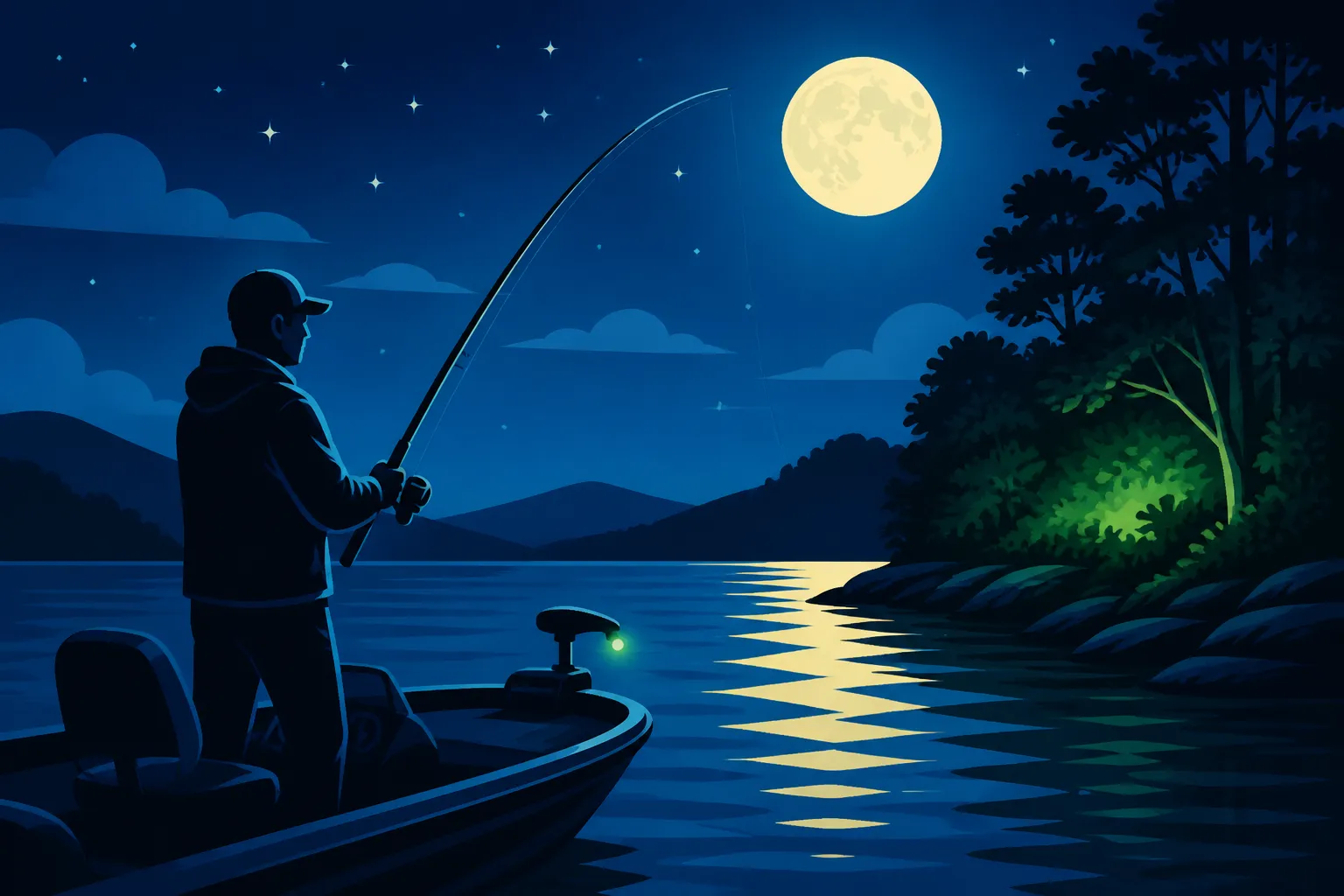
Perhaps one of the most appealing aspects of night fishing is the sheer tranquility it offers. Gone are the roaring outboards, the jostling for prime spots, and the general hustle and bustle of a busy lake day. Under the stars, Kentucky Lake transforms into a serene, almost meditative environment.
Imagine drifting silently, the only sounds being the gentle lapping of water against your boat, the chirping of crickets from the shore, and perhaps the splash of a fish jumping in the distance. The cooler air is a welcome relief from the summer heat, making for a much more comfortable experience, especially during those sweltering Tennessee summers. This peaceful solitude isn't just a pleasant bonus; it can actually make you a more focused and observant angler. Without distractions, you're more attuned to subtle bites and changes in the environment, which can significantly improve your success rate. This unique atmosphere is a major reason why so many anglers fall in love with night fishing.
Prime Night Fishing Locations on Kentucky Lake
Knowing when to fish at night is one thing, but knowing where to cast your line is equally crucial. Kentucky Lake offers a vast array of underwater landscapes, and certain features become undeniable hotspots once the sun disappears below the horizon. Understanding these prime locations will give you a significant advantage.
Deep Water Channels and Ledges
As mentioned, many fish species seek refuge in deeper, cooler waters during the day. At night, however, they often migrate up from these depths to shallower feeding grounds, and the edges of these deep water channels and ledges act as perfect highways for them. These transition zones provide easy access to both deep sanctuary and shallow buffet lines, making them magnets for nocturnal predators.
Look for sharp drop-offs, underwater humps, or distinct depth changes on your sonar. Catfish, in particular, will cruise these contours, ambushing baitfish that move along the ledges. Areas where old creek channels intersect with the main lake bed, or where points extend into deeper water, are prime examples. The lower end of Kentucky Lake, particularly around the main river channel, offers numerous such opportunities. You can anchor along the edge of a deep channel or slowly drift the contours, presenting your bait at various depths to find where the fish are holding. The subtle current that often flows through these deeper channels also helps to concentrate bait and, consequently, game fish.
Submerged Timber and Brush Piles
For crappie anglers, submerged timber and brush piles are gold mines, and they become even more productive at night. These underwater structures provide essential cover for crappie, protecting them from predators and offering ambush points for unsuspecting baitfish. Finding these spots can be challenging, but it's well worth the effort.
Many dedicated anglers will create their own brush piles, sinking Christmas trees or bundles of branches in strategic locations throughout the lake. However, Kentucky Lake also has abundant natural timber, especially in its numerous creeks and coves, remnants from when the lake was first impounded. Using your sonar or side-imaging capabilities during daylight hours to mark these structures is incredibly helpful. At night, especially if you're using lights, crappie will suspend themselves around and within these brush piles. You can deploy spider rigging techniques, fishing multiple rods with jigs or minnows at different depths around the structure. Remember, fishing in heavy cover means you're likely to get snagged occasionally, so bring plenty of terminal tackle and be prepared to lose a few baits. Areas like Blood River, Big Sandy, or Cypress Creek are known for holding significant amounts of submerged cover, making them excellent choices for those seeking Crappie Limits Under Tennessee Fishing Rules after dark.
Lighted Docks and Bridges
This is where night fishing truly shines for crappie and often provides some unexpected catches. Any artificial light source over the water acts like a beacon, drawing in plankton, which then attracts baitfish like shad and minnows. This creates a miniature ecosystem, a vibrant feeding ground that larger game fish cannot resist.
Look for marinas, private docks, or bridge pilings that have lights shining down into the water. The best spots often have a greenish glow, indicating a good concentration of microorganisms. Crappie will stack up in the illuminated zone, sometimes just on the edge where the light meets the darkness, ready to ambush any baitfish that ventures too close. You might also find other species like bass, bluegill, and even small catfish lurking in these areas. When targeting these spots, position your boat slightly away from the direct light, casting your bait into the lit area or just on its perimeter. This allows you to approach quietly and keeps your boat from spooking the fish directly under the light. You can find many such opportunities around the bridge crossings in the Paris Landing area or various residential coves throughout the lake.
Essential Gear and Techniques for Night Fishing on Kentucky Lake
Embarking on a night fishing trip on Kentucky Lake requires more than just a regular tackle box. Specific gear and adapted techniques are crucial for both safety and success when the sun is down. Thinking ahead about what you'll need will make your experience much smoother and more enjoyable.
Lighting and Safety Essentials
Safety must always be your top priority when fishing after dark. The familiar daytime landmarks disappear, and the water takes on a whole new dimension. Proper lighting isn't just about seeing your bait; it's about navigating safely and being seen by others.
Every boat on the water after sunset must have proper navigation lights – a red and green light at the bow and a white light at the stern – to comply with regulations and prevent collisions. Beyond that, a good headlamp is an absolute game-changer. It keeps your hands free for tying knots, unhooking fish, or baiting hooks. Look for models with different brightness settings and, ideally, a red light option, which helps preserve your night vision and is less likely to spook fish. A powerful spotlight or a dedicated deck light can also be invaluable for spotting buoys, debris, or marking your way back to the ramp. Never underestimate the importance of a well-charged phone, and consider carrying a marine radio for emergencies. And, as always, ensure everyone on board is wearing or has immediate access to a Tennessee Life Jacket and PFD Rules for Boaters – things can happen fast in the dark.
For those targeting crappie under lights, submersible fishing lights are highly effective. These typically emit a green or white glow that penetrates the water, attracting plankton and baitfish to your desired fishing zone. Brands like Hydro Glow or Green Blob are popular choices, and they can make a significant difference in concentrating crappie near your boat, especially in deeper, clear waters. Setting these up strategically is key; deploy them and give the baitfish time to gather before you start fishing.
Baits and Rigs for Nocturnal Success
The tactics you employ and the baits you choose can be just as crucial at night as they are during the day, but with some specific considerations for the dark. Fish often rely more heavily on scent and vibration when visibility is low.
For catfish, especially the larger blues and flatheads that cruise Kentucky Lake's depths, strong-smelling baits are king. Cut bait, such as shad, skipjack herring, or even bluegill, reigns supreme. Fresh is always best, so catching your bait earlier in the day if possible will give you an edge. Chicken livers, though messy, are also incredibly effective for channel catfish. For presentation, heavy bottom rigs with a substantial sinker to hold your bait in place are standard. A sliding sinker rig, often called a Carolina rig, allows the fish to pick up the bait without feeling the weight, leading to more confident bites. For those looking for a truly passive approach, Night Fishing Techniques for Catfish also include setting trotlines or jug fishing, which can cover a wider area and maximize your chances, though remember to check all local regulations for these methods.
Crappie at night respond incredibly well to small jigs tipped with minnows or soft plastics under lights. The minnow provides live action and scent, while the jig adds color and profile. Chartreuse, white, and pink are often popular colors under artificial lights. Slow-retrieve techniques or simply holding your jig at the depth where you see baitfish on your sonar are usually effective. A slip bobber can also be an excellent tool, allowing you to present your bait at a consistent depth without constantly adjusting. Knowing How to Find Crappie in Summer often involves looking for similar structure to night fishing spots, as they seek refuge in cooler, deeper waters or dense cover.
Navigational Tools and Preparation
Navigating Kentucky Lake at night can be disorienting, even for seasoned daytime anglers. Having the right tools and a solid plan before you leave the dock can prevent mishaps and ensure you spend more time fishing and less time worrying.
A reliable GPS unit on your boat is practically a necessity. Before you head out, mark all your target fishing spots, boat ramps, and any known hazards like shallow areas, submerged stumps, or rock piles. This allows you to navigate confidently and directly to your chosen locations without fumbling in the dark. Many modern fish finders come equipped with excellent GPS mapping features, and some even allow you to download detailed lake maps that show contours and underwater structure. Running your boat slowly and cautiously when traveling at night is paramount, especially in unfamiliar areas.
Furthermore, consider pre-fishing your chosen spots during the day. This reconnaissance mission allows you to visually identify structure, potential hazards, and the best approaches to your fishing locations. You can also mark specific brush piles or depth changes on your GPS, making them much easier to find when darkness falls. This preparation is even more critical if you're exploring new areas of the lake. Sometimes, the most valuable tool is simply a clear head and a well-thought-out plan. If you're new to the lake or night fishing, consider hiring a local guide. Services like FishingBooker can help you find experienced captains who specialize in night fishing on Kentucky Lake, offering invaluable local knowledge and ensuring a safe, productive trip. They often know the exact locations of Kentucky Lake Catfish Fishing Spots or the best crappie brush piles.
| Target Species | Preferred Night Habitat | Recommended Bait | Typical Gear |
|---|---|---|---|
| Catfish (Channel, Blue, Flathead) | Deep channels, ledges, creek mouths, main lake points | Cut bait (shad, skipjack), chicken liver, stink baits | Heavy-action rods, baitcasting reels, 20-50 lb mono/braid, sliding sinker rigs, large hooks |
| Crappie (Black, White) | Submerged timber, brush piles, lighted docks & bridges | Live minnows, small jigs (1/32 to 1/8 oz) tipped with minnows or soft plastics | Light to ultralight spinning rods, small spinning reels, 4-8 lb mono/fluoro, slip bobber rigs |
Navigating Regulations and Best Practices
While the allure of night fishing is strong, it’s vital to remember that all the standard rules of fishing and boating still apply, and in some cases, night conditions require extra vigilance. Being a responsible and informed angler ensures both your safety and the sustainability of Kentucky Lake’s incredible fishery.
Understanding Local Rules
Even under the cloak of darkness, the laws governing fishing in Tennessee remain in full effect. This means you absolutely need a valid Tennessee Fishing License Guide for anyone over the age of 13. While it might seem less likely to encounter a game warden at 2 AM, it's not impossible, and ignorance of the law is never an excuse. Always carry your license, whether digital on your phone or a physical copy.
Beyond the license, you must also adhere to statewide catch limits and size restrictions for all species. For instance, if you're targeting crappie under those dock lights, remember that the Crappie Limits Under Tennessee Fishing Rules typically allow for 20 fish per day, with only 5 of those being over 12 inches. Catfish also have daily creel limits that anglers must respect. Furthermore, Kentucky Lake, like many large reservoirs, can occasionally have specific, localized regulations that might override statewide defaults for certain areas or species. These are usually posted at boat ramps or can be found on the Tennessee Wildlife Resources Agency (TWRA) website. A quick check before your trip, especially if you're venturing into a new section of the lake, is always a smart move to ensure you're compliant. Don't let a successful night turn into a costly violation.
Respecting the Environment and Other Anglers
Night fishing, by its very nature, encourages a sense of solitude and peace, and it’s up to every angler to maintain that serene environment. This means practicing good etiquette and showing respect for both the lake and your fellow night owls.
One of the biggest considerations is light discipline. While your navigation lights are essential for safety, and a headlamp for tasks, avoid shining bright spotlights or high beams unnecessarily across the water, as this can easily blind and disorient other boaters and potentially spook fish for those around you. Be mindful of your noise levels as well. While daytime boating can be loud, the quiet of the night carries sound much further. Keep voices down, and be considerate with your music if you choose to play any.
Perhaps most importantly, "leave no trace" is a principle that should be rigorously applied. Any trash you bring onto the lake, from empty bait containers to discarded fishing line, must leave with you. Fishing line, in particular, can be incredibly harmful to wildlife and propellers. Practicing catch-and-release, especially for trophy-sized fish, helps ensure that Kentucky Lake remains a premier fishery for generations to come. Even at night, handling fish with wet hands and releasing them gently gives them the best chance of survival. By following these simple best practices, you contribute to a positive experience for everyone on the water and help preserve the health and beauty of this incredible natural resource.
Disclaimer
Please remember that fishing conditions, regulations, and recommendations can change. Always consult the latest Tennessee Wildlife Resources Agency (TWRA) regulations before heading out on the water. This guide is for informational purposes only and does not constitute legal advice. Safe boating practices should always be followed.