Best Fishing Spots Within an Hour of Nashville
It's a common dilemma: you're in the vibrant heart of Nashville, surrounded by music and good food, but your angler's soul is craving some peace and the thrill of a tug on the line. The good news is, you don't have to drive for hours to find fantastic fishing opportunities. Within an hour's reach of Music City, there are some truly incredible lakes and rivers brimming with diverse fish species. This guide will help you navigate the best local spots, ensuring your next fishing trip is both convenient and rewarding.
Percy Priest Lake: Nashville's Go-To Fishery
Percy Priest Lake is arguably the most popular and accessible fishing destination for Nashville residents, lying just a stone's throw east of the city. This massive reservoir, formed by the impoundment of the Stones River, offers over 14,000 acres of water and more than 200 miles of shoreline. Its proximity makes it a perfect escape for a quick morning trip or a full day on the water, without the long drive.
Lake Overview and Prime Location
Percy Priest Lake is a sprawling body of water characterized by its rocky banks, numerous coves, and significant areas of standing timber that provide excellent fish habitat. The lake's clear-to-stained waters make it a diverse environment for various species, attracting anglers of all skill levels. From the bustling marinas to the quiet back coves, there’s a spot for every preference. The landscape surrounding the lake is a mix of recreational areas, residential zones, and undeveloped wilderness, giving it a balanced feel. You'll find plenty of spots for picnicking, camping, and just generally enjoying the outdoors, making it a great family destination even if not everyone in your party is an avid angler.
The lake’s structure is fascinating, with deep main lake channels giving way to shallower flats and numerous feeder creeks. This variety means fish can be found in different habitats depending on the season, offering year-round fishing opportunities. Whether you're targeting fish holding tight to rocky points or searching for them cruising the edges of submerged grass beds, Percy Priest has the structure to support it. It's a true multi-species fishery, celebrated for its healthy populations of game fish.
Targeting Species and Techniques
Percy Priest Lake is a fantastic place to target a variety of game fish, each offering its own challenge and reward. Anglers come here specifically for its excellent bass fishing, but crappie, catfish, and even striped bass also draw significant attention. Knowing what to target and when can dramatically improve your success.
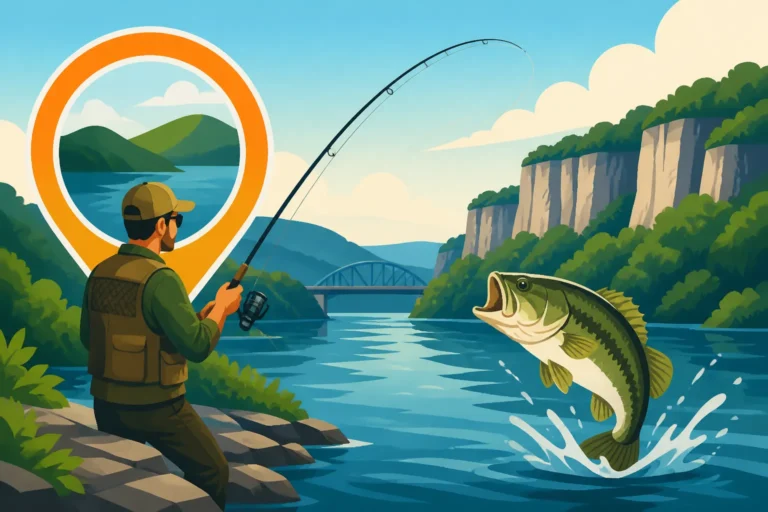
When it comes to bass, Percy Priest is a standout, boasting healthy populations of largemouth, smallmouth, and spotted bass. Largemouth bass often relate to the abundant shallow cover such as docks, riprap, and submerged timber, especially during the spring spawn and in warmer months. Crankbaits, jigs, and topwater lures are popular choices. Smallmouth and spotted bass, on the other hand, tend to prefer deeper, rockier areas, particularly along the main lake points and creek channels. Drop-shot rigs, shaky heads, and finesse jigs can be incredibly effective when targeting these species, especially as you explore the nuances of Largemouth Bass Size Chart: How Big Do They Get?. Understanding their habits in different seasons is key to consistent catches.
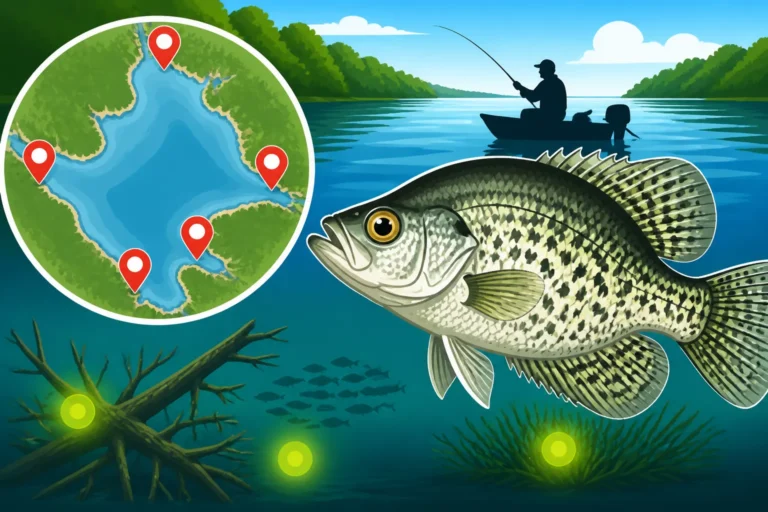
For crappie enthusiasts, Percy Priest truly shines in the spring. As water temperatures rise, crappie move into shallower coves and around brush piles to spawn. Jigging with small plastics or fishing with live minnows under a bobber are classic methods that yield great results. Throughout the rest of the year, crappie can be found suspending over deeper brush piles or along the edges of creek channels. Remember, the Crappie Limit in Tennessee is 20 fish per day, with specific size restrictions, so always double-check the latest regulations. You might even find success by slowly trolling jigs over submerged structure in open water during the summer months.
Catfish are another strong draw, with channel, blue, and flathead catfish all calling Percy Priest home. These whiskered fighters can be caught year-round, but night fishing in the warmer months is particularly productive for larger blues and flatheads. Focus on deeper holes in the main channel, around old river bends, and near the dam. Cut bait, chicken livers, and stink baits are go-to choices for channel cats, while live bait is often preferred for bigger flatheads. If you're specifically looking for big blues, heading to Percy Priest Lake Catfish Fishing Spots, Tennessee could provide some excellent opportunities.
Finally, Percy Priest also has a strong striped bass fishery. These hard-fighting fish cruise the open waters and often feed on schools of shad. Trolling with large crankbaits or live shad is a popular and effective method. You'll often find striped bass congregating in deeper, cooler waters during the summer. Consider looking into Best Boats for Percy Priest Lake if you plan to target stripers or spend a lot of time on this large body of water, as a boat offers the most versatility for covering water and chasing schools of baitfish.
Accessing Percy Priest Lake
Getting onto and around Percy Priest Lake is relatively easy, thanks to a good network of public access points, marinas, and state parks. Whether you prefer fishing from the bank, launching a boat, or paddling a kayak, there are options for you.
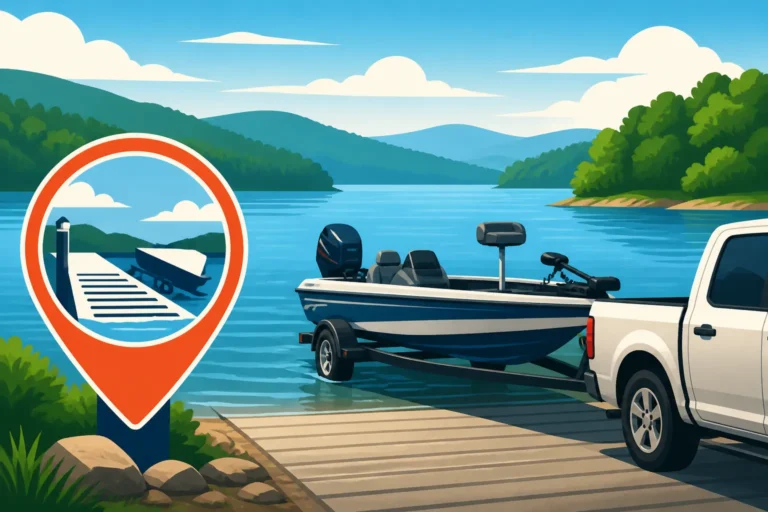
The lake features numerous public boat ramps, maintained by the U.S. Army Corps of Engineers and other entities. Popular ramps include Elm Hill Marina, Fate Sanders Recreation Area, and Anderson Road Recreation Area, all offering ample parking and multi-lane launches. Long Hunter State Park also provides several excellent launch points, making it convenient for those coming from different parts of the Nashville metro area. These ramps are generally well-maintained and suitable for a variety of boat sizes, from small jon boats to larger bass boats. It’s always a good idea to arrive early on weekends, especially during peak fishing season, as these popular spots can fill up quickly.
For anglers who prefer bank fishing, Percy Priest offers a surprising number of accessible spots. Long Hunter State Park is a fantastic resource, with miles of shoreline available for casting. Areas around recreation parks, like Anderson Road or Poole Branch, also have good bank access, often with picnic tables and amenities nearby. If you're looking for specific spots to cast from shore, exploring Shore Fishing Access at Percy Priest Lake, Tennessee will provide valuable insights and direct you to some productive locations. These areas are often great for targeting panfish and smaller bass, especially with kids.
Kayak and canoe anglers will find Percy Priest particularly appealing. Its numerous coves and fingers offer sheltered waters perfect for paddlecraft, allowing you to access areas that larger boats might miss. Launching a kayak from almost any public access point is usually straightforward, and you can explore shallow water cover or quietly stalk fish in clearer sections of the lake. Just remember to always wear your life jacket and be aware of boat traffic, especially in the wider main lake areas. Using a service like FishingBooker can also connect you with local guides who offer kayak fishing trips, providing all the necessary gear and expertise.
Old Hickory Lake: River-Run Reservoir Charm
Just a short drive northeast of Nashville, you'll find Old Hickory Lake, another phenomenal fishing destination within an hour's reach. This Cumberland River reservoir, managed by the U.S. Army Corps of Engineers, offers a distinctly different fishing experience than Percy Priest, known for its riverine characteristics and lush aquatic vegetation.
Character and Key Features
Old Hickory Lake stretches for about 97 miles, with roughly 22,500 acres of water. What sets it apart from Percy Priest is its prominent river channel and extensive shallow-water habitat, including vast beds of hydrilla and other submerged grasses. This lush vegetation provides incredible cover and feeding grounds for many species, especially bass and crappie. The lake also features numerous marinas, residential areas, and state parks along its banks, creating a blend of developed and natural fishing environments. Its close proximity to towns like Hendersonville and Gallatin means you're never far from bait shops, restaurants, and other conveniences.
Unlike the more open, rock-dominated Percy Priest, Old Hickory's river-run nature means current plays a more significant role, especially in the main channel. This current often concentrates baitfish and, in turn, game fish. The lake's structure includes deep river bends, shallow flats, stump fields, and an abundance of man-made structures like docks and bridges. These varied habitats allow anglers to employ a wide range of techniques and find fish no matter the season or water conditions. The water in Old Hickory tends to be a bit more stained than Percy Priest, which can sometimes make fish less wary and more aggressive towards certain presentations.
What to Catch and How to Do It
Old Hickory Lake is a legendary fishery, especially renowned for its largemouth bass, but it also offers excellent opportunities for crappie, catfish, and even some healthy populations of sauger and other panfish. Understanding the lake's unique features, particularly its vegetation, is crucial for success.
Bass fishing on Old Hickory is phenomenal, particularly for largemouth bass. The extensive hydrilla beds are prime real estate for these ambush predators. Flipping and pitching jigs or Texas-rigged plastics into the grass is a highly effective technique. Topwater frogs and buzzbaits can be deadly over matted vegetation, especially during low light conditions or in warmer months. Docks, laydowns, and stumps along the shoreline also hold significant numbers of bass. If you're looking for big bucketmouths, exploring Best Bass Fishing Spot on Old Hickory Lake will guide you to some of the most productive areas. Smallmouth and spotted bass are also present, often found along the rocky banks and points, especially closer to the dam.
For crappie, Old Hickory is a year-round paradise. During the spring spawn, crappie move into shallow coves and around any available wood cover, making them relatively easy to target with small jigs and minnows. As the seasons progress, they'll relocate to deeper creek channels, bridge pilings, and suspend over brush piles. Spider rigging or slow trolling jigs can be very productive for locating schools of crappie in open water. Knowing Where to Catch Crappie on Old Hickory Lake, Tennessee involves understanding the seasonal movements of these popular panfish and where they seek refuge. The many marinas and boat docks also provide ample structure for crappie to hold around.
Catfish are abundant in Old Hickory Lake, with trophy-sized blue and flathead catfish making it a popular destination for serious cat-anglers. The main river channel and its deeper holes are prime territory. Jug fishing, trotlines, and bottom fishing with cut bait or live bait are all common and effective methods. The area below the Old Hickory Dam can also be a hotspot for catfish, especially during periods of generation. If you're wondering about the best spots to set up for a big catch, checking out Old Hickory Lake Catfish Fishing Spots will point you in the right direction. The consistent flow of the Cumberland River through the lake provides a nutrient-rich environment that supports a healthy catfish population.
Navigating Old Hickory's Access Points
Like Percy Priest, Old Hickory Lake offers excellent access for all types of anglers. Its numerous boat ramps, marinas, and public parks ensure that you can easily get to your chosen fishing spot.
The lake is dotted with several well-maintained public boat ramps. Popular options include the Shutes Branch Recreation Area, Old Hickory Beach, and Sanders Ferry Park in Hendersonville. These ramps typically offer concrete launches, ample parking, and often have courtesy docks, making launching and retrieving your boat a breeze. Many of the marinas also provide launch facilities, though some may charge a fee. If you’re planning a trip with a boat, checking the specific amenities of each ramp beforehand can help streamline your outing.
Bank fishing opportunities are plentiful, especially within the numerous state and city parks along the lake's edge. Sanders Ferry Park, Bledsoe Creek State Park, and Old Hickory Beach are all good starting points with easy access to the water. These spots are great for a casual outing, targeting panfish, or casting for bass along the shoreline. Some areas even feature fishing piers, offering a safe and accessible platform for anglers of all ages. For those who prefer a more secluded experience, exploring the less developed areas of the lake's perimeter can yield hidden gems, but be mindful of private property.
For those who enjoy kayak and canoe fishing, Old Hickory Lake offers a fantastic experience. The quieter coves and backwaters are ideal for paddlecraft, allowing you to stealthily approach fish in the vegetated areas. The river current in the main channel can be strong, so paddlers should exercise caution there, but the many arms and embayments provide calm, protected waters. Launching a kayak is often possible from almost any public access point, even small pull-offs along the shoreline. Remember that wearing a personal flotation device is mandatory for paddlecraft, regardless of your swimming ability.
Lesser-Known Gems and River Access Nearby
While Percy Priest and Old Hickory are the big names, the Nashville area also boasts several other fantastic, often less crowded, fishing opportunities within an hour's drive. These spots offer a different kind of experience, from scenic river floats to quiet ponds, perfect for when you want to explore beyond the main reservoirs.
Harpeth River: Scenic Float and Smallmouth
The Harpeth River, a beautiful tributary of the Cumberland River, flows through counties just west and south of Nashville, offering a more intimate and serene fishing experience. It's especially celebrated for its smallmouth bass population and its stunning natural beauty, making it a favorite for float trips.
The Harpeth River is generally a wadeable to shallow float river, winding through picturesque bluffs, forests, and farmlands. Its clear waters and rocky bottom create ideal habitat for smallmouth bass, which thrive in these flowing conditions. Besides smallmouth, you can also catch spotted bass, various panfish like bluegill and sunfish, and even occasional largemouth bass in slower pools or oxbows. The river's character makes it perfect for light tackle and fly fishing, offering a true "river fishing" feel that contrasts sharply with the large reservoirs. If you're looking for a change of pace and a chance to truly connect with nature, the Harpeth is an excellent choice. Many anglers refer to it as one of the Best Rivers for Smallmouth Bass Fishing in Tennessee.
Float fishing is arguably the best way to experience the Harpeth. Using a kayak, canoe, or even a small jon boat, you can drift downstream, casting to prime spots like eddies, riffles, and structure along the banks. There are several public access points and outfitters along the river that facilitate put-in and take-out, such as Harpeth River State Park. For those who prefer bank fishing, access can be more limited due to private property, but several state park areas, like the Narrows of the Harpeth, offer shoreline fishing opportunities. Always respect private land and be aware of regulations regarding access. Small inline spinners, jigs, and small crankbaits work wonders for smallmouth, while fly anglers often find success with poppers, streamers, and various nymph patterns.
Cheatham Lake: Underrated Potential
To the northwest of Nashville, Cheatham Lake (also a Cumberland River reservoir) is often overlooked in favor of its more famous upstream counterparts, but it offers excellent fishing and typically less angling pressure. Formed by Cheatham Dam, this lake combines riverine characteristics with wider, lake-like sections.
Cheatham Lake spans about 7,400 acres and extends for over 67 miles. While smaller than Percy Priest or Old Hickory, it shares many of the same fish species and habitat types. You'll find good populations of largemouth, smallmouth, and spotted bass, particularly around the many rocky points, bluff walls, and submerged timber that line its shores. Crappie also thrive here, congregating around brush piles and creek channels, especially during the spring spawn. However, where Cheatham truly stands out is its incredible catfish fishery. The main river channel and the tailwaters below Cheatham Dam are legendary for producing trophy blue and flathead catfish. Its slightly quieter nature also makes it an excellent choice for a peaceful day on the water.
Access to Cheatham Lake is facilitated by several public boat ramps and recreation areas. Cheatham Dam Recreation Area, Lock A, and Harpeth Shoals are popular launch sites, offering good facilities for boaters. Bank access is also available in these areas, as well as several smaller parks and pull-offs. For those targeting catfish, fishing the swift waters below the dam can be incredibly productive, but exercise extreme caution due to strong currents and generation schedules. For a more relaxed experience, the quieter coves and backwaters offer excellent opportunities for all species, whether you're casting from shore or launching a kayak.
Local Ponds and State Parks for Easy Fishing
Sometimes, you just want a simple, no-fuss fishing trip, especially if you're introducing kids to the sport or just have an hour or two to spare. The Nashville area has several local ponds and state park lakes that fit the bill perfectly. These smaller, often stocked waters are ideal for beginners and casual anglers.
Many state parks within an hour of Nashville offer designated fishing ponds or lake access. For instance, Long Hunter State Park on Percy Priest Lake has several small ponds that are regularly stocked with catfish and offer easy bank access, perfect for Family-Friendly Fishing at Percy Priest Lake, Tennessee. Similarly, Bledsoe Creek State Park on Old Hickory Lake provides excellent shoreline access and often has good panfish action. These locations are usually well-maintained, have amenities like restrooms and picnic areas, and provide a safe environment for younger anglers. The focus here is often on panfish like bluegill and redear sunfish, which are aggressive biters and provide constant action for kids.
These smaller venues are fantastic for honing basic skills. A simple cane pole or a light spinning rod with a bobber, a small hook, and some worms or crickets are often all you need. You'll find these spots are less about trophy hunting and more about the joy of catching fish, making them perfect for a relaxing afternoon. Before you head out, always check with the individual park or the Tennessee Wildlife Resources Agency (TWRA) for specific regulations, as some small ponds may have different limits or special youth-only fishing opportunities. These spots are also great places to try out new gear, and if you're just starting, looking into Best Fishing Gear for Beginners can set you up for success on these smaller, forgiving waters.
Planning Your Nashville-Area Fishing Trip
Now that you know some of the best spots, let's talk about how to make your fishing trip from Nashville as smooth and successful as possible. A little preparation goes a long way, especially when you're exploring new waters.
Essential Gear and Local Regulations
Having the right gear is crucial, but it doesn't mean you need to break the bank. For most of the lakes and rivers around Nashville, a medium-action spinning rod and reel combo, spooled with 8-12 lb test line, will cover a wide range of species and techniques. You'll want a tackle box stocked with a variety of lures and baits:
- For Bass: Crankbaits (diving and shallow-running), jigs (rubber skirted and finesse), soft plastics (worms, creature baits), and topwater lures (frogs, poppers).
- For Crappie: Small jigs (1/32 to 1/16 oz) in various colors, small curly-tail grubs, and live minnows.
- For Catfish: Circle hooks, heavy sinkers, and a good selection of cut bait (shad, skipjack), chicken livers, or nightcrawlers.
- For Panfish: Small hooks, bobbers, and live bait like worms, crickets, or mealworms.
Don't forget essential accessories like pliers, a net, sunscreen, insect repellent, a first-aid kit, and plenty of water. A good cooler to keep your catch fresh is also a must!
Beyond gear, understanding local regulations is paramount. Every angler over the age of 13 in Tennessee needs a valid fishing license. You can easily purchase a How to Get a Tennessee Fishing License online through the TWRA website, at most sporting goods stores, or at bait shops. Always carry proof of your license while fishing. Additionally, each lake and river has specific creel limits (how many fish you can keep) and size limits for various species. These rules can change seasonally or be lake-specific, so it's vital to check the latest TWRA fishing guide before each trip. For example, while there are statewide limits for bass and crappie, certain lakes may have special regulations that override these defaults.
Finding Guides and Local Knowledge
Even with all the online resources, there's no substitute for local knowledge. If you're new to the area or want to maximize your chances of catching fish, consider hiring a local fishing guide. Guides spend countless hours on the water, understand seasonal patterns, and know exactly where the fish are hiding. They provide all the necessary gear and expertise, making your trip stress-free and productive.
Websites like FishingBooker are excellent platforms for finding and booking experienced fishing guides in the Nashville area. You can browse different guides, read reviews, and find specialists for specific species or lakes (e.g., a bass guide for Chickamauga Lake, or a crappie guide for Kentucky Lake). Booking a trip through FishingBooker ensures you're connecting with legitimate, licensed professionals who can offer invaluable insights into the local fishery. Plus, they often provide tips on what tackle is working best and where to focus your efforts, even if you decide to venture out on your own later.
Another fantastic source of local knowledge is your local bait and tackle shop. Shop owners and employees are often avid anglers themselves and are usually happy to share current fishing reports, hot baits, and general advice. Places like Cumberland River Bait & Tackle or local shops near the lakes can be goldmines of information. Don't be shy about asking questions!
Best Times of Year to Visit
Fishing in Tennessee is a year-round activity, but the "best" time often depends on what species you're targeting. Each season brings unique opportunities and challenges. If you're wondering about the Best Times to Fish in Tennessee Year-Round, here’s a general breakdown:
- Spring (March-May): This is often considered prime time for many species. Bass move shallow for the spawn, making them more accessible and aggressive. Crappie also push into the shallows to spawn, offering incredible jigging and minnow fishing. Catfish start to become more active as water temperatures rise. The weather is generally pleasant, though spring rains can affect water levels and clarity.
- Summer (June-August): While it gets hot, summer offers excellent fishing, especially in the early mornings, late evenings, or at night. Bass will often move to deeper offshore structures, but topwater action can be explosive at dawn and dusk. Catfish are extremely active, especially at night. Striped bass fishing can be strong as they chase baitfish in open water. Remember to stay hydrated and protect yourself from the sun during the day.
- Fall (September-November): As temperatures cool, many fish become highly active, feeding aggressively in preparation for winter. This is a fantastic time for bass, as they chase schooling baitfish near the surface. Crappie can be found moving into shallower creek channels, and trout stocking begins in some nearby streams, offering different opportunities. The beautiful fall foliage adds a scenic bonus to your trip.
- Winter (December-February): Don't discount winter fishing! While slower, it can produce some of the largest fish, especially for bass and crappie holding deep and for catfish. Techniques often involve slower presentations and targeting fish on deep structure or thermal refuges. Tailwater fisheries below dams, like the Cumberland River below Old Hickory or Cheatham, can be productive for trout and other cold-water species even in winter. Dressing warmly and using good cold-weather gear is essential.
Booking a trip with a guide through FishingBooker during these peak seasons can be particularly beneficial, as they're constantly on the water and know precisely how to adapt to the changing conditions.
| Fishing Spot | Primary Species Target | Proximity to Nashville (approx.) | Best Access Type | Unique Features |
|---|---|---|---|---|
| Percy Priest Lake | Largemouth Bass, Crappie, Striper | 20-30 minutes | Boat, Bank, Kayak | Rocky banks, standing timber, clear water, recreation areas |
| Old Hickory Lake | Largemouth Bass, Crappie, Catfish | 30-45 minutes | Boat, Bank, Kayak | River-run, abundant hydrilla, diverse structure, marinas |
| Harpeth River | Smallmouth Bass, Panfish | 30-60 minutes | Float (Kayak/Canoe), Bank | Scenic, clear water, wadeable, natural river environment |
| Cheatham Lake | Catfish, Bass, Crappie | 45-60 minutes | Boat, Bank | Less crowded, strong catfish fishery, dam tailwaters |
| Local Ponds/State Parks | Bluegill, Catfish, Small Bass | 15-45 minutes | Bank | Easy access, family-friendly, often stocked |
No matter which spot you choose, the fishing opportunities within an hour of Nashville are incredibly diverse and plentiful. So pack your gear, check your license, and get ready to enjoy some fantastic angling in the heart of Tennessee!
Disclaimer
Please note that fishing conditions, regulations, and access points can change. Always check the latest Tennessee Wildlife Resources Agency (TWRA) regulations and local notices before heading out. Fishing involves inherent risks, and safety should always be your top priority.