Best Bass Fishing Spot on Old Hickory Lake
Trying to zero in on the single best bass fishing spot on a lake as vast and dynamic as Old Hickory Lake can feel like searching for a needle in a haystack. This massive impoundment of the Cumberland River, stretching for miles near Nashville, offers incredible opportunities for both largemouth and smallmouth bass, but its sheer size and diverse habitats can be overwhelming for even seasoned anglers. If you've ever felt frustrated by a lack of consistent bites or struggled to pinpoint where the big ones are hiding, you're not alone. This comprehensive guide will peel back the layers of Old Hickory, helping you understand its unique characteristics and, most importantly, identifying the prime areas and strategies that consistently produce quality bass.
Understanding Old Hickory Lake's Bass Fishery
Old Hickory Lake isn't just a big puddle; it's a complex ecosystem shaped by the Cumberland River, featuring everything from wide-open main lake sections to winding creek arms and dense shallow cover. Knowing the lay of the land, or rather, the lay of the water, is your first step to unlocking its bass potential.
The Lake's Layout and Habitat Diversity
Old Hickory Lake spans about 22,500 acres and offers over 440 miles of shoreline. This isn't your typical clear-water reservoir; the lake has a distinct riverine influence, especially in its upper reaches. This means current often plays a role, moving baitfish and positioning bass. The primary habitat types that hold bass here are incredibly diverse. You'll find extensive shallow-water grass beds, particularly hydrilla and milfoil, which provide fantastic cover and ambush points for largemouth bass. These can be found in bays and along the main lake flats.
Beyond the vegetation, the lake features a labyrinth of creek channels, both major and minor, that wind through submerged timber and rock piles. These channels are crucial travel corridors and holding areas, especially during seasonal transitions. Rocky banks, riprap around bridges and causeways, and main lake points are also perennial favorites for smallmouth bass and deeper-holding largemouth. The Tennessee Wildlife Resources Agency (TWRA) manages these waters, ensuring healthy fish populations, which is great for anglers looking for a consistent bite. To really get a feel for the lake's vastness, sometimes it helps to visualize it through resources like Old Hickory Lake Fishing Guide, which provides a broader overview.
Primary Bass Species and What Makes Them Thrive Here
Old Hickory Lake is a true dual-threat bass fishery, boasting robust populations of both largemouth and smallmouth bass. Each species has its preferred haunts and habits, and understanding these differences is key to targeting them effectively.
-
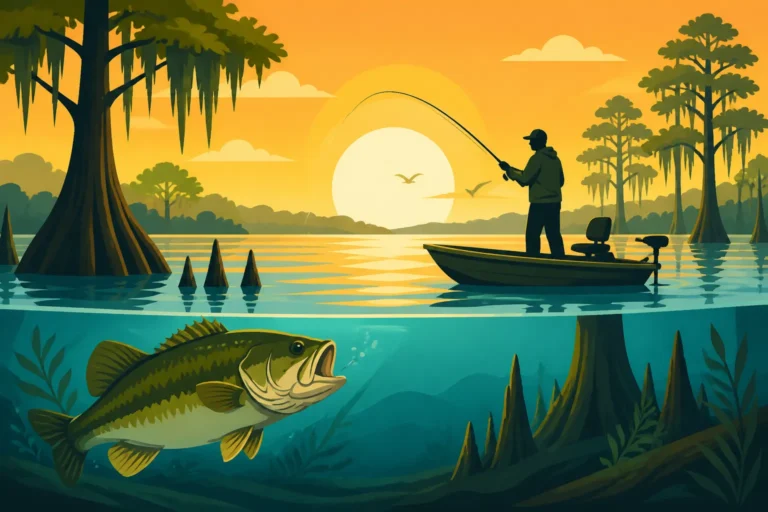
Largemouth Bass: These are the stars of the show for many anglers. They thrive in Old Hickory's abundant shallow cover, especially the hydrilla and milfoil beds, lily pads, and submerged timber. The largemouth here are ambush predators, often hiding in the dense vegetation or around laydowns, waiting for an unsuspecting baitfish or crawfish to pass by. The stained to murky water common in many parts of the lake provides excellent camouflage, making them formidable opponents. You'll find these fish gorging on shad, bluegill, and various invertebrates. The lake's healthy forage base allows them to grow to impressive sizes, making it a popular spot for tournaments. If you're looking for Largemouth Bass Identification Tips for Tennessee Anglers, it's important to remember their distinct dark lateral line and large mouth extending past the eye.
-
Smallmouth Bass: While largemouth dominate the shallow, cover-rich areas, the smallmouth bass in Old Hickory are typically found in deeper, rockier environments, particularly along the main river channel, points, and bluff walls. They prefer clearer water and are often associated with current. These hard-fighting fish are known for their bronze coloration and tend to school up more than largemouth. They feed heavily on crawfish, shad, and other baitfish. Old Hickory is one of the few lakes in Tennessee where you can consistently target both species in good numbers, sometimes even on the same trip! Learning about Smallmouth Bass: Tennessee's Official State Fish can give you even more insight into what makes these bronze beauties tick.
Pinpointing the Best Bass Fishing Areas on Old Hickory Lake
While a single "best" spot is elusive, Old Hickory Lake certainly has areas that consistently outproduce others, depending on the season and conditions. Let's break down the lake into general regions, each with its own character and prime bass haunts.
The Upper Lake: Riverine Sections and Grass Flats
As you move upstream towards the upper end of Old Hickory, the lake takes on more of a riverine characteristic. The water tends to be more turbid, and current can be a significant factor, especially after heavy rains or when power generation is active at the upstream dams.
- Key Features: This section, particularly from the confluence of the Cumberland and Caney Fork rivers down to the Shutes Branch area, is characterized by wide, shallow flats, abundant hydrilla and milfoil beds, and numerous backwater creeks and sloughs.
- Why it's great for bass: The dense grass beds are a largemouth haven. They provide excellent cover, oxygen, and attract a plethora of baitfish. The river current often concentrates baitfish along eddies and current seams, and bass will stack up in these areas for easy feeding. Backwater sloughs and oxbows, cut off from the main current, warm up faster in spring and offer sheltered spawning grounds.
- Prime Spots: Look for the extensive grass flats in areas like Spencer Creek, Barton's Creek, and Bledsoe Creek. The mouths of these creeks, where they meet the main river channel, are transition zones that can hold both largemouth and smallmouth. Any visible current breaks, like submerged humps or old river bends, are also worth investigating. Many anglers exploring these waters might consider booking a trip through a service like FishingBooker to leverage a local guide's intimate knowledge of current conditions and hot spots.
The Mid-Lake: Creek Mouths and Structure
The mid-lake section, roughly from Hendersonville down to the Highway 109 bridge area, offers a fantastic blend of riverine influence and more defined reservoir characteristics. This is often where you find some of the most consistent action.
- Key Features: This area boasts prominent creek arms like Drakes Creek, Station Camp Creek, and Sanders Ferry, all of which have distinct channels, points, and coves. The main lake here features deeper water, more pronounced ledges, and rocky banks, alongside scattered grass beds.
- Why it's great for bass: Creek mouths are always transition zones and superhighways for bass moving between shallow spawning or feeding grounds and deeper wintering or summering holes. The numerous points and pockets within these creeks offer diverse cover, from docks and boat houses to submerged brush piles. The main lake ledges and drop-offs become critical during summer and winter when bass seek stable temperatures and forage.
- Prime Spots: Drakes Creek, particularly its lower end and where it meets the main lake, is a perennial hotspot. Look for bass relating to the deeper channel edges, submerged humps, and any isolated cover within the creek. Station Camp Creek also offers similar opportunities, especially around its bridge crossings and main points. The main lake points around the Hendersonville area, often featuring rock and stumps, can hold good smallmouth and transition largemouth.
The Lower Lake: Main Channel and Riprap
Closer to the dam, the lake becomes deeper and takes on a more traditional reservoir feel. The influence of the Cumberland River current is still present but less dominant, and the main lake becomes the primary feature.
- Key Features: This section is characterized by steep bluff banks, extensive riprap along the dam and bridge causeways, and the deeper main river channel. There are fewer large, shallow creek arms here, but several smaller, steeper pockets and coves exist.
- Why it's great for bass: Smallmouth bass absolutely love the rocky banks and riprap in this part of the lake. They'll cruise these areas, ambushing crawfish and baitfish. The main river channel, with its deep ledges and drop-offs, becomes vital for deep-water bass during the heat of summer and the cold of winter. Any changes in bottom contour, like humps or submerged points extending into the channel, are prime targets.
- Prime Spots: The riprap along the Old Hickory Dam itself and the nearby bridge crossings (like the Vietnam Veterans Boulevard bridge) are fantastic smallmouth spots, especially during cooler months or low light. The deep channel bends and points leading into the channel are also excellent, particularly for vertical jigging or slow-rolling deep crankbaits. While it might be a bit of a drive from some areas, this section offers some distinct advantages. If you're planning a trip focusing on the lower lake, consider researching Boat Ramp Access on Tennessee's Major Lakes to find convenient launching points for this section.
Here's a quick table to summarize these key areas:
| Lake Section | Primary Bass Species | Key Habitat Features | Best Seasons to Target | Common Techniques |
|---|---|---|---|---|
| Upper Lake | Largemouth, Spotted | Grass flats, backwater sloughs, river current | Spring, Fall | Flipping/pitching, frog, spinnerbait, buzzbait |
| Mid-Lake | Largemouth, Smallmouth | Creek mouths, docks, submerged timber, ledges | All Seasons | Cranking, jigging, dropshot, topwater |
| Lower Lake | Smallmouth, Largemouth | Riprap, bluff walls, main channel ledges, deep pts | Winter, Summer | Jigging, dropshot, deep cranking, shaky head |
Seasonal Strategies for Old Hickory Bass
Bass behavior is heavily influenced by water temperature and seasonal changes. What works brilliantly in spring might be useless in summer. Mastering the seasonal movements of bass on Old Hickory is crucial for consistent success.
Springtime Patterns: Pre-Spawn and Spawn
Spring is arguably the most anticipated time for bass anglers on Old Hickory. As water temperatures climb into the 50s and 60s Fahrenheit, bass begin their annual migration from deeper wintering holes to shallower spawning areas.
- Pre-Spawn (Water Temps 48-60°F): This is a feeding frenzy! Bass are packing on calories before the rigors of spawning. They'll stage on points and secondary channels leading into spawning flats, gorging on baitfish and crawfish. Look for them in depths of 5-15 feet, often around transition areas where hard bottom meets softer sediment. Crankbaits, jerkbaits, and lipless crankbaits are fantastic for covering water and triggering reaction strikes. Jigs and shaky heads worked slowly are also deadly for staging fish. This is when you can catch some of the biggest fish of the year. For more detailed insights, check out How to Fish for Bass in Spring.
- Spawn (Water Temps 60-75°F): Once water temperatures reach the low 60s, bass move into the shallowest, protected areas to spawn. This means flats in the backs of creeks, protected coves with some woody cover, and shallow grass beds. Largemouth will build nests in 1-5 feet of water, while smallmouth might favor slightly deeper, rockier pockets. Sight fishing for bedding bass can be effective, but remember to minimize disturbance. Soft plastics like lizards, tubes, and wacky-rigged worms are excellent for enticing spawning bass. This period is often short and intense, offering unique opportunities.
Summer Heat: Deep Water and Night Fishing
When the brutal Tennessee summer heat settles in and water temperatures soar into the 80s, bass change their behavior dramatically. They'll seek refuge in cooler, deeper waters or become most active during low-light conditions.
- Deep Water: Many bass, especially the larger ones, will retreat to the main river channel ledges, deep creek channels, and submerged humps. Depths of 15-30 feet are common. Fish tend to relate to structure, cover (like sunken brush piles), and thermoclines if present. Dropshot rigs, deep-diving crankbaits, Carolina rigs, and heavy jigs are essential tools. Focus on the sharp breaks and irregularities along these deeper structures. Locating schools of baitfish on your electronics is often key, as bass will be nearby. Understanding How to Fish for Bass in Summer Heat can really make a difference on those scorching days.
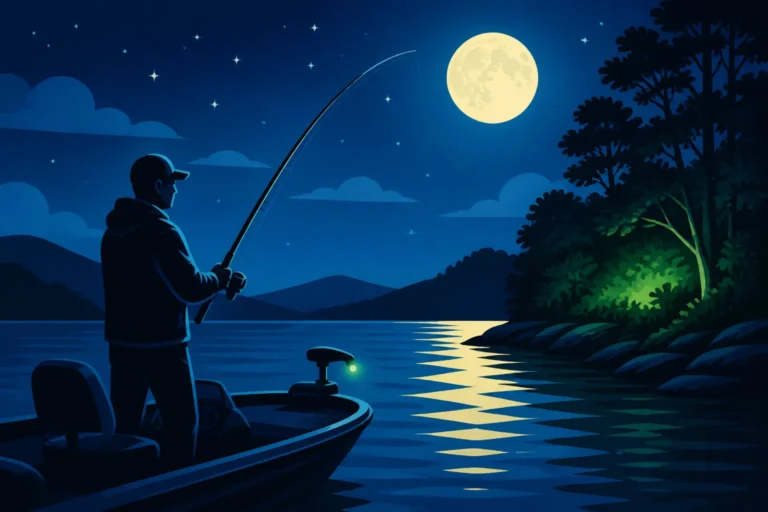
- Night Fishing: This is a fantastic option for Old Hickory in the summer. As the sun sets, bass move shallower to feed under the cover of darkness. Topwater baits like buzzbaits and larger Zara Spooks can be incredibly effective around grass lines and docks. Large worms, jigs, and spinnerbaits worked slowly along shallow cover or secondary points can also produce some monster bites. Don't forget to consider spots like Night Fishing Spots on Old Hickory Lake for a different angling experience.
Fall Transition: Following Baitfish
Fall is a period of transition as water temperatures begin to cool, and bass go on another feeding binge, chasing migrating baitfish.
- Key Patterns: Bass, especially largemouth, will follow schools of shad into the backs of creeks and coves as they migrate. This "chase" can be explosive, with bass busting bait on the surface. Look for active schooling fish and target them with topwater baits, spinnerbaits, and lipless crankbaits. The cooler water also invigorates smallmouth, bringing them shallower onto rocky points and riprap.
- Prime Locations: Focus on creek mouths and the main lake points that intersect with baitfish migration routes. The same grass beds that were hot in spring can reignite in fall as bass feed heavily. The middle sections of the lake, particularly the creek arms, often light up during this period. For a more generalized approach to this season, How to Catch Bass in Fall provides excellent foundational advice.
Winter Challenges: Slow and Deep
Winter fishing on Old Hickory can be tough, but rewarding for those who brave the cold. Bass become lethargic and seek stable temperatures.
- Key Patterns: Most bass will hold in deeper water, often tightly clustered around main river channel bends, deep creek channels, and the deepest parts of major creek mouths. Structure like timber, brush piles, or rock piles in 20-40 feet of water are prime targets.
- Techniques: Slow, methodical presentations are key. Vertical jigging spoons, dropshot rigs, small shaky heads, and blade baits are excellent choices. Don't be afraid to fish extremely slowly. Fish will often bite lightly, so sensitive gear is important. Target days with stable weather, as sudden cold fronts can shut the bite down completely. While it's a specific technique, Winter Bass Fishing Techniques can offer broader guidance for this challenging but rewarding season.
Essential Gear and Techniques for Old Hickory Bass
Having the right tools for the job can make all the difference, especially on a diverse lake like Old Hickory where you might be targeting both shallow largemouth and deep smallmouth.
Top Lures and Baits for Each Season and Area
The variety of bass habitats on Old Hickory means a diverse tackle box is your best friend.
- Shallow Water & Grass (Spring/Fall/Summer Nights):
- Frogs & Toads: For fishing over heavy matted grass. Brands like Spro Bronzeye Frogs or Livetarget Hollow Body Frogs are popular.
- Buzzbaits: For surface strikes in low light or stained water.
- Spinnerbaits: Great for covering water around grass lines, stumps, and docks.
- Flipping & Pitching Jigs/Creature Baits: For penetrating dense cover. Think darker colors like black and blue.
- Wacky-rigged Worms: Incredibly versatile for finicky fish around docks or open pockets in grass.
- If you're looking specifically for those pre-spawn monsters, researching Best Lures for Pre-Spawn Bass Fishing will give you a great starting point.
- Mid-Depth & Structure (All Seasons):
- Crankbaits: Medium-diving crankbaits (Rapala DT-6/DT-10, Strike King KVD 1.5) for covering points, humps, and channel swings.
- Jerkbaits: Especially effective in cooler water for tempting suspended fish.
- Football Jigs/Finesse Jigs: For working rock piles, ledges, and bottom structure.
- Shaky Heads: An excellent finesse presentation for stubborn bass.
- Deep Water & Main Channel (Summer/Winter):
- Deep-diving Crankbaits: For plumbing depths of 15-25 feet or more. Brands like Strike King 6XD or Norman DD22 are mainstays.
- Dropshot Rigs: Unbeatable for presenting a small bait directly to deep, finicky fish.
- Carolina Rigs: For dragging plastics along deep ledges and points.
- Spoons/Blade Baits: Fantastic for vertical jigging on deep structure.
Rods, Reels, and Line Choices
Having the right rod and reel combinations allows you to effectively present your chosen lures and baits.
- Flipping & Pitching (Heavy Cover): A heavy or extra-heavy action baitcasting rod (7' to 7'6") paired with a high-speed reel (7.1:1 or higher) and 15-20 lb fluorocarbon or 50-65 lb braided line. This setup provides the power to pull big fish out of thick stuff.
- Crankbaits & Reaction Baits: A medium-heavy or medium action moderate-fast rod (6'6" to 7'4") with a medium-speed baitcaster (6.3:1) and 10-15 lb fluorocarbon. The moderate action helps with casting distance and keeps fish pinned.
- Finesse & Spinning Gear: A medium-light or medium action fast-tip spinning rod (6'6" to 7') with a 2500-3000 series spinning reel and 6-10 lb fluorocarbon or braided line with a fluorocarbon leader. This is ideal for dropshot, shaky head, and wacky rigs. For those looking to upgrade their arsenal for this specific species, Best Rods for Largemouth Bass could be a valuable resource.
- Line: Fluorocarbon is a favorite for its low visibility and sensitivity. Braided line is excellent for heavy cover and topwater, often with a fluorocarbon leader for stealth. Monofilament still has its place for some topwater and crankbait applications due to its stretch.
Navigating and Finding Fish
Old Hickory is a big lake, and efficient navigation combined with modern electronics can drastically improve your success.
- Boat and Motor: A reliable bass boat or even a smaller Jon boat with a good outboard and a trolling motor is essential for covering water and maneuvering in specific spots. If you're exploring the idea of a guided trip to maximize your time, platforms like FishingBooker can connect you with experienced local captains who already have the perfect setup.
- Electronics: A quality fish finder with GPS capabilities is almost a necessity. Side imaging and down imaging can help you locate submerged structure, brush piles, and schools of baitfish that are invisible to the naked eye. Mapping cards are crucial for understanding contour changes, old creek channels, and identifying hidden spots.
- Shore Fishing Access: While Old Hickory is primarily a boat fishery, there are still good opportunities for bank anglers, especially in certain park areas. Identifying Shore Fishing Access at Old Hickory Lake, Tennessee points can lead to productive outings, though often less diverse than boat fishing.
Before you even think about launching, ensure your Tennessee Fishing License Guide is up-to-date and covers all necessary permits. The TWRA is diligent about conservation, and compliance is easy to ensure through their online portals or local vendors.
Conclusion
Old Hickory Lake is a phenomenal bass fishery, offering a diverse array of opportunities for anglers of all skill levels. While there's no single magic bullet for the "best bass fishing spot," understanding the lake's distinct regions – the current-heavy upper lake with its grass flats, the structure-rich mid-lake with its prominent creek arms, and the deep, rocky lower lake – allows you to adapt your approach to current conditions and seasonal patterns. By focusing on the right areas, employing suitable techniques, and having the appropriate gear, you'll dramatically increase your chances of connecting with Old Hickory's fantastic largemouth and smallmouth bass. Remember, the fish are always moving and adapting, so staying flexible and learning from every trip will be your greatest asset in conquering this magnificent Tennessee waterway.
Disclaimer
Fishing conditions and regulations can change, and this guide is intended for informational purposes only. Always consult the latest regulations from the Tennessee Wildlife Resources Agency (TWRA) before fishing. Exercise caution and practice safe boating habits while on the water.