Best Bass Fishing Spot on Pickwick Lake
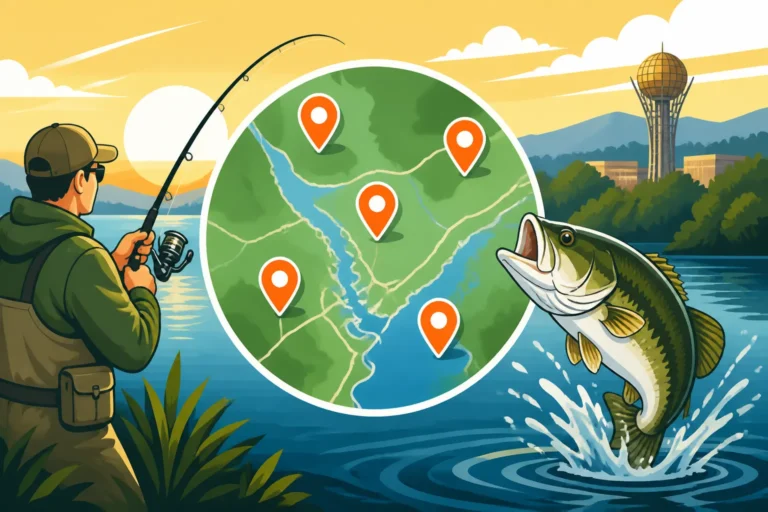
Ah, Pickwick Lake. It's one of those legendary bodies of water in Tennessee that can be both incredibly generous and incredibly frustrating for bass anglers. You hear all the stories about giant largemouth and feisty smallmouth, but when you launch your boat, the sheer size of the lake can make it feel impossible to pinpoint the spot. This guide is here to cut through that overwhelm, helping you understand the prime bass real estate on Pickwick Lake so you can spend less time searching and more time reeling in those lunkers.
Unlocking Pickwick Lake's Bass Fishing Potential
Pickwick Lake, stretching across Tennessee, Mississippi, and Alabama, is a sprawling Tennessee Valley Authority (TVA) impoundment on the Tennessee River. Its diverse aquatic landscape, from deep river channels to expansive shallow flats and countless coves, makes it a premier destination for bass fishing. However, this diversity also means that "the best spot" isn't a single point on a map; it's a dynamic area influenced by current, season, and the specific bass species you're targeting.
What often frustrates anglers, especially those new to Pickwick, is its sheer size and the constant current from the TVA dams. Unlike smaller, more predictable lakes, Pickwick's bass tend to relate heavily to current breaks, natural river features, and the abundant baitfish that thrive in these conditions. Understanding this fundamental aspect is key to unlocking its secrets. We're not just looking for "a spot," we're looking for the conditions that create a hot spot on any given day.
The Influence of Current on Bass Behavior
The Tennessee River current is the lifeblood of Pickwick Lake, and it dictates everything from baitfish movement to bass positioning. When water is being pulled through the dam, whether it's Wilson Dam just upstream or Pickwick Dam itself, bass become incredibly active. They'll position themselves out of the main flow, often behind structure like rock piles, ledges, or submerged timber, waiting to ambush prey that the current sweeps past.
Thinking like a bass in current means looking for seams and eddies. These are areas where the fast water meets slow water, creating a buffet line for opportunistic predators. This could be a shallow point on the main lake, the mouth of a tributary where calmer water meets the river flow, or even the back side of a submerged island. Without current, bass tend to scatter and might relate more to traditional lake structure like brush piles and docks. But with current, they become hyper-focused on those predictable ambush points. Learning to read the current and identify these subtle changes in water flow is paramount to consistent success here.
Understanding Pickwick's Diverse Bass Species
Pickwick Lake is renowned for its fantastic largemouth bass fishery, but it's also a powerhouse for smallmouth bass, especially in the upper reaches near the dam. You'll even encounter spotted bass, which often get confused with smallmouth due to their similar habitat preferences in certain areas. Each of these species, while sharing some common feeding traits, has distinct preferences that influence where you might find "the best spot."
Largemouth bass, with their green coloration and deep body, typically prefer the shallower, more structured areas of the lake. Think submerged timber, thick grass beds (when present), boat docks, and the mouths of creeks. Smallmouth bass, on the other hand, are often found deeper, relating to rocky ledges, gravel bars, and the main river channel. Their bronze coloring helps them blend into these environments. Spotted bass often blend these preferences, sometimes found in deeper rock-oriented areas but also venturing shallower. Knowing which species you're targeting can help you narrow down your search immensely. For a deeper dive into their characteristics, check out our guide on Largemouth Bass Identification Tips for Tennessee Anglers.
Prime Bass Habitats on Pickwick Lake
When we talk about the "best" spots on Pickwick Lake, we're really pinpointing areas that consistently hold high concentrations of bass, particularly during certain conditions or seasons. Pickwick offers a fantastic range of options, from riverine environments to classic reservoir structures.
The Wilson Dam Tailwater and Upstream Rivers
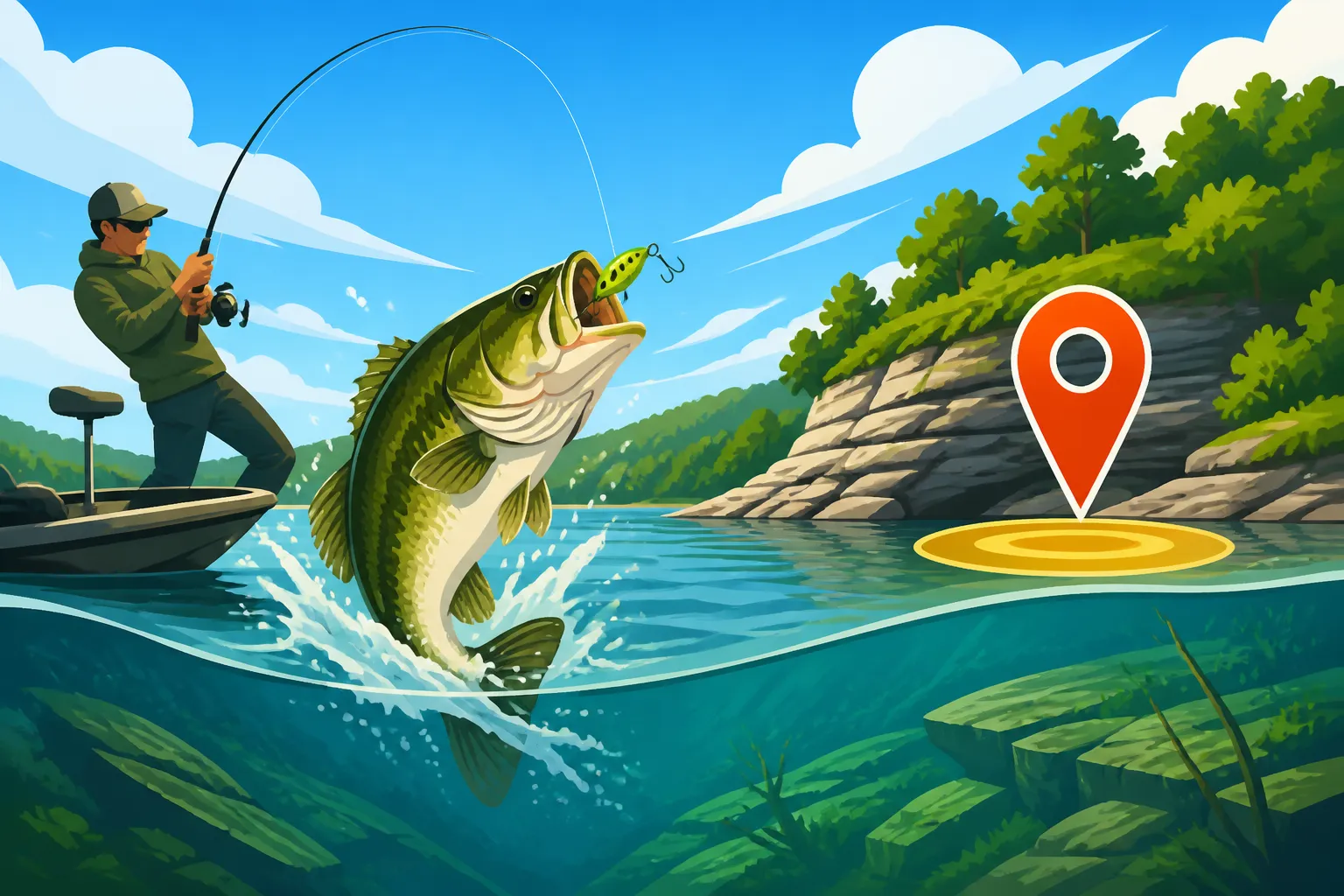
Without a doubt, one of the most productive and consistent areas for bass fishing on Pickwick Lake, especially for trophy smallmouth, is the tailwater section below Wilson Dam and extending upstream into the main Tennessee River towards Florence, Alabama. This area is a world-class fishery. The turbulent, oxygen-rich waters discharged from Wilson Dam create an incredibly fertile environment, drawing in massive schools of baitfish, which in turn attract large numbers of predatory bass.
Anglers often flock to the areas just below the dam itself, fishing the boils and eddies for smallmouth that aggressively feed on stunned baitfish. Further downstream, as the current lessens slightly, the vast flats and numerous rock piles in the Florence and Waterloo areas become excellent targets. These stretches of river are characterized by hard bottoms, submerged rock piles, and deep river ledges. The smallmouth here are notoriously strong and offer an incredible fight. While popular, these spots can be challenging to navigate due to the strong currents and heavy boat traffic, so always exercise caution. You might even consider booking a trip with a local guide through platforms like FishingBooker to learn the nuances of this specific, powerful fishery.
Submerged Structure and River Channels
Beyond the immediate tailwater, the main river channel that winds through Pickwick Lake is a superhighway for bass, especially once you factor in submerged structure. The old Tennessee River channel, now flooded, creates distinct ledges, humps, and drop-offs that bass relate to year-round. These deep-water structures are often overlooked by anglers focused on shallower targets, but they hold immense potential, particularly during the hot summer months or cold winter.
Look for areas where the old river channel swings close to a main lake point or where a creek channel merges with it. These intersections create ideal ambush points. Electronic equipment, like advanced fish finders, becomes absolutely essential here. You'll be looking for baitfish schools, vertical structure like standing timber on the ledges, and individual bass arches. Bass will often position themselves on the upstream side of these humps and ledges, breaking the current, or down in the deeper pockets during colder weather. Understanding these deep-water patterns is a true game-changer on a lake this size. If you're looking to upgrade your electronics, our guide on Best Fish Finders for Tennessee Reservoir Fishing might offer some good insights.
Shallow Flats and Tributary Mouths
While the deep river channel and dam tailwaters are famous, Pickwick Lake also boasts vast shallow flats and numerous tributary mouths that can be incredibly productive for largemouth bass. These areas tend to warm up faster in spring, attracting spawning bass, and provide rich feeding grounds throughout the year.
The mouths of major creeks like Bear Creek and Indian Creek are classic examples. These areas often feature a mix of cover: submerged stumps, boat docks, laydowns, and sometimes even remnants of old hydrilla or milfoil. During the spring, largemouth will push into these creeks and coves for the spawn, making them prime targets. As summer progresses, the bass might move out slightly, but they’ll still stage around the creek mouths, feeding on baitfish moving in and out with the current or reacting to releases from upstream reservoirs. In the fall, baitfish will again push into these shallower areas, drawing bass right behind them. Don't overlook the expansive flats in the lower lake, particularly those with scattered stumps or shell beds, which can hold incredible numbers of feeding bass, especially in lower light conditions.
Here’s a quick overview of key bass locations on Pickwick:
| Location Type | Primary Bass Species | Key Features | Best Seasons | Recommended Lures/Techniques |
|---|---|---|---|---|
| Wilson Dam Tailwater | Smallmouth, Spotted | Strong current, rocky bottom, deep eddies | Year-round, especially when current is high | Hair jigs, swimbaits, jerkbaits, drop-shots, topwater poppers |
| Main River Channel Ledges | Largemouth, Smallmouth | Deep drops, humps, timber, shell beds | Summer, Winter | Deep diving crankbaits, football jigs, swim jigs, Texas rigs |
| Creek/Tributary Mouths | Largemouth | Docks, laydowns, stumps, grass, calmer water | Spring, Fall | Spinnerbaits, ChatterBaits, squarebills, jigs, Texas rigs |
| Shallow Flats/Backwaters | Largemouth | Stumps, scattered grass, isolated cover | Spring, Fall, low light Summer | Topwater frogs, buzzbaits, soft plastics, shallow crankbaits |
Seasonal Bass Strategies for Pickwick Lake
Just like any large reservoir, Pickwick Lake's bass patterns shift dramatically with the seasons. A spot that's red-hot in spring might be completely barren in summer. Knowing how bass behave throughout the year is crucial for consistently finding them. For a general overview of seasonal shifts, our guide on Tennessee Bass Fishing Seasons and Patterns can provide excellent context.
Spring Spawn and Post-Spawn Hotspots
Spring on Pickwick is synonymous with the bass spawn, and it's an incredibly exciting time to be on the water. As water temperatures climb into the 50s and 60s Fahrenheit, largemouth will begin moving from their deeper wintering grounds into shallower bays, coves, and creek arms. This pre-spawn period is when they feed heavily to build energy for spawning. Look for them staging on secondary points, rocky banks, and any submerged cover at the entrance to these shallow areas.
During the actual spawn (typically when water temperatures are in the mid-60s), bass will move onto beds in protected coves, around docks, or near sparse vegetation. The lower lake, with its numerous protected pockets and flats, often sees an earlier and more pronounced largemouth spawn. Post-spawn bass, after the rigors of breeding, can be found recuperating on nearby deeper cover or moving out to the first available deep-water structure to feed aggressively before the summer heat sets in. This is a fantastic time for power fishing with spinnerbaits and crankbaits near cover.
Summer Deep Water and Current Breaks
When the Tennessee summer heat kicks in and water temperatures soar, Pickwick bass generally transition to deeper water, often relating to the main river channel and its associated structures. Current becomes even more critical during this period. Bass will seek out the cooler, more oxygenated water found in deeper areas, especially where current is flowing. This means those submerged ledges, humps, and channel swings become prime real estate.
Anglers often have success "ledge fishing" with deep-diving crankbaits, football jigs, and large Texas-rigged worms. Pay close attention to your electronics to locate baitfish schools, as bass will often be nearby. The tailwater area below Wilson Dam remains a consistent summer producer for smallmouth, as the constant cool water flow keeps them active. Early mornings and late evenings can also see bass push shallower, particularly if there's good current flow, so keep a topwater lure handy.
Fall Transition and Wintering Holes
Fall on Pickwick Lake is a time of transition, often marked by fluctuating water levels and varying temperatures as the days shorten. As the lake cools, baitfish will start to move from deeper water back into the shallower creek arms and flats, and the bass will follow them. This creates a fantastic opportunity for anglers to target active, feeding bass. Spinnerbaits, squarebill crankbaits, and ChatterBaits excel in these conditions as bass chase schools of shad.
Later in the fall and into winter, as water temperatures drop further, bass will typically consolidate in deeper wintering holes. These are often the same deep river channel ledges, submerged timber stands, and creek channel swings they used in summer, but they might be holding tighter to cover or deeper within the contours. Vertical jigging with spoons or slower presentations with jigs and drop shots can be highly effective when bass are lethargic in cold water. Understanding these subtle shifts is key to catching fish when other anglers have packed up for the season.
Essential Gear and Techniques for Success at Pickwick
Having the right tools and knowing how to use them can make all the difference on a dynamic lake like Pickwick. It's not just about throwing a lure; it's about presenting it correctly for the conditions and target species.
Recommended Baits and Lures
Given the diverse nature of Pickwick Lake and its bass species, a versatile tackle box is essential. For the powerful current and smallmouth-rich upper lake, hair jigs, tube baits, and small swimbaits are incredibly effective. Jerkbaits also shine when smallmouth are actively feeding on suspending baitfish. Down in the main lake, targeting largemouth on ledges, deep-diving crankbaits from brands like Strike King and Rapala, football jigs, and large Texas-rigged worms (10-12 inches) are go-tos.
When bass are shallower, especially in spring or fall, squarebill crankbaits, spinnerbaits (1/2 to 3/4 oz with willow blades for flash), and ChatterBaits are highly productive. Topwater lures like walking baits and buzzbaits can be explosive during low light conditions or when bass are feeding aggressively over shallow cover. Always carry a variety of soft plastics, including flukes, senkos, and creature baits, for versatile presentations in various types of cover. Having a few frog lures on hand for those shallow, grassy backwaters is also a smart move, especially in the warmer months. Our guide on Best Lures for Pre-Spawn Bass Fishing can help you stock up for spring.
Utilizing Electronics and Local Knowledge
On a lake as vast and deep as Pickwick, advanced electronics aren't just a luxury; they're almost a necessity for consistently locating bass, especially on those main lake ledges and humps. A good fish finder with side imaging and down imaging capabilities can help you identify subtle changes in bottom contour, locate submerged timber, and even spot individual bass or schools of baitfish. GPS mapping is also crucial for marking productive spots and navigating safely. Brands like Humminbird and Garmin offer excellent units that can drastically improve your efficiency.
However, don't underestimate the power of local knowledge. Talking to anglers at the ramp, visiting local bait shops, or even hiring a local guide for a day can provide invaluable insights into current patterns, recent stocking efforts, and specific hot zones. Websites like FishingBooker can help you connect with experienced local guides who know Pickwick like the back of their hand. They can teach you subtleties about fishing the current or navigating specific sections that you simply can't learn from a map. Even with the best electronics, a seasoned eye for interpreting what you see on the screen and relating it to the water conditions is paramount.
Boat and Trolling Motor Setup
Given the size and sometimes strong currents of Pickwick Lake, a well-equipped boat is a major asset. A stable bass boat with a powerful outboard motor is ideal for covering vast distances quickly. However, smaller jon boats or even kayaks can be highly effective in the protected creeks and shallower areas. For those targeting the major reservoirs, our piece on Best Fishing Boats for Tennessee's Big Reservoirs offers some great options.
A reliable trolling motor with GPS-controlled spot-lock features is almost indispensable. This allows you to hold your position precisely on a deep ledge in current or quietly work a shallow bank without constantly wrestling with the boat. Brands like Minn Kota and Garmin offer trolling motors that integrate seamlessly with your fish finders, allowing for efficient navigation and precise boat control, which is key to working those "best spots" effectively.
Final Thoughts on Pickwick's Bass Fishing
The idea of a single "best bass fishing spot" on Pickwick Lake is a bit of a myth because the lake is so dynamic. Instead, it's about understanding the types of spots that consistently hold bass, knowing how they change with the seasons and current, and having the right gear and techniques to target them. Whether you're chasing monster smallmouth in the powerful tailwaters below Wilson Dam or working the docks and laydowns for hefty largemouth in the lower lake, Pickwick offers an incredible experience. It demands adaptability, patience, and a willingness to learn its nuances, but the rewards are absolutely worth the effort.
Disclaimer
Fishing conditions and regulations can change. Always check the latest Tennessee Wildlife Resources Agency (TWRA) regulations before heading out on Pickwick Lake to ensure you have the correct licenses and are aware of any updated limits or specific area restrictions. Stay safe and always prioritize responsible angling practices.