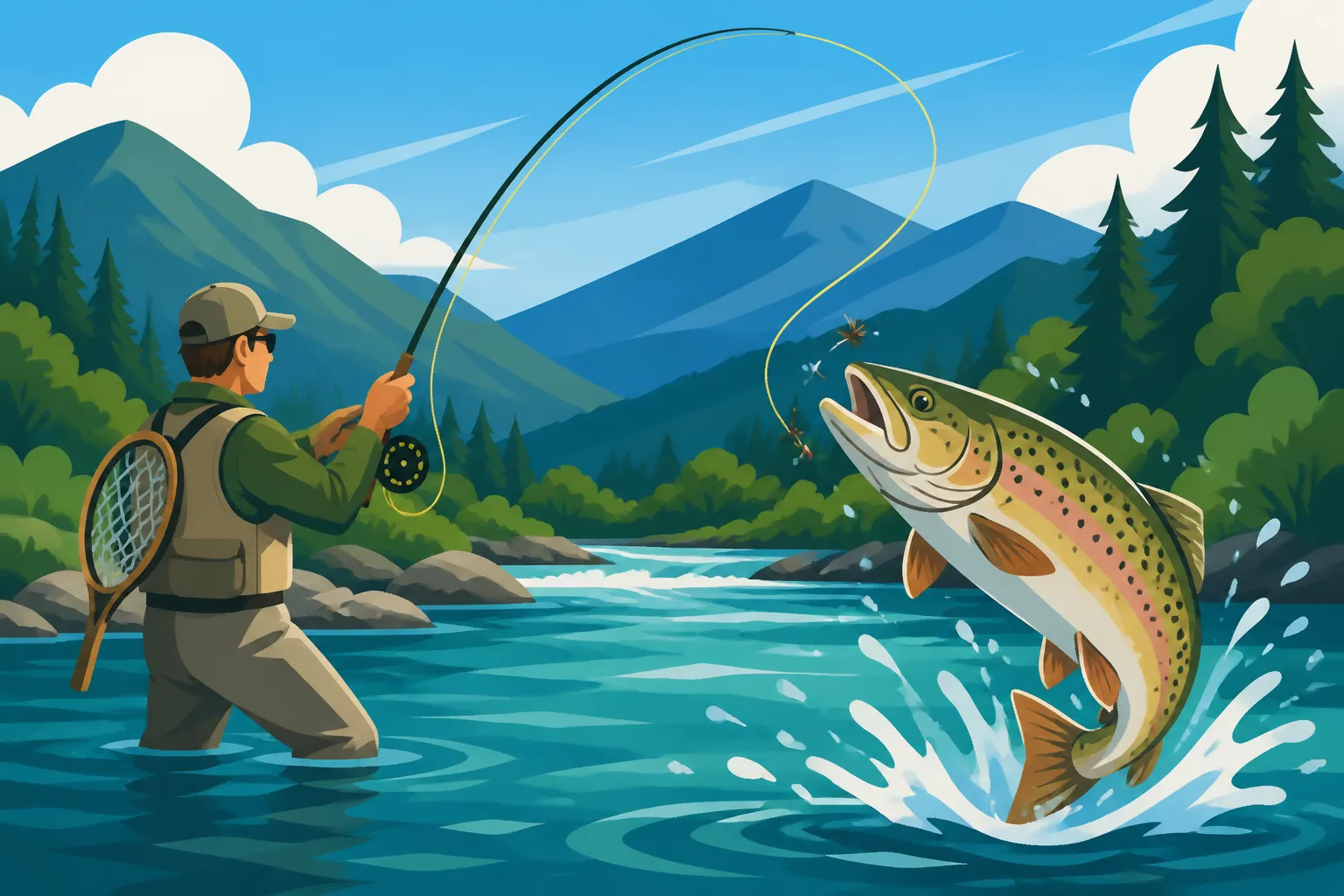
Hiwassee River Fishing Guide
The Hiwassee River, a true gem of East Tennessee, offers some of the most diverse and rewarding fishing experiences in the state. However, its dynamic nature, influenced by dam releases and varying water levels, can often leave anglers scratching their heads about when and where to cast a line. This comprehensive guide is designed to cut through that confusion, giving you the insider knowledge you need to confidently tackle the Hiwassee and land some truly memorable fish.
Unraveling the Hiwassee River: A Tailwater Paradise
The Hiwassee River isn't just any river; it's a tailwater fishery, meaning its flows are largely dictated by the Apalachia Dam. This dam, part of the Tennessee Valley Authority (TVA) system, releases cold, oxygenated water from the bottom of the reservoir, creating an ideal habitat for trout downstream. This consistent cold water is what transforms parts of the Hiwassee into a premier trout destination, a stark contrast to many of Tennessee's warmer reservoirs.
The Influence of Apalachia Dam Operations
Understanding the TVA's dam release schedule is absolutely crucial for fishing the Hiwassee. When the generators at Apalachia Dam are running, the river can swell significantly, becoming a powerful, fast-moving torrent that is nearly impossible to wade and challenging to navigate even by boat. These "generation" periods often last several hours and can completely change your fishing plans.
Conversely, during periods of no generation, the river can drop to remarkably low levels, exposing rocks and making wading much more feasible. These low-flow periods are often when fly anglers find their sweet spot, able to access prime runs and riffles that are otherwise submerged. Always check the TVA's generation schedule for Apalachia Dam before you head out, as this will dictate your approach for the day. Trying to fish a high-flow river with low-flow tactics is a recipe for frustration and potentially unsafe conditions.
Diverse River Sections and Their Charms
The Hiwassee River actually offers quite a range of environments as it flows downstream. The upper sections, immediately below Apalachia Dam, are characterized by their cold, fast-moving water, which is prime trout habitat. Here, you'll find classic riffles, runs, and deep pools that hold abundant rainbow, brown, and even some wild brook trout. This is where most serious trout anglers focus their efforts, often sight-fishing or drifting nymphs.
Further downstream, as the river picks up more tributaries and begins to warm slightly, the ecosystem transitions. While trout can still be found, especially in cooler pockets, you'll start to encounter warmwater species like smallmouth bass, redeye bass, and even some striped bass, particularly closer to its confluence with the Tennessee River. This natural progression means you can tailor your Hiwassee adventure to the species you most want to target, simply by choosing your section of the river wisely. This varied environment is part of what makes the Hiwassee so captivating for anglers of all stripes.
The Trophy Fish of the Hiwassee: What to Target
When people talk about fishing the Hiwassee, their minds almost immediately jump to trout, and for good reason! The river's cold, consistent flows make it an exceptional environment for a thriving trout population. However, that's not the whole story. Depending on which section of the river you're exploring, you'll find a surprising array of other game fish that offer their own unique challenges and rewards.
The Allure of Trout: Rainbow, Brown, and Brookies
The Hiwassee River is primarily known as a spectacular trout fishery, home to healthy populations of rainbow, brown, and even some elusive brook trout. The Tennessee Wildlife Resources Agency (TWRA) actively manages these fisheries, regularly stocking rainbow trout to supplement the natural reproduction. These stocked fish provide consistent action, especially for newer anglers or those looking for a high-volume catch day. If you're wondering about the best times, our guide on the Tennessee Trout Fishing Season Explained provides a fantastic overview.
Brown trout, on the other hand, are often the target for those seeking a true trophy. These intelligent fish are known for their beautiful coloration and their notoriously picky eating habits, making them a challenging but incredibly rewarding catch. While less common, wild brook trout, Tennessee's only native trout species, can sometimes be found in the colder, smaller tributaries that feed into the Hiwassee, especially upstream. Catching a brook trout is always a special experience, a nod to the wild heritage of these mountain streams. Be sure to check the specific Tennessee Trout Limits and Season Rules before heading out, as these can vary.
| Species | Primary Habitat | Typical Size | Fishing Challenge | Notable Characteristics |
|---|---|---|---|---|
| Rainbow Trout | Upper Hiwassee, riffles, runs | 10-18 inches | Moderate | Aggressive feeders, readily take various baits/lures |
| Brown Trout | Upper Hiwassee, deeper pools, undercut banks | 12-24+ inches | High | Wary, opportunistic predators, often nocturnal |
| Smallmouth Bass | Middle to Lower Hiwassee, rocky areas, current | 10-16 inches | Moderate | Hard fighters, prefer moving water, often jump |
| Striped Bass | Lower Hiwassee, deeper sections, open water | 20-40+ inches | High | Powerful, schooling fish, migratory, feed on baitfish |
| Redeye Bass | Middle Hiwassee, rocky shoals, clear water | 6-12 inches | Low-Moderate | Feisty for their size, great on light tackle |
Beyond Trout: Smallmouth, Stripers, and More
While trout are the undeniable stars of the upper Hiwassee, venture further downstream, and you'll discover a whole new world of angling opportunities. The mid to lower sections of the river, where the water warms slightly and the flow often broadens, become prime territory for smallmouth bass. These bronze beauties are renowned for their aggressive strikes and acrobatic fights, making them a favorite among many anglers. They love rocky structures, current seams, and areas with plenty of submerged cover, mirroring the conditions found in many of Tennessee's best bass rivers.
Additionally, particularly closer to the Hiwassee's junction with the larger Tennessee River system, you can encounter striped bass. These powerful fish are formidable opponents, often growing to impressive sizes and providing a brutal fight. They are typically found chasing schools of baitfish in deeper sections or around river bends. Don't be surprised to hook into a redeye bass (also known as Coosa bass) in the rocky, clearer stretches, either. These smaller, feisty bass are a blast on light tackle. Anglers looking for a broader understanding of what the state has to offer might check out our guide on A Complete Guide to Tennessee Bass Species.
Mastering the Seasons: When to Fish the Hiwassee for Success
Just like any great fishing destination, the Hiwassee River has its prime windows and seasons, and understanding them is key to a successful outing. The dynamic nature of the river, especially the fluctuating water levels from dam releases, means that what works in one month might be entirely different in the next. Being adaptable and knowing what to expect can truly make or break your trip.
Spring: Hatch Matching and High Flows
Spring on the Hiwassee River is a time of renewal and often, significant challenge. As snow melts and spring rains fall, the TVA often increases generation at Apalachia Dam, leading to higher, faster flows. For trout anglers, this means adjusting tactics dramatically. Wade fishing becomes difficult, if not impossible, and drifting from a boat or kayak often becomes the preferred method. Despite the high water, spring also brings prolific insect hatches, especially Caddis and Stoneflies, making it an exciting time for fly anglers willing to brave the conditions. Matching the hatch during these periods can lead to incredible action.
For smallmouth and striped bass in the lower sections, spring sees them becoming more active as water temperatures rise, moving into shallower areas to feed and eventually spawn. Early spring can be excellent for pre-spawn bass, as they gorge themselves before the spawn. Later in spring, as flows stabilize and temperatures become more consistent, these species become more predictable, offering great opportunities for both bait and lure fishermen. Keep an eye on local conditions, and remember that adaptability is your best friend during this transitional season.
Summer: Low Water and Early Morning Magic
Summer on the Hiwassee often presents a different scenario. While dam releases can still occur, particularly during peak electricity demand, there are often more prolonged periods of low flow, especially in the mornings and evenings. This is prime time for wade fishing the upper trout sections. The lower water levels expose more of the riverbed, allowing anglers to meticulously pick apart runs, riffles, and pools. Early mornings and late evenings are generally the most productive for trout, as the sun gets high in the sky, they tend to seek deeper, cooler water and become more sluggish. This is also when you'll see a lot of dry fly action, with terrestrials and various mayfly hatches making an appearance.
For warmwater species downstream, the summer heat can make midday fishing tough, just like everywhere else in Tennessee. Early morning and late evening bites are usually best, with fish retreating to deeper, cooler oxygenated water or shady cover during the brightest parts of the day. Trolling or deep-diving crankbaits can be effective for striped bass in the lower river, while smallmouth will hold tight to current breaks and structure. If you're considering a summer trip, understanding the Tennessee Trout Stocking Schedule and Season might help you plan around recent stockings.
Fall and Winter: Fewer Crowds and Consistent Fishing
Many experienced Hiwassee anglers consider fall and winter to be the hidden gems of the fishing calendar. The cooler temperatures bring fewer crowds, and the fishing can be incredibly consistent, especially for trout. Fall brings vibrant foliage and often stable water flows, creating ideal conditions for both fly and spin fishing. Trout are actively feeding, preparing for winter, and can be quite aggressive. Streamer patterns become highly effective, imitating the larger baitfish that trout key in on.
Winter, while cold, can offer some of the best fishing for determined anglers. Low, clear water conditions are common, making stealth and precise presentations crucial. Nymphing techniques often excel during these months, as trout are less willing to move far for a meal. For warmwater species, the fishing slows down considerably in the coldest months, but the biggest smallmouth and striped bass can still be caught by anglers willing to put in the time and adjust to slower retrieves and deeper presentations. This period is a great time to truly explore the river's character without the summer hustle.
Tactics and Tackle: Your Hiwassee River Arsenal
Approaching the Hiwassee River requires a thoughtful selection of tactics and tackle, largely because of its dual nature as both a cold-water trout haven and a warmwater fishery further downstream. What works wonders for a picky brown trout won't necessarily entice a hard-fighting smallmouth, and vice-versa. Having the right gear and knowing how to employ it will significantly boost your success and enjoyment on this unique waterway.
Fly Fishing and Spin Fishing for Trout
For trout on the upper Hiwassee, fly fishing is often considered the purest form of angling, and the river offers incredible opportunities for it. Nymphing is perhaps the most consistent technique, especially during higher flows or when fish are holding deep. Patterns like Pheasant Tails, Hare's Ears, and Prince Nymphs in various sizes are essential. During low water and active hatches, dry fly fishing can be phenomenal, with Caddis, Sulphurs, and various Mayfly imitations drawing exciting topwater strikes. Don't forget streamers like Woolly Buggers or Clouser Minnows for aggressive trout, especially larger brown trout. If you're new to this, a primer on Fly Fishing Basics for Trout would be a great start.
Spin fishing for trout on the Hiwassee can be equally productive. Light to ultralight spinning rods (5-7 feet) paired with small reels spooled with 4-6 lb test line are ideal. Small inline spinners (like Panther Martins or Mepps), tiny crankbaits, and drifted baits like corn, powerbait, or worms under a float can all produce excellent results. When flows are low, careful presentation is key, while higher flows might demand heavier lures to get down to the fish. Remember to always check local bait regulations, as some sections might be artificial lure only.
Lures and Baits for Warmwater Species
When you shift your focus to the smallmouth, striped bass, and redeye bass in the middle and lower Hiwassee, your tackle box will need a different set of tools. For smallmouth, a medium-light to medium action spinning or baitcasting rod (6'6" to 7') with 6-10 lb fluorocarbon or monofilament line is a versatile setup. Top choices include crankbaits that mimic baitfish or crawfish, soft plastic tubes and grubs fished on jig heads, spinnerbaits, and small jerkbaits. These fish are aggressive, and often a fast retrieve or twitching action will trigger a strike.
Striped bass, being much larger and more powerful, require heavier gear. A medium-heavy spinning or casting rod (7-8 feet) with 15-30 lb braided line is recommended. Large swimbaits, bucktail jigs, umbrella rigs, and big topwater lures are effective. Live bait, such as shad or large shiners, can also be deadly for stripers, especially when presented near structure or in deeper holes. For those interested in expanding their gear knowledge, consider checking out Best Rods and Reels for Tennessee Smallmouth Bass. Finding the right setup for the species you target makes a world of difference.
The Art of Kayak and Wade Fishing
The Hiwassee River is a dream destination for both kayak and wade fishing, each offering distinct advantages. Wade fishing is particularly popular in the upper trout sections during low-flow periods. It allows anglers to move stealthily, access difficult-to-reach pockets, and often get closer to the fish. Essential gear for wading includes sturdy waders, felt-soled or studded wading boots for grip on slippery rocks, and a reliable wading staff for balance and safety, especially when current is present. Always test your footing before taking a step.
Kayaks and canoes, on the other hand, unlock the entire river. They are indispensable for covering longer stretches, accessing areas unreachable by foot, and navigating during moderate to high flows. A stable sit-on-top kayak equipped for fishing, perhaps with rod holders and an anchor system, is an excellent choice. When fishing from a kayak, you can effectively drift bait, troll small lures, or cast to bankside structure. Even during high generation, kayaks can be launched in calmer sections or backwaters to fish calmer eddies. Many anglers find it helpful to consult resources like Best Kayak Fishing Gear for Tennessee Anglers for specialized advice.
Navigating the Hiwassee: Access, Regulations, and Local Insights
One of the great joys of fishing the Hiwassee River is its accessibility, but knowing where to go and understanding the rules that govern the water can save you a lot of time and potential headaches. This river isn't just about the fish; it's about the entire experience, from finding the perfect launch point to appreciating the unique local environment.
Public Access Points and Boat Ramps
The Hiwassee River offers several well-known public access points, making it relatively easy for anglers to get on the water. The most popular spots are often associated with state parks or designated wildlife management areas. For example, the Hiwassee/Ocoee Scenic River State Park, particularly near Delano and Benton, provides excellent access for both wade fishing and kayak/canoe launches. You'll find designated parking areas and reasonably maintained paths down to the river.
Further downstream, other public and private access points exist, but they might require a bit more local knowledge or a quick scout on a map. When planning your trip, always look for established boat ramps or put-in/take-out points, especially if you're planning a float trip. Some of the smaller, more remote access points might be suitable for kayaks but challenging for larger boats. Online mapping tools are invaluable for identifying these spots, and checking with local bait shops or guide services can often yield the most up-to-date information on current conditions and preferred access points. For those wanting a broader view of other productive locations, exploring a Hiwassee River Fishing Guide or similar resources can offer additional insights into prime locations along the river.
Understanding Hiwassee-Specific Regulations
While many general Tennessee fishing regulations apply to the Hiwassee River, it's absolutely vital to be aware of specific rules that govern this particular tailwater. The TWRA often implements special regulations for designated trout streams to protect and enhance these valuable fisheries. This can include specific tackle restrictions (e.g., artificial lures only, single-hook only), size limits that differ from statewide averages, and even different daily creel limits for certain species or sections of the river. You can always refer to the general Tennessee Fishing Regulations Explained for state-wide rules, but always double-check the special regulations for the Hiwassee.
For instance, the river may have sections designated as "Seasonal Trout Streams" with specific fishing periods, or "Year-Round Trout Streams" with year-round fishing but potentially stricter catch-and-release rules or specific bait prohibitions. Penalties for fishing without a license or violating these regulations can be significant, so knowing the rules is not just good practice, it's mandatory. Before your trip, grab a copy of the current TWRA Fishing Guide or visit their website; it's the official word. And of course, remember that anyone 13 years or older generally needs a valid Tennessee Fishing License Guide.
Local Expertise and Guided Trips
For those unfamiliar with the Hiwassee or looking to maximize their experience, tapping into local expertise is an invaluable strategy. The river's ever-changing flows and diverse fishing opportunities mean that guides who spend their lives on these waters possess a deep understanding of current conditions, hot spots, and effective techniques. A guided trip can fast-track your learning, teaching you how to read the water, identify fish-holding structure, and select the right flies or lures for the day.
Many excellent local guides operate on the Hiwassee, specializing in anything from fly fishing for trophy brown trout to spin fishing for smallmouth. Services like FishingBooker can connect you with experienced Hiwassee River guides who know the ins and outs of this fishery. They can provide all the necessary gear, safe transportation, and invaluable instruction, making your trip stress-free and productive. Even if you're an experienced angler, a day with a local guide can reveal nuances of the river you might never discover on your own, enriching your overall experience significantly. They're often the first to know about recent trout stockings, special access considerations, or subtle changes in fish behavior due to weather or water levels.
Disclaimer
Please note that fishing regulations and conditions can change frequently. Always consult the latest Tennessee Wildlife Resources Agency (TWRA) regulations before heading out on the water. This guide is for informational purposes only and should not replace official sources or professional advice. Fishing inherently carries risks; always prioritize safety.