Clinch River Trout Fishing in East Tennessee
Trying to navigate the incredible world of trout fishing in East Tennessee can feel a bit overwhelming, especially when you hear whispers about the legendary Clinch River. You might be wondering if it lives up to the hype, what you need to know before you go, and how on earth to actually catch one of those beautiful fish. This comprehensive guide is here to demystify Clinch River trout fishing, providing you with everything from understanding the unique ecosystem to mastering the right techniques and finding the best spots.
The Unique Appeal of Clinch River Trout Fishing
The Clinch River, particularly below Norris Dam, isn't just another pretty stream; it's a world-renowned tailwater fishery that offers an unparalleled trout fishing experience in the Southeast. Anglers from all over flock to its cool, clear waters, drawn by the promise of robust trout populations and a picturesque setting that feels a million miles away from the hustle and bustle. But what exactly makes this stretch of river so special? It boils down to its unique geological and operational characteristics.
Tailwater Fishery Dynamics
A tailwater fishery is essentially the section of a river directly downstream from a dam. In the case of the Clinch River, the Norris Dam is the key player. This dam releases cold, oxygen-rich water from the bottom of Norris Lake, which is precisely what trout need to thrive. Unlike freestone streams that rely solely on rainfall and snowmelt, a tailwater's flow and temperature are regulated by human intervention. This controlled environment creates incredibly stable conditions for trout, fostering healthy growth rates and supporting dense populations.
However, this regulation also means that water levels can fluctuate dramatically and unexpectedly. The Tennessee Valley Authority (TVA) manages the water releases, and these can change from very low flows suitable for wading to high flows that are only safe for experienced boat anglers. One minute you might be wading comfortably, and the next, the water could be rising rapidly. This is a critical factor for safety and fishing strategy. Always check the TVA generation schedule before heading out, as ignoring it could put you in a dangerous situation. These consistent, cool water temperatures, even during the scorching Tennessee summers, are what truly set the Clinch apart, making it a viable trout destination year-round.
Year-Round Opportunity and Stable Temperatures
Many trout streams in Tennessee become too warm for trout in the summer, forcing anglers to chase other species or travel to higher elevations. Not so with the Clinch River. Thanks to those deep, cold water releases from Norris Dam, the river maintains ideal trout temperatures throughout the year. This means you can plan a trout fishing trip in January, July, or October and still expect excellent conditions. The consistency of the water temperature supports a stable aquatic insect population, which in turn provides a constant food source for the trout.
This year-round opportunity is a huge draw, but it also means that the fishing pressure can be pretty consistent too. Don't expect to have the river entirely to yourself, especially on weekends or holidays. However, the sheer size and length of the fishable section of the Clinch River mean that if you're willing to explore a bit, you can still find solitude and unpressured fish. The stable environment also allows trout to grow quite large, making it a prime destination for those hoping to land a true trophy.
Understanding the Clinch River's Trout Species
When you're casting lines into the Clinch, you're primarily going after one of two main trout species, with a rare bonus appearance now and then. Knowing what you're targeting helps you select the right gear and techniques, and gives you a better appreciation for the fish you're catching. The Tennessee Wildlife Resources Agency (TWRA) actively manages these populations, ensuring a vibrant fishery for all. If you're looking for more general information on how the seasons affect these species, you'll find a lot in a guide about the Tennessee Trout Fishing Season Explained.
Rainbow Trout: The Abundant Stocked Favorite
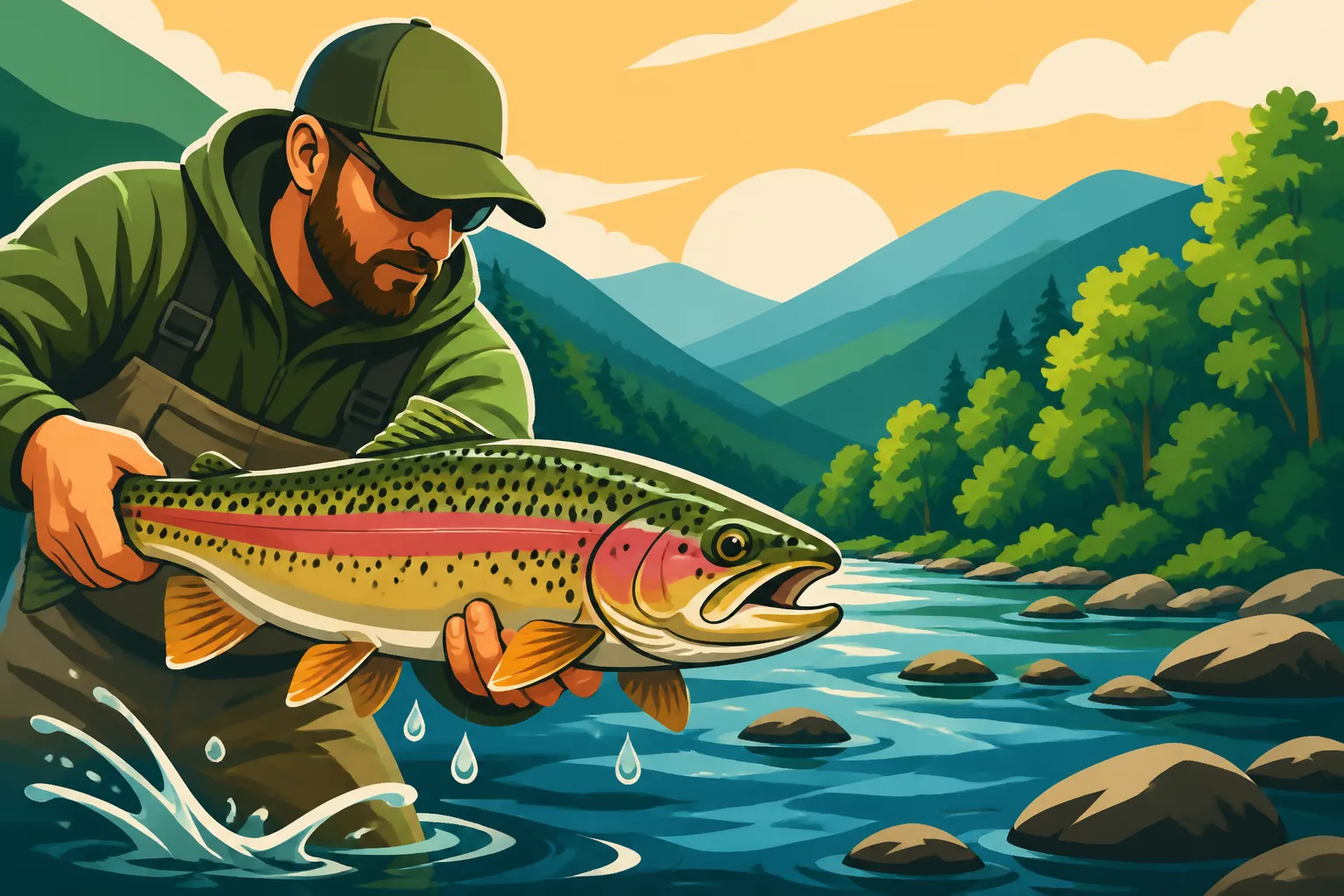
Rainbow trout are the most commonly encountered species in the Clinch River, primarily due to the TWRA's extensive stocking program. These beautiful fish, with their iridescent pinkish-red stripe along their sides, are strong fighters and readily take a variety of baits and lures. They adapt well to the tailwater environment and grow quickly, providing plenty of action for anglers. You'll often find them congregating in areas with good current and oxygen, especially where food sources are abundant.
When freshly stocked, rainbow trout can be quite aggressive, making them a fantastic target for beginners or those looking for consistent hook-ups. As they become acclimated to the river, they often become a bit warier, developing more natural instincts. You'll find these 'holdover' rainbows growing to impressive sizes, offering a real challenge. Their diet is varied, consuming everything from aquatic insects to small baitfish, which means they can be caught using a wide array of techniques, from fly fishing with nymphs and emergers to spin fishing with small inline spinners or PowerBait. For a comprehensive look at where these fish are introduced, check out Where TWRA Stocks Rainbow Trout in Tennessee.
Brown Trout: The Elusive Trophy
While less numerous than rainbows, brown trout are the prized catch for many Clinch River anglers. Known for their distinct golden-brown flanks, red spots with pale halos, and often more aggressive predatory nature, browns tend to be more elusive and challenging to catch. They are known to grow much larger than rainbows in the Clinch, with trophy-sized fish often lurking in deeper pools and undercuts. Brown trout are also less tolerant of warmer water, making the Clinch's consistently cool temperatures an ideal habitat for them.
Brown trout are famous for their wariness and often prefer to feed during low light conditions, such as dawn, dusk, or even at night, especially the larger specimens. They have a more carnivorous diet, frequently preying on smaller fish, sculpins, and larger invertebrates. This makes them excellent targets for streamer patterns on a fly rod or larger minnow-imitating lures for spin anglers. Landing a mature Clinch River brown trout is considered a significant accomplishment, a true testament to an angler's skill and patience. Be sure to be aware of the special provisions around these fish; you can learn more about How Tennessee's Brown Trout Limit Works During Trout Season.
Occasional Brook Trout Sightings
While not a primary target species in the Clinch River, there are occasional, though rare, sightings of brook trout. These native Southern Appalachian char are typically found in much colder, higher-elevation mountain streams, like those you might find covered in the Best Trout Streams in the Great Smoky Mountains, Tennessee guide. Their presence in the Clinch is usually due to them migrating downstream from smaller, colder tributaries that feed into the main river system.
Catching a brook trout in the Clinch is often a delightful surprise. They are easily identified by their distinctive worm-like markings (vermiculations) on their backs, red spots with blue halos, and white leading edges on their lower fins. If you're lucky enough to encounter one, it's generally best to admire its beauty and release it carefully, as they are a more sensitive species and not part of the regular stocking program in the main stem of the Clinch.
Essential Gear and Techniques for Clinch River Success
Fishing the Clinch River effectively requires understanding the nuances of both fly fishing and spin fishing, as well as knowing when and where to deploy different strategies. It's not a one-size-fits-all fishery; adapting your gear and approach to the current water conditions and target species is key to success.
Fly Fishing: Dry Flies, Nymphs, and Streamers
Fly fishing is arguably the most popular method on the Clinch River, and for good reason. The river's abundant insect life, combined with its clear waters, makes it an ideal environment for presenting artificial flies. You'll need a good quality 4 to 6-weight fly rod, paired with a matching reel and floating line. A variety of leaders and tippets, ranging from 4x to 6x, will cover most situations. For those new to the sport, exploring Fly Fishing Basics for Trout can offer a great starting point.
- Dry Flies: When trout are actively feeding on the surface, or "hatching," dry flies are incredibly exciting to use. You'll often see this during spring and fall, or on warmer days when insects like midges, caddis, and sulfurs are emerging. Matching the hatch is crucial here; observe what insects are flying around and floating on the water, and try to select a fly that mimics them in size, shape, and color. Presenting a dry fly delicately upstream of a feeding fish, allowing it to drift naturally, can lead to explosive strikes. Popular patterns include Parachute Adams, Elk Hair Caddis, and various midge imitations.
- Nymphs: By far the most productive method for fly fishing the Clinch, nymphing involves drifting subsurface imitations of insect larvae and pupae along the river bottom. Trout spend the vast majority of their time feeding below the surface, making nymphs a go-to choice year-round. You'll want an assortment of weighted nymphs like Pheasant Tail, Hare's Ear, Zebra Midges, and Copper Johns in various sizes (from tiny #20 midges to larger #12 stoneflies). A common setup involves using a strike indicator to detect subtle bites and split shot to get your flies down to the fish's feeding lane. Getting the depth and drift just right is key to convincing a Clinch River trout to take your offering. If you're looking for guidance, you can always seek out a professional guide through platforms like FishingBooker who specialize in Clinch River nymphing.
- Streamers: For targeting larger, more predatory brown trout, streamers are the weapon of choice. These flies imitate baitfish, sculpins, and other larger prey. Stripping streamers through deeper pools, around submerged structure, or along current seams can provoke aggressive strikes from trophy fish. Clouser Minnows, Woolly Buggers, and other baitfish patterns in olive, black, or white colors are effective. This method is often most productive when the water is slightly off-color or during low-light conditions, as it appeals to the trout's instinct to hunt. Knowing Best Fly Patterns for Stocked Trout can also enhance your success rate.
Spin Fishing: Lure Selection and Presentation
Don't let the fly fishing purists tell you otherwise – spin fishing can be incredibly effective on the Clinch River, especially for rainbow trout. It's often a more accessible entry point for beginners, but experienced spin anglers can also consistently put fish in the net. A lightweight spinning rod (6 to 7 feet long) with a fast action, paired with a small spinning reel spooled with 4-6 lb test monofilament or fluorocarbon line, is ideal. For more options on equipment, consider checking out guides like Best Spinning Reels for Tennessee Trout Streams.
- Inline Spinners and Spoons: These are classic trout catchers. Brands like Mepps, Rooster Tail, and Panther Martin produce inline spinners that shimmer and vibrate as you retrieve them, mimicking small baitfish or insects. Small spoons, such as Kastmasters or Little Cleos, also work well, especially in faster current or when you need to cast a bit further. The key is to retrieve them at a speed that allows the blade or spoon to flutter enticingly without twisting your line excessively. Experiment with different colors and sizes to see what the fish are keying in on that day.
- Soft Plastics and Baits: For stocked rainbows, prepared baits like PowerBait (in various colors and shapes like nuggets or worms) or Gulp! Trout Bait can be incredibly effective. Rig these on a small hook (size 10-14) under a light split shot or a small bobber, allowing them to drift naturally in the current. Small soft plastic grubs or worms, especially those with some glitter, can also be deadly when fished on a tiny jig head or under a bobber. Focus on presenting these baits in slower eddies, current seams, or near submerged cover where trout might be holding.
- Minnow Imitations: For more aggressive trout, particularly brown trout or larger rainbows, small jerkbaits or crankbaits that mimic minnows can be very productive. Rapala countdowns or similar lures in natural baitfish colors can be fished by casting across current and retrieving with a twitch-and-pause motion. This technique often provokes a reaction strike from otherwise finicky fish. Learning about Best Lures for Stocked Rainbow Trout can also provide valuable insights.
Wading vs. Boat Fishing Strategies
The Clinch River offers both wading and boat fishing opportunities, and understanding when to use each can significantly impact your success and safety.
- Wading: When water levels are low (typically during non-generation periods from Norris Dam), wading can be an incredibly rewarding experience. It allows for stealthy approaches to fish, the ability to target specific runs and pockets, and a more intimate connection with the river. You'll need good quality waders (chest waders are recommended) and studded wading boots for grip on the slippery rocks. Always check the TVA generation schedule before wading, and be aware of your surroundings. If the water starts to rise, head to shore immediately. Wading can be particularly effective in the upper sections closer to the dam, where the river is narrower.
- Boat Fishing: When generation is occurring and water levels are higher, boat fishing becomes the primary, and often only, safe and effective method. Drift boats, rafts, or small jon boats with powerful trolling motors are commonly used. This allows anglers to cover significant stretches of river, access deeper holes, and fish areas that are inaccessible from the bank or by wading. Many local guides operate drift boat trips, offering a safe and efficient way to navigate the changing water conditions. If you're considering a guided trip, FishingBooker can help you find experienced guides who know the Clinch like the back of their hand. Boat fishing is especially effective for covering broad stretches, hitting deep current seams, and presenting streamers or larger lures to hungry trout.
| Feature | Fly Fishing | Spin Fishing |
|---|---|---|
| Primary Target | All trout species, especially wary browns | Stocked Rainbows, active browns |
| Gear Needed | Fly rod/reel, floating line, leaders/tippets, flies | Spinning rod/reel, monofilament/fluorocarbon, lures/baits |
| Presentation | Mimics insects/baitfish naturally, subsurface/surface | Mimics baitfish/insects with action, subsurface/bottom |
| Typical Baits/Lures | Nymphs, dry flies, streamers | Inline spinners, spoons, PowerBait, small jerkbaits |
| Skill Level | Moderate to Advanced | Beginner to Advanced |
| Ideal Conditions | Clear water, active hatches | Any conditions, especially for stocked fish |
| Versatility | Excellent for matching specific insect hatches | Great for covering water and varied presentations |
Navigating Regulations and Best Practices
Fishing the Clinch River comes with specific regulations and a strong emphasis on ethical angling practices to preserve its pristine environment and healthy fish populations. It's not just about what you catch, but how you conduct yourself on the water. Understanding these rules is essential to avoiding penalties and contributing to the conservation efforts. Many of these details are also covered in a broader guide to Tennessee Fishing Regulations Explained.
Catch Limits and Special Regulations
The Clinch River below Norris Dam is designated as a "Trout Stream" by the TWRA, which means it has specific regulations that differ from statewide limits. It's absolutely crucial to familiarize yourself with these before you even make your first cast. For instance, the general statewide trout limit is 7 fish per day from March through September, but special regulations often apply to specific waters, especially the Clinch. Always consult the most current Tennessee Fishing Guide published by the TWRA, as rules can change.
Typically, the Clinch River has special length and creel limits for trout, designed to manage the population and encourage the growth of larger fish. Often, you'll find a reduced daily limit (sometimes 1 or 2 fish), and specific slot limits or minimum size requirements, especially for brown trout, to protect the larger breeding stock. For example, there might be a rule that says only one trout over a certain length (e.g., 20 inches) can be kept per day, or that all brown trout caught must be immediately released. Ignorance of the rules is never an excuse, and violating them can lead to significant fines. Always check for any special "designated trout stream" regulations for the Clinch River specifically, as they supersede general rules. You can find more detail on Tennessee Trout Limits and Season Rules that might be relevant.
Respecting Private Property and Access Points
While the Clinch River itself is public water, much of the surrounding land is privately owned. This creates potential issues if anglers are not respectful of private property. Accessing the river often involves crossing private land or using designated public access points. It's incredibly important to use only these established public access areas, such as boat ramps, public parks, or designated wade-in spots. Never trespass on private property, and always be mindful of signage.
Hypothetically, imagine you see what looks like a perfect fishing hole just beyond a "No Trespassing" sign. Ignoring that sign, even for a moment, not only risks a fine or confrontation with a landowner but also damages the reputation of all anglers. Local landowners are generally tolerant of anglers who respect their property, but a few bad apples can quickly lead to access points being shut down. Park responsibly, don't block driveways or gates, and carry out everything you pack in. These simple courtesies ensure continued access for everyone. If you're unsure about where to go, a guide from FishingBooker can help you navigate the river's access points legally and respectfully.
Practicing Catch and Release Effectively
The Clinch River is renowned for its strong trout population, in large part due to many anglers practicing catch and release, particularly for larger or wilder fish. While you might be legally allowed to keep a certain number of fish, choosing to release them, especially the bigger, healthier ones, helps sustain the fishery for future generations. If you intend to release fish, it's crucial to do so in a way that maximizes their survival.
Here are some best practices for catch and release:
- Use Barbless Hooks: Pinching down the barb on your hooks makes removal much easier and less damaging to the fish's mouth.
- Minimize Handling: Try to keep the fish in the water as much as possible. If you must handle it, do so with wet hands and support its body, especially around the belly. Avoid squeezing it or touching its gills.
- Quick Release: Don't play the fish to exhaustion, especially in warmer weather. Bring it in quickly, remove the hook, and release it gently.
- Revive if Necessary: If a fish looks sluggish, hold it upright in the current, facing upstream, until it regains its strength and can swim away on its own.
- Photography: If you want a photo, get your camera ready before you land the fish, take a quick shot, and get it back into the water promptly.
Practicing these methods shows respect for the fish and the resource. It ensures that the Clinch River continues to provide fantastic fishing opportunities for years to come. For more on what counts for your daily limits across species, consider reading up on Fishing Limits on Bass, Crappie and Trout Combined.
Prime Access Points and Local Hotspots
Knowing where to go on the Clinch River can be half the battle, especially for first-time visitors. The river offers various access points, each with its own characteristics and ideal fishing conditions. From popular, easily accessible spots to more remote stretches, there's a piece of the Clinch for every angler.
Norris Dam Tailwater Section
Immediately below Norris Dam is the most iconic and often the most productive section of the Clinch River. This area benefits directly from the cold water releases, making it prime trout habitat. It's also where you'll find the highest concentration of fish, but also the most fishing pressure.
- Access: There's public access right at the base of the dam, including a handicapped-accessible fishing pier, bank access, and a boat ramp. The area known as the "Weir Dam" (a small, secondary dam below the main one) is also a popular spot.
- Wading: When water is low (no generation), this area offers fantastic wading opportunities. The river bottom can be rocky and slippery, so good wading boots are a must. Anglers can work their way downstream, targeting seams, pools, and riffles.
- Boat Access: Even during low flow, small boats can launch here. When generation occurs, this is a popular starting point for drift boat trips, allowing anglers to float downstream and cover miles of productive water.
- Fishing Strategy: Due to the constant cold water, trout here are typically active year-round. Nymphing is incredibly effective, especially with midge patterns. Small inline spinners and soft plastics also work well for stocked rainbows. Early mornings and late evenings often see insect hatches, making dry fly fishing possible.
Miller's Island and Other Popular Zones
As you move downstream from the dam, you'll encounter other well-known areas that offer different fishing dynamics. These spots tend to have a bit more room to spread out, though they still see plenty of angler traffic.
- Miller's Island: Located a few miles downstream from Norris Dam, Miller's Island is a very popular destination, especially for wade fishermen when water levels permit. It features a long, fishable stretch of river with varying depths and currents. Access usually involves a short walk from parking areas, and you'll find plenty of public land to explore. This area is known for its prolific midge hatches, making tiny nymph and dry fly presentations key. The clearer water here often means stealth is crucial.
- Clinch River State Park: Further downstream, the Clinch River State Park provides additional public access points, including boat ramps and bank fishing areas. These areas are excellent for family outings, with amenities like picnic tables and restrooms. The fishing here can be just as good as upstream, especially during lower flows, with healthy populations of rainbow and brown trout.
- Sulphur Springs: Another well-known wade-fishing access point, Sulphur Springs offers a diverse range of water types, from shallow riffles to deeper runs. This spot is particularly good for those looking to explore a bit more and find less pressured fish during peak times. The natural springs feeding into the river here can create unique thermal conditions that sometimes concentrate fish.
- Fishing Strategy: These middle sections often hold larger, more experienced trout. Nymphing continues to be dominant, but streamer fishing can be very effective, especially for brown trout hiding in deeper pockets and undercuts. For spin anglers, precise casting with small lures near structure is key. FishingBooker can connect you with guides who know these specific stretches intimately and can help you pinpoint exactly where the fish are holding.
Exploring Remote Stretches
For those who crave solitude and a true wilderness experience, the Clinch River also offers more remote stretches further downstream. These areas often require more effort to access but can reward anglers with less pressured fish and a peaceful fishing experience.
- Access: Access to these remote areas might involve hiking into less-traveled spots, using smaller, lesser-known boat ramps, or floating significant distances from upstream access points. Some sections might only be accessible via private land, so respecting property rights is paramount.
- The Reward: While the sheer numbers of trout might not be as high as directly below the dam, the fish in these remote sections tend to be larger, wilder, and more challenging to catch. You might also encounter other species like smallmouth bass or even muskie in the lower reaches, adding an exciting dimension to your trip. These areas are perfect for a multi-day float trip for the adventurous angler.
- Fishing Strategy: In these wilder sections, trout are more attuned to natural food sources. Fly anglers should focus on realistic nymph and streamer patterns. Spin anglers might find success with natural-colored minnow imitations or scent-infused baits. Being observant of your surroundings and adapting your technique to the specific water you're fishing is crucial here. The peace and quiet alone make these remote spots worth the effort, even if the fish are a bit more finicky.
Planning Your Trip: Accommodations and Guides
A successful Clinch River fishing trip often involves more than just knowing where to cast. Thoughtful planning regarding where to stay, whether to hire a guide, and how to manage the unpredictable water flows can make all the difference between a frustrating day and an unforgettable experience.
Local Accommodations and Amenities
East Tennessee offers a range of accommodation options to suit various preferences and budgets, all within a reasonable drive of the Clinch River.
- Hotels and Motels: Nearby towns like Clinton, Norris, and even Knoxville (which is about 30-45 minutes away) offer a selection of chain hotels and independent motels. These provide comfortable lodging with standard amenities, making them a convenient base of operations. You'll find options like Holiday Inn Express or Hampton Inn in these areas.
- Cabins and Vacation Rentals: For a more immersive experience, consider renting a cabin or a vacation home through platforms like Airbnb or VRBO. There are often charming cabins right along the Clinch River or in the surrounding Norris Lake area, offering beautiful views and direct access to outdoor activities. This can be especially appealing for groups or families.
- Campgrounds: If you prefer to rough it a bit, there are several campgrounds near Norris Lake and the Clinch River. Norris Dam State Park offers developed campsites with facilities, while other private campgrounds provide options for RVs and tents. Camping can be a cost-effective way to stay close to the fishing action and enjoy the natural beauty of the area.
- Dining and Supplies: The towns around the Clinch, such as Clinton and Norris, have grocery stores, bait and tackle shops, and local restaurants where you can grab a bite or stock up on essentials. Knoxville offers a wider array of dining and shopping experiences if you're looking for more options. Always double-check operating hours, especially if you're planning an early morning start.
Hiring a Professional Fishing Guide
For many, especially those new to the Clinch River, hiring a professional fishing guide is an invaluable investment. A good guide offers expertise, safety, and a significantly higher chance of success.
- Local Knowledge: Clinch River guides spend hundreds of days a year on the water. They know the subtle currents, where fish hold in different water flows, what flies or lures are working on any given day, and how to read the TVA generation schedule like a book. This local knowledge is almost impossible to gain in a short visit.
- Safety and Equipment: Guides operate specialized drift boats or rafts, perfectly suited for navigating the Clinch's currents and fluctuating water levels. They provide all the necessary fishing gear, from rods and reels to flies and tackle, eliminating the need for you to bring or buy expensive equipment. Crucially, they ensure your safety, especially during water releases, making sure you're aware of rising water and know where to be.
- Instruction and Techniques: If you're looking to improve your fly fishing cast, learn how to nymph effectively, or understand specific retrieve techniques for spin fishing, a guide offers personalized instruction. They can quickly identify and correct issues, helping you become a better angler.
- Booking: Many excellent guides operate on the Clinch River. You can often find them through local fly shops, online searches, or by using platforms like FishingBooker, which can connect you with highly-rated guides specializing in trout fishing on the Clinch. Be sure to book well in advance, especially for prime fishing seasons.
Weather and Water Flow Considerations
The Clinch River's fishing conditions are heavily influenced by both weather and, more critically, the TVA's water release schedule from Norris Dam.
- TVA Generation Schedule: This is perhaps the most important factor to monitor. The TVA posts its projected generation schedule for Norris Dam online. "Generation" means water is being released through the dam's turbines, causing the river to rise significantly and the current to become very strong. "No generation" means low water, ideal for wading. This schedule can change frequently, so check it the night before and again the morning of your trip. Ignoring it can be dangerous if you're wading, and understanding it is crucial for boat anglers to plan their floats.
- Weather: While the tailwater's temperature is stable, external weather conditions still play a role.
- Rain: Heavy rains upstream can cause tributaries to muddy the Clinch, making fishing more challenging. However, after the initial flush, slightly stained water can sometimes concentrate fish and make them less wary.
- Temperature: Extremely cold air temperatures in winter can make exposed wading uncomfortable, while very hot summer days might mean fishing is best during the cooler parts of the day.
- Wind: Strong winds can make casting difficult, especially for fly anglers.
- Seasonal Adjustments: Even with year-round fishing, certain seasons offer distinct advantages. Spring sees prolific insect hatches, fall brings vibrant foliage and aggressive brown trout, and winter can offer excellent fishing on mild days with fewer crowds. Learning more about Tennessee's Trout Fishing Season Explained can help you plan the optimal time for your visit.
By staying informed about these factors, you can make the most of your Clinch River adventure, ensuring both a productive and safe experience.
Disclaimer
Please note that fishing regulations, water conditions, and access points can change. Always consult the latest Tennessee Wildlife Resources Agency (TWRA) regulations and check current TVA water generation schedules before planning any fishing trip to the Clinch River. This guide is for informational purposes only and does not supersede official regulations.