Fishing Limits on Bass, Crappie and Trout Combined
It’s a common frustration among anglers in Tennessee: you're out on the water, maybe at a favorite spot on Chickamauga Lake or wading a cold Smoky Mountain stream, and you're catching fish. But then the nagging question hits—how many can you really keep? With different species like bass, crappie, and trout all having their own specific regulations, it can feel like you need a law degree just to enjoy a peaceful day of fishing. This guide is here to clear up the confusion, explaining how Tennessee's fishing limits work across these popular species and addressing the myth of a single, universal combined limit.
The Truth About "Combined" Limits in Tennessee Fishing
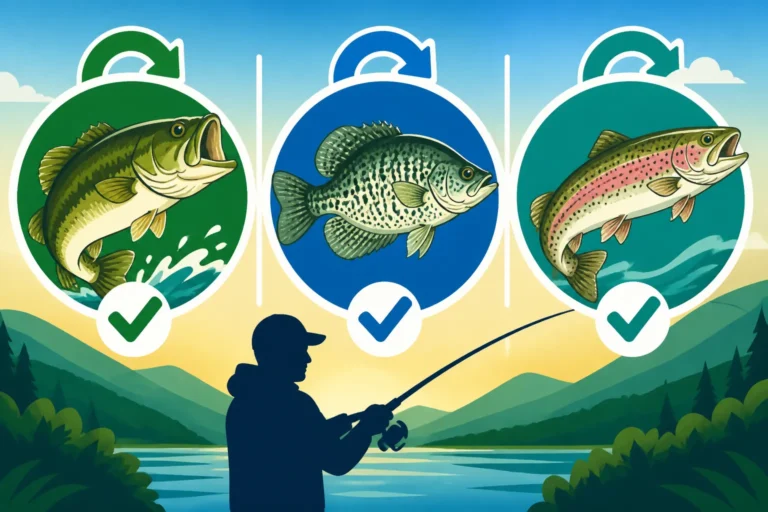
Let's get one thing straight right off the bat: there isn't one magical, overarching "combined limit" that dictates how many total fish you can keep if you're targeting bass, crappie, and trout all on the same day. This is a persistent misconception that trips up many anglers, new and seasoned alike. Instead, Tennessee’s fishing regulations are designed with a species-specific approach, meaning each fish type—bass, crappie, trout—has its own set of rules regarding daily creel limits and size restrictions. You can indeed keep fish from each category, but you must adhere to the individual limits for each species.
Why Separate Rules Exist for Different Species
The Tennessee Wildlife Resources Agency (TWRA) implements these distinct rules for very good reasons. Each fish species, whether it's the feisty largemouth bass, the schooling crappie, or the cold-water loving trout, has unique biological characteristics, reproductive cycles, and ecological roles. What works for managing a fast-growing panfish population simply won't work for protecting a slower-growing, highly sought-after trophy bass fishery. These regulations are scientifically determined to ensure healthy, sustainable fish populations for current and future generations of anglers. It’s all about balancing fishing pressure with the natural ability of a species to replenish itself.
Species-Specific Management Goals
Consider the different management goals for each type of fish. For bass, especially largemouth, the goal often includes fostering opportunities for trophy catches, which leads to slot limits or specific length restrictions to protect certain size classes. Crappie, on the other hand, are prolific breeders, so their limits tend to be more generous, though still with an eye toward preventing overharvest of larger individuals. Trout management in Tennessee is particularly nuanced, often involving extensive stocking programs and specific regulations for wild trout streams versus put-and-take fisheries, reflecting their sensitivity to water quality and temperature. Understanding these underlying goals helps us appreciate why the rules aren't just a jumbled mess but a thoughtful strategy. You can dive deeper into the overall Tennessee Fishing Regulations Explained to get a broader perspective on these management principles.
Detailed Breakdown of Tennessee Bass Limits
Bass fishing is incredibly popular across Tennessee's diverse waterways, from the vast reservoirs to smaller rivers. However, don't assume all bass species share the same limits; they absolutely do not. The regulations are tailored to protect the different types of bass, ensuring their populations remain robust.
Largemouth Bass: The Statewide Standard
For many anglers, the largemouth bass is the quintessential game fish. In Tennessee, the statewide daily creel limit for largemouth bass is 5 fish per day. This is a straightforward number, but there's a critical caveat: only one of these 5 fish may be over 18 inches. This "one over 18" rule is a common slot limit strategy. It allows anglers to keep a few smaller, harvestable fish while strongly encouraging the release of larger, more mature bass that are crucial for successful spawning and for growing into trophy sizes. This rule is particularly important in renowned bass fisheries like Chickamauga Lake, which is famous for its record-setting largemouth.
Imagine you've had an incredible morning, catching several bass. You have two fish that are 14 inches, one at 16 inches, one at 20 inches, and another at 15 inches. According to the limit, you can keep the two 14-inchers, the 16-incher, and the 15-incher. For your 20-inch lunker, you can only keep one fish over 18 inches, so that one counts. If you catch another 19-inch bass, you would have to release it because you already have your one "over 18" fish in your creel. It really makes you think about which fish to keep or release! For a full overview, check out the specific Statewide Bass Limits for Tennessee Anglers.
Smallmouth, Spotted, and Alabama Bass: A Different Set of Rules
While largemouth bass get their own distinct rule, other popular black bass species are often grouped together. The statewide daily creel limit for a combination of smallmouth, spotted, and Alabama bass is also 5 fish per day, combined. However, the size restriction here is different: only one of these 5 fish may be over 16 inches. This means if you catch a 17-inch smallmouth, that's your one "over 16" fish for the day from this group. Any additional smallmouth, spotted, or Alabama bass over 16 inches caught that day must be released.
For example, if you're fishing a clear, rocky river known for smallmouth like the Cumberland River, and you land a 17-inch smallmouth, that's your trophy for the day. You can then fill out the rest of your 5-fish limit with smaller smallmouth, spotted, or Alabama bass, as long as none of them exceed 16 inches. This differentiation helps protect the breeding potential of larger smallmouth, which are particularly prized by anglers and designated as one of Tennessee's Official State Fish: Channel Catfish and Smallmouth Bass. It's crucial to correctly identify your bass species, as mistaking a spotted bass for a largemouth could lead to violating the rules. There are some excellent fish identification guides online, or a quick search on Amazon for a field guide could be a smart addition to your tackle box.
Hybrid Striped Bass Considerations
Then there's the hybrid striped bass, a fantastic fighting fish often stocked in Tennessee's larger reservoirs. The statewide daily creel limit for hybrid striped bass is 10 fish per day, with no more than 2 of these fish being over 20 inches. This is another specific regulation that doesn't combine with the black bass limits. So, you could potentially have your 5 bass (following their respective size rules) and also your 10 hybrid stripers (following their size rules) in your cooler. It's truly a separate set of rules, emphasizing that "combined limits" are typically species-specific, not across different categories of game fish.
Crappie Limits: Keeping Track of Your Panfish Haul
Crappie fishing is a beloved pastime in Tennessee, especially during the spring spawn when these panfish move into shallower waters. While crappie are known for their schooling behavior and can offer fast action, they too have specific daily and size limits to ensure sustainable populations.
The Daily Crappie Catch and Size Restrictions
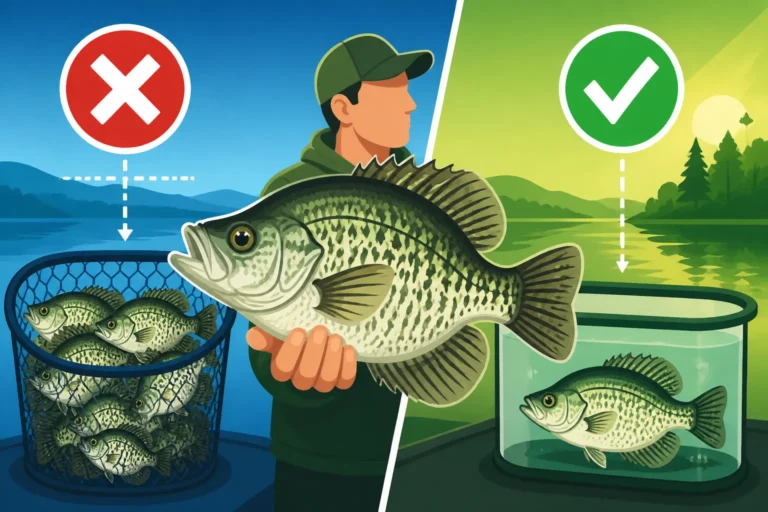
For both black and white crappie, the statewide daily creel limit in Tennessee is a generous 20 fish per day. This means you can keep up to two dozen of these tasty panfish, which is often enough for a fantastic fish fry. However, there's a vital size restriction to be aware of: only 5 of your 20 daily crappie may be over 12 inches. This rule is often referred to as the "five over twelve" rule. It's designed to protect the larger, more mature crappie that contribute significantly to the spawning population, while still allowing anglers to harvest a good number of smaller, pan-sized fish.
Imagine you're out on Kentucky Lake, renowned for its crappie fishing. You're having a banner day, pulling in slab after slab. You might catch twenty crappie, but if seven of them are 13 inches or longer, you would have to release two of those larger fish to comply with the "five over twelve" rule. The remaining fifteen fish could be any size under 12 inches. It's a system that encourages anglers to keep the smaller, more abundant fish while conserving the bigger breeders. Staying updated on Crappie Limits Under Tennessee Fishing Rules is always a good idea before hitting your favorite crappie holes.
Understanding the "Five Over Twelve" Rule
The "five over twelve" rule for crappie is a classic example of a "reverse slot limit" or minimum size limit with a protected slot above it. It's not a true slot limit in the sense that you must release fish within a certain size range, but it does limit the number of larger fish you can keep. This method ensures that enough big crappie remain in the population to reproduce effectively and to provide future trophy opportunities. Without such a rule, there's a risk that anglers would disproportionately remove the largest crappie, potentially impacting the genetic quality and overall health of the fishery over time.
It's a regulation that sometimes requires anglers to make tough decisions, especially when those big slabs are biting! Many experienced crappie anglers carry a measuring board, easily found on Amazon or at most outdoor stores, to quickly check the length of their catch before deciding whether to keep or release. This makes compliance straightforward and helps protect those valuable larger fish.
Tennessee Trout Limits: Seasonal Shifts and Species Nuances
Trout fishing in Tennessee offers a completely different experience, especially in the cold, clear waters of the Great Smoky Mountains or the tailwaters below large dams. Just like bass and crappie, trout have their own specific set of regulations that anglers must follow. These rules can be a bit more complex due to seasonal changes and species-specific considerations.
General Statewide Trout Regulations
For most of the year, specifically from March 1 through September 30, the statewide daily creel limit for trout (rainbow, brook, and brown combined) is 7 fish per day. During this period, there are no specific size restrictions that apply across the board, unless you are fishing in a designated trophy trout water or a specific managed area, which we'll discuss shortly. This allows anglers a fair opportunity to harvest trout from the numerous stocked streams and rivers throughout the state. However, the catch is that all three species count towards that 7-fish total. You can't keep 7 rainbow trout and 7 brown trout; it's 7 total of any combination. To prepare for your trout adventures, it's wise to check out the detailed Tennessee Trout Limits and Season Rules.
The Special Case of Brown Trout
Within the general trout limit, brown trout have a special provision: no more than 2 brown trout can count toward your 7-fish daily limit during the March 1 to September 30 season. This regulation acknowledges that brown trout are often less abundant than rainbow trout (especially in stocked waters) and can be more challenging to catch, making them particularly valuable. Protecting a higher proportion of brown trout helps ensure their continued presence and growth in Tennessee’s waters.
For instance, if you're fishing the Clinch River tailwater, a prime trout fishing destination, and you catch 5 rainbow trout and 3 brown trout, you would only be allowed to keep 2 of those brown trout, along with 5 rainbow trout, to reach your 7-fish limit. You'd have to release the third brown trout. This requires careful consideration and identification, especially since brown trout can grow to impressive sizes in Tennessee.
Seasonal Changes and Water-Specific Rules
Here's where it gets a bit more intricate. From October 1 through the last day of February, the statewide trout limits do not apply. Instead, trout limits shift to water-specific rules. This means that during the colder months, you absolutely must check the specific regulations for the particular body of water you intend to fish. Many streams and tailwaters will have special regulations during this period, often including catch-and-release only, artificial lures only, or specific slot limits to protect spawning fish or newly stocked trout. This seasonal shift is critical for the health of the trout fishery, allowing populations to recover and grow during the non-peak angling season.
A stream might have a 16-inch minimum size limit for brown trout during the winter, while another might be entirely catch-and-release for all species. This variability underscores the importance of consulting the TWRA's current fishing guide, which you can usually find online or pick up at local sporting goods stores. Ignoring these localized, seasonal rules can lead to serious penalties.
When Statewide Limits Don't Apply: The Importance of Local Regulations
While the statewide limits for bass, crappie, and trout provide a good baseline, they are not universal. This is perhaps one of the most critical pieces of information for any Tennessee angler. Many specific bodies of water, particularly large reservoirs and trout tailwaters, have their own unique regulations that supersede the statewide limits. Failing to check these localized rules can lead to unintended violations.
Reservoir-Specific and Tailwater Exceptions
Tennessee is home to a vast network of large reservoirs, many of which are managed intensively for specific fisheries. Lakes like Dale Hollow, Norris, and Percy Priest Lake often have special regulations for certain species. For example, Dale Hollow Lake, famous for its smallmouth bass, might have different size and creel limits for smallmouth than the statewide norm. Similarly, tailwater fisheries below dams, such as the Caney Fork River or the South Holston River, are frequently managed as trophy trout waters with highly specific rules, often requiring single-hook artificial lures and catch-and-release for certain sizes or species.
These lake-specific rules are usually posted prominently at boat ramps and access points, and they are always detailed in the official TWRA fishing guide. It's not enough to just know the statewide limits; you truly need to verify the regulations for each specific body of water you plan to fish. This applies to all species, but especially to bass and trout where trophy management or delicate ecosystems are involved. Remember that Lake-Specific Fishing Rules That Override Tennessee's Statewide Limits exist for a reason – to create the best possible fishing experience for particular areas.
Always Check Before You Cast
This cannot be stressed enough: always check the current Tennessee fishing regulations for your specific body of water before you cast your first line. The TWRA updates its fishing guide annually, and sometimes even makes in-season changes. A quick visit to the TWRA website, or downloading their mobile app, is the easiest way to get the most up-to-date information. If you're buying bait or tackle from a local shop, don't hesitate to ask the staff; they often know the local nuances inside and out.
Taking a few minutes to review the rules can save you a lot of headache, and potentially a hefty fine. It's part of being a responsible angler and respecting the resource we all enjoy. Even if you've fished a particular lake for years, rules can change. For example, a new slot limit for bass might be introduced, or trout regulations in a specific tailwater could be adjusted based on population surveys. Never assume the rules are the same as last year, or even last month.
Keeping Your Catch Legal and Enjoyable: Practical Advice
Navigating the various fishing limits in Tennessee doesn't have to be a stressful ordeal. With a little preparation and the right approach, you can easily comply with all regulations and ensure your fishing trips remain enjoyable and worry-free.
Tools and Techniques for Compliance
Being prepared is half the battle. Here are a few practical tips to help you stay within the legal limits:
- Carry a Measuring Device: A simple, waterproof measuring board or tape measure is essential. Attach it to your boat, tackle box, or even your vest for quick checks. You can find many affordable options on Amazon.
- Know Your Fish Identification: Especially for bass, make sure you can tell the difference between a largemouth, smallmouth, and spotted bass, as their regulations can differ. Keep a small field guide handy, or search for reliable identification charts online before you go. Understanding A Complete Guide to Tennessee Bass Species can be incredibly helpful.
- Compartmentalize Your Cooler: If you're targeting multiple species with different limits, consider keeping them in separate sections of your cooler or livewell. This helps you visually track your numbers for each species. For example, one side for bass, another for crappie.
- Download the TWRA App: The official Tennessee Wildlife Resources Agency app often provides instant access to regulations, which can be a lifesaver when you're on the water and unsure.
- Review Your Tennessee Fishing License Guide Annually: Regulations can change, and your license itself is your permission slip to fish. Always ensure it's current.
Understanding the Penalties for Violations
Ignoring or misunderstanding fishing regulations can lead to more than just a ruined fishing trip. The penalties for fishing violations in Tennessee can range from significant fines to the confiscation of equipment, and even loss of fishing privileges. Game wardens are diligent in enforcing these rules, and ignorance is not considered a valid excuse.
For instance, exceeding your daily creel limit for bass could result in a fine for each fish over the limit, plus court costs. Repeated violations can lead to even harsher consequences. It's simply not worth the risk. Always aim to err on the side of caution. If you're genuinely unsure about a specific rule, it's better to release the fish or call the TWRA for clarification than to knowingly violate a regulation. Familiarize yourself with potential Penalties for Fishing Without a License in Tennessee and other violations, not to scare you, but to underscore the importance of being informed.
By understanding that Tennessee's fishing limits are species-specific rather than a blanket combined total, and by taking the time to check local regulations for your chosen fishing spot, you can enjoy a stress-free and productive day on the water. Happy angling!
Disclaimer
Please remember that fishing regulations are subject to change. While this guide provides a comprehensive overview based on current information, it is always the angler's responsibility to consult the most recent official Tennessee Wildlife Resources Agency (TWRA) fishing guide or website before heading out. Local and seasonal rules can vary significantly and supersede statewide regulations.