Does everyone need a license during the year, or just adults
It's a question that pops up in every angler's mind, whether you're a seasoned pro or just thinking about dipping a line for the first time: "Does everyone need a fishing license in Tennessee, or is it just adults?" This confusion is completely understandable because, honestly, the rules can feel a little bit like navigating a winding river without a map. Nobody wants to be caught off guard by a game warden, especially when you're just trying to enjoy a peaceful day on the water. This comprehensive guide is here to clear up all that uncertainty, breaking down Tennessee's fishing license requirements by age and situation so you can fish legally and with confidence.
Understanding Tennessee's Core Fishing License Requirements
Before we dive into the specifics of age, let's lay the groundwork for what Tennessee expects from its anglers. The core principle is straightforward: if you're fishing in public waters, a license is generally required. However, like any good fishing story, there are always a few twists and turns.
Who Needs a Fishing License in Tennessee?
Generally speaking, anyone who is 13 years of age or older and intends to fish in the public waters of Tennessee needs a valid fishing license. This isn't just a suggestion; it's a legal requirement enforced by the Tennessee Wildlife Resources Agency (TWRA). These public waters include everything from the mighty Tennessee River to smaller streams, lakes, and even most state park ponds. The money generated from these licenses goes directly back into wildlife management, conservation efforts, and stocking programs, which ultimately benefits all of us who love to fish.
It's easy to assume that if you're just bank fishing or casually dropping a line from a pier, you might be exempt, but that's rarely the case. Whether you're targeting bass on Chickamauga Lake, casting for crappie on Kentucky Lake, or chasing trout in the mountain streams, that license needs to be in your possession. Even if you don't intend to keep any fish and are strictly catch-and-release, the requirement still stands. The act of fishing itself is what triggers the need for the license, not the outcome of your fishing trip. Understanding the full scope of Tennessee Fishing License Requirements is crucial for any angler.
When Are Licenses Not Required?
While the general rule is "get a license," Tennessee does offer a few exceptions, which are important for every angler to know. These are specific situations where you can legally fish without a permit, and they're often designed to encourage new anglers or make fishing more accessible for everyone.
The most notable exception is Bobby Wilson Free Fishing Day in Tennessee. This special day, usually held on the first Saturday in June, allows all residents and non-residents to fish public waters without a license. It's a fantastic opportunity to introduce kids to fishing or for anyone to enjoy a day on the water without the administrative hurdle. This free fishing day also covers TWRA lakes and state park ponds, making it a truly inclusive event for the entire family. It’s a highlight on the fishing calendar, offering a chance to cast a line stress-free.
Beyond that single day, there's also Tennessee's Free Fishing Week for Kids. This period typically begins the Saturday after Bobby Wilson Free Fishing Day and runs through the following Friday. During this entire week, children aged 15 and under can fish for free in Tennessee public waters. It's a wonderful initiative to get youngsters hooked on fishing, allowing them to experience the joy of the outdoors without any cost barriers for their parents. These annual events are specifically designed to make fishing more approachable for families.
Another common exemption is when fishing on privately owned ponds or lakes, provided those waters are entirely confined to that property and do not have connections to other public waterways. If you're visiting a friend's farm pond that has no inlets or outlets to public rivers or streams, you typically wouldn't need a license to fish there. However, if that pond does connect to a public stream, river, or lake, then a license would be required. Always err on the side of caution and check local regulations, or simply carry a license if there's any doubt about the water body's status.
Specific Age-Based Exemptions and Rules
Now let's get down to the nitty-gritty of how age plays into Tennessee's fishing license requirements. This is where most of the confusion lies, and understanding the nuances can save you a headache later on.
Youth Anglers: Do Kids Need a Fishing License in Tennessee?
This is perhaps the most frequently asked question, and for good reason! Many states have different age cutoffs, so it's easy to get mixed up. In Tennessee, children under the age of 13 are not required to have a fishing license. That's right – if your child is 12 years old or younger, they can cast away to their heart's content in public waters without needing any permit. This policy is fantastic for encouraging young anglers and making family fishing trips more affordable and straightforward.
However, once a child turns 13 years old, they do need a license to fish in Tennessee's public waters. This is a hard cutoff, so if your teenager is planning a fishing trip, make sure they have their license in order. This typically means purchasing a Junior Hunt/Fish license, which covers both activities for a reasonable annual fee. It's a small but significant step as they transition from being a "free" angler to a licensed one. Parents often wonder Do Kids Need a Fishing License in Tennessee, and the answer largely depends on their exact age.
It's also worth reiterating the Youth Fishing License Rules in Tennessee in conjunction with Free Fishing Week. During that specific week, even if a child is 13, 14, or 15, they can fish without a license. But outside of that special week, the 13-and-up rule applies. So, if you have a 14-year-old who loves to fish year-round, an annual license is definitely the way to go to ensure they're always compliant. Consider it part of teaching them responsible angling and contributing to the conservation efforts that keep Tennessee's waters so vibrant.
Senior Anglers: License Options and Discounts
Tennessee is quite considerate of its senior anglers, offering significant discounts and special license types for residents aged 65 and older. This is a huge benefit for those who have spent a lifetime enjoying the outdoors or are looking to take up fishing in their golden years.
For Tennessee residents who are 65 years of age or older, there's a fantastic option: the Tennessee Senior Annual Fishing License. This license is incredibly affordable, costing far less than the standard adult annual license. It’s a great way to ensure seniors can continue their favorite pastime without a financial burden. This annual senior license covers fishing statewide and often includes access to trout waters without needing an additional permit.
Beyond the annual option, Tennessee also offers a Tennessee's Lifetime Senior Citizen License. This is a one-time purchase that covers hunting, fishing, and trapping for the lifetime of the individual. It's an incredible value, providing peace of mind that once purchased, you're set for life when it comes to state permits. This lifetime license simplifies things immensely, removing the need to renew annually. It's important to note that these senior discounts and lifetime options are exclusively for Tennessee residents. Nonresident seniors would need to purchase standard nonresident licenses, which are priced differently. For more detailed information, exploring Tennessee Fishing License Costs and Types can shed light on all available options.
Types of Licenses and Where to Get Them
Knowing who needs a license is just one piece of the puzzle; understanding what kind of license to get and where to get it is equally important. Tennessee offers a variety of options to suit different needs, from a quick weekend trip to a full year of angling adventures.
Annual vs. Short-Term Licenses
For most resident adults, the most common choice is the basic annual fishing license. However, many residents opt for the Tennessee Resident Combination Hunt and Fish License, which covers both activities for a very competitive price. These annual licenses are valid for one year from the date of purchase, not just for a calendar year, which offers flexibility. If you fish regularly throughout the year, an annual license is almost always the most cost-effective choice. It ensures you're covered for spring crappie, summer bass, and fall trout, all without thinking about individual trip permits.
For those planning shorter visits or just a single outing, Tennessee provides several short-term options. For residents, there are single-day licenses available, and for nonresidents, options like the Nonresident 3-Day and 10-Day License Options for Tennessee are very popular. These temporary licenses are perfect if you're just passing through or enjoying a specific fishing event. They can be more expensive per day than an annual license if you plan multiple trips, so it’s worth doing the math based on your anticipated fishing schedule. For instance, a 10-day nonresident pass can often be a better value than two separate 3-day passes if you're planning an extended trip.
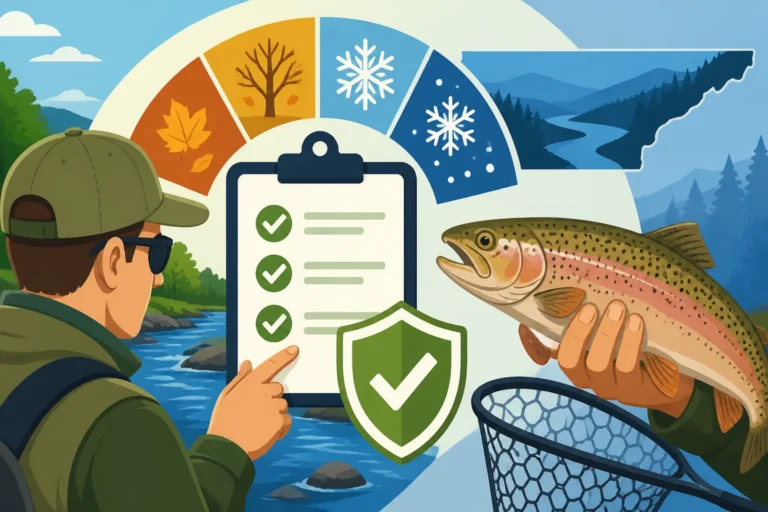
It's also critical to decide whether you need trout privileges. Many licenses have a base price, and then an additional fee to add trout fishing access. If you plan to target trout in designated trout streams or stocked waters, make sure your license includes this endorsement. Failing to have the proper trout permit can lead to fines, even if you have a general fishing license. Always double-check your license type against your planned fishing activity, especially when it comes to trout.
How to Buy or Renew a Tennessee Fishing License Online and Offline
Getting your Tennessee fishing license is incredibly convenient these days, with multiple avenues available to ensure you're covered before you even hit the water. The easiest and fastest way for many is to How to Buy or Renew a Tennessee Fishing License Online. The TWRA website offers a user-friendly portal where you can select your license type, complete the purchase, and immediately receive a digital copy. This means you can buy your license from your couch just minutes before heading out the door, and it's valid instantly.
If you prefer a more traditional route, or simply want to pick up some bait and tackle at the same time, licenses are widely available at authorized license agents across the state. These agents include many sporting goods stores, bait and tackle shops, and even some county clerk offices. Popular retailers like Bass Pro Shops, Cabela's, and local bait shops are usually reliable spots to purchase a license in person. Just tell them what you need, show proof of residency if applicable, and you'll walk out with your physical license in hand.
When it comes to gear, once you have your license sorted, you might find yourself needing a new rod, reel, or a fresh set of lures. Many anglers turn to online retailers like Amazon for a wide selection of fishing equipment, from basic starter kits to specialized fly-fishing setups. Whether it's a new tackle box to organize your jigs or a comfortable fishing chair for those long days by the river, Amazon provides a convenient way to get your gear delivered right to your door. Just remember, while you can buy all sorts of fishing accessories on Amazon, the actual fishing license needs to come directly from the TWRA or an authorized agent.
Don't forget the importance of keeping track of your license's expiration date. It's easy to let it slip, but setting a reminder on your phone or marking it on your calendar can prevent an unintentional lapse in coverage. Some anglers even prefer the peace of mind of a printed copy, but Digital vs Printed Fishing Licenses in Tennessee are both equally valid as proof of purchase.
Consequences of Fishing Without a License
Nobody wants their peaceful day of fishing to turn into a legal headache, but ignoring license requirements can do just that. It’s not just about the cost of the license; it’s about respecting the rules that keep our fisheries healthy and abundant for future generations.
Penalties for Fishing Without a License in Tennessee
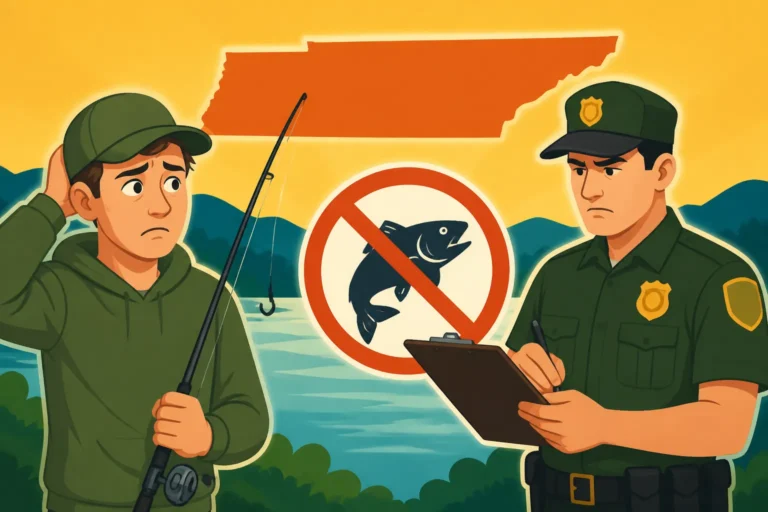
Fishing without a valid Tennessee fishing license is a violation of state law, and there are real consequences if you're caught. Game wardens with the TWRA regularly patrol waterways, and they are fully authorized to check for licenses. If you're found to be fishing without one, you can expect to receive a citation.
The penalties can vary depending on the specific circumstances, but typically involve fines. These fines are often significantly higher than the cost of simply buying a license in the first place, making it a costly oversight. Beyond the monetary fine, repeat offenses could lead to more serious legal repercussions, including the potential suspension of your fishing privileges. It's an avoidable situation that can cast a dark cloud over what should be an enjoyable outdoor activity. So, while it might seem like a minor detail, taking the time to understand Tennessee Fishing Regulations Explained and ensure your license is current is a small price to pay for peace of mind.
Imagine you're out on Norris Lake, enjoying the crisp morning air, and a TWRA officer approaches. If you can't produce a valid license, not only will your day be interrupted by a citation, but you'll also likely have to pack up your gear. It's a frustrating scenario for everyone involved. Investing in that small piece of paper (or digital file) truly is your best bet to avoid any unpleasant surprises.
The Importance of Carrying Your License
Once you have your license, the next crucial step is to make sure you have it with you whenever you're fishing. It's not enough to simply have purchased one; you must be able to present proof of it to a game warden upon request.
Most modern licenses in Tennessee can be carried digitally on your smartphone. The TWRA offers an app where you can store your license, or you can simply have the PDF emailed to yourself. This digital proof is perfectly acceptable and convenient, as most people carry their phones everywhere anyway. However, it's always a good idea to ensure your phone is charged! Many anglers also print a physical copy and keep it laminated in their wallet or tackle box. This provides a backup in case your phone battery dies or you lose signal.
Regardless of whether you choose a digital or physical format, the key is accessibility. Your license should be readily available for inspection. A common pitfall is leaving your physical license in your main wallet back in the truck while you're wading a stream, or not having your phone charged enough to pull up the digital version. Making it part of your routine to grab your license along with your rod, reel, and tackle can prevent any issues. You might even want to pick up a waterproof license holder from Amazon or your local sporting goods store to keep your physical copy safe from the elements. This attention to detail ensures your fishing adventures remain stress-free and legal.
Fishing License Requirements Summary
To make things a little easier to digest, here's a quick reference table summarizing Tennessee's fishing license requirements based on age:
| Age Group | License Required? | Notes |
|---|---|---|
| Under 13 years old | No | Free to fish in public waters year-round. |
| 13-15 years old | Yes | Junior Hunt/Fish license required. Exempt during Free Fishing Week (typically first full week of June). |
| 16-64 years old | Yes | Standard annual fishing license or combination hunt/fish license required. Nonresidents have specific annual, 3-day, or 10-day options. |
| 65 years and older | Yes (with discount) | Tennessee residents qualify for significantly discounted annual senior fishing licenses or a one-time lifetime license. Nonresidents follow standard nonresident rates. |
| All ages (during Free Fishing Day) | No | Everyone (residents and nonresidents) can fish public waters for free on Bobby Wilson Free Fishing Day (typically the first Saturday of June). Note: Lake-specific rules and length limits still apply. |
| Private Ponds (no public access) | No | Generally, no license is required for privately owned, completely enclosed ponds with no connection to public waterways. Always confirm the status of the water body to be safe. |
Disclaimer
The information provided in this guide is intended for general informational purposes only and does not constitute legal advice. Fishing regulations can change, and specific situations may have unique requirements. Always refer to the most current Tennessee Wildlife Resources Agency (TWRA) regulations or contact them directly for the most accurate and up-to-date information before engaging in any fishing activities.