Nonresident 3-Day and 10-Day License Options for Tennessee
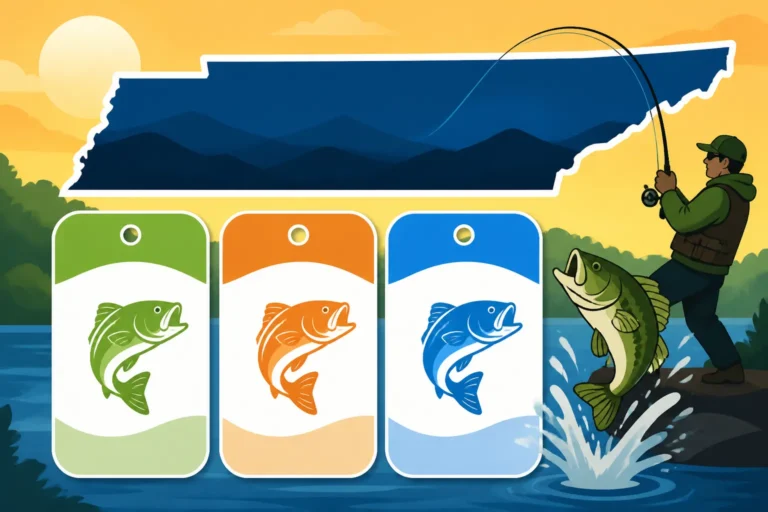
Planning a fishing trip to Tennessee can be incredibly exciting, with our beautiful lakes and rivers offering incredible angling opportunities. But let's be real, navigating the state's fishing license requirements, especially as a visitor, can feel like trying to untangle a really stubborn fishing line. You don't want to spend your precious vacation time figuring out which license is the best value, and you certainly don't want to risk a fine because you picked the wrong one. This comprehensive guide is here to untangle all that confusion, breaking down Tennessee's 3-day and 10-day nonresident fishing license options, so you can confidently choose the right permit and get straight to catching some fish.
Understanding Nonresident Fishing Licenses in Tennessee
So, you're visiting our great state and you've got that itch to cast a line. Good for you! Tennessee boasts some truly spectacular fishing, from the world-class bass fisheries of Chickamauga Lake to the serene trout streams of the Great Smoky Mountains. But before you even think about rigging up, you absolutely need to understand the nonresident fishing license system. It's not just a suggestion; it's a legal requirement, and ignoring it can lead to some pretty hefty fines and a spoiled trip.
Who Needs a Nonresident License?
This might seem obvious, but it's worth clarifying: if you do not permanently reside in Tennessee, you are considered a nonresident for fishing license purposes. It doesn't matter if you own property here, visit frequently, or even have family living in the state. Your official place of residence determines your status. Children generally have different rules; for instance, kids 15 and under usually don't need a license, but it's always best to check the current regulations, especially if your trip falls outside of special events like Bobby Wilson Free Fishing Day in Tennessee. Knowing if you actually need a license is the very first step, saving you time and potentially money if you're traveling with youngsters.
The Basic Nonresident Options
For visiting anglers, Tennessee offers a few different paths. The most common are the short-term options, specifically the 3-day and 10-day licenses, and then there's the annual nonresident license for those who plan to spend more extended periods fishing throughout the year. Each comes with different price points and coverage, designed to fit various trip lengths and fishing habits. The choice often boils down to how long you plan to be here and what species you're hoping to target. We'll dive into the specifics, but generally, the short-term passes are perfect for vacationers, while the annual pass can be a better deal for snowbirds or those making multiple trips. For a more complete overview, check out our A Complete Guide to Fishing Licenses in Tennessee.
Delving into the 3-Day Nonresident License
Let's talk about the 3-day nonresident license. This is often the go-to for many visitors who are just passing through, coming for a long weekend, or simply want to try their luck on a specific body of water for a short stint. It's designed for convenience, offering a quick way to get legal on the water without committing to a longer-term permit. However, it's crucial to understand what it covers and, perhaps more importantly, what it doesn't.
Cost and Coverage without Trout
A Tennessee nonresident 3-day license costs $20 without trout. This base price gets you three consecutive days of fishing privileges for all species except trout. So, if your heart is set on catching some largemouth bass on Chickamauga Lake, crappie on Kentucky Lake, or catfish on the Cumberland River, this license has you covered. The "consecutive days" part is key – once activated, it runs for 72 hours straight, not three separate days you can pick and choose. It's a great option for a Friday-Sunday trip, or maybe a mid-week escape when you know your fishing window is tight. This is a common choice for quick getaways or if you're combining fishing with other activities and only have a few days dedicated to angling.
Adding Trout Access to Your 3-Day License
Now, if you're dreaming of crisp mountain air and the thrill of pulling a rainbow or brown trout from one of Tennessee's famed cold-water streams, you'll need a little extra. A 3-day trout-inclusive license costs $40 for nonresidents. Yes, that's double the price of the basic 3-day license, but it unlocks access to all the trout-designated waters across the state. This trout endorsement isn't just for fly fishing; it's required no matter your method if you're fishing in waters where trout are present and you intend to harvest them. Many anglers find themselves surprised by this additional cost, but Tennessee takes its trout management seriously, and the fees help support stocking programs and conservation efforts. It's important to know that this trout option isn't an add-on permit you buy separately and carry with your basic license; it's usually integrated directly into the specific license type you purchase. This helps avoid the confusion of managing multiple small permits. For more details on why trout licenses cost more, you can read our guide on Why Nonresident Licenses Cost More With Trout Included.
Is a 3-Day License Right for Your Quick Trip?
Deciding if the 3-day license is your best bet really depends on the specifics of your trip. If you're coming for a long weekend (e.g., Friday, Saturday, Sunday) and fishing is your primary focus for those three days, then absolutely, it's designed for you. It's cost-effective for short durations, preventing you from overpaying for an annual license you won't fully utilize.
Consider a scenario: you're driving down from Ohio for a wedding in Nashville on a Saturday, but you've booked off Friday and Sunday to hit Percy Priest Lake for some bass fishing. The 3-day license is perfect. You're getting exactly what you need without unnecessary expense. However, if your "quick trip" somehow stretches to four or five days of fishing, you might find yourself in a tricky situation, needing to purchase another license or wishing you'd opted for something longer initially. Always plan your fishing days carefully against the license's validity period.
Exploring the 10-Day Nonresident License
Stepping up from the 3-day option, we have the 10-day nonresident fishing license. This one is a sweet spot for many visitors who plan a longer vacation or multiple consecutive fishing outings during their stay. It offers significantly more flexibility than the 3-day pass without the commitment (or cost) of an annual license. If you're dedicating a solid week or more to exploring Tennessee's diverse waters, this license type deserves a serious look.
Cost and Coverage for Extended Stays
A nonresident 10-day pass costs $30 without trout access. For just an extra $10 compared to the 3-day license, you get more than three times the fishing days. This makes it an incredibly appealing option if your trip extends beyond a typical weekend. For example, if you're planning a week-long vacation to a cabin near Norris Lake, where you intend to fish for smallmouth and crappie for five or six days scattered throughout your stay, the 10-day license becomes far more economical than buying two separate 3-day passes.
Like its shorter counterpart, the 10-day license covers most warmwater game fish and panfish across Tennessee's public waters. It’s perfect for exploring multiple spots, perhaps hitting Kentucky Lake for catfish one day and then heading to Watts Bar Lake for some bass the next, all within that continuous ten-day window. This flexibility is really valuable for anglers who want to experience a broader range of what Tennessee has to offer.
Trout Privileges with the 10-Day License
Just like the 3-day option, if your angling adventures include chasing trout, you’ll need the enhanced version. A 10-day trout-inclusive nonresident license runs $61. Again, this is a significant jump from the basic 10-day license, but it provides that essential access to Tennessee's designated trout waters. If you're spending a week in the Smoky Mountains area and plan to fish the Clinch River or the Little Pigeon River for trout, this is the license you'll need.
The trout stamp is a non-negotiable part of the license if you plan to target or possess trout. Even if you only catch-and-release, being on trout waters with the intent to fish for them typically requires this privilege. It's a small but vital detail that many anglers overlook, only to find themselves in a bind when a TWRA officer asks to see their license and associated permits. Always ensure your license matches your fishing intent. For detailed rules on trout fishing, you might want to look at Tennessee Trout Limits and Season Rules or Do You Need a Trout Permit With Your Tennessee License.
Comparing the 10-Day to Other Options
When you compare the 10-day license to the other nonresident options, its value really shines for trips between 4 and 10 days.
- Vs. 3-day: As mentioned, for just $10 more ($30 vs $20), you get an additional 7 days of fishing. That's an incredible return on investment if you need more than 3 days. If your trip is 4, 5, 6 days, or even a full week, the 10-day license is hands down the smarter financial choice. You avoid the hassle and extra cost of having to buy a second 3-day license if your trip extends even slightly.
- Vs. Annual: The annual nonresident license without trout is $49. The 10-day is $30. If you are only visiting once a year for a single, extended trip (up to 10 days), the 10-day option is cheaper. However, if you anticipate visiting Tennessee for multiple fishing trips throughout the year, even just two separate 5-day trips, the annual license might start to look more appealing. We'll delve deeper into that comparison next.
The 10-day license truly hits a sweet spot for those who want more than a quick weekend but aren't quite ready for the year-long commitment. It provides ample time to explore different fishing locations and species without feeling rushed.
Making the Smart Choice: 3-Day vs. 10-Day vs. Annual
Choosing the right nonresident fishing license in Tennessee isn't just about picking the cheapest one; it's about smart planning to match your angling intentions with the most cost-effective and legally sound option. The decision typically boils down to your trip duration, whether you plan multiple trips in a year, and if trout fishing is on your agenda.
Cost-Benefit Analysis for Different Trip Lengths
Let's lay out the options clearly, including the annual license, so you can see the financial implications at a glance. Remember, "with trout" indicates the integrated trout privilege.
| License Type | Duration | Cost (No Trout) | Cost (With Trout) | Best For |
|---|---|---|---|---|
| Nonresident | 3 Days | $20 | $40 | Short weekends, 1-3 days of fishing. |
| Nonresident | 10 Days | $30 | $61 | Extended weekends, 4-10 days of fishing. |
| Nonresident | Annual | $49 | $98 | Multiple trips, or stays longer than 10 days. |
- For a 1-3 Day Trip: The 3-day license is your most economical option. For $20 (or $40 with trout), you're covered for your short adventure. Buying a 10-day or annual license would be overspending.
- For a 4-10 Day Trip: This is where the 10-day license truly shines. At $30 (or $61 with trout), it's significantly cheaper than purchasing multiple 3-day licenses and still less than the annual option. For example, if you're fishing for 5 days, two 3-day licenses would cost $40 (or $80 with trout), making the 10-day a clear winner.
- For Trips Longer Than 10 Days or Multiple Trips: If your single trip is, say, 12 days, the annual license at $49 (or $98 with trout) becomes more cost-effective than two 10-day licenses. Furthermore, if you plan to visit Tennessee twice or more in a year, even for shorter trips, the annual license quickly pays for itself. Two 3-day licenses cost $40; two 10-day licenses would cost $60. If you do two trips of any length that require a license, the annual pass is almost always the smarter investment. This is especially true for anglers who frequent our state multiple times a year, perhaps visiting different regions or targeting various species across different seasons.
Factors Beyond Price to Consider
While cost is a major factor, it's not the only one. Consider these points:
- Flexibility: An annual license offers maximum flexibility. You can decide to go fishing on a whim without worrying about buying a new license each time. This is invaluable for spontaneous trips.
- Trout Intent: Be honest about whether you might fish for trout. It's much easier (and cheaper in the long run) to get the trout endorsement upfront if there's even a slight chance you'll be on trout waters, especially with the higher price point of Nonresident Fishing License Costs in Tennessee that includes trout.
- Ease of Purchase: All these licenses are readily available, but having an annual license means one less thing to worry about before each trip. You can get your Tennessee Fishing License Guide online, at many local retailers, or through the TWRA mobile app.
- Valid Period: Remember that Tennessee fishing licenses run for 12 months from the date of purchase, not necessarily the calendar year. So, if you buy an annual license in July, it's valid until July of the following year. This is important for planning your annual fishing schedule. For more info on this, check out How Long a Tennessee Fishing License Stays Valid.
Where to Purchase Your Nonresident License
Getting your nonresident fishing license in Tennessee is pretty straightforward these days. You have several convenient options:
- Online: The quickest and easiest method is often through the Tennessee Wildlife Resources Agency (TWRA) website. You can purchase your license instantly, print it out, or save it to your phone. This is ideal for last-minute decisions or for planning ahead from home. Many anglers prefer this digital option, as it means one less physical card to keep track of.
- Local License Agents: Many sporting goods stores, bait and tackle shops, marinas, and even some county clerk offices act as official TWRA license agents. Places like Academy Sports + Outdoors or even your local mom-and-pop bait shop will usually be able to process your purchase. This is great if you prefer an in-person transaction or need to pick up some last-minute bait or tackle anyway.
- TWRA Mobile App: Tennessee offers a dedicated app that allows you to purchase, store, and display your fishing license directly on your smartphone. This is incredibly convenient for showing proof to a game warden in the field. This digital method is becoming increasingly popular, as it ensures you always have your license with you, as long as your phone is charged!
No matter how you choose to buy it, remember that carrying proof of your license while fishing is mandatory. Whether it's a printed copy or a digital display on your phone, you need to be able to present it upon request. For a deeper dive into these options, read How to Buy or Renew a Tennessee Fishing License Online or Digital vs Printed Fishing Licenses in Tennessee. You can even find accessories like waterproof phone cases on sites like Amazon to ensure your digital license stays safe and accessible.
Important Considerations for Nonresident Anglers
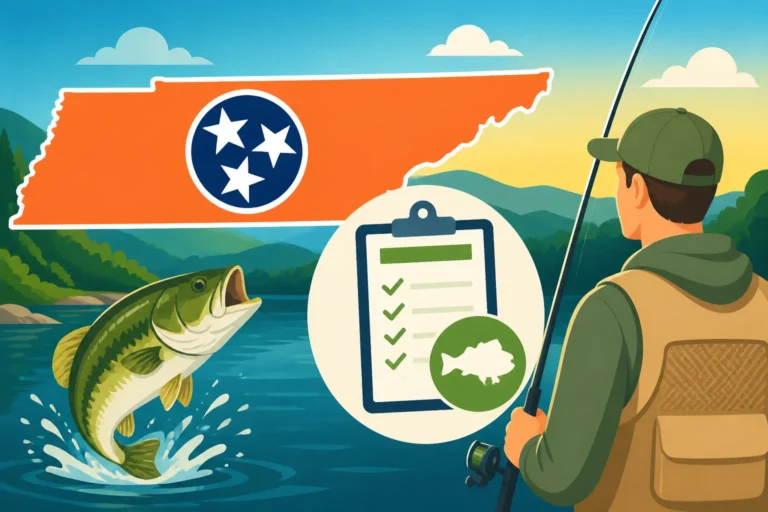
Beyond simply purchasing the correct license, there are a few other critical things nonresident anglers need to keep in mind when fishing in Tennessee. Our state has specific nuances in its regulations that can impact your trip, especially if you're coming from another state with different rules. Being prepared means a smoother, more enjoyable fishing experience.
Understanding Trout Permits and Special Waters
We've touched on the trout endorsement, but it bears repeating that if you plan to fish for trout, particularly in designated trout streams that are regularly stocked, you must have the appropriate license with trout privileges. This isn't just about the species; it's about the specific waters. Some rivers, like the Caney Fork or the Clinch River, are managed primarily as trout fisheries, and even if you're targeting other species in those waters, the trout permit may still be required.
Tennessee also has specific regulations that apply to certain lakes or sections of rivers that might override statewide limits. For example, a particular lake might have a slot limit for bass that's different from the general Statewide Bass Limits for Tennessee Anglers. Always, always check the current Tennessee Fishing Regulations Explained for the specific body of water you plan to fish before you go. This information is readily available on the TWRA website and often posted at public access points and boat ramps.
Reciprocity with Neighboring States
A common question for anglers living near Tennessee's borders is about reciprocity agreements. Does a license from Alabama, Georgia, Kentucky, Mississippi, Missouri, North Carolina, or Virginia work on shared waters? The answer is: sometimes, but with strict conditions.
Tennessee generally has reciprocity agreements for shared border waters with some neighboring states, meaning your valid fishing license from that state might be recognized on the specific shared body of water. For example, parts of Kentucky Lake are shared with Kentucky, and certain sections of the Mississippi River might have agreements with Missouri or Arkansas. However, these agreements almost never extend to inland waters. If you launch your boat on the Tennessee side of Kentucky Lake and then venture into a creek that is fully within Tennessee's state lines, your Kentucky license may no longer be valid.
It is absolutely crucial to research specific reciprocity agreements for the exact body of water you intend to fish. If there's any doubt, or if you plan to fish anywhere that isn't explicitly a shared border water, it is always safer and legally sound to purchase a Tennessee nonresident license. Don't risk a fine because of a misunderstanding about state lines. Our article on Fishing License Reciprocity Between Tennessee and Neighboring States provides more in-depth information.
Penalties for Non-Compliance
Fishing without a valid license in Tennessee, or fishing for species (like trout) without the proper endorsement, is a violation of state law. The penalties can include significant fines, court costs, and potentially the confiscation of your gear or catch. These aren't just minor tickets; they can put a serious dent in your vacation budget and leave a sour taste in your mouth.
Game wardens are out on the water year-round, ensuring compliance, and they are well within their rights to ask for your license. Ignorance of the law is not considered a valid excuse. The best approach is to be proactive: purchase the correct license, understand the regulations for your chosen fishing spot, and keep your license accessible at all times. This way, you can focus on the joy of fishing and the beauty of Tennessee's natural resources without any unnecessary stress. Learn more about the potential consequences by checking out Penalties for Fishing Without a License in Tennessee.
Remember, Tennessee's beautiful waters are a privilege to enjoy. By understanding and adhering to the regulations, you're not only staying legal, but you're also contributing to the conservation efforts that keep our fisheries healthy and thriving for future generations of anglers, both resident and nonresident alike.
Disclaimer
Please remember that fishing regulations and license fees can change. While this guide aims to be as accurate and up-to-date as possible, it is always your responsibility to verify the latest information directly with the Tennessee Wildlife Resources Agency (TWRA) before engaging in any fishing activities. This article is for informational purposes only and should not be considered legal advice.