Why largemouth bass have a higher size cutoff than smallmouth in Tennessee
Ever pulled a beautiful largemouth out of a Tennessee lake, only to realize the size limit for it is quite different from a smallmouth you might catch in a river? It's a common head-scratcher for anglers, wondering why the Tennessee Wildlife Resources Agency (TWRA) seems to have different rules for our beloved bass species, particularly when it comes to the minimum length or trophy size. This guide is going to peel back the layers and explain precisely why largemouth bass often have a higher size cutoff than smallmouth bass in the Volunteer State, diving deep into the biology, management, and what it all means for your next fishing adventure.
Understanding Tennessee's Bass Fishery Dynamics
It's easy to assume that "a bass is a bass," but that couldn't be further from the truth when it comes to managing fisheries. Tennessee is blessed with a diverse range of freshwater habitats, from sprawling reservoirs like Kentucky Lake and Chickamauga Lake to crystal-clear mountain streams, and each one supports different species with their own unique needs. The regulations aren't arbitrary; they're carefully crafted by biologists to ensure sustainable populations for generations of anglers.
The Distinct Biology of Largemouth and Smallmouth
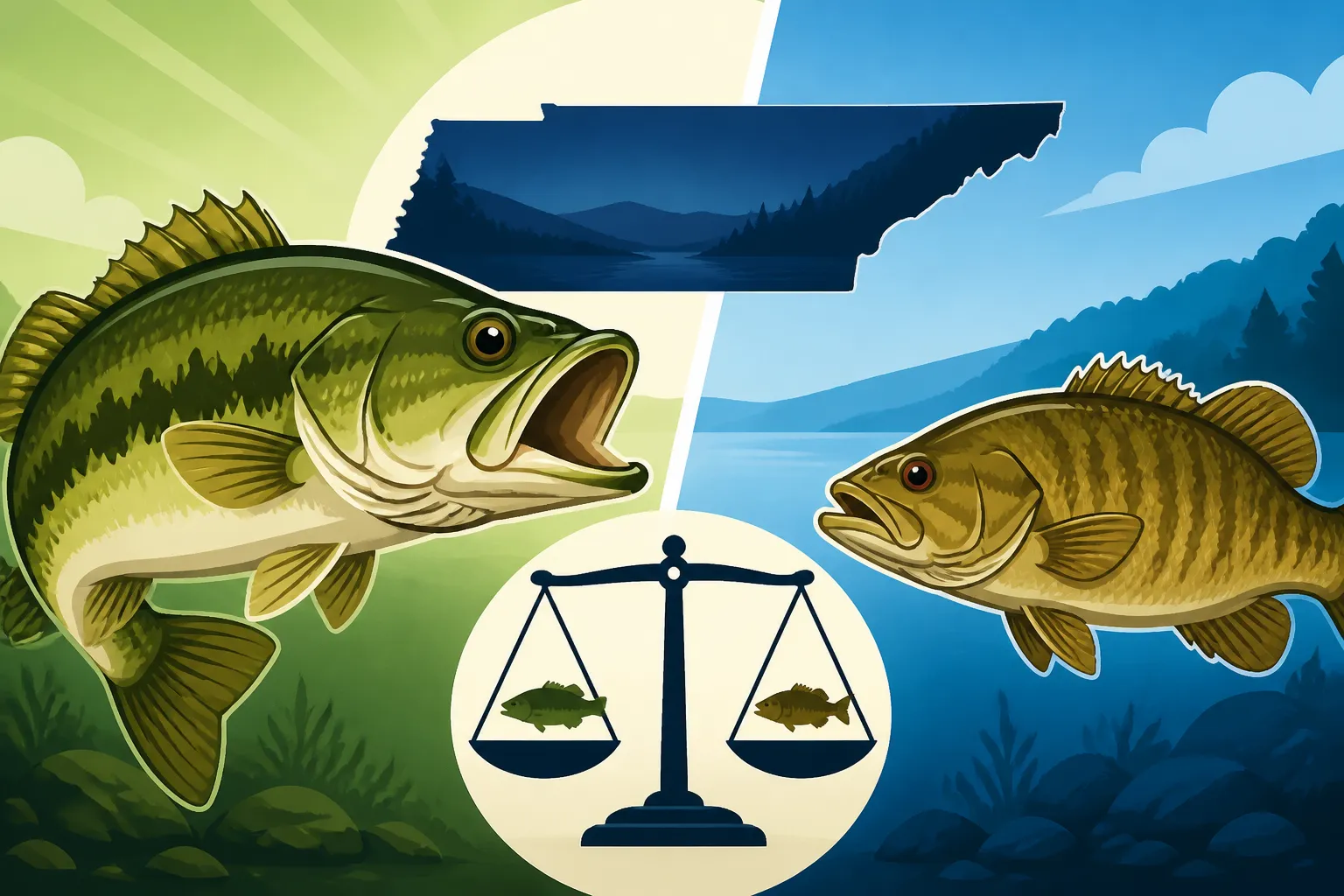
Let's start with the fundamental differences between these two iconic species. Largemouth bass, as their name suggests, typically have a larger mouth, where the hinge extends past the eye. They prefer warm, slow-moving, or still waters with plenty of cover like submerged vegetation, fallen trees, and docks. Think of them as the ambush predators of the shallows, often found in the fertile, stained waters of our major reservoirs. They can grow quite large, and it's not uncommon to hear tales of giant bucketmouths pushing double-digit weights in places like Chickamauga Lake, which is renowned for its trophy largemouth fishery. Their growth rate can be impressive in nutrient-rich environments.
Smallmouth bass, on the other hand, have a mouth that typically doesn't extend past the eye. They are built for different conditions entirely, thriving in cooler, clearer waters, often with rocky bottoms and current. You'll find them in the swift flows of rivers like the Cumberland River or the deep, clear impoundments such as Dale Hollow Lake. Smallmouth are known for their powerful fights and tend to be more nomadic, chasing baitfish in open water or around rocky points. While they are incredibly strong for their size, they generally don't grow as large or as fast as largemouth bass. Their average size at maturity is usually smaller than that of their largemouth cousins.
These biological distinctions directly influence their survival rates, reproductive success, and how they contribute genetically to the overall health of their populations. For instance, a large largemouth bass, especially a female, can lay an astronomical number of eggs, contributing significantly to the next generation. Protecting these larger, older fish ensures that the genetic pool remains strong and that there are enough breeders to replenish the population. Smallmouth, with their different habitats and growth patterns, have different thresholds for what constitutes a vital breeder.
Balancing Angler Harvest and Fish Population Health
The primary goal of any fishing regulation is to manage pressure on fish populations while providing quality angling opportunities. It's a delicate dance between allowing anglers to keep fish for the table and safeguarding the future of the fishery. When biologists set size limits, they're looking at complex data: fish age, growth rates, mortality rates, reproductive success, and how many fish are being caught and kept by anglers. This is often referred to as "slot limits" or "minimum size limits," which aim to achieve specific outcomes.
The concept of a "trophy" versus an "eating" size also plays a huge role. For some species, protecting the very largest fish helps maintain genetic diversity and ensures big fish are in the water for future anglers to target. For others, protecting a certain size class allows them to spawn at least once or twice before being harvested, bolstering population numbers. In some cases, a protected slot limit might be implemented, meaning you can keep fish below a certain size and above another, but not in the middle. This often helps thin out abundant smaller fish while protecting prime breeding stock.
The regulations are a living thing, constantly reviewed and adjusted based on scientific surveys and angler feedback. They are designed to adapt to environmental changes, fishing pressure, and the specific needs of each fish species and body of water. Without these thoughtful regulations, overfishing could quickly deplete a population, leading to irreversible damage to a fishery that might take decades to recover. That's why understanding the "why" behind the rules is so important – it helps us all be better stewards of Tennessee's natural resources.
Deciphering Largemouth Bass Size Limits in Tennessee
Tennessee's largemouth bass regulations are often designed to cultivate a healthy population, sometimes even leaning towards producing trophy-sized fish in specific fisheries. The size limits reflect the species' potential for rapid growth and their role as apex predators in their preferred habitats.
The 18-Inch Rule for Largemouth Bass
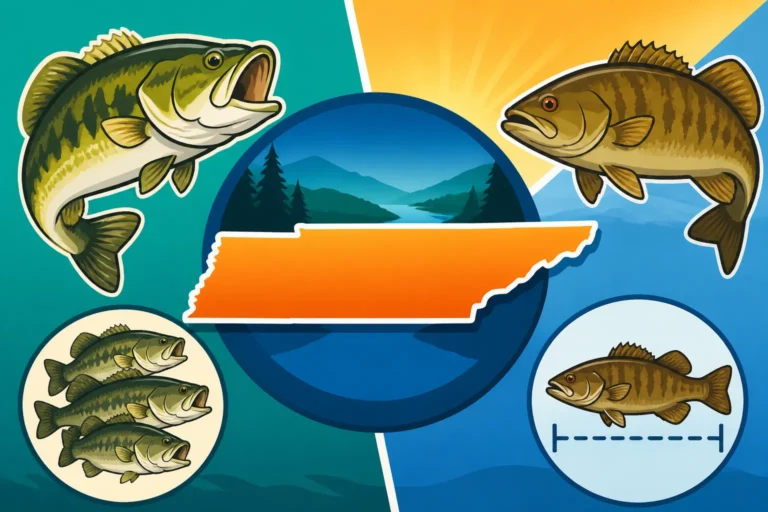
Currently, the statewide regulation for largemouth bass in Tennessee typically allows anglers to keep a daily limit of five fish, but with a crucial caveat: only one of those five fish may be over 18 inches. This regulation, often known as a "trophy regulation" or "protected slot," isn't just a random number. It's a strategic move by the TWRA to protect the largest, most reproductively valuable largemouth. When you hear about the largemouth bass limit in Tennessee is 5 fish per day, remember that crucial only one largemouth bass over 18 inches may be kept daily detail.
Why protect the big ones? Well, a large female largemouth bass is an incredibly efficient egg-laying machine. She's likely proven her survival skills, grown to a formidable size, and contributes superior genetics to the next generation. By allowing anglers to keep smaller fish but limiting the harvest of these larger specimens, the TWRA aims to ensure that these "broodstock" fish stay in the water to continue spawning. This also creates the opportunity for more anglers to experience the thrill of catching truly massive bass. Think of it: if everyone kept every 20-inch largemouth they caught, those impressive fish would quickly disappear from our waters. This rule helps maintain the quality and allure of our largemouth fisheries.
Consider fishing on a lake like Chickamauga, often celebrated as Chickamauga Lake Tennessee's Top Spot for Record Largemouth Bass. The success of such fisheries is directly tied to these protective regulations. Anglers flock to these waters specifically because they hold the potential for truly giant bass, a testament to effective management. It’s a win-win: anglers get to enjoy the sport, and the fishery remains robust.
Management Strategies for Popular Largemouth Fisheries
The TWRA doesn't just pull these numbers out of a hat. They rely heavily on scientific data, angler surveys, and biological assessments to determine the most effective management strategies for each body of water. For a lake heavily fished for largemouth, protecting those larger fish helps maintain the population's age structure and provides future trophy opportunities. It's about sustainability.
For instance, if a lake shows signs of having a high number of smaller, slower-growing largemouth, a regulation might be put in place to encourage the harvest of those smaller fish, while still protecting the larger, more mature ones. This can help "thin the herd," reduce competition for food, and allow the remaining fish to grow larger and healthier. Conversely, if a fishery is struggling, stricter limits might be imposed to allow the population to recover. The goal is always to produce a quality fishing experience. This nuanced approach demonstrates how the Tennessee Fishing Regulations Explained are tailored to specific species and locations, ensuring that what works for one lake doesn't necessarily get applied universally to another.
The state's commitment to protecting breeding fish and promoting the growth of larger specimens has made Tennessee a prime destination for bass anglers. When you’re out on the water, remember that those regulations aren't there to make your life harder, but to ensure that the thrill of catching a quality largemouth is something we can all enjoy for years to come.
The Rationale Behind Smallmouth Bass Size Regulations
While largemouth bass often steal the spotlight for their trophy potential in reservoirs, smallmouth bass are revered for their spirited fight and preference for challenging, often rocky, riverine and deep reservoir environments. The regulations for smallmouth reflect their typically smaller maximum size and different reproductive habits.
The 16-Inch Rule for Smallmouth Bass
When it comes to smallmouth bass, Tennessee's regulations typically set a combined daily limit of five fish for smallmouth, Alabama, and spotted bass, with a notable distinction: only one of those five fish may be over 16 inches. This is a critical difference from the largemouth rule. You can see this clearly in the details regarding Smallmouth, Alabama and spotted bass share one combined 5-fish daily limit and that only one bass over 16 inches counts among smallmouth, Alabama and spotted species. The lower size threshold for smallmouth's "trophy" designation is directly related to their biology.
Smallmouth bass simply do not grow as large or as quickly as largemouth bass. A 16-inch smallmouth is generally considered a substantial fish, often equivalent in age and reproductive value to an 18-inch largemouth. Their average maximum size is naturally smaller, and their growth rate is often slower due to their preference for cooler, less fertile waters. Therefore, protecting a 16-inch smallmouth has the same biological impact—ensuring these prime spawners remain in the population—as protecting an 18-inch largemouth.
Many anglers specifically target smallmouth in waters like the Cumberland River, known for being one of the Best Rivers for Smallmouth Bass Fishing in Tennessee, or the deep, clear waters of Dale Hollow Lake, which holds the world record for smallmouth. In these environments, a 16-inch smallmouth is a true trophy and a vital part of the ecosystem. The regulations acknowledge these inherent differences in species biology, ensuring that the conservation efforts are appropriate and effective for each bass type. For a deeper dive, check out A Complete Guide to Tennessee Bass Species to understand more about how these distinct fish fit into our state's diverse aquatic ecosystems.
Protecting Smallmouth Spawners in Riverine and Reservoir Environments
Smallmouth bass have different spawning behaviors and habitat requirements than largemouth. They typically spawn in areas with rocky or gravel bottoms in relatively clear, moving water, or on gravel points in large reservoirs. The 16-inch mark is often set to ensure that smallmouth have had ample opportunity to spawn at least once, if not multiple times, before they reach a size where they become desirable for harvest. This contributes significantly to the population's stability.
In riverine environments, smallmouth populations can be more susceptible to environmental changes, such as fluctuations in water flow or sediment. Protecting a strong class of breeding fish is paramount to help these populations withstand such pressures. In large, deep reservoirs, smallmouth might face different challenges, often competing with other species or dealing with fluctuations in baitfish populations. The regulations are designed to bolster their numbers and resilience, allowing them to successfully reproduce and maintain their presence in these unique Tennessee habitats.
The distinct management of smallmouth bass underscores the TWRA's commitment to species-specific conservation. It's not a one-size-fits-all approach; rather, it’s a detailed strategy that recognizes the unique life history of each fish. This thoughtful approach helps maintain the incredible diversity and quality of fishing that Tennessee offers. If you're wondering How to Identify Tennessee's State Fish, the Smallmouth Bass, knowing their preferred habitat and the reasoning behind their size limits can also aid in identification and appreciation.
Practical Implications for Anglers: What it Means for Your Fishing Trip
Understanding these regulations isn't just about avoiding a fine; it's about being an ethical and effective angler. The rules directly influence how you approach your fishing, from the gear you choose to the decisions you make on the water.
Gear and Techniques for Different Bass Species
The different size cutoffs and habitat preferences naturally lead to variations in how we target largemouth versus smallmouth. For largemouth bass, especially those targeting larger fish, anglers might opt for heavier tackle, larger baits, and focus on cover in warmer, shallower waters. If you're chasing that one largemouth over 18 inches, you might be throwing big swimbaits or jigs into dense hydrilla or around deep brush piles.
For smallmouth, particularly in rivers, lighter tackle might be preferred, allowing for more precise casts and presentations in current. Smaller crankbaits, tubes, or finesse worms are often key to enticing smallmouth from rocky ledges or gravel bars. Because they generally run a bit smaller, and the protected size is 16 inches, you might adjust your lure size to better target fish within the harvestable range, while still being mindful of potential trophy catches. Regardless of the species, having a reliable measuring device is essential. Many anglers keep a soft measuring tape, like those found on Amazon, handy in their boat or tackle bag to quickly and accurately measure fish before making a keeping or releasing decision.
Responsible catch and release practices are also paramount, especially for those larger, protected fish. Handle them gently, minimize their time out of the water, and ensure they are revived before release. This ensures that those magnificent breeders continue to contribute to the fishery.
Always Check Local Regulations
While this guide covers statewide regulations, it's absolutely crucial to remember that Lake-Specific Fishing Rules That Override Tennessee's Statewide Limits are common. Many of Tennessee's larger reservoirs, or even smaller local ponds, might have specific slot limits, minimum sizes, or catch limits that differ from the general rules. For example, a particular lake might have a different protected slot for smallmouth bass to address a unique population dynamic there.
Before every fishing trip, make it a habit to consult the latest Tennessee Fishing Regulations. The TWRA publishes an annual guide, available online and at most license vendors, that details all the rules for various species and specific bodies of water. Don't rely solely on what you remember from last year, or what a buddy told you about a different lake. Conditions and regulations can change, and being informed is your best defense against inadvertently breaking the rules. Staying up-to-date with Tennessee Fishing Regulations Explained is simply good practice.
By understanding the "why" behind these regulations, and by always checking the current local rules, you're not just complying with the law; you're actively participating in the conservation efforts that keep Tennessee fishing vibrant and exciting for everyone. This mindful approach ensures that both the smaller, pan-sized fish and the true giants can continue to thrive, offering diverse angling experiences for years to come.
| Bass Species | Statewide Daily Limit | Statewide Size Limit | Key Biological Factor for Limit | Preferred Habitat |
|---|---|---|---|---|
| Largemouth Bass | 5 fish per day | Only 1 over 18 inches | Protects large, highly fertile female broodstock. | Warm, slow-moving water, heavy cover. |
| Smallmouth Bass | 5 fish per day (combined with Spotted/Alabama) | Only 1 over 16 inches | Protects prime-age spawners due to slower growth rate and smaller average max size. | Cool, clear water, rocky bottoms, current. |
Disclaimer
Please remember that fishing regulations, including size and creel limits, can change. Always refer to the most current official Tennessee Wildlife Resources Agency (TWRA) regulations before heading out on the water. This guide provides general information and should not be considered a substitute for the official rules and guidelines.