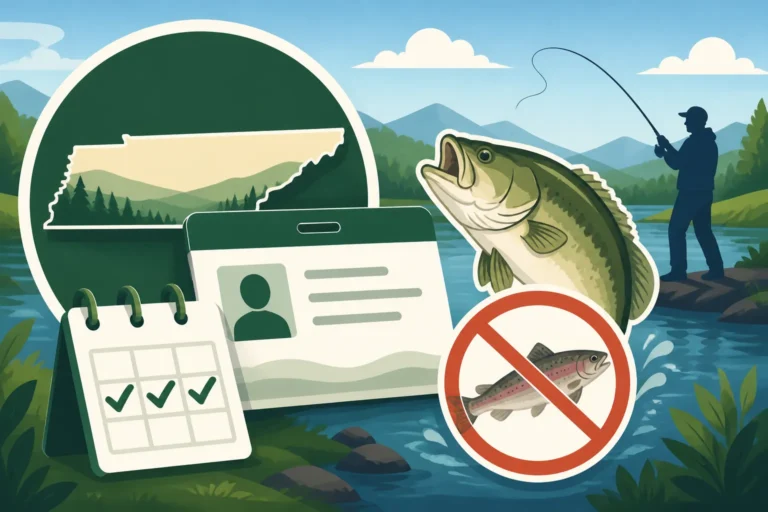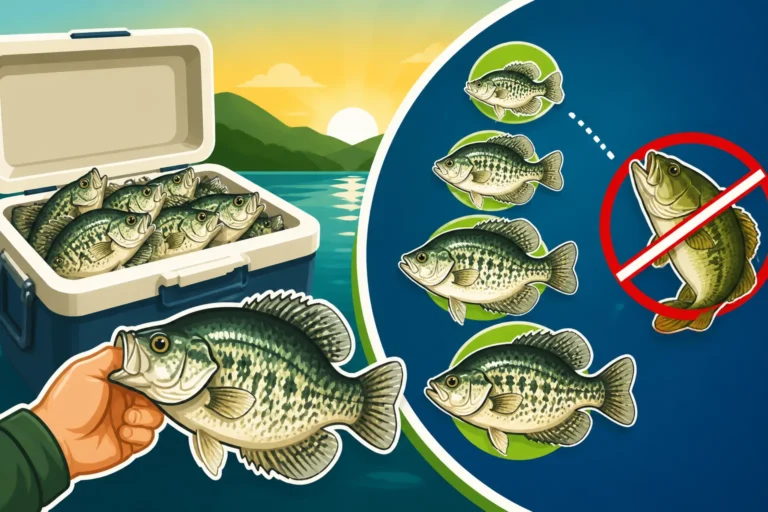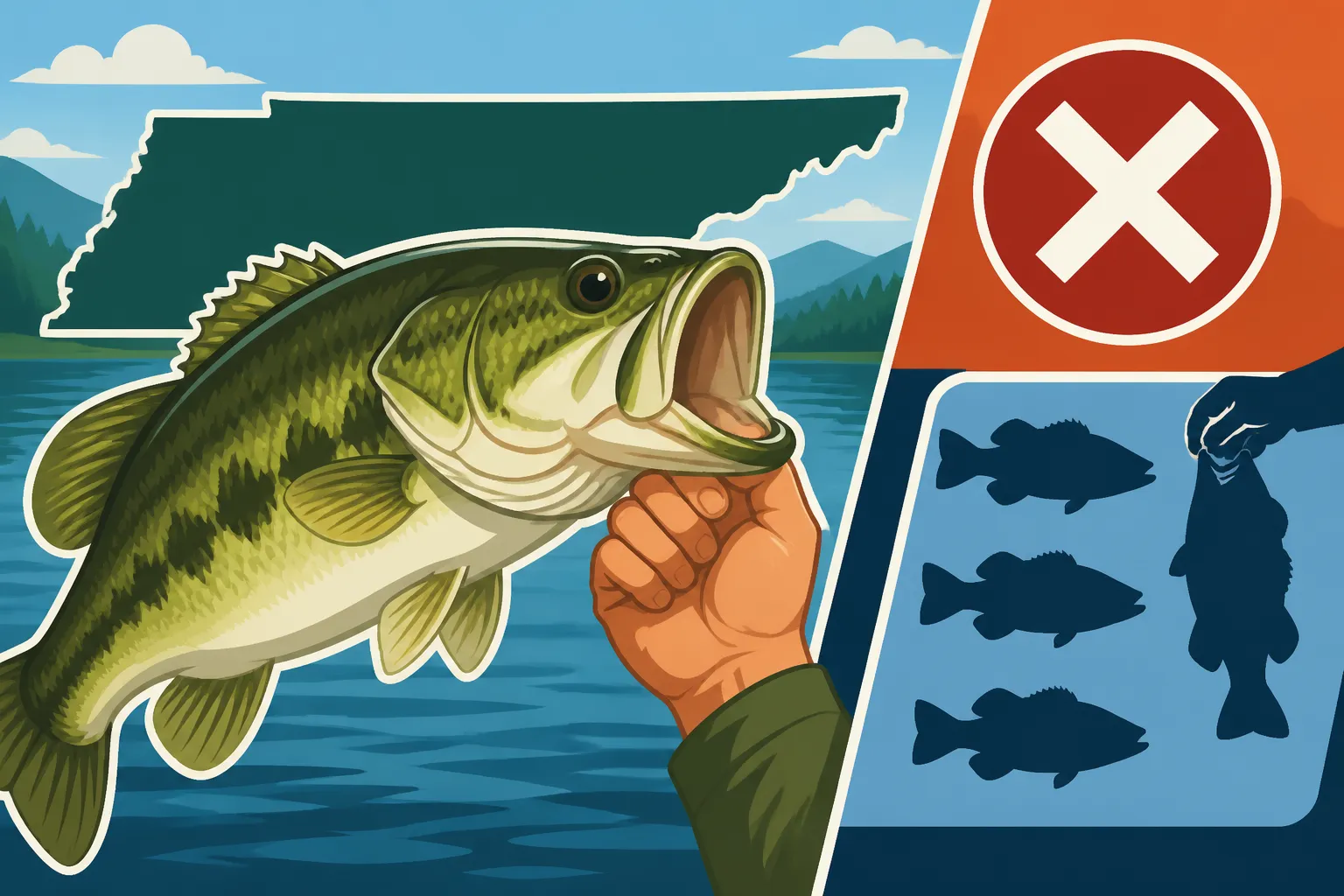
Keeping a trophy largemouth over 18 inches counts against your daily limit
It can be incredibly confusing to keep track of all the nuanced fishing regulations out there, especially when you're just trying to enjoy a peaceful day on the water and perhaps bring home a nice catch. One rule that often sparks a bit of head-scratching for anglers in Tennessee, particularly those targeting our beloved largemouth bass, revolves around what constitutes a "trophy" fish and how it impacts your daily limit. This guide is here to untangle that specific regulation, explaining exactly how keeping a trophy largemouth over 18 inches counts against your daily limit, so you can fish with confidence and stay on the right side of the law.
Understanding Tennessee's Largemouth Bass Regulations
Tennessee is blessed with incredible bass fisheries, from the sprawling waters of Chickamauga Lake to the quieter coves of Percy Priest Lake. Because of this popularity, careful management is essential to keep these fisheries thriving for generations to come. The Tennessee Wildlife Resources Agency (TWRA) implements specific rules for various species, and largemouth bass are no exception. These rules aren't designed to make your life harder; they're thoughtfully crafted to balance recreational opportunities with the long-term health of the fish populations.
The Statewide Daily Creel Limit for Largemouth Bass
Let's start with the basics. Across most of Tennessee's public waters, anglers are allowed to keep a certain number of largemouth bass per day. This is known as the daily creel limit. For largemouth bass, this statewide limit is set at five fish per day. This means that, in a 24-hour period, you can legally possess up to five largemouth bass that you've caught.
This limit is crucial for managing the population. If everyone kept every bass they caught, even in a thriving fishery, it wouldn't take long before the numbers started to dwindle. The five-fish daily limit helps to distribute the harvest among many anglers, preventing overfishing and ensuring there are plenty of bass left to reproduce and grow. It's a fundamental aspect of the broader Tennessee Fishing Regulations Explained and something every angler should know before their first cast. Whether you're a seasoned pro or just starting out, understanding these fundamental numbers is the first step toward responsible angling.
The Crucial 18-Inch Rule for Trophy Largemouth
Now, here's where the specific nuance comes into play, and it's a rule that can sometimes trip up even experienced anglers. While the daily limit is five largemouth bass, there’s an important caveat concerning larger fish: only one of your five-fish daily limit may be 18 inches or longer. This isn't an additional fish; it's a restriction within your existing five-fish limit.
Imagine you're having an incredible day on the water, perhaps trying your luck on Watts Bar Lake, Tennessee's Largest Lake for Fishing. You catch a beautiful 20-inch largemouth – a true lunker! That fish absolutely counts as one of your five fish for the day. But once you've kept that 20-inch bass, any other largemouth you keep must be under 18 inches. So, if you catch another 19-inch fish later, you would have to release it if you've already kept one over 18 inches. You could, however, keep four more bass, as long as each of them measures less than 18 inches. This specific regulation is detailed under Only one largemouth bass over 18 inches may be kept daily and is a cornerstone of trophy management in the state. It allows anglers to celebrate a single significant catch while still promoting the release of other large, reproductively valuable fish.
Why These Regulations Matter for Anglers
These specific regulations, particularly the 18-inch rule, aren't arbitrary. They are a critical component of what's known as "trophy management" in fisheries science. The goal is to protect a certain segment of the fish population—the larger, older, more prolific breeders—to ensure the genetic health and future abundance of the species. When you remove too many large fish, it can negatively impact the overall quality of the fishery, leading to smaller average sizes and fewer trophy opportunities down the line.
By limiting anglers to only one largemouth bass over 18 inches, the TWRA encourages the release of other big fish, allowing them to continue growing and contributing to the gene pool. This strategy helps foster the development of trophy fisheries, like those found on Chickamauga Lake, which is renowned for its giant bass. It ensures that anglers today and tomorrow will have the chance to experience the thrill of catching a truly impressive largemouth. This approach is a key reason Tennessee's daily bass limits split by species and by size and why you often see different size restrictions for different fish.
Practical Scenarios and What They Mean for Your Catch
Understanding the theory behind the regulations is one thing, but knowing how to apply them in real-time when you're out on the lake is another. Fishing can be unpredictable, and sometimes you might find yourself in a situation where you're catching a lot of quality fish, leading to tricky decisions about what to keep and what to release.
Navigating Multiple Trophy-Sized Bass
Let's walk through a common scenario. Imagine you're fishing on Kentucky Lake, famous for its excellent bass fishing, and you hook into a magnificent 21-inch largemouth. After carefully measuring it, you decide to keep it. That's one fish down, and it's over the 18-inch mark. This means for the rest of your fishing day, any other largemouth you choose to keep must be under 18 inches.
Later, you cast your line again and land another impressive bass, this one measuring 19 inches. You'd love to keep both, but the regulation is clear: only one fish over 18 inches. In this situation, you have a decision to make. You can either keep the 21-inch fish and release the 19-inch fish, or you could release the 21-inch fish and keep the 19-inch fish (which would then be your single fish over 18 inches). You cannot keep both of them. This is where responsible angling comes into play. If you're passionate about preserving the fishery and giving other anglers a chance at a lunker, releasing that second big fish is a great choice. Always prioritize the health of the fish you're releasing by handling it gently, using wet hands, and getting it back into the water as quickly as possible.
The Impact on Tournament Fishing
For many competitive anglers, bass tournaments are a regular part of their fishing calendar. Most organized bass tournaments in Tennessee operate under a strict catch-and-release policy. Anglers weigh their fish in alive, and then the fish are promptly returned to the water. This practice largely sidesteps the daily creel and length limits for keeping fish, as the fish are never actually "kept" for consumption or long-term possession beyond the weigh-in period.
However, tournament organizers often incorporate their own specific length minimums to ensure that only quality fish are brought to the scales, and sometimes they might even have rules that mirror or exceed state regulations for fish management. It's always crucial for tournament anglers to thoroughly review the specific rules of each event they participate in, as these can sometimes vary from statewide regulations. For recreational anglers not participating in tournaments, the statewide Tennessee Fishing Regulations Explained are always the default.
Lake-Specific Exceptions and Double-Checking Local Rules
While the general five-fish daily limit with only one over 18 inches is a statewide regulation for largemouth bass, it's incredibly important to remember that some Tennessee lakes set catch limits that override the statewide defaults. This is not uncommon and is typically implemented to address specific management goals for a particular body of water.
For instance, certain lakes might have slot limits, where you can only keep fish between two specified sizes, or they might have different minimum length requirements or even stricter creel limits. These lake-specific rules take precedence over the statewide regulations. A prime example might be a lake where TWRA is trying to reduce the number of smaller bass to improve the growth rate of the remaining fish, so they might implement a no-kill slot for fish under a certain size. Conversely, a lake known for producing exceptionally large bass might have a higher minimum length for keeping any fish at all. Before you head out, especially if you're exploring a new fishing spot, it’s absolutely vital to Always check a specific lake's regulations before your first cast. The TWRA website is an excellent resource for this, providing detailed information for individual lakes and rivers across the state. Trust me, it's much better to spend a few minutes checking online than to face a game warden with an accidental violation.
Tips for Responsible Largemouth Bass Angling in Tennessee
Being a responsible angler goes beyond just knowing the rules; it's about actively contributing to the health and sustainability of our cherished fisheries. Here are some practical tips to help you do just that, especially when it comes to managing your largemouth bass catch.
Measuring Your Catch Accurately
When you're out on the water, excited after landing a beautiful bass, it's easy to rush the measurement. However, accurate measurement is absolutely critical to complying with the 18-inch rule and indeed, all length regulations. You need a reliable measuring device that can handle wet conditions and provide clear markings. Many anglers opt for a simple bump board, which provides a solid surface and a straight edge to bump the fish's nose against.
To measure a bass correctly, gently lay the fish on its side on a flat measuring board, with its mouth closed and touching the bump. Then, pinch the tail fin together (this is called "squeezing the tail") to get the maximum length, reading the measurement at the longest point of the tail. Ensure you're measuring from the tip of the jaw to the end of the tail. Don't eyeball it; a quarter-inch difference can be the difference between a legal fish and a violation. You can find excellent, durable measuring boards on platforms like Amazon that are designed for quick and accurate measurements, often featuring non-slip surfaces and clear, easy-to-read markings.
Prioritizing Catch and Release
Even if you're allowed to keep five fish, there's immense value in practicing catch and release, especially for those larger, more mature bass. These older fish are often the best spawners and contribute significantly to the next generation of bass. Releasing them helps to maintain a robust and healthy fishery. If you do choose to release a fish, especially a large one, do it properly.
Here are a few pointers for healthy release:
- Wet your hands: Always wet your hands before touching a fish. Dry hands can remove the fish's protective slime coat, leaving it vulnerable to disease.
- Minimize air exposure: Keep the fish out of the water for the shortest possible time. If you need a photo, get it quickly and efficiently.
- Support the fish: When holding a bass, support its body weight, especially if it's a larger fish. Avoid holding it solely by the jaw, which can damage its internal organs or jaw structure.
- Use proper tools: If the fish is deeply hooked, use a de-hooking tool or needle-nose pliers to remove the hook quickly. Cut the line as close to the hook as possible if removal is too difficult and risks further harm.
- Revive the fish: Hold the fish gently in the water, facing into any current, until it regains its strength and can swim away on its own.
Practicing these techniques ensures that the fish you release has the best chance of survival, continuing its role in the ecosystem. This careful approach is a vital part of Tennessee Fishing Rules Every Angler Should Know.
Staying Informed with TWRA Resources
Fisheries regulations are not set in stone; they can and do change. The TWRA regularly assesses fish populations and adjusts regulations to respond to biological data and management goals. What was legal last year might have a slight modification this year. It is your responsibility as an angler to stay current with the latest rules.
The best way to do this is by regularly checking the official TWRA website. They publish an annual Fishing Guide, which is available online as a PDF, and often in print at sporting goods stores and bait shops across the state. This guide is your bible for all things regulation-related, including Tennessee Largemouth Bass Season and Limits, and information on Tennessee Fishing License Costs and Types. Make it a habit to review these resources at the beginning of each fishing season or before heading to a new body of water. A few minutes of research can save you a lot of trouble and ensure you’re always compliant. You can even find specific products on Amazon, like waterproof copies of fishing rulebooks, that some anglers find helpful to keep on their boat.
Clarifying Tennessee Largemouth Bass Limits
Let's put it all into a quick, easy-to-digest format to ensure absolute clarity on how the largemouth bass limit works in Tennessee.
| Regulation Type | Statewide Limit for Largemouth Bass | Specifics & Notes |
|---|---|---|
| Daily Creel Limit | 5 fish | You may possess no more than 5 largemouth bass in any 24-hour period. |
| Size Restriction | Only 1 fish >= 18 inches | Out of your 5-fish daily limit, only ONE largemouth bass may measure 18 inches or longer. If you keep an 18-inch fish, the other four you keep must be under 18 inches. |
| Lake-Specific Rules | Varies by waterbody | Always check specific regulations for the lake or river you are fishing. These special regulations, such as slot limits or different size restrictions, supersede statewide rules. For example, Some Tennessee lakes set catch limits that override the statewide defaults, so a quick check online is always recommended before you go. |
| Legal Measurement | Tip of jaw to tip of tail | Fish should be measured with mouth closed and tail squeezed to the longest point. Using a reliable measuring board, often available on Amazon or local tackle shops, is highly recommended for accuracy. |
| Conservation Goal | Trophy Management & Population Health | These limits are designed to protect larger, mature spawning fish, ensuring the future health and quality of Tennessee's largemouth bass fisheries. This directly answers Why largemouth bass have a higher size cutoff than smallmouth in Tennessee, as larger fish have a greater impact on overall population health and genetics. This also contributes to the goal of having more Tennessee's Top Bass Fishing Lakes. |
This table provides a concise overview of the rules so you can quickly reference them. Being well-informed is the first step to a successful and legally compliant fishing trip.
Disclaimer
The information provided in this guide is intended for general informational purposes only and is based on current Tennessee Wildlife Resources Agency (TWRA) regulations. Fishing regulations can change, and it is the sole responsibility of each angler to verify and adhere to the most up-to-date rules and regulations published by the TWRA or other relevant authorities before engaging in any fishing activities. Always consult the official TWRA fishing guide or website for the most accurate and current information.