Most of your crappie catch can be any size under the 20-fish cap
It's incredibly frustrating, isn't it, when you're out on the water, having a fantastic day catching crappie, only to second-guess yourself about the regulations? You've heard whispers about size limits, but also that you can keep most of your catch. This guide is here to clear up that confusion and make sure you understand the Tennessee Wildlife Resources Agency (TWRA) rules for crappie, specifically how you can keep a good number of those smaller "eater" fish while still being fully compliant with the law.
Deciphering Tennessee's Statewide Crappie Limits
Navigating fishing regulations can feel like trying to untangle a bird's nest of fishing line sometimes. But when it comes to crappie in Tennessee, the rules are actually quite straightforward once you understand the two key components: an overall daily bag limit and a specific sub-limit for larger fish.
The 20-Fish Daily Bag Limit: Your Overall Cap
First and foremost, the statewide daily creel limit for crappie in Tennessee is 20 fish per person. This means that whether you're catching black crappie or white crappie, or a mix of both, the total number of crappie you keep in a single day cannot exceed 20. It's a hard and fast rule, and it applies to each individual angler on board or fishing from the bank.
Imagine you're out on Kentucky Lake with a couple of buddies, enjoying a beautiful spring day. If all three of you have valid Tennessee fishing licenses, each of you is allowed to keep up to 20 crappie. That's a grand total of 60 fish for your group – a mighty fine haul for a fish fry! It's vital to remember that this limit is individual. You can't, for example, pool your limits; if one person hits 20 fish, they're done for the day, even if their buddy has only caught five. Keeping a mental tally, or even a physical one on a stringer or in a livewell, is essential to stay within the bounds. This overarching limit is designed to ensure that the crappie populations remain healthy and sustainable for generations of anglers to come. For a broader overview of all the rules, check out our guide on Tennessee Fishing Regulations Explained.
The "Any Size" Freedom for Most of Your Crappie
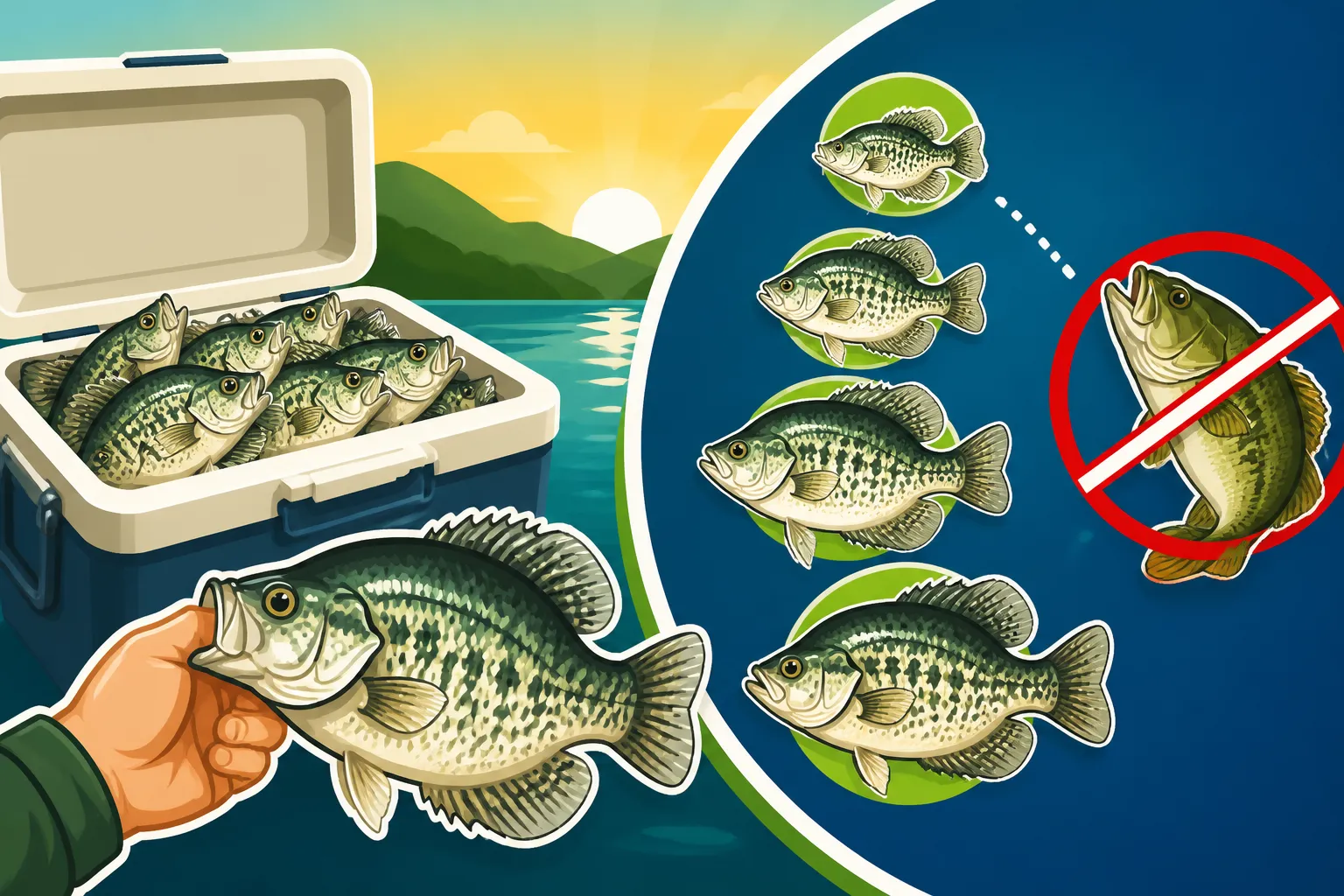
Now, here's where the good news comes in, and what often causes the most confusion: most of the crappie you catch in Tennessee do not have a minimum size limit. That's right! As long as you stay within your 20-fish daily bag limit, the majority of those crappie can be any size you reel in. This rule is a bit of a departure from many other species, like bass, which often have strict minimum length requirements.
Think about those days when the smaller "papermouths" are biting like crazy. You're catching 7, 8, or 9-inch crappie one after another. Under Tennessee's regulations, you can happily keep these delicious smaller fish. This particular aspect of the rule is fantastic for anglers who love to fill a cooler with pan-sized crappie for a meal. From a fisheries management perspective, allowing anglers to keep smaller fish can actually be beneficial, as it helps thin out populations, reducing competition for food and space among the remaining fish, potentially leading to faster growth rates for those that survive. This practice helps maintain a balanced ecosystem, ensuring there's plenty of food for the crappie that will grow into those larger, trophy-sized specimens. So, if you're not specifically targeting monster crappie, don't feel bad about keeping those smaller, but equally tasty, fish! Many anglers find that these smaller fish are perfect for frying whole.
The Important Exception: Crappie Over 12 Inches
While the "any size" rule for the majority of your catch is incredibly appealing, there's a crucial nuance you absolutely need to be aware of. Tennessee regulations include a specific sub-limit designed to protect larger, more mature crappie.
The 5-Fish Sub-Limit for Larger Crappie
Within your total 20-fish daily limit, you are only allowed to keep a maximum of 5 crappie that are 12 inches or longer. This is not an additional 5 fish on top of your 20-fish limit; it's a portion within that 20. So, if you catch 5 crappie that are 12 inches or longer, you can still keep 15 more crappie, but those remaining 15 must be under 12 inches. Conversely, if you've already kept 18 crappie that were all under 12 inches, you could still keep up to 2 more crappie, and if those happened to be over 12 inches, you'd be fine (assuming you hadn't already hit your 5-fish big crappie limit).
This 12-inch, 5-fish sub-limit is a smart conservation strategy by the TWRA. Larger crappie, especially those over a foot long, are typically the prime breeders in the population. By limiting the number of these bigger fish that anglers can keep, the TWRA helps ensure that there are enough mature crappie left in the lakes and rivers to spawn and produce the next generation of fish. This helps to maintain strong, healthy crappie populations and contributes to the potential for anglers to catch truly impressive "slab" crappie in the future. It’s all about balance – letting anglers enjoy their sport while safeguarding the fishery. You can dive deeper into these specific limits in our article on Crappie Limits Under Tennessee Fishing Rules.
How to Measure Crappie Correctly
When dealing with length limits, even sub-limits, accurate measurement is absolutely non-negotiable. Game wardens take this very seriously, and a mismeasurement could lead to a citation. The standard for measuring any fish in Tennessee is from the tip of the nose (with the mouth closed) to the tip of the tail (with the tail compressed).
It's a good idea to have a reliable measuring device on hand. A simple bump board, readily available at most sporting goods stores or through online retailers like Amazon, is your best friend here. These boards provide a clear, undeniable measurement and make the process quick and easy. When you catch a crappie that looks like it might be close to that 12-inch mark, quickly place it on the board. If it's under, into the livewell it goes (assuming you're within your 20-fish total). If it's over, and you haven't hit your 5-fish quota for the larger ones, then it's a keeper for that category. If you've already kept your five 12-inch-plus crappie, then it's time for a careful, quick release of the larger fish back into the water to grow and spawn another day. Always handle fish gently when measuring to minimize stress, especially if you plan to release them.
Practical Implications and Common Scenarios
Understanding the regulations in theory is one thing, but knowing how to apply them in real-world fishing situations is where the rubber meets the road. It can be a little tricky to manage a mixed bag of crappie sizes, but with a few tips, you'll be a pro.
Combining Different Crappie Sizes in Your Livewell
When you're actively catching fish, especially during a hot bite, it's easy to lose track. Imagine you're out on Chickamauga Lake, and the crappie are just hammering your jigs. You're pulling in 9-inchers, 10-inchers, and then suddenly, a beautiful 13-inch slab. How do you keep tabs?
A good strategy is to have a clear system. Some anglers use a dedicated stringer for their "over 12-inch" crappie, while the smaller ones go into a separate livewell or another stringer. Others simply keep a running count in their head, or even use a simple clicker counter, noting how many big fish they've kept. For those who frequently catch larger fish, having a livewell divided with a mesh barrier can be a practical solution. The key is to be disciplined. Don't just throw everything into one big pile and hope for the best. When a TWRA officer asks to check your catch, you need to be able to show that you're within all limits, both the overall 20-fish daily cap and the 5-fish sub-limit for crappie 12 inches and longer. Being organized not only keeps you compliant but also ensures you're harvesting ethically.
When Lake-Specific Rules Override Statewide Limits
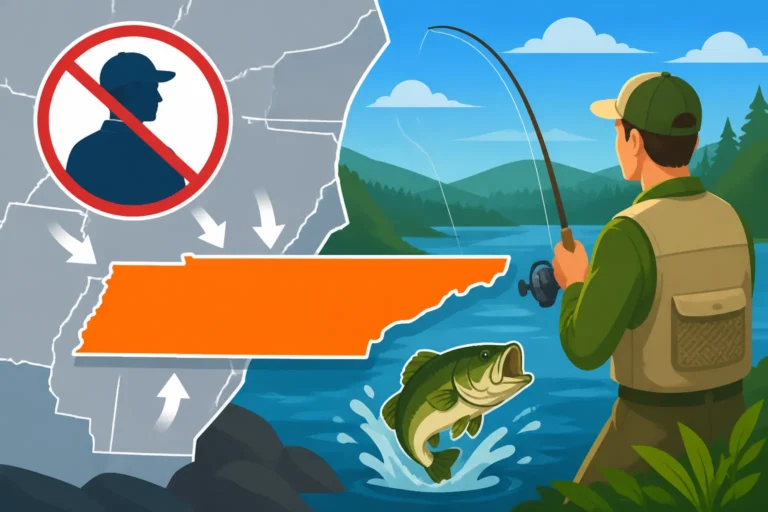
Here's a critical point that can trip up even experienced anglers: the statewide crappie limits we've been discussing are the default. However, many specific lakes, reservoirs, or even sections of rivers in Tennessee have special regulations that override these statewide rules. This is incredibly important to remember!
For instance, a particular lake might have a minimum size limit of 10 inches for crappie, or a different daily bag limit, or even a different sub-limit for larger fish. The TWRA implements these specific rules based on the unique characteristics of each body of water and its fish population. Before you even launch your boat or cast your first line, always, always check the current fishing guide for the specific body of water you plan to fish. You can usually find this information on the TWRA website or in their printed guides, often available at local bait shops or government offices. Failure to do so could lead to exceeding limits unintentionally, and that's not something you want. Our detailed article on Lake-Specific Fishing Rules That Override Tennessee's Statewide Limits is a must-read before any trip. You'd be surprised how different the rules can be from one reservoir to the next, even if they're close by.
Gear and Tactics for Mixed-Size Crappie
The fact that you can keep a good number of smaller crappie, alongside a few larger ones, might influence your fishing strategy. If your goal is primarily to bring home a mess of fish for dinner, you might focus on areas known for high numbers of crappie, regardless of their size. This could mean targeting brush piles in shallower waters during the spring spawn, or finding schools suspended in deeper water during the colder months.
For versatile crappie fishing that accommodates both "eaters" and "slabs," a light to medium-light action rod with a sensitive tip is ideal. This allows you to feel the subtle bites of smaller crappie but still have enough backbone to handle a larger fish. Small jigs, like those you can find in a variety of colors and weights on Amazon, are incredibly effective for crappie of all sizes. Paired with a sensitive line, you'll be able to detect even the slightest tap. If you're looking for tips on how to effectively catch these fish, our guide on How to Jig for Crappie offers some excellent starting points. Understanding Spring Crappie Spawn Timing in Tennessee can also help you predict when and where you'll encounter different sizes of crappie.
Avoiding Penalties and Fishing Responsibly
Nobody wants a fishing trip ruined by a run-in with a game warden for breaking the rules. Understanding the regulations isn't just about avoiding trouble; it's about being a good steward of Tennessee's natural resources.
The Consequences of Exceeding Limits
The TWRA takes fishing regulations seriously, and for good reason. These rules are in place to manage fish populations and ensure healthy fisheries for everyone. If you're caught exceeding your crappie limits – either the total 20-fish limit or the 5-fish sub-limit for crappie over 12 inches – you could face significant fines. Beyond monetary penalties, repeat offenses could lead to the suspension or revocation of your fishing license, meaning you wouldn't be able to enjoy your favorite pastime in Tennessee for a period of time.
It's a common misconception that "I didn't know" is an acceptable excuse. Unfortunately, ignorance of the law is rarely a defense. It's every angler's responsibility to know and abide by the current regulations for the waters they are fishing. Always carry your valid Tennessee fishing license with you, whether it's a physical copy or a digital one on your phone, and be ready to present it along with your catch if asked by a game warden. For more details on the potential repercussions of not following the rules, check out our piece on Penalties for Fishing Without a License in Tennessee, which highlights the importance of compliance.
Being a Responsible Crappie Angler
Fishing responsibly goes beyond just following the letter of the law; it's about adopting an ethical approach to the sport. While the regulations allow you to keep a generous number of crappie, consider only keeping what you and your family will realistically eat. This practice, often called "catch and cook," ensures that fish aren't wasted.
If you've caught your five crappie over 12 inches, and you continue to catch more large crappie, practice good catch and release techniques. Minimize handling time, use wet hands when touching the fish, and release them gently back into the water. Every crappie released safely has the chance to grow larger and contribute to future spawns, enriching the fishing experience for everyone. These regulations, including the specific crappie limits, are carefully crafted with scientific input to maintain the delicate balance of aquatic ecosystems. By understanding and respecting them, you're playing an active role in preserving Tennessee's fantastic fishing heritage. Whether you're targeting numbers or chasing those elusive slabs, remember that your actions have an impact.
Tennessee Crappie Limits at a Glance
To make things easy, here's a quick summary of Tennessee's statewide crappie limits:
| Category | Limit | Important Note |
|---|---|---|
| Daily Bag Limit (Overall) | 20 Crappie per angler per day | Applies to both Black and White Crappie combined. |
| Size Limit (Under 12") | No minimum size limit | Most of your 20-fish catch can be any length under 12 inches. |
| Size Limit (Over 12") | 5 Crappie per angler per day | This is a sub-limit within the 20-fish daily bag. You can keep a maximum of 5 crappie that are 12 inches or longer. |
Remember to always double-check the specific regulations for the particular lake or river you're fishing, as local rules can and often do override these statewide defaults. Happy fishing!
Disclaimer
The information provided in this guide is for general informational purposes only and is not intended as legal advice. Fishing regulations in Tennessee are subject to change by the Tennessee Wildlife Resources Agency (TWRA). While we strive to provide accurate and up-to-date information, it is the angler's responsibility to consult the most current TWRA fishing regulations guide or website before fishing to ensure full compliance with all applicable laws and rules.