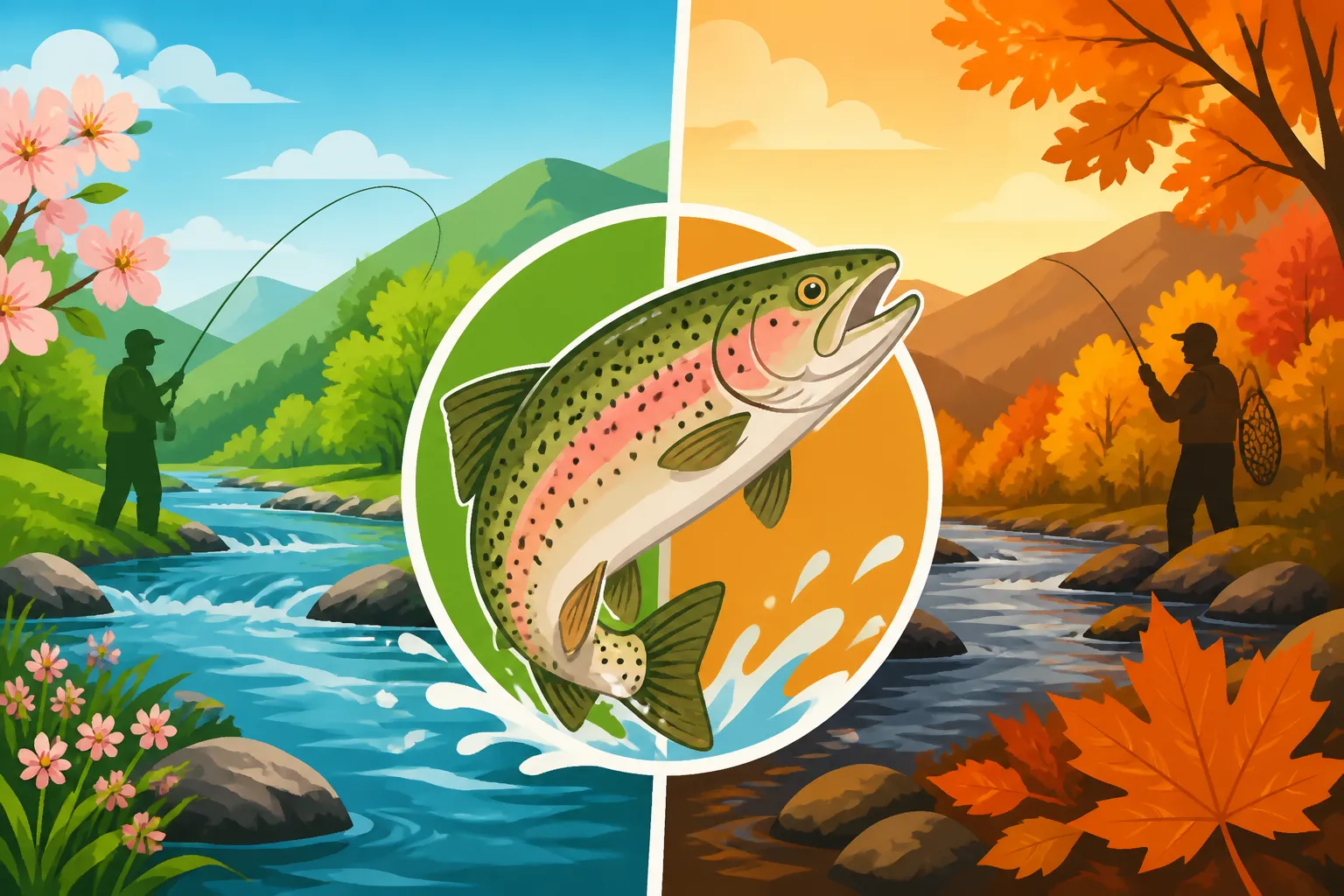
How the Trout Season Splits Between Spring and Fall in Tennessee
It’s a tale as old as time for many anglers here in Tennessee: you hear talk about "trout season," but then you dig a little deeper, and suddenly it's not quite as simple as a single opening and closing date. The confusion is real, and frankly, it can be frustrating trying to keep all the different regulations straight. Instead of a straightforward timeline, our beautiful state employs a nuanced, two-tiered system for trout fishing, designed to both protect these amazing cold-water fish and give us plenty of opportunities to cast a line. This comprehensive guide will meticulously break down how Tennessee's trout season splits, explaining the specific rules, limits, and environmental factors that govern fishing from the crisp days of early spring all the way through the chill of winter.
Understanding Tennessee's Unique Trout Season Structure
Tennessee is blessed with an incredible diversity of waterways, from the massive reservoirs to the crystal-clear mountain streams. This variety, coupled with the differing needs of rainbow, brown, and brook trout, necessitates a sophisticated management approach. You might think of trout season as one long stretch, but it's truly divided into two distinct periods, each with its own set of rules and nuances that every angler needs to grasp to stay within the law and make the most of their time on the water.
The Statewide Standard
At a glance, Tennessee's trout season is split into two primary segments. The first, and often the most straightforward for many anglers, runs from March through September. During this period, a general statewide daily creel limit of seven (7) trout is typically in effect for most designated trout waters. This sounds simple enough, right? Well, there's often a crucial caveat: while you can keep up to seven trout in total, there's usually a sub-limit specifically for brown trout, often restricting you to just two (2) of those seven. This default framework is what many anglers learn first, and it's applicable across a wide array of stocked rivers and streams throughout the state. However, it’s vital to remember that "statewide" doesn't mean "everywhere," and there are always exceptions that will override this general rule, especially as you move into the latter part of the year. For a more exhaustive understanding, you might find our article on Tennessee Trout Fishing Season Explained incredibly helpful.
What makes this statewide standard the "default" is its broad application, especially in the heavily stocked waters that the Tennessee Wildlife Resources Agency (TWRA) manages for recreational fishing. These are the places where you'll often find eager rainbow trout, making for fantastic fishing experiences, particularly in the spring and early summer. But even with these general guidelines, the experienced angler knows that fishing isn't just about knowing the rules; it's about understanding the "why" behind them, which often points back to the delicate balance of ecological health and recreational opportunity.
The Role of TWRA in Trout Management
The Tennessee Wildlife Resources Agency (TWRA) is the driving force behind all trout management in our state. They don't just set the rules; they conduct extensive research, manage complex stocking programs, and enforce regulations to ensure sustainable trout populations. Their primary goal is to balance the conservation of these sensitive fish with providing ample, high-quality fishing opportunities for both residents and visitors. This means monitoring water quality, assessing fish health, and adapting stocking strategies to environmental conditions and angler demand.
TWRA biologists are constantly evaluating the success of different management strategies. For example, they track the survival rates of stocked trout, the natural reproduction in wild streams, and the impact of angling pressure. This scientific approach is what informs the detailed regulations, including the specific timing of the split season. It’s a huge undertaking, and their dedication is why we have such diverse and vibrant trout fisheries across Tennessee, from the heavily fished tailwaters to the secluded mountain hideaways.
Distinguishing Between Wild and Stocked Trout Waters
One of the most important distinctions an angler can make when fishing for trout in Tennessee is understanding whether they are in wild trout waters or stocked trout waters. This difference profoundly impacts the regulations you'll encounter and, often, the fishing experience itself. Wild trout streams, typically found in the colder, pristine headwaters of the Appalachian Mountains, including parts of the Cherokee National Forest and the Great Smoky Mountains National Park, harbor naturally reproducing populations of rainbow, brown, and especially our native brook trout. These environments are fragile, and as such, they often come with more restrictive regulations, such as catch-and-release only, artificial lures only, or specific slot limits, designed to protect these self-sustaining populations.
On the other hand, stocked waters, which include many of our larger rivers and tailwaters below dams (like the Clinch River or the Caney Fork), are primarily "put-and-take" fisheries. The TWRA regularly stocks these waters with hatchery-raised trout, predominantly rainbow trout, to ensure a consistent supply for anglers. While these waters often adhere more closely to the statewide limits during the March-September period, they can also have their own specific regulations that may vary by season or section of the river, especially during the fall and winter months. Knowing which type of water you're fishing isn't just about following rules; it's about appreciating the different ecological systems at play and contributing to their preservation.
Spring Trout Season: March Through September
As the days lengthen and the weather warms, Tennessee's trout waters truly come alive. This period, from March through September, is when many anglers get their fix, enjoying milder conditions and often more active fish. It’s also the season that most closely aligns with the general statewide trout limits, making it a bit more straightforward for those just getting started or visiting new areas.
Rainbow Trout Dominance
During the spring and summer months, particularly from March through September, rainbow trout are often the stars of the show in Tennessee's stocked waters. The TWRA conducts frequent stockings in rivers, streams, and even some smaller ponds, ensuring there are plenty of feisty rainbows to go around. This is prime time to target these spirited fish, known for their acrobatic jumps and strong fights. The general statewide limit during this period is seven trout per day, with these rainbows often making up the bulk of an angler's creel. Our article on Tennessee's Trout Limit Is 7 Per Day From March Through September delves deeper into this specific regulation.
Anglers flock to popular spots like the Clinch River, Caney Fork River, and various smaller streams after stocking events. The warmer temperatures, compared to winter, mean fish are often more active and willing to chase a variety of lures and baits. It's a wonderful time to introduce new anglers, especially kids, to the joys of trout fishing, as the action can be quite consistent. You'll see everything from spin fishermen tossing inline spinners and PowerBait to fly anglers matching hatches with nymphs and dry flies.
Brown Trout Considerations
While rainbow trout may dominate the stocking reports, brown trout also play a significant role in Tennessee's trout fisheries, especially in certain tailwaters and wilder streams. However, during the March through September season, brown trout often have a stricter sub-limit within the overall seven-fish daily total. Specifically, anglers are typically permitted to keep no more than two (2) brown trout as part of their seven-fish limit. This specific regulation helps protect brown trout populations, which often grow larger and are generally less numerous than stocked rainbows. You can read more about this specific rule in our detailed post, Only 2 Brown Trout Allowed Per Day During Tennessee's Trout Season.
This stricter limit reflects the TWRA's understanding of brown trout biology. They tend to be more elusive, grow slower, and have different spawning habits compared to rainbows, making their populations more sensitive to harvest pressure. Targeting brown trout often requires a different approach, focusing on their preference for deeper, cover-rich areas and sometimes larger, more aggressive presentations. Many dedicated brown trout anglers will practice catch and release, especially for the larger fish, to ensure these magnificent fish continue to thrive in our waters.
Brook Trout in High-Elevation Streams
Nestled in the pristine, cold-water streams of the high-elevation mountains, particularly within the Great Smoky Mountains National Park and parts of the Cherokee National Forest, you’ll find Tennessee’s only native trout species: the brook trout. During the broader March through September season, fishing for these beautiful, char-like fish often falls under very specific, and typically more restrictive, regulations. While the statewide limits might apply to stocked waters, wild brook trout streams frequently operate under special regulations designed for conservation.
These regulations often include catch-and-release only policies, single artificial lure restrictions, and sometimes even barbless hook requirements. The delicate nature of their habitat and their susceptibility to environmental changes mean that these populations need extra protection. Anglers seeking brook trout are usually looking for a more remote, wilderness experience, embracing the challenge of stalking these smaller, vibrant fish in their natural environment. It's an opportunity to connect with Tennessee's true angling heritage, and respecting the specific rules of these unique streams is paramount for their continued survival. If you're planning a trip to these areas, always check the specific park or forest regulations in addition to TWRA's guidelines, as they can sometimes differ.
Fall and Winter Trout Season: October Through February
As the vibrant colors of fall paint the Tennessee landscape and the air takes on a crisp, cool edge, the trout season undergoes its most significant transformation. This period, from October through February, is where the "split" truly becomes apparent, and understanding these changes is critical for any angler hoping to continue catching trout responsibly. This is no longer the "statewide default" season; instead, it becomes a hyper-local game of understanding specific water regulations.
Tailwater and Specific Water Regulations
Here's where the primary shift occurs, and it's a critical point of confusion for many: from October through February, the general statewide limit of seven (7) trout per day no longer applies. Instead, fishing regulations for trout in Tennessee during these colder months transition entirely to water-specific rules. This means that every designated trout stream, river, or lake may have its own unique set of rules regarding daily creel limits, size restrictions, and even specific gear requirements (like artificial lures only or single hooks). You absolutely must check the specific regulations for the particular body of water you intend to fish before making your first cast. Our article, Tennessee Trout Limits Change by Water From October Through February, is an indispensable resource for navigating these specific rules.
For example, popular tailwaters like the Clinch River below Norris Dam, the Caney Fork River below Center Hill Dam, or the Hiwassee River will each have detailed regulations listed by the TWRA. These might include reduced creel limits, extended catch-and-release sections, or "slot limits" where only fish within a certain size range can be kept. This system is designed to provide targeted management for individual water bodies, allowing for precise control over harvest rates during periods when trout might be more vulnerable due to spawning or colder, less productive feeding conditions. Ignoring these local rules can lead to serious penalties, so diligence is key.
Strategic Fall Stocking Programs
Despite the colder temperatures and more restrictive rules, the fall and early winter months are not devoid of trout fishing opportunities. In fact, the TWRA undertakes strategic fall trout stocking streams in Tennessee, ensuring that there are still plenty of fish available for anglers who brave the chill. These stockings are often concentrated in more accessible areas, including city parks and smaller impoundments, making them popular destinations for those looking for a quick and convenient fishing trip. You can often find information on these stockings through the TWRA's website or local bait shops.
These fall stockings are a fantastic way to keep the angling community engaged through the colder seasons. While the fish are put-and-take, just like many spring stockings, the key difference is that their harvest is governed by the specific water regulations for that location, not the general statewide limit. So, even if you’re fishing a freshly stocked pond, always verify the local rules before deciding how many fish you can keep. This ensures that the efforts to provide year-round fishing opportunities are both successful and sustainable.
Catch and Release Emphasis and Techniques
The fall and winter season often sees a greater emphasis on catch and release, particularly in highly managed or wilder trout waters. Many of the specific water regulations during this period are designed to protect larger, spawning fish or to manage populations more conservatively. This means that even if a small harvest is allowed, many dedicated anglers choose to release their catch, especially if they are targeting trophy-sized fish.
Fishing during colder months also demands a shift in technique. Trout tend to be more lethargic in cold water, meaning their feeding windows are shorter and their strikes are more subtle. For fly anglers, deep nymphing rigs, indicator fishing, and larger streamers are often highly effective. Spin fishermen might find success with slower retrieves, drifting natural baits like salmon eggs or worms, or using very small, weighted jigs. Patience becomes an even greater virtue. Proper handling of fish is also crucial during colder temperatures; keeping fish in the water as much as possible, using wet hands, and de-hooking quickly with barbless hooks minimizes stress and increases their chances of survival upon release. It's a challenging but incredibly rewarding time to be on the water, offering a serene experience in some of Tennessee's most beautiful natural settings.
Why the Split? The Science Behind Tennessee's Regulations
The intricate split in Tennessee's trout season isn't arbitrary; it's a carefully crafted management strategy based on ecological principles and the specific biological needs of trout. Understanding the scientific reasoning behind these regulations can help anglers appreciate the conservation efforts and fish more effectively throughout the year.
Water Temperature and Oxygen Levels
Trout are fundamentally cold-water species. They thrive in water temperatures generally below 68°F (20°C) and require high levels of dissolved oxygen. During Tennessee's spring and especially its hot summer months, water temperatures in many lower-elevation rivers and streams can rise significantly, sometimes exceeding comfortable or even survivable levels for trout. This rise in temperature directly corresponds to a decrease in dissolved oxygen, putting immense stress on the fish.
The statewide limits during March through September are often set with these environmental stressors in mind. While stockings ensure a population for anglers, the regulations help manage harvest during periods when fish might be more vulnerable due to warmer, less oxygenated water. Conversely, the cooler temperatures of fall and winter are ideal for trout, reducing stress and often making them more active, but also potentially more concentrated in certain areas. This shift allows for more localized, protective regulations where specific populations might be particularly valuable or vulnerable to over-harvest. Our article, How Water Temperature Affects Fish Activity, provides excellent context for these seasonal changes.
Spawning Cycles and Conservation Efforts
Another crucial factor driving the split season is the spawning cycles of different trout species. Brown trout, for instance, typically spawn in the fall, from late October through December. During this period, they are actively seeking spawning grounds, creating redds (nests), and depositing eggs. Protecting these spawning fish is paramount for ensuring future generations of brown trout. The stricter two-brown-trout limit during the spring/summer period, and the move to water-specific regulations in the fall/winter, directly contributes to safeguarding these crucial reproductive activities.
Rainbow trout, while often stocked, also have specific spawning periods, usually in the spring. Even for stocked fish, maintaining healthy populations and minimizing disruption during these sensitive times is a key conservation objective. The TWRA's overall trout management strategy is deeply rooted in these biological rhythms, aiming to prevent overfishing during critical life stages and promote healthy, self-sustaining populations wherever possible. This commitment to ecological science is why Tennessee boasts some of the most productive trout fisheries in the Southeast.
Habitat Preservation and Angler Access
Beyond individual fish biology, the split season also plays a vital role in broader habitat preservation and the equitable distribution of angler access. By implementing specific regulations for different water bodies, especially during the fall and winter, the TWRA can precisely manage localized fishing pressure. This prevents certain areas from being overfished or from experiencing undue stress on their ecosystems. For example, some small, pristine mountain streams that harbor wild brook trout might have year-round catch-and-release rules to protect fragile, naturally reproducing populations that simply cannot withstand significant harvest pressure.
The regulations also help distribute fishing opportunities throughout the year and across different types of waters. While some waters might be closed or highly restricted during certain times, others remain open with tailored regulations, ensuring that anglers always have a place to fish for trout. This strategic approach ensures that Tennessee's diverse trout habitats remain healthy and productive for generations to come, while simultaneously maximizing the recreational value for the state's passionate angling community. It's a testament to thoughtful resource management that balances both ecological integrity and human enjoyment.
Essential Gear and Techniques for Each Season
Just like you wouldn't wear a heavy winter coat to the beach in July, your fishing gear and techniques for trout need to adapt to Tennessee's split seasons. The environmental conditions, fish behavior, and specific regulations all dictate what tackle and approach will be most effective and compliant. Preparing properly is half the battle won, and having the right tools can make all the difference in your success and enjoyment.
Spring and Summer Gear Choices
For the general March through September season, when water temperatures are typically rising and trout are more active, a versatile gear setup is your best friend. For spin fishing, an ultralight to light action spinning rod, around 5'6" to 6'6" in length, paired with a small spinning reel spooled with 4-6 lb monofilament or fluorocarbon line is ideal. This lighter tackle allows for subtle presentations and maximizes the fighting fun of even smaller trout. Popular lures include classic inline spinners like Mepps or Panther Martins, small crankbaits, and soft plastics rigged on jig heads. Bait fishing is also highly effective, with PowerBait, corn, and salmon eggs being perennial favorites. You can find a fantastic selection of these ultralight combos and various lures on Amazon, making it easy to get equipped.
Fly anglers will find this period rich with opportunities, often revolving around "matching the hatch." Spring brings prolific hatches of caddisflies and mayflies, making dry fly fishing exhilarating. As summer progresses, terrestrials like hoppers and ants become important, alongside various nymph patterns fished below an indicator. Waders are almost a necessity for most Tennessee trout streams, allowing you to access prime casting positions. Lightweight, breathable waders for warmer weather, along with a comfortable fishing vest to hold all your flies and accessories, will enhance your experience. Considering the intensity of the sun during these months, don't forget quality polarized sunglasses and sun-protective clothing, all readily available through retailers like Amazon.
Fall and Winter Tackle Adjustments
As temperatures drop from October through February, trout become less active and more finicky, necessitating a shift in tackle and technique. For spin anglers, slower presentations are key. This often means drifting natural baits like minnows (where legal), salmon eggs, or red worms under a bobber or with minimal weight. Small, heavier jigs fished slowly along the bottom can also be highly effective. The same ultralight rod and reel setup can still work, but you might consider dropping to 2-4 lb line for increased sensitivity, especially when fishing for less aggressive trout in clear, cold water.
Fly fishermen will typically lean heavily into nymphing techniques during the colder months. Heavy nymph rigs, often involving multiple weighted flies fished under an indicator or using European nymphing methods, are highly productive. Streamers, especially those mimicking baitfish or sculpins, can also entice larger, less active trout. Midge patterns become incredibly important on many tailwaters when other insects aren't active. Comfort is paramount in fall and winter. Invest in good quality, insulated waders, warm layers, waterproof outer shells, and insulated gloves. Proper cold-weather gear, which you can browse on Amazon, will allow you to stay on the water longer and fish more effectively when the mercury drops. Our guide on How Cold Water Changes Trout Fishing in Tennessee's Smoky Mountains offers more insights into winter trout behavior.
Understanding Bait and Lure Preferences
The preference of trout for certain baits and lures is often dictated by water temperature, available food sources, and their overall activity levels, all of which are influenced by Tennessee's split seasons. In the warmer spring and early summer, trout are often eager to chase and strike at flashy, aggressive lures like inline spinners, small spoons, and bright crankbaits. Their metabolism is higher, making them more opportunistic feeders. Natural baits like worms or PowerBait, particularly in vibrant colors, also work exceptionally well in stocked waters where trout are conditioned to hatchery foods.
However, as the water cools dramatically in the fall and winter, trout's metabolism slows down. They become more selective and less willing to expend energy on chasing fast-moving targets. This is when subtle presentations shine. For bait anglers, dead drifting natural baits or using scented dough baits that sit enticingly on the bottom often outperforms aggressive lures. Fly anglers will shift from large, visible dry flies to tiny, imitative nymphs and midges that mimic the few insect larvae active in cold water, or use larger streamers to tempt a reaction strike from a lethargic, bigger fish. The key across both seasons is observation and adaptation – pay attention to what the fish are doing and what natural food sources might be present. For specific fly patterns, you might want to consult our guide on Best Fly Patterns for Stocked Trout.
Navigating Lake-Specific and Tailwater Rules
One of the biggest pitfalls for even experienced anglers in Tennessee's trout fisheries is assuming that statewide regulations apply everywhere, all the time. The reality, especially during the fall and winter split, is that many of our most popular and productive trout waters, particularly tailwaters and specific lakes, operate under their own distinct sets of rules. Navigating these localized regulations is paramount for a successful and legal fishing trip.
The Importance of Local Regulations
Let me be absolutely clear: while a base set of statewide rules exists for part of the year, it is imperative to always check the specific regulations for the particular lake, river, or even a section of a river you plan to fish in Tennessee. This becomes exponentially more important during the October through February period, when the general statewide limits are suspended and replaced by water-specific guidelines. These local rules can dictate everything from daily creel limits (which might be lower than 7, or even catch-and-release only), minimum or maximum size restrictions, the types of bait or lures allowed (e.g., artificial lures only, single hook only), and even specific fishing hours or areas. A fantastic resource for a broader understanding is our Tennessee Fishing Regulations Explained article, but always drill down to specific trout regulations.
Ignoring these hyper-local regulations isn't just a minor oversight; it can result in significant fines and penalties. Game wardens regularly patrol these popular trout waters, and "I didn't know" is not an acceptable excuse. Always, always consult the official TWRA fishing guide or their website before heading out. It's truly a shame to have a great day on the water only to find out you were inadvertently breaking the law. Even if you've been fishing a spot for years, regulations can change, so a quick check each season is a wise habit to develop.
Common Tailwater Fishing Scenarios
Tennessee's tailwaters—the rivers flowing directly below large hydroelectric dams—are often the jewels of our trout fishing scene. Rivers like the Clinch River below Norris Dam, the Caney Fork River below Center Hill Dam, and the Hiwassee River are famous for their cold, consistent flows that create ideal trout habitat year-round. However, precisely because they are such productive and popular fisheries, they are almost universally managed with highly specific, and often complex, regulations that frequently override statewide defaults.
For example, the Clinch River might have a section designated as "trophy trout water" with strict catch-and-release rules or specific slot limits, while another section downstream might have different harvest regulations. The Caney Fork is known for its "artificial lures only" sections and carefully managed harvest. These regulations are designed to sustain high-quality fisheries, protecting the larger, wilder trout while still allowing for some harvest of stocked fish. Anglers fishing these waters must be intimately familiar with the specific rules for the stretch they are on, often consulting maps and signage posted along the river. This attention to detail is why these tailwaters remain some of the Best Trout Streams in Tennessee.
Checking Official TWRA Resources
When in doubt, the Tennessee Wildlife Resources Agency (TWRA) is your definitive, authoritative source for all fishing regulations, including those for trout. Their official website (tn.gov/twra) provides the most up-to-date and comprehensive fishing guide, often available as a downloadable PDF. This guide details statewide regulations, as well as specific rules for individual lakes, rivers, and tailwaters. It's good practice to either print out the relevant pages or save the PDF to your phone for easy access while you're on the water.
Beyond the online guide, many local bait shops and outdoor retailers located near popular trout fishing areas are excellent resources. The folks working there often have current knowledge of recent stockings, water levels, and any recent regulation changes. Don't be shy about asking for advice and clarification. The TWRA also offers various publications and even a mobile app for some services, making it easier than ever to stay informed. Additionally, if you're curious about licenses, checking out the Tennessee Fishing License Guide is always a good idea, as proper licensing is the first step to a legal fishing trip. Ultimately, responsible angling means being an informed angler, and the TWRA's resources are your best tool for that.
Disclaimer
The information provided in this guide is for general informational purposes only and is subject to change. While we strive to provide accurate and up-to-date information, fishing regulations and seasons in Tennessee can change at any time. It is the angler's sole responsibility to consult the official Tennessee Wildlife Resources Agency (TWRA) regulations, publications, and website (tn.gov/twra) before fishing any body of water to ensure compliance with all current laws and regulations. Failure to do so may result in penalties.