How Cold Water Changes Trout Fishing in Tennessee’s Smoky Mountains
Winter trout fishing in the majestic Smoky Mountains of Tennessee presents a unique set of challenges and opportunities. Many anglers get frustrated when their usual tactics fall flat as temperatures drop, finding the fish sluggish and seemingly vanished. This comprehensive guide will walk you through exactly how the frigid waters impact trout behavior and equip you with the knowledge and techniques to successfully pursue these elusive beauties, even when the thermometer dips.
Understanding the Impact of Cold Water on Trout Behavior
When the crisp mountain air brings the chill of winter to the East Tennessee streams, the water temperature inevitably follows suit. This isn't just a minor inconvenience for anglers; it fundamentally alters the very physiology and daily life of trout, demanding a complete shift in our approach.
How Water Temperature Affects Trout Metabolism
Imagine trying to run a marathon in freezing conditions – your body slows down, your energy reserves deplete faster, and every movement feels like a monumental effort. Trout experience something similar when the water turns cold. Being cold-blooded creatures, their metabolism is directly tied to the ambient water temperature. As the water cools, their metabolic rate drops significantly. This means they digest food much slower, require less energy, and thus, need to eat far less frequently and aggressively.
You’ll notice that fish become incredibly lethargic. Their movements are slower, their reaction time to predators or food is diminished, and their overall activity levels plummet. Instead of chasing down a swiftly drifting insect, they'll often hold in a prime spot, waiting for food to literally drift into their mouths with minimal effort. This metabolic slowdown is why you can't expect the same frenzied bite you might experience during warmer months. Understanding this fundamental change is the first step toward successful winter angling; it tells us that our presentations need to be agonizingly slow and precise, mimicking a meal that requires no exertion to capture.
Trout Movement and Habitat Shifts in Winter
Just as we seek warmth and shelter when it's cold outside, trout instinctively move to areas where they can conserve energy and find slightly more stable, often warmer, water. You won't typically find them holding in fast, oxygen-rich riffles as much as you would in spring or summer. Those areas are too energy-intensive in cold water.
Instead, trout will congregate in deeper pools, slower runs, and behind large boulders or logs that break the current. These spots offer refuge from strong flows, allowing them to expend less energy fighting the current. Look for the deepest parts of pools, especially those with dark bottoms that might absorb a bit more sunlight, or areas with slower eddies where food can accumulate without requiring the fish to chase it. They might also seek out thermal refuges, which are areas where slightly warmer groundwater seeps into the stream, providing a small but significant advantage in their quest to maintain body temperature. Pinpointing these winter holding lies is crucial, as a seemingly barren stretch of water might be holding dozens of fish if you know where to look. Learning to "read" the water to identify these prime winter locations is a skill that comes with practice and keen observation, but it's vital for connecting with trout in the colder months.
Essential Gear Adjustments for Cold Water Trout Fishing
Fishing in cold water, especially in places like the Great Smoky Mountains where conditions can change rapidly, demands more than just a change in technique; it often requires some thoughtful adjustments to your gear. The subtle bites and numb fingers of winter fishing can quickly lead to frustration if your equipment isn't up to the task.
Rods, Reels, and Line for Winter Conditions
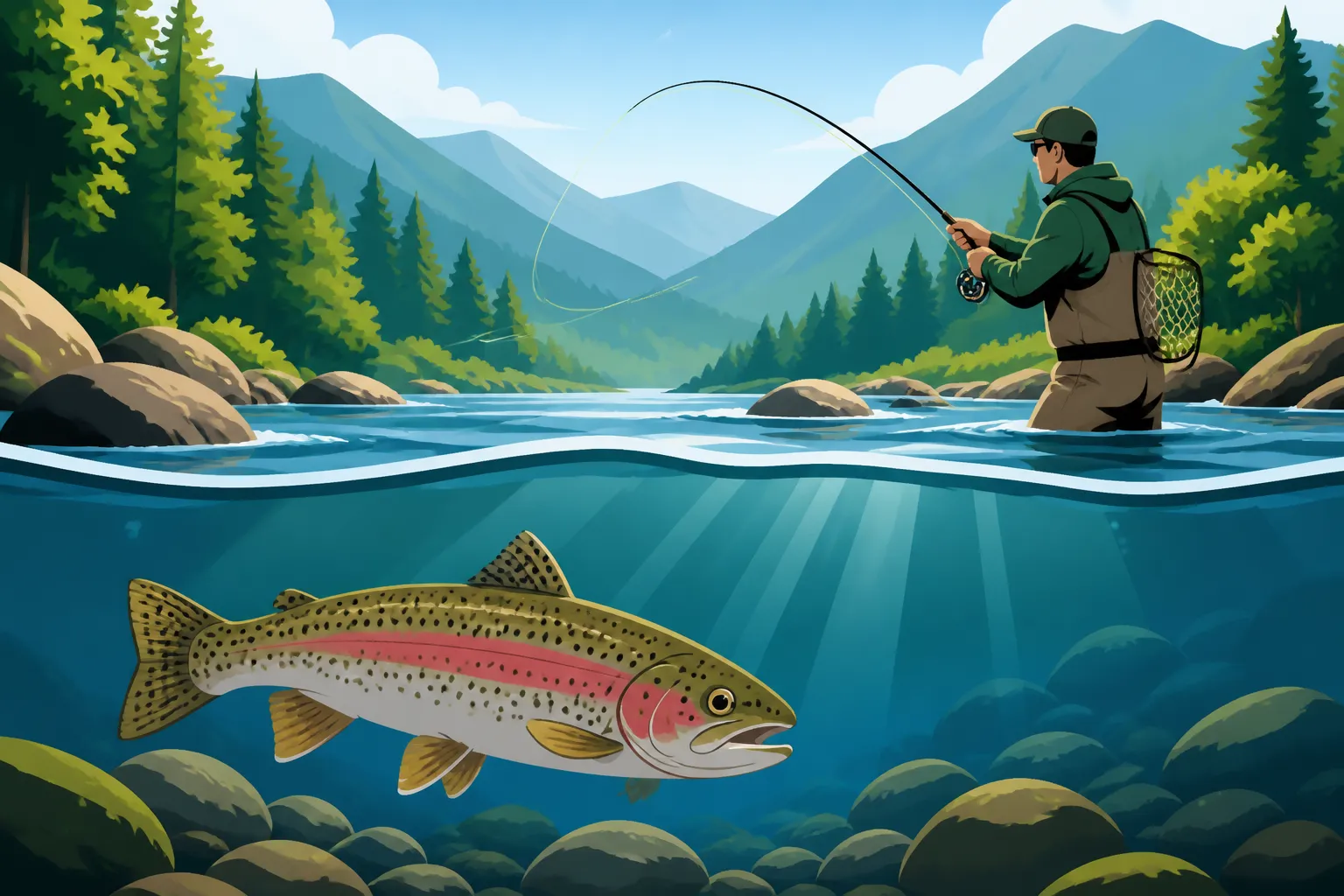
When trout are lethargic in cold water, their bites can be incredibly subtle – sometimes just a slight hesitation in your line or a barely perceptible tick. This means your rod needs to be highly sensitive. Opt for a lighter action rod, perhaps an ultralight or light power, with a fast or extra-fast tip. This sensitivity allows you to feel those faint takes that a heavier rod might completely miss. For fly anglers, a lighter weight rod, like a 2 or 3-weight, offers the delicate presentation needed for small flies and tippets.
For spinning gear, match your rod with a small, smooth-operating reel. Cold hands can make managing line a real chore, so a reel with an excellent drag system is key, even for smaller trout. Your line choice is also paramount. Fluorocarbon line is a fantastic choice for cold water conditions. It's nearly invisible underwater, which is a huge advantage when fish are wary, and it has less stretch than monofilament, transmitting those subtle bites much better. I often spool up with a high-visibility main line and then attach a few feet of fluorocarbon leader for the business end, ensuring I can see my line movements while offering a stealthy presentation to the fish. When the water is extra clear, a 4x or 5x fluorocarbon leader can make all the difference.
Baits and Lures That Perform in Cold Water
Cold water trout generally aren't looking for a big, flashy meal that requires a lot of energy to pursue. Their reduced metabolism means they prefer something small, easy to catch, and high in caloric value. This is where your bait and lure selection becomes critical. For natural bait enthusiasts, small offerings like wax worms, red wigglers, or even salmon eggs are incredibly effective. These baits offer a natural scent and profile that appeals to sluggish trout. You can find excellent options on Amazon, making it easy to stock up before your trip.
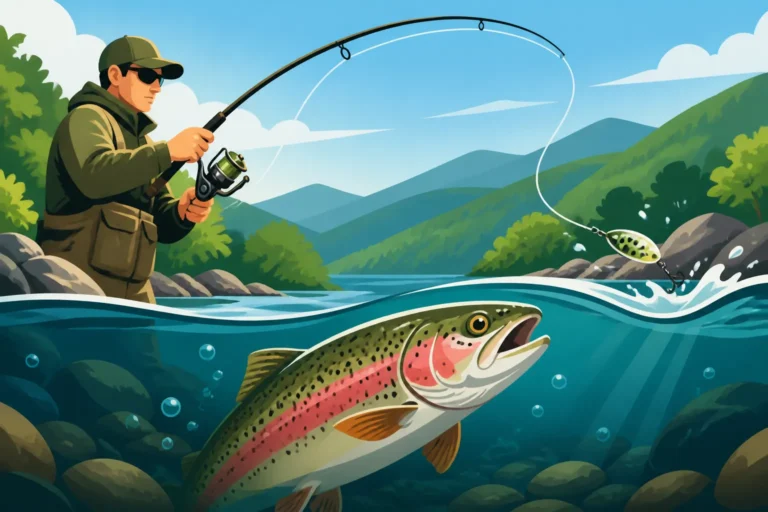
When it comes to artificials, think small and subtle. Micro jigs, often no larger than a grain of rice, tipped with a small piece of bait or a tiny soft plastic, can be deadly. Look for jigs in natural colors like olive, black, or brown, and occasionally brighter colors like chartreuse if the water has some stain. Fly anglers should focus on tiny nymphs (like midges, pheasant tails, and prince nymphs) and emerger patterns, often fished on ultra-fine tippet. The key is to present these offerings slowly, letting them drift naturally with the current, replicating an easy meal. For spinning anglers, very small inline spinners or spoons, retrieved at a snail's pace, can also entice a bite. Brands like Panther Martin and Mepps offer micro spinners that can be particularly effective.
Staying Warm and Safe on the Water
This might sound obvious, but staying warm and dry isn't just about comfort; it's about safety and your ability to fish effectively. The Smoky Mountains can be bitterly cold in winter, and wet hands or feet can quickly lead to an unpleasant, even dangerous, situation. Layering is your best friend. Start with a moisture-wicking base layer, add insulating layers like fleece or wool, and top it off with a waterproof and windproof outer shell. A good quality pair of waterproof waders is non-negotiable for wade fishing, paired with thick wool socks to keep your feet warm.
Don't forget accessories: a warm hat that covers your ears is essential, as is a good pair of waterproof gloves or fingerless gloves with covers for dexterity. Hand warmers, available in bulk on Amazon, are a game-changer for keeping your digits functional, allowing you to tie knots and handle your gear. Always carry extra layers in a dry bag and consider bringing a thermos of hot coffee, tea, or soup. Hypothermia is a real risk in cold conditions, and being prepared means you can focus on fishing instead of shivering. Always tell someone where you're going and when you expect to return, especially when exploring more remote areas for Tennessee's Most Remote Fishing Spots.
Mastering Cold Water Trout Fishing Techniques
With the right mindset and gear, the next step is to refine your techniques. Cold water trout fishing isn't about power or speed; it's about precision, patience, and subtlety. You're trying to convince a lethargic fish that your offering is worth the minimal effort required to eat it.
Slow and Subtle Presentation Strategies
Gone are the days of aggressive retrieves or long, flashy drifts. In cold water, trout are seldom going to chase anything. Your presentation needs to be incredibly slow and natural. For nymphing with a fly rod, focus on dead drifting your flies, ensuring they tumble along the bottom at the same speed as the current. Use just enough weight to get your flies down to the fish without snagging constantly. For spin fishing, let your bait or lure drift naturally, often using a small split shot or two a few inches above your hook to get it into the strike zone. Think of it as presenting a lazy meal that requires no effort from the fish.
Short, controlled drifts are often more effective than long ones, allowing you to concentrate on a specific piece of holding water. Minimize false casts if you're fly fishing, and cast with precision to avoid spooking wary fish. Any sudden movements or unnatural drag on your line can send already nervous trout fleeing. The goal is to mimic what trout would naturally find, making your offering indistinguishable from nature's bounty drifting downstream. This level of finesse is paramount when the fish are in their winter sluggishness.
Targeting Key Holding Water and Structure
Knowing where to cast is just as important as how you cast in cold water. As mentioned earlier, trout migrate to specific areas to conserve energy. Your focus should be on deeper pools, which offer more stable temperatures and shelter from strong currents. Look for the deepest parts of these pools, especially those with slower currents near the bottom. The calmer water along eddy lines – where the main current meets slower water – is also prime territory, as food often gets funneled into these areas.
Structure plays an enormous role. Large boulders, submerged logs, undercut banks, and even patches of thick aquatic vegetation provide cover and reduce current velocity. Trout will tuck themselves into these spots, waiting for food to wash past. When you're fishing, imagine where you'd hide if you were a small fish trying to avoid predators and strong currents in freezing water. That's likely where the trout are. Work these areas thoroughly, making multiple casts and trying different angles, remembering that trout may only move a few inches to take a fly or bait. Understanding How to Read Water When Trout Fishing becomes an even more critical skill in winter conditions.
Best Times of Day for Winter Trout Activity
While trout activity is generally reduced in winter, there are specific windows when they are most likely to feed. Forget those early morning or late evening bites that are so productive in summer. In winter, the best time to fish is typically during the warmest part of the day, usually from late morning to mid-afternoon. This is when the sun has had a chance to warm the water by a degree or two, even if subtly, which can be enough to spur a brief feeding period.
Look for sunny days, as direct sunlight can penetrate the water and offer a slight thermal advantage. Overcast days, while sometimes good for masking your presence, can mean consistently colder water temperatures throughout the day, making the bite even tougher. Pay attention to forecasts, aiming for periods of stable weather rather than dramatic temperature swings or cold fronts, which can shut down feeding entirely. Remember, these feeding windows might be short, so make the most of them with focused effort and precise presentations.
Specific Challenges and Tips for Smoky Mountain Trout
The beautiful and rugged terrain of the Great Smoky Mountains adds another layer of complexity to cold water trout fishing. These aren't your typical easy-access, heavily stocked ponds; these are wild, freestone streams with their own unique characteristics.
Dealing with Variable Water Levels and Clarity
The Smoky Mountains are famous for their weather variability. A warm spell can bring significant snowmelt, causing streams to rise and become cloudy. Conversely, extended cold snaps can lead to very low, gin-clear water. Both present their own challenges. When water levels are high and off-color, trout often move closer to the banks and seek slower, more protected water. This is when slightly larger, darker flies or baits with more scent might be effective, as visibility is reduced. Focusing on the edges of currents and seams can be productive.
In contrast, low and clear water makes trout incredibly wary. Stealth is paramount. Use longer, finer leaders and tippets, scale down your fly or bait size even further, and approach your fishing spots carefully to avoid casting shadows or vibrations. Polarized sunglasses become indispensable for spotting fish before they spot you. Knowing when the Tennessee Trout Stocking Schedule and Season typically happens can also give you an advantage, as recently stocked fish might be a bit less wary, though still affected by the cold.
Ethical Angling Practices in Cold Weather
Cold water puts significant stress on trout. When water temperatures are low, fish struggle to recover from being caught, and handling them with cold, dry hands can damage their delicate protective slime coat. If you plan to practice catch and release, which is highly recommended in winter, take extra precautions. Consider barbless hooks to minimize injury. Use soft, knotless nets to cradle the fish.
Most importantly, keep the fish in the water as much as possible. If you want a photo, be quick, wet your hands thoroughly before touching the fish, and support its full weight. Release the fish gently in a calm section of water, allowing it to recover before swimming off. If a fish appears overly stressed or sluggish after being caught, it’s best to avoid targeting that area further to minimize harm. Practicing these ethical behaviors ensures the long-term health of our cherished Smoky Mountain trout populations. For more general guidance, remember to review Tennessee Fishing Regulations Explained before heading out.
Comparing Winter and Summer Trout Fishing in Tennessee
Let's lay out the differences so you can quickly grasp how your approach needs to shift when the cold sets in.
| Feature | Summer Trout Fishing (Warm Water) | Winter Trout Fishing (Cold Water) |
|---|---|---|
| Trout Metabolism | High, aggressive feeding, active movement | Low, lethargic, subtle feeding, minimal movement |
| Preferred Habitat | Riffles, oxygenated runs, current seams, shaded areas | Deep pools, slow runs, eddy lines, submerged structure |
| Bite Intensity | Often strong, visual strikes | Very subtle, often just a "tick" or pause in the line |
| Best Time of Day | Early morning, late evening, overcast days | Midday, warmest part of the day, sunny periods |
| Lure/Bait Size | Larger flies, spinners, crankbaits, aggressive presentations | Small nymphs, micro jigs, natural baits, slow presentations |
| Stealth Required | Important, but fish can be more forgiving | Paramount, fish are extremely wary due to low visibility |
| Angler Comfort | Generally comfortable, lighter clothing | Critical, heavy layering, waders, gloves, hand warmers |
| Fishing Pressure | Often high in popular spots | Generally lower, more solitude |
Armed with this knowledge, you can approach winter trout fishing in the Great Smoky Mountains not as a frustrating battle against the elements, but as a rewarding quest requiring finesse and thoughtful strategy. Whether you're casting small nymphs using Fly Fishing Basics for Trout or drifting tiny baits, the satisfaction of coaxing a beautiful rainbow or brown trout from the cold, clear water is an experience unlike any other. Don't let the cold keep you indoors; grab your gear, layer up, and discover the quiet beauty of winter trout fishing.
Disclaimer
Fishing conditions and regulations can change. Always consult the latest Tennessee Wildlife Resources Agency (TWRA) guidelines and local signage before you head out. Be mindful of weather conditions and personal safety while enjoying Tennessee's beautiful waters.