Spin Fishing Techniques for Trout
There’s nothing quite like the crisp air and the gentle hum of a clear stream, but let’s be honest, catching trout in Tennessee can sometimes feel like trying to solve a riddle wrapped in an enigma. You know the fish are there, you see the beautiful waters, but getting them to commit to your offering can be a real head-scratcher. This guide is all about demystifying spin fishing for trout, helping you understand their world, choose the right gear, and employ techniques that actually put fish in your net across Tennessee’s diverse waterways.
Understanding Tennessee's Trout Waters for Spin Fishing
Before you even think about casting, it’s crucial to understand the environment you’re fishing in. Tennessee is blessed with incredible trout fisheries, but they aren't all created equal. From the wild, rushing streams of the Great Smoky Mountains to the serene, stocked lakes, each type of water demands a slightly different approach.
Cold-Water Stream Dynamics
When we talk about trout streams in Tennessee, especially in the eastern part of the state, we’re often talking about cold, clear, oxygen-rich flows. Think about places like the Caney Fork River below Center Hill Dam or sections of the Clinch River. These rivers are full of structure: boulders, fallen trees, undercut banks, and gravel beds. Trout in these environments are incredibly sensitive to vibrations and shadows, and they'll dart for cover at the slightest hint of danger. The current plays a huge role here; it brings food, but it also dictates where a trout expends energy. They'll position themselves in current breaks – behind rocks, in eddies, or along the softer seams of a faster current – to conserve energy while waiting for an easy meal to drift by. Your job, as a spin angler, is to present your lure in a way that mimics that natural, vulnerable food source, drifting right into their strike zone without looking unnatural.
Stocked Ponds and Lakes
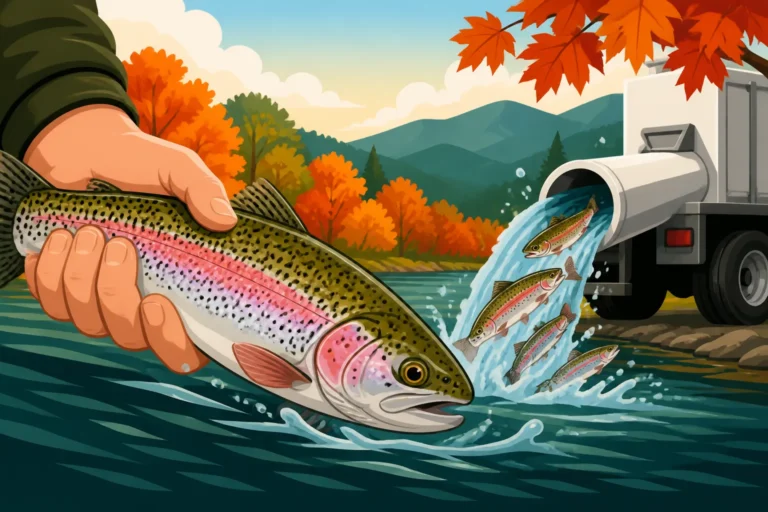
Now, shift gears completely to stocked ponds and smaller lakes, often found in Tennessee State Park Fishing Spots or specific TWRA-managed waters. These are a different ball game entirely. Here, trout are often less wary, especially right after a stocking. They're programmed to feed aggressively on whatever appears edible. The structure might be different too – submerged brush piles, old roadbeds, or simply depth changes. Because they don't have strong currents to contend with, these fish might cruise more freely. While they are stocked, they still prefer cooler water, so understanding the "Tennessee Trout Stocking Schedule and Season" can be a real game-changer. This information often tells you when and where fresh trout have been introduced, making those initial days post-stocking incredibly productive. Remember, these fish are often smaller, pan-sized trout, and they respond well to bright, flashy lures or power bait.
Water Temperature and Trout Activity
This is a big one, perhaps the biggest, when it comes to trout fishing. Trout are cold-water fish, and their activity levels are highly dependent on the water temperature. In general, their optimal feeding range is between 45-65 degrees Fahrenheit. Below 45 degrees, they become lethargic, moving slower and feeding less aggressively. They’re still catchable, but your presentation needs to be much slower and more deliberate. Above 65 degrees, they start to get stressed, seeking out deeper, cooler water, or even hunkering down in springs or feeder creeks. This is critical for ethical angling too; catching and releasing trout in warm water can be fatal for them. Always be mindful of the "Tennessee Trout Fishing Season Explained" and the general conditions. If the water is too warm, consider targeting other species or coming back when conditions are more favorable for the trout. Knowing the water temperature can guide your lure choice, retrieval speed, and even where you decide to fish.
Essential Spin Fishing Gear for Tennessee Trout
Having the right tools for the job makes all the difference. Spin fishing for trout doesn't require a massive investment, but understanding what works best can significantly improve your experience and success rate.
Rod and Reel Selection
For trout, especially in those smaller, tighter streams, you want light, sensitive gear. An ultralight or light action spinning rod, typically between 5 to 6.5 feet long, is ideal. This length allows for accurate casting in tight quarters common in many East Tennessee streams. The lighter action means the rod tip bends easily, protecting light lines from breaking and making even small trout feel like trophies. Pairing this with a small spinning reel, size 1000 to 2000, keeps the setup balanced and comfortable for long days on the water. These reels are designed for light lines and provide a smooth drag, which is crucial when a spirited trout makes a run. If you're looking for quality and reliability, many excellent options can be found on Amazon, whether you're after something entry-level or a more advanced setup. For more specific recommendations, you might find our guide on "Best Spinning Reels for Tennessee Trout Streams" incredibly useful.
Line Choices and Techniques
The line you choose is incredibly important because trout have excellent eyesight, especially in clear water. For most spin fishing applications in Tennessee trout waters, 4 to 6-pound test monofilament or fluorocarbon is the standard.
- Monofilament is budget-friendly, has good stretch (which can act as a shock absorber when a fish hits hard), and is easy to tie knots with. Its slight buoyancy can also be an advantage when you want your lure to suspend a bit.
- Fluorocarbon is almost invisible underwater, sinks faster than mono, and has less stretch, offering more sensitivity. It’s a great choice for wary trout in super clear conditions.
- Braided line isn't typically recommended as a main line for trout due to its visibility, but some anglers use a very thin braid (6-10 lb test) for its incredible sensitivity and casting distance, adding a long (4-6 foot) fluorocarbon leader.
Always check your line for nicks and abrasions, especially after fishing around rocks or heavy cover. A weak spot can cost you a trophy fish. Learning a few reliable knots, like the Palomar knot for attaching lures and the Double Uni knot for leaders, is also essential.
Terminal Tackle and Lure Favorites
This is where the fun begins! Your tackle box for Tennessee trout should be stocked with a variety of small, enticing offerings.
- Spinners: These are perhaps the most iconic trout lures. Brands like Rooster Tail, Mepps, and Panther Martin are perennial favorites. Sizes 0-2 are generally best. The key is the flash and vibration they create. Gold blades work well on sunny days or in stained water, while silver or black often shine in clear or overcast conditions.
- Spoons: Small casting spoons, like Kastmasters or Little Cleos, in 1/16 to 1/8 ounce, are fantastic. Their wobbling action mimics injured baitfish. Silver, gold, or brass finishes, often with red or blue accents, are very effective.
- Small Crankbaits: Micro crankbaits that dive only a few feet can be deadly, especially in pools or slower runs. Look for patterns that imitate crayfish or small baitfish.
- Soft Plastics: Tiny grubs, trout worms, or even micro-jigs tipped with a piece of scented plastic can be surprisingly effective, especially when fished slowly under a bobber or on a light jig head.
- Hooks, Swivels, Split Shot: Always carry a selection of small, sharp hooks (size 10-14 for bait), tiny barrel swivels (to prevent line twist with spinners), and various sizes of split shot. Non-toxic split shot is a good environmental choice.
You can find a massive array of these lures and terminal tackle on Amazon, making it easy to experiment and find what works best for your local waters. For a deeper dive into specific lure recommendations, especially after a stocking, check out our guide on "Best Lures for Stocked Rainbow Trout".
Mastering Spin Fishing Techniques for Trout
Once you have your gear sorted, it's time to talk about how to actually use it. Trout are incredibly finicky, and a subtle change in your technique can mean the difference between an empty creel and a memorable day.
Casting and Presentation
Accuracy is paramount when spin fishing for trout. Unlike bass, which might chase down a fast-moving lure, trout often prefer to ambush. You need to place your lure precisely where you think a trout is holding—whether that’s behind a specific boulder, at the edge of a deep pool, or under an overhanging branch. Practice casting softly to avoid a loud splash that can spook fish, especially in clear, shallow water.
When fishing upstream, cast slightly above your target and allow the lure to drift naturally back towards you, reeling just enough to maintain contact and impart action. This “drag-free drift” is crucial. When fishing downstream, cast across or slightly downstream and work your lure against the current. This makes your lure appear to be swimming upstream, a natural behavior for baitfish struggling against the flow, which can trigger an aggressive strike. Avoid casting directly over a fish or its suspected holding spot. Instead, aim to cast well beyond it and reel into position, or approach from downstream.
Retrieval Methods for Various Lures
Your retrieval speed and style should match the water conditions, the type of lure, and the mood of the fish.
- Spinners: A steady, slow retrieve is often best, just fast enough to get the blade spinning. In faster currents, you might need an even slower retrieve to prevent the spinner from rising too high in the water column. In slower water, a slight twitch or pause can induce a strike.
- Spoons: These are versatile. A slow, steady retrieve with occasional pauses can make them flutter enticingly. You can also jig them vertically in deeper pools or let them swing through a current seam. The "fall" of a spoon can be just as important as the retrieve, often triggering strikes as it descends.
- Small Crankbaits: These lures have their own built-in action. A steady retrieve is usually sufficient, but mixing in pauses or short, sharp twitches can make them look more erratic and appealing. Vary your retrieve until you find what the fish are reacting to.
Remember, trout are often reacting to what looks natural. If your lure is zipping through the water like it's on a caffeine high, it's probably not going to fool a wise old brown trout. Slow down, observe, and adjust.
Reading the Water for Trout Holds
This is perhaps the most critical skill for any trout angler. Trout aren't randomly distributed; they congregate in specific areas that offer food, cover, and favorable currents. Learning "How to Read Water When Trout Fishing" will instantly elevate your game.
- Current Breaks and Eddies: Any obstacle that disrupts the main current creates a calmer area. Rocks, logs, bridge pilings – these are prime spots for trout to rest and ambush food. Cast your lure to drift through these seams.
- Deeper Pools: These are obvious holding spots, especially during bright sunlight or warmer water temperatures, as they offer refuge and a consistent food supply. Work your lure through all parts of the pool, paying attention to the deepest sections and the edges.
- Submerged Structure: Logs, brush piles, or large boulders underwater provide cover and a sense of security. Cast close to these features, but be prepared for snags.
- Riffles and Runs: These shallower, faster-moving sections produce oxygen and wash food downstream. Trout will often sit just below the main flow, darting into the current to grab nymphs and small fish.
- Undercut Banks: Where the current has eroded the bank, creating an overhang, is a classic trout hideout. These spots offer excellent cover from predators and strong currents.
- Pocket Water: This refers to small, calm pockets of water found between rocks in a fast-moving stream. They often hold surprisingly large trout. Accurate, short casts are key here.
Always approach these spots stealthily. Stay low, move slowly, and avoid casting shadows over the water. Trout are incredibly alert and will quickly scatter if they detect you.
Live Bait and Power Bait Strategies (Spin Fishing)
Sometimes, despite all the fancy lures and perfect presentations, trout just want a natural meal. Spin fishing gear is perfectly suited for presenting both live baits and artificial scented baits like PowerBait.
Natural Baits on Spin Gear
Using natural baits can be incredibly effective, especially for freshly stocked trout or when the fish are less aggressive.
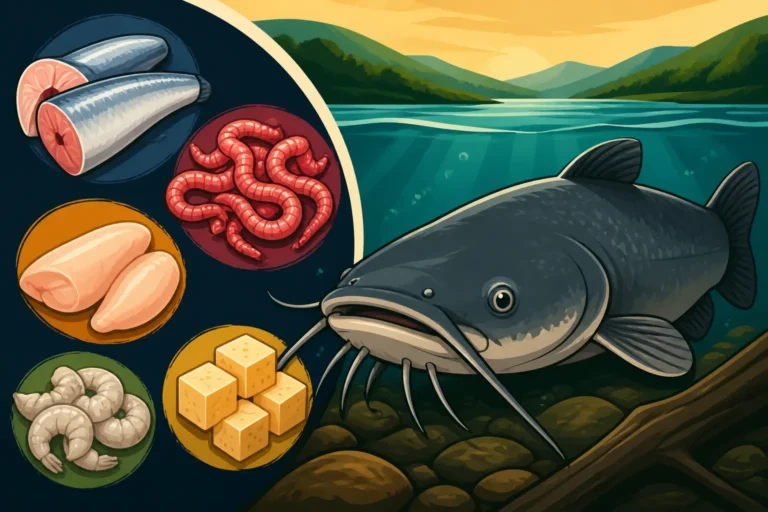
- Worms: Red wigglers, nightcrawlers (cut into smaller pieces), or even mealworms are universally appealing. You can rig them on a small hook (size 10-14), either plain or under a small float (bobber). For bottom fishing in a stream, use a small split shot or a slip sinker rig to get the bait down.
- Crickets/Grasshoppers: In late summer and early fall, when insects are abundant, crickets or small grasshoppers can be deadly, especially when fished near overgrown banks. Present them as if they've naturally fallen into the water, with little to no weight, allowing them to drift.
- Minnows: Small shiners or fathead minnows can be irresistible to larger trout. Rig them through the lips or dorsal fin on a small treble or single hook, either free-lined or with minimal weight.
- Corn: Believe it or not, corn works, particularly for stocked rainbow trout that have been fed pellets. A few kernels on a small hook can entice a bite.
The key with live bait is natural presentation. Let the current do the work in streams, or use a bobber in still water to keep the bait at the desired depth. Consider checking out our comprehensive guide on "Best Bait for Rainbow Trout Fishing" for even more insights.
Artificial Baits Like PowerBait
PowerBait, developed by Berkley, is a go-to for many trout anglers, especially in stocked ponds and lakes. It comes in various forms – dough, nuggets, and even pre-formed "worms."
- PowerBait Dough: This is the most common. Pinch off a small piece and mold it around a small treble hook (size 12-16) so the hook point is completely covered, forming a small ball or tear-drop shape. The trick is that most PowerBait is buoyant, so when rigged with a small egg sinker above a swivel (with a short 12-18 inch leader), it floats up off the bottom, right into the trout's strike zone. This setup works exceptionally well when you're targeting trout that are cruising the bottom or in deeper holes.
- PowerBait Nuggets/Worms: These are easier to use than dough as they're pre-formed. Simply thread them onto a hook. They can be fished similarly to the dough or under a small bobber.
- Colors and Scents: PowerBait comes in a rainbow of colors, but chartreuse, glitter, rainbow, and white are perennial favorites. The scent is a major draw, so handle it carefully to avoid transferring other odors.
When fishing with PowerBait, especially in stocked ponds, a patient approach is often rewarded. Cast out, let your rig settle, and then wait. Trout often cruise in schools, and it might take a few minutes for them to find your bait. This method is incredibly effective and a fantastic way to enjoy a day of fishing, particularly if you're looking for how to fish for trout in a stocked pond.
Seasonal Adjustments and Advanced Tips
Trout fishing is rarely static. The seasons, weather patterns, and even time of day can dramatically influence how and where you should be fishing. Adapting your approach is a mark of a seasoned angler.
Spring and Fall Tactics
These are often considered the prime times for trout fishing in Tennessee.
- Spring: As waters warm slightly from winter, trout become more active. This is often when major stocking efforts occur across the state, creating excellent opportunities. Look for slightly higher water levels from spring rains. Trout will often be found in relatively shallow areas, cruising for food. Spinners, spoons, and small crankbaits can be very effective with a moderate retrieve. Post-stocking, PowerBait and worms are almost guaranteed to draw strikes.
- Fall: As temperatures begin to cool, trout again become very active. This is also when wild trout, especially brown trout, begin their spawning rituals. They can become very aggressive and territorial, making them more susceptible to lures that invade their space. Again, brighter, more aggressive presentations often work well. Look for the "Tennessee Trout Fishing Season Explained" and specifically for details on "The Tennessee Trout Season Split Explained: March to September vs October to February", as regulations on certain waters can change seasonally.
Summer and Winter Challenges
These seasons present unique challenges for trout anglers in Tennessee.
- Summer: High air temperatures mean higher water temperatures, especially in shallower sections of rivers and ponds. Trout will seek refuge in deeper, cooler holes, spring-fed areas, or during the coolest parts of the day (dawn and dusk). Fishing during midday can be unproductive and stressful for the fish. Slow down your retrieve, use natural baits, or target shaded areas. Pay extra attention to ethical handling and release during warm water conditions. You might consider checking out "How Cold Water Changes Trout Fishing in Tennessee's Smoky Mountains" for region-specific advice.
- Winter: Trout become more sluggish in cold water. Their metabolism slows, and they feed less aggressively. Presentations need to be extremely slow and subtle. Small jigs, worms, or PowerBait fished dead-drift or slowly crawled along the bottom are often the most productive. Focus on deeper, slower pools where fish will congregate to conserve energy. While it might be tougher, winter can offer some surprisingly peaceful and rewarding days on the water for those willing to brave the cold. Always consult "Tennessee Trout Limits and Season Rules" as some waters have specific winter regulations.
Handling and Releasing Trout
This is not a fishing technique, but it's an advanced tip for responsible angling. If you plan to release fish, proper handling is critical for their survival.
- Minimize Stress: Land the fish quickly to avoid over-exhaustion. Don't fight them to total exhaustion.
- Wet Hands: Always wet your hands thoroughly before touching a trout. Dry hands can remove their protective slime layer, making them vulnerable to disease.
- De-Barb Hooks: Consider crimping down the barbs on your hooks. This makes hook removal much easier and quicker, reducing stress on the fish. Many quality hooks available on Amazon are designed to be easily de-barbed.
- Keep Them Wet: If possible, keep the fish in the water while you remove the hook. If you must take it out for a photo, do so quickly, holding it horizontally to support its body, and get it back into the water as fast as possible.
- Revive Gently: If a fish is struggling, hold it gently in the current until it regains its strength and can swim away on its own.
Responsible angling ensures that Tennessee's beautiful trout fisheries remain healthy for generations to come.
Spin Fishing Lure Comparison
To help you choose the right lure for the conditions, here’s a quick comparison of some popular spin fishing options for trout:
| Lure Type | Best for Water Type | Ideal Water Clarity | Primary Retrieval Method | Key Advantages | Considerations |
|---|---|---|---|---|---|
| Spinners | Streams, Rivers, Lakes | Clear to Stained | Steady retrieve, slow enough for blade | Flash, vibration, wide appeal, easy to use | Line twist (use swivel), can snag easily in heavy cover |
| Spoons | Lakes, Deep Pools in Rivers | Clear to Stained | Wobbling retrieve, jigging, flutter on fall | Mimics injured baitfish, casts far, versatile | Can be heavy, less effective in very shallow water |
| Small Crankbaits | Rivers, Larger Streams, Lakes | Clear to Stained | Steady retrieve, stop-and-go, twitch | Realistic profile, good diving depth, triggers reaction | Can be expensive, snag-prone, limited casting distance |
| PowerBait | Stocked Ponds, Slow Rivers | Any | Still, float, slow drift | Scent attracts fish, buoyant, effective for stocked | Not ideal for active presentation, less natural feel |
| Worms | Any | Any | Drift, still, slow crawl | Natural appeal, widely available, effective | Messy, can be eaten without hooking, not as durable |
This table provides a quick reference, but remember that experimentation is always key. Trout can be unpredictable, and what works one day might not work the next. Don’t be afraid to try something different if your go-to isn’t producing.
As you venture out into Tennessee’s beautiful waters, remember that spin fishing for trout is an art as much as it is a science. It takes patience, observation, and a willingness to adapt. Whether you're chasing the wild browns in a remote stream or enjoying a relaxing day at a stocked pond, these techniques should give you a solid foundation for success. You might even find yourself enjoying the quiet solitude as much as the tug on your line. And who knows, you might even consider trying "Fly Fishing Basics for Trout" next! Happy fishing!
Disclaimer
Fishing conditions and regulations in Tennessee can change. Always consult the latest Tennessee Wildlife Resources Agency (TWRA) regulations before heading out on your fishing trip. This guide is for informational purposes only and does not supersede official rules and laws.