Bluegill Fishing Techniques for Kids
Bringing kids along for a fishing trip in Tennessee can sometimes feel like a whirlwind of tangled lines, short attention spans, and more frustration than fun. You want them to experience the joy and tranquility of the outdoors, but getting them hooked on fishing requires the right approach. This guide is all about simplifying bluegill fishing, making it an incredibly accessible, exciting, and rewarding adventure for children of all ages, right here in the Volunteer State.
Why Bluegill are Perfect for Kids and Parents
Let's be honest, nothing saps a child's enthusiasm faster than long periods of inactivity. If they're not getting bites, they're probably getting bored, and then you're hearing, "Are we still fishing?" That's where bluegill truly shine. These little panfish are the ultimate confidence builders for young anglers, providing plenty of action to keep those smiles wide and imaginations engaged. They are abundant, relatively easy to catch, and their feisty spirit on the end of a line is surprisingly fun, even for seasoned pros.
Their Abundance and Aggressiveness
Bluegill are practically everywhere in Tennessee, from our smallest farm ponds to the vast expanses of big reservoirs like Percy Priest Lake. They thrive in a wide variety of habitats, making them one of the most accessible species to target. Unlike some more finicky game fish, bluegill aren't shy. They're often eager to strike a bait, which means less waiting and more reeling for your little one. This aggressive nature is key to maintaining a child's interest – constant nibbles and tugs are far more exciting than staring at a still bobber for an hour.
Imagine a scenario: you've picked a sunny Saturday for a family fishing trip. You set up your child's rod, bait the hook, and within minutes, the bobber dips! Their eyes light up, and the squeal of excitement as they reel in their first fish of the day is a sound parents cherish. This quick success cements the idea that fishing is fun and that they can do it, fueling their desire for more. It’s a fantastic way to introduce them to the sport without the pressure of needing a trophy catch.
The Joy of Constant Action
For a child, fishing isn't just about the biggest fish; it's about the experience, the anticipation, and the thrill of the catch. Bluegill fishing delivers on all fronts by providing frequent bites. Even if it's not a monster, every tug on the line is an adventure. This constant interaction prevents boredom and keeps their minds engaged. They learn patience, yes, but they also get immediate gratification, which is crucial for younger kids.
Think of it like a video game where they're constantly advancing to the next level. Each bluegill is a mini-achievement, building their skills and excitement. It teaches them how to recognize a bite, how to set the hook, and how to reel in a fish without losing it. These fundamental skills are practiced over and over with bluegill, making them second nature by the time they're ready to tackle larger species. Plus, it gives you, the parent, plenty of opportunities to offer encouragement and tips without the stress of a high-stakes angling situation.
Building Confidence Early
Success breeds confidence, and bluegill fishing offers success in spades. When a child can consistently catch fish, they develop a sense of accomplishment and pride. This isn't just about fishing; it spills over into other aspects of their lives, fostering a belief in their own abilities. They learn to be observant, patient, and persistent – all valuable life lessons wrapped up in a fun outdoor activity.
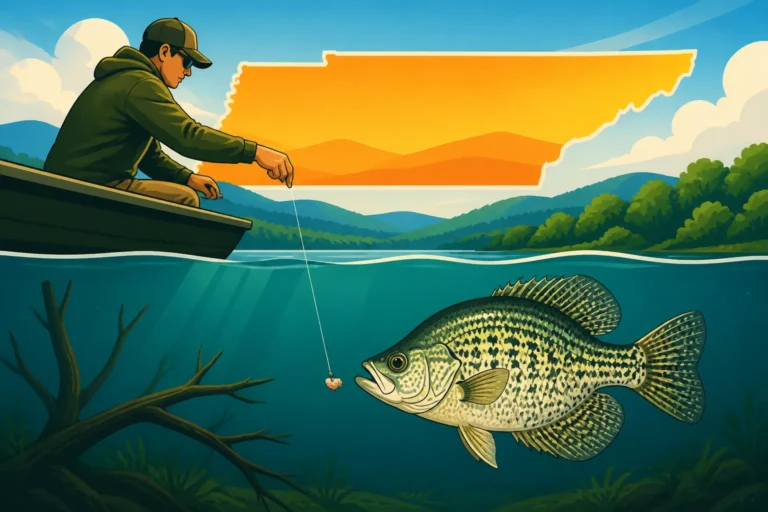
The initial fear of handling a squirming fish, the challenge of untangling a line, or the skill of casting accurately are all overcome through repetition and positive experiences. Each small victory, like successfully baiting their own hook or landing a bluegill all by themselves, adds to their self-esteem. As they grow more confident, they'll be more willing to try new techniques and explore different fishing spots. You might even find yourself looking up tips on Crappie vs Bluegill: Which Is Better for Beginners? as they graduate to the next level of panfish.
Essential Gear for Young Anglers Keeping it Simple
One of the biggest mistakes parents make when introducing kids to fishing is overcomplicating the gear. You don't need expensive, high-tech equipment to catch bluegill. In fact, simple is always better, especially for tiny hands and developing motor skills. The goal is ease of use and durability, not precision. Focus on entry-level, kid-friendly options that won't break the bank or cause too much frustration with tangles and snags.
Choosing the Right Rod and Reel Combo
For kids, a spincast rod and reel combo is hands down the best choice. These reels have a button that, when pressed, allows the line to cast freely, and then you simply release the button. It's incredibly intuitive and minimizes backlash (those dreaded bird's nests of tangled line) that are common with spinning or baitcasting reels. Look for combos that are short, around 4 to 5 feet, and have a comfortable, small handle designed for child-sized hands. Brands like Shakespeare (especially their "KidCaster" series often featuring popular cartoon characters) or even basic combos you can find on Amazon, are excellent starting points.
A combo like this often comes pre-spooled with appropriate line, usually 6 to 8-pound test monofilament, which is perfectly fine for bluegill. You want something light enough that they can hold and maneuver easily, without it feeling like a heavy burden after just a few casts. A good rule of thumb is to let them pick out the color or character on the rod if possible – it immediately makes the gear theirs and adds to the excitement. Don't worry about getting the "best" rod; worry about getting one they'll actually use and enjoy.
Simple Terminal Tackle Setup
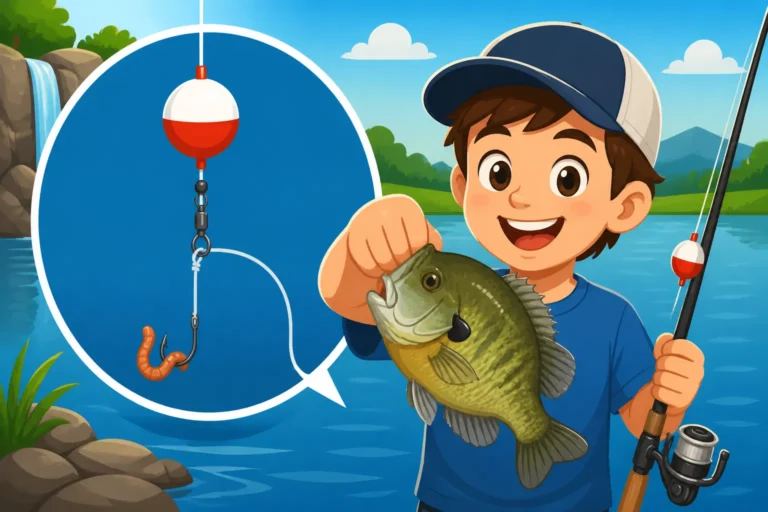
The terminal tackle for bluegill fishing is gloriously simple. Forget complex rigs; a basic bobber, a small sinker, and a hook are all you really need.
- Bobber: A small, easy-to-see bobber is essential. Red and white plastic snap-on bobbers are perfect because they're durable and highly visible when floating on the water. They tell your child exactly when a fish is nibbling.
- Sinker: Use a small split-shot sinker, just enough weight to get the bait down a few feet. One or two small sinkers pinched a few inches above the hook is usually sufficient.
- Hook: A small, sharp hook is crucial. Sizes 8 to 12 are ideal for bluegill mouths. These small hooks penetrate easily, ensuring a good hookset without being too large for the fish. Barbless hooks or hooks with bent-down barbs are a fantastic idea, making it much easier to remove the hook from a fish (and a finger, should an accident happen).
A classic setup is a simple slip bobber rig, which allows you to easily adjust the depth of your bait without having to re-tie everything. However, for true beginners, a fixed snap-on bobber often works just fine, set to fish about 2-4 feet deep. You can learn more about a Simple Bluegill Rig for Kids to get started quickly. Having a small tackle box or a pouch filled with these basic items (hooks, sinkers, bobbers) is much better than a huge, intimidating box of lures and gadgets they won't understand.
Safety First Life Jackets and Sun Protection
Before you even think about casting a line, safety must be the top priority. This is especially true when fishing with kids near water. Even if they're strong swimmers, accidents happen quickly, so appropriate personal flotation devices (PFDs) are non-negotiable.
Ensure every child has a properly fitted life jacket. It should be Coast Guard approved and snug, not loose around their shoulders. Remind them to keep it on while near the water, even if you're just bank fishing. You can find comfortable, kid-sized life jackets on platforms like Amazon, many designed with bright colors for visibility. It’s also important to remember Do Kids Need a Fishing License in Tennessee? Generally, kids under 13 don't need a license, but it's always good to confirm current regulations, especially if they're older.
Beyond PFDs, sun protection is vital. Kids' skin is much more sensitive to the sun than adults'. A wide-brimmed hat, sunglasses to protect their eyes from glare (and errant hooks), and plenty of broad-spectrum sunscreen are absolute must-haves. Reapply sunscreen frequently, especially if they're splashing around. Hydration is also key; bring plenty of water or juice to keep them refreshed, preventing fatigue and crankiness. A portable cooler filled with drinks and snacks can make a huge difference in keeping spirits high throughout the fishing adventure.
Mastering the Basics Simple Casting and Retrieval
Teaching a child to cast can be a test of patience, but it's one of the most rewarding steps. It's about breaking down a seemingly complex motion into small, manageable steps. Remember, progress over perfection. The goal isn't to cast across the lake; it's to get the bait in the water in a controlled manner.
The Art of the Cast and How to Teach It
Start with an open area away from water, perhaps your backyard, using a practice plug or a weighted washer instead of a real hook. This eliminates the danger and the fear of losing bait.
- The Grip: Show them how to hold the rod with their dominant hand, thumb resting on the spincast button.
- The Button: Explain that pressing the button allows the line to come out.
- The Pendulum: Have them hold the rod tip low, letting the practice weight dangle about a foot or two from the tip.
- The Swing: Teach them a gentle, smooth upward and forward motion, like they're tossing a ball underhand. The rod should come back to about 10 o'clock (imagining a clock face) and then forward to about 2 o'clock. Emphasize releasing the button as the rod comes forward, pointing the rod tip where they want the lure to go.
- Practice, Practice, Practice: Let them try it repeatedly. Praise effort, not just accuracy. Make it a game: "Can you hit that tree?" or "How close can you get to that bucket?" With spincast reels, tangles are less common, but if they happen, show them how to clear it patiently. For How to Catch Bluegill From the Bank, accurate casting isn't as critical as just getting the bait into the fish's zone.
It’s often helpful to demonstrate a few times yourself, narrating each step: "Thumb on the button… back… forward… release!" Then, let them imitate you. The "back and forward" motion is much easier for them to grasp than a precise "10 to 2" angle.
Setting the Hook and Reeling Them In
Once the bait is in the water and the bobber starts to dance or disappear, it's game on! This is where the real excitement begins.
- Watching the Bobber: Teach them to keep their eyes glued to the bobber. Explain that a little twitch means a fish is checking it out, but when it really pulls under or moves sideways, that's their cue.
- Setting the Hook: When the bobber goes down, the instinct might be to yank hard. Teach them a gentle, quick upward "snap" of the wrist – enough to embed the hook firmly, but not so hard that they pull the fish (or the bait) completely out of the water. This might take a few missed bites, but that's part of the learning curve.
- Reeling: Once the hook is set, it's time to reel! Teach them to keep the rod tip up (to maintain tension and absorb surges) and reel steadily. If the fish pulls hard, they might need to lower the rod tip slightly and let the rod do the work, or if their reel has a drag system, learn how to adjust it. For small bluegill, consistent reeling is usually all that's needed. Celebrate every fish, no matter the size!
This sequence of watching, striking, and reeling is the core of fishing, and bluegill provide endless opportunities to practice it. It also presents a chance to talk about the fish's fight and why it feels different for bigger or smaller catches.
Handling Fish with Care
After reeling in a fish, the next crucial step is teaching responsible handling. This is an excellent opportunity to instill respect for wildlife and the environment.
- Gentle Touch: Show them how to hold the fish gently, either by cupping it with both hands or by grasping it lightly around the body just behind the head. For bluegill, their spines are not usually a major concern, but it's good to be mindful.
- Hook Removal: As the adult, you'll likely do most of the hook removal, especially with small, sharp hooks. Use a pair of needle-nose pliers or a hook-remover tool. Demonstrate how to carefully back the hook out. Explain why it's important to be gentle so the fish can swim away healthy if you're practicing catch and release.
- Release or Keep: Discuss the concept of catch and release. If you plan to keep a few for a meal, explain the concept of Tennessee Fishing Season and Catch Limits and why only certain sizes or numbers of fish can be kept. When releasing, show them how to gently place the fish back in the water, allowing it to swim away on its own. This teaches them conservation and the importance of healthy fish populations.
This entire process, from bite to release, is a full circle of learning and interaction with nature. It’s an invaluable part of the fishing experience that goes beyond just catching.
Finding Bluegill Where to Look in Tennessee Waters
One of the great things about bluegill is their widespread presence across Tennessee. You don't need a fancy boat or secret spots. Often, the best bluegill fishing is right under your nose, in easily accessible areas that are perfect for kids.
Shallow Water Hangouts: Docks, Weeds, and Cover
Bluegill love structure and shallow, calm water. These areas offer both food and protection from larger predators. When you're looking for bluegill with kids, focus on these easily identifiable spots:
- Docks and Piers: Any public dock or pier on a lake or pond is a bluegill magnet. The pilings provide shade and structure, attracting baitfish and insects that bluegill feed on. Plus, fishing from a dock is safe and stable for kids.
- Weed Beds and Lilly Pads: Areas with submerged vegetation or patches of lily pads are prime bluegill territory. They hide in the weeds, ambushing insects and small minnows. Casting to the edges of these beds, or into small pockets within them, is often productive.
- Overhanging Trees and Bushes: Shorelines with overhanging trees or bushes create shade and drop terrestrial insects into the water, providing a ready food source for bluegill. These spots are fantastic for bank fishing.
- Rock Piles and Submerged Timber: If you can spot them, rocky areas or fallen trees in the water also hold bluegill. They use these as ambush points and hiding places.
The key is to remember that bluegill often hang out in places where it's easy to get bait to them, and easy for them to hide. These shallow areas are also usually warmer, which bluegill prefer. When teaching kids How to Find Bluegill in Shallow Water, explain that these places are like the fish's homes and grocery stores.
Public Ponds and Kid-Friendly Spots in Tennessee
Tennessee offers an abundance of excellent, accessible fishing spots perfect for families. The Tennessee Wildlife Resources Agency (TWRA) manages numerous public lakes and ponds that are often stocked and maintained with family fishing in mind.
Consider spots like:
- TWRA-Managed Ponds: Many counties have small lakes or ponds managed by the TWRA that are specifically geared towards family fishing. These are often easy to access, have clear banks, and are regularly stocked with panfish. A quick search on the TWRA website can usually point you to these hidden gems.
- State Parks: Tennessee State Parks frequently offer excellent fishing opportunities in their lakes and ponds. Many provide easy bank access, picnic areas, and restrooms, making for a comfortable family outing. For specific recommendations, check out Best State Park Fishing Spots for Family Outings. Places like Percy Priest Lake near Nashville or Norris Lake in East Tennessee offer extensive shorelines and multiple access points suitable for bank fishing with kids.
- Local Community Ponds: Don't overlook smaller, local community ponds. These often hold healthy populations of bluegill and can be less crowded than larger public lakes. They’re usually easy to get to, which is a huge plus with impatient kids. For instance, if you're near Knoxville, Easy Bank-Access Ponds for a First Fishing Trip Near Knoxville can be a great starting point.
These locations often have amenities that make a fishing trip more enjoyable for families, such as paved parking, restrooms, and even playgrounds, turning a fishing trip into a full-day family adventure.
Reading the Water for Panfish Hotspots
"Reading the water" sounds intimidating, but for bluegill, it simply means looking for visible signs of fish activity or prime habitat. Teach your kids to be observant.
- Look for Movement: Can you see small ripples or splashes near the shore? Those could be bluegill feeding on insects near the surface.
- Shade is Key: On sunny days, fish often congregate in shaded areas to escape the direct sun. Look under trees, docks, or bridges.
- Changes in Depth: If you're fishing a bank that gradually gets deeper, bluegill might be hanging out at the transition point where the shallow water drops off a bit.
- Submerged Structure: Teach them to look for visible logs, stumps, or weed lines that extend into the water. These are fish magnets.
Even if they don't grasp all the nuances immediately, encouraging them to look for these signs helps develop their observation skills and connects them more deeply to the environment. It turns fishing into a treasure hunt, adding another layer of fun to the experience.
The Best Baits and Lures for Hungry Bluegill
Bluegill are not particularly picky eaters, which is another reason they're so great for kids. You don't need exotic baits or complex lure presentations. Simple, natural, and readily available options will almost always get the job done.
Natural Baits: Worms, Crickets, and Corn
When it comes to bluegill, Mother Nature provides the best menu. These classic baits are irresistible to panfish and easy for kids to handle (mostly!).
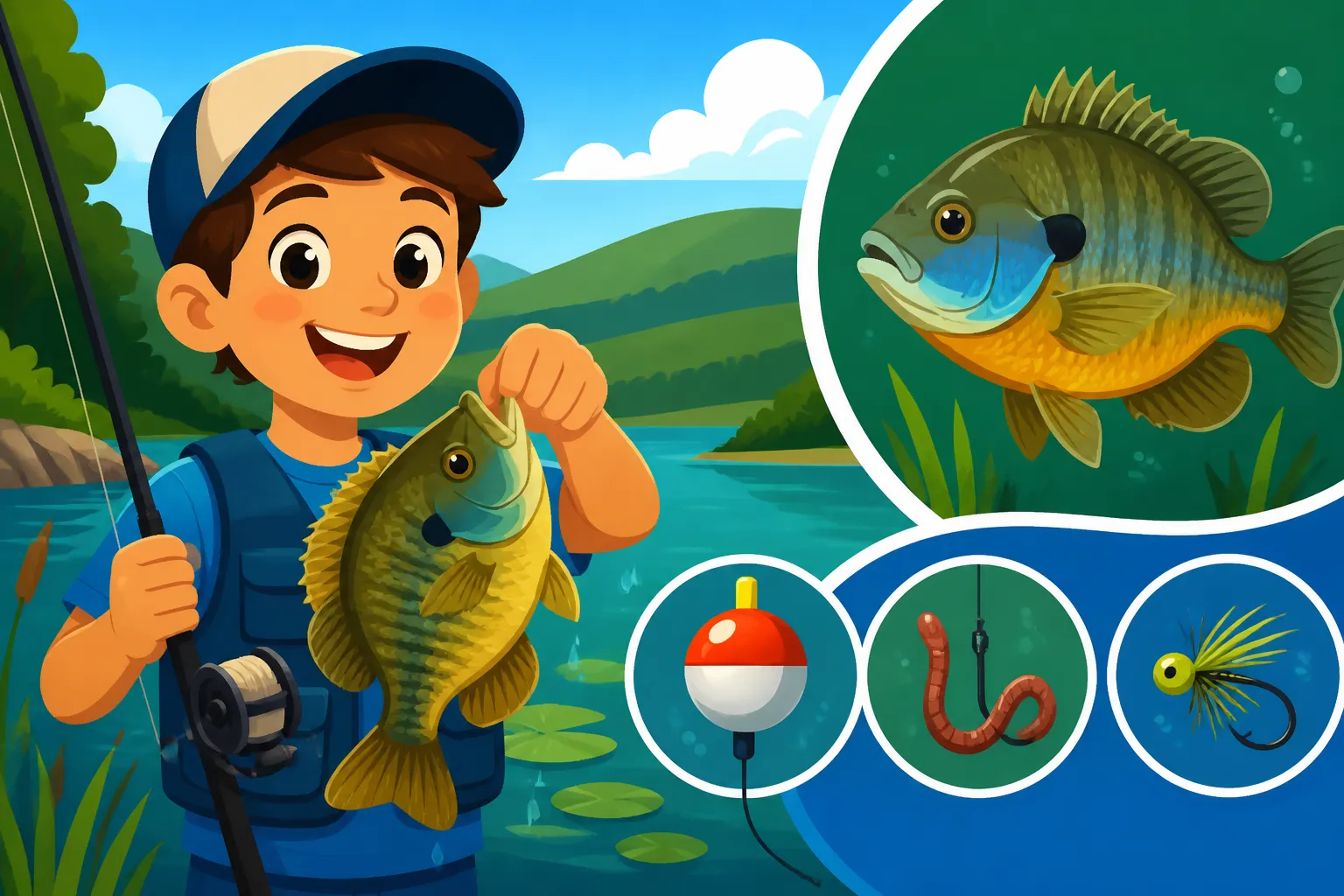
- Worms: The undisputed champion of bluegill baits. Red wigglers or small pieces of nightcrawlers are perfect. They're cheap, readily available at most bait shops (and often in your backyard after a rain!), and bluegill absolutely love them. Show kids how to thread a small piece of worm onto the hook, leaving a bit dangling to entice the fish. This also teaches them a bit about biology!
- Crickets: Another fantastic natural bait, especially effective in warmer months. You can buy crickets by the dozen at bait shops. They're lively, which attracts attention, and bluegill will readily gulp them down. Again, hook them gently through the thorax so they stay alive and wiggling.
- Corn: Yes, plain old canned corn! Bluegill are surprisingly fond of corn kernels. It’s cheap, easy to handle, and non-messy, making it a perfect beginner bait. Plus, if the fishing is slow, it doubles as a snack! Just hook a kernel or two onto a small hook. The bright yellow color is also very visible.
- Small pieces of hot dog or bread: In a pinch, small bits of hot dog or a rolled-up piece of white bread can also catch bluegill, especially in heavily fished public ponds where they might be used to these offerings.
The beauty of these natural baits is their simplicity. Kids can often help bait their own hooks (with supervision), giving them a greater sense of involvement in the entire process. For more detailed information on options, check out Best Bait for Bluegill and Panfish.
Small Artificial Lures: Jigs and Spinners
While natural bait is usually king for bluegill, introducing kids to small artificial lures can be a fun next step once they've mastered casting and retrieving. These can offer a different challenge and excitement, especially when they learn to impart action to the lure.
- Tiny Jigs: Micro jigs, often called "crappie jigs" or "panfish jigs," in sizes 1/32 to 1/16 ounce, are excellent for bluegill. They come in various colors, with small plastic bodies that imitate insects or tiny baitfish. Pink, chartreuse, white, or black are often productive. Kids can cast these out and slowly reel them in, or even try a subtle jigging motion by gently lifting and dropping the rod tip. You can find excellent multi-packs of these on Amazon, often including a variety of colors and sizes.
- Small Spinners: Lures like a small Rooster Tail or Mepps Aglia spinner with a single hook are also effective. The spinning blade creates flash and vibration that attracts bluegill. These are often a bit heavier than jigs, which can make them easier for kids to cast accurately. Teach them a steady, slow retrieve to get the blade spinning properly.
Using artificial lures teaches kids about lure action and how fish react to different presentations. It adds a layer of strategy to their fishing, moving them beyond just bait-and-wait.
Understanding What Bluegill Eat
Knowing what bluegill naturally forage on can give young anglers an edge and help them understand why certain baits work. Bluegill are omnivores, but primarily insectivores and small prey eaters.
They feast on:
- Insects: Aquatic insects like mayfly nymphs, caddisfly larvae, and dragonfly nymphs are a huge part of their diet. Terrestrial insects that fall into the water (grasshoppers, ants, beetles) are also fair game. This explains why crickets and small jigs mimicking insects are so effective.
- Small Crustaceans: Tiny freshwater shrimp and other small invertebrates.
- Worms and Larvae: Any small worm or larva they encounter.
- Fish Eggs and Fry: They will opportunistically eat the eggs and tiny offspring of other fish species.
- Algae and Plant Matter: Especially when other food sources are scarce, they will graze on vegetation.
Explaining this helps kids grasp the concept of "matching the hatch" or simply presenting something that looks like a tasty meal. When they're using a worm, you can tell them, "The bluegill think this is a juicy bug!" It makes the connection between the bait and the fish more tangible and exciting for them.
Making it Fun Beyond Just Catching Fish
While catching fish is definitely the main draw, a truly successful fishing trip with kids is about much more than just numbers in the bucket. It's about creating lasting memories, fostering a love for the outdoors, and building a positive association with fishing itself.
Turning Fishing into an Adventure
Frame the fishing trip as an adventure, not just an activity. This starts long before you even leave the house.
- Planning Together: Let them help pick the spot (within reason), pack snacks, or choose which bobber to use. Giving them ownership makes them more invested.
- Exploring the Environment: Fishing provides an incredible opportunity to explore nature. Point out interesting birds, talk about the trees, look for animal tracks, or identify different types of bugs. Turn over rocks, look for tadpoles, and enjoy the broader natural world around you. This expands their experience beyond the rod and reel.
- Storytelling: Encourage them to tell stories about the fish they're trying to catch. What's its name? Where does it live? What does it like to eat? This engages their imagination and makes the waiting periods more enjoyable.
- Journaling or Drawing: Bring a small notebook and crayons. They can draw pictures of the fish they catch, the lake, or anything else they see. This creates a tangible memory of their adventure.
The journey to the fishing spot, the discovery of a cool bug, or the sound of a frog jumping into the water can be just as memorable as landing a fish. Embrace all these moments to create a rich, multi-sensory experience.
Patience, Praise, and Pit Stops
Kids have shorter attention spans than adults. Trying to force them to sit still and fish for hours on end will backfire.
- Patience is Key: Yours, not just theirs! Tangled lines, snagged hooks, and missed bites are inevitable. Approach these moments with calm patience. Show them how to fix the problem without frustration. Your reaction will set the tone for their experience.
- Praise Effort, Not Just Results: Celebrate every small victory: a good cast, a correct hook set, or even just sitting quietly for a few minutes. Positive reinforcement is crucial. "Great job watching your bobber!" is just as important as "Wow, what a fish!"
- Schedule Pit Stops: Don't expect continuous fishing. Build in breaks for snacks, drinks, stretching, or exploring nearby. Let them run around, skip rocks, or play in a safe area. A happy, well-rested child is a more engaged angler. If they get antsy, suggest a short walk to look for cool leaves or interesting rocks.
- Don't Overstay Your Welcome: It's better to leave when they're still having fun and want to come back, rather than pushing them until they're tired and grumpy. Keep the first few trips short and sweet.
Remember that Best Time of Day to Catch Bluegill might be early morning or late afternoon, but How to Catch Bluegill in Summer might mean hitting the water before the heat, allowing for an earlier return. Adapt to their energy levels and the conditions to keep the experience positive.
Catch and Release vs Keeping a Few
Deciding whether to catch and release or keep a few bluegill for a meal is part of the fishing experience. It's a great opportunity to teach children about conservation and the cycle of nature.
- Conservation: Explain that releasing fish helps ensure there are always plenty for future generations. Discuss the concept of Tennessee Fishing Regulations Explained and why limits exist. If you're using barbless hooks, it makes catch and release much easier and less stressful for the fish.
- The Reward of a Meal: Keeping a few bluegill can be an incredibly rewarding experience. There's nothing quite like eating fish that you caught yourself. Show them how to clean the fish (or do it for them the first few times) and then cook them up. A bluegill fry is a fantastic way to cap off a successful fishing trip and reinforces the purpose of the activity. It also teaches them where food comes from and how to be self-sufficient.
- Balance: You can do both! Release the smaller ones, and keep a few of the larger, legal-sized fish for dinner. This strikes a good balance between conservation and enjoying the bounty of nature. It helps kids understand that not every fish caught is kept, and that responsible angling means making choices based on the health of the fishery and local regulations.
Ultimately, the best technique for bluegill fishing with kids isn't about fancy gear or secret spots; it's about fostering curiosity, celebrating small victories, and creating joyful memories that will hopefully last a lifetime.
| Aspect of Fishing | Kid-Friendly Bluegill Approach | Why it Works for Kids |
|---|---|---|
| Target Fish | Bluegill | Abundant, aggressive, good fight for their size, easy to catch. |
| Rod & Reel | Spincast combo (4-5 ft) | Easy to use, minimizes tangles, simple button cast. |
| Terminal Tackle | Snap-on bobber, small split-shot, size 8-12 hook | Simple setup, visual bite detection, easy for small mouths. |
| Bait | Worms, crickets, corn | Irresistible to bluegill, easy to handle, natural appeal. |
| Location | Docks, weed lines, public ponds | Easy access, abundant structure, safe, common bluegill haunts. |
| Technique | Simple cast, watch bobber, steady reel | Easy to learn, quick action keeps engagement high. |
| Safety | Life jackets, sunscreen, hydration | Essential for peace of mind and comfort during the outing. |
| Fun Factor | Breaks, exploration, praise | Sustains interest, builds confidence, creates lasting memories. |
Disclaimer
The information provided in this guide is for general informational purposes only and does not constitute legal or professional advice. Fishing regulations, license requirements, and safety guidelines can change. Always consult the official Tennessee Wildlife Resources Agency (TWRA) website or publications for the most current and accurate information before planning any fishing trip. Adhere to all local, state, and federal laws and regulations. Engaging in outdoor activities carries inherent risks; always prioritize safety and use appropriate precautions.