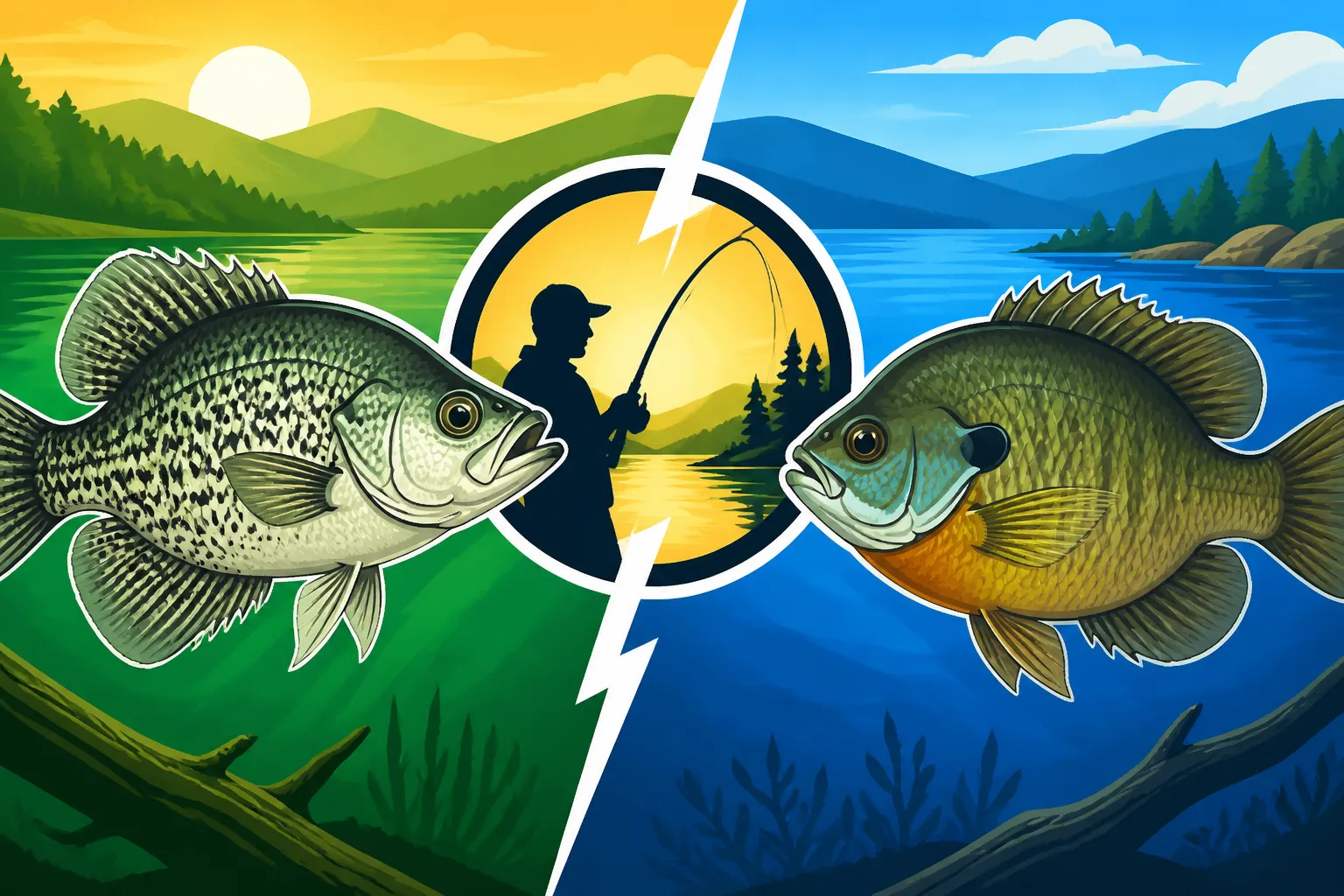
Crappie vs Bluegill: Which Is Better for Beginners?
Embarking on your first fishing adventure in Tennessee can feel a little overwhelming when you're faced with so many exciting species to target. Often, beginners find themselves at a crossroads, wondering whether to chase the popular crappie or the abundant bluegill. Both offer fantastic experiences, but they cater to slightly different preferences and skill levels. This guide is here to break down the ins and outs of crappie and bluegill fishing, helping you decide which pursuit will provide the most satisfying and successful start to your angling journey in the Volunteer State.
Understanding the Appeal: Why Crappie and Bluegill Are Great for New Anglers
Let's be real, nobody wants to spend hours on the water, meticulously rigging lines and casting perfectly, only to go home empty-handed. That's why crappie and bluegill are often the unsung heroes for folks just getting their feet wet in the world of fishing. They’re relatively cooperative, widely distributed, and don't require a bank loan for specialized equipment. This makes them ideal for building confidence and developing fundamental fishing skills without the pressure of chasing elusive, finicky giants.
The Beginner-Friendly Nature of Both Species
The beauty of both crappie and bluegill is their willingness to bite. They're generally not as shy or particular as some of their larger, more predatory cousins. This means less frustration for you as a beginner. You won't need to master complex casting techniques or spend hours researching intricate seasonal patterns right off the bat. Instead, you can focus on the basics: how to tie a knot, how to cast reasonably well, and how to detect a bite.
Think about it: when you're just starting, every bite is a victory. Both crappie and bluegill offer plenty of those victories, helping to hook you on the sport for good. They often school up, too, meaning if you find one, you're likely to find more, leading to a truly memorable day on the water. This abundance is a huge confidence booster, especially for kids or anyone new to the sport. There's nothing quite like the excitement of a bobber disappearing under the surface, signaling a fish on the line!
Key Differences in Behavior and Habitat
While both are panfish and share some characteristics, crappie and bluegill have distinct personalities and preferred hangouts. Understanding these differences from the get-go can significantly impact your success and enjoyment. Bluegill are often found in very shallow, weed-choked areas, eager to snatch a worm dropped right in front of them. They’re less shy about commotion and often abundant in farm ponds, small lakes, and backwaters.
Crappie, on the other hand, tend to be a bit more structure-oriented. They love submerged brush piles, fallen trees, dock pilings, and creek channels. While they can be found shallower, especially during the spring spawn, they often hold in slightly deeper water than bluegill. Their bites can also be a little more subtle, sometimes feeling like just a slight tap or pressure, which can take a moment to learn to distinguish from current or snags. These distinctions will guide your gear choices, fishing spots, and even the time of day you choose to fish.
Diving Deeper into Crappie for Beginners
Crappie fishing holds a special place in the hearts of many anglers, and for good reason. They are often considered the "next step" up from bluegill for many new anglers, offering a slightly bigger challenge and a very rewarding catch.
Crappie: The Thrill of the Catch and Table Fare
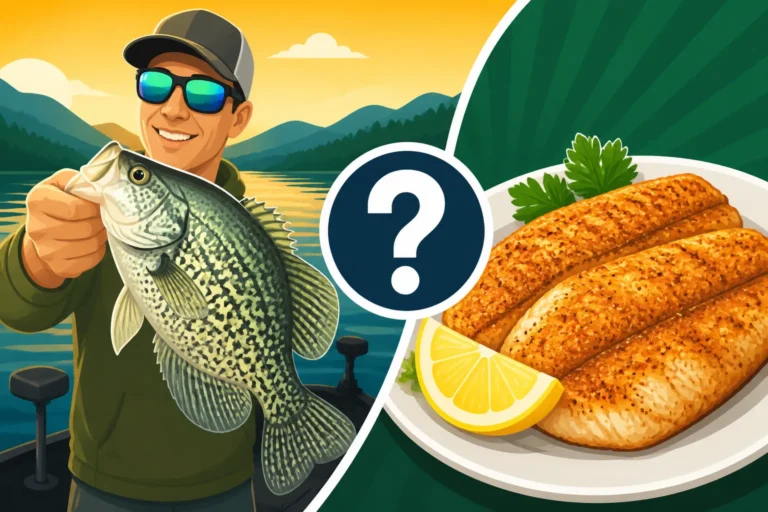
Crappie, especially the Black Crappie common in Tennessee, are fantastic game fish. They grow larger than bluegill, often reaching respectable sizes that put a decent bend in a light rod. Imagine reeling in a crappie that’s over a pound – that's a fight a beginner will absolutely cherish! They tend to put up a spirited struggle, darting and diving, which adds to the thrill. This makes them a more exciting target for someone looking for a bit more action than a standard bluegill tug.
Beyond the fight, crappie are widely regarded as one of the best-eating freshwater fish. Their flaky, white meat is delicious when fried, baked, or broiled. Many anglers specifically target crappie for their table quality, and bringing home a stringer of them is a source of pride. The thought of a fresh crappie dinner can be a powerful motivator for new anglers to brave the elements and hone their skills. Just be sure to check Crappie Limits Under Tennessee Fishing Rules before you head out, as daily creel limits apply.
Essential Crappie Gear and Techniques for Newbies
You don't need a boatload of fancy equipment to start catching crappie. A simple, ultralight spinning combo is often all it takes.
- Rods and Reels: Look for a light to ultralight spinning rod, typically 5 to 7 feet long, paired with a small spinning reel spooled with 4-6 pound monofilament line. This setup is sensitive enough to feel those subtle crappie bites and makes even a small crappie feel like a monster. Many tackle shops and online retailers like Amazon offer affordable "ready-to-fish" combos that are perfect for beginners.
- Bait and Lures: Live minnows are king for crappie. They’re irresistible to these fish. You can suspend a live minnow under a small bobber, or slow-troll them if you're in a boat. Small jigs are also incredibly effective. Think 1/32 to 1/16 ounce jigs, often tipped with a tiny plastic grub or tube bait. Colors like chartreuse, white, and pink are popular.
- Simple Rigs: A classic crappie rig involves a small hook (size 4 or 6), a split shot weight a foot or so above the hook, and a small bobber set to the depth you want to fish. For jigs, simply tie the jig directly to your main line. Simplicity is key when starting out, allowing you to focus on feeling the bite. When thinking about Best Crappie Jigs for Lake Fishing, remember that even basic colors can be highly effective.
One of the most straightforward methods for beginners is fishing a minnow or jig under a bobber around submerged brush or docks. Cast it out, let it sit, and watch that bobber closely. If it dips, disappears, or even just quivers unexpectedly, set the hook!
Best Times and Places to Find Crappie in Tennessee
Timing and location are crucial for crappie success, even for beginners.
- Spring Spawn: This is arguably the easiest time to catch crappie, making it perfect for beginners. In early spring, when water temperatures climb into the 50s and low 60s, crappie move into shallow water to spawn. They'll be around brush, reeds, and submerged timber in bays and coves. This is when they're most accessible from the bank or a small boat. You can learn more in our Tennessee Crappie Fishing Guide by Season.
- Structure is Key: Outside of the spawn, crappie will usually relate to some kind of cover or structure. Look for brush piles, fallen trees, old submerged roadbeds, creek channels, and bridge pilings in lakes like Watts Bar Lake, Kentucky Lake, or Percy Priest Lake. A basic fish finder can help immensely if you're in a boat, but even from the bank, you can target visible structures like docks or overhanging trees. How to Catch Crappie From the Bank involves identifying these accessible structures near shore.
- Early Morning and Late Evening: Like many fish, crappie are often most active during low-light conditions. The first few hours after sunrise and the last few before sunset can be prime fishing times. On cloudy days, they might bite well throughout the day.
Exploring Bluegill for First-Time Anglers
If crappie offer a thrilling fight and a tasty meal, bluegill offer sheer, unadulterated fun and consistent action. They are the quintessential "first fish" for countless anglers, and for good reason.
Bluegill: Abundance and Action for All Ages
Bluegill are everywhere in Tennessee! You'd be hard-pressed to find a pond, lake, or slow-moving stream that doesn't hold a population of these feisty little sunfish. Their abundance is their superpower for beginners. You don't have to be a master angler to find them; often, just showing up at a local pond with a rod and some bait is enough to guarantee some bites.
What bluegill lack in size, they make up for in eagerness. They are aggressive eaters and will readily smack a bait, providing immediate gratification for new anglers. This makes them absolutely perfect for introducing children to fishing. The constant action keeps kids engaged and excited, preventing boredom and fostering a love for the outdoors. Catching a dozen bluegill in an hour is not uncommon, and that kind of success is priceless for building confidence. Our guide on Bluegill Fishing Tips for Kids in Tennessee highlights this very appeal.
Simple Bluegill Setups and Bait Choices
Bluegill fishing exemplifies simplicity. You really don't need much gear, which keeps the initial investment low – another win for beginners!
- Rod and Reel: An inexpensive ultralight spinning rod and reel combo, often called a "panfish" combo, is perfect. Even a simple push-button spincasting outfit (a "Zebco" style reel) works wonderfully. Spool it with 4-pound test monofilament line. The sensitivity isn't as critical as with crappie, as bluegill bites are usually more assertive. Check Amazon for great beginner combos that are ready to go right out of the box.
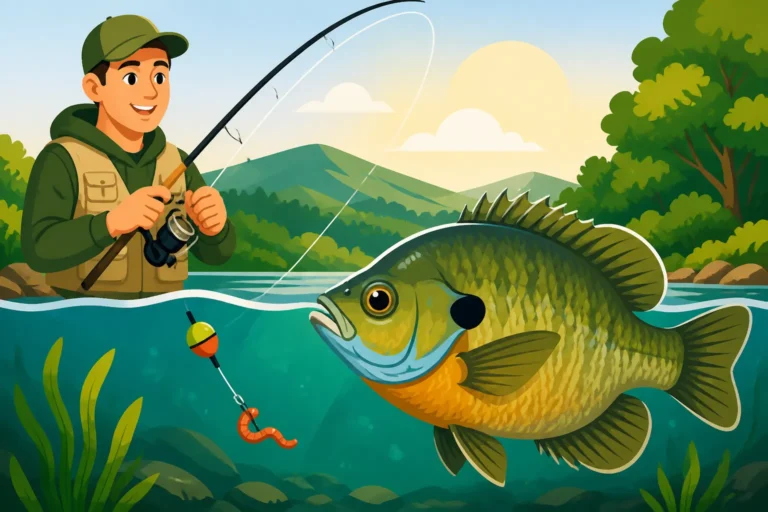
- Bait: Worms are king! Nightcrawlers or red wigglers are irresistible to bluegill. Cut them into smaller pieces if they're too big. Other simple baits include crickets, grasshoppers, and even small pieces of corn or bread dough. These are all natural and effective choices that bluegill can't resist. For more ideas, consult Best Bait for Bluegill and Panfish.
- Rigging: The most basic bluegill rig is a small hook (size 8 or 10) with a piece of worm, a tiny split shot weight a few inches above the hook, and a small bobber. Set the bobber so your bait is a foot or two deep. Cast it near weeds or submerged structure and wait. It's almost guaranteed to get hit!
Where to Easily Locate Bluegill in Tennessee Waters
Finding bluegill is usually the easiest part of the equation.
- Shallow, Weedy Areas: Bluegill love to hang out in shallow water, especially around vegetation, lily pads, reeds, and submerged grass. These areas provide cover from predators and a bounty of insects and larvae to munch on.
- Docks, Piers, and Bank Access: Any public lake, pond, or slow-moving river with easy bank access is a potential bluegill hotspot. Look for docks, fallen trees, or shaded areas. State park ponds are often fantastic spots for bluegill, providing Easy Bank-Access Ponds for a First Fishing Trip Near Knoxville and other locations.
- Farm Ponds: If you have access to a private farm pond (always ask permission first!), these are often overflowing with bluegill and can provide non-stop action.
- Spawning Beds: During the spring and early summer (when water temps hit the high 60s and 70s), bluegill create visible "beds" – circular depressions in shallow, sandy, or gravelly bottoms. They school up by the dozens to spawn, making them incredibly easy targets. You can often see these beds in clear water. Look for them in shallow coves and along protected shorelines.
Making the Choice: Crappie vs. Bluegill for Your First Fishing Adventure
Now for the big question: which is truly better for a beginner? The answer, as with many things in fishing, often depends on what you're hoping to get out of the experience.
Comparing the Learning Curve and Frustration Factor
For sheer ease of catching and consistent action, bluegill definitely take the crown. Their aggressive nature and widespread abundance mean you’re more likely to get bites, even if your technique isn't perfect. This instant gratification is huge for building confidence and maintaining interest, especially for younger anglers. The learning curve for bluegill is essentially flat – put a worm in front of them, and they’ll probably eat it. If you're looking for the absolute simplest, least frustrating entry into fishing, bluegill are your go-to.
Crappie, while still relatively beginner-friendly, require a slight step up in finesse and understanding. Their bites can be more subtle, their preferred habitats a little more specific (requiring more active searching for structure), and their seasonal patterns sometimes demand a bit more attention. You might have to try a few spots or adjust your depth to find them. This minor increase in challenge can be rewarding, but it might lead to a bit more "downtime" between bites compared to bluegill. However, if you're up for a tiny bit more investigative work, the payoff in size and table quality can be worth it.
The "Return on Investment" Time vs. Reward for Beginners
Let's talk about the payoff for your time on the water.
With bluegill, your "return on investment" is typically measured in high numbers of catches and immediate, consistent action. You might not catch a trophy, but you'll probably catch a lot of fish. This is fantastic for pure fun and honing the basics of casting, setting the hook, and reeling in. It's a low-effort, high-reward scenario in terms of sheer volume and enjoyment.
With crappie, the "return on investment" might be a slightly lower number of fish, but those fish are often larger, put up a better fight, and are highly prized for the dinner table. If your goal is to catch something substantial, tasty, and experience a bit more of a challenge, crappie offer that higher-quality reward. You're trading some quantity for quality, which can be a very satisfying trade-off for many anglers.
Ultimately, both species provide an excellent gateway into Tennessee fishing. Many anglers start with bluegill to master the absolute basics, then naturally progress to crappie as they gain confidence and seek a slightly bigger challenge. There's no wrong answer here; it's all about what will bring you the most joy on your initial outings.
A Quick Reference: Crappie vs. Bluegill for Beginners
To help you visualize the comparison, here's a handy table summarizing the key aspects for a new angler:
| Feature | Crappie | Bluegill |
|---|---|---|
| Typical Size | 8-12 inches (larger) | 4-8 inches (smaller) |
| Fight on Line | More spirited, darting, good bend on light rod | Feisty for their size, quick tugs |
| Difficulty for Beginner | Easy to moderate | Very easy |
| Best Bait | Live minnows, small jigs | Worms (red wigglers, nightcrawlers), crickets |
| Preferred Habitat | Brush piles, docks, submerged timber, creek channels | Weeds, lily pads, shallow cover, spawning beds |
| Table Quality | Excellent (flaky, white meat) | Good (mild, sweet flavor) |
| Action Level | Good, often schooling | High, very abundant, constant bites |
| Best Season | Spring (spawn) and Fall | Spring through Fall (especially during spawn) |
This comparison should give you a clear picture of what to expect from each species. Whether you pick crappie or bluegill, you're setting yourself up for a fantastic time on Tennessee's beautiful waters. Just remember, the most important thing is to get out there and have fun!
Disclaimer
This article is for general informational purposes only and does not constitute professional advice. Laws, prices and regulations vary by location and change over time. Consult a qualified professional for guidance on your specific situation.