Is Crappie Good to Eat?
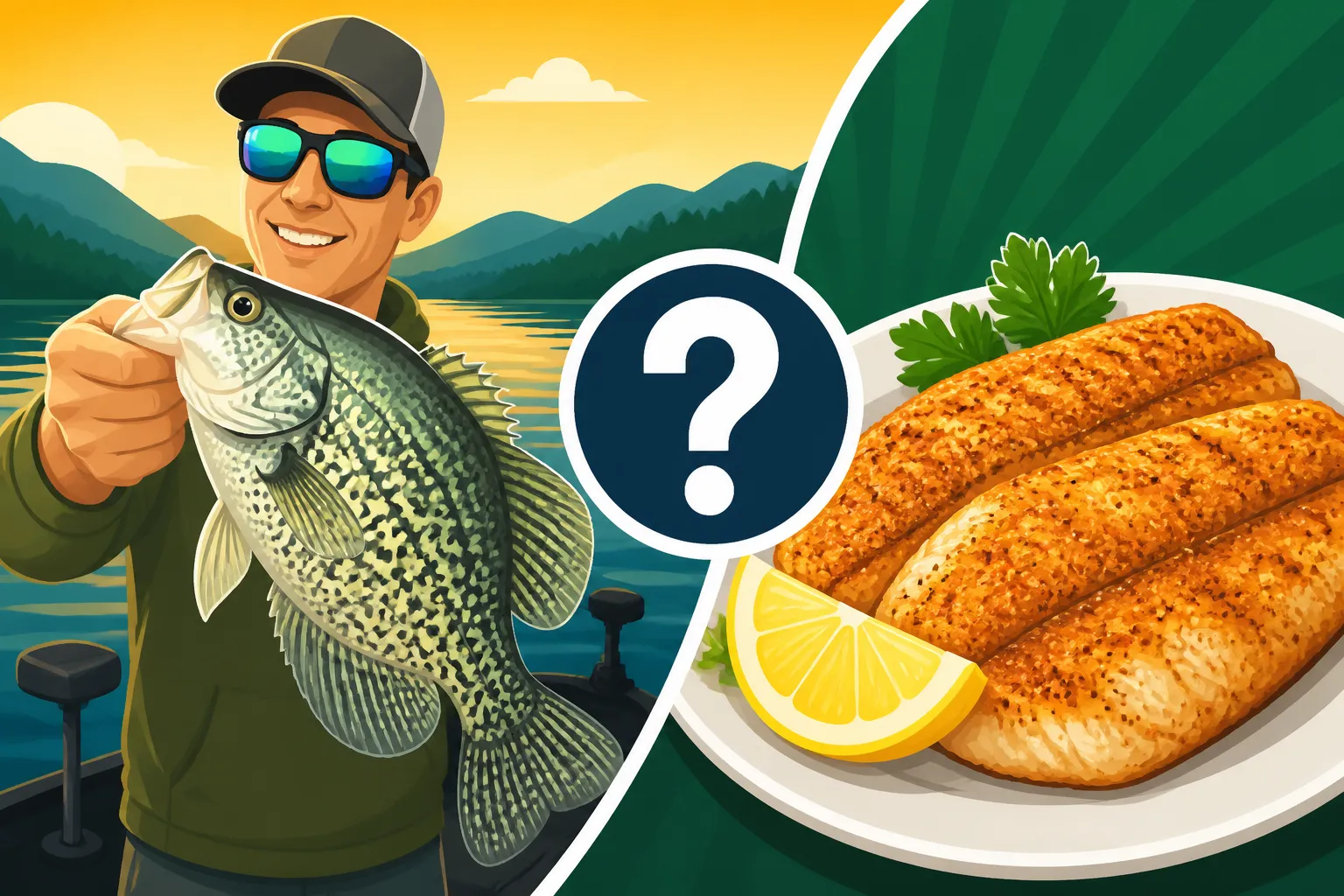
One of the most common questions I hear from folks, especially those new to fishing Tennessee’s beautiful waters, is whether crappie is actually good to eat. There’s often a bit of hesitation, sometimes rooted in a bad experience with improperly prepared fish, or perhaps just a general unfamiliarity with panfish. But let me tell you, if you’re overlooking crappie as table fare, you’re truly missing out on one of the sweetest, flakiest, and most delicious freshwater fish available. This guide will dive deep into why crappie holds such a special place in anglers' hearts and on their plates, and how you can ensure every catch is a culinary delight.
The Delicious Truth About Crappie: Flavor and Texture
Crappie, whether black or white, are an absolute staple for many Tennessee anglers, and for good reason beyond just the fun of catching them. They are undeniably fantastic to eat, offering a delicate flavor that truly sets them apart.
What Makes Crappie a Prized Table Fish?
For generations, crappie have been cherished for their mild, sweet meat, making them a favorite across the South and right here in Tennessee. They’re often dubbed "paper mouth" for their delicate mouths when hooked, but don't let that fool you; their flesh is firm enough to hold up to various cooking methods while remaining incredibly tender. They don't have that strong, "fishy" taste that sometimes turns people away from other species. Instead, their flavor is subtle and clean, which makes them incredibly versatile in the kitchen.
Many experienced cooks and anglers will tell you that crappie rival, if not surpass, some more famous game fish in taste. Their reputation as a top-tier panfish is well-earned, rooted in countless fish fries and family gatherings where a platter of golden-brown crappie fillets disappears almost as quickly as it's served. It's truly a fish that satisfies both the angler seeking a good fight and the foodie searching for a delightful meal.
Understanding Crappie's Unique Flavor Profile
When people ask "Is crappie good to eat?", what they're often really asking is, "What does it taste like?" Imagine a mild white fish, perhaps akin to a walleye or even a very lean chicken, but with a unique sweetness that's all its own. The flesh is bright white, firm, and flakes beautifully with a fork. It’s not oily, which contributes to its clean taste and light texture. The flavor is so delicate that it easily takes on the seasonings and spices you choose, rather than being overpowered by them.
Several factors contribute to this desirable flavor. The water quality where crappie are caught plays a huge role; fish from clear, clean reservoirs like Norris Lake or Center Hill tend to have an even purer taste. Their diet, consisting mainly of insects, crustaceans, and smaller baitfish, also influences their flavor, keeping it light and non-gamey. Larger crappie, sometimes called "slabs," often yield thicker fillets with a slightly richer flavor, but even smaller crappie offer excellent eating. This consistent quality across different sizes is part of what makes them such a reliable choice for the dinner table.
The Desirable Texture and Filleting Considerations
Beyond flavor, crappie's texture is a major selling point. The meat is wonderfully flaky and tender, practically melting in your mouth when cooked properly. It’s lean, but not dry, maintaining a pleasant moistness that makes it incredibly satisfying. This texture makes it ideal for a variety of preparations, from deep-frying to delicate pan-searing.
Filleting crappie, despite their smaller size compared to, say, a huge catfish or bass, is surprisingly straightforward with a sharp fillet knife. While they might not yield massive fillets, a good-sized crappie can provide two decent pieces of boneless meat. Many anglers choose to "butterfly" crappie, leaving the skin on one side to help hold the fillet together during cooking, especially when frying. For those who prefer absolutely no bones, taking the time to remove the rib cage and any stray pin bones is worth it. Even though it's a bit more meticulous than filleting a larger fish, the end result — perfectly boneless, flaky white meat — is absolutely worth the effort. If you’re unsure, there are many excellent tutorial videos online, and a good flexible fillet knife available on Amazon can make all the difference.
| Crappie Culinary Aspect | Description | Angler Tip |
|---|---|---|
| Flavor Profile | Mild, sweet, clean, non-gamey, takes on seasonings easily. | Fish from cleaner water generally taste best. |
| Texture | Flaky, tender, firm but not tough, moist. | Proper cooking prevents drying out; avoid overcooking. |
| Color of Meat | Bright white, opaque when cooked. | Indicates freshness and quality. |
| Ease of Filleting | Relatively easy with practice; smaller size means smaller fillets. | Use a sharp, flexible fillet knife and aim for boneless yield. |
| Overall Appeal | Universally loved for its delicate taste and versatility. | Don't shy away from experimenting with different recipes. |
From Lake to Plate: Preparing Crappie for the Best Taste
Catching crappie is only half the fun; the real magic happens when you prepare them for a meal. The way you handle and cook your catch can dramatically impact its final taste and texture.
Essential Steps for Keeping Crappie Fresh
The journey from the water to your plate is critical, and maintaining freshness is paramount for the best flavor. No matter how perfectly you cook a fish, if it wasn’t handled well immediately after being caught, the flavor will suffer. The moment a crappie comes out of the water, its quality begins to diminish, so prompt action is key.
Many Tennessee anglers use a livewell on their boat to keep crappie alive throughout the fishing trip. This is perhaps the best way to ensure maximum freshness, as the fish remain active and unstressed until you're ready to clean them. If a livewell isn't an option, or if you're bank fishing, an ice-filled cooler is your next best friend. Immediately placing your crappie on ice (not just in water, but directly on the ice) chills them rapidly, slowing down any spoilage. Some folks like to bleed their fish right after catching them, which involves making a small cut to the gills to allow blood to drain. This can further enhance the clean taste by removing any residual blood from the flesh. Always remember, the colder you keep your fish, the better they will taste when cooked. This simple step is often overlooked but makes a world of difference.
Cleaning and Filleting for Culinary Perfection
Once you’re off the water, it's time for cleaning. While some people prefer to scale and gut crappie and cook them whole, most opt for filleting to get those prized boneless pieces of white meat. Start with a clean work surface and a very sharp fillet knife. A dull knife is not only less effective but also more dangerous. For smaller crappie, some anglers will "zipper" the fish, removing the skin and then carefully cutting the meat off the bone in two main pieces. For larger "slabs," a traditional filleting method works wonders.
First, make a cut behind the gill plate down to the backbone, but not through it. Then, turn your knife blade flat against the backbone and run it down the length of the fish, separating the fillet. Flip the fillet skin-side down and carefully slide your knife between the skin and the meat, removing the skin. You'll then have a boneless fillet ready for the next step. Don't forget to rinse your fillets in cold water to remove any scales or debris, and pat them dry with paper towels before cooking or storing. Proper cleaning not only provides a better eating experience but also showcases the care and effort you put into your catch. For detailed visual guides, How to Catch Crappie From the Bank or Crappie Jigging Techniques Explained articles might offer additional contextual tips that influence fish quality.
Popular and Delicious Cooking Methods for Crappie
When it comes to cooking crappie, the options are as varied as the lures you might use to catch them. However, a few methods truly stand out for highlighting their delicate flavor and flaky texture.
Classic Fried Crappie: This is, without a doubt, the most iconic way to prepare crappie, especially in Tennessee. Many families have their secret breading recipes, but a simple mix of seasoned cornmeal or a blend of flour and spices works wonderfully. The key is to get your oil (peanut oil or vegetable oil are great choices) to the right temperature – typically around 350-375°F (175-190°C) – so the fillets cook quickly to a golden brown crisp without absorbing too much oil. The result is a delightful contrast: a crunchy exterior giving way to incredibly moist, flaky white fish inside. Serve with hushpuppies, coleslaw, and a squeeze of lemon, and you’ll understand why this is a regional favorite.
Pan-Seared or Sautéed: For a lighter, quicker meal, pan-searing is fantastic. Lightly flour or season your crappie fillets and cook them in a hot skillet with a little butter or olive oil. Sear for just a few minutes per side until golden and cooked through. This method really lets the natural sweetness of the fish shine. You can add herbs like dill or parsley, or a splash of white wine for extra flavor. This is also a great way to enjoy crappie without the heavier breading, offering a cleaner taste that’s perfect for a weeknight dinner.
Baked or Broiled: If you're looking for an even healthier option, baking or broiling crappie fillets can be incredibly satisfying. Place seasoned fillets on a baking sheet, perhaps with a pat of butter, some lemon slices, and herbs. Bake at a moderate temperature (around 375°F/190°C) for 10-15 minutes, or broil for a shorter time, keeping a close eye to prevent overcooking. The fish will turn opaque and flake easily when done. This method is excellent for serving crappie with roasted vegetables or a fresh salad. A good oven-safe baking dish, easily found on Amazon, can become a staple for these preparations.
Overcoming Common Concerns and Enhancing Your Crappie Meal
While crappie is generally delicious, some folks occasionally run into issues or have specific questions about preparation. Let's tackle those common concerns head-on.
Addressing the "Muddy" Taste Myth
One of the most frequent complaints people sometimes have about freshwater fish, including crappie, is a perceived "muddy" taste. It's a valid concern, and it can certainly ruin a meal. However, it's not inherent to crappie itself but rather a result of environmental factors and sometimes, improper handling. Crappie from certain murky or stagnant waters, especially those with high algae content, can occasionally pick up earthy flavors from their surroundings. This is more common in shallow ponds or slow-moving backwaters rather than large, clean reservoirs or rivers with good current.
To mitigate this, first and foremost, try to fish in cleaner waters. Tennessee is blessed with numerous pristine lakes and rivers, so choose your fishing spots wisely. For example, Best Fishing Lakes in Tennessee might guide you to spots known for clear waters. Secondly, proper handling, as discussed earlier, is crucial. Rapidly chilling and bleeding the fish can help. If you still detect a faint earthy flavor after filleting, some chefs recommend soaking the fillets in a bowl of milk or a mixture of salt water for an hour or two in the refrigerator before cooking. The milk is believed to draw out impurities, resulting in a cleaner-tasting fillet. Just remember to rinse and pat dry thoroughly before cooking. This simple step can turn a potentially disappointing meal into a delightful one.
Dealing with Bones and Maximizing Meat Yield
Another common apprehension, especially with panfish, is the presence of bones. "Is crappie good to eat if it's full of bones?" is a question that deters many. The truth is, like most fish, crappie do have bones. However, proper filleting virtually eliminates this issue, leaving you with delicious, boneless meat. As mentioned earlier, learning to fillet crappie effectively is the best defense against bony bites. While it takes a little practice to get proficient with a fillet knife, the reward is well worth the effort.
If filleting isn’t your strong suit or you're dealing with very small crappie, you can still enjoy them. Many people simply scale and gut smaller crappie and fry them whole, eating the meat right off the bone. When cooked to a crispy perfection, the smaller bones can sometimes even be eaten. To maximize meat yield, ensure your knife is sharp and you're getting as close to the backbone and rib cage as possible when filleting. Don't waste the "cheeks" – the small, tender morsels of meat located just behind the eyes on larger crappie. These are often considered a delicacy! Also, consider using the heads and frames for making a flavorful fish stock, ensuring no part of your catch goes to waste.
Health Considerations and Responsible Consumption
From a nutritional standpoint, crappie is an excellent choice. It's a lean source of protein, low in fat, and typically provides beneficial omega-3 fatty acids. This makes it a heart-healthy addition to any diet. When consuming any fish, it's wise to be aware of local advisories regarding mercury or other contaminants. The Tennessee Wildlife Resources Agency (TWRA) regularly monitors fish populations and publishes consumption advisories for specific bodies of water if necessary. These advisories are usually species and size-specific, so it's always a good idea to check the latest information for the lake or river where you're fishing.
Generally, crappie, being smaller and having a shorter lifespan than larger predatory fish like big bass or catfish, tend to accumulate fewer contaminants. This makes them a relatively safer choice for regular consumption. Always practice responsible catch and release for fish you don't intend to eat, and adhere to Tennessee Fishing Regulations Explained and specific limits, such as those detailed in Crappie Limits Under Tennessee Fishing Rules, to ensure sustainable fishing practices. Enjoying crappie isn't just about taste; it's about being mindful of your health and the health of the fishery.
Crappie's Place in Tennessee's Culinary and Angling Culture
Crappie isn't just a fish; it's a significant part of the angling heritage and culinary landscape across Tennessee. It represents accessible fun, delicious meals, and cherished memories for countless families.
An Abundant and Sustainable Choice for Anglers
One of the great things about crappie is their abundance in Tennessee's waters. Lakes like Reelfoot, Kentucky Lake, and Chickamauga are renowned for their crappie populations, offering fantastic opportunities for anglers. The Tennessee Wildlife Resources Agency (TWRA) actively manages crappie populations, including Black Crappie Stocking by TWRA in Tennessee in many lakes, ensuring healthy and thriving fisheries. This means that when you catch and keep crappie within the legal limits, you're usually participating in a sustainable harvest that doesn't significantly impact the overall population.
Their prolific nature and relatively fast growth rate make them an excellent choice for anglers looking to fill a cooler for a family fish fry. It’s comforting to know that you can enjoy a delicious meal without worrying about overfishing a vulnerable species. This sustainability, combined with their great taste, firmly cements crappie's status as a top choice for a responsible and rewarding fishing experience in the Volunteer State. Understanding Tennessee's Fishing License Requirements is the first step to enjoying this abundant resource.
Crappie Fishing: A Beloved Tennessee Pastime
Crappie fishing is deeply ingrained in Tennessee culture. From the quiet solitude of a small pond to the bustling camaraderie of a major crappie tournament on Kentucky Lake, it’s a pastime enjoyed by young and old, seasoned pros and absolute beginners. There’s something uniquely satisfying about jigging for crappie among submerged brush piles or drifting across a flat, waiting for that tell-tale tap on your line.
Families often bond over crappie fishing trips, passing down techniques and traditions through generations. Kids learn the joy of a tug on the line and the satisfaction of reeling in their first catch. And after a successful day on the water, the anticipation of that fresh crappie dinner is part of the entire experience. It's not just about the fish itself; it's about the entire ritual – the early mornings, the boat rides, the shared stories, and finally, the delicious meal. You can find out more about seasonal patterns in Tennessee Crappie Fishing Guide by Season.
The Joy of Sharing Your Catch
Ultimately, answering "Is crappie good to eat?" with a resounding "Yes!" comes down to the shared joy it brings. There's a special kind of pride that comes with serving a meal of fish you caught yourself, knowing the effort and experience that went into it. Crappie are perfect for bringing people together. Imagine a summer evening cookout, the smell of frying fish wafting through the air, laughter from family and friends, and platters of perfectly cooked crappie disappearing almost instantly.
Whether you're sharing your knowledge of Best Bait for Crappie Fishing or simply enjoying the fruits of your labor, crappie offer a connection to nature, a lesson in patience, and a truly delicious reward. So next time you're out on a Tennessee lake, don't hesitate to target these wonderful fish. Bring them home, prepare them with care, and you'll discover why crappie aren't just good to eat – they're great.
Disclaimer
This article is for general informational purposes only and does not constitute professional advice. Laws, prices and regulations vary by location and change over time. Consult a qualified professional for guidance on your specific situation.