Redeye Bass: A Tennessee Native Worth Knowing
It's easy to get caught up chasing the big names in Tennessee fishing – the largemouth or the smallmouth bass – and sometimes, we overlook some of the true native gems that make our waterways so special. One such fish, often mistaken for its more famous cousins, is the redeye bass. This guide is all about shining a spotlight on this fantastic, feisty native species, helping you identify it, understand its unique habitat, and learn how to enjoy some incredible fishing for it across our great state.
Redeye Bass: More Than Just Another "Green Fish"
You're out on a clear, cool stream in East Tennessee, casting a small spinner, and suddenly, you hook into something that fights with surprising vigor for its size. You reel it in, and it looks like a bass, but something's a little different. It's not quite a smallmouth, not quite a spotted bass. Chances are, you've just met a redeye bass, a truly special resident of our headwater streams. Many anglers, even seasoned ones, struggle to correctly identify them, often lumping them in with other black bass species. But once you know what to look for, the redeye stands out with its own distinct charm.
Distinguishing Features: What Makes a Redeye, a Redeye?
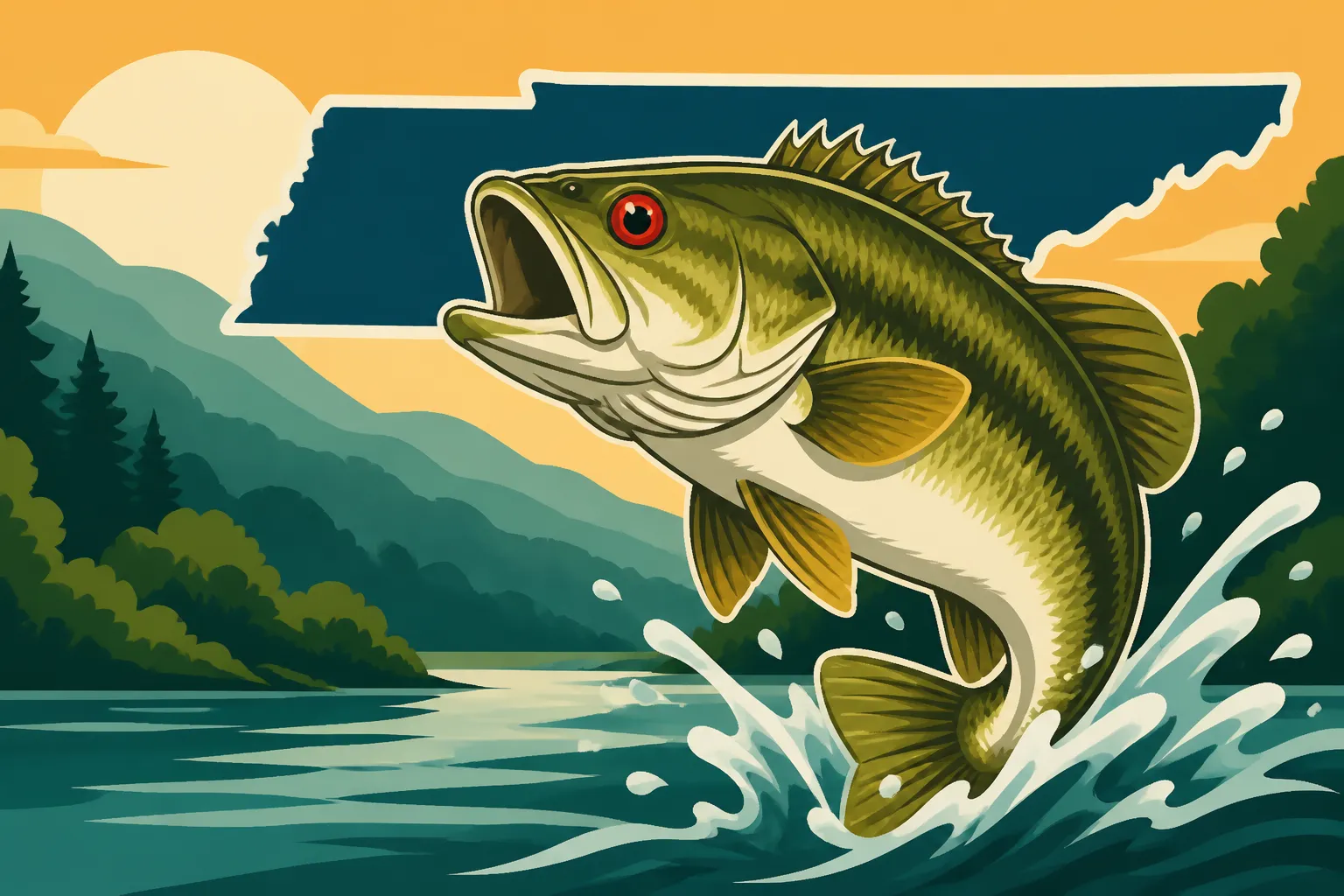
The common confusion between redeye, smallmouth, and spotted bass is totally understandable. They all share similar body shapes and often inhabit similar waters. However, the redeye bass, sometimes called a "Coosa bass" in other parts of its range, has several key characteristics that set it apart. The most obvious, of course, is the name-sake bright red or orange coloration in its iris, though this can vary in intensity depending on the fish and its habitat. Beyond the eye, look for patterns on its body. Redeye bass typically have pronounced horizontal rows of dark spots on their lower sides, often forming distinct lines. Their dorsal fin, the one on their back, will usually have a noticeable notch, but not as deep as a largemouth's. The caudal fin (tail) often has reddish-orange margins, especially on younger fish.
Another critical ID point is the tongue patch. If you gently open the fish's mouth, a redeye bass will not have a rough, toothy patch on its tongue, unlike a spotted bass or some smallmouth. This is a dead giveaway. Their body itself is usually somewhat slender and streamlined, built for navigating faster currents, and they generally don't grow as large as largemouth or smallmouth, typically ranging from 8 to 14 inches. They're built for speed and agility in smaller waters, not brute force in big reservoirs. It’s a subtle art learning to tell them apart, but so rewarding when you get it right. If you want to dive deeper into how different bass species are identified, you might find our guide on Redeye Bass vs Smallmouth Bass Comparison really helpful.
Where Redeye Bass Call Home in Tennessee
Redeye bass are true connoisseurs of specific aquatic environments. You won't typically find them in the vast, open waters of our big reservoirs like Chickamauga or Kentucky Lake. Instead, they prefer the pristine, cooler, and clearer waters of small to medium-sized streams and rivers, particularly in the upper reaches of drainages. Think of the tributaries and smaller flows that eventually feed into the larger river systems. In Tennessee, this means you're most likely to encounter them in the eastern and central parts of the state, especially in the Appalachian foothills and plateau regions.
They thrive in areas with good current, plenty of rocky structure – boulders, gravel beds, and ledges – and overhead cover from trees or undercut banks. They appreciate a well-oxygenated environment, which is why those tumbling, clear streams are their sanctuary. You'll often find them hiding behind a large rock, in a deep pool downstream of a riffle, or tucked under an overhanging branch, waiting to ambush unsuspecting prey. These fish are a fantastic target for anglers who love to explore remote, scenic streams on foot, getting away from the crowds that flock to the larger lakes. Their presence is often a good indicator of a healthy, undisturbed stream ecosystem, which is just another reason why we should cherish them.
Why the Redeye Bass is a True Angler's Gem
For many, the appeal of fishing is the challenge, the beauty of the surroundings, and the connection to nature. Redeye bass fishing delivers on all fronts, offering a unique and often underestimated angling experience. While they might not be the trophy fish in terms of sheer size, their fighting spirit and the pristine environments they inhabit make them incredibly rewarding to pursue.
The Thrill of the Fight: Don't Underestimate Their Strength
Don't let their relatively small size fool you; redeye bass are pound-for-pound some of the hardest-fighting freshwater fish you can target in Tennessee. When hooked, they are absolute acrobats, often jumping clear out of the water, thrashing, and diving back into cover with surprising power. On light tackle, which is often the most effective way to catch them, they provide an exhilarating battle that can outshine a much larger fish from still water. This aggressive, spirited fight is a major reason why dedicated redeye anglers seek them out.
Imagine casting a tiny spinner near a submerged log, feeling that sharp strike, and then watching your rod tip bend furiously as a vibrant redeye tears through the current. It's not about the weight of the fish, but the pure, unadulterated excitement of the struggle. This makes them an excellent target for fly anglers or those who enjoy ultralight spinning gear, adding an extra layer of finesse and skill to the pursuit. The combination of beautiful surroundings and an energetic fight makes for an unforgettable fishing trip.
Ecological Significance: A Native Preserver of Stream Health
Beyond their sporting value, redeye bass hold a vital place in Tennessee's aquatic ecosystems. As a native species, they have evolved alongside other fish, insects, and amphibians in their specific stream habitats. They are often considered an "indicator species," meaning their presence and health can tell us a lot about the overall health of the stream. A robust redeye population usually signifies good water quality, stable stream beds, and a healthy food web.
Redeye bass primarily feed on aquatic insects, small baitfish, and crawfish, helping to maintain the balance of prey populations in their streams. Their predatory role is crucial for preventing overpopulation of certain species and ensuring a diverse and thriving ecosystem. Protecting redeye bass habitats means protecting the entire intricate web of life within these beautiful, clear-water streams. Learning about Tennessee's broader aquatic life, including its impressive number of native fish species, can really deepen your appreciation for what we have. Our guide on Tennessee's 291 Native Fish Species and 52 Sport Fish Explained covers this in fascinating detail.
Gear and Tactics for Hooking Tennessee Redeye
Targeting redeye bass isn't like targeting largemouth on a big lake. It requires a different approach, often favoring lighter gear and a more subtle presentation. The joy is in adapting your technique to their unique environment.
Choosing the Right Tackle and Baits
For redeye bass, finesse is often the name of the game. You'll want to lean towards lighter tackle that allows for accurate casting into tight spots and still provides a thrilling fight.
Rods and Reels:
- Ultralight or Light Spinning Gear: A 5' to 6'6" ultralight or light action spinning rod paired with a small spinning reel (size 1000-2000) is ideal. This setup allows for accurate casts of small lures and makes even a 10-inch redeye feel like a monster.
- Fly Fishing Gear: For fly anglers, a 3-weight to 5-weight fly rod is perfect. These rods offer the sensitivity and backbone needed to cast small flies and handle the feisty nature of a redeye.
Line:
- For spinning gear, 4-6 lb test monofilament or fluorocarbon line is usually sufficient. Some anglers might go up to 8 lb for heavier cover, but lighter line generally gets more bites.
- Fly fishing typically involves matching your line weight to your rod.
Baits and Lures:
Redeye bass aren't usually picky, but they respond best to presentations that mimic their natural prey or trigger an aggressive strike.
- Small Crankbaits: Micro crankbaits, especially those with natural crawfish or minnow patterns, are incredibly effective. Look for ones that dive to a few feet.
- Inline Spinners: Classic Mepps or Rooster Tail spinners in sizes #00 to #1 are deadly. Their flash and vibration attract redeye from surprisingly far away. You can find a great selection of these on Amazon, often in multi-packs, perfect for stream fishing where you might lose a few.
- Small Jigs: Jigs dressed with grub tails (1/16 oz to 1/8 oz) in natural colors like green pumpkin, brown, or black work well, especially when bounced along the bottom or near structure.
- Soft Plastics: Small creature baits, tiny crawfish imitations, or finesse worms on a light jig head can be very effective, especially when worked slowly.
- Live Bait: If permitted and you choose to use it, small worms or crickets can be irresistible to redeye, particularly in slower pools.
Here’s a quick overview of tackle considerations:
| Gear Type | Recommended Size/Weight | Key Features for Redeye Bass |
|---|---|---|
| Spinning Rod | 5' – 6'6" Ultralight/Light | Sensitive tip for light lures, enough backbone for fighting fish |
| Spinning Reel | 1000 – 2000 Series | Smooth drag, compact size, lightweight |
| Spinning Line | 4-6 lb Monofilament/Fluorocarbon | Low visibility, good knot strength, casts light lures well |
| Fly Rod | 3-5 Weight | Delicate presentation, handles feisty fish |
| Fly Line | Matched to Rod Weight | Usually Floating, for dry flies/nymphs/small streamers |
| Lures/Flies | Small crankbaits, inline spinners, micro jigs, small nymphs, dry flies, streamers | Mimic natural prey, trigger aggressive strikes, appropriate for stream size |
| Terminal Tackle | Small swivels, snap-swivels, light wire hooks | Minimize visibility, prevent line twist, secure connection |
You can often find these specialized items, like ultralight lures or specific fly patterns, with a quick search on Amazon, which makes getting geared up for a redeye trip super convenient.
Reading the Water: Where to Find Redeye in Their Element
Finding redeye bass is largely about understanding their preferred stream environment. They are ambush predators who rely on current and structure.
- Pools and Riffles: Look for them in deeper pools immediately downstream of fast-moving riffles. The current brings food, and the deeper water provides cover.
- Rocky Areas: Boulders, rock piles, and gravel bars are prime hideouts. Redeye will sit behind larger rocks, out of the main current, waiting for food to drift by.
- Undercut Banks and Overhanging Vegetation: Any form of overhead cover provides shade and a sense of security. Casting your lure close to or under these spots is often productive.
- Confluence Points: Where two streams meet, or a smaller tributary flows into a larger one, can create excellent current breaks and concentrate food, making them hotspot for redeye.
- Clear, Cool Water: As mentioned, they prefer clean water. If the stream is muddy or stagnant, you're unlikely to find them.
Your technique should involve short, accurate casts to these specific targets. Often, a "read and react" approach works best: cast upstream of a likely hideout, let your lure drift naturally with the current, and be ready for a strike as it passes the cover. Wading can be a fantastic way to access these fish, allowing you to move stealthily through the stream and target untouched pockets. For a broader understanding of fishing our state's diverse waterways, check out Best Rivers for Fishing in Tennessee.
Protecting Our Native Redeye: Sustainable Angling Practices
As anglers, we have a responsibility to protect the resources we cherish. This is especially true for native species like the redeye bass, which depend on healthy, pristine habitats. Practicing responsible angling ensures that these incredible fish will be there for future generations to enjoy.
Understanding Regulations and Best Practices
While there might not be specific statewide regulations just for redeye bass, they typically fall under the general black bass regulations for daily creel limits and size restrictions. It's crucial to always consult the current Tennessee Fishing Regulations before heading out, as these rules can vary by water body and change periodically. Knowing Tennessee Fishing Regulations Explained is always a good idea.
Beyond the letter of the law, adopting best practices for conservation is vital. Many dedicated redeye anglers practice catch and release for this species, helping to maintain healthy populations. If you do choose to harvest a fish within legal limits, ensure you're only taking what you'll use, and consider keeping smaller, younger fish rather than larger, older breeding stock. The future of these native fish truly depends on our conscious choices as anglers.
Ensuring the Future of Tennessee's Redeye Bass
Responsible angling for redeye bass goes beyond just adhering to limits; it involves a mindset of respect and preservation.
- Handle Fish Gently: If you're practicing catch and release, minimize the time the fish is out of the water. Use wet hands to handle them, support their body, and avoid squeezing them. Quickly remove the hook, and if the fish seems stressed, hold it gently in the water, facing upstream into the current, until it swims away under its own power.
- Use Barbless Hooks: Crushing the barb on your hook or using barbless hooks makes hook removal much easier and reduces stress and injury to the fish. You can buy these already barbless, or simply crimp the barb down on any hook with a pair of pliers. This is an easy way to promote healthier catch and release.
- Respect Their Habitat: Be mindful of the delicate stream ecosystems. Avoid disturbing stream beds unnecessarily, pack out all your trash, and be aware of potential sources of pollution. Protecting the environment protects the fish.
- Educate Others: Share your knowledge about redeye bass with fellow anglers. The more people who understand and appreciate this unique native species, the more advocates we'll have for its conservation.
By following these simple guidelines, we can all contribute to ensuring that the redeye bass continues to thrive in Tennessee's beautiful, clear streams, offering a thrilling and memorable experience for every angler who seeks them out.
Disclaimer
This article is for general informational purposes only and does not constitute professional advice. Laws, prices and regulations vary by location and change over time. Consult a qualified professional for guidance on your specific situation.