Catfish Species Comparison: Channel, Blue, and Flathead
It’s easy to get excited about fishing in Tennessee, but when you hear about the incredible catfish opportunities, many anglers often wonder, "What's the real difference between a channel, blue, and flathead?" It can feel overwhelming trying to figure out which species you're even targeting, let alone the best way to catch them. This guide is here to untangle the nuances of Tennessee's most popular catfish, helping you understand their unique traits, habitats, and the best approaches to land each one.
Understanding Tennessee's Catfish Culture
Tennessee is a haven for freshwater fishing, and our catfish hold a special place in the hearts of many anglers, from those seeking a peaceful evening on the bank to those chasing giant whiskered monsters. They're often seen as the backbone of many a fishing trip, providing delicious table fare and thrilling fights. But calling all catfish "just catfish" is like calling all bass "just bass"—it simply doesn't do justice to the distinct personalities and angling challenges each species presents. Locals will tell you that understanding these differences is key to not just catching fish, but truly experiencing the rich diversity of our waterways. It's about knowing what you're up against, whether it's a feisty channel cat in a farm pond or a massive blue cat in the Tennessee River.
Why Distinguish Between Species?
You might wonder why it even matters to differentiate between a channel, blue, and flathead catfish. After all, they’re all catfish, right? Well, not quite. The truth is, each species has its own preferred habitat, feeding habits, and even fighting style. What works for one might not work for another. Imagine trying to catch a largemouth bass with a tiny trout jig—you might get lucky, but it’s not optimized for success. The same goes for catfish. Knowing your target helps you choose the right bait, tackle, and location, drastically improving your chances of a successful and rewarding outing. It also means you’re better equipped to follow specific Tennessee Fishing Regulations Explained that might apply to certain species or bodies of water, ensuring you stay within legal limits.
The Thrill of the Catch: Varied Experiences
Beyond just catching, distinguishing between these species allows you to tailor your fishing experience. Are you looking for steady action and a good meal? A channel cat might be your best bet. Do you dream of battling a fish that could rival your own weight? Then the blue cat is calling your name. Or perhaps you enjoy the challenge of outsmarting a cunning predator that prefers live bait? That's the flathead. Each species offers a unique adventure, contributing to the rich tapestry of A Complete Guide to Fishing Spots in Tennessee. By understanding their distinctions, you’re not just going fishing; you’re embarking on a targeted pursuit that deepens your connection to the water and the incredible fish that inhabit it.
Channel Catfish: The Widespread Favorite
The Channel Catfish (Ictalurus punctatus) is arguably the most recognizable and widespread catfish species in Tennessee. If you’ve ever gone "catfishing" on a lazy afternoon, chances are you’ve tangled with a channel cat. They are Tennessee's official state fish (sharing the honor with the smallmouth bass!), and for good reason—they're abundant, relatively easy to catch, and fantastic on the dinner table. They're the everyman's catfish, found in nearly every corner of the state, from small farm ponds to massive reservoirs.
Identification and Key Characteristics
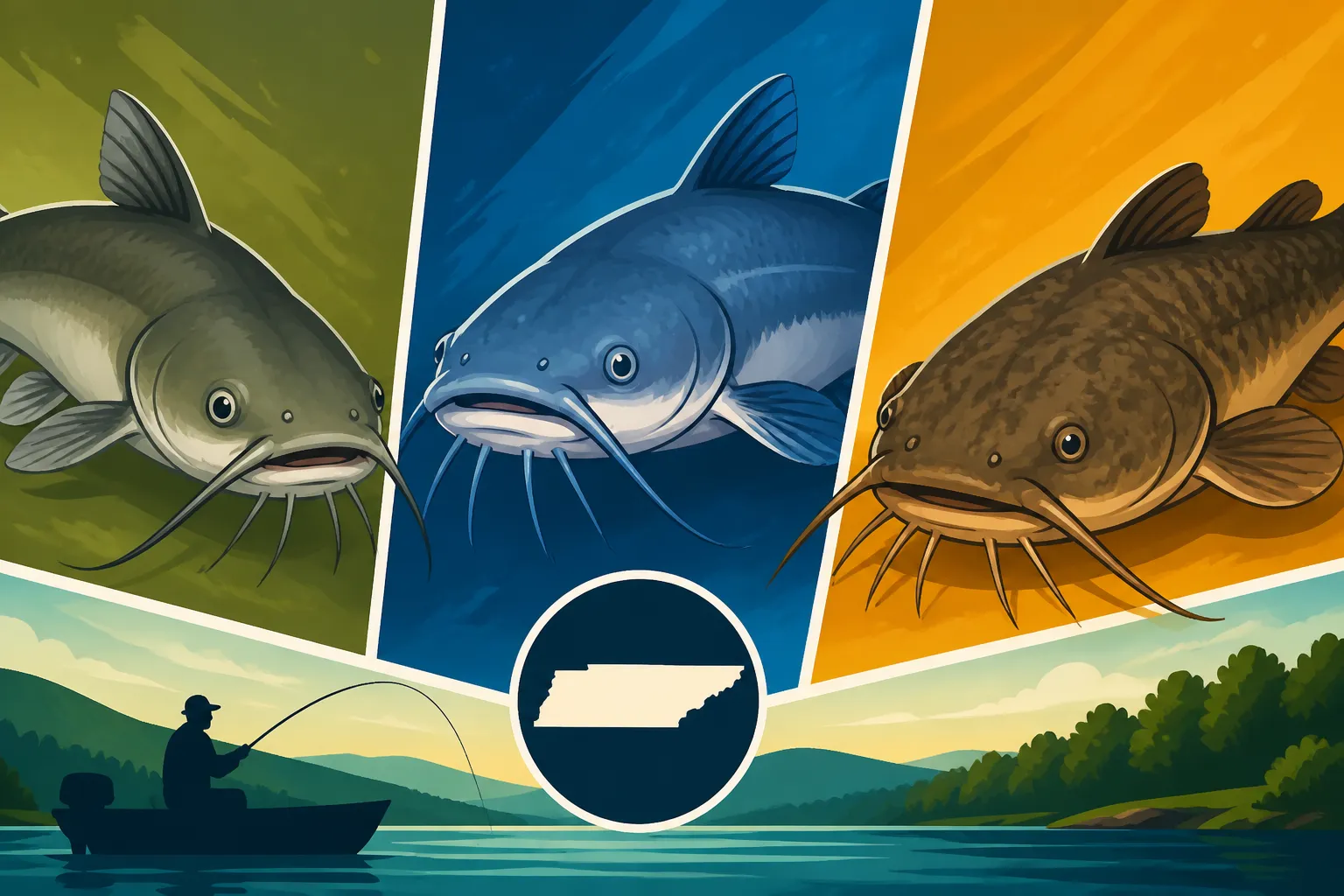
Identifying a channel catfish is usually pretty straightforward. They typically have a sleek, slender body with deeply forked tails—a crucial distinguishing feature that sets them apart from the blue and flathead. Their skin is smooth, usually olive-brown to slate-gray on the back, fading to silvery-white on the belly. Younger channel cats often have scattered black spots on their sides, which tend to fade as they age, especially on larger individuals. They also have barbels (whiskers) around their mouths, which are key sensory organs they use to navigate and find food in murky waters. You might even notice their small, conical teeth when you get a good look inside their mouth. Understanding these details can help you quickly identify How to Identify Channel Catfish, Tennessee's Other State Fish when you reel one in.
Habitat and Feeding Habits
Channel cats are incredibly adaptable, making themselves at home in a wide variety of environments. You'll find them in rivers, streams, lakes, and ponds throughout Tennessee. They prefer areas with moderate current or well-oxygenated still waters, often congregating around structures like submerged logs, rock piles, drop-offs, and even bridge pilings. They are opportunistic feeders, meaning they aren't picky. Their diet includes everything from insects, crustaceans, and small fish to fruits, seeds, and even decaying organic matter. This broad diet is why a diverse range of baits works so well for them. They use those sensitive barbels to sniff out food, even in low light or turbid conditions, making them active day and night.
Common Baits and Techniques
Given their indiscriminate feeding habits, channel catfish are relatively easy to entice. This is great news for both seasoned anglers and beginners. Stink baits, cut bait (like shad, skipjack, or even hot dogs), chicken livers, worms, and even prepared dough balls are all highly effective. For rigging, a simple Carolina rig or a slip-sinker rig with a circle hook is often all you need. Many anglers enjoy bank fishing for channel cats, casting out into deeper holes or along channel edges. Best Bait for Channel Catfish Fishing often comes down to personal preference or local availability, but versatility is your friend here. When preparing for a trip, checking out a robust tackle box setup on Amazon can provide you with all the essentials for these hungry fish.
Blue Catfish: The River Giants
If you’re looking to truly test your mettle and potentially land a fish that will strain your arms, the Blue Catfish (Ictalurus furcatus) is your target. Known for their immense size and incredible fighting power, blue cats are the heavyweights of Tennessee’s catfish scene, particularly dominant in our larger rivers and reservoirs like the Tennessee River system and Kentucky Lake. These aren't just big fish; they're truly monstrous, capable of growing to over 100 pounds!
Identification and Key Characteristics
Blue catfish share some similarities with channel cats, but there are distinct features that set them apart, especially their size. Like channel cats, they have a deeply forked tail, but their body is typically more robust and deep-bodied, giving them a more powerful profile. Their color is usually slate-blue to gray on the back, fading to white on the belly, and they generally lack the black spots seen on younger channel cats. One of the most reliable identification methods is to count the rays on their anal fin: blue catfish have 30-36 anal fin rays, while channel catfish have 24-29. Their head is also broader and more flattened than a channel cat's. Knowing these nuances can help you discern Channel Catfish vs Blue Catfish: How to Tell Them Apart.
Habitat and Feeding Habits
Blue catfish are primarily found in the large, flowing rivers and major reservoirs of Tennessee, such as the Cumberland and Tennessee Rivers, as well as expansive impoundments like Watts Bar Lake and Kentucky Lake's Best Catfish Waters in Tennessee. They prefer deep main channels, strong currents, and open water areas, often associating with deep structure like humps, ledges, and submerged timber. Unlike the more omnivorous channel cat, blue catfish are voracious predators, with a diet consisting almost exclusively of other fish. Shad, skipjack herring, drum, and smaller bream are their preferred prey. This predatory nature means they are constantly on the move, chasing baitfish schools. They use their excellent sense of smell to locate food from a distance, making fresh, bloody cut bait particularly effective.
Common Baits and Techniques
To catch a true blue cat, you need to go big with your gear and your bait. Heavy-duty rods and reels capable of handling immense strain are essential. Braided line with a strong leader is also highly recommended. The most effective baits are fresh cut bait from oily fish like shad or skipjack. Many anglers will catch their own bait using cast nets, knowing that fresh bait outperforms anything else. Live bait can also be very effective. A sturdy slip-sinker rig or a three-way swivel rig is common, often weighted with heavy sinkers to hold the bottom in strong currents. Boat fishing is often preferred for targeting blue cats, allowing anglers to position themselves over deep channels or structure. Best Bait for Blue Catfish Fishing is almost always fresh, locally-sourced cut bait. If you're looking to upgrade your heavy tackle, Amazon offers a wide selection of robust rods and reels specifically designed for trophy catfish.
Flathead Catfish: The Stealthy Ambush Hunters
The Flathead Catfish (Pylodictis olivaris) stands apart from its channel and blue cousins in both appearance and behavior. Often described as cunning and solitary, flatheads are pure predators, preferring live prey and often hiding out in dense cover, waiting for an unsuspecting meal to swim by. If you enjoy the challenge of targeting a specific, elusive fish, the flathead might become your new obsession.
Identification and Key Characteristics
Flathead catfish are visually quite distinct from channel and blue cats. The most obvious difference is their head, which is noticeably broad and flattened—hence the name "flathead." Unlike the forked tails of the other two species, flatheads have a square or slightly rounded tail, with no deep fork. Their lower jaw protrudes beyond the upper jaw, giving them a grumpy, bulldog-like appearance. Their body color is mottled brown or yellowish-brown, often with darker spots and blotches, providing excellent camouflage against timber and muddy bottoms. Their eyes are also smaller than a channel cat's, set higher on their flattened head. They have a stout body, but their overall shape is less streamlined than a blue cat. This unique appearance helps distinguish them from Flathead Catfish vs Blue Catfish: Key Differences.
Habitat and Feeding Habits
Flatheads are typically found in slow-moving or sluggish rivers and large reservoirs, favoring areas with plenty of dense cover. Think deep holes, log jams, brush piles, undercut banks, and heavy rock formations. They are ambush predators and spend much of their time lurking in these hideouts, waiting to pounce on live prey. Their diet consists almost entirely of live fish—bream, shad, minnows, and smaller rough fish are all on the menu. They are rarely interested in dead or prepared baits, making them a more challenging catch for anglers accustomed to other catfish species. This preference for live bait is a key factor in how you approach fishing for them. They are primarily nocturnal hunters, becoming more active after sundown, which often means Night Fishing Spots on Kentucky Lake, Tennessee might be excellent for targeting them.
Common Baits and Techniques
Since flatheads are committed live-bait predators, your bait choice is crucial: fresh, lively baitfish are non-negotiable. Bluegill, sunfish, shad, or even smaller bullheads are excellent choices. Hooking your baitfish through the back or lips allows them to swim naturally and attract attention. Heavy-duty tackle is a must, similar to what you'd use for large blue cats, but with a focus on durability to handle snagging in their preferred woody cover. A robust circle hook on a strong leader, usually with a slip sinker, is standard. Fishing at night or during low-light conditions is often the most productive, as this is when flatheads are most active. Positioning your bait right next to or within dense cover is key, but be prepared for snags! Many dedicated flathead anglers spend time scouting potential log jams and deep pockets during the day before returning to fish them at night. Looking for durable hooks or live bait containers? Amazon has a vast selection that can help gear up for these unique predators.
Key Differences and Angling Approaches
Understanding the individual traits of channel, blue, and flathead catfish is one thing, but seeing them side-by-side really highlights why they require different strategies. It's not just about what they look like; it's about their entire approach to life in the water, which in turn dictates our approach as anglers.
Comparative Table: Channel, Blue, and Flathead Catfish
To help visualize these distinctions, here’s a handy comparison table that summarizes the key differences:
| Feature | Channel Catfish | Blue Catfish | Flathead Catfish |
|---|---|---|---|
| Tail | Deeply Forked | Deeply Forked | Square or Slightly Rounded |
| Head Shape | Slender, pointed | Broad, somewhat flattened | Very broad, distinctly flattened |
| Lower Jaw | Even or slightly shorter | Even or slightly shorter | Protrudes beyond upper jaw |
| Color | Olive-brown/gray, often spotted | Slate-blue/gray, unspotted | Mottled brown/yellow, blotchy |
| Anal Fin Rays | 24-29 | 30-36 | 14-17 |
| Diet | Omnivorous (cut bait, stink bait, worms, prepared bait) | Primarily predatory (cut bait, live bait) | Exclusively predatory (live bait) |
| Preferred Habitat | Moderate current, varied structure, ponds, lakes, rivers | Deep main channels, strong current, large reservoirs, rivers | Dense cover, log jams, deep holes, sluggish rivers |
| Average Size | 1-10 lbs (can reach 40+) | 10-50 lbs (can reach 100+) | 5-40 lbs (can reach 100+) |
This table provides a quick reference for when you're out on the water, trying to confirm your catch or plan your next trip. It's a useful cheat sheet to keep in mind, whether you're fishing Kentucky Lake Catfish Fishing Spots or a local creek.
Adapting Your Tackle and Strategy
The stark differences in diet and habitat mean you'll need to adjust your tackle and strategy significantly. For channel cats, lighter to medium-heavy gear is usually sufficient. You don’t need the beefiest rod, and a spinning reel loaded with 10-20 lb mono or braid is fine. Think about accessibility; bank fishing with a few rod holders is a classic channel cat setup.
For blue and flathead catfish, however, you need to step up your game. We're talking heavy-action rods, robust baitcasting or conventional reels, and line in the 30-80 lb range, often braided for strength and sensitivity. These fish live in heavy current or dense cover, and you need the power to pull them out. This is where researching Best Rods for Catfish Fishing becomes crucial. Your sinkers will be heavier, your hooks larger, and your patience sometimes endless. It’s a different kind of fight, demanding more from both you and your equipment.
Understanding the Best Times to Target Each Species
Timing also plays a critical role. Channel catfish can be caught throughout the day, though dawn and dusk often see increased activity. They are quite responsive to scent, so current isn't always as important as the presence of a good scent trail.
Blue catfish are often found in deeper, cooler waters during the heat of the day, moving shallower or becoming more active in strong currents during early morning or late evening. Their pursuit of baitfish means they can be caught during the day, especially if you locate schools of shad.
Flatheads, as mentioned, are primarily nocturnal. While you might catch one during the day by dropping a live bait directly into their cover, your best chances are usually from dusk through the night and into the early morning hours. This often requires specialized Night Fishing Techniques for Catfish setups and a willingness to brave the dark.
Choosing Your Target Species and Location
Now that you have a clearer picture of each Tennessee catfish species, the big question is: which one do you want to target? The answer often depends on what kind of fishing experience you're seeking and, of course, where you're planning to cast your line.
Matching Your Desired Experience to the Species
If you're a casual angler looking for consistent action, good eating, and perhaps a family-friendly outing, then the Channel Catfish is likely your go-to. They are abundant, eager biters, and can be caught from the bank or a boat on virtually any major waterway or local pond. They offer a rewarding experience without requiring highly specialized gear or techniques. Many state park ponds and local lakes are regularly stocked, providing easy access to these popular fish.
For those with a competitive spirit or a dream of a personal best, the Blue Catfish offers the ultimate challenge. Chasing these behemoths is an adrenaline rush, a test of strength and endurance. You'll need to invest in serious gear and be prepared for potentially long waits followed by explosive battles. If you're near a major river like the Cumberland or Tennessee, or large reservoirs like Chickamauga or Watts Bar, the blue cat opportunities are immense.
If you enjoy the hunt, the strategy, and the satisfaction of outsmarting a truly cunning predator, the Flathead Catfish will captivate you. Their preference for live bait and their ambush tactics make every bite a hard-earned victory. This pursuit often means embracing night fishing and exploring dense, snaggy cover. If your local waters have plenty of submerged timber or rocky ledges in slower-moving sections of rivers or reservoirs, you've got flathead potential.
Top Tennessee Spots for Each Catfish
Tennessee is blessed with an abundance of waters, each with its own character and specialties. Knowing where to go significantly increases your chances of success.
For Channel Catfish, you're pretty much covered anywhere. Percy Priest Lake near Nashville offers great bank access and consistent channel cat action. Old Hickory Lake Fishing Spots also hold a healthy population, as do countless smaller ponds and streams across the state. They are truly ubiquitous.
For Blue Catfish, the mighty Tennessee River and its associated reservoirs are king. Kentucky Lake Catfish Fishing Spots are legendary for trophy blues, especially in the deeper channels and ledges. Watts Bar Lake and Chickamauga Lake also boast impressive populations, with anglers frequently landing blues over 50 pounds. The lower Cumberland River is another prime destination.
When it comes to Flathead Catfish, focus on the slower, deeper sections of rivers and reservoirs with abundant cover. The Tennessee River, particularly around log jams and major bends, is a strong contender. The Cumberland River and its tributaries, and even deeper sections of lakes like Pickwick, can be excellent. Look for those areas where timber has collected and created natural hideouts. A quick search on Amazon for specific maps or guides to these lakes can help you pinpoint promising structure.
Practical Tips for Success
Regardless of your target, always check the current Tennessee Fishing Regulations Explained before heading out. Limits and specific rules can vary by water body. Carry appropriate safety gear, especially if you're boating or night fishing. Heavy-duty gloves are a must for handling large catfish, as their spines can be quite sharp. And remember, fishing is an ongoing learning process. Talk to local bait shop owners, join online fishing forums, and don't be afraid to experiment with different baits and techniques. Every outing teaches you something new about these fascinating Tennessee catfish.
Disclaimer
This article is for general informational purposes only and does not constitute professional advice. Laws, prices and regulations vary by location and change over time. Consult a qualified professional for guidance on your specific situation.