Watts Bar Lake Bass and Catfish Species
A common challenge for anglers heading to Watts Bar Lake is knowing what to fish for and where to find those fish, especially with such a diverse ecosystem. It can be frustrating to spend a day on the water casting blindly, wondering if you're even targeting the right species for the conditions. This comprehensive guide is designed to cut through that guesswork, giving you a detailed breakdown of the prominent bass and catfish species found in Watts Bar Lake, along with insights into their habitats, behavior, and the best ways to successfully hook into them.
Watts Bar Lake: An Angler's Overview
Watts Bar Lake is a true gem in the Tennessee Valley, a sprawling reservoir that offers incredibly diverse fishing opportunities. Its sheer size and varied topography can be daunting for newcomers, but understanding its fundamental characteristics is the first step to unlocking its potential. This lake isn't just a body of water; it's a dynamic ecosystem shaped by the Tennessee River, creating distinct environments that cater to different fish species and fishing styles. From its rocky bluffs to its submerged timber, Watts Bar holds secrets for those willing to learn its rhythms. If you're looking for an overview of the best spots to cast a line, check out Watts Bar Lake, Tennessee's Largest Lake for Fishing.
The Lay of the Land: Depths, Structure, and Cover
Watts Bar Lake is known for its wide main channel, numerous embayments, and an abundance of varied structure. You'll find everything from deep river channels, some plunging over 70 feet, to vast shallow flats perfect for topwater action. The lake's structure includes natural rock formations, steep bluff walls, and a significant amount of standing timber in some of its upper arms and coves. Many areas are also characterized by submerged islands, humps, and old roadbeds, which are absolute magnets for different fish species depending on the season and time of day. Knowing how to read your electronics to identify these features is crucial for consistent success, helping you pinpoint where fish are likely to be holding.
Beyond natural structure, man-made cover plays a huge role. Dock pilings, bridge abutments, riprap banks, and even fish attractors placed by the Tennessee Wildlife Resources Agency (TWRA) provide essential ambush points and refuge for game fish. For instance, the transition zones where a deep channel meets a shallow flat, or where a rocky bank gives way to a muddy bottom, are often prime locations. These areas concentrate baitfish, which in turn attract the predators we're after. A good understanding of these underwater features is more important than almost anything else when you're trying to locate fish. Getting familiar with the lake's topography, whether through physical maps or advanced sonar, is invaluable.
Water Quality and Its Impact on Fish
The water quality in Watts Bar Lake generally supports a healthy and thriving fishery, but it's not uniform across the entire reservoir. The upper reaches, closer to the inflow of the Tennessee and Clinch Rivers, can sometimes experience more turbidity, especially after heavy rains, bringing in nutrients and sediment. The main lake body and lower sections tend to be clearer, though clarity can fluctuate with weather patterns and seasonal algae blooms. Water temperature is another critical factor, influencing fish metabolism, feeding activity, and spawning cycles. Anglers often pay close attention to water temperature gauges on their boats to fine-tune their strategies, especially when targeting temperature-sensitive species or trying to locate the thermocline in summer.
The interaction of these factors – depth, structure, cover, clarity, and temperature – creates a complex puzzle. For example, bass might be holding tight to shallow, stained cover after a rain event, while catfish might be cruising deeper, more oxygenated channels. Understanding these dynamics helps you predict where fish will be and what they'll be doing. It's not just about finding fish; it's about understanding why they are where they are. This holistic approach to reading the water and its environment is what separates good anglers from truly great ones on a lake as diverse as Watts Bar. Keeping an eye on recent weather and river flows will give you an edge in understanding fish behavior.
Access Points and Facilities
Watts Bar Lake boasts a multitude of public access points, boat ramps, and marinas scattered around its vast shoreline, making it accessible to anglers coming from all directions. Major cities like Kingston, Rockwood, and Spring City are situated along its shores, offering convenient launch points and services. Many county parks and TWRA facilities provide well-maintained ramps, often with ample parking, even for those trailering larger bass boats or pontoon boats. Some popular access points include those near Watts Bar Dam, various spots along the main river channel, and the many smaller coves and embayments. Planning your trip around these access points can save valuable time on the water.
For those planning an extended fishing trip, there are numerous lodging options, from lakeside cabins to RV parks and hotels. Bait and tackle shops are also readily available near many of the larger ramps and marinas, ensuring you can stock up on last-minute essentials or get local advice on what's biting. Before heading out, it's always a good idea to check local regulations and ramp conditions, especially during peak seasons or after severe weather. Having a reliable map, either digital or physical, that highlights these access points and facilities can save you a lot of time and hassle when exploring a lake of this magnitude. You might also want to consult Best Fishing Lakes in Tennessee for general guidance before choosing your specific launch point.
Battling the Bass: Species and Strategies on Watts Bar
Watts Bar Lake is renowned as a premier bass fishery in Tennessee, attracting anglers from across the country. While largemouth bass often steal the spotlight, the lake is home to a healthy population of smallmouth and spotted bass, each with their own unique preferences and fighting styles. Understanding these distinct species and their preferred habitats is key to maximizing your success on the water. Whether you're a seasoned tournament angler or a casual weekend warrior, Watts Bar offers a bass fishing experience that can be both challenging and incredibly rewarding.
Largemouth Bass: The Reservoir Stalwart
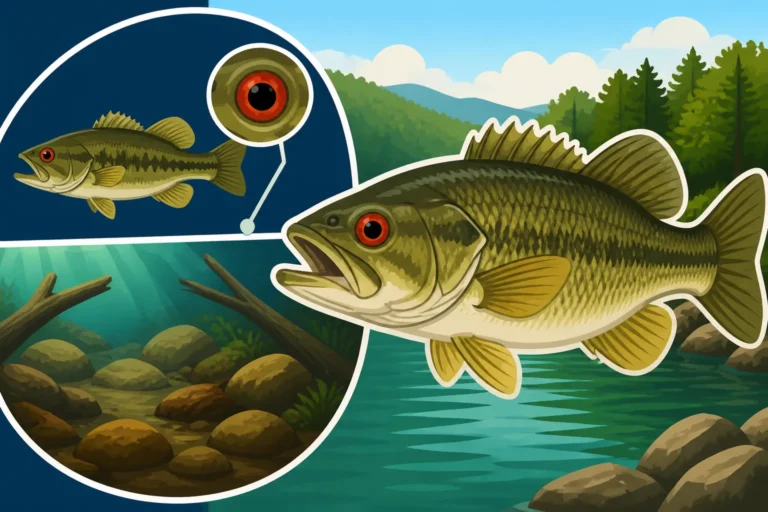
The largemouth bass is arguably the most sought-after game fish in Watts Bar Lake. These iconic green fish thrive in the lake's abundant shallow cover, such as lily pads, submerged timber, grass beds, and boat docks. You'll often find them lurking in the backs of creeks and coves, especially in the spring during the spawn and again in the fall as they chase baitfish. They are ambush predators, perfectly camouflaged to hide among structure and surprise their prey. The average size is good, and trophy-class fish over eight pounds are caught annually, keeping many anglers hopeful for that once-in-a-lifetime bite.
Effective techniques for largemouth on Watts Bar include flipping and pitching jigs or soft plastics into heavy cover, slow-rolling spinnerbaits or chatterbaits along weed lines, and working topwater lures over shallow flats during low light conditions. Crankbaits and lipless crankbaits are also deadly when fish are actively chasing baitfish in open water or along contours. Best Lures for Pre-Spawn Bass Fishing is a good read if you're trying to figure out what to throw when the water starts warming up in spring. Always remember to match your lure size and color to the prevailing forage and water clarity; a good selection of baits can be found easily on Amazon if you're looking to expand your tackle box.
Smallmouth Bass: Rocky Hideouts and Clearer Waters
While largemouth prefer the greener, shallower areas, the smallmouth bass is the king of Watts Bar's rocky main lake points, bluff walls, and deep humps. These bronze beauties are more prevalent in the clearer, deeper sections of the lake, particularly in the lower end towards the dam and where the Clinch River arm provides cooler, cleaner water. Smallmouth are known for their ferocious fight and acrobatic jumps, making them a favorite target for many dedicated bass anglers. They often school up in open water or around offshore structure, particularly during the colder months. Learning about Smallmouth Bass: Tennessee's Official State Fish can give you an edge.
Targeting smallmouth requires a different approach. Look for them on transitions where rock meets gravel, or along current breaks in the main river channel. Popular baits include suspending jerkbaits, deep-diving crankbaits, Ned rigs, drop shots, and swimbaits. During the late fall and winter, vertical jigging spoons or blade baits can be incredibly effective when smallmouth are holding tight to deep structure. Because they often relate to subtle changes in depth and contour, high-quality sonar and mapping units are invaluable tools for locating these elusive fish. Knowing how to interpret your electronics can truly make or break a smallmouth outing on Watts Bar.
Spotted Bass: The Aggressive Cousins
Often overlooked but certainly present in Watts Bar Lake is the spotted bass. These feisty fish share characteristics with both largemouth and smallmouth, often inhabiting areas that blend elements of both. You'll typically find spotted bass in deeper, clear to moderately stained water, frequently around main lake points, bluff ends, and submerged timber. They tend to school more readily than largemouth and are known for their aggressive, hard-hitting bites. While they don't typically grow as large as their largemouth cousins, they make up for it with sheer tenacity and numbers. This makes them a consistent option when other bass are tougher to find.
Spotted bass are opportunistic feeders and will strike a wide variety of lures. Small crankbaits, shaky heads, drop shots, and grub-style swimbaits are often highly effective. They are particularly responsive to techniques that imitate small baitfish or crawfish. Pay close attention to areas where current is present, such as near bridge pilings or along the main river channel, as spotted bass use these flows to their advantage when ambushing prey. If you're struggling to find largemouth or smallmouth, dialing into spotted bass can often save a fishing trip, providing consistent action throughout the day. Getting familiar with Largemouth Bass Identification Tips for Tennessee Anglers will also help you distinguish spotted bass from their larger cousins.
Catfish Kings: Channel, Blue, and Flathead on Watts Bar
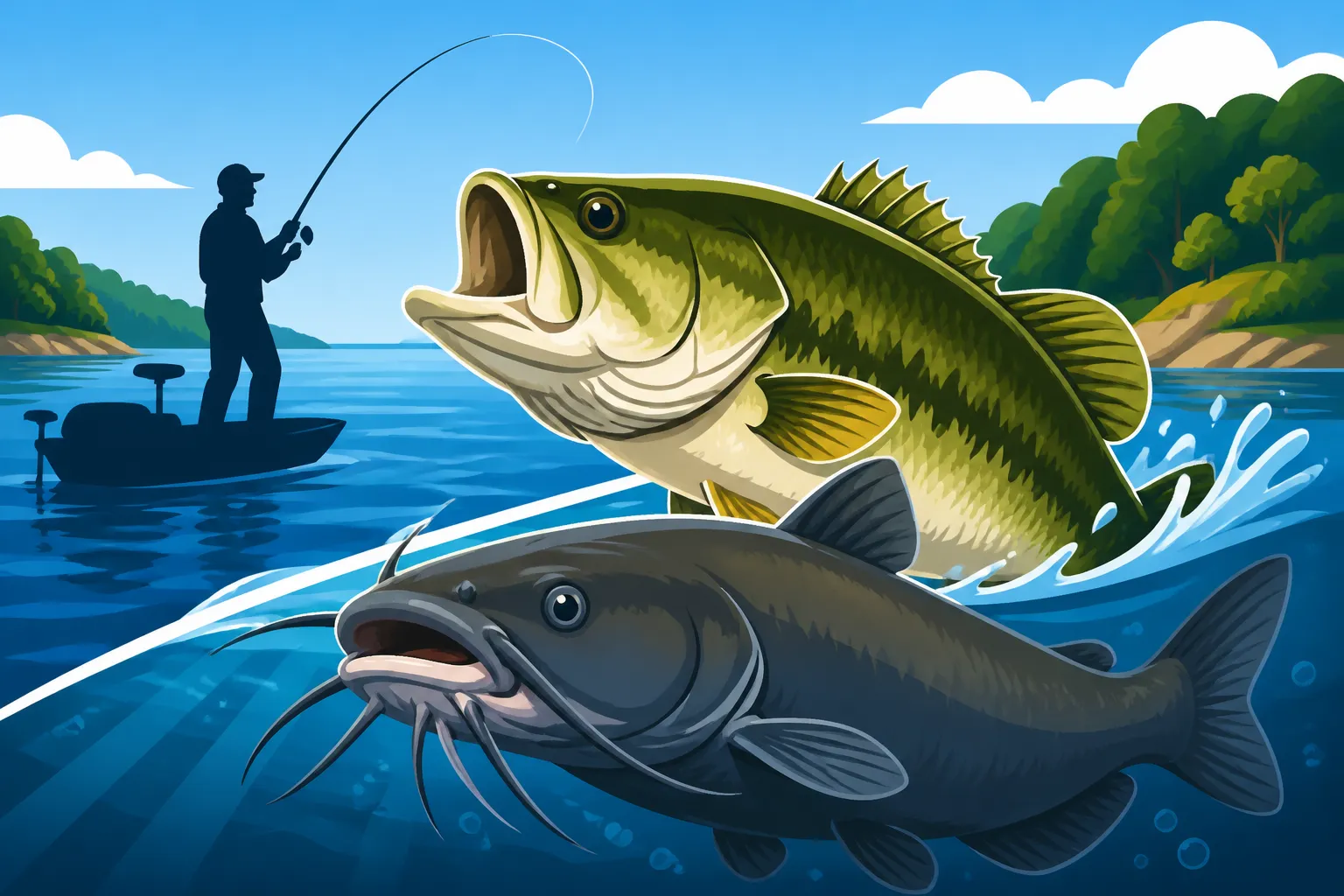
Watts Bar Lake is not just a bass factory; it's a phenomenal destination for catfish anglers. The rich, nutrient-filled waters and diverse bottom structure create an ideal environment for all three major species: channel, blue, and flathead catfish. These bottom-dwelling titans offer a different kind of challenge and reward, often requiring heavier tackle and a good dose of patience. Whether you're after a delicious meal or a monstrous bragging-rights catch, Watts Bar's catfish population is robust and ready for the taking.
Channel Catfish: Widespread and Willing Biters
The channel catfish is perhaps the most widely distributed and frequently caught catfish species in Watts Bar Lake. They are known for their distinctive forked tail and relatively slender bodies. Channel cats are incredibly adaptable, inhabiting everything from the shallow, muddy backs of creeks to the deeper main lake channels. They are opportunistic scavengers with a keen sense of smell, making them relatively easy to target for anglers of all skill levels. You can almost always find a hungry channel cat, especially if you know their favorite haunts like submerged creek channels and drop-offs.
To target channel catfish, focus on areas with a soft bottom, such as mud flats, creek channels, and the edges of weed beds. They are particularly active during low light conditions and at night, but can be caught throughout the day, especially if there's a good current flow. The most effective baits include cut bait (shad, skipjack herring), chicken livers, nightcrawlers, and commercially prepared stink baits. A simple bottom rig with a weight and a circle hook is usually all you need. Many anglers enjoy setting up multiple rods with different baits to see what the channel cats are biting on that particular day. For more information on this widely loved species, check out Channel Catfish: Tennessee's Other Official State Fish.
Blue Catfish: The Heavyweights of Watts Bar
For those seeking a true tug-of-war, the blue catfish is the undisputed heavyweight champion of Watts Bar Lake. These magnificent fish are known for their massive size potential, with individuals frequently exceeding 50 pounds and occasionally pushing into triple digits. Blue cats prefer the deeper, open waters of the main river channel and large creek arms, especially areas with significant current. They are schooling fish, so where you find one big blue, there are often more lurking nearby. Their sheer power makes them an exhilarating challenge for even experienced anglers.
Targeting blue catfish requires robust tackle – heavy-action rods, large conventional or spinning reels spooled with strong braided line, and heavy sinkers to hold bottom in the current. Fresh cut bait is by far the most effective offering for blues, with fresh shad, skipjack, or even carp cut into chunks being top choices. Look for blues around deep humps, bends in the river channel, and submerged structure in deeper water. They are often found suspended over these features, waiting to ambush baitfish. Night fishing is particularly productive for large blues, as they often move into shallower areas to feed under the cover of darkness. Don't be afraid to experiment with bait size; big blues aren't shy about inhaling a substantial offering. For more detailed comparisons, Blue Catfish vs Channel Catfish Identification is a great resource.
Flathead Catfish: Ambush Predators of the Depths
The flathead catfish offers a different kind of challenge entirely. Unlike their channel and blue cousins who readily take cut bait, flatheads are predominantly piscivorous, meaning they prefer live bait. They are solitary ambush predators, often found tucked away in heavy cover such as submerged timber, log jams, and rocky crevices along river banks or deep creek channels. Their broad, flattened head and mottled brown coloration provide excellent camouflage in these environments. Catching a flathead is often a testament to patience and persistence, but their firm, flaky meat makes them a highly prized catch.
To target flathead catfish, you'll need sturdy gear similar to what you'd use for blue cats, but with a focus on presenting live bait effectively. Sunfish, shad, or even smaller carp make excellent live baits, fished on a heavy-duty circle hook with just enough weight to keep the bait near the bottom without hindering its movement. Position your bait near known flathead cover, such as the base of a large submerged tree or a deep log jam. Because they are ambush predators, often you'll need to drop your bait right into their living room. Fishing at night is often the most productive time, as flatheads emerge from their daytime lairs to hunt. Securing your live bait supply from a local tackle shop or even online via Amazon for specialty items can make a big difference in your success rate.
Beyond Bass and Catfish: Other Notable Species
While bass and catfish might be the stars of the show on Watts Bar Lake for many anglers, the reservoir's rich ecosystem supports a diverse array of other popular sport fish. Ignoring these species would be a disservice to the lake's full potential and to anglers looking for a different kind of fight or a tasty meal. From schooling panfish to hard-hitting open-water predators, Watts Bar has something for everyone, often providing consistent action when the primary targets are elusive.
Crappie: Panfish Perfection
Crappie fishing on Watts Bar Lake is incredibly popular, especially in the spring and fall. Both black and white crappie thrive here, providing excellent table fare and a fun challenge. These panfish are known for schooling around submerged brush piles, standing timber, bridge pilings, and dock structures. In the spring, they move into shallower water to spawn, making them more accessible to bank anglers and those fishing from smaller boats. The key to crappie fishing is often finding the right depth and structure where schools are holding, which can vary day to day.
Popular methods for crappie include jigging small jigs (often 1/16 to 1/8 ounce) tipped with soft plastic bodies or live minnows. Spider rigging, where multiple rods are deployed from the front of a boat, is a highly effective technique for covering water and finding active schools. Vertical jigging over brush piles using a sensitive graphite rod can result in a cooler full of slabs. Crappie Limits Under Tennessee Fishing Rules are important to remember, as their abundant population often leads to generous daily creel limits, but always check the latest regulations before you go.
Striped Bass: The Open Water Chargers
For an adrenaline-pumping experience, look no further than the striped bass of Watts Bar Lake. While not as abundant as in some other Tennessee reservoirs, Watts Bar still holds a respectable population of these powerful, open-water predators. Stripers are known for their incredible strength and long, drag-screaming runs, making them a top-tier game fish. They typically inhabit the main lake body and the deeper, open waters, often following schools of baitfish like shad. Their migratory patterns can make them a bit more challenging to locate, but the reward is always worth the effort.
Striper fishing typically involves trolling large crankbaits or umbrella rigs in open water, or drifting live shad over deep humps and river channels. Topwater plugs can be explosive when stripers are actively busting schools of bait on the surface, especially during low light conditions or cloudy days. Patience and persistence are key when targeting stripers, but when you hook into one, you'll know it! They are a fantastic sport fish that really test your tackle and your resolve. For anglers seeking an intense battle, Watts Bar's stripers are an excellent option.
Seasonal Considerations for Watts Bar Lake
Understanding the seasonal movements and behaviors of fish is absolutely crucial for consistent success on Watts Bar Lake. Fish are cold-blooded creatures, meaning their activity levels and locations are heavily influenced by water temperature, photoperiod, and food availability. What works in spring might be completely ineffective in summer or winter. Adapting your approach with the changing seasons is not just a suggestion; it's a fundamental requirement for any serious angler. This knowledge transforms a day of guesswork into a strategic hunt.
Springtime Action: Spawning and Feeding Frenzies
Spring on Watts Bar Lake is a period of intense activity, driven by warming water temperatures and the urge to spawn. As the water creeps into the 50s and 60s Fahrenheit, baitfish become more active, and predatory species like bass and crappie begin to move from their deeper wintering grounds into shallower spawning areas. This is often when the biggest fish are caught, as they are actively feeding to build energy for the spawn and then guarding their nests. You'll find bass holding around docks, laydowns, and newly emerging grass beds in creeks and coves.
Crappie will also push shallow, congregating around brush piles and timber in the backs of bays. Catfish, too, become more active, feeding heavily before their own spawning period in late spring/early summer. Anglers can expect explosive bites on topwater lures for bass, while crappie will readily hit minnows and jigs presented near cover. This season demands versatility, as conditions can change rapidly with passing cold fronts, but the rewards are often spectacular. For a deep dive into bass patterns, look into Tennessee Bass Fishing Seasons and Patterns.
Summer Heat: Deep Water Retreats and Night Bites
When the Tennessee summer heat truly sets in, Watts Bar Lake undergoes a significant transformation. Surface water temperatures can climb into the 80s, driving many fish species to seek refuge in deeper, cooler, and more oxygenated waters. The thermocline, a layer where water temperature rapidly changes, becomes a crucial zone for locating fish. Bass will often move to main lake points, offshore humps, and deep structure, relating closely to baitfish schools. Catfish, while still active, may also shift to deeper river channels during the day.
This season often calls for deeper presentations: Carolina rigs, deep-diving crankbaits, and shaky heads worked slowly along bottom contours. Night fishing becomes incredibly productive, especially for bass and catfish, as they move into shallower areas to feed under the cover of darkness when water temperatures are slightly cooler. Topwater lures can still work at dawn and dusk. Anglers often switch to stronger sun protection and ensure they have plenty of hydration. Check out How to Catch Bass in Summer Heat for more specific tips to tackle this challenging yet rewarding season.
Fall Turnover: Active Feeding and Schooling Fish
As summer fades and cooler air temperatures arrive, Watts Bar Lake experiences what's known as "fall turnover." This is when the surface waters cool, become denser, and sink, mixing with the deeper, warmer water below. This process redistributes oxygen and nutrients throughout the water column, often revitalizing the fishery. Fish become incredibly active, feeding aggressively in preparation for the upcoming winter. Baitfish schools become tightly grouped, and predators follow them relentlessly, providing incredible action for anglers.
During the fall, bass can be found chasing baitfish in open water, on main lake points, and around channel swings. Crankbaits, spinnerbaits, and topwater lures are excellent choices during this period, imitating the fleeing baitfish. Crappie also move to structure in medium depths, offering fantastic action on jigs and minnows. Catfish remain active and will readily take cut bait on the bottom. The fall bite can be some of the most consistent and exciting fishing of the entire year, as fish are focused on fattening up before winter sets in.
Winter Chill: Slower Pace, Bigger Rewards
Winter on Watts Bar Lake brings a different kind of fishing, characterized by colder water, slower fish metabolism, and often fewer anglers on the water. While the action can be slower, it's frequently the season for catching truly large fish, as these lunkers are often less active and more concentrated in specific deep-water areas. Bass will hold tight to deep structure, bluff walls, and rock piles, often suspending over baitfish schools in the main lake or deep creek channels.
Techniques for winter bass include slow-rolling spinnerbaits, jigging spoons, or using a "float-n-fly" rig. Catfish will also move to deep holes and channels, often stacking up in large numbers, making them vulnerable to vertical jigging or drifting cut bait slowly along the bottom. Crappie will be found deep in brush piles or suspended over channel drops. While you might not get as many bites, the quality of fish caught during winter can be exceptional. Dressing warmly, paying close attention to your electronics, and fishing slowly and precisely are the keys to success in the colder months.
Gear and Tackle Essentials for Watts Bar
Having the right gear is fundamental for successful fishing on Watts Bar Lake, especially given the diverse species and fishing conditions you'll encounter. From the rod in your hand to the boat beneath your feet, each piece of equipment plays a vital role. Investing in quality gear, and knowing how to use it, can significantly enhance your experience and your catch rate. Don't let inadequate tackle be the reason you miss out on a trophy fish.
Rods, Reels, and Line for Watts Bar
For bass fishing on Watts Bar, a versatile selection of rods and reels is ideal. For largemouth in cover, a medium-heavy to heavy-action casting rod (7' to 7'6") paired with a baitcasting reel spooled with 15-20 lb fluorocarbon or braided line is a solid choice. This setup provides the power to pull fish out of thick vegetation or submerged wood. For open-water techniques like crankbaits or topwater, a medium-action casting rod (6'6" to 7') with 12-17 lb fluorocarbon or monofilament offers better casting distance and lure action. For smallmouth and spotted bass with finesse techniques (Ned rigs, drop shots), a medium-light to medium-action spinning rod (6'6" to 7') with 6-10 lb fluorocarbon or braided line with a fluorocarbon leader is perfect for sensitivity and presentation.
Catfish angling requires heavier duty gear. For channel catfish, a medium-heavy spinning or conventional rod (7' to 8') with 15-30 lb monofilament or braided line will handle most fish. For the larger blue and flathead catfish, you'll want heavy to extra-heavy action conventional rods (7'6" to 9'), paired with robust reels spooled with 30-80 lb braided line, often with a 50-100 lb monofilament leader. The strength of your line is paramount when battling a Watts Bar monster. Many great options for all these setups can be found by browsing fishing gear on Amazon, making it easy to outfit yourself for any species.
Essential Baits and Lures
Your bait and lure selection should reflect the species you're targeting and the conditions you're facing. For bass, a tackle box might include:
- Soft Plastics: Senkos, creature baits, worms, swimbaits (various colors)
- Jigs: Flipping jigs, football jigs, swim jigs (1/4 to 1 oz)
- Crankbaits: Shallow, medium, and deep divers; lipless crankbaits (various colors/sizes)
- Spinnerbaits/Chatterbaits: (1/4 to 3/4 oz)
- Topwater Lures: Poppers, walk-the-dog baits, frogs
- Finesse Baits: Ned rigs, drop shot worms
For catfish, focus on scent and substance:
- Live Bait: Shad, bluegill, sunfish, large shiners (for flatheads)
- Cut Bait: Fresh shad, skipjack, carp chunks (for blues and channels)
- Prepared Baits: Chicken livers, various stink baits (for channels)
- Nightcrawlers/Worms: (versatile for all species, especially channels)
Always carry a variety, as fish preferences can change throughout the day. Don't forget terminal tackle like hooks (circle hooks for catfish are excellent for safety and hook-ups), sinkers, swivels, and bobbers.
| Species Targeted | Recommended Rod Action | Ideal Line Type & Weight | Preferred Baits/Lures | Key Habitat |
|---|---|---|---|---|
| Largemouth Bass | Med-Heavy to Heavy | Fluorocarbon/Braid 15-20lb | Jigs, Soft Plastics, Crankbaits, Topwater | Shallow Cover, Docks, Grass Beds, Submerged Wood |
| Smallmouth Bass | Med to Med-Light | Fluorocarbon/Braid 6-12lb | Jerkbaits, Drop Shots, Ned Rigs, Swimbaits | Rocky Points, Bluff Walls, Deep Humps, Current |
| Spotted Bass | Med to Med-Heavy | Fluorocarbon/Braid 8-15lb | Small Crankbaits, Shaky Heads, Drop Shots | Main Lake Points, Bluff Ends, Submerged Timber |
| Channel Catfish | Medium-Heavy | Mono/Braid 15-30lb | Cut Bait, Chicken Livers, Worms, Stink Baits | Mud Flats, Creek Channels, Edges of Weed Beds |
| Blue Catfish | Heavy to Extra-Heavy | Braid 30-80lb | Fresh Cut Bait (Shad, Skipjack), Live Bait | Deep River Channels, Humps, Current Breaks |
| Flathead Catfish | Heavy to Extra-Heavy | Braid 30-80lb | Live Bait (Sunfish, Shad, Small Carp) | Submerged Timber, Log Jams, Deep Rock Crevices |
| Crappie | Light to Medium-Light | Monofilament 4-8lb | Small Jigs, Minnows, Hair Jigs, Soft Plastics | Brush Piles, Standing Timber, Docks, Bridge Piles |
| Striped Bass | Heavy | Braid 20-50lb | Large Crankbaits, Live Shad, Umbrella Rigs | Main Lake Open Water, River Channels, Bait Balls |
Boating and Safety Gear
For a lake the size of Watts Bar, a reliable boat is often essential, especially for exploring its vast expanses and reaching prime offshore spots. Bass boats are popular for their speed and ability to handle rough water, while pontoon boats offer stability and comfort for family outings or more relaxed catfish sessions. Kayaks and canoes can be excellent for exploring shallower coves and river arms, though always be mindful of boat traffic on the main lake. Regardless of your vessel, ensure it's properly maintained and equipped with all necessary safety gear. Tennessee Boat Registration Requirements Explained is a crucial resource for any boat owner. For larger vessels, Best Fishing Boats for Tennessee's Big Reservoirs offers further insights.
Safety should always be your top priority. This includes having enough U.S. Coast Guard-approved life jackets for everyone on board, a throwable flotation device, a whistle or horn, and navigation lights for low-light or night fishing. A first-aid kit is also a must-have. A marine radio or fully charged cell phone is important for communication in case of an emergency. Understanding the Tennessee Boating Safety Education Certificate Guide is important for all boat operators. Always keep an eye on weather forecasts and be prepared for sudden changes. Watts Bar can get rough, so it's wise to know your vessel's limits and your own. Moreover, always familiarize yourself with Tennessee Fishing Regulations Explained before heading out.
Disclaimer
This article is for general informational purposes only and does not constitute professional advice. Laws, prices and regulations vary by location and change over time. Consult a qualified professional for guidance on your specific situation.