Channel Catfish: Tennessee’s Other Official State Fish
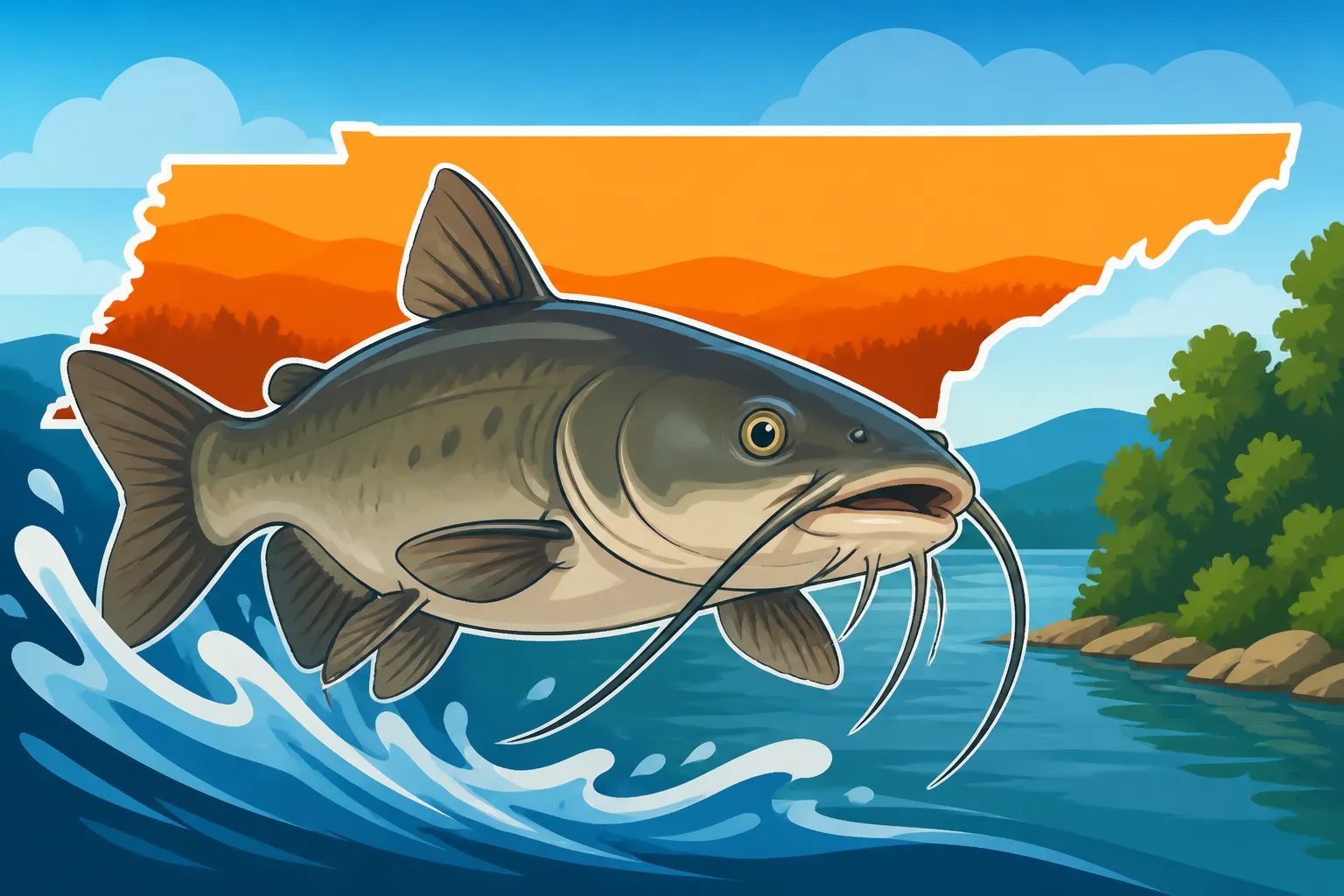
Many anglers automatically associate Tennessee's state fish with the smallmouth bass, a celebrated sportfish that rightly earns its accolades. However, what often surprises people is that the Volunteer State proudly boasts another official state fish: the humble yet mighty Channel Catfish. This comprehensive guide will plunge deep into the world of this remarkable species, offering everything you need to know to find, catch, and appreciate Tennessee's often-underestimated aquatic resident.
Identifying the Channel Catfish: Distinctive Features and Look-Alikes
When you're out on the water, whether it's a vast reservoir or a quiet river bend, being able to correctly identify your catch is crucial. The Channel Catfish, while common, has some key features that set it apart from its whiskered cousins. Understanding these distinctions ensures you're following regulations and truly appreciating the fish you've landed.
What Makes a Channel Catfish Stand Out
The Channel Catfish ( Ictalurus punctatus) is typically recognized by its deeply forked tail, a characteristic that immediately distinguishes it from most other catfish species, like the blue cat or flathead, which have either slightly forked or rounded tails. Imagine the letter "V" carved sharply into the tail fin – that's your visual cue. Another tell-tale sign is its body color. While it can vary depending on water clarity and diet, channel cats usually sport an olive-brown to slate-gray color on their back and sides, fading to a silvery-white belly. Younger fish, especially those under a couple of pounds, often have distinct black spots on their body, which tend to fade as they mature. This spotting is where the "punctatus" in its scientific name comes from. Their skin is smooth and scaleless, a classic catfish trait.
Beyond the visible features, feel their barbels – those sensitive whisker-like protrusions around their mouth. Channel cats have eight barbels in total: two on the nose, two on the upper jaw, and four on the chin. These aren't just for show; they're packed with taste buds and play a vital role in helping the fish locate food in murky waters or at night. It's truly fascinating how specialized these creatures are for their environment!
Size and Growth Expectations
One of the great things about Channel Catfish in Tennessee is their accessibility for anglers of all skill levels, partly because they come in a wide range of sizes. Most of the channel cats you'll encounter will be in the 1-5 pound range, making them a fantastic target for a casual afternoon trip with the family. These are the perfect size for a delicious meal, too! However, don't let their common size fool you; Channel Catfish can grow quite large. While they might not reach the massive proportions of some blue catfish, a trophy channel cat can easily tip the scales into the double digits, with some exceptional specimens pushing well over 20 pounds.
The growth rate of a channel catfish depends heavily on factors like food availability, water temperature, and habitat quality. In rich, fertile waters, they can grow surprisingly fast. A young channel cat can reach a pound within its first year or two under ideal conditions. This consistent growth means there's always a good chance of hooking into a respectable fish, whether you're targeting small ones for the frying pan or a larger one for a memorable fight. You can learn more about how these fish grow by reading Channel Catfish Size and Growth Rates.
Channel Catfish vs Blue Catfish Identification
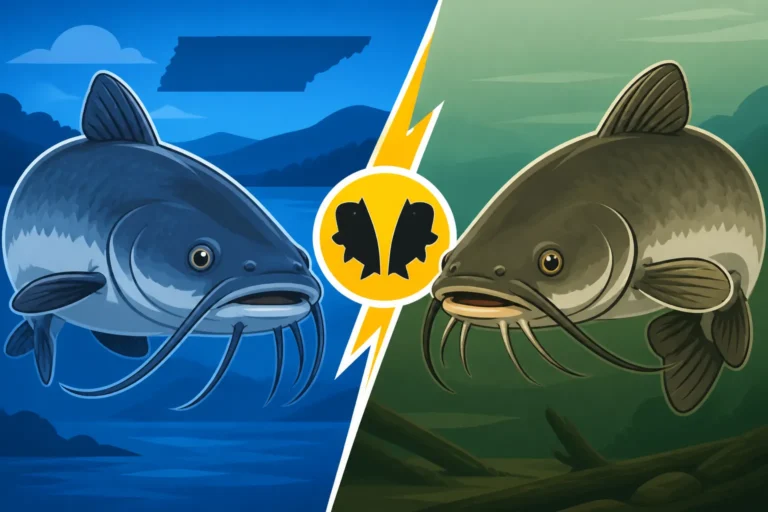
This is where things can get a little tricky, even for seasoned anglers, because both channel and blue catfish share some similarities and often inhabit the same waters. The most reliable differentiator is, once again, that tail. As mentioned, the Channel Catfish has a deeply forked tail, almost like two distinct points. The Blue Catfish, on the other hand, has a moderately forked tail. It's still forked, but the "V" shape isn't as pronounced or as deep as on a channel cat; it looks a bit more squared off and less pointed. Think of it as the difference between a sharp "V" and a softer "U" shape in the tail.
Another key difference lies in their body shape and color. Blue catfish tend to have a more prominent "hump" on their back just behind their head, giving them a more robust, sloped profile. Their color is generally a steely blue or gray, lacking the distinctive spots often found on younger channel cats. While channel cats might have some blotches, they're typically not the uniform blue-gray of a true blue cat. Finally, their heads differ slightly; blue catfish usually have a more angular, pointed head, while channel cats have a somewhat rounder profile. If you're ever in doubt, remember that tail fork and body shape are your best friends. It’s a good idea to know the differences, especially since size and catch limits can sometimes vary slightly between species. For a more detailed look, check out Blue Catfish vs Channel Catfish Identification.
Where to Find Channel Catfish in Tennessee
Tennessee is a paradise for anglers, and Channel Catfish seem to be almost everywhere you cast a line. From the expansive main lakes to the smallest farm ponds, these adaptable fish thrive in a variety of aquatic environments. Knowing their preferred habitats can significantly increase your chances of a successful outing.
River Systems and Major Waterways
Tennessee's vast network of rivers and their tributaries are prime real estate for Channel Catfish. Rivers like the Tennessee River, Cumberland River, and Holston River offer incredible habitat with their diverse bottom structures, varying current speeds, and abundant food sources. Channel cats in rivers often congregate in deeper holes, especially those with some current nearby. Look for them around log jams, submerged timber, rock piles, and undercut banks – any place that offers shelter from the main current and a good ambush point for passing meals. They're particularly active during periods of stable flow, often moving into shallower feeding flats during low light conditions or at night.
Even smaller rivers and large creeks that feed into these major systems can hold excellent populations of channel catfish. These areas often experience less fishing pressure and can offer fantastic opportunities for those willing to explore. I've had some of my most peaceful and productive evenings fishing a quiet bend on the Caney Fork River, pulling out respectable channel cats one after another. Remember, a good strategy is to locate areas where slower water meets faster currents, as these transition zones create ideal feeding lanes.
Lakes and Reservoirs Across the State
Tennessee's renowned reservoir system, built by the Tennessee Valley Authority (TVA), provides an absolute haven for Channel Catfish. Lakes such as Chickamauga Lake, Kentucky Lake, Percy Priest Lake, and Watts Bar Lake all boast healthy populations. In these large bodies of water, channel cats will follow similar patterns to river fish but adapt to the reservoir environment. They love areas with a soft, muddy, or sandy bottom, often associated with old creek channels or riverbeds that were flooded when the lake was formed. They're also drawn to submerged timber, brush piles, and artificial fish attractors that provide cover.
During the warmer months, you might find them in shallower flats and coves, particularly during the spawn or when they're actively feeding at night. As temperatures drop or during the day, they'll retreat to deeper channels, humps, and points. I’ve found that even on heavily fished lakes, there are always channel cats to be found, especially if you're willing to explore some of the less obvious spots. Often, a good depth finder can reveal promising structure and schools of baitfish that will attract hungry catfish. For some specific hotspots, check out Kentucky Lake Catfish Fishing Spots or Watts Bar Lake Catfish Fishing Spots.
Productive Farm Ponds and Local Pits
Don't underestimate the fishing potential of smaller, more localized waters, especially when it comes to Channel Catfish. Many private farm ponds and public community ponds across Tennessee are actively stocked with channel cats, creating fantastic fishing opportunities close to home. These smaller bodies of water often mean less competition and easier access, making them perfect for beginners or a quick fishing trip. The Tennessee Wildlife Resources Agency (TWRA) even has programs to stock fish in suitable waters, including channel cats. Tennessee Farm Pond Catfish Stocking Guide can be a great resource if you're looking for opportunities like this.
In these ponds, channel cats will patrol the entire water column, but they'll often hold near any available structure: docks, submerged trees, weed lines, or even simple changes in bottom contour. Because farm ponds are typically shallower, they're more susceptible to temperature fluctuations. Look for catfish to be in deeper areas during the heat of summer or colder winter months, and shallower in spring and fall. These spots are fantastic for bank fishing and often yield a steady stream of eaters.
Best Techniques and Baits for Channel Catfish
One of the reasons Channel Catfish are so beloved by anglers is their willingness to bite a wide variety of baits and respond to several different fishing techniques. You don't need a boatload of specialized gear to have a successful catfish outing, making them incredibly accessible.
Tried-and-True Bottom Fishing Methods
Bottom fishing is, without a doubt, the quintessential method for catching Channel Catfish. It's simple, effective, and requires minimal gear, making it perfect for anglers of all ages and experience levels. The basic idea is to present your bait on or near the bottom, where channel cats primarily feed. A simple Carolina rig is a classic choice: a sliding egg sinker above a swivel, with a leader (usually 12-24 inches) tied to a hook. This setup allows the fish to take the bait without feeling the weight of the sinker, increasing your hook-up ratio. A Kahle hook or a circle hook in sizes 1/0 to 5/0 works wonderfully, depending on the size of the bait and the fish you expect to encounter.
When you're bottom fishing, patience is a virtue. Cast your bait out, let it sink, and keep a relatively tight line so you can feel bites. Channel cats often give a subtle "tap-tap" before truly committing and pulling the rod tip down. If you're fishing from the bank, a rod holder that keeps your rod tip elevated is a huge asset. This method works well in both rivers and lakes, especially when targeting deeper holes or channels. If you're looking for a good starting point for your rig, you can find a wide array of reliable fishing lines, hooks, and sinkers on Amazon that will get you set up for success without breaking the bank. For more details, check out Catfish Bottom Fishing Basics.
Active Strategies: Jugging and Trotlining
For those looking to cover more water or fish multiple baits at once, jug fishing and trotlining are incredibly effective techniques for channel catfish, especially in larger bodies of water. These methods are a bit more involved but can yield impressive results, particularly when targeting a meal for a big family gathering or a fish fry with friends.
Jug fishing involves using free-floating lines, each attached to a buoyant "jug" (often a repurposed plastic bottle or foam noodle). Each jug has a weighted line with a hook and bait, suspended at a certain depth. You set out several jugs and let them drift with the current or wind, covering a large area. When a fish bites, the jug starts to dance and move, signaling a strike. It's a fun, active way to fish, as you're constantly chasing down your catches. Just be sure to check local regulations on the number of jugs allowed and whether they need to be marked. Jug Fishing for Catfish Explained can give you an excellent overview of how to start.
Trotlining is a more stationary method, where a long main line is stretched across a body of water or along a bank, with numerous baited hooks attached at intervals using shorter "stagings." One end of the trotline is usually anchored to the bank or a heavy weight, and the other end is secured similarly or allowed to float with a buoy. Trotlines are fantastic for consistently catching multiple fish in a target area. Like jug fishing, it's essential to understand and follow all local regulations regarding trotline length, hook spacing, and marking requirements. You can often find pre-rigged trotlines or the components to build your own on Amazon. Learn how to set them up safely by reading How to Set Up a Trotline for Catfish.
Top Baits for Attracting Channel Catfish
Channel Catfish are opportunistic feeders, meaning they'll eat just about anything that looks, smells, or feels like a meal. This makes bait selection incredibly versatile. However, some baits are consistently more effective than others.
| Bait Type | Description | Best Use | Tips |
|---|---|---|---|
| Living Baits | |||
| Naturally Scented Baits | |||
| Sweet Baits | Corn, dough balls (often mixed with sugary flavors), marshmallows | Still water, or current breaks with slow flow; for targeting smaller panfish or for enticing larger channel cats with a strong scent. | |
| Naturally Scented Baits | Liver (chicken, beef), Catfish "stink baits" (commercial blends), Shrimp (fresh or frozen), Worms (nightcrawlers, redworms) | Rivers and still water; particularly effective for drawing catfish from a distance with their strong odor. | |
| Other Baits | Various doughs, blood baits, commercial softbaits specifically designed for catfish, and even some manufactured catfishing scents to enhance your bait. | Great for when traditional baits are slow, or for adding to other baits to create a potent scent trail. | Always check if the bait is holding up well on the hook. Catfish can be surprisingly gentle on the first bite. |
While there are many excellent choices, a few stand out as being particularly potent:
- Chicken Liver: This is often my first choice. It's affordable, widely available at grocery stores, and its rich, bloody scent is absolutely irresistible to channel cats. Just be prepared for a bit of mess; it’s notorious for coming off the hook easily, so I often use a small piece of nylon stocking or a bait holder spring to keep it on. You can grab some bait holder springs from your local tackle shop or even on Amazon.
- Cut Bait: Freshly cut pieces of oily fish like shad, herring, or even smaller panfish (if legal to use as bait) are incredibly effective. The natural oils and scent trail they release attract catfish from a distance. If you're on a lake known for shad, catching a few with a cast net to use as cut bait is a killer strategy.
- Stink Baits: These commercial concoctions are designed specifically for catfish and come in various forms, from dips and pastes to punch baits. They're often made with potent ingredients like cheese, blood, and fish byproducts, creating an odor that catfish can't ignore. While they can be messy, they’re very effective, especially for average-sized channel cats. You can find a huge variety of these "secret weapon" baits at most sporting goods stores and, of course, on Amazon.
- Worms: Good old nightcrawlers and redworms are still phenomenal baits, especially for smaller channel cats and when fishing in farm ponds. They're easy to use and almost always produce bites. A big juicy nightcrawler threaded onto a hook is hard for any catfish to pass up.
No matter which bait you choose, remember that fresh bait is often the most effective. Channel cats rely heavily on their sense of smell, so a strong, natural odor is key.
Channel Catfish Fishing Seasons and Regulations
Understanding the fishing seasons and regulations for Channel Catfish in Tennessee is absolutely essential for a responsible and enjoyable angling experience. While channel cats are generally quite hardy and prolific, knowing the rules helps maintain healthy fish populations for future generations of anglers.
Statewide Catch Limits and Size Restrictions
Like most sport fish in Tennessee, Channel Catfish are subject to statewide regulations set by the Tennessee Wildlife Resources Agency (TWRA). These regulations dictate how many fish you can keep in a day (the creel limit) and sometimes minimum or maximum size limits. For Channel Catfish, the statewide daily creel limit is typically 10 fish. This limit applies to all waters unless specific local regulations supersede it, which we’ll discuss next. There is generally no statewide minimum size limit for Channel Catfish, meaning you can keep any legal-sized fish you catch up to your daily creel limit.
It's a pretty generous limit, allowing you to bring home a nice mess of fish for a family meal without overharvesting the population. Always double-check the current TWRA fishing guide before you head out, as regulations can change. These guides are available online and at most license vendors. While it's great to have a successful day, remember to practice responsible catch and release for fish you don't intend to keep, especially the larger breeding stock. For general rules, you can also refer to Tennessee Fishing Rules Every Angler Should Know.
Best Times to Fish for Channel Cats
While Channel Catfish can be caught year-round in Tennessee, some seasons and times of day are definitely more productive than others. These fish are warmwater species, and their activity levels are largely dictated by water temperature.
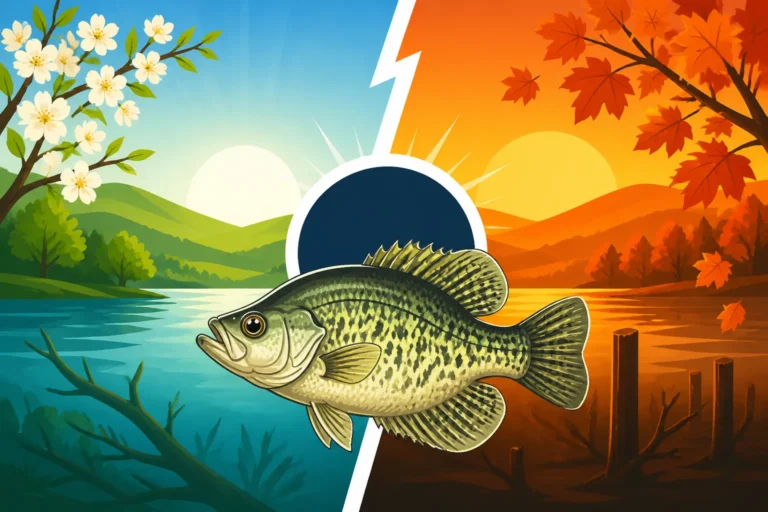
- Spring (March-May): This is arguably one of the best times to target channel cats. As water temperatures rise, they become incredibly active, feeding aggressively to regain energy after winter and in preparation for their upcoming spawn. Look for them moving into shallower areas, especially creek mouths and protected coves, as these spots warm up faster. Fishing after a spring rain can also be fantastic, as the runoff carries food into the water.
- Summer (June-August): Channel cats remain active throughout the summer, though they often become more nocturnal as water temperatures soar during the day. Early morning, late evening, and night fishing are prime during these months. They'll move into deeper, cooler water during the day but come shallower to feed under the cover of darkness. Night Fishing Techniques for Catfish can show you how to maximize your summer success.
- Fall (September-November): As temperatures begin to cool, channel cats will again enter a period of aggressive feeding, bulking up for winter. Similar to spring, they can be found in a variety of depths, often in transition areas between shallow and deep water. This is a great time for consistent action before the deep cold sets in.
- Winter (December-February): While tougher, winter fishing for channel cats is still possible. They become much less active, seeking out the deepest holes and channels in lakes and rivers where water temperatures are most stable. You’ll need a more subtle presentation and often a lot more patience, but catching a big winter cat can be very rewarding.
Overall, the period from early spring through late fall offers the most consistent action. However, dedicated anglers can find success in every season by adjusting their tactics. Understanding How Water Temperature Affects Fish Activity is crucial for year-round success.
Specific Lake and River Variations
While the statewide regulations provide a baseline, it's crucial to remember that some specific lakes or river segments in Tennessee may have their own unique rules that override the general guidelines for Channel Catfish. This is particularly true for certain reservoirs managed intensely for specific species, or those with unique ecological characteristics. For instance, some lakes might have special regulations regarding trotlines or jugging, or even slight variations in creel limits for certain species if they are trying to manage a particular fishery.
Before you head out to a new body of water, always, always, check the TWRA's specific regulations for that lake or river section. This information is readily available in their annual fishing guide, often broken down by individual waterways. Ignoring these localized rules, even unintentionally, can lead to fines and a ruined day on the water. A good example of this awareness is understanding Lake-Specific Fishing Rules That Override Tennessee's Statewide Limits. It's a small step that can save you a lot of hassle and ensures you're fishing legally and responsibly.
The Joy of Catching and Eating Channel Catfish
There’s something truly special about reeling in a Channel Catfish. They’re feisty fighters on the line and, once cleaned, offer some of the finest table fare freshwater has to offer. For many, a catfish fry isn’t just a meal; it’s a cherished tradition.
Why Channel Catfish Are a Favorite Among Anglers
Channel Catfish are truly a democratic fish. They don’t require expensive gear, they’re found in almost every type of water imaginable, and they’re almost always willing to bite. This accessibility makes them a fantastic target for beginners, families, and seasoned pros alike. There's nothing quite like watching a bobber disappear or a rod tip bend sharply, knowing a determined channel cat is on the other end. They fight hard, pulling and rolling, providing a thrilling battle on light to medium tackle.
Beyond the fight, there's the sheer abundance. You can often catch several channel cats in a single outing, making for a truly productive day on the water. This means you can bring home a generous haul for a delicious meal without feeling like you've decimated the population. They represent a reliable and enjoyable fishing experience, a chance to connect with nature and enjoy the simple pleasure of a bent rod. I've introduced countless friends and family members to fishing with channel cats, and their excitement at landing their first one is always a joy to witness.
Preparing Your Catch: Cleaning and Filleting
Once you've brought your channel cats home, the next step is preparation. Cleaning catfish might seem daunting at first due to their tough, scaleless skin, but with a little practice, it becomes a quick and easy process. There are two main approaches: skinning the fish or filleting with the skin on and then removing it.
For smaller to medium-sized channel cats, many anglers prefer to skin them. You'll need a sharp knife, a sturdy cutting board, and ideally a pair of pliers. Start by making a cut just behind the head, down to the backbone, but don't cut through it. Then, using your pliers, grasp the corner of the skin where you made the cut and peel it off, working your way towards the tail. It might take a few tries to get the hang of it, but once you master the technique, you can skin a catfish in minutes. After skinning, you can either gut the fish and cook it whole, or proceed to fillet it.
For larger channel cats, or if you prefer boneless portions, filleting is the way to go. Make a cut behind the head, down to the backbone, and then turn your knife flat, running it along the backbone towards the tail. Once you have the fillet, lay it skin-side down and carefully slide your knife between the meat and the skin to separate them. Removing the dark red meat along the lateral line can reduce any "fishy" taste, leaving you with clean, white fillets perfect for cooking. Remember, a sharp fillet knife is your best friend here, and you can find a great selection of knives, along with sharpening tools, on Amazon.
Delicious Ways to Enjoy Your Channel Catfish
Now for the best part – eating your catch! Channel Catfish are celebrated for their mild, slightly sweet flavor and firm, flaky white meat. They're incredibly versatile in the kitchen, making them a favorite for many culinary traditions.
The most iconic way to enjoy channel catfish in the South is undoubtedly the catfish fry. The fillets are typically cut into manageable pieces, seasoned generously, dredged in cornmeal or a cornmeal/flour mixture, and then deep-fried until golden brown and crispy. Serve them hot with hushpuppies, coleslaw, and a squeeze of lemon, and you’ve got a meal that tastes like pure Tennessee.
Beyond frying, there are countless other delicious preparations:
- Baking or Broiling: For a healthier option, season your fillets with herbs, spices, and a drizzle of olive oil, then bake or broil them until cooked through. A little paprika for color and a touch of garlic powder works wonders.
- Grilling: Catfish fillets hold up well on the grill. Marinate them in a citrus-herb blend for an hour or two before grilling over medium-high heat. They develop a lovely smoky flavor that’s hard to beat.
- Fish Tacos: Flaky catfish meat is fantastic in tacos! You can fry, grill, or bake the fish, then shred it and serve in warm tortillas with your favorite toppings like slaw, salsa, and a creamy sauce.
- Stew or Gumbo: In some regions, catfish is a staple in hearty stews and gumbos, adding a wonderful flavor and texture.
Experiment with different recipes and find your favorite way to enjoy this fantastic fish. There's a reason Is Channel Catfish Good to Eat? is a common question—the answer is a resounding yes!
Disclaimer
This article is for general informational purposes only and does not constitute professional advice. Laws, prices and regulations vary by location and change over time. Consult a qualified professional for guidance on your specific situation.