Tennessee Fishing Rules Every Angler Should Know
There's nothing quite like the thrill of casting a line into Tennessee's beautiful waters, whether you're chasing a trophy bass on Chickamauga Lake or seeking a peaceful day of trout fishing in the Great Smoky Mountains. But let's be honest, trying to keep track of all the rules and regulations can sometimes feel like trying to untangle a hundred yards of fishing line after a backlash. It’s frustrating when you just want to enjoy your time on the water, but the fear of inadvertently breaking a rule, especially with the Tennessee Wildlife Resources Agency (TWRA) game wardens doing their diligent work, can certainly put a damper on things. This comprehensive guide is here to untangle that mess for you, explaining every essential Tennessee fishing rule you need to know, from licenses and limits to boating safety and ethical practices, so you can fish with confidence and peace of mind.
Understanding the Foundation: Your Tennessee Fishing License
Before you even think about wetting a line in Tennessee, the very first thing you need to sort out is your fishing license. It's the cornerstone of legal angling in our state, and honestly, the system can feel a little convoluted with all the different options available. For many folks, especially those who only fish occasionally or are visiting, figuring out which license type is right can be a headache.
Why a Fishing License is Non-Negotiable
A fishing license isn't just a piece of paper or a digital file on your phone; it's an investment in the health and future of Tennessee's aquatic ecosystems. The funds generated from license sales go directly back into conservation efforts, fish stocking programs, habitat restoration, and supporting the TWRA's vital work. Think of it as your contribution to ensuring those beautiful bass, crappie, and trout populations remain strong for generations to come. Without these funds, our beloved fishing spots wouldn't be nearly as vibrant or accessible.
It's also about accountability. When you're licensed, you're registered within the system, which helps the TWRA track angler participation and manage resources more effectively. Game wardens rely on licenses to identify legal anglers and enforce regulations designed to protect fish populations from overfishing. Attempting to fish without one, even if it's just a casual cast from the bank, can lead to significant penalties, which we'll delve into later. Trust me, it's not a risk worth taking.
Navigating the Different License Types and Costs
Tennessee offers a variety of fishing licenses designed to fit different needs, whether you're a lifelong resident or just passing through for a weekend trip. The most common license for residents is the "Annual Hunting & Fishing Combination" license. This is often the most cost-effective choice if you enjoy both activities, bundling your permissions into one convenient package. For those solely focused on fishing, a standalone annual fishing license is also available. You might be surprised at how affordable they are, especially when you consider the year-round access they provide to our incredible waters.
For our friends visiting from out of state, or even residents looking for a shorter commitment, there are specific short-term options. Nonresident anglers, for instance, have choices like a 3-day or 10-day license, which can be perfect for a fishing vacation. These are particularly popular for those looking to fish hotspots like Reelfoot Lake or Kentucky Lake for a few days. Keep in mind that prices for nonresident licenses are typically higher than resident rates, reflecting that nonresidents haven't contributed to the state's tax base that also supports conservation. Additionally, if you plan to target trout, many of these licenses require an additional trout permit, or you might need to purchase a license option that explicitly includes trout privileges. It's crucial to check the specific details when you're looking to acquire your Tennessee Fishing License Costs and Types.
Decoding Daily Creel and Size Limits for Popular Species
Once you've got your license squared away, the next big hurdle for many anglers is understanding the labyrinth of daily creel (catch) limits and size restrictions. These rules aren't arbitrary; they are carefully determined by fisheries biologists to maintain healthy fish populations, ensure sustainable harvesting, and protect larger, spawning-size fish. Missing a measurement by an inch or keeping one too many fish can quickly turn a great day into a costly one, and nobody wants that.
Bass Limits: Largemouth, Smallmouth, and Spotted
Tennessee is a bass angler's paradise, with abundant largemouth, smallmouth, and spotted bass thriving across our diverse waterways. But each species comes with its own set of rules, and sometimes, even within a species, different rules apply based on the specific body of water. For largemouth bass, the statewide daily creel limit is typically five fish, with a common regulation that only one of those five can be over a certain length, often 18 inches. This "one over" rule is specifically designed to protect larger, more genetically valuable broodstock that are crucial for future generations.
Smallmouth bass, revered for their fighting spirit and found predominantly in our cooler, rockier rivers and reservoirs like Dale Hollow Lake, often have different limits. The statewide smallmouth limit is usually five fish per day, but with a stricter size restriction, often only one fish over 16 inches. Spotted bass, also known as Kentucky bass, often fall under the same five-fish daily limit as smallmouth but may not have the same "one over" size restriction, although this can vary by lake. It's absolutely vital to know how to identify these species correctly because misidentification can lead to violations. Always consult the current Statewide Bass Limits for Tennessee Anglers regulations before your trip.
Crappie and Trout Rules: Know Before You Go
Crappie, both black and white, are another favorite target for many Tennessee anglers, especially during the spring spawn. The statewide crappie limit is generally quite generous, often set at 20 fish per day. However, similar to bass, there's usually a size restriction that dictates how many of those 20 fish can be over a certain length, commonly 10 or 12 inches. This ensures that plenty of smaller, fast-growing crappie are available for harvest, while preserving a good number of larger breeding adults. Understanding this two-tiered limit is essential for staying compliant.
Trout fishing in Tennessee, particularly in the cold-water streams of East Tennessee and the tailwaters below our large dams, offers a different experience with its own unique rules. The Tennessee Trout Limits and Season Rules can be particularly complex because they often change seasonally and are highly water-specific. For instance, from March through September, a statewide limit of seven trout per day might apply, with a further restriction of no more than two brown trout within that total. However, from October through February, many trout waters switch to special regulations, often becoming catch-and-release only, or having vastly different size and creel limits. It's not uncommon to find areas designated for artificial lures only, or with specific gear restrictions. Always check the local regulations for the specific stream or river you plan to fish, as these can easily override the general statewide rules.
Beyond the Basics: Lake-Specific and Special Regulations
What often trips up even experienced anglers in Tennessee is the realization that statewide regulations are just a starting point. Many of our most popular and productive fishing destinations have their own unique set of rules that supersede the general guidelines. Ignoring these localized regulations is a common mistake and can lead to immediate citations from game wardens patrolling those specific areas.
When Local Rules Override Statewide Limits
Imagine planning a trip to the famed Chickamauga Lake, known for its trophy largemouth bass. While the statewide bass limits are in effect in most places, Chickamauga Lake has historically had special regulations in place to protect and enhance its trophy fishery. For example, it might have a protected slot limit where fish between certain lengths must be immediately released, or a different daily creel limit entirely. These Lake-Specific Fishing Rules That Override Tennessee's Statewide Limits are put in place after extensive biological surveys and public input, specifically tailored to improve the fishing quality for that particular body of water.
This phenomenon isn't unique to Chickamauga. Lakes like Dale Hollow, Norris Lake, and Kentucky Lake often have their own specific rules for various species, whether it's an adjusted size limit for crappie, different seasons for muskellunge, or unique bag limits for catfish. It's not enough to know the general rules; you absolutely must consult the current TWRA fishing guide or their website for the specific lake, river, or stream you intend to fish. A quick search on the TWRA website or reviewing a printed guide, perhaps one you ordered online from a retailer like Amazon, before you leave home can save you a lot of hassle and potential fines.
Fishing in Wildlife Management Areas and State Parks
Tennessee's Wildlife Management Areas (WMAs) and State Parks offer incredible fishing opportunities, but they too can come with their own distinct regulations. WMAs are managed primarily for wildlife and often have specific hunting and fishing seasons, as well as unique access rules. Some WMA lakes might have different opening and closing dates, horsepower restrictions for boats, or even specific bait prohibitions. It's not uncommon to find "no wake" zones or special permits required for certain activities.
Similarly, many Tennessee State Parks feature ponds and lakes that are open to public fishing. While often falling under general statewide regulations, some might have special youth-only fishing days, specific hours of operation, or even unique catch limits for panfish like bluegill to ensure a quality experience for families and beginners. Always look for posted signs at access points or check the park's official website or the TWRA guide. Treating these areas as extensions of general public waters without checking their specific guidelines is a common oversight that can lead to unintended infractions.
Boating Safety and Your Responsibilities on Tennessee Waters
For many, fishing in Tennessee involves a boat, whether it's a small jon boat on a quiet river or a powerful bass boat on one of our massive reservoirs. With the privilege of operating a vessel comes a significant responsibility to ensure the safety of everyone on board and all other users of the water. Tennessee has clear and enforced boating safety rules, and ignorance is never an excuse.
Essential Boating Registration and Equipment
First and foremost, nearly all motorized boats, including those with electric trolling motors, must be registered with the TWRA. This isn't just a formality; it helps authorities track vessels and contact owners in emergencies. Unlike some states, Tennessee does not issue boat titles; registration is the primary form of documentation. You'll need to display your registration numbers prominently on the bow and keep your registration card on board whenever you're out on the water. Even smaller craft like kayaks and canoes, while generally not requiring registration themselves, still need to adhere to certain safety equipment rules, especially regarding personal flotation devices (PFDs).
Speaking of PFDs, or life jackets, these are absolutely critical. Tennessee law mandates that all children 12 years of age and under must wear a Coast Guard-approved life jacket whenever they are on the open deck of a recreational boat that is underway. This is a non-negotiable rule, and game wardens are very strict about enforcing it to protect our youngest boaters. Beyond this, every vessel must have at least one wearable PFD for each person on board, and boats 16 feet or longer must also carry a Type IV throwable flotation device, like a life ring or a cushion. Other required equipment often includes navigation lights for night operation, a sound-producing device (like a whistle or horn), and a fire extinguisher for certain engine types. Ensure your boat is properly equipped before every outing.
Navigating the Boating Safety Education Certificate
If you're an angler born after January 1, 1989, you are required to have a Tennessee Boating Safety Education Certificate to operate any motorized vessel in Tennessee waters. This certificate proves you've completed an approved boating safety course, demonstrating a basic understanding of navigation rules, safety practices, and emergency procedures. Many seasoned anglers might grumble about having to take a class, especially if they've been boating their whole lives, but these courses cover vital information that can prevent accidents and save lives.
There are various ways to obtain this certificate, including in-person classes or approved online courses. Keeping a copy of your certificate or your Boater Education Card on your person while operating a boat is essential, as game wardens can and will ask for proof. This requirement applies whether you own the boat, are borrowing it from a friend, or even if you're just renting a pontoon boat for the day. For more details on who needs to certify and how to get it, check out the Tennessee Boating Safety Education Certificate Guide.
Special Fishing Opportunities and Exemptions
While the general rule is that everyone needs a license to fish, Tennessee does offer some thoughtful exceptions and special opportunities. These are designed to encourage participation, particularly among youth and seniors, and to provide accessible entry points into the sport for everyone. Knowing these can help you plan family outings or take advantage of specific events.
Kids, Seniors, and Free Fishing Day
One of the most heartwarming initiatives is the "Bobby Wilson Free Fishing Day in Tennessee." This annual event, usually held on the first Saturday in June, allows anyone—residents and nonresidents alike—to fish without a license in Tennessee's public waters. It's a fantastic opportunity for families and newcomers to experience fishing for the first time without the upfront cost of a license. Following Free Fishing Day, Tennessee also hosts a "Free Fishing Week for Kids," where children 15 and under can fish for free for an entire week. This sustained period of free fishing for youth is a wonderful way to foster a love for the outdoors in the next generation. It’s important to remember that adults still need a license during the free fishing week, it only applies to the kids.
For our senior resident anglers, Tennessee offers significant discounts. Residents aged 65 and older qualify for a special annual license at a substantially reduced rate, or even a lifetime license option. These programs acknowledge the lifelong contributions of our senior citizens and ensure they can continue to enjoy Tennessee's fantastic fishing opportunities without a heavy financial burden. Just be aware that these senior discounts are specifically for Tennessee residents. Additionally, generally, children 12 years of age and under do not need a fishing license at all to fish year-round in Tennessee, further encouraging youth participation. However, once they turn 13, the license requirements kick in. This is why it's a good idea to understand Do Kids Need a Fishing License in Tennessee.
Reciprocity and Border Waters
Fishing on large border lakes or rivers, like Kentucky Lake which spans Tennessee and Kentucky, can sometimes lead to confusion about which state's license you need. Thankfully, Tennessee has reciprocity agreements with some neighboring states on these shared waters. This means that if you possess a valid fishing license from one of the reciprocal states (e.g., Kentucky, Alabama, Mississippi on specific shared water bodies), you might be able to fish on certain shared waters without needing a separate Tennessee license.
However, these agreements are almost always highly specific to designated waters, and they rarely extend to inland waters. For example, a Kentucky resident might be able to fish the Tennessee side of Kentucky Lake with their Kentucky license, but they would need a Tennessee license to fish Percy Priest Lake near Nashville. It is absolutely crucial to verify the exact terms of any reciprocity agreement before you fish, as misunderstanding these rules is a common reason for anglers getting cited. Always check the TWRA's most current regulations for fishing license reciprocity between Tennessee and neighboring states.
Penalties and Enforcement of Fishing Regulations
It's tempting to think of fishing regulations as mere suggestions, but they are laws, and the Tennessee Wildlife Resources Agency takes them very seriously. Game wardens are dedicated law enforcement officers, and their job is to protect our natural resources and ensure fair play for everyone. Getting caught violating a fishing rule can lead to a range of unpleasant consequences, from hefty fines to the loss of your fishing privileges.
Fines and Court Appearances
The most immediate consequence of violating a fishing regulation is typically a citation and a fine. The amount of the fine can vary significantly depending on the severity of the offense. For instance, fishing without a license, which is one of the most common violations, usually results in a base fine, plus court costs and often a restitution fee to the state for the license you should have purchased. These costs can quickly add up, easily exceeding the price of an annual license many times over.
More serious offenses, such as exceeding daily creel limits, keeping undersized fish, or fishing in closed waters, can carry even higher fines. In some cases, particularly for repeated offenses or severe violations like commercial poaching, you might be required to appear in court. This means not only a financial penalty but also lost time and the hassle of legal proceedings. Game wardens are well-trained and use various methods, including patrols by boat, vehicle, and even on foot, to ensure compliance. They also use public reporting systems, so other anglers are often instrumental in helping them uphold the law. For specifics, look into Penalties for Fishing Without a License in Tennessee.
License Revocation and Seizure of Gear
Beyond fines, one of the most impactful penalties can be the suspension or revocation of your fishing license. If you're caught violating regulations, especially multiple times, the TWRA has the authority to suspend your fishing privileges for a period, sometimes for a year or more. For passionate anglers, losing the ability to legally fish can be a truly devastating consequence. In extreme cases, particularly involving gross violations, not only might your license be revoked, but your fishing gear, and even your boat, could be subject to seizure.
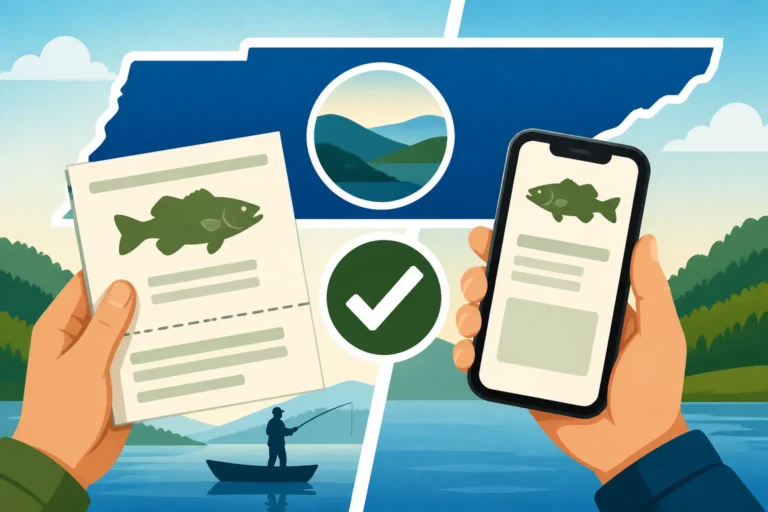
Imagine having your beloved fishing rods, reels, or even your boat impounded because you decided to ignore a simple size limit or chose not to purchase a license. It’s a harsh reality, but it underscores the seriousness with which wildlife laws are enforced. It's far better to spend a few minutes reviewing the regulations and purchasing the correct license than to face these severe repercussions. Always carry proof of your current fishing license, whether it's a physical copy or a digital version on your phone, as wardens will request it.
Being a Responsible Angler: Conservation and Best Practices
Following the rules is just one part of being a good steward of Tennessee's aquatic resources. True responsible angling goes beyond legal compliance; it embraces ethical practices, environmental awareness, and a commitment to preserving the beauty and productivity of our waters for everyone.
Practice Catch and Release When Appropriate
While daily creel limits tell you how many fish you can keep, responsible angling often involves deciding how many fish you should keep. If you're not planning to eat your catch, or if you've already caught enough for a meal, consider practicing catch and release. This is especially important for larger, spawning-size fish, like those trophy bass that fall under an "only one over" rule. Releasing these fish helps maintain healthy breeding populations and ensures the future of the fishery.
When practicing catch and release, handle fish with care. Minimize their time out of the water, use wet hands to avoid removing their protective slime coat, and consider using barbless hooks or de-barbing your hooks to make removal easier. For fish caught deep, especially in warmer water, learn about proper fizzing techniques or consider letting them go if they appear distressed, as their chances of survival might be low. Being mindful of the fish's well-being is a hallmark of an ethical angler.
Proper Disposal of Trash and Fishing Line
It seems like common sense, but unfortunately, litter, especially discarded fishing line, remains a persistent problem around many of our lakes and rivers. Mono-filament fishing line, in particular, is a silent killer of wildlife. Birds, turtles, and other animals can become entangled, leading to injury or death. Always carry a small trash bag with you to properly dispose of all your waste, including old line, bait containers, and food wrappers. Don't leave anything behind but your footprints.
Consider carrying a specialized line disposal container or a small pouch to store old line until you can properly recycle it. Many tackle shops and even some major retailers like Bass Pro Shops or even online platforms like Amazon offer recycling programs for fishing line. Doing your part to keep our shorelines and waters clean not only protects wildlife but also makes the fishing experience more enjoyable for everyone. A pristine environment is a healthy environment, and healthy environments mean healthy fish.
Respecting Private Property and Other Anglers
A significant portion of Tennessee's waterways runs through or borders private property. It is absolutely essential to respect "no trespassing" signs and private property rights. Just because you can access a river from a public bridge doesn't mean you can walk across a farmer's field to reach a particular bend. Always seek permission before entering private land, even if it looks undeveloped.
Furthermore, extending courtesy to other anglers and boaters is part of the unspoken rules of the water. Maintain a respectful distance from other boats and bank anglers, avoid cutting them off, and keep noise levels down, especially during early morning hours. Sharing public resources means being considerate. A friendly wave and a respectful attitude go a long way in fostering a positive community of anglers. If you're fishing from a boat, be aware of "no wake" zones and navigate safely, being mindful of paddlers and swimmers.
Key Regulations for Specific Gear and Techniques
Tennessee's fishing rules also extend to specific types of gear and methods. While general rod-and-reel fishing is widely permitted, certain specialized techniques have their own set of guidelines to ensure fair chase and resource sustainability.
Trotlines, Jug Fishing, and Commercial Methods
For those interested in non-traditional methods, Tennessee does permit practices like trotlining and jug fishing, particularly for species like catfish. However, these methods come with strict regulations. For instance, there are limits on the number of hooks per trotline, the total length of the line, and the number of trotlines or jugs an individual can set. Additionally, all trotlines and jugs must be clearly marked with the owner's name and TWRA identification number, and they must be checked regularly. These are not methods to be deployed and forgotten; active management is required.
It's also crucial to understand the distinction between recreational fishing and commercial fishing. Commercial fishing, which involves harvesting fish for sale, requires specific commercial licenses and adheres to a completely different set of regulations and harvest quotas. Recreational anglers should never engage in activities that could be construed as commercial fishing without the appropriate licenses and permits, as the penalties are much more severe. If you are ever unsure about a specific method, err on the side of caution and consult the current TWRA fishing guide.
Artificial Lures Only and Single-Hook Rules
Certain sensitive trout waters, particularly those managed for wild trout or those with heavy catch-and-release emphasis, will often have "artificial lures only" regulations. This means no live bait, no scented baits, and sometimes even a restriction to single, barbless hooks. These rules are designed to minimize harm to fish and improve their survival rate upon release, as artificial lures with single hooks generally cause less injury than treble hooks or bait-swallowed hooks.
These specialized areas are clearly marked with signage, and it's imperative to comply. Using a live worm in an "artificial lures only" section, even unintentionally, is a violation. Similarly, some regulations might specify that only certain types of artificial lures are permitted, such as flies or spin-casting lures, excluding others. These highly localized rules are examples of why checking the specific regulations for your chosen fishing spot, especially for trout streams, is paramount.
| License Type | Resident Annual Cost (Approx.) | Non-Resident Annual Cost (Approx.) | Trout Permit Included? | Who Needs It? | Key Feature |
|---|---|---|---|---|---|
| Annual Fishing (Type 001) | $34 | N/A | No | Residents 16-64 fishing only | Basic annual fishing for TN residents. |
| Annual Hunt & Fish (Type 001) | $34 | N/A | No | Residents 16-64 who hunt & fish | Covers both hunting and fishing, common choice. |
| Nonresident Annual (Type 071) | N/A | $50 | No | Non-residents fishing year-round | Full year access for visitors, no trout. |
| Nonresident 3-Day (Type 073) | N/A | $21 | No | Non-residents on short trips (3 consecutive days) | Cost-effective for quick visits. |
| Nonresident 10-Day (Type 074) | N/A | $31 | No | Non-residents on longer trips (10 consecutive days) | Offers more days than 3-day for a small price increase. |
| Trout License/Permit (Type 022) | $22 | $22 | N/A | Required for anyone keeping or possessing trout | Must be purchased in addition to a fishing license if targeting trout. |
| Resident Senior Annual (Type 166) | $5 | N/A | Yes | Residents 65+ | Highly discounted, includes trout, hunting & trapping. |
| Resident Lifetime Senior (Type 199) | $50 | N/A | Yes | Residents 65+ (one-time purchase) | Covers all hunting, fishing, trapping for life. |
Note: Prices are approximate and subject to change. Always verify current prices and regulations on the official TWRA website.
Keeping Up-to-Date with Tennessee Fishing Rules
The world of fishing regulations isn't static. Rules can change from year to year, or even mid-season, based on population surveys, environmental factors, and management decisions. What was legal last year might not be this year, and that’s why staying informed is an ongoing responsibility for every angler.
Your Go-To Resources: TWRA and Local Outfitters
The absolute best and most authoritative source for all Tennessee fishing rules is the Tennessee Wildlife Resources Agency (TWRA) itself. Their website, tn.gov/twra, is a treasure trove of information, offering detailed fishing guides, lake-specific regulations, trout stocking schedules, and updates on any rule changes. They usually publish a new fishing guide annually, available both digitally on their site and in print at many license agents. Downloading the digital version to your phone or tablet is a smart move, ensuring you have the latest rules right there on the water, even if you don't have cell service.
Local bait shops and outdoor outfitters are also invaluable resources. The folks who run these businesses are often lifelong anglers themselves, deeply connected to the local fishing scene. They can offer insights into recent changes, tell you about specific nuances of local waters, and point you to where you can purchase your How to Buy or Renew a Tennessee Fishing License Online or in person. Don't hesitate to strike up a conversation and ask questions; most are happy to share their knowledge.
Planning Your Trip with Regulations in Mind
Before every fishing trip, especially if you're venturing to a new lake or river, make it a habit to quickly review the specific regulations for that body of water. A few minutes of preparation can save you hours of trouble. Confirm the general statewide limits, then drill down to any lake-specific or stream-specific rules that might apply. Check the weather, water levels, and any advisories, as these can also impact your fishing experience and safety.
This proactive approach ensures that your focus remains on the enjoyment of fishing, rather than worrying about compliance. You can then confidently cast your line, knowing you're respecting the law, contributing to conservation, and setting a good example for others. Plus, a well-informed angler is often a more successful angler! Being prepared means you can focus on the thrill of the catch and the beauty of Tennessee's natural landscapes.
Disclaimer
The information provided in this guide is intended for general informational purposes only and is subject to change. Fishing regulations in Tennessee are dynamic and can be updated by the Tennessee Wildlife Resources Agency (TWRA) at any time. While we strive to provide accurate and current information, it is the sole responsibility of the angler to consult the official TWRA fishing guide, website, or other official TWRA resources for the most up-to-date and specific regulations before engaging in any fishing activities. Compliance with all federal, state, and local laws is mandatory.