Spotted Bass Habitat in Tennessee Lakes
If you've ever found yourself on a gorgeous Tennessee lake, casting diligently, and pulling up plenty of largemouth or smallmouth but wondering why those elusive spotted bass aren't biting, you're not alone. Many anglers know spotted bass are around, but figuring out their preferred hangouts and how their habitat choices differ from other bass species can feel like cracking a secret code. This guide will demystify the ideal spotted bass habitat in Tennessee lakes, helping you understand where to focus your efforts for a more successful catch.
Understanding Spotted Bass: More Than Just a Smaller Largemouth
It's easy to lump all bass together, especially when you're out on the water, but spotted bass (Micropterus punctulatus) are distinct. They aren't just a small version of a largemouth or a river-dwelling smallmouth; they have their own specific preferences that, once understood, can dramatically improve your fishing success. Recognizing these nuances is the first step to finding them more consistently.
Key Characteristics and Identification
One of the biggest frustrations for anglers new to spotted bass is telling them apart from their cousins. You might reel one in and think, "Is this a small largemouth or a big smallmouth?" The truth is, spotted bass have unique features that help them thrive in their chosen environments. Look closely: spotted bass generally have a mouth that doesn't extend beyond the back of the eye when closed, a trait they share with smallmouths. However, unlike smallmouths, they often have a rough patch of teeth on their tongue – you can feel this with your finger, carefully, if you're holding one! Their lateral line is usually well-defined, and below it, you'll see rows of distinct, dark spots, giving them their name. These spots are often more pronounced than on a largemouth.
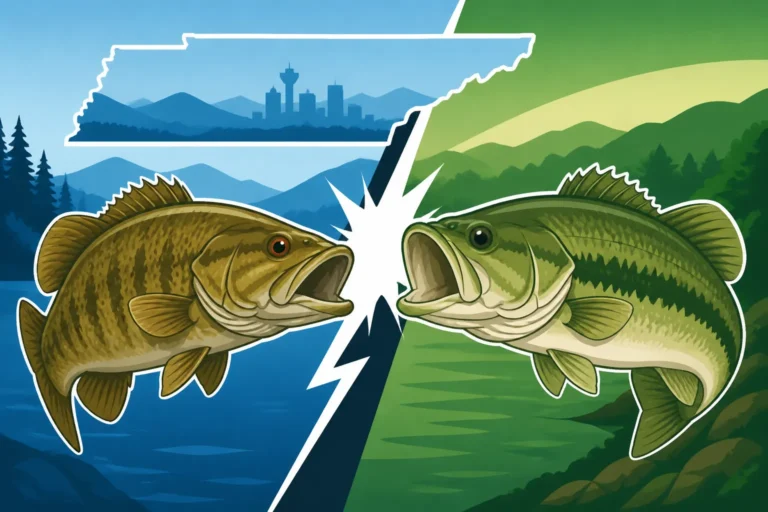
Furthermore, their body shape tends to be more slender than a largemouth but not quite as streamlined as a smallmouth. They strike a middle ground, both in appearance and in their ecological niche. Knowing these Spotted Bass vs Largemouth Bass in Tennessee Lakes differences isn't just for bragging rights; it helps you confirm you're in the right habitat. If you're consistently catching bass with these distinct characteristics, you know you're on the right track for spotted bass fishing.
Spotted Bass Preferences and Behavior
Spotted bass are often described as "in-between" bass because their habitat preferences often fall between largemouth and smallmouth. While largemouths love dense cover like lily pads, hydrilla, and shallow wood, and smallmouths prefer rocky, clear, cool, current-swept rivers and deep, expansive lakes, spotted bass can adapt to a wider range. They tolerate warmer waters than smallmouths but prefer deeper, clearer water with some current compared to largemouths. They are also notoriously aggressive feeders and often school up in significant numbers, which can lead to exhilarating fishing when you find a active school.
Their schooling behavior is a huge clue for anglers. When you catch one spotted bass, chances are there are more in the immediate vicinity. This makes them a fantastic target for techniques that allow you to cover water and then thoroughly work a specific area once a fish is located. Unlike the more solitary tendencies of a trophy largemouth tucked deep into cover, spotted bass are often found hunting in packs along structural elements.
Preferred Habitats in Tennessee Lakes
Tennessee's vast network of reservoirs provides an ideal proving ground for spotted bass, thanks to their blend of deep, clear waters and ample structure. Understanding what kind of structure and conditions they gravitate towards is paramount.
Deep Water Structure and Cover
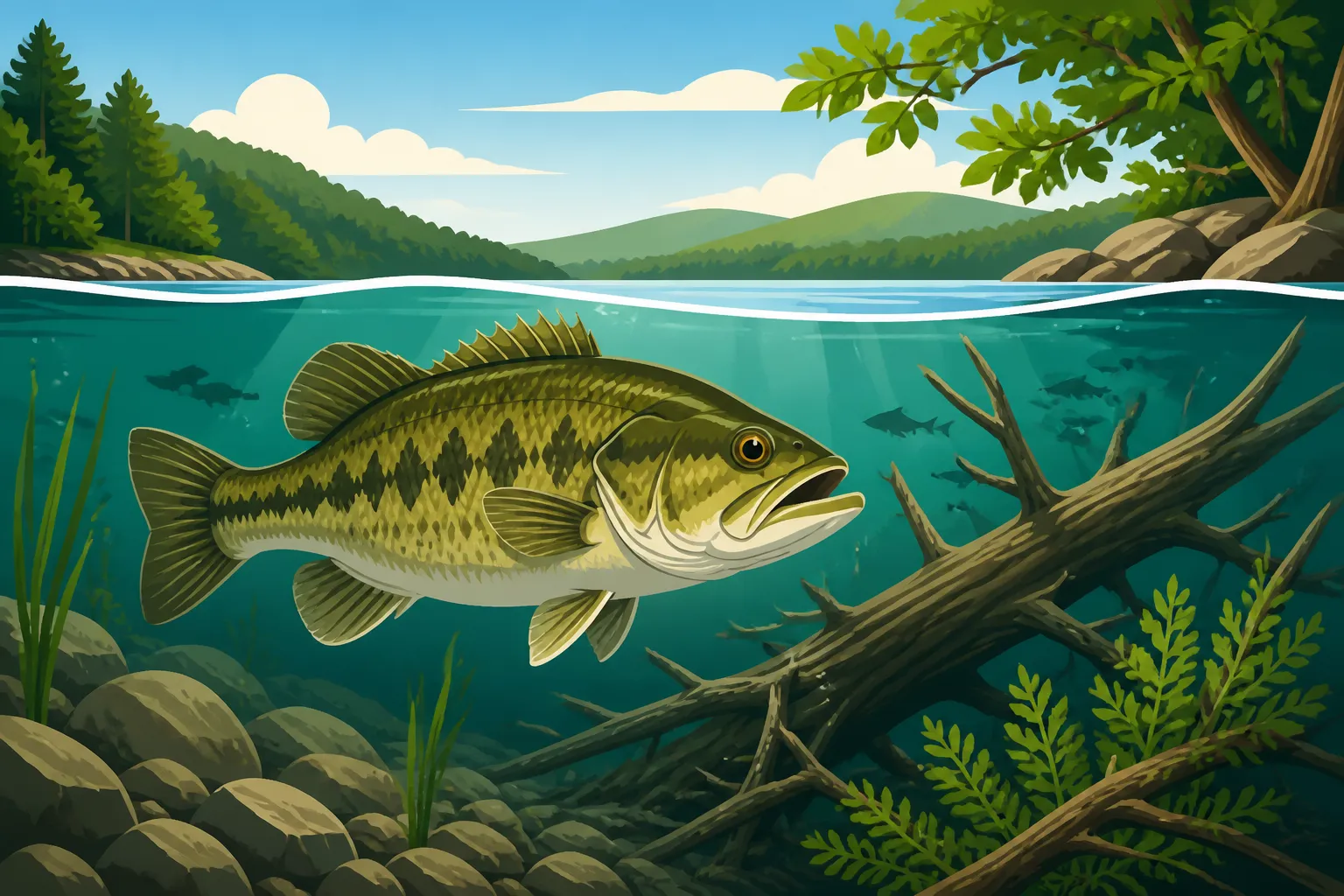
Spotted bass are absolute lovers of deep-water structure. Forget the shallow grass beds or stump fields that largemouths adore; spotted bass are looking for ledges, humps, points, and submerged timber in deeper zones, often 15 to 40 feet deep, sometimes even deeper depending on the lake and season. Think about main lake points that drop off sharply into deep channels, or offshore humps that rise up from the bottom, acting like underwater islands. These features provide ambush points where they can hide and dart out to intercept baitfish, and they also offer access to cooler, more stable water temperatures during the warmer months.
Consider a reservoir like Watts Bar Lake. While it's known for its bass and catfish populations, the spotted bass here will often hug those sharp drops along the main river channel or stack up on underwater humps near significant depth changes. They use these contour lines like highways, traveling up and down to feed. Having a good map or a quality fish finder, which you can easily find on Amazon, is crucial for identifying these subtle yet vital underwater features. Without them, you're essentially casting blind into their preferred real estate. Watts Bar Lake Bass and Catfish Species are plentiful, and knowing where to target the "spots" specifically can greatly improve your success.
Current and Oxygenated Areas
Another key ingredient in the ideal spotted bass habitat is current. They love areas where water is moving, even subtly. This could be near dam discharges, where water is being released, or along main river channels within larger reservoirs where there's a natural flow. Current brings a constant supply of oxygen and, more importantly, disorients baitfish, making them easier targets. They'll often sit just out of the main current, in a "seam" or eddy, waiting for an easy meal to drift by.
Think of a major river system like the Tennessee River that feeds many of our large reservoirs. The spotted bass will naturally congregate where the river's flow is most pronounced, especially around bridges, submerged creek channels, or any structure that creates a current break. This preference for current is a common thread you'll find across many bass species, but spotted bass seem particularly adept at exploiting these flowing environments in larger bodies of water. Even in what appears to be a placid lake, understanding how tributaries feed into it or how water is moved through the system can give you a significant advantage in locating these fish.
Rocky Bottoms and Bluff Walls
While largemouths prefer softer bottoms and vegetation, spotted bass have a distinct preference for hard bottoms – rocky areas, gravel beds, and especially steep bluff walls. These hard-bottomed areas are home to crawfish, one of their favorite foods, and also provide excellent cover and ambush points. Bluff walls that plunge straight down into deep water offer both vertical cover and immediate access to depth, allowing spots to move up and down the water column quickly to feed.
You'll often find them suspended along these vertical structures or hugging tight to rocky points and underwater ledges. The transition areas where a rocky bank meets a deeper channel are also prime real estate. Imagine a section of Kentucky Lake where a rocky outcrop drops off into the main river channel. This is exactly the kind of scenario where you'd expect to find spotted bass cruising for a meal. Their eyesight and aggressive nature make them perfectly suited to picking off prey against these hard, irregular backdrops.
Top Tennessee Lakes for Spotted Bass Habitat
Tennessee boasts some incredible fishing, and while largemouth often steal the spotlight, several lakes consistently offer fantastic spotted bass opportunities. Knowing which ones and what to look for can save you a lot of time.
Eastern Tennessee Reservoirs
When it comes to spotted bass, the deep, clear reservoirs of East Tennessee are often the first place anglers think of, and for good reason. Lakes like Watts Bar Lake, Fort Loudoun Lake, Tellico Lake, and Chilhowee Lake are prime examples. These impoundments of the Tennessee River system have abundant deep-water structure, plenty of current, and rocky banks that spotted bass absolutely thrive in. The clarity of these waters also plays a role, as spotted bass tend to prefer clearer conditions, unlike some largemouth populations that tolerate murkier environments.
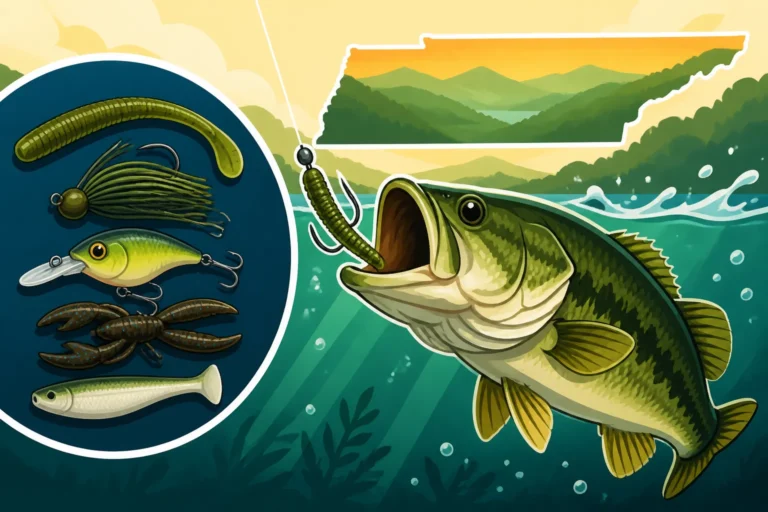
On a lake like Fort Loudoun, you'll want to focus your efforts on the main river channel and its numerous deep ledges and points. The same goes for Tellico, which is often connected to Fort Loudoun and offers similar fantastic deep-water structure. Chilhowee Lake, though smaller, also provides excellent rocky habitat and deep drops. Anglers often find spotted bass schooled up on these deep features, and once located, they can be caught using a variety of techniques from deep-diving crankbaits to shaky heads and drop shots. These lakes truly showcase Best Fishing Lakes in Tennessee for those targeting spots.
Central and Western Tennessee Waters
While Eastern Tennessee is the undisputed king for spotted bass, you can certainly find them in Central and even parts of Western Tennessee, though often in more specific conditions. Center Hill Lake and Dale Hollow Lake, known more for their incredible smallmouth fishing, also harbor spotted bass populations, particularly in areas with similar rocky, deep structures. Percy Priest Lake near Nashville, a popular spot for many species, will also hold spotted bass in its deeper, rockier sections, especially on main lake points that see some current.
It's important to adjust your expectations and techniques in these regions. While the overall numbers might not be as concentrated as in the eastern reservoirs, the fish can still be plentiful in their preferred niches. Focus on deeper humps, rocky bluff banks, and areas where creek channels meet the main lake. It might take a bit more searching, but the reward of a hard-fighting spotted bass from these waters is well worth the effort. For specific locations, you might want to pick up a detailed lake map from a tackle shop or online, perhaps even an excellent laminated waterproof one you can find on Amazon to endure many fishing trips.
Seasonal Movements and How to Adapt Your Approach
Just like any fish, spotted bass are heavily influenced by the changing seasons. Their preferred habitat, depth, and even feeding patterns will shift throughout the year. Being able to predict these movements is key to consistent success.
Spring: Pre-Spawn and Spawn
As the water temperatures begin to rise in early spring, usually when temperatures hit the low 50s Fahrenheit, spotted bass start to become more active and move from their deep winter haunts. This is the pre-spawn period, and they'll begin migrating towards shallower, rockier points and secondary creek channels. They're looking for areas with a mix of access to deep water and potential spawning grounds. Think about bluff ends with small pockets or rocky transitions where they can stage before moving fully shallow.
Once the water warms further, generally into the mid-60s, they'll begin to spawn. Unlike largemouths that might favor muddy banks and thick vegetation, spotted bass prefer cleaner, hard-bottomed areas for spawning, often on gravel or rocky points and shelves that are relatively close to deeper water. They aren't typically found buried in thick cover during the spawn. This means targeting those hard-bottomed banks and points where a subtle rise or gravel bed is present. This is a great time to be on the water, as they can be quite aggressive protecting their nests.
Summer: Deep Water Retreat
When the heat of summer arrives and water temperatures soar into the 70s and 80s, spotted bass typically retreat to deeper, cooler water. They'll often follow the thermocline (the layer where water temperature changes rapidly) and school up on main lake ledges, humps, and deep points. This is when your electronics really shine. You'll be looking for schools of baitfish and the tell-tale arches of bass below them, often 20 to 50 feet deep. How Water Temperature Affects Bass Feeding is a major factor here, as they seek thermal refuge.
During this time, techniques like deep cranking, football jigs, and drop shots become incredibly effective. Finding that "sweet spot" on a submerged ledge or hump where they are congregated can lead to phenomenal fishing. They're still aggressive, but they're not going to chase baits far from their deep-water sanctuaries. They'll also orient themselves to any subtle current, using it to their advantage to ambush baitfish. Fishing in the early mornings or late evenings can also be productive, as they might move slightly shallower to feed during these cooler periods.
Fall: Feeding Frenzy
As fall arrives and the water temperatures begin to drop, spotted bass enter a major feeding frenzy in preparation for winter. They'll start to move back up from their deep summer haunts, often following baitfish that are migrating into creek arms and onto main lake points. This is a fantastic time to catch them, as they are actively chasing and aggressively striking. You'll find them along main lake points, bluff ends, and the mouths of creek channels.
They might be shallower than in summer, but still often relate to deeper water access. Look for schooling activity on the surface, especially early in the morning or late in the afternoon, as they push baitfish to the top. When you see this, it’s often a sign of spotted bass (and sometimes stripers or hybrids) actively feeding. Spinnerbaits, jerkbaits, and topwater lures can be incredibly effective during this period, especially when fished around schools of shad. Many anglers consider this one of the most exciting times to target these hard-fighting fish.
Winter: Slow and Deep
Winter fishing for spotted bass in Tennessee means going back to the deep. As water temperatures drop into the 40s and low 50s, their metabolism slows significantly, and they become less active. They'll once again gravitate towards deep primary points, offshore humps, and main river channel ledges. The key difference from summer is that they'll often be tighter to the bottom and less inclined to chase fast-moving baits. How to Fish Deep Structure for Bass in Winter is all about patience.
Slow presentations are the name of the game here. Jigging spoons, finesse jigs, and slow-rolled swimbaits are excellent choices. You'll need to work your lures slowly, keeping them in the strike zone for as long as possible. A good fish finder is, again, indispensable for locating these tightly schooled fish in deep water. Once you find them, they can often be caught, but it requires a methodical and patient approach. Don't be afraid to fish vertical structures like bluff walls or submerged timber, as these can hold heat and attract baitfish, offering a slight reprieve from the cold.
Here's a quick reference for common spotted bass habitats in popular Tennessee lakes:
| Lake Name | Primary Habitat Features | Key Depths (approx.) | Best Seasons |
|---|---|---|---|
| Watts Bar Lake | Main river channel ledges, deep points, humps, bluff walls | 15-40 ft+ | Fall, Summer |
| Fort Loudoun Lake | Main channel drops, rocky points, bridge pilings, humps | 10-30 ft+ | Spring, Fall |
| Tellico Lake | Clear, deep water, rocky banks, main channel structure | 20-50 ft+ | Summer, Fall |
| Chilhowee Lake | Rocky banks, deep submerged timber, clear water | 10-30 ft+ | Spring, Fall |
| Center Hill Lake | Steep rocky bluffs, deep points, submerged timber | 20-60 ft+ | Summer, Winter |
| Percy Priest Lake | Rocky main lake points, creek channel intersections | 10-30 ft+ | Spring, Fall |
This table provides a general overview, but always remember that specific conditions, baitfish presence, and angler pressure can influence exactly where these fish decide to hang out. Investing in a good map, either paper or digital, and a quality fish finder will greatly enhance your ability to locate these key habitats on any given day. You can often find excellent lake-specific maps and detailed fishing guides on Amazon to help you pinpoint those productive spots. Happy fishing, and I hope this helps you connect with more of those feisty Tennessee spotted bass!
Disclaimer
This article is for general informational purposes only and does not constitute professional advice. Laws, prices and regulations vary by location and change over time. Consult a qualified professional for guidance on your specific situation.