Chickamauga Lake’s Reputation for Record Bass
Many anglers dream of catching that once-in-a-lifetime lunker, but often feel frustrated by ordinary fishing spots that just don't seem to produce. If you've been chasing trophies without much luck, it might be time to set your sights on a lake renowned for truly massive bass. This comprehensive guide will dive deep into Chickamauga Lake's well-earned reputation for record-breaking largemouth bass, exploring exactly what makes this Tennessee gem a must-visit destination for serious anglers.
The Legend of Chickamauga: Why It's a Bass Haven
Historical Context and Angler Buzz
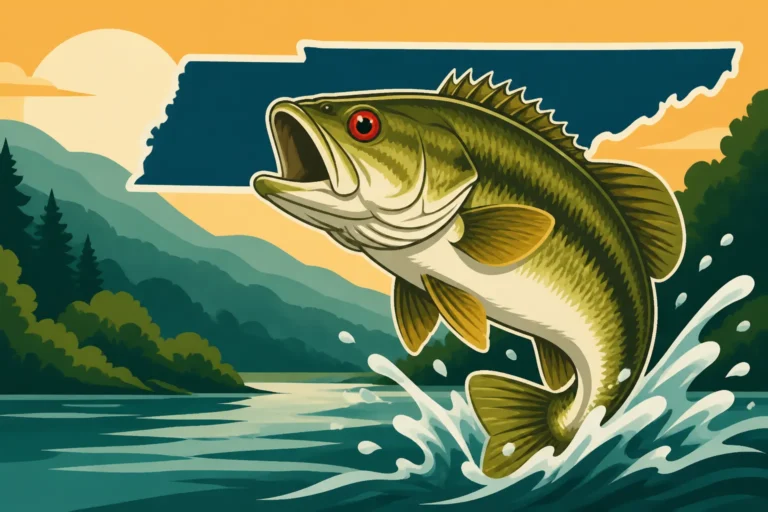
Chickamauga Lake, nestled in southeastern Tennessee, hasn't always been the behemoth bass factory it is today, but its reputation has been steadily building for years. For a long time, anglers knew it was a good lake, but it really exploded onto the national scene when multiple largemouth bass exceeding the elusive ten-pound mark started showing up with surprising regularity. It wasn't just local bragging anymore; it was verified, undeniable proof that something special was happening in these waters. This consistent production of true giants quickly garnered attention from professional tournament circuits, making it a mandatory stop and cementing its place as a premier trophy bass fishery.
The excitement around Chickamauga isn't just about the sheer size of the fish; it's also about the numbers of quality bass. Anglers aren't just hoping for one big bite; they're often experiencing multiple strong encounters in a single outing. This level of consistent high-quality fishing creates an incredible buzz within the angling community, drawing enthusiasts from all corners of the country. If you listen to conversations in bait shops or online forums across Tennessee, Chickamauga Lake: Tennessee's Top Bass Fishing Destination is always at the top of the list when talking about big bass. It's a place where dreams of a personal best often become reality, fueling more stories and solidifying its legendary status.
When those first reports of multiple double-digit bass started circulating, many thought it was a fluke. But as year after year passed, and more giants were caught and documented, the fishing world took serious notice. The lake became a hotspot for record-breaking catches, with anglers traveling from hundreds, even thousands, of miles away just for a chance to hook into one of its legendary bass. It’s the kind of lake where you hear a new tale of a colossal catch almost every week during prime season, each story adding to the mystique and allure of this incredible fishery.
The Lure of the "Lake of the South"
What truly draws anglers to Chickamauga isn't just the promise of a big fish, but the realistic expectation of one. This isn't a lake where you just "might" catch a trophy; it's a lake where, with the right techniques and a bit of luck, your chances are genuinely higher than almost anywhere else. Its nickname, the "Lake of the South," isn't just a geographical descriptor; it's a testament to its standing among the region's elite fisheries. The consistent presence of abundant, healthy forage and prime habitat ensures that the bass here have everything they need to grow to extraordinary sizes.
Many anglers find themselves returning to Chickamauga year after year, almost obsessed with the challenge and reward it offers. They might spend hours pouring over maps, studying contour lines, and watching videos, all in preparation for their next trip. This dedication is born from the knowledge that the lake holds incredible potential. It's not uncommon to hear tales of anglers who, after years of fishing other places, finally broke their personal best on Chickamauga, sometimes multiple times. This continuous cycle of expectation and fulfillment is what makes Chickamauga more than just a lake; it's an experience. Chickamauga Lake Tennessee Trophy Bass Season Timing is a highly anticipated period for many.
The undeniable fact is that Chickamauga bass are growing bigger, and they're doing it consistently. It's a fantastic testament to the health of the ecosystem and the responsible management by local authorities. For many, a trip to Chickamauga is more than just fishing; it’s a pilgrimage. They come with high hopes, fueled by the lake's storied past and the very real possibility of making their own fishing history. This allure ensures that Chickamauga will remain a top destination for serious bass anglers for the foreseeable future.
Understanding Chickamauga's Record-Setting Environment
Aquatic Vegetation and Forage Richness
The secret sauce behind Chickamauga's phenomenal bass growth largely boils down to its incredibly fertile ecosystem, specifically its dense and diverse aquatic vegetation. Think hydrilla, milfoil, and various grasses – these aren't just random weeds; they are crucial nurseries for baitfish and prime ambush points for hungry bass. This extensive vegetation creates a complex underwater forest, offering shelter, oxygen, and an endless buffet for all levels of the food chain. When you're fishing here, you'll quickly realize how vital these submerged gardens are, whether you're trying to punch through a matted grass bed or skirt the edges of a hydrilla line.
Beyond the vegetation, Chickamauga boasts an incredible forage base. We're talking about huge populations of shad – gizzard shad and threadfin shad primarily – along with abundant crappie, bluegill, and various other panfish. This means the bass never have to work too hard to find a meal, allowing them to expend less energy chasing food and more energy growing larger. Imagine a constant, rich food supply coupled with perfect hiding spots; it's a recipe for monster bass. Knowing the forage and where it hides is key to understanding Best Bait for Chickamauga Lake Tennessee Trophy Bass in Spring. Anglers often keep an eye on bird activity, like diving cormorants or active gulls, as a sign of baitfish schools that could be harboring a lurking lunker.
This rich tapestry of plant life isn't just for show; it's the foundation of a robust food web. The hydrilla, for instance, provides not only cover but also a rich environment for invertebrates, which in turn feed smaller baitfish. These smaller fish then become the primary diet for juvenile bass, allowing them to grow quickly. As bass mature, they graduate to larger prey like gizzard shad, which are abundant in the lake. It's a perfectly orchestrated natural system that leads to incredible growth rates for the bass population.
Depth, Structure, and Current Dynamics
Chickamauga Lake, being a Tennessee River impoundment, isn't just a flat body of water. It's characterized by a rich tapestry of depths and structures, ranging from shallow flats to deep creek channels, submerged roadbeds, old foundations, and countless natural rock formations. This variety means bass have endless options for staging, feeding, and seeking refuge throughout the year. During different seasons and even different times of day, bass will relate to specific types of structure, making pattern fishing incredibly effective if you can crack the code.
Another critical factor is the current. As part of the Tennessee River system, the Tennessee Valley Authority (TVA) manages water flow, which creates varying degrees of current in the lake. Bass are ambush predators, and they absolutely love current, as it pushes baitfish past their hiding spots with less effort on their part. Understanding the TVA generation schedules can be a game-changer, telling you when the current will be strongest and therefore when the bass are most likely to be actively feeding on current-swept ledges or points. This dynamic interplay of depth, structure, and current adds another layer of complexity – and opportunity – for those targeting the lake's legendary bass.
The presence of strong current, especially when the generators are running, positions bass in predictable ambush points. They will often sit just out of the main flow, conserving energy while waiting for baitfish to be swept past them. Anglers who master the art of reading the current and fishing these specific breaks and eddies often find themselves in the midst of incredible feeding frenzies. It's not just about finding fish; it's about finding active fish.
Optimal Water Conditions for Giant Bass
The sheer size and health of Chickamauga's bass population are also deeply influenced by its water quality and temperature fluctuations throughout the year. The lake generally maintains good water clarity, which is important for healthy aquatic life and a strong food chain. While it can get stained after heavy rains, it typically recovers well, providing consistent conditions for fish growth. Water temperature, of course, dictates everything from spawning activity to feeding patterns. The extended warm water periods in Tennessee allow for longer growing seasons for bass, unlike some more northern lakes where growth is limited by shorter summers.
Furthermore, the management practices of the Tennessee Wildlife Resources Agency (TWRA) play a significant role. They continually monitor fish populations, manage stocking programs (though Chickamauga's bass are mostly self-sustaining), and enforce regulations to maintain the health of the fishery. This proactive approach ensures that the ecosystem remains balanced and capable of supporting trophy-sized fish for generations of anglers. It's not just a happy accident; it's a result of a naturally rich environment coupled with thoughtful conservation efforts.
The relatively mild winters in Tennessee also contribute to the year-round activity of bass in Chickamauga. While metabolism slows down, bass don't enter a state of deep torpor like in colder climates, allowing for more consistent feeding opportunities throughout the year. This longer active period, combined with the rich food supply, allows bass to put on weight at an accelerated rate, pushing many individuals into that coveted trophy size class.
Strategies for Targeting Trophy Bass on Chickamauga
Seasonal Tactics for Each Spawn Phase
Catching a true lunker on Chickamauga often means understanding the bass spawn cycle. The pre-spawn period, typically late winter to early spring, sees bass gorging themselves, preparing for the strenuous act of spawning. This is a fantastic time for big fish, as they are actively feeding and often concentrated in staging areas near shallower spawning flats. Lipless crankbaits, jerkbaits, and swimbaits are often highly effective during this stage. As water temperatures rise into the mid-50s to low-60s, bass move to spawn, which generally happens from late March through May on Chickamauga. During this time, they become very territorial, and sight fishing can be potent if you can spot them on beds. Soft plastics like lizards, tubes, or creature baits pitched onto beds can trigger bites.
Post-spawn, usually late spring into early summer, can be a trickier period. Bass are recovering, and they might disperse from spawning areas. However, as they regain energy, they'll often move to deeper offshore structure or relate to heavy cover, ambushing baitfish. Topwater lures early and late in the day, or deep-diving crankbaits and jigs on ledges, can be incredibly productive. Understanding Pre-Spawn and Post-Spawn Bass Fishing Patterns is crucial for consistent success. Each season presents unique challenges and rewards, and adaptability is the name of the game on Chickamauga.
For instance, during the heart of the spawn, focusing on protected coves and shallow flats with submerged timber or docks becomes crucial. Bass will be guarding their nests, and a well-placed jig or Texas-rigged plastic can often elicit an aggressive strike. After the spawn, as they transition offshore, looking for schools of shad in open water with a big swimbait can connect you with some truly massive females who are feeding heavily to regain their strength.
Top Lures and Presentations for Big Fish
When it comes to lures, Chickamauga demands versatility. For punching through those thick hydrilla mats that hold giant bass, a heavy tungsten weight with a stout hook and a creature bait or jig is indispensable. Popular choices often include dark-colored plastics that mimic crawfish or bluegill. For fishing the deeper ledges and offshore humps, especially when current is running, deep-diving crankbaits that can hit depths of 15-25 feet are absolute staples. Colors like Tennessee shad or crawfish patterns are always strong contenders. Large swimbaits, both hard and soft varieties, are also highly effective for imitating the big shad that trophy bass prey on.
Don't overlook traditional methods either. A Carolina rig fished slowly along contours can be deadly for revealing where bass are holding on subtle structure. Jig fishing, whether casting a football jig on rocky bottom or flipping a pitching jig into cover, is a classic big bass technique that consistently produces on Chickamauga. Spinnerbaits and chatterbaits also have their moments, particularly when bass are chasing baitfish in slightly stained water or around sparse cover. Having a diverse tackle box, perhaps stocked with quality items found on Amazon, will definitely give you an edge. Best Lures for Pre-Spawn Bass Fishing or Best Lures for Post-Spawn Bass Fishing can guide you further.
It’s often a process of elimination, trying different presentations until you discover what the bass are reacting to on any given day. Sometimes a fast-moving crankbait will trigger a reaction strike, while other times a slow, methodical retrieve of a jig is what they want. The key is to be adaptable and not get stuck on just one technique. Experiment with different depths, retrieve speeds, and lure colors until you find the winning combination.
Understanding Tournament Angler Approaches
If you want to understand how to consistently catch big bass on Chickamauga, observing or learning from tournament anglers is invaluable. These pros spend countless hours dissecting the lake, identifying patterns, and perfecting their techniques. They often focus on efficiency and precision, targeting specific types of cover or structure that are known to hold quality fish. One common strategy is "ledge fishing" using advanced electronics to locate schools of bass on deep offshore humps or drops. This often involves a lot of graphing and patience, but when you find them, it can lead to multiple big fish in a short amount of time.
Another approach often seen in tournaments is focusing on specific, high-percentage areas with heavy cover. This could mean punching through dense vegetation, flipping docks, or dissecting isolated brush piles. Tournament anglers are masters of maximizing their bites and often have a keen understanding of How Water Temperature Affects Bass Feeding. They also pay close attention to environmental factors like wind, current, and cloud cover, adjusting their strategies accordingly. While you might not be competing for a prize, adopting some of their meticulous planning and strategic thinking can significantly improve your own success.
Tournament anglers also place a high emphasis on boat positioning and cast accuracy. Being able to hit a specific target, whether it’s a tiny opening in a grass mat or the precise edge of a submerged brush pile, can be the difference between a bite and nothing. They also understand the importance of making multiple casts to a productive area, sometimes from different angles, to coax a reluctant fish into biting. This level of detail and commitment is what often sets them apart.
Planning Your Record Bass Pursuit: Gear and Approach
Essential Gear for Chickamauga's Challenges
Successfully tackling Chickamauga Lake for trophy bass requires more than just enthusiasm; it demands the right gear. For punching heavy mats, you'll want a heavy or extra-heavy action rod, around 7'6" to 8' in length, paired with a high-speed baitcasting reel spooled with 50-80 lb braided line. This setup provides the power needed to drive hooks through thick cover and pull big fish out. For deep cranking or Carolina rigging, a medium-heavy action rod, perhaps 7' to 7'6", with a high-capacity baitcasting reel and fluorocarbon line (15-20 lb test) offers the sensitivity and strength needed. Make sure your hooks are sharp and strong, as trophy bass can bend lesser hooks.
Beyond rods and reels, a quality fish finder with side-imaging and down-imaging capabilities is almost a necessity for offshore fishing. Knowing what's beneath your boat and off to the sides can reveal hidden structure and schools of baitfish or bass. A reliable GPS is also key for marking productive spots and navigating the vast lake. Don't forget a sturdy landing net with a wide hoop to safely handle those big bass, and always have a measuring board and camera ready for quick documentation before release. Many essential items, from line to lures, can be conveniently purchased from Amazon for your trip.
| Gear Category | Recommended Item | Key Features for Chickamauga |
|---|---|---|
| Rods | Heavy/Extra-Heavy Action (7'6" – 8') | Power for punching mats, strong backbone |
| Medium-Heavy Action (7' – 7'6") | Versatility for deep cranking, jigs, Carolina rigs | |
| Reels | High-Speed Baitcasting (7.1:1 or higher) | Quick retrieve for covering water, strong drag for big fish |
| Line | Braided Line (50-80 lb) | Durability, cutting through vegetation, no stretch for solid hooksets |
| Fluorocarbon Line (15-20 lb) | Low visibility, good abrasion resistance, sensitivity | |
| Electronics | Side/Down-Imaging Fish Finder with GPS | Locating offshore structure, bait schools, navigating |
| Accessories | Large Landing Net, Measuring Board, Quality Pliers | Safe handling, documentation, hook removal |
| Bait/Lures | Heavy Jigs, Creature Baits, Deep-Diving Crankbaits | Mimicking local forage, reaching depths, penetrating cover |
Having the right gear isn't just about maximizing your chances; it's also about preventing lost fish and protecting the fish you catch. Investing in quality hooks, strong line, and a proper landing net means you're prepared to battle a true giant and bring it to the boat safely for a photo and quick release.
Pre-Trip Research and Local Knowledge
Before you even hit the water, dedicating time to research can dramatically increase your chances of success on Chickamauga. Start by looking up current lake levels and water temperatures. These factors significantly impact where bass will be holding and what they'll be biting. Online fishing forums and local tackle shop reports can provide invaluable, up-to-date insights into recent patterns and hot spots. Many seasoned anglers share their general observations, which can save you a lot of time on the water. Check out Tennessee Fishing Season and Catch Limits for any specific regulations or changes.
Consider consulting a local fishing guide, even for a half-day trip. Their intimate knowledge of the lake, current conditions, and productive techniques can provide a steep learning curve that would take you years to achieve on your own. They can help you understand nuances that aren't apparent from maps alone, like subtle depth changes, specific grass lines, or how current flows around certain points. Even if you're an experienced angler, a guide can fast-track your understanding of Chickamauga's unique challenges and rewards. A Complete Guide to Fishing Spots in Tennessee might also offer broader insights.
Remember, fishing reports are just a starting point. While they provide valuable clues, the lake can change daily, sometimes hourly. The best preparation involves combining general knowledge with real-time observations and being willing to adapt your game plan on the fly. Don't be afraid to try something different if the popular patterns aren't producing. Local knowledge can also inform you about Boat Ramp Access on Tennessee's Major Lakes for a smooth launch.
Conservation and Ethical Angling
While Chickamauga's reputation for giant bass is legendary, it's our collective responsibility as anglers to protect and preserve this incredible fishery. Practicing catch-and-release, especially for those truly large, trophy-sized bass, is paramount. These older, larger fish are the prime breeders and are vital for maintaining the lake's genetic potential for future generations of giants. Handle fish gently, minimize their time out of the water, and ensure a strong release. Using proper landing nets and de-hooking tools is crucial here.
Beyond catch-and-release, always respect the lake's environment. Pack out all your trash, avoid disturbing sensitive habitats, and adhere to all Tennessee Fishing Regulations Explained. Being mindful of other anglers and boaters also contributes to a positive experience for everyone. Remember, we are stewards of these natural resources, and our actions today determine the quality of fishing for tomorrow. By practicing ethical angling, we can all help ensure that Chickamauga Lake continues its reign as a premier trophy bass destination for years to come. Checking Tennessee's Fishing License Requirements and having the correct permit, easily obtainable online or at local retailers like those on Amazon with associated fishing departments, is also a part of responsible angling.
The health of Chickamauga Lake depends on every angler's commitment to ethical practices. By doing our part, we contribute to a sustainable fishery that will continue to produce those awe-inspiring, record-breaking bass that make Chickamauga so famous. It's about respecting the fish, the environment, and fellow anglers, ensuring that the legend of Chickamauga lives on for generations to come.
Disclaimer
This article is for general informational purposes only and does not constitute professional advice. Laws, prices and regulations vary by location and change over time. Consult a qualified professional for guidance on your specific situation.