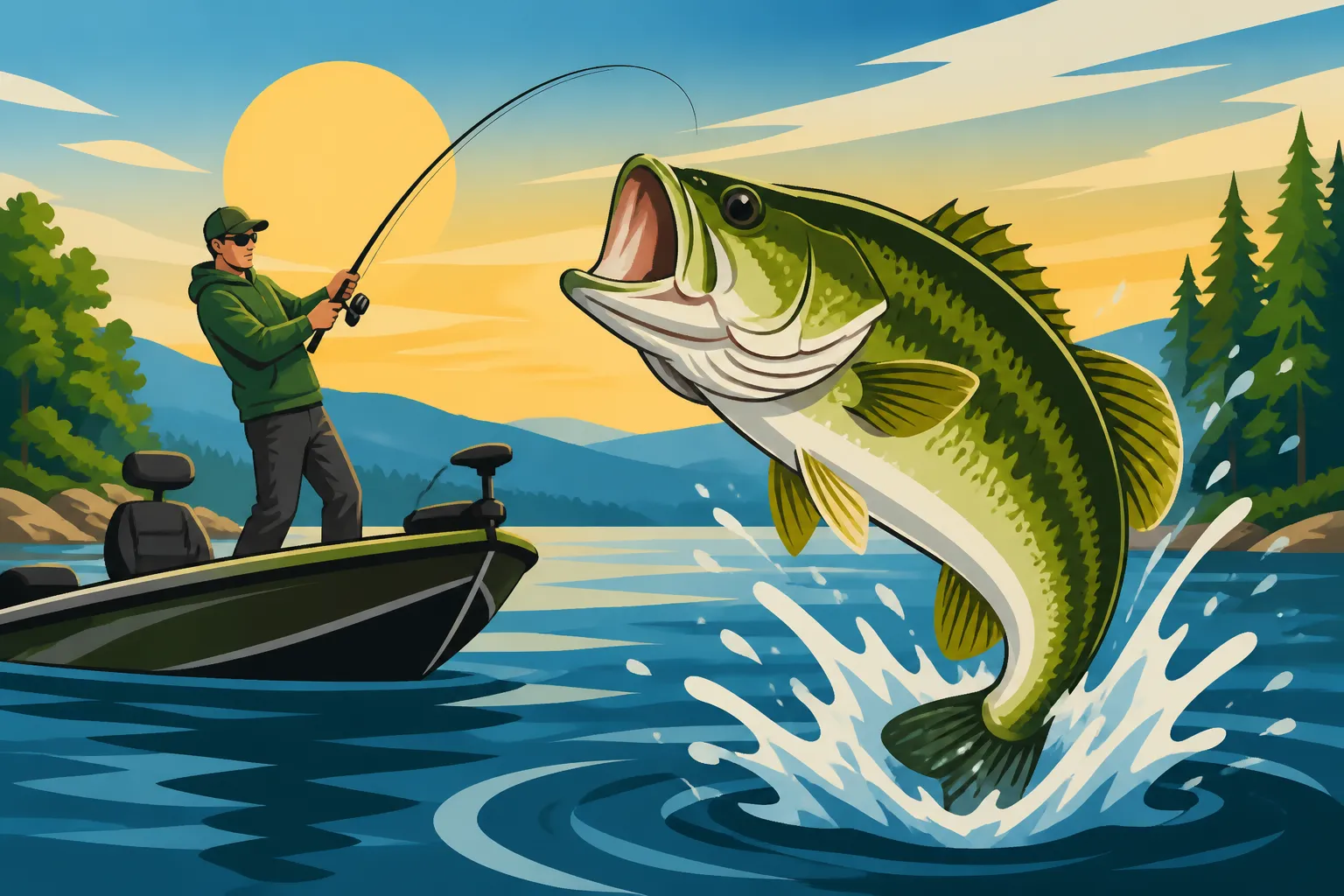
Chickamauga Lake: Tennessee’s Top Bass Fishing Destination
For any angler in Tennessee, the name Chickamauga Lake inevitably brings a smile to their face, often accompanied by tales of massive bass, heart-stopping strikes, and lines screaming off reels. While many of us have dreamed of landing that trophy fish, the sheer size and reputation of a lake like Chickamauga can feel overwhelming, making it hard to know where to even begin. This comprehensive guide is here to demystify Chickamauga Lake, breaking down its incredible bass fishery, offering insights into its unique characteristics, and providing practical advice to help you maximize your success on this legendary body of water.
Why Chickamauga Lake Reigns Supreme for Bass Fishing
When we talk about bass fishing in Tennessee, Chickamauga Lake isn't just one of the best; it's often considered the best, consistently producing some of the largest and most abundant largemouth bass in the entire country. This isn't just angler hype; the lake has a verifiable track record that speaks for itself. The sheer volume of big fish, particularly trophy-class largemouths, has put Chickamauga on the map for professionals and weekend warriors alike.
A Hotbed for Record-Breaking Catches
The reason Chickamauga holds such a revered status among bass anglers is simple: it consistently kicks out giants. It's not uncommon to hear stories of 10-pounders, and sometimes even larger, being pulled from its depths. This reputation isn't built on a few lucky catches; it's the result of a thriving ecosystem that fosters incredible growth rates for its bass population. The lake’s nutrient-rich waters and abundant forage, particularly gizzard shad and threadfin shad, create an ideal environment for bass to pack on serious weight. When you're out there, every cast feels like it could be the cast, the one that hooks into a personal best or even a potential state record, truly solidifying Chickamauga Lake's reputation for those unforgettable moments.
The Epicenter of Tournament Action
It's no accident that major professional bass fishing tournaments, like those hosted by Bassmaster and Major League Fishing, frequently descend upon Chickamauga Lake. These events aren't just about showcasing the pros; they're a testament to the lake's incredible fishing potential. When you see televised tournaments with winning weights exceeding 100 pounds for a multi-day event, you know you're dealing with a special fishery. This constant tournament pressure, while sometimes adding a bit of boat traffic, also ensures that the lake's health is closely monitored and that a strong emphasis is placed on conservation and sustainable fishing practices, benefiting all who visit this legendary water.
Understanding Chickamauga's Unique Habitat for Bass
What makes Chickamauga Lake so productive for bass? It boils down to a perfect storm of environmental factors, creating an intricate underwater landscape that bass absolutely thrive in. From its vast weed beds to its deep river channels, the lake offers a diverse range of habitats that cater to bass throughout every season and growth stage.
The Prolific Hydrilla and Submerged Structure
If there's one defining characteristic of Chickamauga Lake's underwater habitat, it has to be the incredibly dense and widespread hydrilla beds. This invasive aquatic vegetation, while a management challenge in some ways, creates an unparalleled haven for baitfish and, consequently, for the bass that prey on them. These green jungles offer cover from predators, ambush points for feeding, and shaded areas during intense summer heat. Learning to fish the edges, pockets, and even the thickest mats of hydrilla is crucial for consistent success on Chickamauga. Beyond the hydrilla, the lake is also rich with other forms of submerged structure – old creek channels, stumps, rock piles, ledges, and artificial brush piles intentionally placed by anglers and wildlife agencies. These varied structures provide critical holding areas for bass, especially when the weed lines thin out or during colder months.
River and Reservoir Dynamics
Chickamauga Lake is part of the Tennessee River system, meaning it’s not just a stagnant pool but a dynamic reservoir with riverine characteristics. This dual nature influences everything from current patterns to water levels and, most importantly, fish behavior. The upper stretches of the lake near Dayton, Tennessee, have a more river-like feel, with noticeable current, shallower water, and extensive shallow-water grass flats. As you move downstream towards the dam near Chattanooga, the lake widens, deepens, and takes on more reservoir-like qualities, featuring expansive main lake ledges and deeper creek arms. Understanding this transition is key, as bass in the "river" section will often relate differently to structure and current than those in the "reservoir" section. The constantly changing water levels, often managed by the Tennessee Valley Authority (TVA), also play a significant role, pulling fish off the bank during drawdowns and pushing them into shallower cover when levels rise.
Key Bass Species and Their Behavior on Chickamauga
While many lakes might feature a mix of bass species, Chickamauga Lake is predominantly known for one in particular, though others certainly make their presence known. Knowing which species you're likely to encounter and understanding their habits can significantly refine your approach. If you're looking for tips on how to identify various bass species, a quick read on Largemouth Bass Identification Tips for Tennessee Anglers can be incredibly helpful before your trip.
The Dominance of Largemouth Bass
Without a doubt, the largemouth bass is the reigning monarch of Chickamauga Lake. It's the species responsible for the lake's reputation for massive fish and its tournament successes. Largemouths here grow to impressive sizes, fueled by the abundant forage and ideal habitat. They are typically found in and around the dense hydrilla beds, fallen timber, docks, and other cover where they can ambush prey. Their behavior is largely dictated by water temperature and the availability of cover and food. In spring, they push into shallow bays and coves for the spawn, while in summer, they'll often retreat to the deeper edges of hydrilla or offshore ledges. Fall sees them aggressively feeding in preparation for winter, often moving back into shallower feeding zones. You'll find that understanding Tennessee Bass Fishing Seasons and Patterns is crucial for consistently finding these green monsters.
The Presence of Spotted Bass
While largemouths steal the spotlight, spotted bass are also a healthy and feisty component of Chickamauga's fishery. While they don't typically reach the gargantuan sizes of largemouths, a 3-4 pound spotted bass can offer an exhilarating fight. Spotted bass tend to favor more open water, often suspending over deeper creek channels or relating to offshore rock piles and humps. They can be found alongside largemouths but are also prevalent in areas with less vegetation and more current. Many anglers accidentally catch spotted bass while targeting largemouths, especially when fishing deeper crankbaits or jigging spoons on main lake ledges. Their aggressive nature and tendency to school make them a fun target, even if they aren't the lake's primary draw.
Best Times and Seasons to Fish Chickamauga Lake for Bass
Fishing Chickamauga Lake is a year-round affair, but the best strategies and locations will shift dramatically with the seasons. Each period offers unique opportunities and challenges, so understanding the seasonal patterns is paramount to success. This knowledge will not only help you decide when to visit but also how to pack your tackle box.
Spring Spawn Patterns
Spring is arguably the most anticipated time for many anglers on Chickamauga, as it brings the thrilling bass spawn. As water temperatures begin to rise, typically from March through May, largemouths migrate from their winter haunts to shallower bays, coves, and protected pockets to begin their pre-spawn ritual. This is when they are at their heaviest, full of roe, and often very aggressive as they prepare to bed. During this period, you’ll find fish feeding heavily on points, transition areas, and the outer edges of grass beds. Once the water hits the sweet spot, usually in the mid-60s Fahrenheit, they move onto visible beds. This is a prime time for sight fishing, but even without seeing the fish, targeting shallow cover with pitching and flipping baits can be incredibly productive. Understanding Pre-Spawn Bass Fishing Timing on Tennessee's Percy Priest Lake can give you a good comparison for similar patterns that occur on Chickamauga.
Summer Deep Water Tactics
When the scorching Tennessee summer heat sets in, usually from June through August, bass tend to retreat from the shallowest water. While you can still find early morning and late evening bites in the shallows, the bulk of the population moves to deeper, cooler water. This is when the offshore game truly comes alive on Chickamauga. Bass will congregate in large schools on main lake ledges, deep humps, creek channel drops, and the deeper edges of hydrilla beds, sometimes as deep as 20-30 feet or more. Techniques like deep cranking, football jigs, large Carolina rigs, and heavy shaky heads become staples. This period also presents challenges, as the intense heat can make fishing uncomfortable, but the reward can be catching huge schools of healthy, chunky bass. Remember that How Water Temperature Affects Bass Feeding is a critical factor, especially during summer.
Fall Transition Bites
As autumn leaves begin to change color and water temperatures gradually cool from September through November, Chickamauga Lake experiences a significant "fall turnover." This is a period of transition where bass, along with their primary forage, start to move out of their deep summer haunts and migrate towards shallower water. They become incredibly active and aggressive, feeding heavily in preparation for the colder winter months. This is a fantastic time for power fishing, with techniques like spinnerbaits, crankbaits, and chatterbaits excelling as bass chase baitfish schools. You’ll find them in creek arms, on shallow points, and around hydrilla edges as they gorge themselves. The key during fall is often to "follow the bait," as the bass won't be far behind the schools of shad.
Winter Slow Roll
Winter fishing on Chickamauga Lake, from December through February, can be challenging but incredibly rewarding for those willing to brave the cold. Bass become lethargic and their metabolism slows down, meaning they don't need to eat as often. However, when they do feed, they’re often targeting larger, slower-moving meals. Fish will typically relate to vertical structure, such as deep bluff walls, rock piles, bridge pilings, and the deepest portions of main lake ledges. Spoon jigging, slow-rolling swimbaits, and deep-diving jerkbaits can be highly effective. The bite might be subtle, but the fish you catch are often some of the biggest and healthiest of the year. Patience is a virtue during winter, as you might need to make many casts for just a few bites, but those bites can be truly memorable.
Effective Bass Fishing Techniques and Lures for Chickamauga
Chickamauga Lake demands a versatile approach, as conditions and fish behavior can change rapidly. Having a solid understanding of various techniques and a diverse tackle box will greatly improve your chances. It’s not just about throwing a lure; it’s about presenting it correctly for the specific situation.
Flipping and Pitching the Heavy Cover
Given Chickamauga's abundant hydrilla and dense shoreline cover, flipping and pitching are absolutely essential techniques. Whether it's probing thick grass mats, submerged brush, or dock pilings, getting a bait into tight spaces where big bass hide is often the ticket to a monster bite. Heavily weighted jigs, creature baits, and Texas-rigged soft plastics are the go-to choices. You'll want heavy line (fluoro or braided), a stout rod, and a powerful baitcasting reel to muscle these fish out of the cover. This isn't a technique for the faint of heart; it's close-quarters combat that can lead to some truly exhilarating hooksets.
Crankbaiting and Lipless Attack
Crankbaits, both diving and lipless varieties, are incredibly productive on Chickamauga, especially when bass are actively feeding or schooling. Deep-diving crankbaits are perfect for covering main lake ledges and creek channel breaks in the summer, digging into the bottom and deflecting off structure to trigger reaction strikes. Lipless crankbaits, like the iconic Rat-L-Trap or the popular Strike King Redeye Shad, are phenomenal for covering expansive grass flats in the spring and fall, ripping them through the hydrilla to elicit vicious bites. The vibration and flash these baits produce are irresistible to aggressive bass.
Topwater Action for Explosive Strikes
Few things in fishing are as exciting as a topwater strike, and Chickamauga Lake offers plenty of opportunities for this heart-stopping action. During low-light conditions (dawn, dusk, or cloudy days), or when bass are feeding on schooling baitfish near the surface, topwater lures can be incredibly effective. Walking baits (like Heddon Super Spook), poppers, and buzzbaits all have their place. Targeting shallow grass edges, calm pockets, and areas where baitfish are flickering on the surface will often result in explosive, unforgettable bites. This is a technique that rewards patience and confidence, waiting for that perfect moment when a hungry bass erupts on your offering.
Finesse Fishing for Tough Bites
Even on a lake as productive as Chickamauga, there will be days when the bass are finicky or heavily pressured. This is when finesse techniques truly shine. Drop shots, shaky heads, Ned rigs, and wacky-rigged Senkos are all deadly when bass are reluctant to chase larger baits. These techniques utilize lighter line, smaller baits, and slower presentations to coax bites from wary fish. They are particularly effective around sparse cover, transition areas, or when targeting suspended fish. Don't be fooled by the "finesse" label; big bass eat small baits, and these subtle presentations can often turn a tough day into a successful one. If you're wondering about setting up your gear, you might consider insights on Best Baitcasting Reels for Bass Anglers for various techniques.
Here's a quick rundown of some popular lures and baits for Chickamauga Lake:
| Lure Type | Best Season | Target Areas | Key Characteristics |
|---|---|---|---|
| Jigs | Year-round | Hydrilla mats, docks, brush piles, ledges | Versatile, weedless, heavy for deep cover |
| Crankbaits | Spring, Summer, Fall | Ledges, points, grass edges, open water | Diving depth, retrieve speed, vibration |
| Lipless Cranks | Spring, Fall | Grass flats, shallow points, schooling fish | Vibration, flash, can be ripped through grass |
| Soft Plastics | Year-round | Any cover, open water (finesse) | Versatility (worms, creature baits, flukes), natural feel |
| Spinnerbaits | Spring, Fall | Grass lines, shallow points, windy conditions | Flash, vibration, weedless |
| Chatterbaits | Spring, Fall | Grass edges, sparse cover, shallow flats | Unique vibration, weedless, good reaction bait |
| Topwater | Spring, Summer, Fall | Shallow coves, grass edges, schooling baitfish | Explosive strikes, mimic dying baitfish |
Navigating Chickamauga Lake: Access and Boating Tips
With its vast expanse and diverse shoreline, navigating Chickamauga Lake requires a bit of preparation, especially if you're coming for the first time. Knowing where to launch, understanding the rules, and practicing safe boating are all crucial for an enjoyable and productive trip. For those considering a guided experience, platforms like FishingBooker can help you find experienced local guides who know the lake inside and out.
Public Boat Ramps and Access Points
Chickamauga Lake offers numerous public boat ramps, ensuring convenient access for anglers from all directions. Around Chattanooga, you'll find ramps at locations like Chester Frost Park, Booker T. Washington State Park, and Harrison Bay State Park. Further north, near Dayton, popular access points include Dayton Boat Dock and the Rhea County Boat Ramp. Many of these ramps offer ample parking, restrooms, and sometimes even bait and tackle shops nearby. It's always a good idea to check local conditions before heading out, especially during peak seasons when ramps can get busy. For more specifics, checking out resources like Best Boat Ramps on Chickamauga Lake can provide up-to-date information on facilities and conditions. Remember that while most ramps are well-maintained, water levels can affect usability, so a quick online check can save you a lot of hassle.
Safe Boating Practices and Regulations
Safety on the water is paramount. Chickamauga Lake is a large body of water, and conditions can change quickly. Always ensure your boat is equipped with all necessary safety gear, including life jackets for everyone on board (especially if you have children, as Tennessee has specific Tennessee's Under-12 Life Jacket Rule Explained for those under 12), a fire extinguisher, signaling devices, and navigation lights for low-light conditions. Be mindful of other boaters, especially during busy weekends or tournaments. Always observe speed limits in no-wake zones and give right-of-way when appropriate. The Tennessee Wildlife Resources Agency (TWRA) enforces boating regulations, so it's wise to familiarize yourself with them before your trip. If you're new to boating or haven't boated in Tennessee before, consider looking into whether you need a Tennessee Boating Safety Education Certificate Guide to ensure you're fully compliant and knowledgeable about state laws.
Planning Your Chickamauga Bass Fishing Adventure
Preparing for a trip to Chickamauga Lake involves more than just packing your rods and reels. It's about strategic planning, understanding the lake's nuances, and being ready for whatever conditions the Tennessee River throws your way. Remember, even with all the best gear, local knowledge often makes the biggest difference. If you're traveling from out of state, don't forget to secure your Tennessee Fishing License Guide before you cast a line.
Local Expertise and Guide Services
While this guide offers a solid foundation, there's no substitute for boots-on-the-ground, or rather, boat-on-the-water, local knowledge. Professional fishing guides who operate on Chickamauga Lake spend countless hours on the water, tracking bass movements, monitoring baitfish patterns, and understanding the subtle changes that influence the bite. Hiring a guide for even one day can be an invaluable investment, providing you with insights into current hot spots, effective techniques for the present conditions, and strategies for navigating the lake safely and efficiently. Many excellent guides are available, and a simple search on platforms like FishingBooker can connect you with experienced pros who specialize in bass fishing on Chickamauga. Their expertise can cut down your learning curve significantly, especially if you're targeting that trophy-class fish.
Essential Gear Checklist
Beyond your rods and reels, a few other items are critical for a successful Chickamauga Lake bass fishing trip. Sun protection is a must: wide-brimmed hats, polarized sunglasses, and high-SPF sunscreen. Hydration is also key, especially during warmer months, so bring plenty of water. A good quality fish finder with GPS capabilities will be incredibly useful for navigating the lake, locating structure, and identifying schools of baitfish and bass. A sturdy landing net is essential for safely handling those big largemouths, and a reliable cooler will keep your refreshments cold and, if you choose to keep some, your catch fresh. For anyone planning a serious bass trip, having a well-organized Tackle Box Setup for Bass Fishing stocked with a variety of lures suitable for different depths and cover types is non-negotiable.
Navigating the Regulations on Chickamauga Lake
Fishing on Chickamauga, like any major waterway in Tennessee, means adhering to specific rules and regulations designed to protect the fishery and ensure its health for future generations. Ignorance of the law is never an excuse, and game wardens patrol these waters regularly. It’s important to understand the statewide rules as well as any lake-specific variations that might apply.
Statewide vs. Lake-Specific Rules
While Tennessee has general fishing regulations that apply statewide, some lakes, including Chickamauga, may have specific rules that override or add to these general guidelines. For example, the statewide largemouth bass limit in Tennessee is 5 fish per day, with only one over 18 inches. However, it is crucial to always check the most current TWRA regulations for any specific slot limits, length restrictions, or creel limits that might be unique to Chickamauga Lake. These specific rules are often implemented to manage particular populations or to enhance trophy fisheries. Always consult the latest TWRA fishing guide, which is updated annually, or check their website before your trip to ensure you are fully compliant. FishingBooker also often provides useful local information to anglers, helping them stay informed.
Licenses and Permits
Before you even think about casting a line, ensure you have the appropriate Tennessee fishing license. Residents and non-residents alike are required to purchase a license. There are various types of licenses available, from annual licenses to short-term options like the Nonresident 3-Day and 10-Day License Options for Tennessee for visitors. If you plan to target trout in any of the state's designated trout waters, you might also need a specific trout permit, though this is less common for general bass fishing on Chickamauga. Kids, depending on their age, may also have specific requirements, so it's always best to check Do Kids Need a Fishing License in Tennessee to be sure. Getting your license is usually a straightforward process, available online or at many bait and tackle shops across the state.
Final Thoughts on Fishing Tennessee's Bass Mecca
Chickamauga Lake truly is a jewel in Tennessee's angling crown, a destination where dreams of trophy bass regularly come true. It's a lake that challenges and rewards, demanding respect for its size and understanding of its intricate ecosystems. While the prospect of tackling such a legendary fishery might seem daunting at first, armed with knowledge about its unique habitat, seasonal patterns, effective techniques, and crucial regulations, you’re well on your way to a memorable adventure. Whether you're a seasoned pro chasing a tournament win or a passionate amateur hoping for the catch of a lifetime, Chickamauga Lake offers an unparalleled bass fishing experience that keeps anglers coming back, year after year, in pursuit of that next giant green fish. So rig up, cast out, and get ready to experience the magic of Chickamauga.
Disclaimer
Please note that fishing regulations, conditions, and fish behavior can change. Always consult the latest Tennessee Wildlife Resources Agency (TWRA) regulations and local advisories before heading out on the water. This guide is for informational purposes and should not replace official sources.