Black Crappie: A TWRA-Stocked Tennessee Favorite
It's frustrating when you're out on the water, hoping to hook into some feisty crappie, but you're just not sure where to start looking, or even how to tell the different species apart. Many anglers cherish black crappie for their tenacious fight and delicious fillets, and thankfully, the Tennessee Wildlife Resources Agency (TWRA) plays a huge role in keeping our lakes and rivers well-stocked. This comprehensive guide will dive deep into why black crappie are such a beloved fish in Tennessee, how to identify them, where to find them, and the best ways to bring them to your cooler.
What Makes Black Crappie a Tennessee Favorite?
Black crappie hold a special place in the hearts of many Tennessee anglers. They're often seen as a staple of southern fishing, drawing people to the water year-round. It’s not just their prevalence, though; there’s a whole host of reasons why these fish inspire such dedication, from their feisty disposition on the line to their fantastic table fare. For many, a day chasing crappie is a quintessential Tennessee outdoor experience.
The Crappie Craze: Why Anglers Love Them
There's an undeniable "craze" around crappie fishing, and black crappie are a huge part of it. These panfish are incredibly accessible, offering exciting action for anglers of all skill levels, from seasoned pros to kids on their first outing. Imagine a crisp spring morning, the dogwoods blooming, and you're out on a Tennessee lake, feeling that tell-tale tap on your line as a black crappie takes your bait. It’s a thrill that’s hard to beat, especially when you pull in a healthy slab.
Beyond the fight, the culinary appeal of black crappie is a major draw. Their white, flaky meat is mild and delicious, making them a popular choice for fish fries and family dinners. It’s not uncommon for anglers to plan entire trips around catching enough crappie for a big get-together, turning fishing into a communal event focused on good food and great company. This combination of an enjoyable catch and a tasty reward truly fuels the crappie craze.
What’s more, crappie fishing can be incredibly diverse. You can target them from the bank with a simple cane pole, or from a high-tech boat with multiple rods rigged for "spider rigging" – a technique where several lines are fished simultaneously from the front of the boat. This versatility means that no matter your preferred style or budget, there's a way to enjoy the pursuit of black crappie, further cementing their status as a Tennessee favorite.
TWRA's Role in Crappie Management
The health and abundance of black crappie populations in Tennessee are no accident. The Tennessee Wildlife Resources Agency (TWRA) works tirelessly behind the scenes to manage and sustain these fisheries. They conduct extensive research, monitor populations, and implement regulations designed to ensure that crappie remain plentiful for generations of anglers. Their efforts are crucial in maintaining the quality fishing experiences we all enjoy.
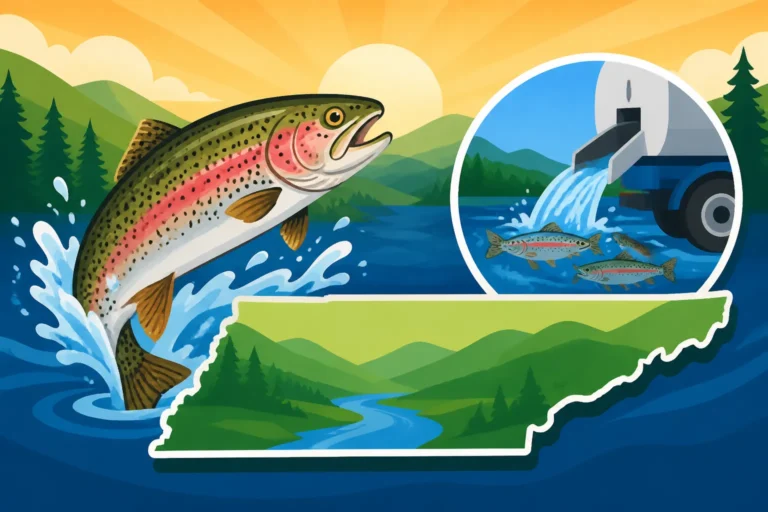
One of the most direct ways the TWRA supports black crappie fishing is through its stocking programs. While many crappie reproduce naturally in our lakes and rivers, the TWRA often supplements these populations, especially in certain waters or after environmental challenges. This strategic stocking helps to bolster fish numbers, creating better opportunities for anglers and ensuring that popular fishing spots continue to thrive. You can often find information on Black Crappie Stocking by TWRA in Tennessee through their resources.
In addition to stocking, the TWRA establishes and enforces Crappie Limits Under Tennessee Fishing Rules. These regulations, which often include daily creel limits and size restrictions, are vital for preventing overfishing and protecting crappie during critical spawning periods. By adhering to these rules, anglers contribute directly to the long-term health of the crappie fishery, working in partnership with the TWRA to preserve this cherished resource.
Ecological Importance in Tennessee's Ecosystem
Black crappie aren't just important to anglers; they play a significant role in the aquatic ecosystems of Tennessee. As a mid-level predator, they help to maintain the balance of smaller fish populations, consuming insects, crustaceans, and the fry of other fish species. This predatory behavior is a natural form of population control, preventing overpopulation of some forage species and ensuring a healthier overall environment.
Conversely, black crappie also serve as a crucial food source for larger predatory fish in Tennessee waters, such as largemouth bass, striped bass, and even some species of catfish. They are an important link in the food chain, transferring energy from smaller organisms up to larger game fish. Without a healthy crappie population, the entire balance of the lake or river ecosystem could be negatively impacted, affecting a wide range of aquatic life.
Furthermore, the presence of thriving black crappie populations is often an indicator of good water quality and a balanced habitat. These fish prefer clear, relatively clean water with plenty of submerged structure for cover and ambush points. When crappie populations are robust, it suggests that the aquatic environment is providing the necessary conditions for a diverse and healthy fishery, benefiting not only crappie but countless other species as well.
Identifying Black Crappie: Key Features
Being able to correctly identify the fish you catch is essential, not just for bragging rights, but also for adhering to fishing regulations. In Tennessee, it's particularly important to distinguish between black crappie and their close cousins, white crappie, as limits and even fishing strategies can sometimes differ. While they share many similarities, a few key characteristics will help you tell them apart. You'll want to be familiar with Black Crappie: A TWRA-Stocked Tennessee Favorite to ensure you're compliant and maximizing your catch opportunities.
Distinguishing Black from White Crappie
This is often the first and most common question anglers have when pulling a crappie from the water. Both black and white crappie are widespread in Tennessee, but they have distinct features. The easiest way to differentiate them is by counting the dorsal fin spines and observing their coloration and body shape. Once you know what to look for, it becomes quite clear.
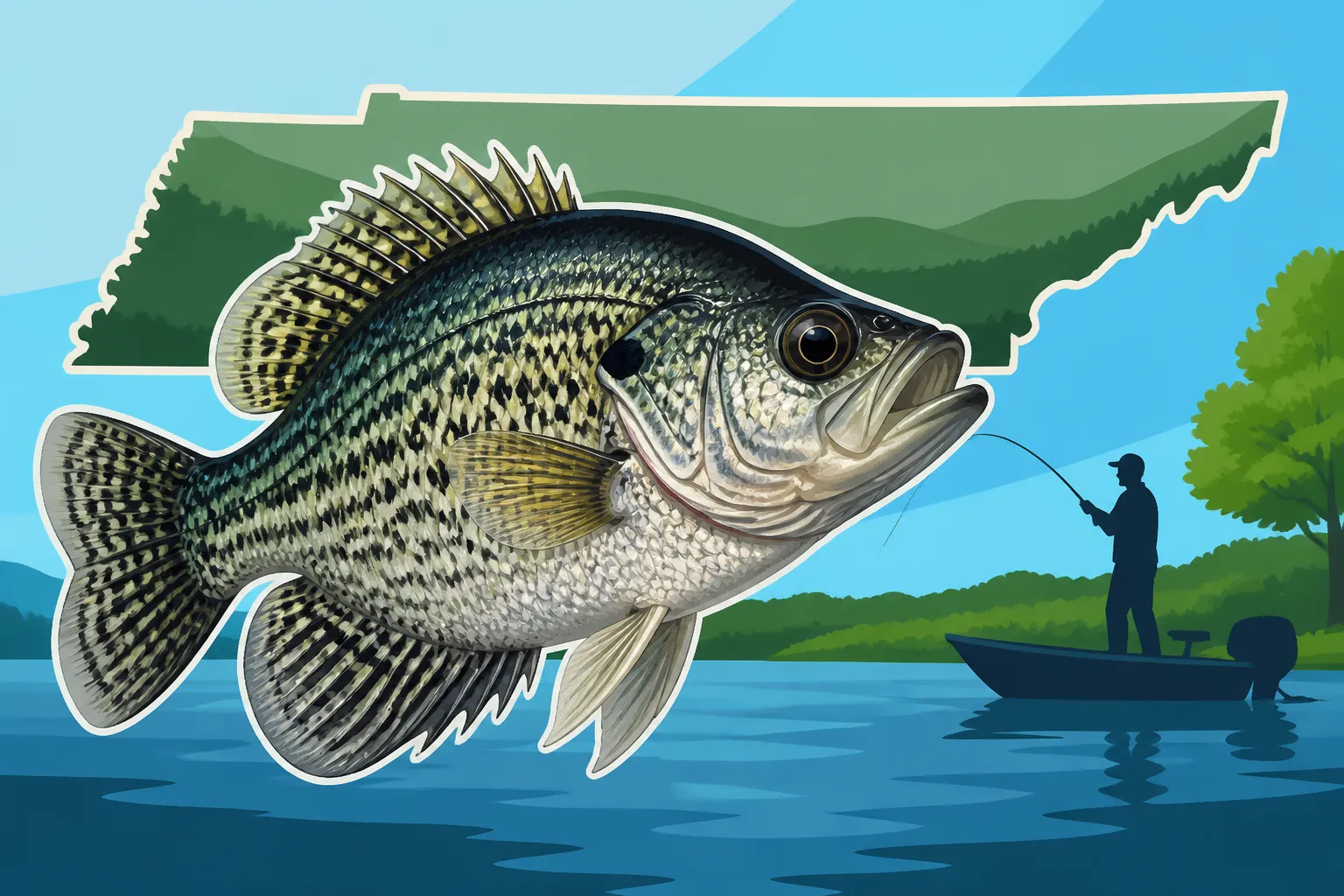
Black crappie typically have 7 or 8 dorsal spines, while white crappie almost always have 6. This count is a very reliable indicator. Additionally, black crappie usually have an irregular pattern of dark spots scattered across their silvery-green or golden bodies, giving them a "peppered" look. White crappie, on the other hand, tend to have more organized vertical bars or stripes on their sides, though these can sometimes be faint.
Their body shape can also offer a clue. Black crappie tend to have a slightly more rounded, "disc-like" body compared to the white crappie, which can be a bit more elongated. While both are fantastic sport fish, recognizing these differences can inform your understanding of their preferred habitats and even how they might behave in certain conditions.
Here's a quick comparison table to help you keep them straight:
| Feature | Black Crappie | White Crappie |
|---|---|---|
| Dorsal Spines | 7-8 spines | 6 spines |
| Color/Pattern | Irregular dark spots, "peppered" appearance | Usually 6-9 distinct vertical bars |
| Body Shape | More rounded, "disc-like" | More elongated, oval |
| Mouth Size | Mouth extends to front of eye | Mouth extends beyond the eye |
| Habitat Inclination | Prefers clearer, vegetated water | More tolerant of murky water, open areas |
Size and Appearance of a Typical Tennessee Black Crappie
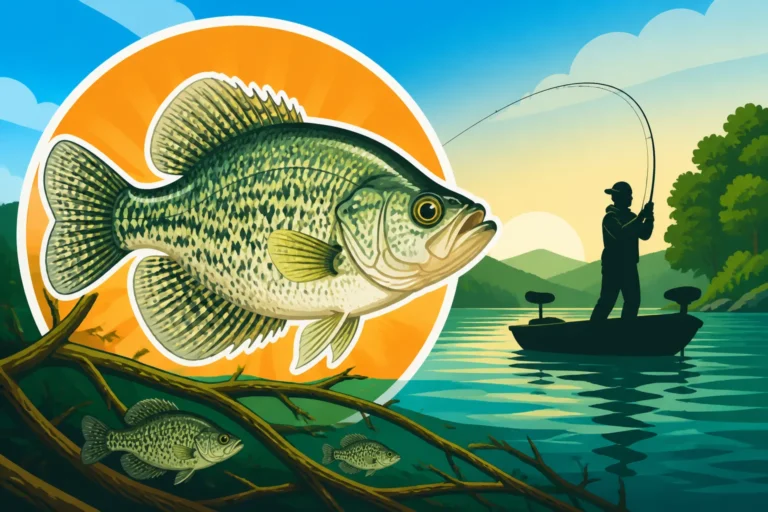
A typical black crappie in Tennessee waters is a beautiful fish. Their base coloration can range from a silvery-green to a brassy gold, especially in clearer waters, adorned with those characteristic irregular black spots. During the spawning season, male black crappie can become quite dark, sometimes almost black, which is a striking sight and another reason for their name. These color changes are temporary but quite pronounced.
In terms of size, most anglers are thrilled to catch black crappie in the 9 to 12-inch range, often referred to as "slabs" because of their broad, flattened bodies. Fish in this size category offer a good fight and make for excellent eating. While less common, black crappie can grow significantly larger, with fish over 14 inches considered trophy catches in many parts of Tennessee. The statewide Crappie Limits Under Tennessee Fishing Rules ensure sustainability for these sizes.
Their deep, compressed body shape is perfectly adapted for navigating through submerged cover, which is where they often ambush their prey. They have large eyes, indicating their reliance on sight to hunt, particularly in low-light conditions. These physical traits, combined with their striking patterns, make them one of the most recognizable and aesthetically pleasing fish you can catch in Tennessee.
Common Misidentifications and How to Avoid Them
While the black vs. white crappie distinction is the most common, sometimes anglers might confuse crappie with other panfish, particularly larger bluegill or even small bass, though this is less frequent once you gain some experience. The key is to always remember those defining crappie characteristics: the deep, laterally compressed body, the large mouth, and the distinct dorsal and anal fins.
For instance, a large bluegill might have some dark spots and a similar panfish shape, but it will lack the deeply forked tail of a crappie and typically have a much smaller mouth. Bass, even small ones, will have a more torpedo-shaped body and a different fin structure. The dorsal fin on a crappie is actually two fins, broadly joined, with the spiny portion leading into the softer-rayed part.
To avoid misidentification, especially if you're new to crappie fishing, take a moment to observe your catch before releasing or keeping it. Count those dorsal spines if you're unsure between black and white crappie. If you're still in doubt, consult a reputable fish identification guide or a local expert. The more time you spend on the water and handling different species, the quicker and more accurate your identification skills will become.
Where to Find Black Crappie in Tennessee Waters
Knowing what a black crappie looks like is only half the battle; the real fun begins when you figure out where they like to hang out. Tennessee offers a diverse range of aquatic environments, and black crappie thrive in many of them, particularly those with ample cover and food sources. Understanding their preferred habitats and seasonal movements is key to consistently finding these elusive slabs. If you're looking for specific guidance, checking out Best Crappie Fishing Lakes in Tennessee is a great start.
Preferred Habitats and Structure
Black crappie are true lovers of structure. Unlike white crappie, which might be found more in open water or areas with slight turbidity, black crappie generally prefer clearer water with plenty of submerged cover. Think brush piles, fallen trees, standing timber, rock piles, old roadbeds, and even man-made structures like dock pilings and bridge abutments. These structures provide essential ambush points for feeding and protection from larger predators.
During various times of the year, particularly outside of the spawn, crappie will often suspend themselves in the water column around these structures, waiting for baitfish to swim by. They might be found anywhere from just a few feet below the surface to 20 feet or more deep, depending on factors like water temperature, light penetration, and the availability of forage. The key is to use your electronics, if you have them, to locate these underwater havens.
Vegetation, such as lily pads, hydrilla, and milfoil, is also a prime habitat for black crappie. These weed beds offer incredible cover and are teeming with the insects and small fish that crappie feed on. Fishing the edges of these weed lines, or even carefully working baits into the pockets within them, can be incredibly productive. Learning How to Find Crappie in Summer often involves targeting these specific types of cover.
Top Tennessee Lakes for Black Crappie
Tennessee is blessed with an abundance of fantastic crappie fishing opportunities, with many lakes renowned for their black crappie populations. While conditions can change, certain bodies of water consistently produce great catches due to their extensive habitat and robust management by the TWRA. These lakes are often pilgrimage sites for dedicated crappie anglers.
Kentucky Lake, for example, which Tennessee shares with Kentucky, is legendary for its crappie fishing, including healthy numbers of black crappie. Its vast expanse, flooded timber, and numerous embayments create ideal conditions for these fish. Similarly, Watts Bar Lake offers expansive waters with plenty of submerged cover and is known for producing excellent crappie.
Other notable lakes include Chickamauga Lake, famous for its bass but also holding a strong crappie population, and Reelfoot Lake, a unique cypress-studded lake in West Tennessee where crappie thrive among the shallow, woody cover. Even smaller, local impoundments and many of the larger reservoirs across the state will have excellent black crappie fishing, often waiting to be discovered by those willing to explore.
Seasonal Movements and Depths
Black crappie, like most fish, exhibit distinct seasonal patterns in their movements and preferred depths, largely driven by water temperature and their spawning cycle. Understanding these movements is critical for success throughout the year. Being in the right place at the right time is often the difference between a slow day and a banner day.
In spring, as water temperatures begin to rise into the 50s and 60s Fahrenheit, black crappie move into shallower waters for their spawn. They'll seek out protected coves, flooded timber, and shallow brush, often in just a few feet of water. This is a prime time for many anglers, as the fish are more concentrated and aggressive. Knowing the Spring Crappie Spawn Timing in Tennessee can significantly boost your success.
During the hot summer months, crappie generally retreat to deeper, cooler water, often suspending over channel edges, submerged humps, or deep brush piles. They might come shallower during low-light conditions at dawn, dusk, or even at night. In the fall, as water temperatures cool, crappie become more active again, often schooling up and feeding aggressively, moving to mid-depths around structure. Winter sees them typically congregating in deeper holes and channel bends, still relating to structure but in a more lethargic state.
Tips for Catching TWRA-Stocked Black Crappie
Now that you know what black crappie are and where they like to live, let's talk about how to catch them. There are countless techniques and tackle setups, but some tried-and-true methods consistently produce results, especially when targeting those healthy, TWRA-stocked fish. Remember, patience and adapting to conditions are key in crappie fishing.
Best Baits and Lures
Black crappie are not overly picky eaters, but they do respond exceptionally well to certain baits and lures. Live bait, particularly small minnows, is arguably the most effective offering. A lively minnow suspended under a bobber or slowly trolled near structure is often irresistible. You can rig them through the lip or just behind the dorsal fin for different presentations.
When it comes to artificial lures, jigs are king. Small soft plastic jigs, typically 1/32 to 1/8 ounce, in various colors, are highly effective. Popular colors include chartreuse, white, black and chartreuse, or combinations with glitter. Best Jig Colors for Spring Crappie often involve brighter hues. Tiny spinnerbaits and tube baits can also be productive. The key is to match the hatch, meaning trying to mimic the size and color of the baitfish or insects crappie are feeding on. You can find a huge selection of jigs and minnow buckets on Amazon to get started.
Don't overlook small crankbaits that dive to the depth where crappie are holding, especially when trolling larger areas. Also, hair jigs, like small marabou jigs, have a fantastic pulsating action in the water that can entice even finicky crappie. Experimentation is your friend; if one color or style isn't working, don't be afraid to switch it up until you find what they want.
Effective Fishing Techniques
Crappie fishing offers a diverse array of techniques, from the simplest to the most advanced. For beginners, a simple setup with a minnow under a How to Use a Slip Bobber for Crappie near a brush pile is a great starting point. The bobber helps you detect bites and keeps your bait at a consistent depth. This technique is fantastic for targeting fish holding tight to cover.
For those covering more water, slow trolling or "spider rigging" is highly effective. This involves using multiple rods (often 6-8) extended from the front of the boat, each rigged with a jig or minnow, to cover a wide swath of water at varying depths. This allows you to quickly pinpoint where the fish are holding. Learning How to Jig for Crappie is another essential skill, whether vertical jigging over structure or casting and retrieving.
During the spawn, casting small jigs or minnows to shallow cover is a go-to method. In deeper water, vertical jigging directly over identified schools of crappie on your fish finder can be incredibly productive. You can often watch the fish on your screen respond to your bait. Knowing How to Catch Crappie in Cold Water will also help you adapt your retrieve and presentation for sluggish fish.
Gear Essentials for Crappie Fishing
You don't need a massive investment to get started crappie fishing, but having the right gear certainly helps. A good ultralight or light action spinning rod, typically 6-7 feet long, paired with a small spinning reel spooled with 4-6 pound test monofilament or fluorocarbon line, is a versatile setup. This sensitive rod allows you to feel those subtle crappie bites, and the light line helps with a natural bait presentation. Many anglers find great deals on these combos on Amazon.
Beyond the rod and reel, a well-stocked tackle box is crucial. This should include a variety of small jigs (1/32 to 1/8 oz) in different colors and styles, hooks for minnows (sizes 2-6), split shot weights, and a selection of bobbers (fixed and slip bobbers). Having a pair of pliers, line clippers, and a measuring tape (to check against Crappie Limits Under Tennessee Fishing Rules) will complete your basic setup. Consider a tackle box organizer like those you can find on Amazon to keep everything neat and accessible.
Lastly, don't forget the practical essentials: a comfortable chair if bank fishing, a cooler with ice to keep your catch fresh (especially important on warmer days), a landing net with fine mesh to protect delicate crappie fins, and plenty of water and snacks for yourself. With the right preparation and the excellent resources provided by the TWRA, your next black crappie fishing trip in Tennessee is sure to be a rewarding one!
Disclaimer
This article is for general informational purposes only and does not constitute professional advice. Laws, prices and regulations vary by location and change over time. Consult a qualified professional for guidance on your specific situation.