Where to Catch Striped Bass in Tennessee
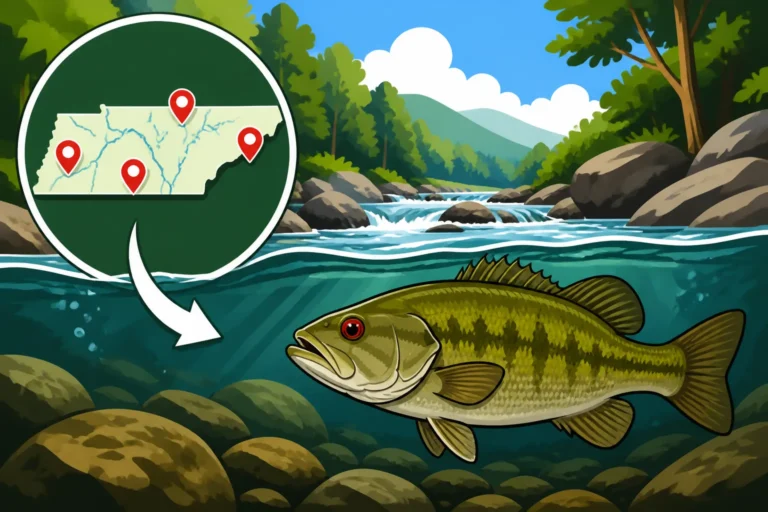
If you've ever dreamt of battling a truly powerful freshwater fish, then Tennessee's striped bass scene is calling your name. Many anglers know our waters hold plenty of bass, but they might not realize the immense thrill that comes with hooking into a hard-fighting striper. This guide is here to unravel the mystery of where these magnificent fish reside across the Volunteer State and arm you with the knowledge to pursue them successfully.
The Allure of Tennessee Striped Bass Fishing
There's something uniquely captivating about striped bass. Perhaps it's their sheer size potential, their aggressive strikes, or the incredible fight they put up once hooked. For many anglers, targeting stripers in Tennessee isn't just fishing; it's an exhilarating experience that tests skill and patience.
Why Striped Bass Are a Top Target in Tennessee
Imagine a fish that can easily top 30 pounds, often much more, inhabiting the same freshwater lakes and rivers you already love. That's the reality of striped bass in Tennessee. These powerful, ocean-going anadromous fish were introduced to our reservoirs decades ago, and they've thrived, becoming one of the most sought-after game fish. They're known for their long, powerful runs and relentless resistance, making them a true challenge on the end of your line. Unlike some other species that might fight hard for a moment and then give up, a striper will push you and your gear to its limits, leaving you with a lasting memory and a deep respect for their strength. It's not uncommon for anglers to recount tales of an epic striper battle for years afterward. If you're looking for an adrenaline rush on the water, you really can't beat them.
Understanding Striped Bass Behavior in Tennessee Waters
To consistently catch striped bass, it helps to understand a bit about their habits. These fish are predators, often schooling in large groups to ambush baitfish like gizzard shad and alewives. They prefer cooler, well-oxygenated water, which means their depth and location can change significantly with the seasons and even throughout the day. In the warmer months, you'll often find them deeper, congregating near thermoclines or in the coolest parts of the reservoir. As water temperatures cool in spring and fall, they'll move shallower, chasing baitfish closer to the surface or along creek channels. They are constantly on the move, following their food source, which is why a good fish finder and understanding of lake topography are crucial. Think of them as nomadic hunters, always searching for their next meal, and your job as an angler is to anticipate where that meal will be. If you want to learn more about identifying these majestic fish, check out How to Identify a Striped Bass.
Top Tennessee Reservoirs for Striped Bass
Tennessee is blessed with an abundance of large reservoirs, many of which are prime habitat for striped bass. Knowing which lakes offer the best chances can drastically improve your success rate.
Norris Lake: Clear Waters, Trophy Potential
Norris Lake, nestled in the scenic hills of East Tennessee, is renowned for its deep, clear waters and healthy population of trophy-sized striped bass. This lake is a favorite among striper anglers for a reason: it consistently produces big fish. The clarity of the water here often means stripers can be a bit more finicky, but when you find them, they're usually large and aggressive.
Anglers targeting Norris Lake stripers often focus on the main lake channels, deep points, and humps, especially where there's a good drop-off or access to cooler water. The confluence of the Powell and Clinch rivers also creates excellent current and forage opportunities. Trolling with large crankbaits or umbrella rigs, often at depths of 30-60 feet, is a popular and effective method here. Live bait, particularly large gizzard shad, drifted over structure or suspended at key depths, also accounts for many of the lake's biggest fish. During early morning or late evening, especially in spring and fall, don't be surprised to see stripers busting bait on the surface, offering exciting topwater action.
Cherokee Lake: Abundant Forage, Active Stripers
Further east, Cherokee Lake offers a different but equally rewarding striped bass experience. This lake is known for its abundant forage base, particularly alewives, which fuels a very active striper population. While the trophy potential might not be quite as consistent as Norris, Cherokee boasts sheer numbers and aggressive feeding patterns.
Stripers in Cherokee Lake tend to congregate in the lower lake sections, near the dam, and in deep bends of the Holston River arm. Their activity often mirrors the movements of baitfish. During the warmer months, you'll find them holding in deeper pockets, sometimes suspending in the water column over open water. In spring and fall, they move shallower, often chasing bait into creek mouths and along flats. Trolling is highly effective on Cherokee, especially with planer boards to cover a wider area, mimicking schools of baitfish. You might also find success with vertical jigging spoons or heavy bucktail jigs when schools are tightly packed in deeper water. Best Lures for Striped Bass in Deep Water could be a good starting point for your tackle box.
Watts Bar Lake: Large System, Diverse Opportunities
Watts Bar Lake, a vast reservoir on the Tennessee River, provides a diverse range of habitats for striped bass, making it a fantastic destination for anglers. Its sheer size means there are endless opportunities, from open main lake areas to numerous creek arms and river channels.
Stripers on Watts Bar can be found throughout the system, but key areas include the main Tennessee River channel, particularly around current breaks and humps. The confluence of the Clinch River and White's Creek also creates excellent habitat. Due to its size and diverse structure, Watts Bar stripers can be targeted with a variety of methods. Trolling with large artificials like deep-diving crankbaits or bucktail jigs is popular, as is live bait fishing. Anglers often slow-troll large gizzard shad or alewives on Carolina rigs or weighted lines in deep channels. In the cooler months, don't overlook bridge pilings and rocky points where stripers might ambush passing baitfish. Its connection to the wider Tennessee River system means fish are often moving through, so staying mobile and covering water is key.
Boone Lake: Recovery and Emerging Opportunities
Boone Lake has had a bit of a challenging past with fluctuating water levels due to dam repairs, but it's on a strong path to recovery, and with that comes emerging opportunities for striped bass. The Tennessee Wildlife Resources Agency (TWRA) has actively stocked striped bass here, and the population is beginning to rebound, offering exciting prospects for anglers looking for a less crowded experience.
As the lake stabilizes and the fish population grows, anglers should focus on areas that traditionally held stripers: the main river channel, deep creek mouths, and areas with good current. As the habitat recovers, the fish will follow suit. Trolling and live bait fishing will likely be the most productive methods here, mirroring tactics used on other Tennessee reservoirs. Keep a close eye on local fishing reports and TWRA updates for the most current information on Boone Lake's striper fishing, as conditions can evolve rapidly. This lake represents a chance to be part of a growing fishery.
Essential Techniques and Gear for Tennessee Stripers
Catching big striped bass isn't just about finding them; it's about presenting the right lure or bait with the right technique, and having the gear to handle the ensuing fight.
Trolling for Striped Bass
Trolling is arguably one of the most effective ways to locate and catch striped bass in Tennessee's vast reservoirs. It allows you to cover a lot of water and present your lure at a consistent depth where stripers are feeding. You'll typically want to troll at speeds ranging from 2.5 to 4 miles per hour, adjusting based on water temperature and fish activity.
For lures, large crankbaits that dive to various depths are a staple. Consider models that mimic shad or alewives, common forage in these lakes. Umbrella rigs, which present multiple lures and imitate a school of baitfish, are also incredibly effective, especially when stripers are spread out. Many anglers also use bucktail jigs tipped with a plastic grub or live bait. To get your lures down to the fish, especially when they're holding deep, tools like downriggers or planer boards are invaluable. Downrigger Basics for Striped Bass can help you understand these complex systems, and if you're looking for quality gear, check out the selection on Amazon. Don't forget to adjust your trolling pattern; sharp turns can sometimes trigger a strike from following fish. For more detailed insights, you might want to read How to Troll for Striped Bass.
Live Bait Fishing for Trophy Stripers
While artificials are great, nothing quite beats live bait for tempting a wary, trophy-sized striped bass. Large gizzard shad or alewives are the go-to baits, as they are a natural food source for stripers. The challenge often lies in catching your own bait, but many local bait shops will have them available.
There are several ways to present live bait. Free-lining a large shad with a single circle hook is fantastic when stripers are near the surface or suspended. For deeper fish, you can use a weighted Carolina rig or a three-way swivel rig to get your bait down to the desired depth. Consider using a balloon or a float to suspend your bait at a specific depth, especially when fishing over submerged structure. When fishing with live bait, use a sturdy rod holder, as a striper strike can be sudden and powerful, capable of yanking a rod right out of your hand. A good quality, durable rod holder is an investment you won't regret, and you can find many options on Amazon.
Rods, Reels, and Line for the Fight
Given the power and size of striped bass, your gear needs to be up to the task. This isn't the time for ultralight setups.
- Rods: Look for medium-heavy to heavy-action rods, typically 7 to 8 feet long. Longer rods provide better leverage for fighting large fish and are also helpful for casting larger lures or managing multiple trolling lines. A stout backbone is essential to turn a powerful fish away from cover.
- Reels: Depending on your preference, either a large baitcasting reel or a heavy-duty spinning reel will work. The key is a strong drag system and high line capacity. You'll need enough line to handle those long, blistering runs. Many anglers prefer conventional reels for trolling and live bait presentations.
- Line: Monofilament line in the 20-30 pound test range is a popular choice for its shock absorption, especially when trolling or using planer boards. However, many experienced anglers are switching to braided line (40-65 pound test) for its incredible strength, sensitivity, and smaller diameter, often paired with a fluorocarbon leader for abrasion resistance and stealth. Ensure your line is fresh and regularly inspected for nicks and abrasions. For more specific advice on what to look for, take a look at Best Tackle for Striped Bass on Tennessee Reservoirs.
Seasonal Strategies for Consistent Success
Striped bass are highly attuned to water temperature and forage availability, meaning your tactics will need to adapt throughout the year for the best results.
Spring: Pre-Spawn Aggression and Shallow Feeds
As water temperatures begin to climb in the spring, typically from March through May, striped bass become incredibly active. This is a pre-spawn feeding frenzy, and they'll move shallower, especially into creek mouths, river channels, and main lake points, chasing baitfish that are also moving up.
This is an excellent time for casting large swimbaits, jerkbaits, and even topwater lures during low-light conditions. Watch for active surface boils where stripers are busting bait. Trolling is also highly effective, particularly in the upper sections of the reservoirs where rivers feed in warmer, nutrient-rich water. Look for structure in 10-30 feet of water where baitfish are congregating. The stripers will often be nearby, ready to ambush. Remember that Tennessee Striped Bass Season and Regulations will apply, so always be mindful of limits.
Summer: Deep Water and Thermocline Tactics
Summer in Tennessee brings high temperatures, which push striped bass into deeper, cooler, and more oxygenated waters. Typically from June through August, you'll find them concentrating around the thermocline (the layer where water temperature changes rapidly) or near the dam in the deepest parts of the lake.
Trolling with downriggers or lead core line is paramount to get your lures to these depths. Live bait, such as large gizzard shad, suspended at the thermocline, is incredibly effective. Night fishing also becomes a major strategy in the summer, as stripers will often move shallower under the cover of darkness to feed. Look for areas with underwater lighting or fish under a bright moon. Check out Night Fishing Spots on Kentucky Lake, Tennessee for general night fishing insights, though specific striper spots might vary. Early mornings before the sun gets high can also yield success as fish briefly move up to feed.
Fall: Feeding Frenzies and Surface Action
Fall is a favorite season for many striper anglers, offering some of the most exciting action of the year. As water temperatures cool, usually from September through November, striped bass go on a massive feeding spree, bulking up for winter. Baitfish schools become incredibly dense, and stripers will aggressively chase them, often leading to spectacular surface boils.
Focus on the main lake body, especially around large points, humps, and the mouths of major creek arms. Trolling remains effective, but keep a keen eye out for surfacing fish. When you see them busting, quickly cast topwater plugs, swimbaits, or even heavy spoons into the melee. This fast-paced, visual fishing can be absolutely exhilarating. Live bait fishing also produces well, as hungry stripers won't pass up an easy meal. This time of year often yields some of the biggest fish of the season, and you might even stumble upon some impressive Striped Bass Size Records and Growth Rates.
Winter: Slow and Deep
Winter fishing for striped bass, from December through February, can be challenging but incredibly rewarding for those willing to brave the cold. Stripers become more lethargic in the cold water and tend to school up tightly in deep pockets, often near the dam or in main river channels.
Your approach needs to slow down significantly. Vertical jigging with heavy spoons or bucktail jigs directly over marked fish is a productive method. Slow trolling with live bait or large artificials, again targeting specific depths where fish are holding, can also work wonders. The fish are less active, so presentation needs to be precise and often slower. Finding the schools is the biggest challenge, but once you do, you can often catch multiple fish from the same spot. Dressing warmly and having a good sonar unit are key to success during these colder months. For insights into cold-weather bait choices, consider reading Best Bait for Striped Bass in Cold Weather.
Tennessee Striped Bass Fishing Overview
Here's a quick summary of what to expect when targeting striped bass in Tennessee:
| Lake | Primary Characteristics | Common Techniques | Best Season(s) | Typical Forage |
|---|---|---|---|---|
| Norris Lake | Deep, clear water, trophy potential | Trolling (crankbaits, umbrella rigs), Live Bait (shad), Jigging | Spring, Fall, Summer (deep) | Alewife, Shad |
| Cherokee Lake | Abundant forage, active fish | Trolling (planer boards), Live Bait, Jigging | Spring, Fall, Summer (deep) | Alewife, Shad |
| Watts Bar Lake | Large, diverse system, riverine | Trolling, Live Bait, Jigging | All Year | Shad, Alewife |
| Boone Lake | Recovering fishery, emerging potential | Trolling, Live Bait | Spring, Fall | Shad, Alewife |
Remember, striped bass fishing is an ongoing learning experience. What works one day might not the next, but with the right knowledge, gear, and a healthy dose of persistence, you'll be well on your way to experiencing the thrill of a Tennessee striper battle. For those looking to expand their fishing horizons, consider exploring Tennessee's Top Bass Fishing Lakes for other species.
Disclaimer
This article is for general informational purposes only and does not constitute professional advice. Laws, prices and regulations vary by location and change over time. Consult a qualified professional for guidance on your specific situation.