How to Troll for Striped Bass
There's nothing quite like the thrill of chasing a hard-fighting striped bass in Tennessee, but if you've ever spent hours on the water without a bite, you know how frustrating it can be. These powerful fish can feel elusive, especially when you're trying to cover vast open waters. This guide is all about demystifying the art of trolling for striped bass, helping you understand their habits, equip yourself with the right gear, and master the techniques that put these incredible game fish in your boat.
Understanding Striped Bass Behavior for Trolling Success
Trolling for striped bass isn't just about dragging a lure behind a boat; it's about understanding the fish you're targeting. Stripers are pelagic, meaning they often suspend in open water, chasing baitfish. Knowing where they'll be and why they're there is half the battle won, especially in Tennessee's massive reservoirs.
Seasonal Movements of Tennessee Stripers
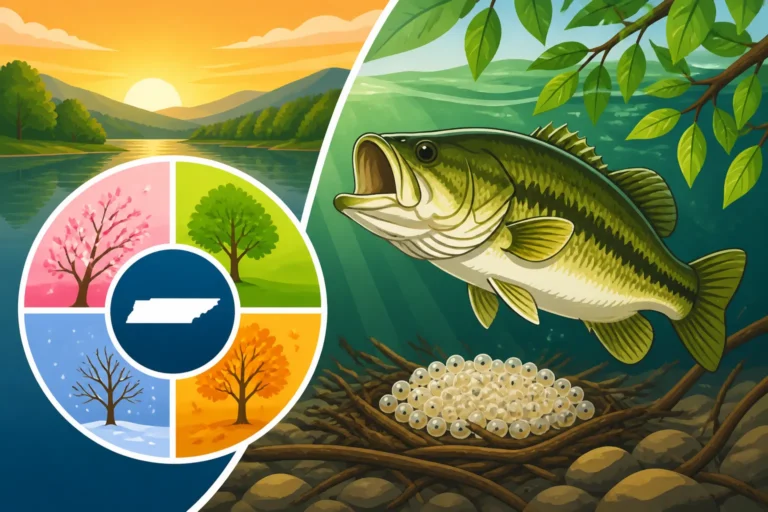
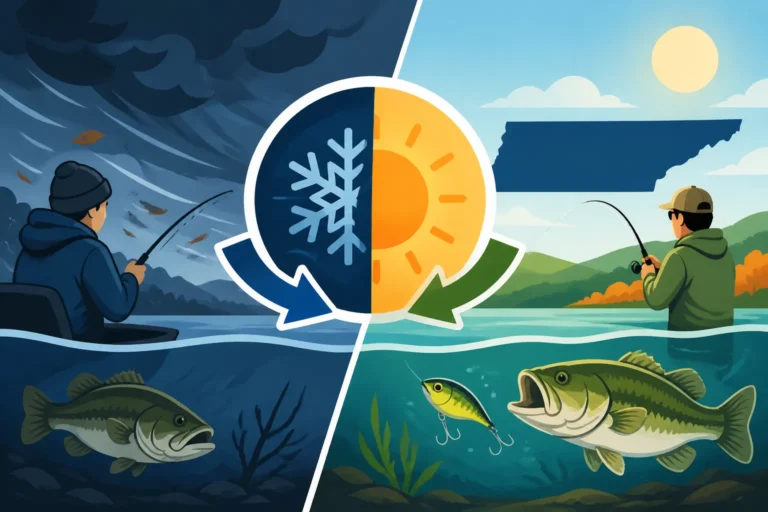
Striped bass in Tennessee follow predictable seasonal patterns driven by water temperature and the availability of their favorite meals, like shad. If you want to master Tennessee Striped Bass Fishing Techniques, paying attention to the calendar is crucial.
- Spring Aggression: As water temperatures rise in spring, striped bass become incredibly active. They're often found near spawning grounds or concentrating in shallower areas where baitfish are abundant. This is a prime time for trolling, as hungry stripers will aggressively strike at trolled lures. You might find them cruising along creek channels or points, getting ready to gorge themselves after the cooler months.
- Summer Deep Dive: When the Tennessee summer heat truly sets in, stripers typically seek refuge in cooler, deeper waters. This means they'll suspend over main lake channels, near thermoclines, or around deep structure where oxygen levels are favorable. Trolling effectively during these months often requires specialized gear to get your lures down to the right depth. Knowing How to Find Striped Bass in Summer is key to staying on them.
- Fall Feeding Frenzy: Autumn sees water temperatures dropping again, and with it, a resurgence in striper activity. They'll push baitfish into coves and shallower areas, creating incredible feeding frenzies that are spectacular to witness. Trolling during this period can be highly productive, as stripers are actively fattening up for winter. They might be found shallower than in summer but still often relating to submerged structures or river channels.
- Winter Slow Roll: During the coldest months, stripers become less active and typically school up tightly in deep water. While not as aggressive, they can still be caught by trolling slow and presenting lures directly to them. Understanding the Deep Water Techniques for Striped Bass becomes paramount when the mercury drops.
Preferred Habitats in Reservoirs
Tennessee is home to some incredible reservoirs, many of which are fantastic for Striped Bass Fishing in Tennessee Reservoirs. Each lake has its nuances, but generally, stripers gravitate towards certain features.
- Main Lake Channels and River Bends: These are classic striper highways. Baitfish often congregate along these deeper routes, and stripers are never far behind. Trolling along the edges of these channels, especially where they bend or meet tributaries, can be highly effective. Your fish finder will be your best friend here, helping you identify these underwater roads.
- Humps and Points: Submerged humps, islands, and long points that extend into deep water act as natural ambush points for stripers. They'll often stage on the downcurrent side of these structures, waiting for bait to pass by. Trolling over and around these features, varying your depth, can trigger strikes.
- Deep Flats and Thermoclines: In larger impoundments, vast deep flats can hold schools of stripers, especially if there's a thermocline (a layer of water with a rapid temperature change) where oxygen and baitfish are concentrated. Your electronics are essential for locating this critical depth zone. Lakes like Norris Lake: A Tennessee Fish Species Overview are known for their clear waters and deep-water striper potential.
- Dam Tailwaters and Current Areas: Below dams, the turbulent, oxygen-rich water often holds a significant population of striped bass. The constant current brings food, making these areas incredibly productive, though sometimes challenging to troll due to strong flows.
Essential Gear for Trolling Striped Bass in Tennessee
You can't effectively troll for these powerful fish with just any old rod and reel. Striped bass hit hard and fight dirty, so having the right tackle makes all the difference, not only in success but also in your enjoyment of the fight.
Rods, Reels, and Line Selection
Choosing the right components for your trolling setup is foundational. It’s a balance of power, sensitivity, and durability.
- Rods: For trolling, you'll want medium-heavy to heavy action rods, typically in the 7 to 8.5-foot range. The length helps spread out your lines and absorb the shock of a strike, while the heavy action is necessary to handle the weight of larger lures and the brute strength of a fighting striper. Look for rods with a strong backbone but enough tip sensitivity to detect subtle bites or know when your lure is fouled. Brands like Ugly Stik or Penn offer reliable options.
- Reels: Conventional (levelwind) reels are the workhorses of striper trolling. They offer excellent line capacity, strong drags, and reliable gears needed to battle large fish. Look for reels in the 20 to 30 size class from trusted names like Shimano, Daiwa, or Penn. These reels are designed to stand up to the rigorous demands of trolling and fighting big fish. You might find a great selection of these on Amazon, often with helpful reviews.
- Line: Your choice of line is critical. Many anglers prefer a braided main line (30-65 lb test) for its incredible strength, small diameter, and lack of stretch, which provides superior sensitivity. However, braid is highly visible, so you'll always want to use a fluorocarbon or monofilament leader (20-40 lb test, 6-10 feet long) to connect to your lure. The leader provides invisibility, abrasion resistance, and a bit of stretch for shock absorption. Check Best Line Weight for Tennessee Striped Bass Trolling for more specific guidance.
Lures and Baits for Trolling
The array of lures for striped bass can be overwhelming, but a few types consistently produce results when trolling in Tennessee.
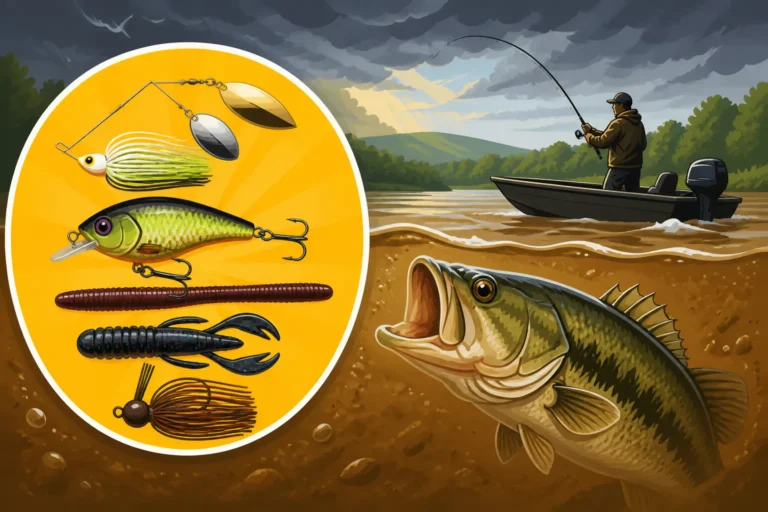
- Deep-Diving Crankbaits: These are a trolling staple, especially when stripers are holding at various depths. They come in many sizes and colors and are designed to dive down to a specific depth range when trolled. Experiment with natural baitfish patterns like shad or perch, and brighter colors like chartreuse or fire tiger, especially in stained water. Knowing Best Lures for Striped Bass in Deep Water is a huge advantage.
- Umbrella Rigs: An umbrella rig is essentially a spread of multiple lures (often swimbaits or bucktail jigs) rigged to simulate a small school of baitfish. These are incredibly effective for attracting large, aggressive stripers, particularly in open water. They create a significant profile that triggers strikes from curious or hungry fish. You can find various sizes and configurations on Amazon.
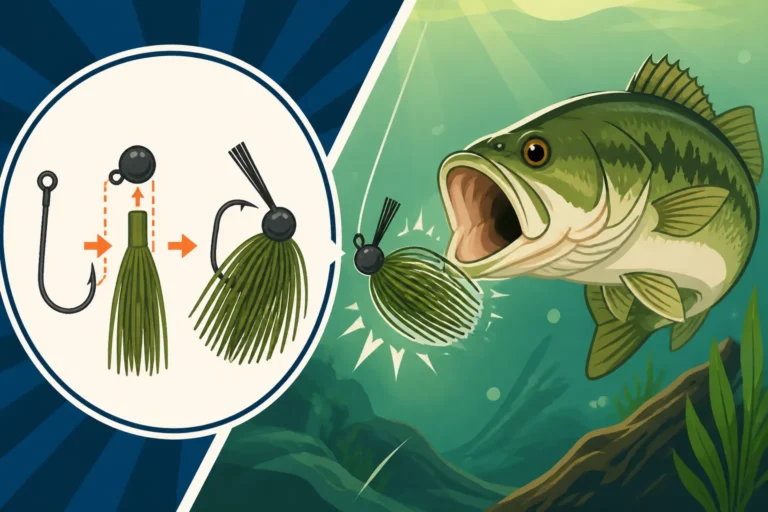
- Spoons and Bucktail Jigs: While often used for vertical jigging, heavy spoons and bucktail jigs can also be effectively trolled, especially when using downriggers or lead core line to get them deep. The flash and vibration of a spoon, or the lifelike action of a bucktail, can be irresistible to stripers.
- Live Bait: Live gizzard shad or threadfin shad are often irresistible to stripers. When trolling live bait, use a simple Carolina rig or a three-way swivel rig to present the bait naturally at the desired depth. This can be particularly effective when stripers are picky or suspended at a specific depth.
Boat and Electronic Equipment
Your boat and its electronics are your command center for effective trolling. They help you find fish, present your lures precisely, and ensure safety.
- Fish Finder/Sonar: This is non-negotiable for striper trolling. A quality fish finder with Down Imaging and Side Imaging capabilities will allow you to pinpoint bait schools, identify individual stripers, and locate underwater structure like humps and channels. Understanding what your sonar is telling you is the key to productive trolling.
- GPS/Chartplotter: Essential for marking productive trolling passes, submerged structure, and navigation, especially on large, unfamiliar waters. It helps you stay on track and return to hot spots.
- Downriggers or Planer Boards:
- Downriggers: These devices use a heavy weight (cannonball) to carry your fishing line down to a precise depth, allowing you to present lures far below the surface without using excessively heavy tackle on your main line. They are indispensable for targeting deep-holding stripers, especially in summer. If you're serious about deep trolling, understanding Best Downriggers for Tennessee Striped Bass Trolling is a must.
- Planer Boards: These are used to carry your lines out to the sides of the boat, spreading your lures horizontally. This allows you to cover a wider swath of water and prevent lines from tangling, especially when running multiple rods.
- Trolling Motor: A reliable electric trolling motor, especially with GPS spot-lock features, can be invaluable for fine-tuning your speed and staying on course in current or wind. It allows for stealthy approaches and precise boat control.
Mastering Trolling Techniques for Tennessee Stripers
Once you have your gear, it's time to put it all into action. Trolling for striped bass is an art form that combines meticulous preparation with on-the-water adaptation. The goal is to present your lure in a way that mimics a natural baitfish, triggering an aggressive strike.
Trolling Speed and Depth Control
These two factors are perhaps the most critical aspects of successful trolling. Get them wrong, and you'll spend a lot of time fishing empty water.
- Optimal Trolling Speed: There isn't a single "perfect" speed, as it depends on the lure type, water temperature, and fish mood. However, a good starting point for striped bass trolling is typically between 2.0 to 4.0 miles per hour. Faster speeds might be effective when fish are aggressive, while slower speeds (1.5-2.5 mph) often work better in colder water or when fish are lethargic. You need to pay attention to how your lure is performing at different speeds – it should have its natural action. Sometimes, slight variations, like a gentle "S" curve in your trolling path, can cause your lures to speed up and slow down, triggering strikes. For more details, check out What Speed Should You Troll for Striped Bass in Tennessee?.
- Achieving Desired Depth: This is where downriggers, lead core line, and even dive planes come into play.
- Downriggers: As mentioned, downriggers are your most precise tool for depth control. You simply clip your fishing line to the release clip on the downrigger wire, lower the cannonball to your desired depth, and start trolling. When a fish strikes, the line releases from the clip, allowing you to fight the fish directly on your main line.
- Lead Core Line: This specialized line has a lead core wrapped in a braided sheath, causing it to sink. Each color change on the line (typically every 10 yards) represents a certain depth at a given speed. It allows you to get lures deep without heavy weights directly on your leader.
- Diving Planers/Disc Divers: These are small, hydrodynamic devices that clip to your main line and pull your lure down to a certain depth. They are less precise than downriggers but effective for reaching moderate depths.
- Lure Selection: Remember that the diving lip and design of your crankbait directly dictate its maximum diving depth. Always check the manufacturer's specifications for an estimate.
Setting Up Your Trolling Spread
A well-organized trolling spread covers more water and minimizes tangles, especially when you're running multiple lines.
- Varying Lure Depths and Distances: The goal is to create a "strike zone" at different depths and distances from the boat. Use downriggers for the deepest lines, lead core or diving planers for mid-depth, and long-lining (just running the lure out behind the boat) for shallower presentations. Stagger your lines so they're not all at the same depth or distance, reducing tangles when turning or battling a fish.
- Using Multiple Rods: Most serious striper trollers run multiple rods (within legal limits, of course). This increases your chances of finding the fish and identifying what lures and depths are working. When running a spread, consider using a mix of lure types and colors until you figure out a pattern. If you're looking for Best Trolling Gear for Tennessee Striped Bass, a multi-rod setup is often part of the package.
- Outriggers and Planer Boards: For even wider coverage, outriggers (poles extending from the side of the boat) can be used to run lines far to the sides, especially for those who don't have planer boards. Planer boards excel at this, taking your lines far away from the boat's wake, which can sometimes spook wary fish.
Reading Your Electronics and Adjusting
Your fish finder isn't just for looking pretty; it's an active tool you should be monitoring constantly.
- Interpreting Sonar Readings: Learn to distinguish between baitfish schools, individual game fish, and submerged structure. When you see arches or "blobs" that indicate stripers, note their depth relative to the bottom or the thermocline. This tells you exactly where you need to present your lures. Baitfish will often show as large, dense clouds.
- Marking Waypoints: Every time you get a bite or see significant fish activity on your electronics, mark a waypoint on your GPS. This allows you to re-troll that exact path or area, increasing your chances of finding more fish. Over time, you'll build a map of productive spots.
- Adapting to Conditions: Weather, wind, current, and even boat traffic can affect fish behavior. If the bite slows down, don't be afraid to change things up. Try altering your speed, switching lure colors, adjusting depth, or even changing your trolling direction. Stripers can be finicky, and continuous adaptation is key. Sometimes, the fish are suspended high; other times, they're glued to the bottom. Your electronics will tell you.
Reading the Water and Adapting Your Trolling Strategy
Trolling for striped bass is rarely a set-it-and-forget-it affair. The most successful anglers are those who constantly observe, analyze, and adjust their strategy based on what the water and their electronics are telling them. It's a dynamic game of cat and mouse.
Environmental Factors Affecting Striper Trolling
The natural world has a huge impact on where stripers are and how willing they are to bite. Ignoring these factors is like trying to fish blindfolded.
- Water Temperature and Clarity: These are two of the biggest drivers of striper behavior. As mentioned, warmer water pushes them deep, while cooler water brings them shallower. Clear water often means you need longer leaders and more natural lure colors, while stained or muddy water can call for brighter colors and louder lures to get their attention. Your boat's thermometer and your eyes are critical tools here.
- Current and Wind: Current can concentrate baitfish and, consequently, stripers. Trolling with or against the current can significantly change your lure's action and depth. Wind creates surface chop, which can break up light penetration and make fish feel more secure, sometimes making them more active. However, too much wind can make boat control difficult, impacting your ability to maintain a consistent trolling speed and path.
- Barometric Pressure and Weather Fronts: Anglers often talk about how fish react to changes in barometric pressure. A stable or rising barometer is generally considered favorable, indicating stable weather, while a rapidly falling barometer (often before a storm) can sometimes trigger a feeding frenzy or shut the bite down completely. Paying attention to weather forecasts is just as important as knowing your gear.
Troubleshooting Common Trolling Issues
Even experienced trollers run into problems. Knowing how to diagnose and fix them quickly can save your day.
- No Bites: If you're not getting any action, don't assume the fish aren't there. Recheck your fish finder: Are you seeing bait? Are you seeing fish arches? If so, your depth or speed might be off. Try adjusting your trolling speed in half-mile-per-hour increments. Change lure colors or sizes. If you're not seeing fish on your electronics, you might need to move to a different area or try different depths.
- Tangles: Tangles are the bane of every troller's existence. They often happen during turns, when one line passes another, or when a lure isn't running true. Make sure your lures are tuned to run straight. When turning, make wide, slow arcs, especially if you have a wide spread of lines. Using different line lengths for each rod in your spread also helps prevent lines from running into each other.
- Lure Fouling: Sometimes, your lure will pick up a leaf, a twig, or even a small piece of debris, ruining its action and making it unappealing to fish. This is why a sensitive rod tip is important—you can often feel a subtle change in the lure's vibration. Periodically check your lines and lures, especially after passing through areas with a lot of debris or after a boat turn.
The Importance of Documentation
Keeping a logbook might sound old-fashioned in this digital age, but it's an incredibly powerful tool for serious anglers.
- Tracking Successes and Failures: Note down critical information for each trip: date, time, water temperature, water clarity, weather conditions, trolling speed, lure type/color/depth, and what produced bites. This helps you build a personal database of what works (and what doesn't) under specific conditions. You'll quickly see patterns emerge, allowing you to replicate successful strategies.
- Identifying Patterns Over Time: Over multiple seasons, your logbook will become an invaluable resource. You'll start to recognize how Percy Priest Lake Tennessee Best Season for Striped Bass aligns with water temps and specific lure choices. This kind of long-term data helps you make informed decisions when planning future trips and drastically reduces the amount of "searching" you have to do.
- Adapting to New Waters: When you visit a new reservoir or a different section of a familiar lake, your logbook provides a framework for starting your trolling strategy. While conditions will vary, the general principles of how stripers react to temperature, depth, and bait will often hold true, giving you a valuable head start.
Trolling for striped bass in Tennessee is a rewarding pursuit that combines skill, patience, and a deep understanding of these magnificent fish. With the right gear, a solid understanding of techniques, and a commitment to adapting to changing conditions, you'll be well on your way to experiencing those arm-wrenching strikes and the unforgettable battle of a Tennessee striper.
Disclaimer
This article is for general informational purposes only and does not constitute professional advice. Laws, prices and regulations vary by location and change over time. Consult a qualified professional for guidance on your specific situation.