Norris Lake: A Tennessee Fish Species Overview
One of the biggest frustrations for anglers visiting a new lake, or even a familiar one, is not knowing what fish species truly thrive there. You hear rumors, you see pictures, but understanding the dominant species, their habits, and what they prefer is key to a successful day on the water. This comprehensive guide will take a deep dive into the diverse fish species inhabiting Norris Lake, Tennessee, helping you understand what to expect and how to tailor your fishing approach for this magnificent body of water.
Getting to Know Norris Lake's Aquatic Residents
Norris Lake isn't just a pretty face with its stunning clear waters and picturesque shoreline; it's a thriving aquatic ecosystem supporting a wide array of fish. Understanding the unique characteristics of this reservoir is the first step to becoming a more successful angler here. Unlike some of Tennessee's murkier impoundments, Norris boasts exceptional water clarity, which plays a huge role in how fish behave and where they hold.
Norris Lake's Unique Ecosystem
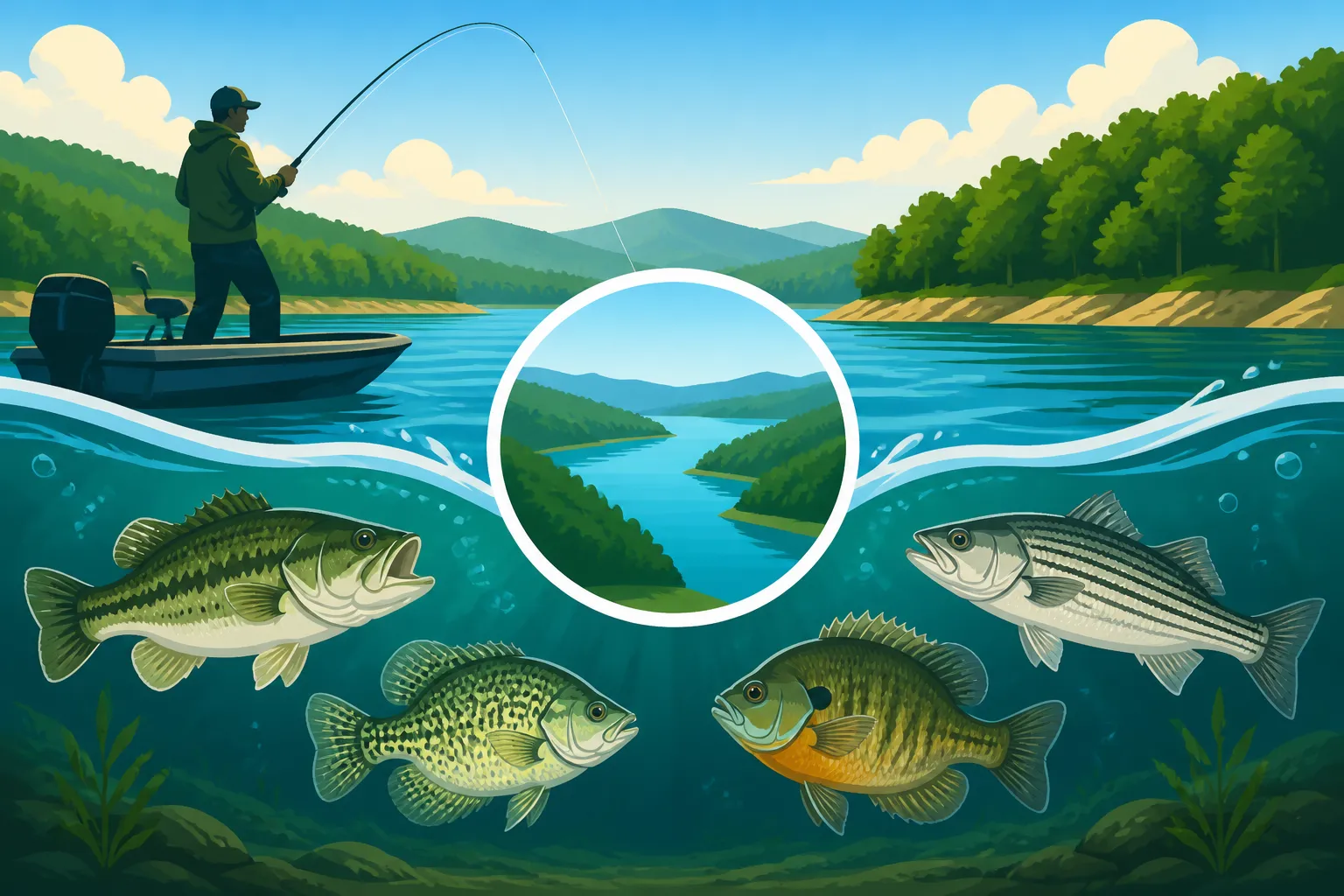
Norris Lake, one of the Tennessee Valley Authority (TVA)'s earliest projects, is a deep, clear, and oligotrophic (nutrient-poor) reservoir. What does that mean for you, the angler? It means the water typically has excellent visibility, often several feet deep. This clarity affects everything from bait selection to presentation, as fish rely heavily on sight and can be more wary of unnatural-looking lures or lines. The lake's deep channels and abundant rocky points, humps, and submerged timber create a complex habitat that suits a variety of species, from shallow-water ambush predators to deep-water roamers. It's truly a unique environment that rewards careful observation and thoughtful technique. You can learn more about its distinct features in our Norris Lake Fishing Guide, Tennessee's Clearest Water.
The ecosystem of Norris Lake also means that while baitfish like shad are present, they might not be as overwhelmingly abundant as in some other Tennessee lakes. This can lead to fish being more spread out or holding tighter to structure, especially during different seasons. The sheer size of Norris, with its 800 miles of shoreline, also means there are countless coves, pockets, and main lake points to explore, each offering slightly different conditions for the fish calling it home.
General Fish Activity Patterns in Clear Water
Fishing in clear water like Norris Lake demands a slightly different approach than fishing in stained or muddy conditions. Fish tend to be more skittish and prone to spooking, meaning longer casts, lighter lines, and more natural presentations are often the order of the day. In bright sunlight, fish might retreat to deeper water, seek out shade under docks or overhanging trees, or bury themselves in thick cover to avoid predators and bright light.
Conversely, during low-light conditions like dawn, dusk, or on cloudy days, fish often move shallower to feed more aggressively. They feel safer under the cover of dim light. This is why those early morning and late evening bites can be so productive on Norris Lake. Understanding How Water Temperature Affects Fish Activity is also crucial, as clear water can heat up and cool down differently than murky water, influencing where fish decide to hold throughout the year. It's a constant puzzle, but that's what makes fishing so engaging, isn't it?
Bass Bonanza: The Black Bass Species of Norris Lake
When most anglers talk about fishing Norris Lake, "bass" is often the first word out of their mouths. And for good reason! Norris is home to a fantastic population of black bass, offering exciting challenges for both seasoned pros and casual weekend warriors. You'll primarily find three species here: largemouth, smallmouth, and spotted bass, each with their own preferred habitats and fighting styles.
Largemouth Bass: The Elusive Lunkers
Largemouth bass are the iconic green fish, known for their powerful strikes and acrobatic jumps. In Norris Lake, while they might not be as prevalent as in some other Tennessee reservoirs, they certainly reach impressive sizes. These lunkers tend to prefer the shallower, more protected coves and creek arms, especially those with some kind of cover like submerged timber, brush piles, or weed beds. The clearer water of Norris means that finding dense cover is often key to locating largemouth. They are ambush predators, so they'll often position themselves in a place where they can dart out and surprise their prey.
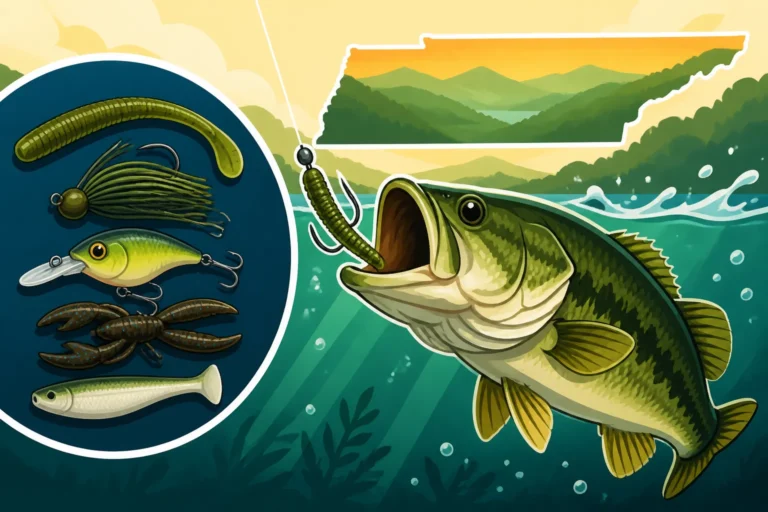
Anglers targeting largemouth on Norris often have success with jigs, spinnerbaits, and soft plastics fished around structure. When the bite is tough due to the clear water and bright sun, slowing down your presentation and using finesse techniques can make all the difference. Think about throwing a shaky head or a drop shot rig into brush piles where those big bass might be hiding out. It's a game of patience, but landing a chunky Norris Lake largemouth is incredibly rewarding.
Smallmouth Bass: The Fighting Favorites
Many would argue that smallmouth bass are the true stars of Norris Lake. Tennessee proudly recognizes smallmouth bass as one of its official state fish, and Norris Lake certainly lives up to that reputation. These bronze warriors are renowned for their incredible fighting spirit, often making long runs and powerful dives. Unlike their largemouth cousins, smallmouth thrive in the deeper, rockier, and cooler waters of the main lake and major creek channels. Look for them around bluff walls, rocky points, deep humps, and submerged rock piles.
Smallmouth bass are often found in schools, especially when chasing baitfish like shad or alewives. They are sight feeders, so the clear water of Norris Lake is perfectly suited to their predatory style. When fishing for smallmouth, don't be afraid to go with clear or fluorocarbon line to minimize visibility. Popular baits include jerkbaits, swimbaits, tube baits, and grub jigs fished on or near the bottom. If you're looking for an unforgettable fight, targeting these bronze bombers in Norris Lake is an absolute must. For more on this tenacious species, check out Smallmouth Bass: Tennessee's Official State Fish.
Spotted Bass: The Aggressive Cousins
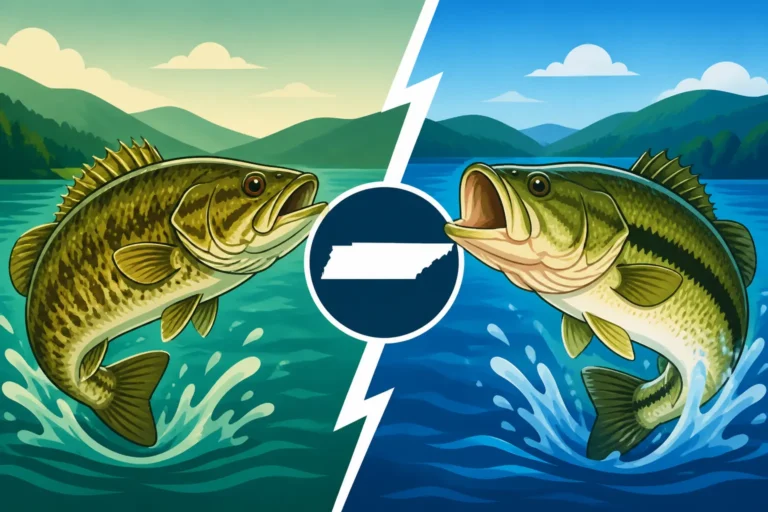
Often overlooked but certainly not to be underestimated, spotted bass are another key black bass species in Norris Lake. These fish often resemble largemouth bass but have a smaller mouth that doesn't extend past the eye, and usually a rough patch of teeth on their tongue. Spotted bass tend to occupy a niche between largemouth and smallmouth, often preferring deeper water than largemouth but being more structure-oriented than smallmouth. They are frequently found on points, humps, and around channel swings, particularly areas with a mix of rock and some scattered timber.
Spotted bass are known for their aggressive nature and willingness to strike a variety of lures. They are often less finicky than largemouth or smallmouth, making them a great target when other species are being shy. Crankbaits, shaky heads, and small swimbaits are all effective for spotted bass. They fight hard, often with strong head shakes and deep dives, providing a fantastic challenge on light tackle. When you're out on Norris, don't be surprised if a few feisty spotted bass crash your party – they're always up for a good time! Our Spotted Bass vs Largemouth Bass in Tennessee Lakes article offers more identification tips.
| Bass Species | Preferred Habitat (Norris Lake) | Common Lures | Fighting Style |
|---|---|---|---|
| Largemouth Bass | Shallower coves, creek arms, dense cover, brush piles, docks | Jigs, spinnerbaits, soft plastics, topwater | Power strikes, acrobatic jumps, strong runs |
| Smallmouth Bass | Deeper, rocky main lake, bluff walls, points, humps, rock piles | Jerkbaits, tube baits, swimbaits, grub jigs, drop shots | Long runs, deep dives, relentless fighting |
| Spotted Bass | Points, humps, channel swings, mixed rock/timber | Crankbaits, shaky heads, small swimbaits | Aggressive strikes, strong head shakes, deep dives |
Panfish Perfection: Crappie, Bluegill, and More
While the bass fishing gets a lot of attention, Norris Lake also offers some fantastic opportunities for panfish. These smaller species are perfect for a relaxing day on the water, often provide consistent action, and are excellent table fare. Plus, they're a wonderful way to introduce new anglers, especially kids, to the joys of fishing.
Crappie: Speckled Delights in Brush Piles
Crappie, both black and white, are a favorite target for many anglers on Norris Lake. Black crappie are generally more prevalent in Norris due to its clear water tendencies. These speckled beauties love to congregate around submerged structure, such as brush piles, standing timber, and dock pilings. Finding these hotspots is key to a successful crappie trip. Many experienced crappie anglers use their electronics to locate brush piles in various depths, then meticulously fish them with small jigs or minnows.
The crappie spawn in spring is a particularly exciting time, as fish move into shallower water, making them more accessible. During other times of the year, they might hold in deeper brush piles or suspended over channel ledges. When targeting crappie, light spinning gear is ideal, allowing for delicate presentations. Small tube jigs, curly tail grubs, and live minnows are always reliable. You can find excellent selections of crappie jigs and minnow buckets on Amazon, perfect for stocking up before your trip. For more details on these popular panfish, see Tennessee Crappie Fishing: Black Crappie and Where to Find Them.
Bluegill and Other Sunfish: Family Fishing Fun
If you're looking for steady action and a great way to spend time with family, bluegill and other sunfish (like redear sunfish and shellcrackers) are your best bet on Norris Lake. These feisty little fish are abundant throughout the lake, particularly in shallower coves, around docks, and near any kind of shoreline vegetation. They're not picky eaters and will readily bite on a variety of baits, making them incredibly fun for anglers of all ages and skill levels.
Worms, crickets, and small pieces of corn are classic baits for bluegill, fished under a bobber. You can also have a blast catching them on tiny jigs or flies. Because they're so accessible and willing to bite, bluegill fishing is an excellent way to introduce children to the sport. The excitement of a bobber disappearing under the water is pure magic! Norris Lake's many coves provide countless opportunities for bank fishing or tying up a boat and catching a cooler full of these delicious panfish. Make sure to have a variety of small hooks and bobbers in your tackle box, readily available from retailers like Amazon, to maximize your chances. Check out our Bluegill and Panfish Guide for Tennessee Anglers for more tips on these fantastic fish.
Catfish and Stripers: Norris Lake's Bigger Bites
Beyond the popular bass and panfish, Norris Lake also harbors some formidable game fish that offer a completely different kind of challenge. If you're looking for a powerful fight or some serious table fare, targeting catfish or striped bass can be incredibly rewarding.
Channel and Flathead Catfish: The Bottom Dwellers
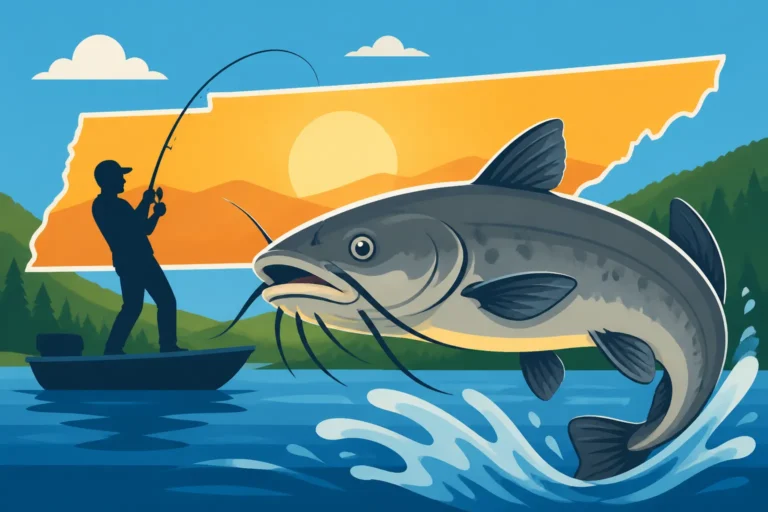
Norris Lake is home to healthy populations of channel catfish and flathead catfish. Channel cats are the most commonly caught, known for their distinctive forked tail and scattered spots. They are scavenger feeders and can be found almost anywhere in the lake, from shallow coves to deep channels, often congregating near structure or areas with current. They'll readily take stink baits, chicken livers, cut bait, and even worms. Night fishing for channel catfish can be particularly productive in Norris, especially during the warmer months.
Flathead catfish, on the other hand, are true predators. They prefer live bait and often inhabit areas with heavy cover, such as log jams, deep holes, and rocky ledges along river channels. These powerful fish can grow to impressive sizes, offering a brute-force fight that will test your tackle. Targeting flatheads often requires heavier gear and a lot of patience, but the reward of landing a giant flathead is unparalleled. Remember to check local regulations for specific size and creel limits. You might consider looking at heavier catfish rigs and circle hooks on Amazon before heading out. Our Catfish Species Found in Tennessee Waters guide has more information.
Striped Bass: The Open Water Predators
For anglers seeking a true trophy fish and an adrenaline-pumping fight, Norris Lake's striped bass population is a thrilling target. These powerful, ocean-going transplants thrive in the deep, clear waters of Norris, often chasing schools of baitfish in open water. Stripers are known for their incredible strength and endurance, making long, drag-screaming runs once hooked. They typically inhabit the main lake and larger creek arms, often suspending at various depths depending on baitfish movement and water temperature.
Finding striped bass often involves trolling large crankbaits, swimbaits, or live bait (like gizzard shad or alewives) through open water or over deep structure. Using good electronics to locate bait balls and the stripers feeding on them is crucial for consistent success. The early morning and late evening bites can be particularly hot for stripers as they move shallower to feed. These fish provide an unmatched battle, and landing a big Norris Lake striper is an achievement any angler would be proud of. For more insight into these impressive fish, consider Striped Bass Fishing in Tennessee Reservoirs.
Essential Gear for Norris Lake Anglers
Having the right gear can significantly enhance your success and enjoyment on Norris Lake. Given the lake's clear water and diverse species, a versatile approach to tackle is often best. Don't worry, you don't need to break the bank to get started, but having a few key items will make a world of difference.
Rods, Reels, and Line for Clear Water
For black bass, a medium-heavy baitcasting setup for throwing jigs and heavier plastics, and a medium-action spinning setup for finesse techniques and smaller lures, will cover most situations. The clear water of Norris Lake makes line choice especially important. Many anglers opt for fluorocarbon main lines or leaders, as fluorocarbon is nearly invisible underwater and has excellent abrasion resistance, which is handy around the lake's rocky structure and timber. For general fishing, a good quality monofilament can also work well, especially for topwater presentations.
When it comes to panfish and trout (if targeting them in connecting streams), an ultralight or light-action spinning rod and reel combo spooled with 4-6 lb test monofilament or fluorocarbon is perfect. This setup allows for delicate presentations of small baits and jigs and makes even a modest bluegill feel like a trophy. For catfish and stripers, you'll want heavier gear – a medium-heavy to heavy action rod with a robust reel capable of handling 15-30 lb test line, depending on the size of fish you're targeting. Having a variety of reliable rods and reels, perhaps from brands available on Amazon, can make all the difference.
Baits and Lures for Specific Species
The clearer water of Norris Lake often means that natural colors and presentations tend to be more effective. For largemouth bass, consider green pumpkin, black and blue, or natural shad-colored jigs and soft plastics. Spinnerbaits with silver or white blades can also be very productive. Smallmouth bass often hit jerkbaits, tube jigs, and grubs in natural baitfish colors like silver, white, or brown. Spotted bass are less color-sensitive but still respond well to natural hues.
For crappie, small jigs in white, chartreuse, or black and chartreuse are perennial favorites, often tipped with a minnow. Bluegill and other sunfish are easily caught on crickets, worms, or small beetle spins. Catfish will bite on a variety of smelly baits, cut bait, or live bait for flatheads. Striped bass often prefer large crankbaits, swimbaits, or live shad. Always carry a selection, and don't be afraid to experiment to see what the fish are keying in on that day. A well-stocked tackle box is your best friend on any fishing trip.
Preserving the Fishery: Regulations and Best Practices
Norris Lake is a precious resource, and as anglers, it's our responsibility to help preserve its health and productivity for future generations. That means understanding and adhering to fishing regulations and practicing responsible angling habits.
Understanding Catch Limits and Seasons
The Tennessee Wildlife Resources Agency (TWRA) sets specific regulations for each fish species, including length limits and creel limits (the maximum number of fish you can keep per day). These rules are designed to protect fish populations and ensure sustainable fishing. It's absolutely crucial to familiarize yourself with these regulations before you head out, as they can vary by lake and even by species within a single lake. For instance, bass often have specific size restrictions, like only keeping one over a certain length, while crappie might have a daily limit with a maximum number of larger fish.
Always carry a copy of the current Tennessee Fishing Regulations, which you can usually find online or at any place that sells fishing licenses. Ignorance of the rules is never an excuse for violations, and penalties for not adhering to Tennessee Fishing Rules Every Angler Should Know can be significant. By following these guidelines, you're not just avoiding a fine; you're actively contributing to the health of the Norris Lake fishery.
Respecting Norris Lake's Environment
Beyond just fish limits, being a responsible angler means practicing good stewardship of the entire environment. This includes things like properly disposing of all trash, including fishing line, bait containers, and food wrappers. Monofilament line, in particular, can be incredibly damaging to wildlife if left behind. Consider bringing a small trash bag with you on every trip to ensure nothing gets left behind.
Practicing catch-and-release, especially for larger breeding fish, is another way to support the fishery. If you do keep fish, handle them carefully and only keep what you will eat. Avoid cleaning fish directly at boat ramps or swimming areas. By showing respect for the lake and its surroundings, you're helping to ensure that Norris Lake remains a beautiful and productive fishing destination for everyone to enjoy for years to come. Remember, a little effort goes a long way in preserving these cherished natural spaces. You also need to ensure you have your Tennessee Fishing License Guide sorted before you hit the water.
Disclaimer
This article is for general informational purposes only and does not constitute professional advice. Laws, prices and regulations vary by location and change over time. Consult a qualified professional for guidance on your specific situation.