Tennessee Crappie Fishing: Black Crappie and Where to Find Them
One of the most rewarding fishing experiences in Tennessee is targeting crappie, but sometimes it feels like they’ve simply vanished, leaving you wondering where those elusive schools of papermouths have gone. Whether you're struggling to find them during the scorching summer or the chilly winter, or just trying to understand the nuances between the different types, this comprehensive guide is here to demystify Tennessee crappie fishing, with a special focus on the delightful black crappie and exactly where to find them across our beautiful state.
Understanding Tennessee Crappie: Black Crappie Basics
When you think of crappie fishing in Tennessee, chances are you're picturing those speckled beauties that make for an incredible fish fry. While Tennessee waters are home to both black and white crappie, the black crappie often holds a special place in anglers' hearts due to its slightly different preferences and appearance. Understanding what makes them tick is the first step toward a successful day on the water.
What Makes Black Crappie Unique in Tennessee?
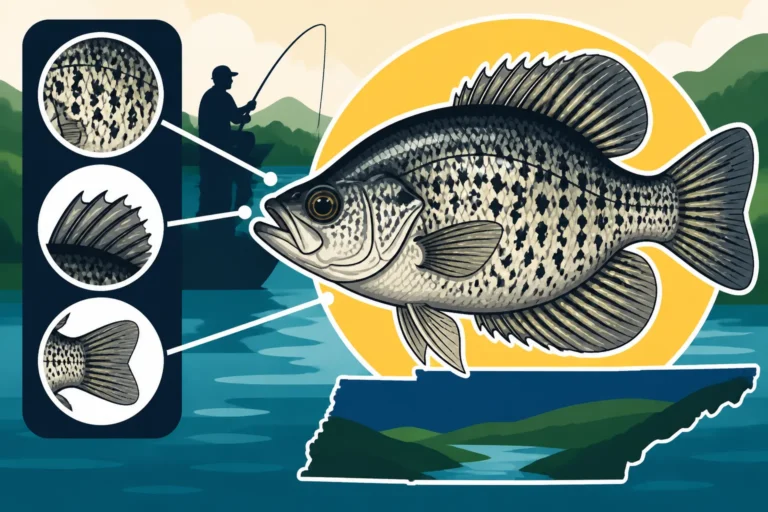
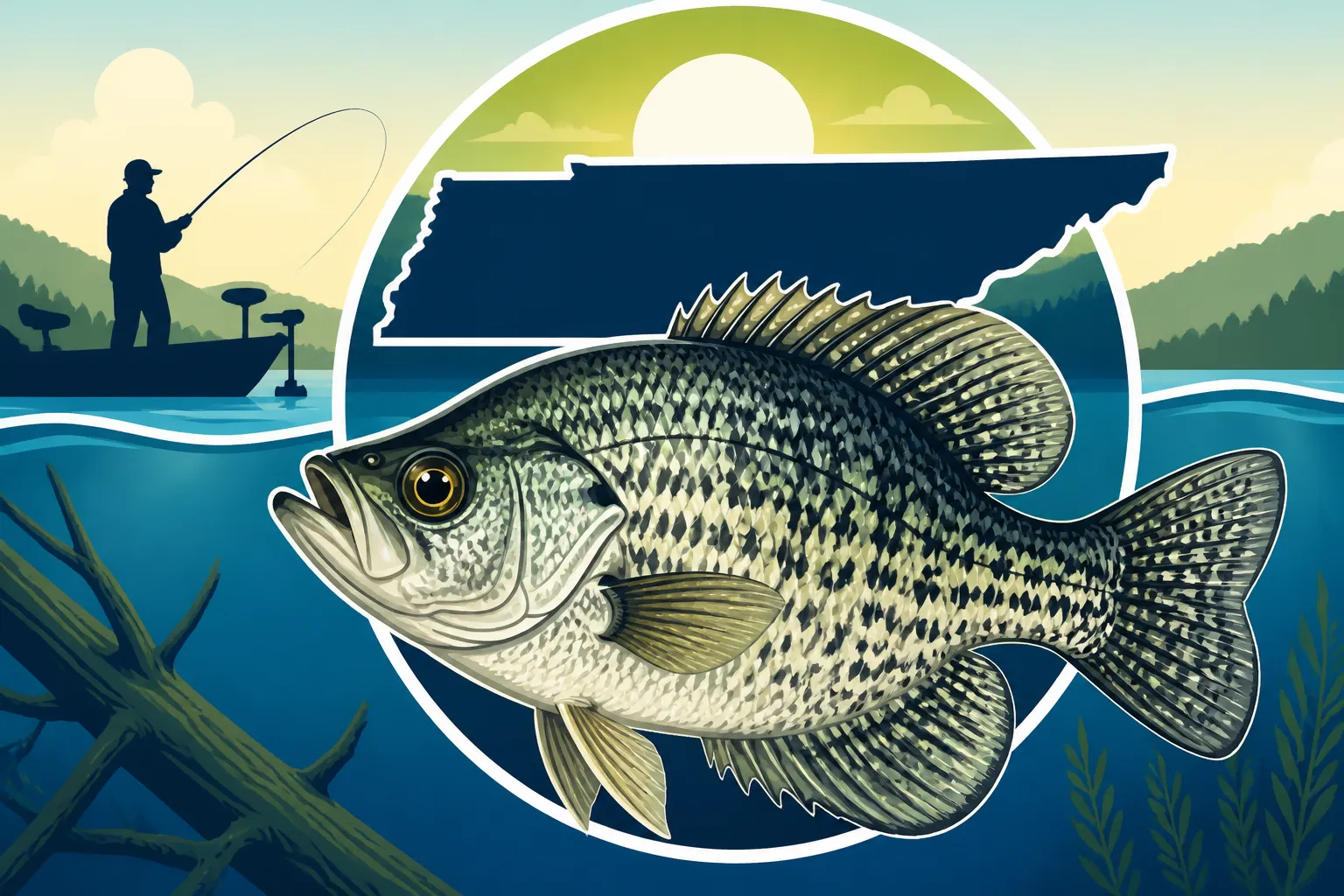
Black crappie, or Pomoxis nigromaculatus, are truly distinctive. Unlike their white crappie cousins, black crappie typically have a more uniform scattering of dark spots all over their body, rather than the more distinct vertical bars often seen on white crappie. Their dorsal fin, the one on their back, usually has seven or eight spines, which is another telltale sign. They also tend to have a slightly deeper, more compressed body shape, giving them a "panfish" look that really sets them apart.
These fish thrive in clearer, cooler water with abundant submerged vegetation, brush, and timber. They’re often found in the calmer, deeper sections of lakes, reservoirs, and slow-moving rivers, especially where there's good cover to ambush baitfish. Think about those hidden coves with old standing timber or deep weed lines – that’s prime black crappie real estate. Their preference for these habitats means that if you're fishing a highly turbid or swift-moving river, you might be targeting white crappie more predominantly. But for those pristine, clear lakes, black crappie are often the stars of the show. Many anglers also find that black crappie tend to fight a little harder once hooked, adding an extra thrill to the catch.
Black Crappie vs. White Crappie: A Tennessee Angler's Guide
While both species are colloquially known as "crappie" and are highly sought after, knowing the differences between black and white crappie is more than just academic; it can dramatically influence your fishing strategy. White crappie (Pomoxis annularis) typically have more distinct vertical bars on their sides, and their dorsal fin usually has six spines. They generally prefer more turbid, shallower waters, and are more tolerant of varying water conditions, often thriving in silty rivers and shallower reservoirs. This means you might find white crappie in different parts of a lake or river system than where you'd typically find black crappie.
Imagine you're fishing a large Tennessee reservoir like Kentucky Lake. You might find white crappie congregated in the shallower, stump-filled backwaters and mud flats, especially after a heavy rain has stirred up the water. Meanwhile, the black crappie would likely be holding in the clearer, deeper main lake areas, tucked into brush piles or along bluff walls. Understanding these preferences allows you to adapt your approach. If you're seeing a lot of black crappie, you might focus on clearer water, vegetation, and subtle presentations. If white crappie are more prevalent, you might explore stained water, shallower depths, and target areas with less dense cover. Both are fantastic to catch and eat, but knowing which one you're after can make all the difference in your success. For more on different species, check out A Complete Guide to Tennessee Bass Species.
Here's a quick comparison to help you tell them apart:
| Feature | Black Crappie | White Crappie |
|---|---|---|
| Appearance | Irregular dark spots, no distinct vertical bars | 5-7 distinct vertical bars, fewer spots |
| Dorsal Spines | 7-8 spines | 5-6 spines |
| Body Shape | Deeper, more compressed, rounder | More elongated, slender |
| Water Clarity | Prefers clearer water | Tolerates more turbid, stained water |
| Habitat | Submerged vegetation, brush, deep timber, rocks | Open water, stump fields, shallow cover |
| Primary Diet | Insects, small crustaceans, baitfish | Mostly baitfish, insects |
Where to Find Black Crappie in Tennessee's Waters
Finding crappie is half the battle, and black crappie, with their specific habitat preferences, can be a little more predictable once you understand where they like to hang out. Tennessee is blessed with an abundance of fantastic crappie fisheries, from vast reservoirs to hidden state park lakes. Knowing which ones excel for black crappie and what kind of structure to look for will put you ahead of the game.
Top Tennessee Lakes for Black Crappie
Tennessee boasts numerous lakes that are absolute gems for black crappie fishing. These waters often feature clearer conditions and plenty of the underwater structure that black crappie love.
- Norris Lake: Known for its deep, clear waters and extensive standing timber, Norris Lake is a black crappie paradise. The crappie here often suspend over deep water near brush piles or along creek channels. Anglers often find success jigging around the numerous points and submerged humps, especially where old trees provide excellent cover. The clearer water here is definitely a draw for black crappie, and during the warmer months, they'll often go quite deep.
- Center Hill Lake: Another deep, clear reservoir, Center Hill is renowned for its steep bluffs, rock walls, and submerged cedar trees. These features create perfect ambush points for black crappie. Focus on the main lake points, especially those with brush piles or rocky ledges that drop off into deeper water. Crappie will follow baitfish into these areas, making them prime targets.
- Dale Hollow Lake: Famous for its smallmouth bass, Dale Hollow also offers exceptional black crappie fishing. Its exceptionally clear water and intricate submerged structure, including rocky points and old creek beds, make it ideal. Look for crappie suspended around brush piles placed by anglers or natural cover along sharp drop-offs. The deeper, clearer sections are where the black crappie truly shine.
- Percy Priest Lake: While known for its proximity to Nashville and a strong population of white crappie in some areas, Percy Priest Lake also holds healthy numbers of black crappie, especially in the clearer arms and deeper channels. Focus your efforts around submerged timber, bridge pilings, and brush piles in the main channel or deeper coves. Look for areas with less sediment and more stable structure.
- Chickamauga Lake: While often highlighted for its trophy bass, Chickamauga Lake also offers fantastic crappie fishing, with good numbers of both species. For black crappie, focus on the clearer upper sections of the lake, particularly around inundated timber, channel edges, and man-made brush piles. The standing timber found in many parts of the lake provides excellent cover.
- Watts Bar Lake: This expansive reservoir has a mix of water conditions, but its clearer sections and numerous creek channels and points hold strong populations of black crappie. Look for them around deeper brush piles, submerged islands, and areas where old roadbeds cross the main channel. Understanding the lake's vastness and focusing on areas with good cover and clear water will yield results.
- Kentucky Lake: While known for its massive white crappie population in shallower, more turbid areas, Kentucky Lake also hosts black crappie, especially in its clearer embayments and main lake channels with deeper water and established brush. Look for them near shell beds, deep timber, and around bridge rip-rap. For more on this specific body of water, consider checking out Where to Catch Crappie on Kentucky Lake.
- Reelfoot Lake: This unique cypress-filled lake is more commonly associated with white crappie due to its shallow, stained waters. However, you can still find black crappie in the slightly deeper pockets and around the more established cypress trees and submerged stumps, particularly in areas with a bit more water clarity than the general lake. They might be less dominant here compared to white crappie, but they are present.
These lakes are just a starting point; nearly every public water body in Tennessee will hold crappie. The key is to identify the characteristics that favor black crappie, mainly clearer water and dense, varied cover. For a broader overview, take a look at Best Crappie Fishing Lakes in Tennessee.
Ideal Habitats and Structures for Crappie
Black crappie are masters of ambush, meaning they love to hide in or around structure, waiting for an unsuspecting baitfish or insect to swim by. Understanding these preferred habitats is crucial for locating them.
- Submerged Timber and Brush Piles: This is perhaps the most classic crappie habitat. Old sunken trees, stumps, and man-made brush piles (often sunk by anglers or local conservation groups) are absolute magnets for black crappie. These structures provide cover from predators, shade from the sun, and a home for baitfish. When fishing these, try to present your bait right in the branches or just above them. A common strategy is to vertically jig a small minnow or a soft plastic jig right down into the cover. If you don't have a boat, many state park lakes have shore access to areas with sunken timber.
- Docks and Piers: Especially in clearer lakes, docks and piers offer shade and structure. Crappie will often congregate under floating docks or around the pilings of fixed piers, particularly those with brush piles or lights that attract baitfish at night. "Doodle socking" or "dock shooting" small jigs under these structures can be incredibly effective. Anglers using a simple ultralight setup with a tube jig can often pick off several crappie from a single dock.
- Creek Channels and River Bends: In reservoirs, old creek channels that wind through the lakebed are highways for crappie, especially during migration patterns or when baitfish move through. Black crappie will often suspend along the edges of these channels or in the deeper bends, particularly where there's some form of additional cover like brush. Using your fish finder to identify these old channels and any associated structure is key. When crappie are stacked here, you might find entire schools.
- Rock Piles, Ledges, and Bluffs: While often associated with bass, rocky structures can also hold black crappie, especially in clear, deep lakes. Crappie will use the crevices and overhangs for cover, particularly on the deeper, shaded sides of bluffs or along rocky ledges where they can find relief from strong currents or intense sunlight. Vertical jigging or slow-trolling can be effective here.
- Deep Weed Lines and Vegetation: In lakes with healthy aquatic vegetation, black crappie will often relate to the edges of the weed beds, particularly where the weeds drop off into deeper water. They use these areas for ambush points and cover. Casting jigs or small spinnerbaits parallel to the weed line, or vertically jigging in pockets within the vegetation, can be very productive. Be mindful of not getting too snagged in dense weeds.
Remember, crappie are often nomadic, following baitfish and responding to water temperature changes. A spot that was hot last week might be barren this week. Always keep moving and use your electronics to locate schools. If you find one crappie, you’re likely to find more, as they are schooling fish.
Essential Crappie Fishing Techniques for Tennessee Anglers
Once you've located some promising crappie habitat, it's time to choose the right technique to get those fish into the boat or onto the bank. Black crappie can be particular, but with a few tried-and-true methods, you can often entice them to bite.
Mastering Jigging for Tennessee Black Crappie
Jigging is arguably the most popular and versatile technique for crappie, especially for black crappie that often relate closely to structure. It involves presenting a small jig (either soft plastic or hair) with a rhythmic up-and-down motion.
- Vertical Jigging: This is the go-to when crappie are holding tight to brush piles, standing timber, or suspended directly below your boat. You drop a small jig (typically 1/32 to 1/8 ounce) straight down to the depth where you're seeing fish on your sonar. The key is to keep the jig moving with subtle twitches and lifts of the rod tip, simulating a dying baitfish or insect. Sometimes a very slow, almost imperceptible lift and fall is what they want, while other times a more aggressive snap can trigger a strike. Pay close attention to your line for the slightest tap, as crappie often bite very softly. For more detailed instructions, see How to Jig for Crappie.
- Casting and Retrieving: When crappie are scattered or holding along weed lines or open flats, casting your jig and slowly retrieving it can be effective. Use a steady, slow retrieve, sometimes with a few pauses or twitches. Different jig heads and body shapes will create different actions in the water, so experiment with curly tails, straight tails, and paddle tails to see what the fish prefer on a given day. Colors matter too! Chartreuse, white, and various greens or blues are perennial favorites, but sometimes a natural baitfish pattern is key.
- Dock Shooting: This specialized jigging technique is fantastic for reaching crappie hiding far back under docks, boats, or overhangs. You hold the jig between your thumb and forefinger, bend your rod like a bow, and then release the jig, shooting it low and fast into tight spots. Once the jig lands, let it fall naturally, watching your line for any sign of a bite. This method is particularly effective for black crappie which often seek the deep shade of docks in clear water.
Remember to use light line (4-6 lb test monofilament or fluorocarbon) to get the most natural action from your jig and detect those subtle bites. An ultralight rod and reel combo will enhance your feel for the bait and the fish.
The Art of Tightlining and Spider Rigging
These techniques are all about presenting multiple baits simultaneously and often work wonders when crappie are scattered or when you're trying to cover a wider area.
- Tightlining: This technique, often used from a boat, involves vertically presenting a bait (usually a minnow or small jig) directly below the boat with very little slack in the line. You might use several rods, each with a different depth setting, to probe the water column. The "tight" part refers to the minimal slack, allowing you to feel even the lightest bite. This is fantastic when crappie are suspended at a specific depth, and you can mimic a school of baitfish by slowly drifting or using your trolling motor to move along a contour line or brush pile. It’s a very hands-on method, with anglers holding rods and feeling for the bite, or using rod holders and watching rod tips for movement.
- Spider Rigging: Imagine a spider with many legs, each dangling a bait – that's spider rigging! This technique involves mounting multiple long rods (often 10-16 feet) around the bow of your boat, creating a wide spread of baits. Each rod is typically rigged with a jig or a minnow-and-jig combination, and deployed at various depths. You then slowly troll or drift over crappie hotspots like creek channels, flats, or brush piles. The wide spread allows you to cover a broad area, increasing your chances of finding scattered schools. Spider rigging is incredibly effective for finding actively feeding crappie, especially in the spring and fall when they might be spread out. It's also great for covering large flats quickly. While you're trolling along, you're constantly watching all those rod tips for the telltale dip of a crappie bite. More details can be found in Tightlining Techniques for Crappie.
Live Bait Strategies for Finicky Crappie
Sometimes, especially when crappie are finicky due to cold fronts or fishing pressure, live bait is the only thing that will tempt them. The natural look, smell, and action of a live offering can be irresistible.
- Minnows: Small live minnows, usually shiners or fatheads, are the undisputed champion of crappie baits. They are productive year-round and work in almost any situation. You can hook them through the lip (for a livelier presentation) or through the back (for durability). Present them under a bobber in shallow water, on a bare hook with a split shot, or as a trailer on a small jig. When crappie are shy, a subtle minnow presentation can be deadly. Keeping your minnows lively is crucial; a good aerated bait bucket is a must. You can find quality aerators and minnow buckets on platforms like Amazon.
- Crickets and Worms: While less common for crappie than minnows, crickets and small pieces of nightcrawlers can also catch crappie, especially if they are feeding heavily on insects. This is more often a tactic for smaller crappie or when you're targeting other panfish, but don't discount it entirely, especially in early spring or late fall when insects might be more prevalent in the water column.
- Using a Slip Bobber: A slip bobber allows you to fish live bait (or jigs) at precise depths without having to constantly re-tie your line or struggle with fixed bobbers in deep water. You set a small bobber stop knot on your line at the desired depth, and the line slides freely through the bobber. This is excellent for presenting a minnow just above a brush pile or a weed line, keeping it in the strike zone longer.
No matter the technique, paying attention to what the fish are telling you is crucial. If they're hitting aggressively, you might be able to use a more active presentation. If they're just nipping, slow it down and consider live bait.
Optimal Seasons and Times for Tennessee Crappie Fishing
Crappie fishing in Tennessee is a year-round affair, but understanding how their behavior changes with the seasons and even the time of day can significantly boost your success. Each season presents unique opportunities and challenges. For a broad overview, be sure to check out Tennessee Crappie Fishing Guide by Season.
Spring Crappie Spawn Timing in Tennessee
Spring is often hailed as the best time for crappie fishing, and for good reason: the spawn. As water temperatures climb into the 50s and low 60s Fahrenheit, crappie move into shallower waters to reproduce, making them more accessible and aggressive.
- Pre-Spawn (Water Temps 45-55°F): As winter transitions to spring, crappie begin to stage in deeper water adjacent to their spawning grounds. They'll often gather in creek channels, submerged timber lines, or along the first major break line leading into a spawning flat. During this time, they're feeding heavily to build energy for the spawn. This is an excellent time for tightlining minnows or slow-trolling jigs along these staging areas. They might be a bit deeper, so look for them in 10-20 feet of water, often suspending.
- The Spawn (Water Temps 58-68°F): This is when the magic happens! Crappie move into very shallow water, often 2-8 feet deep, to lay their eggs. They seek out cover like submerged brush, docks, lily pads, and cypress trees. During the spawn, they are highly aggressive and territorial, making them easier to catch. Casting small jigs or presenting a live minnow under a bobber are incredibly effective techniques. Focus on protected coves and backwaters where the water warms up faster. The exact timing varies by lake and region in Tennessee, but it generally occurs from late March through May. For a deep dive into this period, read Spring Crappie Spawn Timing in Tennessee.
- Post-Spawn (Water Temps 65-75°F): After the rigorous spawning period, crappie tend to be a bit lethargic and dispersed. They will slowly move back to slightly deeper water, often recovering near the same areas where they staged pre-spawn. This can be a challenging time, as they might not be as concentrated. Look for them suspended over deeper brush or along channel edges. A slow presentation with live bait is often the most productive.
Always remember that factors like a sudden cold front can push crappie back into deeper water, even during the prime spawn. Be flexible and adjust your depth accordingly.
Summer and Fall Crappie Patterns
Once the spring frenzy subsides, crappie shift their patterns, often moving to deeper, cooler waters in summer and then becoming highly active again in the fall.
- Summer Crappie (Water Temps 75°F+): As water temperatures soar, black crappie, especially, will seek refuge in deeper, cooler, and often oxygen-rich waters. You'll find them suspended over deep creek channels, main lake humps, or in the very deep sections of submerged timber and brush piles. They might be 15-30 feet deep, or even deeper in very clear lakes. Spider rigging over these deep structures, vertical jigging, or slow-trolling small crankbaits can be effective. Early mornings and late evenings are often the most productive times, as they might move slightly shallower to feed. Night fishing under lights can also be incredibly productive in summer, as the lights attract baitfish and then crappie. For tips on finding them when it's hot, check out How to Find Crappie in Summer.
- Fall Crappie (Water Temps 60-70°F): As autumn arrives and water temperatures begin to cool, crappie become much more active again. They'll often school up and move shallower to feed aggressively on baitfish, preparing for winter. This is a fantastic time for both casting jigs and spider rigging. Look for them around main lake points, channel bends, and areas with abundant baitfish. They might be in 10-20 feet of water, often suspending over structure. The fall bite can be just as strong, if not stronger, than the spring spawn, offering excellent opportunities for large catches. The cooler, stable weather makes for very comfortable fishing too!
Winter Crappie Fishing: Patience Pays Off
Don't put away your crappie gear when the temperatures drop! Winter crappie fishing in Tennessee can be highly productive, albeit requiring a bit more patience and precision.
- Cold Water Crappie (Water Temps Below 50°F): In winter, crappie will typically school up tightly in deep water, often 20-40 feet or more, usually around major creek channels, deep brush piles, or bluff walls. Their metabolism slows down, and they become less active, but they still need to feed. The key here is an extremely slow and subtle presentation. Vertical jigging with tiny jigs (1/32 or 1/64 ounce) or presenting a small live minnow on a bare hook with minimal weight are the most effective methods. Your electronics are absolutely vital to locate these tightly packed schools. Once you find them, fish very slowly, keeping your bait in their strike zone for as long as possible. Sometimes the bite is so light it feels like your line just got heavy. For more on cold water tactics, check out How to Catch Crappie in Cold Water.
- Mid-Day Opportunities: While summer often favors dawn and dusk, winter fishing can actually be best during the warmest part of the day (mid-morning to mid-afternoon) as the sun warms the water slightly, potentially making crappie a little more active.
Fishing for crappie year-round in Tennessee offers diverse experiences. Adapting your location and technique to the season will maximize your chances of filling your cooler.
Gearing Up for Tennessee Black Crappie Success
Having the right equipment can make a huge difference in your crappie fishing success. While you don't need to break the bank, choosing appropriate rods, reels, lines, and lures designed for crappie will greatly enhance your experience and catch rates.
Rods, Reels, and Line: Your Foundation for Crappie Fishing
Crappie are known for their "papermouths" – delicate mouths that can tear easily – and their subtle bites. Your tackle should reflect this.
- Rods:
- Ultralight Spinning Rods: For casting small jigs and detecting light bites, an ultralight spinning rod (4.5 to 7 feet long, with a fast action) is ideal. It provides the sensitivity needed to feel subtle takes and enough backbone to handle a decent crappie while protecting its mouth. A shorter rod is great for dock shooting, while a longer rod provides better casting distance from the bank.
- Longer Jigging/Trolling Rods: For tightlining or spider rigging, specialized crappie rods ranging from 8 to 16 feet (or even longer) are popular. These rods allow you to spread out multiple lines and keep baits away from the boat. They typically have a very light action to absorb bumps and protect light line, with a sensitive tip to telegraph bites. Brands like BnM, Wally Marshall, or Shakespeare Ugly Stik make great crappie-specific rods.
- Reels:
- Small Spinning Reels: Pair your ultralight rod with a small spinning reel (500 or 1000 size). These reels are light, balance well with the rod, and have a smooth drag system, which is crucial for fighting crappie without tearing their mouths.
- Baitcasting Reels (for Spider Rigging): Some spider riggers prefer small baitcasting reels on their longer rods for easier line control and dropping baits vertically, but spinning reels are perfectly fine here too.
- Line:
- Monofilament: 4 to 6 lb test monofilament is a classic choice for crappie. It has enough stretch to cushion the fight and prevent hook pulls, is easy to tie, and floats, which can be helpful for some presentations. It's also relatively inexpensive.
- Fluorocarbon: If you need more sensitivity and less line visibility, 4 to 6 lb test fluorocarbon is a great option. It sinks, which can be an advantage for getting jigs down, and is nearly invisible underwater.
- Braided Line (with leader): Some anglers use thin braided line (6-10 lb test) for its incredible sensitivity and strength, especially in deep water. However, it has no stretch, so it's best paired with a 4-6 lb fluorocarbon or monofilament leader to absorb shock and protect the crappie's mouth.
You can find excellent options for all of these components on Amazon, often in affordable combos perfect for getting started. For specific gear recommendations, consider Best Tackle for Tennessee Crappie Fishing.
Best Lures and Baits for Tennessee Crappie
The world of crappie baits is vast, but a few stand out as consistent performers in Tennessee.
- Jigs:
- Tube Jigs: These soft plastic tubes (1 to 2 inches) with tentacles are incredibly versatile. They come in countless colors and are great for vertical jigging, casting, or dock shooting.
- Grub Jigs: Small curly-tail or straight-tail grubs (1 to 2 inches) on a lead head are also deadly. The vibrating tail of a curly-tail grub can be particularly enticing.
- Hair Jigs: Often overlooked, tiny hair jigs (marabou, bucktail) offer a very natural, subtle pulsation in the water that can be irresistible, especially in cold water or when fish are finicky.
- Colors: Always have a variety of colors. Chartreuse, white, pink, black, and various shades of green and blue are typically productive. Carry some natural baitfish patterns too. Water clarity and sunlight often dictate color choice – bright colors for murky water, natural colors for clear.
- Live Bait:
- Minnows: As mentioned, live minnows are king. Use a small Aberdeen hook (size 4 or 6) with a split shot or under a bobber.
- Crappie Nibblers/Soft Baits: Scented, biodegradable baits like Berkley PowerBait Crappie Nibblers can be tipped onto a jig for added scent and appeal, sometimes making the difference on a slow day.
- Small Spinnerbaits/Bladed Jigs: Occasionally, if crappie are really aggressive or you want to cover water quickly, small inline spinnerbaits or bladed jigs (like a Z-Man Chatterbait Micro) can draw strikes, especially in stained water or around active baitfish schools.
Experimentation is key! Crappie preferences can change from day to day, or even hour to hour.
Electronics and Accessories to Boost Your Catch
Modern technology and a few handy accessories can significantly improve your crappie fishing efficiency.
- Fish Finders/Sonar: A quality fish finder is almost indispensable for crappie fishing, especially when trying to locate schools in deeper water or identify brush piles. Look for units with down-imaging and side-imaging capabilities to get a clearer picture of submerged structure and fish. Garmin, Humminbird, and Lowrance offer excellent options. Being able to see crappie suspended in the water column or nestled in a brush pile allows you to drop your bait precisely.
- Trolling Motor: A quiet, electric trolling motor (especially one with GPS capabilities like Minn Kota or MotorGuide) allows for silent maneuvering, slow-trolling, and precise boat positioning, which is crucial when spider rigging or hovering over a productive brush pile.
- Rod Holders: When spider rigging or tightlining with multiple rods, sturdy rod holders are a must. They keep your rods secure and properly spaced, allowing you to cover a wider area without constantly holding each rod.
- Nets: A fine-mesh landing net with a long handle is invaluable for safely landing crappie, especially larger slabs that might have a delicate mouth.
- Livewell/Cooler: A good livewell or a quality cooler with ice is essential for keeping your catch fresh, especially on warm Tennessee days. Keeping them alive in a livewell until you're done fishing ensures the freshest fillets.
- Aerated Minnow Bucket: As discussed, keeping your live minnows lively is crucial. An aerated minnow bucket (many of which are available on Amazon) ensures your bait is fresh and appealing.
Investing in these tools will transform your crappie fishing experience, making you a more efficient and successful angler.
Tennessee Crappie Regulations and Conservation
As enjoyable as crappie fishing is, it’s vital that we, as anglers, play our part in maintaining healthy fish populations for generations to come. This means understanding and adhering to Tennessee's fishing regulations and practicing responsible angling.
Understanding Tennessee's Crappie Limits
The Tennessee Wildlife Resources Agency (TWRA) sets specific regulations to manage crappie populations across the state. These regulations are designed to ensure sustainable fishing and prevent overharvesting.
- Statewide Daily Creel Limit: In Tennessee, the statewide daily creel limit for crappie (which includes both black and white crappie combined) is 20 fish per person per day. This means you can keep a maximum of 20 crappie in a 24-hour period. It's important to remember that this is a combined limit for both species.
- Statewide Size Limit: There is also a statewide minimum size limit of 10 inches for crappie. This means any crappie you catch that is shorter than 10 inches must be immediately released unharmed back into the water. This regulation is in place to allow crappie to reach sexual maturity and reproduce at least once, contributing to the population before being harvested.
- Lake-Specific Regulations: This is a crucial point for Tennessee anglers: while there are statewide limits, many individual lakes and reservoirs have their own specific regulations that override the statewide rules. These lake-specific rules are often implemented to address unique population dynamics or management goals for that particular body of water. For example, a lake might have a higher or lower daily limit, or a different size limit, or even slot limits (where fish within a certain size range must be released). It is your responsibility to check the specific regulations for the lake you plan to fish before you cast your first line. The TWRA publishes an annual fishing guide that details all these regulations, both statewide and lake-specific. Always consult the most current guide or the TWRA website. Crappie Limits Under Tennessee Fishing Rules goes into more depth on this.
- Possession Limits: Generally, the possession limit for crappie is the same as the daily creel limit unless you're on a multi-day trip. If you're camping at a lake for several days, you can possess up to two daily limits, provided they are properly stored and kept separate for each day. However, it's always best to check the exact wording in the current TWRA regulations.
Violating these regulations can result in fines, confiscation of your catch, and even loss of fishing privileges. It's not worth the risk, and more importantly, it's detrimental to the health of our fisheries.
Conservation and Sustainable Crappie Fishing Practices
Beyond just following the rules, every angler has a role to play in conservation. Responsible practices ensure that crappie fishing remains excellent for years to come.
- Catch and Release: While crappie are delicious, consider practicing catch and release, especially for larger breeding-size fish. Releasing healthy crappie, particularly those exceeding the average size, allows them to continue reproducing and contributes to a robust fishery. If you do release fish, handle them gently with wet hands, avoid excessive handling, and quickly return them to the water. A good practice is to clip your hook rather than deeply digging it out if the fish is gut-hooked and you intend to release it, or simply keep those fish.
- Proper Culling: If you're trying to keep a limit, cull responsibly. Don't keep fish in a livewell all day, and then at the end of the day, release those that don't meet your desired size. The stress of being in a livewell for extended periods significantly reduces their survival rate upon release. It's better to make the decision to keep or release immediately.
- Protecting Habitat: Crappie rely heavily on submerged structures like brush piles and standing timber. Avoid damaging these habitats, and consider contributing to habitat improvement projects organized by the TWRA or local fishing clubs. Many anglers even build and sink their own brush piles (check local regulations first!), providing much-needed cover.
- Dispose of Waste Properly: Always pack out what you pack in. Leave no trace of your fishing trip behind. This includes fishing line, bait containers, and any other trash. Fishing line can be particularly harmful to wildlife.
- Report Violations: If you witness someone violating fishing regulations, report it to the TWRA. This helps protect the resource for everyone.
The TWRA also plays a significant role in stocking crappie to enhance populations. For instance, Black Crappie Stocking by TWRA in Tennessee details some of their efforts to ensure healthy fisheries. By being mindful anglers, we can all contribute to the long-term health and enjoyment of Tennessee crappie fishing.
Common Challenges and Solutions for Crappie Anglers
Even with the best knowledge and gear, crappie fishing can sometimes throw you a curveball. Weather changes, fishing pressure, and fluctuating water conditions can make even the hottest spots turn cold. But don't worry, there are always strategies to adapt and overcome these common challenges.
Navigating Weather and Water Conditions
Tennessee's weather can be notoriously fickle, and crappie are highly sensitive to these changes. Understanding how to adapt is crucial.
- Cold Fronts: A sudden cold front can shut down a crappie bite almost instantly. When this happens, crappie often retreat to deeper, more stable water and become lethargic.
- Solution: Slow down your presentation significantly. Downsize your jigs (1/32 or 1/64 ounce) or switch to live minnows. Target deep structure (20-40 feet) and keep your bait in the strike zone for extended periods. Sometimes, simply hovering over a brush pile and barely twitching a minnow is all it takes. Fishing during the warmest part of the day might also yield better results after a front.
- Warm Fronts/Stable Weather: Conversely, a period of stable, warm weather usually gets crappie active and feeding, especially in spring and fall.
- Solution: This is when you can be more aggressive. Experiment with faster retrieves, slightly larger jigs, and cover more water. Crappie might be shallower and more willing to chase.
- Turbid/Murky Water: Heavy rains or strong winds can churn up water, reducing visibility. While white crappie tolerate this more, black crappie prefer clearer conditions.
- Solution: In turbid water, crappie rely more on their lateral line and scent. Use darker colored jigs (black, blue, chartreuse) that create a better silhouette. Add scent to your baits (garlic, shad). Also, focus on areas with slightly better clarity, such as the mouths of creeks where clearer water might be flowing in, or main lake areas that are less affected by runoff. Using baits that create more vibration can also help them home in.
- Clear Water: Extremely clear water, while preferred by black crappie, can make them more wary of your line and boat.
- Solution: Use lighter line (4 lb test fluorocarbon is excellent here) and more natural bait colors. Make longer casts to avoid spooking fish, or fish deeper where the light penetration is less. Silent boat control with a trolling motor is paramount. Consider fishing during low light conditions (dawn, dusk, or cloudy days) when their visibility is reduced.
Always check the local weather forecast and water conditions before heading out, and be prepared to adjust your tactics on the fly.
Overcoming Fishing Pressure and Tricky Bites
Tennessee's crappie fisheries are popular, and sometimes heavy fishing pressure can make the fish wary. Add to that days when they're just not cooperating, and you've got a challenge.
- Fishing Pressure: If your favorite crappie hole is crowded, the fish might be educated and harder to catch.
- Solution:
- Seek Out Less Pressured Spots: Instead of hitting the obvious brush piles everyone fishes, use your electronics to find new, hidden structure. Look for isolated stumps, small rock piles, or subtle depth changes away from the crowds.
- Fish During Off-Peak Hours: Try fishing early mornings, late evenings, or even night fishing (where legal) when fewer boats are on the water.
- Downsize and Go Natural: Use smaller jigs (1/32 to 1/64 ounce), lighter line, and natural-colored baits or live minnows. A very subtle presentation can often fool pressured fish.
- Silence is Golden: Minimize noise in your boat. Dropping tackle boxes, banging oars, or loud conversations can put crappie on high alert.
- Solution:
- Tricky Bites (Finicky Fish): There are days when crappie seem to "short strike" or just barely mouth the bait, making it hard to hook them.
- Solution:
- Slow Down: This is often the most important adjustment. Fish slower than you think is necessary. Keep your bait in the strike zone longer.
- Lighten Up: Go with a smaller, lighter jig head. A 1/32 ounce jig might get inhaled when a 1/16 ounce is ignored.
- Add Scent: Tipping your jig with a piece of live minnow or a scented crappie nibbler can make a huge difference. The added scent and taste can encourage them to hold on longer.
- Change Lure Action: If a curly tail isn't working, try a straight-tail jig that has less action. Sometimes a dead-sticked minnow is the only answer.
- Sharpen Hooks: Ensure your hooks are razor-sharp. A dull hook can lead to missed strikes and pulled fish, especially with crappie's soft mouths. A hook file or a quick check with your thumbnail can prevent frustration.
- Watch Your Line: Instead of waiting to "feel" the bite, become a master of watching your line for the slightest twitch, jump, or subtle movement. Often, the fish has already picked up the bait before you feel anything through the rod.
- Solution:
Crappie fishing is a rewarding puzzle. By observing conditions, understanding fish behavior, and being willing to adapt your techniques, you can turn a challenging day into a successful one on Tennessee's incredible waters.
Disclaimer
This article is for general informational purposes only and does not constitute professional advice. Laws, prices and regulations vary by location and change over time. Consult a qualified professional for guidance on your specific situation.