Where to Catch Crappie on Kentucky Lake
For any angler who has ever dreamed of reeling in a cooler full of delicious crappie, Kentucky Lake stands out as a true gem. This massive reservoir, stretching across parts of Tennessee and Kentucky, is renowned for its incredible crappie fishing. But let's be real, a lake this big can feel incredibly intimidating when you're just trying to figure out where to start. You see those professional anglers pull in slab after slab, and you wonder, "What's their secret? How do I find those honey holes?" This guide is all about cutting through that confusion, helping you understand the unique crappie habitats of Kentucky Lake, how the seasons play a role, and the best techniques to put more fish in your boat or on your stringer.
Understanding Kentucky Lake's Unique Crappie Habitat
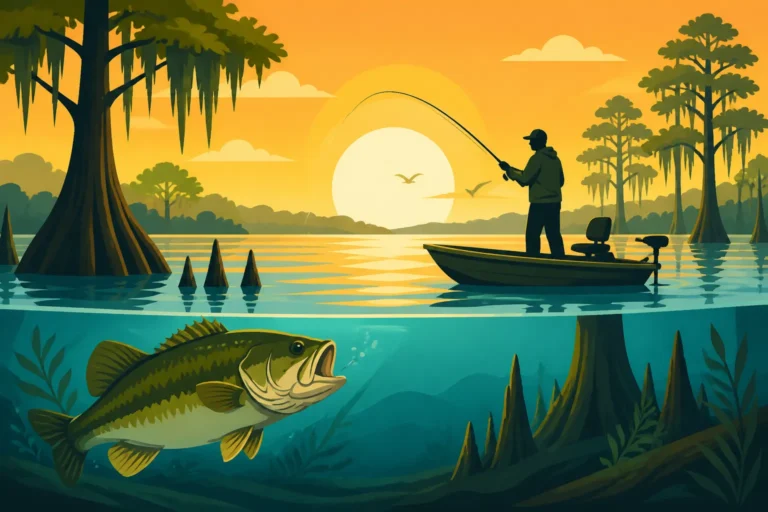
Kentucky Lake is not just any lake; it's a sprawling impoundment of the Tennessee River, boasting over 160,000 acres of water and more than 2,000 miles of shoreline. This sheer size means diverse habitats, from shallow, cypress-filled backwaters to deep main-lake channels. For crappie, this variety provides ample places to hide, feed, and spawn, which can make locating them a bit of a challenge if you don't know what to look for.
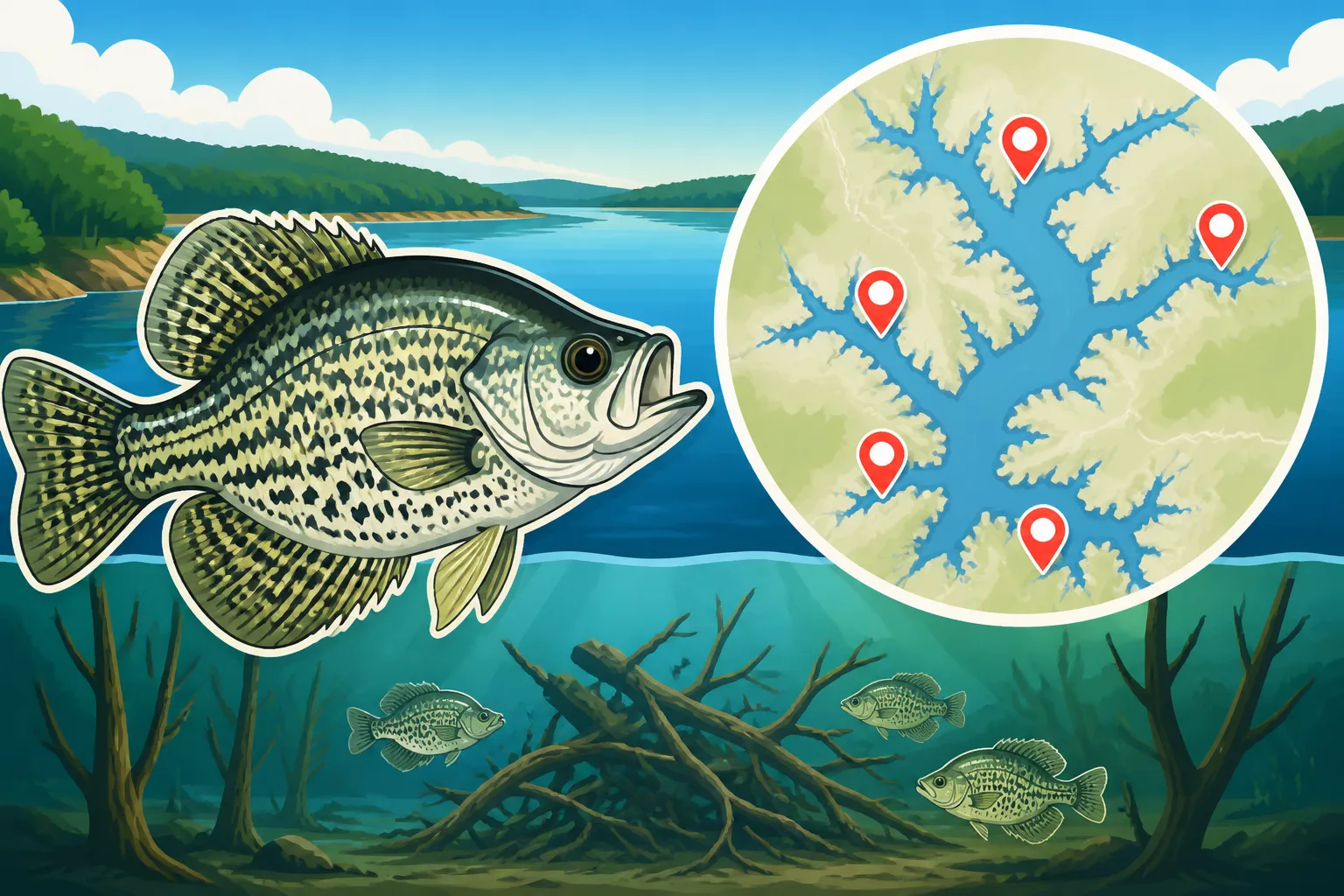
The lake’s structure is heavily influenced by its riverine origins. You’ll find old creek channels, river bends, and flooded timber that were once part of the natural landscape before the impoundment. These features act as highways and homes for crappie. As the water levels fluctuate, which they often do on a big reservoir like Kentucky Lake, crappie will move vertically and horizontally, seeking cover, food, and optimal temperatures. Understanding this dynamic is key to consistently finding them, rather than just relying on luck.
Another significant feature of Kentucky Lake is its vast amount of submerged cover. We're talking about old roadbeds, stumps, brush piles, rock formations, and even man-made structures like old foundations. Crappie are ambush predators and thrive in areas with plenty of structure to hide from predators and ambush prey like shad and small minnows. Many local anglers and guides, often found through services like FishingBooker, spend countless hours mapping these submerged structures. Without this knowledge, you might be fishing over barren bottom while the crappie are stacked tight to a hidden brush pile just yards away.
Seasonal Crappie Hotspots on Kentucky Lake
Crappie behavior, and thus their location, is heavily dictated by the changing seasons and water temperatures. What works in spring won't necessarily work in summer or winter, and trying to force a technique or location can lead to a lot of frustration. Knowing these seasonal shifts is crucial for success on Kentucky Lake.
Spring Crappie Migration and Spawning Areas
Spring is arguably the most anticipated time for crappie anglers on Kentucky Lake. As water temperatures climb into the 50s and then 60s, crappie begin their migration from deeper wintering holes to shallower spawning grounds. This is when you'll find them congregating in bays, coves, and backwater areas, often in water as shallow as 1 to 5 feet. Look for areas with plenty of submerged brush, cypress trees, or even dense stands of cattails where they can lay their eggs.
Specific areas known for excellent spring crappie fishing include the various bays and creeks off the main lake, particularly those with a muddy or sandy bottom that warms up quickly. Big Sandy Creek on the Tennessee side is a perennial favorite, as are the numerous smaller feeder creeks and sloughs along the western shore. The key is to find protected, shallow water with structure. Remember, they aren't going to spawn in the middle of the open lake. This is also the time when many anglers focus on the Spring Crappie Spawn Timing in Tennessee. Once water temps hit that sweet spot, usually in the low 60s, the bite can be fast and furious, offering some of the best action of the year.
Summer Crappie Patterns
As spring transitions to summer and water temperatures soar, crappie move out of the super-shallow spawning areas and seek deeper, cooler water. This doesn't mean they're impossible to catch; it just means you have to adjust your approach. During summer, crappie will often relate to deeper structure on the main lake or in larger creek channels. Look for brush piles, stump fields, or even creek channel ledges in depths of 8 to 20 feet, sometimes even deeper during the hottest parts of the day.
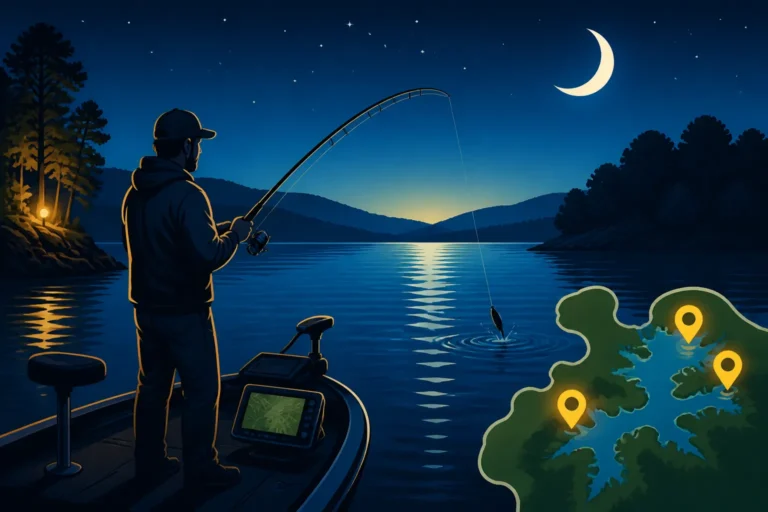
Main lake points that drop off into deeper water, submerged humps, and the edges of the old river channel are prime targets. Crappie will often suspend over these structures, following baitfish. Using your electronics to locate schools of shad and identifying brush piles is absolutely vital during the summer months. The bite can often be best during low-light conditions, such as early morning or late evening, or even at night, when crappie move a bit shallower to feed. Many experienced anglers use a service like FishingBooker to find guides who specialize in these deep-water techniques, as they often have years of accumulated knowledge about specific brush piles and structure.
Fall and Winter Crappie Locations
Fall on Kentucky Lake can be a fantastic time to catch crappie as water temperatures begin to cool, and the fish become more active. They'll often move back shallower than their summer haunts, though not as shallow as in spring. Look for them to be positioned on channel swings, around standing timber in 10-25 feet of water, or on main lake flats adjacent to deeper channels. They'll be feeding aggressively, trying to fatten up for the leaner winter months.
Winter fishing for crappie on Kentucky Lake can be productive, but it requires patience and a slower presentation. Crappie will typically school up tightly in deep creek channels or the main river channel, often suspending over or near deep structure like brush piles, humps, or rock ledges. They'll hold in these areas where the water temperature is more stable. Depths of 20 to 40 feet are not uncommon. It's often a "vertical" game in winter, meaning you're dropping baits directly onto or just above where the fish are holding. Your boat's electronics become your best friend, helping you locate these tight schools. Remember that Tennessee Crappie Fishing Guide by Season offers more in-depth advice on how crappie behavior changes throughout the year.
Effective Crappie Fishing Techniques for Kentucky Lake
Just knowing where the crappie are isn't enough; you also need to know how to catch them. The size and diversity of Kentucky Lake demand a variety of techniques, and being adaptable is a mark of a truly successful crappie angler.
Jigging and Trolling
Jigging is a classic crappie technique, especially effective when fish are holding tight to structure. You can either cast small jigs (1/16 to 1/8 ounce are common, though lighter or heavier can be used depending on depth and wind) to visible cover like cypress trees or docks, or you can vertical jig over submerged brush piles that you've located with your electronics. Small soft plastics, often called "tubes" or "grubs," rigged on a lead head, are incredibly effective. Vary your retrieve speed and depth until you find what the crappie are responding to. For vertical jigging, keep your lure just above the fish you see on your sonar. Many anglers find that How to Jig for Crappie goes into great detail on the nuances of this technique.
Trolling, often referred to as "spider rigging" on Kentucky Lake, is another highly popular and effective method, especially for covering large areas and finding scattered schools of crappie. This involves using multiple rods (often 4-8 or even more, if legal in your state) spread out around the boat, each with a jig or a minnow rig. You slowly troll, often at speeds under 1 mph, allowing your baits to cover different depths and present to a wider range of fish. This is particularly effective in fall and summer when crappie might be more spread out over flats or channel edges. How to Spider Rig for Crappie is a fantastic resource if you're looking to dive deep into this strategy.
Live Bait Presentations
While jigs are undeniably effective, live bait – specifically minnows – often reigns supreme, especially when the bite is tough or crappie are less aggressive, like in winter. A simple minnow rig involves a small hook (sizes 4-8 are common), a split shot or small sinker, and a bobber or just letting it free-line. When fishing around brush piles, a slip bobber rig allows you to adjust your depth precisely, dropping the minnow right into the strike zone without getting constantly snagged.
For deeper crappie, a tightlining technique, where you present a minnow directly below the boat with minimal weight, can be deadly. This is often done in conjunction with spider rigging or just slowly drifting over known crappie haunts. The natural action and scent of a live minnow can often entice bites when artificial lures fail. For more on this, check out Tightlining Techniques for Crappie. Always make sure your minnows are lively; dull, listless minnows won't attract much attention.
Utilizing Electronics for Success
Modern fish finders and sonar technology have revolutionized crappie fishing on Kentucky Lake. Side imaging, down imaging, and 2D sonar are invaluable tools for locating crappie and the structure they relate to. You can literally "see" brush piles, stumps, and even individual crappie holding near them. GPS functionality allows you to mark waypoints for productive spots, so you can return to them again and again.
When you're out on the water, spend time idling around potential crappie areas, diligently scanning with your electronics. Look for baitfish schools, which indicate a food source, and then search for arches or blobs that signify crappie. Once you've found a school, you can either anchor directly over them and vertical jig, or make repeated passes, casting to the marked fish. Services like FishingBooker connect you with guides who are masters of these electronics, often showing clients how to interpret their screens for maximum success. This combination of traditional knowledge and cutting-edge technology gives you a significant edge.
Here's a quick overview of common crappie techniques on Kentucky Lake:
| Technique | Best Season | Primary Target Depth | Baits/Lures | Notes |
|---|---|---|---|---|
| Jigging (Cast) | Spring, Fall | Shallow (1-10 ft) | Small soft plastics, tube jigs | Target visible cover like cypress trees, docks, laydowns. Vary retrieve. |
| Jigging (Vert) | All Seasons | Deep (8-40 ft) | Small soft plastics, hair jigs, minnows | Use over submerged brush piles, ledges. Keep lure just above fish on sonar. |
| Trolling | Summer, Fall | Mid-deep (8-25 ft) | Jigs, crankbaits, minnow rigs | Cover large areas. Multi-rod setup (spider rigging). Very slow speeds. |
| Live Minnows | All Seasons | All Depths | Small live minnows | Versatile. Effective when crappie are finicky. Use with bobbers or tightlining. |
| Float/Bobber | Spring, Shallow Summer | Shallow-Mid (1-15 ft) | Live minnows, small jigs | Good for bank fishing or when fishing around abundant cover. |
Navigating Kentucky Lake: Access and Resources
Getting on and around Kentucky Lake efficiently is almost as important as your fishing technique. Knowing where to launch, where to get bait, and how to stay informed about local conditions can make or break your trip.
Public Access Points and Boat Ramps
Kentucky Lake offers numerous public boat ramps, both on the Tennessee and Kentucky sides, making access relatively easy. Look for ramps in towns like Paris Landing, Big Sandy, or Camden on the Tennessee side, which provide good access to diverse crappie fishing grounds. Many of these ramps are well-maintained and offer ample parking, even for larger boat trailers. However, during peak season or tournaments, these can get quite busy, so plan accordingly.
If you're staying at a marina or resort, they often have private ramps or launching facilities that can be convenient. Always check water levels before heading out, as extremely low water can sometimes make certain ramps unusable, or necessitate extra caution. You can find more comprehensive information on Boat Ramp Access on Tennessee's Major Lakes.
Local Bait Shops and Information
Local bait shops are goldmines of information. The folks working there live and breathe Kentucky Lake fishing, and they often know what's biting, where, and on what. Places like Buchanan Resort in Springville or various small shops scattered around the lake will not only sell you the freshest minnows but also offer invaluable tips on current conditions, water temperatures, and recent crappie patterns. Don't be shy about asking for advice – most anglers love to share, especially if you're buying their bait!
Additionally, consider checking local online fishing forums or Facebook groups dedicated to Kentucky Lake fishing. Many anglers post daily reports, photos, and tips, giving you a real-time pulse on the crappie bite. These communities can be incredibly helpful for planning your trip or making on-the-water adjustments. Some fishing charter services listed on FishingBooker also provide detailed reports and insights.
Hiring a Local Fishing Guide
For those who are new to Kentucky Lake or simply want to maximize their time on the water, hiring a local fishing guide can be an excellent investment. A good crappie guide will have years of experience navigating the lake, intimately know the crappie's seasonal patterns, and have countless marked waypoints for brush piles and productive structures. They can quickly put you on fish, teach you effective techniques specific to the lake, and provide all the necessary gear.
A guide can also help you understand how to approach Kentucky Lake Fishing on the Tennessee Side specifically, pointing out nuances that only a local would know. Many top-rated guides for Kentucky Lake crappie fishing can be found and booked through platforms like FishingBooker, offering you a convenient way to find an expert who can shave years off your learning curve and make your trip incredibly productive. It's a fantastic way to learn the lake quickly and avoid spending valuable fishing time searching for fish.
Crappie Limits and Regulations on Kentucky Lake
Before you head out, it's absolutely crucial to be aware of the specific regulations for crappie on Kentucky Lake, as these can vary even within the same state depending on the body of water. The Tennessee Wildlife Resources Agency (TWRA) sets these rules to ensure the sustainability of the crappie population. For crappie, Tennessee usually has a daily creel limit of 20 fish per person, with a minimum size limit of 10 inches. However, it’s always best to double-check the latest TWRA regulations booklet or their website, as rules can change.
Remember that Crappie Limits Under Tennessee Fishing Rules are strictly enforced. Getting caught with undersized fish or over your limit can result in fines and the loss of your fishing privileges. It's not worth the risk. Always measure your fish carefully and release any that don't meet the size requirements. A good way to do this is to keep a measuring board easily accessible in your boat.
If you're fishing on the Kentucky side of Kentucky Lake, you'll need to be aware of Kentucky's regulations, which may differ. While the Tennessee side is often our focus, it's a border lake, and you should always be mindful of which state's rules apply to the waters you're in. Always carry your Tennessee Fishing License Guide and be prepared to show it to a game warden if asked.
Disclaimer
Please note that fishing conditions, regulations, and fish behavior can change. Always consult the latest Tennessee Wildlife Resources Agency (TWRA) regulations before heading out on your fishing trip. This guide is for informational purposes only and should not replace official sources or professional advice.