Catfish Species Found in Tennessee Waters
There's nothing quite like the thrill of feeling that distinct tug on your line, the one that tells you a big, powerful catfish is on the other end. For many anglers in Tennessee, chasing catfish isn't just a hobby; it's a way of life, a connection to the state's incredible waterways, and a chance to land a truly impressive catch. But if you're new to the scene, or just looking to deepen your understanding, figuring out which catfish species call Tennessee home, where to find them, and how to successfully bring them in can feel a bit overwhelming. This comprehensive guide is here to unravel the mysteries of Tennessee's fantastic catfish population, helping you identify these whiskered wonders and put more of them in your cooler.
The Allure of Catfish in Tennessee Waters
There’s a special kind of magic when it comes to catfishing in Tennessee. It's not just about the size or the fight, though both can be legendary. It’s about the experience, the camaraderie, and the deep-rooted tradition that has been passed down through generations. Whether you're a seasoned pro or just dipping your toes into the world of angling, the pursuit of catfish offers something uniquely rewarding.
Why Catfish are a Favorite Target for Anglers
Let's be real: sometimes fishing can be a bit… finicky. Bass can be elusive, trout can be particular, but catfish? Catfish often seem more willing to bite, making them a fantastic target for anglers of all skill levels. They’re adaptable, found in a wide variety of waters from small farm ponds to massive reservoirs and mighty rivers, and they're typically quite robust, offering a strong fight when hooked. There's an undeniable satisfaction in battling a big blue cat or a hefty flathead, feeling that sheer power as it tries to strip line from your reel. They don't always require the most expensive gear or the most delicate presentations, which is a huge relief for many of us who just want to get out there and fish without breaking the bank. Plus, let's not forget the table fare – fresh Tennessee catfish, fried to a golden crisp, is a culinary delight that rivals almost anything else from our waters. It’s a species that truly embodies the spirit of accessible, rewarding fishing.
The Rich History of Catfishing in the Volunteer State
Catfishing isn't just a modern pastime in Tennessee; it's woven deep into the fabric of our state's history and culture. Long before recreational anglers cast their lines, indigenous peoples relied on these abundant fish for sustenance, developing ingenious methods to catch them from our rivers and lakes. As settlers moved into the region, catfishing continued to be a vital source of food, and the methods evolved. Generations have grown up learning to catch channel cats from local creeks, setting trotlines for blue cats in the Tennessee River, or patiently waiting for a flathead to strike a live bait under the cover of darkness. Family traditions are built around these trips, with stories of monstrous catches and memorable outings being told and retold. A Complete Guide to Fishing Spots in Tennessee often highlights prime catfishing locations, underscoring their historical significance. You'll find bait shops that have been serving catfishermen for decades, and local diners that still feature fried catfish as a Friday night special, a testament to its enduring appeal. It’s more than just fishing; it’s a living piece of Tennessee heritage.
Identifying Tennessee's Primary Catfish Species
Tennessee is blessed with an abundance of fantastic fishing opportunities, and when it comes to catfish, we've got some real champions swimming in our waters. Knowing the difference between them isn't just for bragging rights; it helps you understand their habits, where to find them, and what baits they prefer. It’s all about becoming a more effective angler!
Channel Catfish: The State's Official Aquatic Ambassador
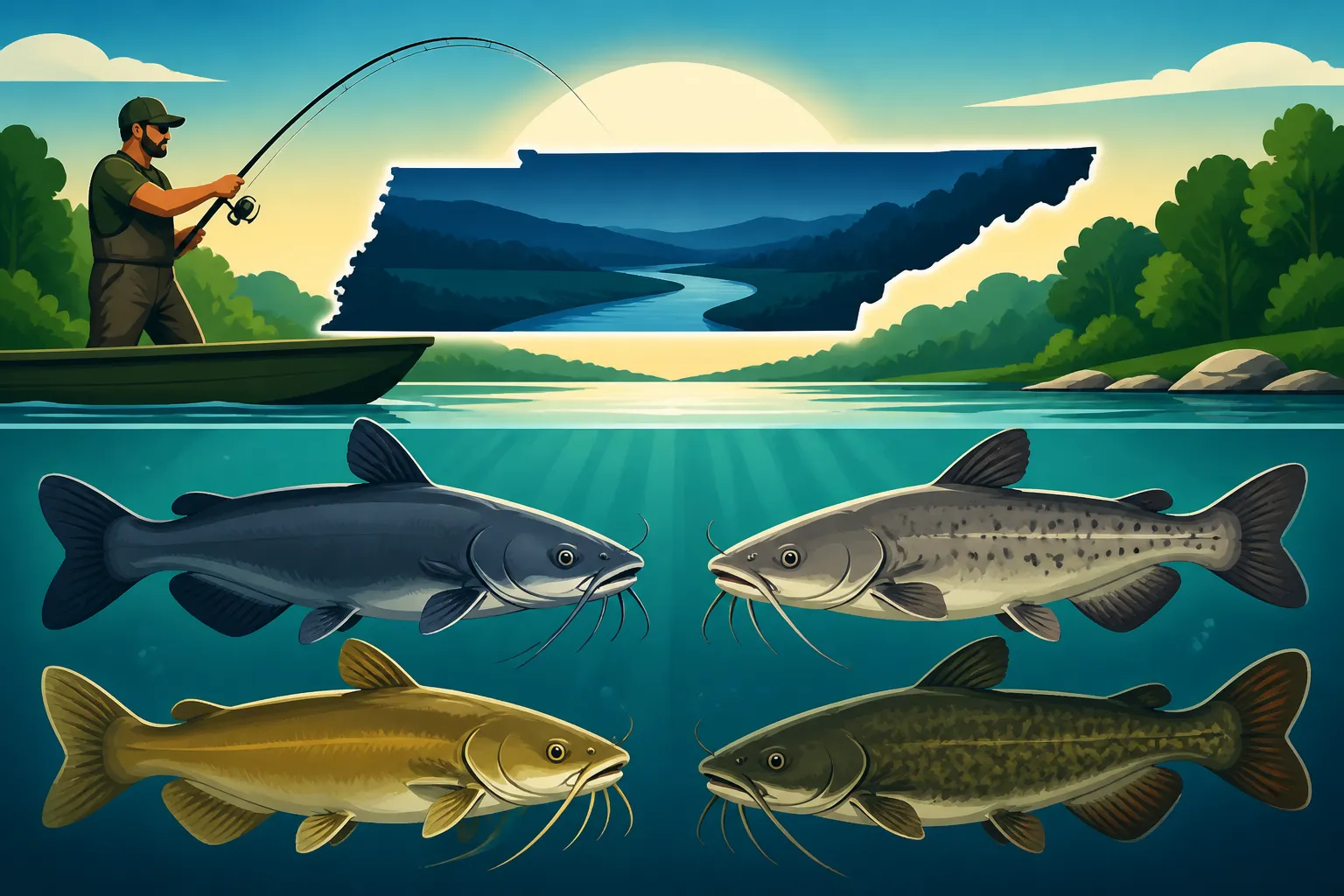
Ah, the Channel Catfish – what a magnificent creature! It's one of Tennessee's official state fish, and for very good reason. These are arguably the most widespread and commonly caught catfish species in the state, inhabiting everything from small farm ponds and slow-moving streams to large reservoirs and major river systems. They’re recognized by their olive-brown to slate-gray bodies, often adorned with scattered black spots, especially when they’re younger. Their tails are distinctly forked, almost like a shallow "V," which is a key identifying feature. They also have a relatively small head compared to their body size.
Channel cats are incredibly versatile eaters. They're opportunistic omnivores, meaning they'll pretty much eat anything they can find, which is why they respond so well to a wide array of baits. Stink baits, cut bait, worms, chicken livers, and even hot dogs can entice a channel cat. They’re a fantastic entry point for beginner anglers because they’re abundant and relatively easy to catch, but don't let that fool you – a big channel cat can still put up a respectable fight! They generally don't reach the colossal sizes of their blue catfish cousins, but a 10-20 pound channel cat is a common and very satisfying catch. Understanding Tennessee's Official State Fish: Channel Catfish and Smallmouth Bass gives you a deeper appreciation for this beloved species.
Blue Catfish: Giants of the Deep
If you're dreaming of a truly monumental catch, the Blue Catfish is your target. These are the heavyweights of the Tennessee catfish world, capable of growing to truly astonishing sizes. We're talking fish that can easily exceed 50 pounds, with state records pushing well over 100! Blue cats are identifiable by their slate-blue to gray backs, fading to silvery-white bellies. Their most distinctive feature, however, is their deeply forked tail, much more pronounced and V-shaped than a channel cat's. They also have a more humped back and a noticeably larger, broader head compared to a channel cat.
These giants prefer large river systems and deep reservoirs, often congregating in channel bends, deep holes, and around submerged structures. They are primarily piscivores, meaning they prefer to eat other fish. This is why cut bait, especially fresh shad, skipjack, or herring, is often the bait of choice for serious blue cat anglers. Fishing for blues often involves heavy-duty gear, patient waiting, and a strong back for the fight. Catching a trophy blue cat is an experience you won't soon forget, a true test of an angler's skill and endurance. Targeting Kentucky Lake Catfish Fishing Spots or Watts Bar Lake Catfish Fishing Spots are excellent choices for seeking out these massive fish.
Flathead Catfish: The Solitary Ambush Predator
The Flathead Catfish is a unique and often elusive member of Tennessee's whisker brigade. Unlike their channel and blue cousins, flatheads are solitary, ambush predators with a distinct preference for live bait. They have a mottled yellowish-brown to olive coloring, often with dark spots and blotches, which provides excellent camouflage. Their most obvious characteristic is their remarkably flat head (hence the name!) and a lower jaw that protrudes beyond the upper jaw. Their tail is square or only very slightly notched, not forked like the other two species.
Flatheads prefer slower-moving stretches of rivers, deep holes with plenty of cover like logjams, rock piles, or submerged trees. They're not keen on muddy water and typically hunt at night, waiting patiently for an unsuspecting fish or crayfish to swim by. Because of their predatory nature, live bait such as bluegill, sunfish, or even small carp are the most effective offerings. Catching a flathead often requires a different approach, focusing on presenting live bait in strategic locations and being patient. They offer an incredibly powerful, bulldog-like fight, often trying to dive back into cover. While they don't reach the sheer weight of the largest blue cats, flatheads can still grow very large, with many exceeding 30-40 pounds, making them a prize for any dedicated catfisherman. Learning Flathead Catfish: Identification Tips for Beginners can really help you distinguish them in the field.
Key Distinguishing Features of Tennessee Catfish Species
To help you quickly identify what's on the end of your line, here's a quick reference table outlining the key differences between Tennessee's main catfish species.
| Feature | Channel Catfish | Blue Catfish | Flathead Catfish |
|---|---|---|---|
| Tail Shape | Moderately forked ("V" shape) | Deeply forked (pronounced "V") | Square or slightly notched |
| Head Shape | Relatively small, rounded | Large, broad, humped back | Flattened, lower jaw protrudes |
| Coloration | Olive-brown to gray, often with spots (especially young) | Slate-blue to gray, white belly | Mottled yellow-brown to olive, blotches |
| Diet | Omnivorous, opportunistic | Primarily piscivorous (fish) | Primarily piscivorous (live fish) |
| Habitat | Wide range: ponds, rivers, lakes | Large rivers, deep reservoirs | Slow rivers, deep holes, heavy cover |
| Max Size | Up to 20-30 lbs (commonly) | Can exceed 100 lbs | Up to 60+ lbs (commonly) |
Where to Find Each Catfish Species in Tennessee
Knowing what type of catfish you're after is just the first step; the next is knowing where to cast your line. Each species has its preferred haunts, and understanding these can drastically improve your chances of success in Tennessee's diverse waterways.
Channel Catfish Hotspots Across the State
Channel catfish are the most widespread and adaptable of Tennessee's catfish species, which is fantastic news for anglers because it means you don't have to travel far to find them! You'll find healthy populations in almost every major reservoir, like Percy Priest Lake, Old Hickory Lake, and Watts Bar Lake, as well as countless smaller lakes, ponds, and slower-moving rivers and creeks throughout the state. They love areas with a mix of shallow and deeper water, especially spots with some current or structure. Think about creek channels, humps, ledges, and areas where tributaries flow into larger bodies of water, bringing in nutrients and baitfish.
Even smaller, public access ponds and state park lakes are frequently stocked with channel catfish, making them perfect spots for a family fishing outing. For example, many of the smaller lakes managed by the Tennessee Wildlife Resources Agency (TWRA) offer fantastic bank fishing opportunities for channel cats. They're often found patrolling the bottoms, especially near drop-offs or where there's submerged vegetation providing cover. Don't overlook marinas or boat docks, particularly at night, as these structures often attract baitfish and provide shelter. Their willingness to bite a variety of readily available baits, from nightcrawlers to prepared stink baits you can find on Amazon, makes them a go-to for many anglers looking for consistent action. Best Catfish Lakes in Tennessee is an excellent resource for more specific locations.
Blue Catfish Havens in Tennessee's Large Rivers and Reservoirs
If monster blue catfish are what you're after, you need to think big – big water, that is. Tennessee's vast river systems and massive reservoirs are the undisputed domains of these colossal cats. The Tennessee River and its associated impoundments, like Kentucky Lake, Chickamauga Lake, and Watts Bar Lake, are legendary for their trophy blue cat fisheries. The Cumberland River, particularly its lower stretches and reservoirs like Old Hickory Lake, also holds impressive numbers of big blues. These fish thrive in deep, expansive waters with strong current breaks and abundant prey fish, especially shad and skipjack.
Look for blue cats in the main river channels, deep holes, submerged river bends, and around major points or humps that drop off into deeper water. Bridges and dam tailraces are also incredibly productive, as the turbulent water and baitfish concentrations create ideal feeding grounds. Early morning, late evening, and throughout the night are often the most productive times, as these massive fish move out of the deepest sanctuaries to feed. A heavy-duty boat and a quality fish finder are often essential tools for locating these giants. Anglers often spend hours meticulously mapping out deep structure and current seams using their electronics. Kentucky Lake Catfish Fishing Spots specifically highlights some of the best areas to target these impressive specimens.
Flathead Catfish Lairs: Seek Structure and Cover
Flathead catfish are creatures of habit and prefer specific types of habitat that cater to their ambush predator lifestyle. Unlike the wandering channel cats or the schooling blues, flatheads are often solitary and associate tightly with heavy cover in slower-moving or stationary water. You’ll find them in the deeper sections of major rivers like the Tennessee and Cumberland, as well as in the larger reservoirs, but always look for that structure. Think logjams, sunken timber, rock piles, old bridge abutments, and deeply undercut banks. They love places where they can hide, out of the direct current, and dart out to ambush passing prey.
They typically inhabit slower pools, oxbows, and deeper creek channels within these larger systems. The key is to find that perfect combination of depth and dense cover. They are less tolerant of extremely muddy water than channel cats, preferring clearer conditions where they can better spot their live prey. Because of their preference for live bait and their tendency to hold tight to cover, fishing for flatheads often involves more precise bait placement and a willingness to get snagged occasionally. Night fishing is particularly effective for flatheads, as they become more active hunters under the cover of darkness. Targeting specific features like the "Best Spot to Catch Flathead Catfish on Watts Bar Lake, Tennessee" requires knowing these habitat preferences. Being patient and letting your live bait work its magic near these underwater fortresses is often the most successful strategy.
Essential Gear and Techniques for Catfishing in Tennessee
Successful catfishing isn't just about knowing where the fish are; it's also about having the right tools and knowing how to use them. While channel cats might be forgiving of basic setups, targeting those trophy blues and elusive flatheads demands a bit more specialized gear and technique.
Rods, Reels, and Line for Landing Big Cats
Let's talk hardware. You wouldn't bring a butter knife to a steak dinner, and you certainly don't want to bring ultralight gear when a 50-pound blue cat might be on the other end.
For Channel Catfish, a medium-heavy spinning or baitcasting rod, about 6.5 to 7.5 feet long, is usually perfect. Pair this with a sturdy reel spooled with 15-20 pound monofilament or braided line. This setup offers enough backbone to handle a decent-sized channel cat without feeling like you're fighting a whale with a toothpick. You want something robust enough to cast heavier weights and baits, but sensitive enough to feel those subtle bites. Many anglers find excellent all-around combos for channel catfishing on Amazon, offering good value and reliability.
When you step up to Blue Catfish and Flathead Catfish, especially the trophy-sized ones, you need to go heavy-duty. We're talking heavy-power casting rods, typically 7 to 10 feet long, designed for casting heavy weights and handling immense strain. These rods have a strong backbone to horse in big fish but often a softer tip to detect subtle bites. Pair these with conventional baitcasting reels, often called "levelwind" reels, known for their incredible cranking power and high line capacity. Spool them with 30-80 pound braided line, often with a monofilament or fluorocarbon leader of slightly lighter breaking strength. Braided line offers superior sensitivity and strength for its diameter, crucial for detecting deep bites and controlling powerful fish. You'll need line that can withstand abrasion against rocks and timber, which these big cats often try to use to break free. Best Rods for Catfish Fishing delves deeper into specific recommendations.
Baits and Rigs: What Works Best for Each Species
This is where the art and science of catfishing really come into play. Different catfish species have different dining preferences, and choosing the right bait and rig can make all the difference.
For Channel Catfish, variety is the spice of life. They're scavengers and opportunistic feeders, so they'll hit almost anything smelly. Classic choices include:
- Cut Bait: Shad, herring, or skipjack cut into chunks are excellent. The oil and scent dispersal are irresistible.
- Prepared Baits: Stink baits, punch baits, and dip baits are immensely popular and effective, especially when fished on treble hooks or specialized bait holders.
- Worms: Nightcrawlers are always a reliable option, especially for smaller to medium-sized channel cats.
- Chicken Livers: A classic for a reason, though they can be messy and fall off the hook easily.
- Other Oddities: Hot dogs, corn, and even soap can surprisingly catch channel cats!
A simple Carolina Rig (sliding sinker, bead, swivel, leader, hook) is probably the most common and effective rig for channel cats, allowing the fish to pick up the bait without feeling the weight of the sinker. A 1/0 to 5/0 circle hook is typically used.
For Blue Catfish, fresh cut bait is king. Blues are primarily piscivorous, meaning they eat other fish, and they prefer fresh over stale.
- Fresh Cut Shad, Skipjack, or Herring: These are absolute top-tier baits. The fresher, the better. Use large chunks or whole small baitfish.
- Live Bait: Smaller live gizzard shad or sunfish can also be effective, especially for larger blues.
Heavy Santee Cooper Rigs or modified Carolina Rigs are popular for blues. These rigs incorporate a float above the hook to keep the bait suspended just off the bottom, making it more visible to fish and less prone to snags. Use strong 7/0 to 10/0 circle hooks for their mouth structure and for easier, safer releases. Best Bait for Bottom Fishing Catfish offers more detail on these powerful techniques.
For Flathead Catfish, it’s almost exclusively about live bait. They are ambush predators and prefer to stalk and swallow live prey.
- Live Bluegill, Sunfish, or Perch: These are the gold standard. Make sure they are legal to use as bait and are lively. The bigger the bait, often the bigger the flathead you'll attract.
- Live Suckers or Goldfish: Also effective where legal.
A basic Carolina Rig with a heavy weight to keep the live bait near structure is often used. You want a strong, sharp 7/0 to 9/0 circle hook, capable of holding a large, active baitfish and penetrating the tough mouth of a flathead. It's vital to hook your live bait in a way that keeps it alive and swimming naturally for as long as possible, usually through the back or lips.
Popular Catfishing Techniques: From Bottom Fishing to Jugging
Tennessee anglers employ a range of techniques to target catfish, each suited to different conditions, species, and personal preferences.
Bottom Fishing: This is the most common and versatile technique, effective for all three species, especially channel and blue cats. It simply involves casting your baited rig (usually a Carolina or Santee Cooper rig) out and letting it sink to the bottom. You can fish multiple rods from the bank or a boat, casting to different depths or structures. The key is to be patient and let the scent of your bait do the work. If you're fishing a river, cast slightly upstream and let the current carry the scent downstream.
Drift Fishing: Particularly effective for blue cats in large reservoirs or rivers. This involves letting your boat drift slowly with the current or wind, dragging multiple baited lines behind it. This technique allows you to cover a lot of water and present your bait to active fish over a wider area. It's common to use planer boards or balloon floats to spread out lines and prevent tangles.
Jug Fishing: A traditional and highly effective method for channel and blue cats, though regulations vary by water body, so always check local rules carefully. This involves setting out multiple lines, each attached to a free-floating jug (often a pool noodle or milk jug). The bait is suspended at a desired depth, and when a fish bites, the jug starts to move, signaling a strike. It's a fantastic way to cover large areas and can be incredibly productive, especially at night. Remember to clearly mark your jugs with your name and TWRA ID number. How to Jug Fish for Catfish Explained covers the details of this method.
Trotlines: Similar to jug fishing in principle but involves a main line strung across a river or lake, with numerous baited hooks attached at intervals. Like jugging, trotlines are highly regulated in Tennessee, so understanding Tennessee Fishing Regulations Explained and checking specific water body rules is crucial before deployment. They can be incredibly efficient for catching multiple catfish.
Wade Fishing/Bank Fishing: For channel cats, and even smaller flatheads or blues in accessible areas, simply fishing from the bank or wading into a shallow river can be very productive. Focus on areas with current breaks, deeper holes close to shore, or submerged structure.
No matter your chosen technique, a comfortable chair, plenty of bait, and a good headlamp (for night fishing) are essential. Don't forget a sturdy pair of pliers for hook removal and a measuring tape to ensure your catch meets regulations. A good cooler stocked with ice, perhaps one you ordered from Amazon, is also key for keeping your catch fresh.
Regulations and Conservation Efforts for Tennessee Catfish
As exciting as it is to catch catfish, it’s even more important to be a responsible angler. That means understanding and respecting the regulations in place, which are designed to protect our fisheries and ensure that future generations can enjoy the same fantastic opportunities we have today.
Statewide Limits and Specific Lake Regulations
Tennessee has general statewide regulations for catfish, but it's absolutely crucial to remember that lake-specific or river-specific rules can and often do override these statewide limits. This is a common point of confusion and can lead to unintentional violations. Always, always check the current TWRA fishing guide for the specific body of water you plan to fish before you cast your line. These guides are usually available online or at bait shops.
Generally, for Channel Catfish, there are often no size limits and generous daily creel limits (e.g., 10 fish per day, but again, check local rules). For Blue Catfish and Flathead Catfish, there can be more restrictive regulations, especially on major trophy waters like Kentucky Lake or Chickamauga Lake. These might include minimum size limits to protect larger, spawning fish, or slot limits that allow you to keep smaller fish and one larger "trophy" fish, while requiring the release of fish within a certain size range. This is designed to promote the growth of truly giant catfish. For instance, Lake-Specific Fishing Rules That Override Tennessee's Statewide Limits is a prime example of how regulations can change depending on where you're fishing. It's not uncommon to see regulations like "no more than one Blue Catfish over 34 inches" on certain stretches of the Tennessee River. Always read the fine print!
The Importance of Sustainable Catfishing Practices
Beyond simply following the rules, practicing sustainable catfishing is vital for the health of our waters and the longevity of this beloved sport. This means making conscious choices that benefit the resource.
- Catch and Release: While catfish are excellent table fare, consider releasing some of your catch, especially the very large breeding females (trophy blues and flatheads) and the very small ones. These fish are crucial for maintaining healthy populations. If you plan to release, handle the fish carefully, minimizing its time out of water. Use proper de-hooking tools, and ensure the fish is revived before letting it go.
- Targeting for Table vs. Trophy: If you're fishing for a meal, focus on the abundant medium-sized fish within the legal limits. These often have the best flavor. Save the giants for a photo and release.
- Proper Disposal: Always pack out what you pack in. Dispose of all trash, including old fishing line, bait containers, and food wrappers, properly. Never leave litter behind.
- Responsible Bait Use: If using live bait, ensure it's from a legal source and that you don't introduce invasive species into a new water body. Never dump unused baitfish from one lake into another.
These practices ensure that Tennessee's fantastic catfishing opportunities remain vibrant for generations to come.
How TWRA Supports Catfish Populations
The Tennessee Wildlife Resources Agency (TWRA) plays a critical role in managing and enhancing our state's catfish populations. Their efforts are multifaceted and essential for maintaining healthy fisheries.
- Monitoring and Research: TWRA biologists constantly monitor catfish populations through sampling, creel surveys, and angler reports. They study growth rates, spawning success, and overall population health, using this data to inform management decisions and set appropriate regulations. This scientific approach ensures that limits are based on sound ecological principles.
- Habitat Management: TWRA undertakes projects to improve aquatic habitats, which indirectly benefits catfish. This can include creating fish attractors, protecting spawning grounds, and managing water levels in reservoirs to support fish reproduction and growth.
- Stocking Programs: While most catfish populations in Tennessee are naturally reproducing, TWRA does engage in stocking programs, particularly for channel catfish in smaller ponds and lakes, to enhance recreational opportunities. These stockings provide "put-and-take" fisheries that are perfect for new anglers or family outings.
- Public Education: A significant part of TWRA's work is educating the public about fishing regulations, sustainable practices, and the importance of conservation. They publish annual fishing guides, host workshops, and maintain an active online presence to keep anglers informed. If you have questions about specific rules or want to report a violation, contacting your local TWRA office is always a good idea. Their commitment helps ensure that species like Channel Catfish: Tennessee's Other Official State Fish thrive.
Cooking and Enjoying Your Tennessee Catfish Catch
So, you've battled the fish, followed the regulations, and now you've got some fresh Tennessee catfish to bring home. The next exciting step is preparing it for the dinner table! There's a reason why fried catfish is a Southern classic – it's absolutely delicious, and with a little care, you can turn your catch into a memorable meal.
Preparing Catfish for the Dinner Table
The journey from the water to your plate starts with proper cleaning. While some people don't mind the "mud vein" (the dark strip of meat along the lateral line), many prefer to remove it for a cleaner, milder flavor.
Skinning and Filleting: This is often the most daunting part for beginners, but with a bit of practice, it becomes much easier.
- Preparation: Lay your catfish on a clean, stable surface. A filleting board is ideal. For larger catfish, you might need a sturdy knife and pliers.
- Making the Cut: For skinning, many anglers prefer to make an incision just behind the head, cutting deeply down to the backbone. Then, using pliers or a skinning tool, grip the skin firmly and pull it back towards the tail, peeling it off like a glove. For smaller channel cats, you can sometimes just score the skin and pull.
- Filleting: Once skinned, you can either cook the fish whole (especially smaller channel cats) or fillet it. To fillet, make an incision behind the head and down to the backbone, then turn your knife flat and run it along the backbone towards the tail, separating the fillet from the bone structure. Flip the fish and repeat on the other side.
- Removing the Mud Vein (Optional but Recommended): On the meaty side of the fillet, you'll often see a reddish, darker strip of meat. This is the "mud vein" or bloodline. Use a sharp knife to carefully cut this away. It can impart a stronger, sometimes "muddy" flavor if left in, especially in larger fish.
Washing and Drying: After filleting, rinse the fillets thoroughly under cold water to remove any scales, blood, or bone fragments. Pat them dry completely with paper towels. This step is crucial, as excess moisture can prevent breading from sticking and lead to less crispy results when frying. You can even find specialized paper towels on Amazon that are extra absorbent, perfect for this task.
Classic Catfish Recipes and Local Favorites
Once cleaned and prepped, your Tennessee catfish is ready for culinary transformation! While there are countless ways to cook catfish, some stand out as true Southern staples.
-
Classic Fried Catfish: This is the quintessential preparation.
- Breading: In a shallow dish, combine cornmeal (often white or yellow, depending on preference), flour, and your favorite seasonings (salt, black pepper, cayenne pepper, garlic powder, onion powder, paprika are common). Some folks like to add a little baking powder for extra crispiness.
- Egg Wash (Optional): For extra adhesion, you can dip the fillets in an egg wash (beaten eggs with a splash of milk or hot sauce) before dredging them in the breading mixture.
- Frying: Heat about 1-2 inches of vegetable oil, peanut oil, or canola oil in a heavy-bottomed skillet or deep fryer to around 350-375°F. Fry the catfish in batches, turning occasionally, until golden brown and cooked through, usually 4-7 minutes depending on thickness. Don't overcrowd the pan, as this lowers the oil temperature and leads to soggy fish.
- Serving: Serve hot with lemon wedges, tartar sauce, coleslaw, hushpuppies, and perhaps some Best Catfish Fishing Spots in Tennessee memories.
-
Grilled or Blackened Catfish: For a healthier option or a different flavor profile, grilling or blackening is fantastic. Season your fillets liberally with a good Cajun or blackening spice blend. For grilling, lightly oil the fillets and grill over medium-high heat until flaky. For blackening, use a cast-iron skillet heated to screaming hot (preferably outdoors due to smoke), add a bit of butter, then sear the fillets quickly on each side until a dark, flavorful crust forms.
-
Catfish Stew or Fritters: For a hearty, comforting meal, catfish can be excellent in stews, gumbos, or made into savory fritters. These preparations are especially good for using up smaller pieces or if you have a particularly large catch.
Handling and Storing Your Catch Safely
Proper handling and storage are just as important as the catch itself to ensure your catfish remains safe and delicious.
- Keep it Cold: From the moment you catch a fish, the goal is to keep it cold. A cooler full of ice is non-negotiable. Get your fish on ice as quickly as possible after catching. This dramatically slows bacterial growth and preserves the quality of the meat. Don't just throw them in a bucket of water; ice is key.
- Clean Promptly: While keeping fish on ice can buy you some time, try to clean your catch within a few hours of getting off the water. The longer it waits, the more the quality can degrade.
- Refrigeration: Fresh, cleaned catfish fillets can be stored in the refrigerator for 1-2 days. Place them in an airtight container or zip-top bag to prevent them from absorbing odors or drying out.
- Freezing for Longer Storage: For longer storage, freezing is your best bet.
- Vacuum Sealing: This is the absolute best method. Vacuum-sealed fillets can last 6-12 months or even longer in the freezer without freezer burn.
- Water Glaze: If you don't have a vacuum sealer, you can create a protective ice glaze. Place dry fillets in a freezer-safe zip-top bag, add just enough water to cover them, remove as much air as possible, and freeze flat. This block of ice protects the fish from air exposure.
- Freezer Paper/Plastic Wrap: Wrap individual fillets tightly in plastic wrap, then again in freezer paper or heavy-duty foil. Place these wrapped fillets in a freezer-safe bag.
Always label your frozen fish with the date, so you know how long it's been stored. Proper care ensures that when you're ready to cook, your Tennessee catfish will taste as fresh and flavorful as possible, a true reward for a successful day on the water.
Disclaimer
This article is for general informational purposes only and does not constitute professional advice. Laws, prices and regulations vary by location and change over time. Consult a qualified professional for guidance on your specific situation.