How to Identify Black Crappie
You've just reeled in a beautiful crappie, and now you're wondering: is it a black crappie or a white crappie? It's a common moment of confusion for many anglers, especially when both species often inhabit the same waters. Identifying your catch correctly isn't just about satisfying curiosity; it's crucial for adhering to local regulations and truly understanding the fish you're targeting. This comprehensive guide will walk you through the distinct features and habits that help differentiate black crappie from their white crappie cousins, ensuring you can confidently identify your next catch.
The Crappie Conundrum: Why Identification Matters
It might seem like a small detail, but knowing the difference between a black crappie and a white crappie can genuinely impact your fishing experience and even keep you on the right side of the law. These two species, while similar in many ways, have key distinctions that are worth learning. Often, folks just lump them together as "crappie," and while that's fine for general conversation, it's not always precise enough for the dedicated angler.
Imagine catching a limit of what you think are black crappie, only to find out they were predominantly white crappie, and the regulations for one are slightly different from the other. It's a scenario that can lead to frustration or, worse, unintended penalties. Beyond regulations, understanding which species you're catching helps you fine-tune your techniques, choose the right spots, and appreciate the nuances of Tennessee's incredible fisheries.
Distinguishing Between Black and White Crappie
This is where the rubber meets the road! While both black and white crappie are part of the Pomoxis genus, they each have unique characteristics. Many anglers, even seasoned ones, sometimes struggle because both fish can vary in coloration depending on their environment, diet, and even their mood. A black crappie from a dark, tannin-stained lake might look a lot different from one caught in clear, open water. The same goes for white crappie. So, it's not just about color; it's about structure.
The most common misconception is that "black crappie are darker, and white crappie are lighter." While generally true, it's not a foolproof method. A dark, muddy-bottomed lake can produce a very dark white crappie, and a clear, sandy-bottomed lake might yield a surprisingly light black crappie. We need more reliable indicators than just overall hue, especially when both species are often found side-by-side in the same coves and brush piles. Getting past this initial assumption is the first step to becoming a crappie identification pro.
Importance of Knowing Your Catch
Why bother with all this detail? Well, for starters, Tennessee, like many states, has specific Tennessee Fishing Regulations Explained that can sometimes differentiate between species or have specific limits that apply to "crappie" generally, but a nuanced understanding is always beneficial. For example, some lake-specific rules might target one species over another, or there might be subtle size or creel limits that apply. You don't want to accidentally over-harvest one species because you couldn't tell the difference.
Beyond regulations, knowing your crappie helps you become a better angler. If you consistently catch black crappie in one type of cover and white crappie in another, you can start to refine your strategies. This knowledge allows you to target specific species, understand their preferred habitats, and ultimately increase your success on the water. It also helps you appreciate the biodiversity of our Tennessee lakes and rivers. Plus, when you're showing off a picture of your catch, it's pretty cool to be able to say, "Look at this beautiful black crappie!"
Key Features for Black Crappie Identification
Alright, let's get down to the nitty-gritty of what really sets a black crappie apart. Forget just looking at the overall color; we need to examine specific anatomical features that are consistent, regardless of water clarity or fish mood. These are the tell-tale signs that the Tennessee Wildlife Resources Agency (TWRA) and experienced biologists use, and they're the same markers you can train your eye to spot in the field.
These markers aren't just for biologists either; they are practical tools for any angler. When you've got a fish in hand, a quick count or a glance at a pattern can instantly clear up any confusion. It’s like having a secret decoder ring for crappie, allowing you to confidently say whether you’ve caught a Pomoxis nigromaculatus (black crappie) or Pomoxis annularis (white crappie). Getting familiar with these small details will build your confidence and make you a more informed angler.
Spotting the Speckles and Stripes
This is one of the most visible and reliable indicators:
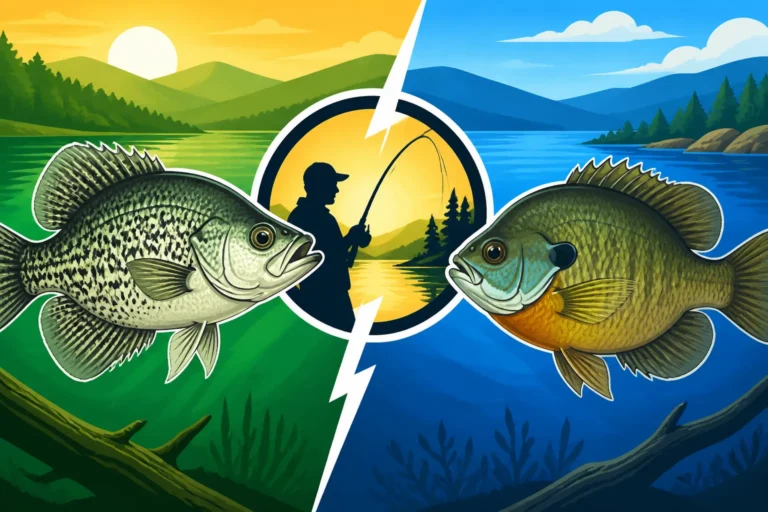
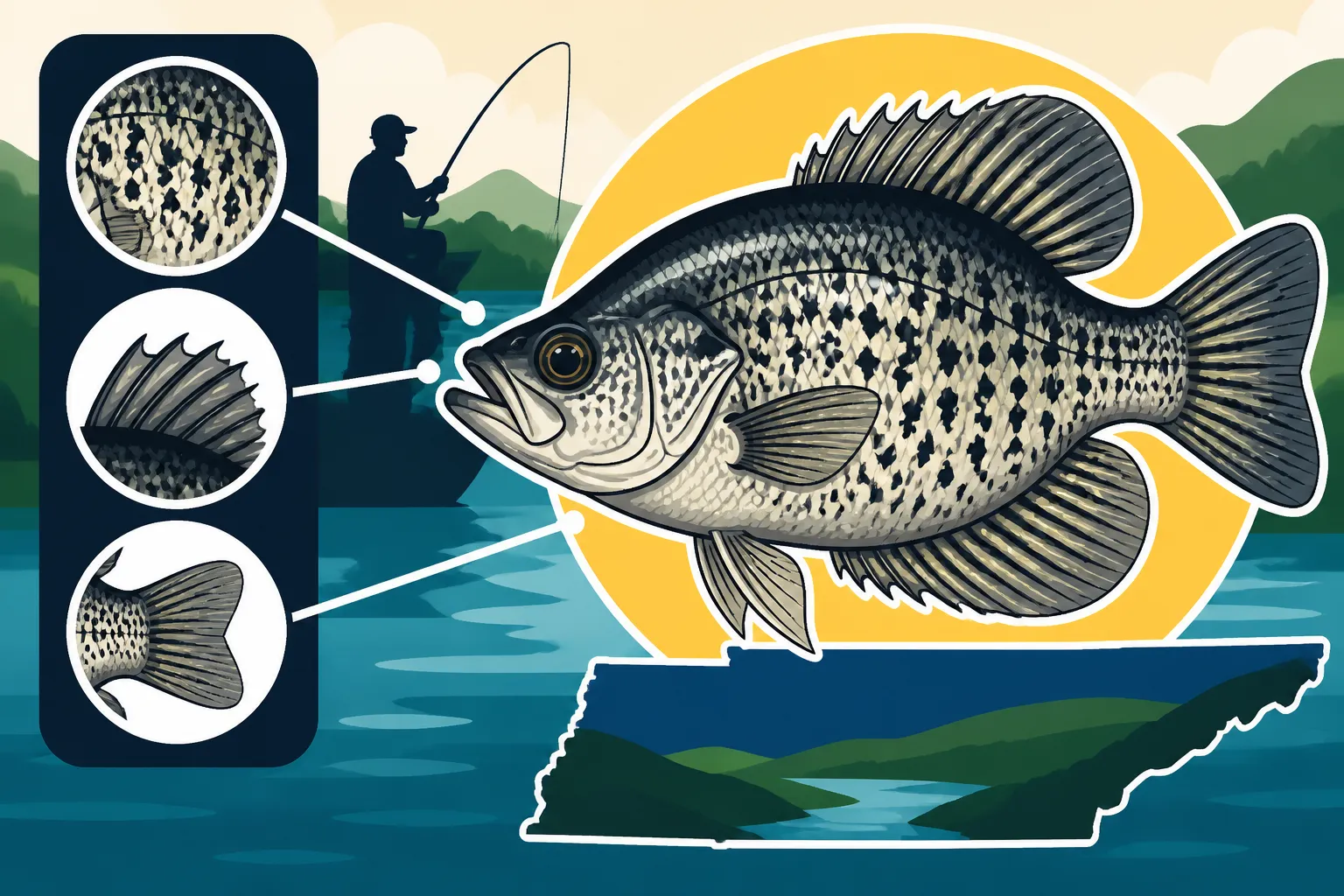
- Black Crappie: Generally, black crappie have an irregular, mottled pattern of dark spots scattered across their body. Think of it like a camouflage pattern or an abstract painting. These spots often extend down onto their dorsal, caudal, and anal fins, giving them a "speckled" appearance. There are no distinct vertical bars.
- White Crappie: In contrast, white crappie typically have more distinct, often faint, vertical bars running down their sides. While they also have spots, these spots tend to be arranged in those vertical rows, creating a striped look.
The pattern of the spots is a major giveaway. If you see a fish with dark blotches and spots that seem randomly distributed, without forming any obvious lines, you're likely holding a black crappie. If the spots seem to line up, creating subtle stripes, then it's probably a white crappie. It's not always black and white (pun intended!), but this spot pattern is usually a great first clue. You can often see this pattern even on smaller fish, making it a reliable indicator from a young age.
Fin Count: Dorsal Fin Spines are Your Friend
This is perhaps the most definitive way to tell them apart, and it requires a quick, careful count:
- Black Crappie: Possess 7 or 8 spines in their dorsal fin (the fin on their back). Seven is the most common count, but eight is definitely within the range.
- White Crappie: Almost always have 6 spines in their dorsal fin.
To count, carefully fan out the dorsal fin and count the rigid, sharp spines at the front of the fin. The soft rays at the back don't count, just the stiff ones. This characteristic is so reliable that it's often the go-to method for fisheries biologists. If you're ever in doubt after looking at the spots, flip the dorsal fin up and count. This is a scientific fact, not a subjective observation like color or overall darkness. It's the ultimate tie-breaker when patterns might be ambiguous.
| Feature | Black Crappie | White Crappie |
|---|---|---|
| Dorsal Fin Spines | 7 to 8 (usually 7) | 6 (almost always) |
| Body Pattern | Irregular, mottled dark spots (speckled) | Dark spots often form 6-9 distinct vertical bars |
| Body Shape | More rounded, "disk-shaped" or "tall" | More elongated, "torpedo-shaped" |
| Mouth | Upper jaw extends to middle of eye | Upper jaw extends past middle of eye |
| Dorsal/Anal Fins | Roughly equal in size | Dorsal fin noticeably smaller than anal fin |
| Preferred Habitat | Clearer, cooler water, more vegetation/cover | Murkier, warmer water, open water, brush piles |
Mouth and Body Shape Clues
Beyond spots and spine counts, there are some subtler, but still helpful, anatomical differences:
- Body Shape: Black crappie tend to have a more rounded, deeper body shape, almost like a dinner plate. They appear "taller" from back to belly compared to white crappie. White crappie, on the other hand, are often more elongated and "torpedo-shaped." Think of a black crappie as a circle and a white crappie as an oval.
- Mouth Size: While both have relatively large mouths for their size, there's a slight difference in how far back the upper jaw extends. For black crappie, the upper jaw usually extends to about the middle of the eye. For white crappie, it often extends past the middle of the eye, giving them a slightly larger-mouthed appearance. This can be tricky to judge precisely in the field, but it's another subtle clue once you get your eye in.
- Dorsal Fin Base Length: This is a less talked-about but often visible difference. The base of the dorsal fin (where it meets the back) is typically much shorter on a black crappie than the base of its anal fin. For white crappie, the dorsal fin base is generally much closer in length to the anal fin base. This goes back to their overall body shape; the "tall" black crappie has a smaller dorsal fin proportional to its depth. This might sound minor, but once you notice it, it becomes a strong visual cue.
Habitat and Behavior Clues for Black Crappie
Now that we've covered the physical markers, let's talk about where you're likely to find these fish. While black and white crappie often coexist, they do have slight preferences in terms of habitat. Understanding these can give you a better idea of what you might pull out of the water even before you see it. It's like knowing that a certain type of deer prefers open fields while another sticks to dense woods; it helps you predict what's there.
These habitat preferences are driven by factors like water clarity, temperature tolerance, and preferred forage. When you understand these nuances, you're not just fishing; you're actively engaging with the ecosystem. This knowledge can save you time, improve your catch rate, and help you appreciate the intricate lives of these popular sport fish. Pay attention to the conditions of the water you're fishing – it can often offer a solid hint.
Preferred Waters and Cover
Black crappie tend to be a bit more finicky than their white crappie counterparts when it comes to their environment:
- Water Clarity: Black crappie generally prefer clearer, cooler water with more submerged vegetation. You're more likely to find them in lakes, reservoirs, and slow-moving rivers that have good water clarity and an abundance of aquatic plants. Think of those pristine coves with lily pads or areas with sunken brush piles in cleaner water.
- Cover Preference: They love complex cover – dense brush piles, standing timber, docks, and submerged logs. The more intricate the cover, the better. They use this cover for ambush points when feeding and for protection from predators. If you're fishing a deep, clear pocket with lots of structure, there's a good chance you'll encounter Black Crappie: A TWRA-Stocked Tennessee Favorite.
This doesn't mean you won't catch a black crappie in murkier water, but their primary comfort zone is typically associated with better visibility and more diverse plant life. This preference for structured, clearer water makes them a favorite target for anglers who enjoy dissecting specific pieces of cover with jigs or minnows. Knowing this helps you narrow down your search, especially on large bodies of water like Kentucky Lake or Chickamauga.
How Their Behavior Aids Identification
Their preferred habitats also influence their general behavior and how they interact with anglers:
- Schooling Patterns: Both species school, but black crappie sometimes form tighter schools within or around dense cover. They might be a bit less nomadic than white crappie, sticking to a specific piece of structure for longer periods.
- Feeding Habits: While both are opportunistic predators, black crappie's preference for clearer water and dense cover means they often rely more on sight and ambush tactics. They'll lurk within the structure, darting out to snatch small baitfish, insects, or crustaceans.
- Reaction to Conditions: Black crappie can be a bit more sensitive to sudden changes in water temperature or clarity. A strong cold front or a sudden influx of muddy water might make them less active or drive them deeper into cover more quickly than white crappie, which are generally more tolerant of fluctuating conditions. Understanding these subtle behavioral cues, combined with physical identification, makes you a more complete angler. For example, if you're fishing a particularly clear water section of a Tennessee reservoir and consistently pulling fish from dense cover, the odds are already leaning towards black crappie before you even get a good look.
Practical Tips for Anglers in Tennessee
Now that you're armed with all this knowledge, let's talk about how to apply it on the water. It's one thing to read about fin spines, and another to be out there, wind blowing, boat rocking, trying to make a quick identification. But with a few practical tips and some patience, you'll be a crappie identification expert in no time. The goal is to make this process intuitive, so you can focus more on the fishing and less on the guesswork.
Remember, practice is key. The more fish you handle and examine, the quicker and more accurate your identification will become. Don't be afraid to take a moment with each catch, gently inspect it, and make a mental note of its features. This hands-on learning is invaluable and far more effective than just memorizing facts from a book. Soon, you'll be able to tell at a glance!
Gear That Helps with Close Inspection
Sometimes, a quick glance isn't enough, especially for smaller fish or when you're just starting out:
- Magnifying Glass: A small, waterproof magnifying glass can be a lifesaver for counting fin spines or examining subtle spot patterns. Keep one in your tackle box! You can find a good, inexpensive option on Amazon that won't take up much space.
- Camera Phone: Take a clear picture of your catch, especially if you're unsure. You can zoom in later to count spines or study patterns without keeping the fish out of the water for too long. Plus, it's great for sharing your catches!
- Fish ID Card/App: Some anglers print out a small, laminated fish identification card for crappie species or use a fishing app on their phone. These can be quick reference guides when you're uncertain. A simple search on Amazon will reveal many compact waterproof fish ID cards that can clip right to your vest.
- Measuring Board: While not directly for identification, a measuring board is crucial for ensuring your crappie meet Tennessee's Crappie Limit Is 20 Per Day, Only 5 Over 12 Inches and other size regulations. Always carry one.
Having the right tools accessible can make all the difference in confidently identifying your catch. It reduces the stress of uncertainty and ensures you're always making informed decisions about what to keep and what to release. These little helpers become invaluable companions on the water.
Practice Makes Perfect: Field Identification
There's no substitute for hands-on experience. The more crappie you catch and examine, the easier identification will become:
- Examine Every Fish: Make it a habit to quickly look for the key features on every crappie you catch, even if you think you know what it is. This reinforces your learning.
- Compare Side-by-Side: If you catch both a black and a white crappie on the same outing, take a moment (while keeping them healthy) to compare them directly. Lay them side-by-side and note the differences in spot patterns, body shape, and fin spines. This direct comparison is incredibly effective for solidifying your understanding.
- Observe Your Water: Pay attention to the water conditions and cover where you catch each species. Are you catching more black crappie in clearer, vegetated areas? Or are white crappie dominating the murkier, more open water brush piles? This contextual information further helps predict what you'll catch. Understanding the Tennessee Crappie Fishing Guide by Season also helps narrow down expectations for certain areas.
Over time, you'll develop an intuitive sense. You'll likely find that you rarely even need to count spines because the other features will become so obvious to your trained eye. This is the goal: effortless, accurate identification that enhances your entire fishing experience.
When in Doubt: Resources and Regulations
Even the most experienced anglers can occasionally encounter an oddball fish that leaves them scratching their heads. It happens!
- TWRA Resources: The Tennessee Wildlife Resources Agency (TWRA) is your absolute best resource for anything related to fishing in the state. Their website and publications have detailed information on fish identification, regulations, and even Where TWRA Stocks Black Crappie in Tennessee. When you need to know about Crappie Limits Under Tennessee Fishing Rules, their site is the definitive source.
- Local Bait Shops: Don't underestimate the knowledge of local bait and tackle shop owners. They are often incredibly experienced anglers who see hundreds of fish every season and can offer invaluable local insights.
- Online Forums/Groups: There are many online fishing communities where you can post a picture of your catch and get input from other anglers. Just be sure to cross-reference any advice with official TWRA regulations. Remember, the goal is always to fish legally and ethically. If you're truly unsure about a fish's species or whether it meets regulations, it's always best to err on the side of caution and release it. Your careful approach benefits both the fishery and your reputation as a responsible angler.
Disclaimer
This article is for general informational purposes only and does not constitute professional advice. Laws, prices and regulations vary by location and change over time. Consult a qualified professional for guidance on your specific situation.