Chickamauga Lake Striped Bass Fishing Report
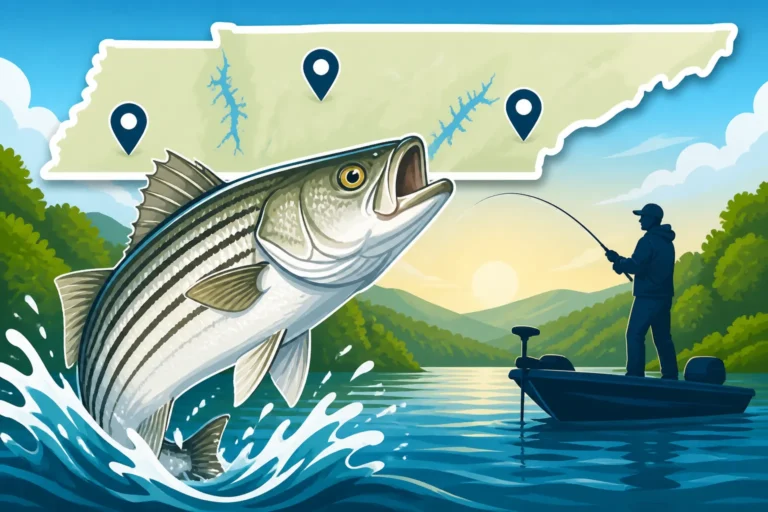
Trying to pin down the elusive striped bass on a vast lake like Chickamauga can feel like searching for a needle in a haystack, especially when you're relying on outdated information or generic advice. These powerful, migratory fish have their own patterns and preferences, and understanding them is key to a successful outing. This guide aims to cut through the noise, providing a deep dive into what you can genuinely expect when targeting striped bass on Chickamauga Lake, offering insights into their behavior, the best times to find them, and the most effective techniques to get them to bite.
Understanding Chickamauga Lake's Striped Bass Fishery
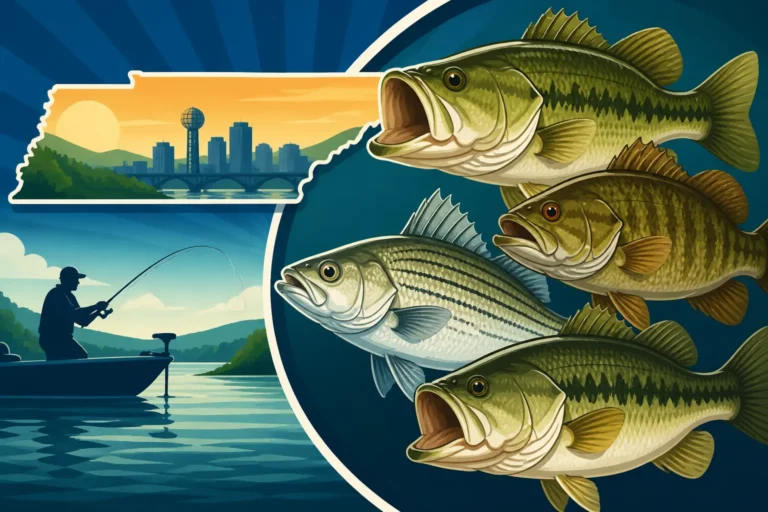
Chickamauga Lake, known primarily as a phenomenal largemouth bass fishery, often surprises anglers with its robust population of striped bass. While it might not always steal the headlines for massive individual stripers like some other reservoirs in Tennessee, the lake consistently produces good numbers of healthy fish that offer an incredible fight. These aren't just random strays; they've adapted to this massive freshwater impoundment and thrive within its depths and currents.
The Nature of Striped Bass in a Reservoir
Striped bass, or "stripers" as many of us call them, are fascinating fish. Naturally anadromous, meaning they typically migrate between saltwater and freshwater to spawn, they've successfully established landlocked populations in many reservoirs, including Chickamauga. Here, they retain their aggressive, predatory instincts, often schooling up to chase baitfish like shad across open water or into creek channels. What makes them challenging, yet incredibly rewarding, is their constant search for optimal conditions—primarily cooler, oxygenated water, and abundant food. This means they are often on the move, making sustained success depend on your ability to track their habits and anticipate their next move. Unlike largemouth that might hold to a specific piece of structure for days, stripers are constantly cruising, which demands a more dynamic approach from anglers.
Key Seasonal Movements and Patterns
The movements of striped bass on Chickamauga Lake are largely dictated by water temperature and the availability of their primary forage, threadfin and gizzard shad. Understanding these seasonal shifts is fundamental to finding them consistently.
During spring, as water temperatures begin to rise, stripers often move into shallower areas and make their way upriver towards potential spawning grounds, or at least areas with strong current that mimic riverine conditions. They'll be more accessible to anglers targeting points, humps, and creek mouths where baitfish are congregating. This can be a fantastic time for both casting and trolling.
As summer fully takes hold and surface temperatures soar, stripers typically retreat to deeper, cooler water. They'll seek out the thermocline and areas with higher dissolved oxygen, often suspending over the main river channel or congregating near the dam's tailrace. This is when deep trolling, downlining live bait, or even night fishing become incredibly effective. Finding this sweet spot of temperature and oxygen is crucial, as going too deep can put you below their comfort zone into deoxygenated water.
Fall brings a renewed burst of activity. As water temperatures cool down, baitfish schools become more active and start to move into creek arms and shallower flats, and the stripers follow them with gusto. This is often heralded as one of the best times to fish for stripers on Chickamauga, as they feed aggressively to put on weight for the colder months. You'll find them busting schools of shad on the surface in the mornings and evenings, making for exciting topwater action or fast trolling opportunities.
In winter, stripers tend to school tightly in deep channels, bends, and around major structures. While they might be less active, they are still catchable. Vertical jigging spoons or heavy bucktails directly over marked schools, or slow trolling deep with large live baits, can be productive. The key during this season is precision; you need to put your bait right in front of them to elicit a strike. For a deeper look at targeting these fish through the seasons, check out Tennessee Striped Bass Fishing Techniques.
Best Times and Locations for Striped Bass on Chickamauga
Knowing when and where to focus your efforts dramatically increases your chances of success with Chickamauga's striped bass. It’s not just about being on the water; it’s about being on the right water at the right time.
Prime Seasons for Action
While you can technically catch striped bass year-round on Chickamauga, there are definitely peak windows. The late spring into early summer, typically from April through June, often provides excellent opportunities as the fish are very active post-spawn and are actively feeding. You'll find them pushing bait into coves or cruising main lake points. The water temperatures are in their ideal range, spurring on aggressive feeding behavior.
Then, there's the glorious fall bite, usually from September through November. This period is arguably the most consistent for catching larger numbers of stripers and often some of the biggest fish of the year. As the water cools, baitfish schools become enormous and visible, and the stripers follow them like hungry wolves. Look for birds diving, which is often a dead giveaway for schooling stripers pushing shad to the surface. Early morning and late evening tend to be the most productive times during these peak seasons, as stripers are often shallow and actively feeding during low light conditions before retreating to deeper water as the sun climbs high.
Identifying Productive Spots and Structures
Chickamauga Lake is immense, stretching over 59 miles with a surface area of nearly 36,000 acres. To find stripers, you need to understand where they prefer to hunt. One of the most consistent locations, especially during times of heavy generation, is the tailrace of Watts Bar Dam, upstream from Chickamauga. The strong current here concentrates baitfish and oxygen, creating a feeding frenzy for stripers. Always be mindful of safety and regulations when fishing below a dam.
Beyond the tailrace, focus on the main river channel. Stripers use these deep arteries as highways. Look for distinct bends, humps, and ledges along the channel. Fish finders become indispensable tools for identifying these structures and, more importantly, locating schools of baitfish and the stripers holding near them. Large creek mouths, particularly those with deep cuts or points extending into the main lake, are also hot spots, especially during spring and fall when baitfish are moving in and out of these areas. Areas like Soddy Creek, Sale Creek, and the lower end of the lake towards the Chickamauga Dam itself can be extremely productive. Remember that stripers are often suspended, not necessarily on the bottom, so understanding How Water Temperature Affects Fish Activity and how that impacts their vertical positioning is crucial.
| Season | Primary Location Type | Key Time of Day | Common Behavior |
|---|---|---|---|
| Spring | Upriver, shallow points, creek mouths | Early morning, late evening | Migrating, chasing bait in shallower water |
| Summer | Deep main channel, thermocline, dam tailrace | Night, early morning, deep during day | Seeking cooler, oxygenated water; less active during heat |
| Fall | Creek arms, main lake points, open water | Early morning, late evening | Aggressively feeding on abundant baitfish, surface busting |
| Winter | Deep channels, major river bends | Mid-day, low light | Schooling tightly, slow metabolism, holding deep |
Effective Techniques and Gear for Chickamauga Stripers
Chasing striped bass on Chickamauga Lake isn't just about showing up; it's about having the right strategy and gear to match their power and habits. These fish are strong, and they'll test your tackle.
Trolling and Live Bait Strategies
When it comes to covering water and finding those elusive schools, trolling is often a go-to strategy for striped bass anglers on Chickamauga. You can pull large deep-diving crankbaits that imitate shad, or even more effectively, umbrella rigs. Umbrella rigs, essentially multiple lures connected to a main line, mimic a school of baitfish and can be deadly when stripers are actively chasing. Using planer boards can help you spread out your lines and cover a wider area, especially when fish are suspended over open water. Keep an eye on your electronics to determine the depth where fish are holding and adjust your trolling depth accordingly. For specific trolling approaches, consider delving into How to Troll for Striped Bass.
However, for sheer effectiveness, especially when targeting larger fish or when stripers are finicky, nothing often beats live bait. Large gizzard shad, skipjack herring (if locally available and legal), or big shiners are prime choices. You can present live bait in several ways:
- Downlining: This is popular in summer. You use a heavy weight to get your live bait down to the exact depth where stripers are marked on your fish finder. This often involves a three-way swivel rig.
- Free-lining: When stripers are busting on the surface or when fishing shallower areas, simply casting a live bait out with no weight and letting it swim naturally can be incredibly effective.
- Balloon fishing: This method allows you to suspend live bait at a specific depth and let the wind carry it across open water, covering more ground than a stationary free-line.
Always ensure your live bait is fresh and lively. Hook them carefully through the nose or back, avoiding the spine, to keep them swimming naturally. The size of the bait often correlates to the size of the striper you're likely to catch, so don't be afraid to go big.
Essential Rods, Reels, and Electronics
To handle the brute strength of a Chickamauga striper, you'll need robust gear. A heavy-action baitcasting or conventional rod, typically in the 7 to 8-foot range, paired with a sturdy reel loaded with strong line, is the standard setup. Many anglers prefer conventional reels for their power and line capacity, especially when trolling or downlining heavy weights. However, a powerful, large-capacity spinning reel can also work well, particularly for casting live bait or lures when the fish are busting.
For line, braided line is highly recommended due to its sensitivity and strength. A 50-80 lb test braid is common, often with a 30-50 lb fluorocarbon leader for abrasion resistance and invisibility. The stretch of braid is minimal, which helps with solid hooksets even at deep depths.
Perhaps the most critical piece of equipment for consistent striper success on Chickamauga, next to your rod and reel, is your electronics package. A good fish finder with side imaging and down imaging capabilities is invaluable for locating schools of baitfish, identifying submerged structure, and most importantly, marking those tell-tale arches of striped bass. Brands like Humminbird or Lowrance offer excellent options that can make a huge difference in your efficiency on the water. You can find a fantastic selection of these and other essential boating electronics on Amazon. A reliable GPS unit (often integrated into modern fish finders) is also vital for marking productive spots, tracking your trolling paths, and navigating safely on such a large body of water.
Don't forget the ancillary gear: heavy-duty swivels, stout hooks (like 6/0 to 8/0 circle hooks for live bait to minimize gut hooking), a large, sturdy landing net, and a good cooler to keep your catch fresh. Planning out your tackle box for striped bass means having a variety of lure weights and sizes, especially those mimicking shad. You can explore options for Best Tackle for Striped Bass on Tennessee Reservoirs to ensure you're fully equipped.
Disclaimer
This article is for general informational purposes only and does not constitute professional advice. Laws, prices and regulations vary by location and change over time. Consult a qualified professional for guidance on your specific situation.