Channel Catfish Habitat in Most Tennessee Streams
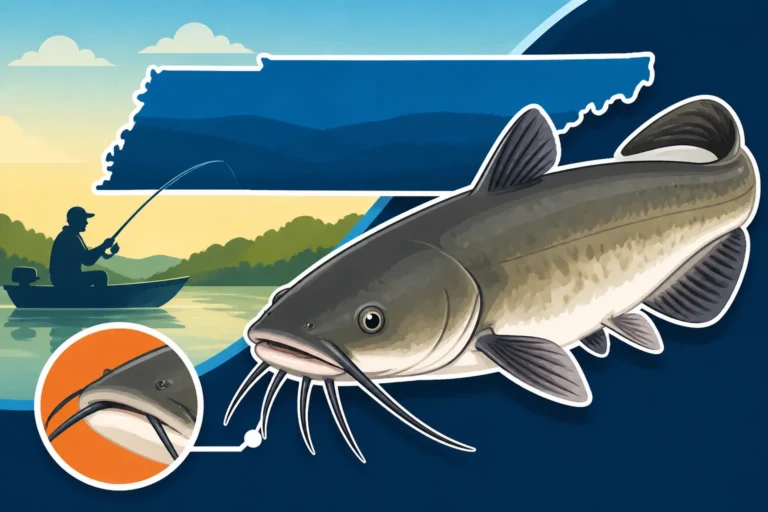
If you've ever found yourself standing on the banks of a Tennessee river, wondering where on earth the catfish are hiding, you're not alone. It's a common frustration for anglers, especially when targeting a species as widespread and yet sometimes elusive as the channel catfish. While these incredible fish are abundant across our state, knowing their preferred hideouts, their "habitat," is key to putting more of them on your line. This guide is all about helping you unlock those secrets, breaking down exactly where channel catfish love to live in Tennessee's diverse waterways, from the smallest streams to our grand reservoirs.
Decoding the Channel Catfish's Preferred Living Conditions
Channel catfish are incredibly adaptable, which is part of what makes them such a fantastic sport fish and a delicious meal. But "adaptable" doesn't mean they're just anywhere. They have definite preferences when it comes to their environment, and understanding these can dramatically improve your success rate. Think of it like a person choosing a home – they want certain comforts and conveniences, and so do catfish.
Water Conditions: What Makes a Channel Catfish Happy?
When it comes to water, channel catfish aren't typically found in crystal-clear, fast-moving trout streams. They much prefer warmer water, generally in the 70-85°F range, though they can tolerate a wider spectrum. They also appreciate a bit of turbidity – that slightly cloudy or muddy water that can make sight fishing for other species a challenge. This isn't just about personal preference; murky water offers them cover from predators and can concentrate their prey. You'll often find them thriving in waters that have a moderate current rather than stagnant ponds or raging rapids. A gentle flow brings food to them and helps keep the water oxygenated. Channel Catfish: Tennessee's Other Official State Fish are perfectly designed for these conditions, with excellent senses of smell and touch that work wonders in lower visibility.
Bottom Structure: Their Favorite Floor Plan
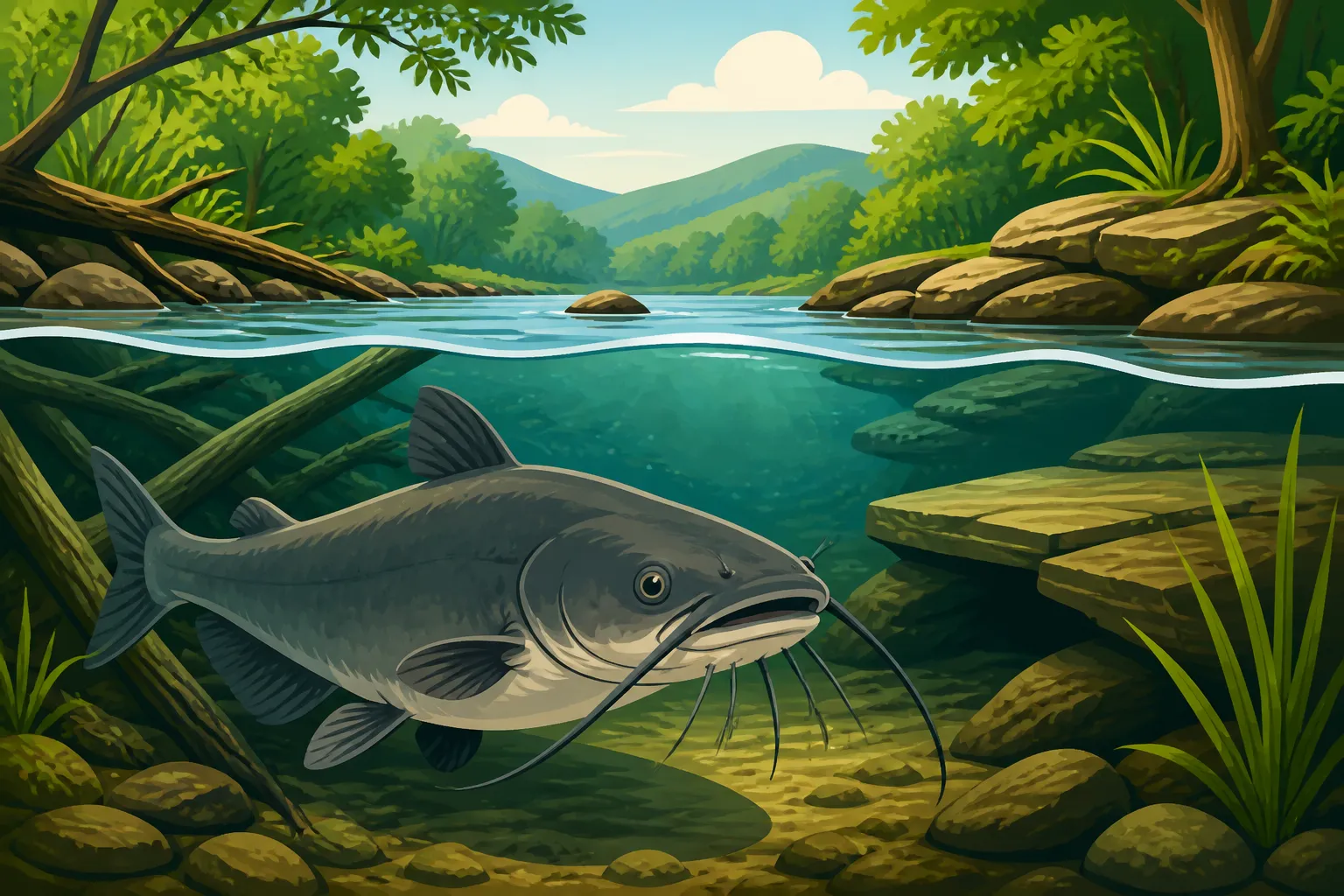
Just like you wouldn't build a house on quicksand, channel catfish look for stability and safety on the bottom. Their ideal floor plan includes areas with soft, silty, or muddy bottoms, often mixed with sand or gravel. This isn't just for comfort; these softer bottoms are rich in invertebrates, their natural food source, and are easy for them to disturb when foraging. They also love areas with structure. This could mean anything from fallen trees and submerged logs to rock piles, old bridge pilings, or even discarded tires. These structures offer them cover from strong currents, ambush points for unsuspecting prey, and security from predators. If you're drifting a line or casting from the bank, look for these tell-tale signs of good bottom structure.
Food Sources: A Catfish's Ideal Pantry Location
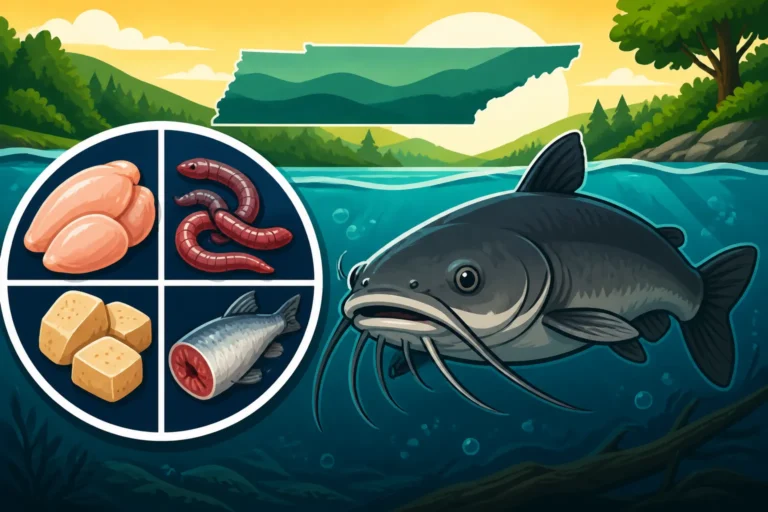
Channel catfish are opportunistic feeders, meaning they'll eat just about anything they can get their mouths around. Their diet significantly influences where they choose to live. They are scavengers, but also predators, feasting on insects, crawfish, small fish, and even aquatic vegetation. Therefore, they're often found in areas where these food sources are abundant. This includes places where currents wash food down, where baitfish congregate, or where detritus (dead organic matter) collects. Think about where insect larvae might thrive in the mud, or where small minnows might hide. A well-stocked pantry is a major draw for these fish, and a good way to figure out where to cast is to consider what they'd be eating. If you're preparing bait, considering what's naturally available in the area can give you a significant advantage. Best Bait for Channel Catfish Fishing often mimics these natural food sources.
Prime River and Stream Habitats in Tennessee
Tennessee is crisscrossed with countless rivers and streams, from the mighty Tennessee River itself to smaller, winding creeks. While the general preferences of channel catfish remain the same, their specific locations within these flowing waters require a closer look.
Deep Holes and Pools: The Comfort Zones
In rivers and streams, channel catfish absolutely adore deep holes and pools. These are the areas where the current slows down, allowing sediment to settle and creating a more stable, comfortable environment. These deeper sections provide cooler water during hot summer months and more consistent temperatures in winter. They also offer a sense of security from overhead predators. When fishing a river, look for bends, outside curves, or areas downstream from obstacles that cause the water to scour out a deeper pocket. These "comfort zones" are often where channel catfish will spend a good portion of their time, especially during daylight hours. A slow drift or a bottom rig placed directly into these depressions can be incredibly effective.
Log Jams and Debris Piles: Nature's Fortresses
There's nothing quite like a good log jam or a pile of brush and debris to attract channel catfish. These areas act as natural fortresses, providing incredible cover, shade, and an abundance of food. Small baitfish, crawfish, and insects all seek refuge in these tangled messes, creating a ready-made buffet for a hungry catfish. The structure also breaks the current, allowing catfish to conserve energy while waiting for a meal to drift by. Approaching these spots requires a bit of finesse; you'll want a strong line and perhaps a weedless rig to avoid snagging. But the effort is often well worth it, as these spots can hold multiple fish. You might even find some excellent tackle storage options for your catfish gear, like durable utility boxes, on Amazon that can help organize your heavy-duty rigs for these snag-prone areas.
Undercut Banks and Overhanging Vegetation: Shady Sanctuaries
Another prime riverine habitat for channel catfish is undercuts along banks and areas with heavy overhanging vegetation, such as willow trees or thick bushes. Undercut banks provide a literal cave-like hideaway where catfish can escape the main current, find shade from the sun, and lie in wait for prey. The roots of the overhanging vegetation often extend into the water, providing even more cover and attracting smaller organisms that catfish feed on. These spots are particularly productive on sunny days when catfish are seeking cooler, darker water. Fishing these spots often involves casting close to the bank and letting your bait sink directly into or under the cover. Tennessee River Fishing Access Points often lead to areas with excellent bank structure like this.
Confluences and Current Breaks: The Dinner Bell
Anywhere two currents meet (a confluence, like a creek joining a river) or where the current is significantly broken by an obstacle (a large rock, a bridge piling, an eddy behind a point) becomes a natural feeding ground for channel catfish. These areas create seams and eddies where food gets concentrated, washing down from upstream and collecting in the slower water. Catfish position themselves in these current breaks, expending minimal energy while waiting for their next meal to drift by. Learning to "read the water" for these current breaks is a fundamental skill for any river angler. Presenting your bait just upstream from a current break, allowing it to drift naturally into the slower water, can be incredibly effective.
Lake and Reservoir Habitats for Channel Catfish
While rivers and streams offer constant flow, Tennessee's vast lakes and reservoirs present a different set of challenges and opportunities for finding channel catfish. These larger, often deeper bodies of water require a slightly different approach, though the core habitat preferences remain.
Creek Channels and Riverbeds: Submerged Highways
Many of Tennessee's reservoirs were created by damming rivers, meaning the original river channels and feeder creek beds are now submerged beneath the lake. These submerged channels are like highways for channel catfish, offering deeper water, consistent structure, and pathways for movement. Fish will often relate to the edges of these channels, moving up onto adjacent flats to feed during certain times of the day or year. Using a good fish finder, perhaps one you can find on Amazon with side-imaging capabilities, can help you locate these subtle contours and the fish holding along them. Fishing these channels, especially where they intersect with points or humps, can be incredibly productive for Channel Catfish Size and Growth Rates.
Roadbeds and Foundations: Man-Made Havens
Similar to submerged creek channels, old roadbeds, foundations of former homes, and other man-made structures that were inundated when the reservoirs were filled become fantastic habitat for channel catfish. These structures provide hard bottom, vertical relief, and an abundance of nooks and crannies for fish to hide and forage. They create current breaks even in relatively still water, and often attract baitfish. Many local anglers have their favorite "secret spots" that are nothing more than a forgotten road or a old homestead foundation now deep under water. Finding these spots usually requires local knowledge, detailed maps, or a patient search with your electronics.
Deep Flats and Points: Foraging Grounds
While channel catfish love structure, they will move onto deeper flats and points, especially during low-light conditions or when actively feeding. These areas, particularly those adjacent to deeper channels or strong cover, can be rich in invertebrates and baitfish. During the warmer months, catfish might cruise these flats at night, taking advantage of the abundant food sources. During the day, they might be found on the deeper edges of these flats, moving up to feed. These foraging grounds are often best fished by drifting multiple lines with different baits, allowing you to cover a wider area and detect where the fish are concentrating.
Marinas and Bridge Pilings: Urban Oases
In many reservoirs, marinas and bridge pilings offer unexpected havens for channel catfish. Marinas, with their docks, boat slips, and constant boat traffic, inadvertently create shelter and food sources. Algae grows on the pilings, attracting baitfish, and often, anglers or boaters inadvertently drop food into the water. Bridge pilings act much like log jams or current breaks in rivers, providing vertical structure, shade, and concentrating food as current flows around them. These "urban oases" can be fantastic spots, especially if you're looking for accessible bank fishing or want to drop a line from a boat while enjoying the scenery. Just be mindful of local regulations and boating traffic.
Seasonal Shifts and Their Influence on Catfish Habitat
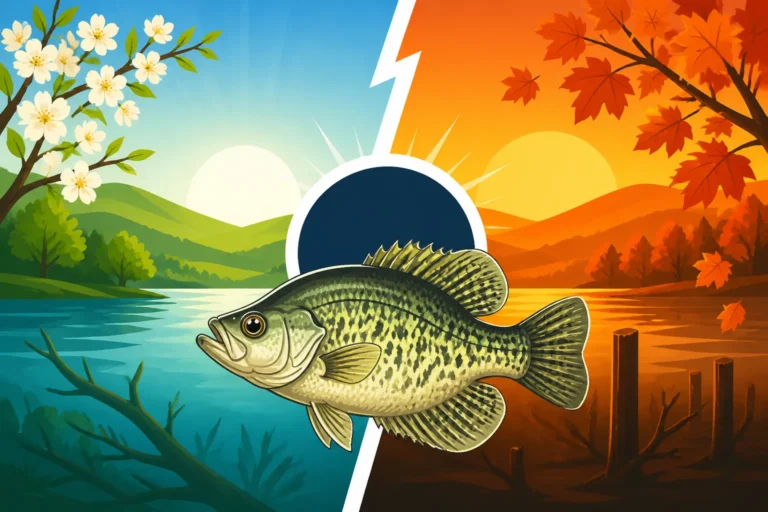
Channel catfish don't just pick a spot and stay there all year. Their habitat preferences can shift dramatically with the seasons, driven by factors like water temperature, spawning cycles, and food availability. Understanding these movements is critical for consistent success.
Spring Spawning: Shallow and Protected
As water temperatures begin to rise in spring, typically into the high 60s and low 70s, channel catfish begin their spawning rituals. During this time, they move into shallower, protected areas. This includes secluded coves, riprap banks, hollow logs, rock crevices, and undercut banks. They're looking for dark, secluded places to lay their eggs, often in areas with a firm bottom. Fishing during the spawn can be tricky, as fish are often focused solely on reproduction and may not be actively feeding. However, pre-spawn and post-spawn can be incredibly productive as they feed heavily to prepare or recover. Look for these specific types of cover in shallower water during late spring and early summer.
Summer Feeding: Deeper and Oxygenated
Once the spawn is over and water temperatures really climb in the summer, channel catfish tend to move deeper, seeking cooler, more oxygenated water. This is when those deep holes in rivers, submerged creek channels in reservoirs, and the thermocline (the layer where water temperature changes rapidly) in lakes become prime territory. They'll still make forays into shallower areas during low-light hours or at night to feed, but their daytime retreats will be in the cooler depths. This is often the time when How to Catch Catfish at Night becomes a popular and highly effective strategy, as catfish move up from the depths to cruise shallow flats. A good sturdy lantern or headlamp you can find on Amazon is essential for those nocturnal adventures.
Fall Transition: Following the Baitfish
As autumn arrives and water temperatures begin to cool, channel catfish often go on a major feeding binge to build up reserves for winter. During this "fall transition," their movements are heavily influenced by the migration of baitfish. As baitfish move into shallower coves and creek arms, catfish will follow suit. You'll find them congregating in areas where these baitfish are abundant, often near the mouths of creeks, on points, or along channel bends. This can be one of the most exciting times to fish for channel catfish, as they are actively feeding and often concentrated in predictable areas.
Wintering Holes: Deep and Stable
When winter truly sets in and water temperatures drop significantly, channel catfish become much less active. They'll seek out the deepest, most stable water they can find, often congregating in large schools in "wintering holes." These can be deep river bends, the deepest parts of reservoir channels, or large rock quarries. Their metabolism slows down, and they feed much less frequently. While they can still be caught, it requires a slower, more subtle approach, and often means targeting these deep, inactive schools. This is definitely a time for patience and precise bait placement.
Here's a quick comparison of general channel catfish habitat preferences:
| Habitat Type | Rivers & Streams | Lakes & Reservoirs |
|---|---|---|
| Water Flow | Moderate current, eddies, current breaks | Minimal current, but may relate to inflow/outflow |
| Water Clarity | Turbid to moderately clear | Turbid to moderately clear |
| Bottom Type | Mud, sand, gravel, silt | Mud, sand, silt, old riverbeds |
| Structure | Deep holes, log jams, undercut banks, rock piles | Submerged creek channels, roadbeds, bridge pilings, deep points |
| Season (Spring) | Shallower, protected coves, riprap, woody debris | Shallow coves, spawning pockets, brushy areas |
| Season (Summer) | Deeper pools, current breaks, cooler areas | Main lake channels, deep flats, thermocline |
| Season (Fall) | Following baitfish in creek mouths, channel bends | Following baitfish in creek arms, shallower flats |
| Season (Winter) | Deepest holes, slowest current | Deepest channels, large depressions |
Understanding where channel catfish thrive in Tennessee's Fishing Rules Every Angler Should Know is all about learning to "think like a fish." They're looking for comfort, security, and a readily available meal. By focusing your efforts on these prime habitat areas, whether you're on a major river like the Cumberland or a sprawling lake like Kentucky Lake, you'll significantly increase your chances of a successful and enjoyable fishing trip. And don't forget to keep an eye out for essential gear, like a sturdy fishing chair for those long waits by the water, which you can often find readily available through retailers like Amazon.
Disclaimer
This article is for general informational purposes only and does not constitute professional advice. Laws, prices and regulations vary by location and change over time. Consult a qualified professional for guidance on your specific situation.