Best Fly Fishing Spots for Rainbow Trout
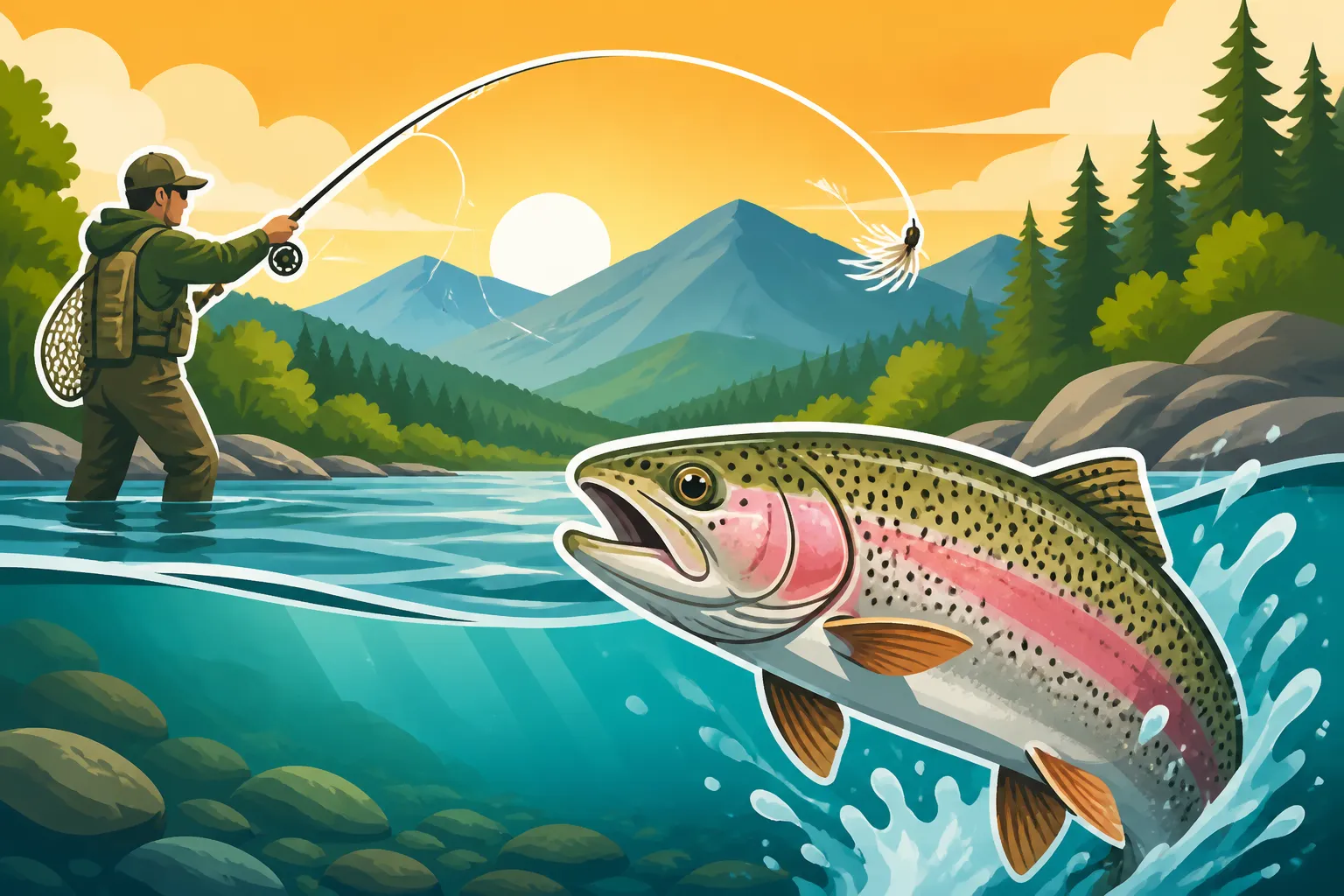
There's nothing quite like the delicate dance of a fly rod, the whisper of the line, and the thrilling tug of a beautiful rainbow trout on the other end. If you're dreaming of clear, cold streams and those vibrant, hard-fighting fish, but aren't sure where to cast your line in the Volunteer State, this guide is crafted just for you. We'll explore Tennessee's prime fly fishing spots for rainbow trout, from the iconic Smokies to hidden tailwaters, helping you plan your next unforgettable angling adventure.
The Allure of Tennessee Rainbow Trout for Fly Anglers
Tennessee, with its diverse landscape, offers some truly spectacular opportunities for fly fishing, especially for rainbow trout. These shimmering, often acrobatic fish are a favorite among fly anglers for their spirited fights and the beautiful environments they inhabit. But what makes Tennessee such a special place for them?
Why Rainbows Thrive in Tennessee's Waters
Rainbow trout aren't native to Tennessee, but they've found a magnificent home here thanks to the state's unique hydrography and dedicated conservation efforts. Many of Tennessee's rivers and streams, particularly in the eastern part of the state, originate in the high elevations of the Appalachian Mountains. These headwaters provide the cold, oxygen-rich conditions that rainbow trout absolutely need to survive and thrive. Furthermore, the Tennessee Wildlife Resources Agency (TWRA) actively stocks rainbow trout in numerous locations, ensuring a healthy and accessible population for anglers. This means that even if a natural spawn doesn't always take hold in certain areas, there's a consistent supply of fish for us to pursue. The blend of natural cold springs and managed stocking programs creates an incredible playground for fly fishermen looking for Rainbow Trout Stocking Schedule Across Tennessee and consistent action.
The geology of these regions also plays a significant role. The rocky bottoms and diverse stream structures offer excellent cover and foraging grounds. Think about those deep pools behind large boulders, the riffles where insects tumble, or the undercut banks where a wise old trout might be lurking. These features aren't just scenic; they're vital habitats for aquatic insects, which form the primary food source for trout, and in turn, make for excellent fly fishing opportunities. You'll find yourself casting in some of the most picturesque parts of the state, often feeling like you've stepped into a postcard.
Understanding Rainbow Trout Behavior for a Better Catch
To truly connect with rainbow trout on a fly rod, understanding their behavior is key. Rainbows are opportunistic feeders, meaning they'll eat a wide variety of prey, from tiny midges and nymphs to larger baitfish and terrestrial insects. Their diet shifts with the seasons and what's available in the water column. In colder months, they tend to hug the bottom, feeding on nymphs and scuds. As water temperatures warm, especially during spring and fall, they become more active and are often seen rising to consume emerging insects. This adaptability is what makes them such a fun target for fly anglers; you can often find a successful pattern no matter the conditions, provided you're paying attention.
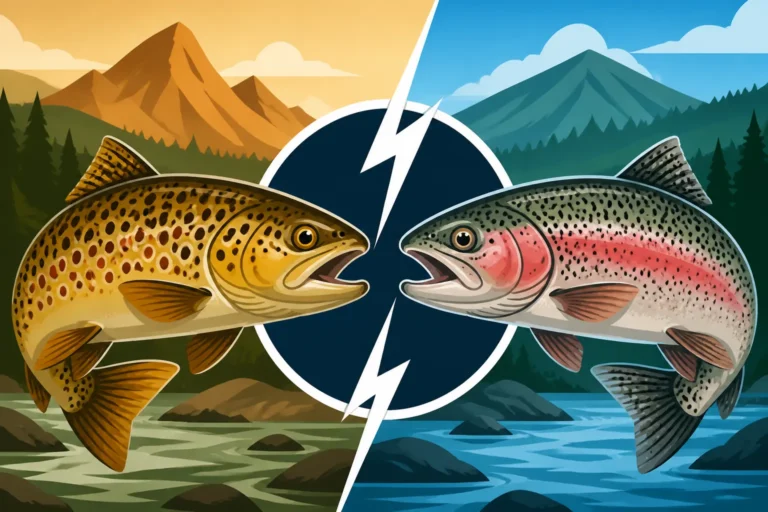
They are also highly visual feeders, which is why fly presentation is so critical. A perfectly drifted dry fly can entice a rainbow from surprising depths, while an errant drag can send them darting away. Being aware of where they hold in different types of water – in seams behind rocks, in the slower water adjacent to fast currents, or near structure – will dramatically increase your chances. They are also easily spooked, so a stealthy approach, careful wading, and precise casting are paramount. It’s a rewarding challenge that makes every successful hook-up feel like a genuine accomplishment. Knowing How to Identify Rainbow Trout in Tennessee Streams can also help you understand their preferred habitats better.
Premier Fly Fishing Destinations for Rainbow Trout in Tennessee
Tennessee boasts several phenomenal locations renowned for their rainbow trout populations and fly fishing potential. From wild mountain streams to productive tailwaters, there’s a spot for every angler's preference and skill level.
East Tennessee's Mountain Gems: Streams in the Smokies
When most people think of trout fishing in Tennessee, their minds instantly drift to the Great Smoky Mountains National Park. And for good reason! The park protects miles upon miles of pristine, freestone streams that tumble down from the highest peaks, offering a truly wild trout fishing experience. While the park is famous for its native brook trout, healthy populations of wild rainbow trout are also found throughout these waters, often coexisting with brookies.
The streams within the Great Smoky Mountains National Park, like the Little Pigeon River (both East and West Prongs), the Little River, Abrams Creek, and Hazel Creek, are legendary. These are classic "pocket water" fisheries, characterized by a series of small pools, riffles, and runs created by boulders and fallen timber. Rainbows here are typically smaller than their hatchery-reared cousins in tailwaters, often ranging from 6 to 12 inches, but they are incredibly vibrant and feisty. Fly fishing in the Smokies often means a lot of hiking, careful wading, and precise casts into tight spots. It's an intimate experience that connects you deeply with nature. Using a short, accurate cast with nymph or dry-dropper rigs is often the most effective approach in these faster, boulder-strewn waters. Remember, these fish are wild, so they are keenly aware of their surroundings. You'll find detailed advice on where to go in Trout Fishing in the Great Smoky Mountains, Tennessee.
Central Tennessee's Tailwater Fisheries
Moving westward from the mountains, Tennessee's tailwater fisheries offer a different, but equally rewarding, rainbow trout experience. Tailwaters are rivers that flow out from the base of large dams, and they often maintain consistent cold temperatures and nutrient-rich flows year-round, creating ideal conditions for trout, including larger rainbows.
-
Clinch River (below Norris Dam): The Clinch River is arguably Tennessee's most famous tailwater and a world-class trout fishery. Below Norris Dam near Knoxville, the water released from the deep impoundment remains consistently cold, allowing rainbow and brown trout to grow to impressive sizes. This river is known for its prolific midge and caddis hatches, making it a fantastic dry fly destination on certain days. Nymphing is almost always productive, with patterns mimicking sowbugs, scuds, midges, and various mayfly nymphs. The Clinch offers both wade fishing access and opportunities for drift boat fishing, covering a long stretch of productive water. Water generation schedules from Norris Dam are critical here, as fluctuating levels can make wading dangerous or fishing difficult, so always check the TVA schedule before heading out. Anglers can learn more about this river in Clinch River Trout Fishing in East Tennessee.
-
Caney Fork River (below Center Hill Dam): Another exceptional tailwater is the Caney Fork River, located closer to Nashville. This river is a true gem, especially for those looking for a diverse angling experience. Like the Clinch, the Caney Fork benefits from the cold-water releases of Center Hill Dam, creating a vibrant ecosystem for rainbow and brown trout. The river offers ample wade fishing opportunities, with easy access points and a meandering flow that creates excellent holding water. Dry fly fishing can be fantastic during strong midge, caddis, and even trico hatches, particularly in the mornings. Nymphing with small patterns is consistently effective. The Caney Fork also has a strong population of scuds and sowbugs, so make sure your fly box is stocked with imitations. It's a fantastic place to spend a day or a weekend, enjoying the tranquil beauty and the thrill of the catch. Caney Fork River Trout Fishing provides more localized insights.
-
Holston River (South Fork below South Holston Dam): Often considered a peer to the Clinch, the South Fork of the Holston River is another premier tailwater located in Northeast Tennessee. This river is particularly famous for its incredible sulfur hatch in late spring/early summer, which can lead to phenomenal dry fly fishing. Even outside of major hatches, the Holston offers consistent nymphing and streamer opportunities for robust rainbow and brown trout. The river’s clear waters demand a stealthy approach and fine leaders, but the rewards are often chunky, hard-fighting trout.
Lesser-Known, Yet Rewarding, Trout Waters
While the big names get a lot of attention, Tennessee has other fantastic, albeit less famous, spots that can offer excellent rainbow trout fly fishing. These can be perfect for avoiding crowds or discovering a new personal favorite.
-
Tuckaseegee River (WNC, but close to TN border): While technically in North Carolina, the "Tuck" is very close to the Tennessee border and a popular destination for Tennessee anglers, especially for its Delayed Harvest sections where a huge number of rainbow, brook, and brown trout are stocked and catch-and-release rules are enforced for much of the year. This creates a high-density trout fishery where anglers can often find consistent action. It's a fantastic spot for beginners to hone their skills or for experienced anglers to enjoy a day of frequent hook-ups.
-
Tellico River (Cherokee National Forest): The Tellico River system, primarily known for its brook trout restoration efforts, also holds a good population of rainbow trout, especially in its lower sections and tributaries outside the dedicated brook trout zones. This area requires a special permit from the Cherokee National Forest in addition to your state license, but it offers a beautiful, more remote mountain stream experience similar to the Smokies, but often with less pressure. It’s perfect for those seeking solitude and the challenge of wilder fish.
-
Watauga River (below Wilbur Dam): The Watauga is another quality tailwater in Northeast Tennessee. While perhaps not as celebrated as the Clinch or Holston for its size or legendary hatches, it consistently produces good numbers of healthy rainbow and brown trout. It’s a bit more intimate than some of the larger tailwaters and offers diverse fishing opportunities, from swift riffles to deep pools. Like other tailwaters, checking the generation schedule is crucial here.
These lesser-known spots, or those just across the state line but easily accessible, can often provide a more peaceful and equally productive day on the water. Researching local conditions and smaller tributaries can often lead to discovering your own hidden gem.
Essential Gear and Techniques for Tennessee Rainbow Trout Fly Fishing
Having the right gear and understanding effective techniques will significantly enhance your fly fishing experience for rainbow trout in Tennessee. Don't worry, you don't need to break the bank to get started, but a few key items are essential.
Must-Have Fly Fishing Equipment
When you're gearing up for rainbow trout in Tennessee, a few items are non-negotiable.
-
Rod and Reel: For most Tennessee trout fishing, a 3-weight to 5-weight fly rod, typically 7'6" to 9' long, is ideal. A 4-weight is often considered the most versatile for these waters. Pair it with a matching reel that has a smooth drag system and enough backing. For those starting out, a good quality combo set from brands often found on Amazon can be an excellent way to get into the sport without guessing at components. You can find detailed recommendations in Best Fly Rods and Waders for Tennessee Trout Streams.
-
Fly Line and Leader/Tippet: A weight-forward floating line is standard for most trout applications. Your leader system should taper down to a fine tippet, typically 4x, 5x, or even 6x, depending on water clarity and how spooky the fish are. Having a selection of tippet spools is always a good idea. Fluorocarbon tippet is excellent for nymphing due to its invisibility underwater and fast sink rate, while monofilament works well for dry flies.
-
Waders and Boots: Unless you're strictly bank fishing, a good pair of breathable waders and sturdy wading boots are essential. They keep you warm, dry, and allow you to access prime fishing spots safely. Look for comfortable, durable options, and remember to layer underneath for temperature control. If you plan to hike into remote areas, lightweight and durable options are key.
-
Accessories: Don't forget a net (preferably rubberized to protect the fish), forceps or hemostats for hook removal, nippers for cutting line, and a fly box stocked with appropriate patterns. A fishing vest or pack with plenty of pockets helps keep everything organized and accessible. Many excellent options for these accessories can be found on Amazon.
Here's a quick overview of essential gear:
| Item | Recommended Specs | Purpose |
|---|---|---|
| Fly Rod | 3-5 weight, 7'6" – 9' length | Casting and fighting trout |
| Fly Reel | Matching line weight, smooth drag | Holding line, playing fish |
| Fly Line | Weight-forward floating | Casting flies |
| Leader & Tippet | Tapered leader (7.5-9 ft), tippet (4x-6x) | Stealthy connection to fly, varying strength |
| Waders & Boots | Breathable chest waders, felt or rubber sole boots | Staying dry and warm, safe wading |
| Fly Box | Assorted sizes, waterproof preferred | Organizing and protecting flies |
| Net | Rubberized mesh, medium size | Safely landing and releasing fish |
| Nippers & Forceps | Sharp nippers, long-nose forceps | Cutting line, removing hooks |
| Vest/Pack | Ample pockets, comfortable fit | Carrying essentials, easy access |
| Polarized Sunglasses | UV protection | Seeing fish and structure underwater, eye protection |
| Licenses & Permits | Valid Tennessee fishing license, trout stamp, park permits | Legal requirement to fish |
Effective Fly Patterns and Presentation Tips
Matching the hatch, or at least presenting a fly that generally resembles what trout are eating, is fundamental in fly fishing.
-
Dry Flies: When trout are actively rising, nothing beats the excitement of a dry fly take. Popular patterns for Tennessee rainbows include Elk Hair Caddis, Adams, Parachute Adams, Light Cahill, and various Trico and Midge patterns. Keep sizes small, typically #16-#22, especially on technical tailwaters. Presentation is key: aim for a drag-free drift that mimics a natural insect floating on the surface.
-
Nymphs: Nymphing is often the most consistently productive method for rainbow trout, as they spend a vast majority of their feeding time subsurface. Essential nymph patterns include Pheasant Tail, Hare's Ear, Zebra Midge, Copper John, and various sowbug and scud imitations. Fishing them under a strike indicator, with enough weight to get them to the bottom, is a common and effective technique. The "tightline" or "Euro nymphing" method is also highly effective in many of Tennessee's faster flows. Learning Best Fly Patterns for Stocked Trout can be a huge advantage.
-
Streamers: Don't overlook streamers, especially for targeting larger, more aggressive rainbows. Patterns like Woolly Buggers (in black, olive, or brown), Clouser Minnows, and other baitfish imitations can be deadly when stripped through deeper pools or swung through current seams. This method often appeals to the predatory instincts of bigger trout.
-
Presentation is Paramount: No matter the fly, how you present it makes all the difference. A delicate, accurate cast, a drag-free drift, and a subtle mending of your line to control the fly's movement are skills that come with practice. Pay attention to how the natural insects drift and try to mimic that. If your fly looks unnatural, the trout will almost certainly ignore it. Remember that rainbow trout often hold in specific current seams or behind structure, so understanding How to Read Water When Trout Fishing will help you put your fly in the strike zone.
Planning Your Tennessee Rainbow Trout Fly Fishing Adventure
A successful and enjoyable fly fishing trip involves more than just knowing where to go and what flies to use. Proper planning ensures you're legal, safe, and ready for whatever the river throws at you.
Navigating Licenses and Regulations
Before you even tie on your first fly, make sure you're legally equipped to fish in Tennessee. This means having the correct licenses and permits.
-
Tennessee Fishing License: Every angler aged 13 and older needs a valid Tennessee fishing license. For residents, there are various options, including annual licenses and combination hunt/fish licenses. Non-residents also have options, from annual to short-term licenses perfect for a fishing vacation. You can easily purchase these online through the TWRA website. Getting your Tennessee Fishing License Guide sorted out is the first crucial step.
-
Trout Stamp/Permit: In addition to your regular fishing license, you will also need a Tennessee trout stamp (or "Trout Permit"). This additional permit is required for anyone fishing for trout in Tennessee's public waters. It helps fund the state's trout stocking and management programs, ensuring these fisheries remain vibrant. It's often an add-on when purchasing your primary license. To be absolutely sure you're covered, check Do You Need a Trout Permit With Your Tennessee License.
-
Special Regulations: Some specific waters, particularly those within the Great Smoky Mountains National Park or certain designated management areas, may have additional permit requirements or specific regulations that override statewide rules. Always check the local regulations for the specific stretch of water you plan to fish. This includes catch limits, size restrictions, and gear restrictions (e.g., single-hook artificials only). For instance, Tennessee Trout Limits and Season Rules will outline general statewide rules, but always verify for your exact spot. It's truly better to be safe than sorry when it comes to regulations.
Best Seasons and Times to Hit the Water
While you can fish for rainbow trout year-round in Tennessee, certain seasons and times of day offer better chances for success and different experiences.
-
Spring (March – May): This is often considered prime time. As water temperatures rise, insect activity increases, leading to prolific hatches of caddis and various mayflies. Rainbows become very active, feeding heavily after the colder winter months. This is an excellent time for both nymphing and dry fly fishing. Spring runoff can sometimes muddy rivers, so paying attention to recent weather and water levels is important.
-
Summer (June – August): Summer can be productive, but challenging, especially in the warmer afternoon hours. Focus on early mornings and late evenings when water temperatures are cooler and insect activity picks up. High-elevation mountain streams remain productive throughout the summer due to their naturally colder water. Tailwaters, with their consistent cold-water releases, also fish well, but expect crowds. Look for deep pools and shaded areas where trout can find refuge from the heat.
-
Fall (September – November): Fall offers beautiful scenery and excellent fishing. Water temperatures cool down, often sparking another surge in insect hatches. Trout become more aggressive, feeding heavily in preparation for winter. This is a fantastic time for nymphing, dry fly fishing, and even streamer fishing for larger trout. Many of the stocked programs see boosts in the fall, making for great opportunities.
-
Winter (December – February): Don't dismiss winter! While hatches are sparse, midge activity can be surprisingly strong on warmer winter days. Nymphing with small patterns, especially midges and sowbugs, can be incredibly effective, particularly in tailwaters where water temperatures are more stable. Fishing is often slower, but the rewards can be larger, less pressured fish. Just bundle up, as the cold can be intense. For specifics on how the season splits, check out The Tennessee Trout Season Split Explained: March to September vs October to February.
In terms of time of day, early mornings and late afternoons/evenings are generally the most productive, regardless of the season. Fish are often more active during these times when light is low and temperatures are milder, leading to better feeding opportunities. Always consider local weather patterns and water generation schedules for tailwaters, as these can dramatically impact fishing conditions.
Disclaimer
This article is for general informational purposes only and does not constitute professional advice. Laws, prices and regulations vary by location and change over time. Consult a qualified professional for guidance on your specific situation.