Where Flathead Catfish Live in Tennessee Rivers
It can feel like a real mystery trying to track down those elusive flathead catfish in Tennessee's vast river systems. You know they're out there, those massive, solitary predators, but actually finding their hideouts can be a serious challenge, especially if you're used to catching channel cats or blues. This guide is all about cutting through that mystery, showing you exactly where flathead catfish prefer to live in Tennessee's rivers and how to approach those prime locations.
The Elusive Flathead Catfish: Understanding Their River Strongholds
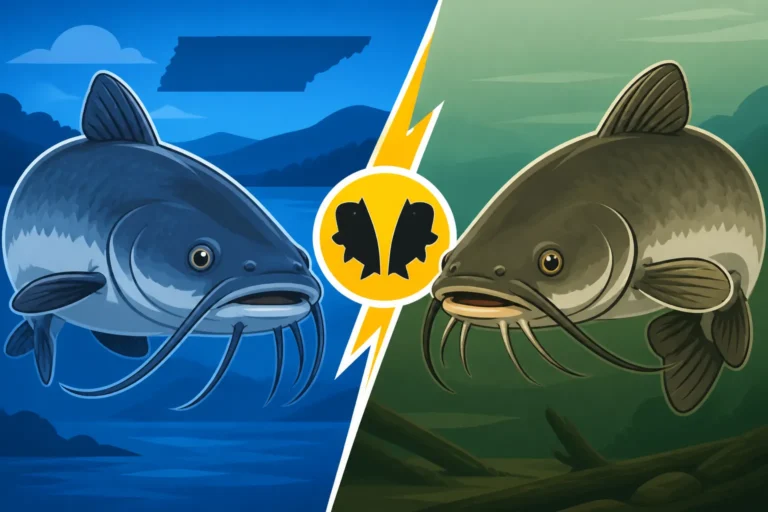
Flathead catfish are truly unique among their whiskered cousins. Unlike the schooling channel cats or the often nomadic blue catfish, flatheads are ambush predators, preferring to stake out a territory and wait for their next meal to come to them. This fundamental difference dictates where they choose to live and how we, as anglers, need to approach finding them.
Why Flatheads Are Different From Other Catfish
When you think of catfish, you might picture them scavenging along the bottom, slurping up anything edible. While channel cats and blues certainly do this, flatheads have a much more carnivorous diet, favoring live fish above all else. This means they need prime ambush points, places where they can hide out of the current, unseen, and dart out quickly to surprise prey. They are solitary creatures for the most part, especially the larger specimens, often choosing a specific piece of cover as their "home" and defending it fiercely. This makes them less widespread in any given area compared to other catfish, but once you find their type of hangout, you're on the right track. Their distinct lifestyle directly influences Flathead Catfish Habitat in Tennessee Rivers.
Their preference for live bait also shapes their habitat choices. They won't just sit in a barren mud flat waiting for something to drift by. They need structure, current breaks, and access to baitfish populations. This can make them tougher to locate for the casual angler, but for those willing to put in the time to understand their habits, the reward of hooking into a monster flathead is unparalleled. You'll often find them tucked into places that might seem unproductive for other species, which is why a targeted approach is so crucial.
Preferred Riverine Environments
Flathead catfish are true river dwellers at heart, and while you might occasionally catch them in reservoirs, their prime real estate is always going to be associated with flowing water and ample structure. They don't typically hang out in wide-open, featureless areas. Instead, they seek out specific conditions that cater to their predatory nature.
Their ideal home usually includes some combination of deep water, slow to moderate current, and significant overhead or submerged cover. Think about the bends in a river where the outside edge is scoured deep, creating a trough. Or imagine an area where the river channel narrows, accelerating the current, but then immediately widens or hits an obstacle, creating a slack water eddy. These are the kinds of spots that scream "flathead haven." They use these areas to conserve energy while waiting for prey to be swept by, making them highly efficient hunters. Understanding these preferences is key to success.
Major Tennessee Rivers Where Flatheads Thrive
Tennessee is blessed with an incredible network of rivers, many of which are absolutely brimming with big flathead catfish. Knowing which river systems to focus on and what specific features within those rivers to look for can significantly improve your chances. We're talking about vast stretches of water, so breaking it down region by region and feature by feature is essential.
The Mighty Tennessee River and Its Expansive System
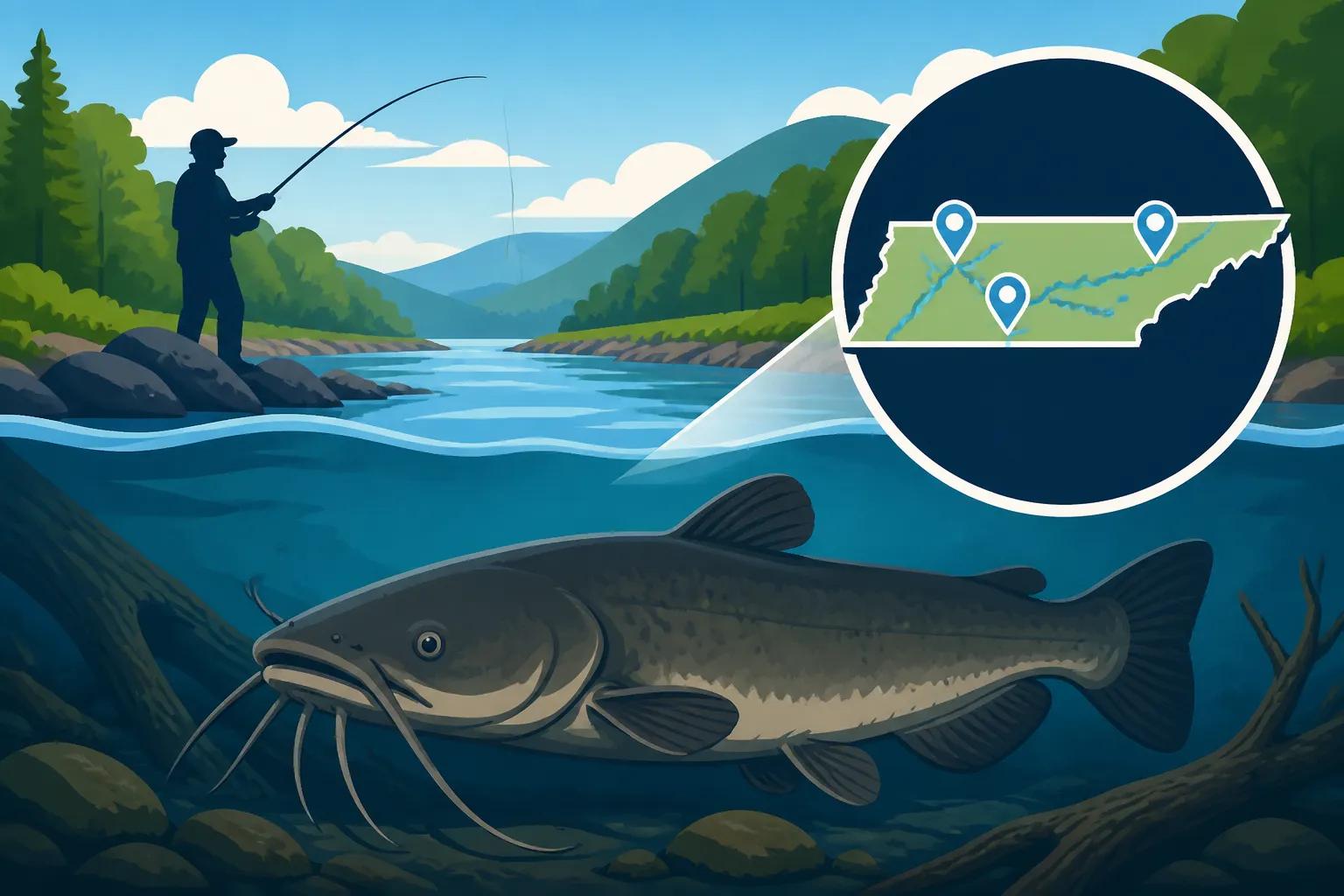
The Tennessee River is, without a doubt, a premier destination for flathead catfish. Its immense size, diverse habitat, and constant flow provide everything these fish need to grow to truly monstrous proportions. From its headwaters down to where it flows into Kentucky, the Tennessee River is a flathead factory.
You'll want to focus on the deep main river channel, especially where it snakes around major bends. Look for areas with significant drop-offs and structure. Think about the stretch around Chattanooga, where the river winds through urban areas but still holds incredible fish, or the vast waters of Kentucky Lake on the Tennessee side, which, despite being a reservoir, still retains strong riverine characteristics. Navigational markers often sit near channel edges, which are great starting points. Submerged bridge pilings, old riverbed structures, and massive log jams that have accumulated over decades are all prime real estate. These fish don't want to fight the current, so they'll use these structures as current breaks to set up their ambush points. When you're fishing these big waters, having a quality fish finder can be a game changer to locate those specific structures. Many anglers find great deals on reliable models through retailers like Amazon, ensuring they don't miss hidden flathead gold.
The Cumberland River: A Hidden Gem for Flatheads
While often overshadowed by the Tennessee River, the Cumberland River is an equally fantastic, though sometimes less talked about, flathead destination. Flowing through Nashville and then westward, the Cumberland offers a slightly different character than the Tennessee, often with more distinct riverine features and less immediate reservoir influence in many stretches.
The Cumberland is renowned for its deep holes, especially below its many dams and navigation locks. These areas scour out massive depressions that provide perfect holding spots for big flatheads. The river's banks are often lined with heavy riprap and rock piles, which can hold substantial amounts of baitfish, in turn attracting flatheads. Just like the Tennessee, look for severe river bends, especially those with steep outside banks that indicate deep water and potential washouts. Cumberland River Fishing Spots in Tennessee often include these types of deep, structured areas. Pay particular attention to the mouths of creeks and major tributaries entering the Cumberland; these confluences often bring in fresh bait and create current seams that flatheads love. A heavy-duty fishing rod, easily found on Amazon, is practically a necessity for wrestling these brutes out of their snags.
Smaller Rivers and Tributaries: Unsung Flathead Havens
Don't make the mistake of thinking flatheads only live in the biggest rivers. While the titans of the species often reside there, many smaller rivers and larger creek systems flowing into the main bodies of water can hold surprisingly good numbers and sizes of flatheads. These can often be less pressured and offer a different fishing experience.
Rivers like the Duck River, the Harpeth River, or even larger creeks feeding into Watts Bar Lake or Percy Priest Lake, can be excellent. The key here is to find the same types of habitat as in the larger rivers, just on a smaller scale. Look for deep scour holes formed by bends or obstructions, particularly large log jams that create significant cover and current breaks. The flatheads in these smaller systems might not reach the record sizes of their big-river brethren, but catching a 20-30 pound flathead in a relatively narrow river can be an incredibly intense fight. These smaller systems are often overlooked, making them great spots for anglers seeking solitude and a challenge. Remember to equip yourself with stout line and hooks; you can easily stock up on these essentials by browsing fishing supplies on Amazon.
Pinpointing Flathead Hotspots: Reading the Water
Finding flatheads isn't just about showing up at a famous river; it's about understanding the subtle (and sometimes not so subtle) clues the river gives you about where these fish are likely to be hiding. They are creatures of habit and structure, and once you learn to "read" the water, you'll start seeing potential flathead lairs everywhere.
Decoding Structure: Snags, Logs, and Deep Pools
Flathead catfish are absolutely addicted to structure, especially heavy, woody cover. They use it for ambush points, protection from strong currents, and shelter from sunlight. This is probably the single most important factor in locating them.
Think about huge log jams, submerged trees, root wads along undercut banks, and old bridge pilings. These aren't just random spots; they're fortresses for flatheads. The bigger the snag, the more likely a big flathead is calling it home. The key is that these structures create current breaks and eddies, allowing the flathead to sit comfortably out of the main flow while still having an advantageous position to ambush baitfish. Deep pools adjacent to these structures are also prime. If you find a massive pile of timber in 20-30 feet of water with a noticeable current seam around it, you've probably found a flathead apartment complex. Many anglers prefer to use specialized catfish rigs when fishing these snaggy areas, often purchasing pre-tied rigs or the components to build their own from online retailers like Amazon, as it saves time and ensures durability.
The Role of Current and Confluences
Current is the lifeblood of a river, and flatheads understand how to use it to their advantage. They won't usually sit directly in the strongest current, but rather on the edges or in breaks where the current brings food to them.
Confluences, where two rivers or a creek and a river meet, are absolute magnets for flatheads. These areas create turbulent water, current seams, and often deposit debris, creating excellent structure. They also concentrate baitfish, making them prime feeding grounds. Look for the "mixing zone" where the two water bodies merge; flatheads will often be positioned just downstream of this, or along the current seams that form. The varying flows also scour out deeper holes, adding another layer of attraction. Areas downstream of wing dams or riprap points that deflect current are also excellent, as these features create eddies and slack water where a flathead can patiently wait. Understanding how the current shapes the river bottom is crucial, and it's a skill that develops with time on the water.
Here's a quick reference for common flathead river features:
| Feature Type | Description | Why Flatheads Like It | Example Location |
|---|---|---|---|
| Deep Holes | Scoured out depressions in the riverbed, often 20+ feet deep. | Shelter, stable water temperature, ambush point. | Below dams, outside river bends |
| Log Jams/Snags | Large accumulations of downed trees, branches. | Excellent cover, current break, ambush point. | Along eroded banks, tributary mouths |
| Current Seams | Boundary where fast and slow currents meet. | Funnels baitfish, flathead sits in slow water, waits. | Downstream of points, bridge pilings |
| Undercut Banks | Eroded banks where the river has carved out a cave-like ledge. | Overhead cover, protection, ambush point. | Outer bends of winding rivers |
| Bridge Pilings | Structural supports for bridges, often deep. | Current breaks, artificial structure, attracts bait. | I-40 bridge over Tennessee River |
| Tributary Mouths | Where smaller creeks or rivers flow into a larger river. | Concentrates bait, current breaks, often has deep holes. | Mouth of Duck River into Tennessee River |
Strategies for Targeting River Flatheads
Knowing where they live is half the battle; the other half is knowing how to fish for them effectively once you've found those prime spots. Flatheads require a specific approach, both in terms of gear and technique.
Essential Gear for Taming River Giants
Flathead catfish are powerful fish, and the places they live are often unforgiving. You absolutely need heavy-duty gear to stand a chance.
- Rods and Reels: Think stout. A heavy-action rod, usually 7-9 feet long, paired with a large baitcasting reel capable of holding a substantial amount of heavy line. You need backbone to pull these fish out of thick cover.
- Line: Don't skimp here. Mono or fluorocarbon lines in the 30-80 pound test range are common, or braided line of similar strength (but be mindful of its abrasion resistance around snags). The more cover you're fishing, the heavier your line needs to be.
- Hooks: Large, sharp, and strong. Circle hooks in sizes 5/0 to 10/0 are very popular for flatheads, as they promote lip hooks and reduce gut hooking, especially when fishing with live bait.
- Weights: Heavy sinkers are often necessary to hold your bait in the current. Pyramid sinkers, no-roll sinkers, or heavy egg sinkers ranging from 3 to 10 ounces are typical, depending on current strength.
- Bait: Live bait is king for flatheads. Common choices include bluegill, sunfish, shad, suckers, and carp. Make sure your bait is lively and presented naturally. Best Live Bait for Flathead Catfish will go into much more detail on this topic.
- Other Essentials: A sturdy bait bucket or livewell to keep your live bait fresh, heavy-duty pliers, and a large landing net or lip gripper are also crucial. You can find many of these items, from tackle boxes to specialized tools, easily available through retailers like Amazon, ensuring you're well-equipped for your next big flathead hunt.
Best Times and Conditions for a Flathead Hunt
Flatheads are primarily nocturnal feeders, especially the larger ones, which means your best chances will often come after the sun goes down. However, they can be caught during the day if conditions are right and you find them tucked into deep, dark cover.
- Night Fishing: This is when flatheads move out of their deepest cover to hunt. Fishing from dusk until dawn is often the most productive strategy, especially in the warmer months. Use headlamps, lanterns, and be extra cautious navigating the river in the dark. For a deep dive into nocturnal tactics, check out How to Catch Catfish at Night.
- Seasonal Movements: In spring, as water temperatures rise, flatheads become more active and move into shallower areas to spawn. Post-spawn, they retreat to deeper holes to recover. During summer, they are in full feeding mode, often holding in deep, current-protected areas during the day and moving to shallower feeding flats at night. Fall sees them feeding heavily in preparation for winter, before becoming less active and holding in very deep holes during the coldest months.
- Water Levels and Clarity: Stable to slowly rising water levels after a rain can trigger a bite, as new food sources are washed into the river. Conversely, rapidly rising or muddy water can make fishing difficult. Clear, stable water is generally good, especially for daytime fishing if you can find deep cover.
Successfully targeting flathead catfish in Tennessee's rivers is a rewarding challenge that requires understanding their unique habits and preferred habitats. By focusing on deep, structured areas with current breaks in major rivers like the Tennessee and Cumberland, and even some of their larger tributaries, you'll be well on your way to hooking into one of these magnificent river giants.
Disclaimer
This article is for general informational purposes only and does not constitute professional advice. Laws, prices and regulations vary by location and change over time. Consult a qualified professional for guidance on your specific situation.